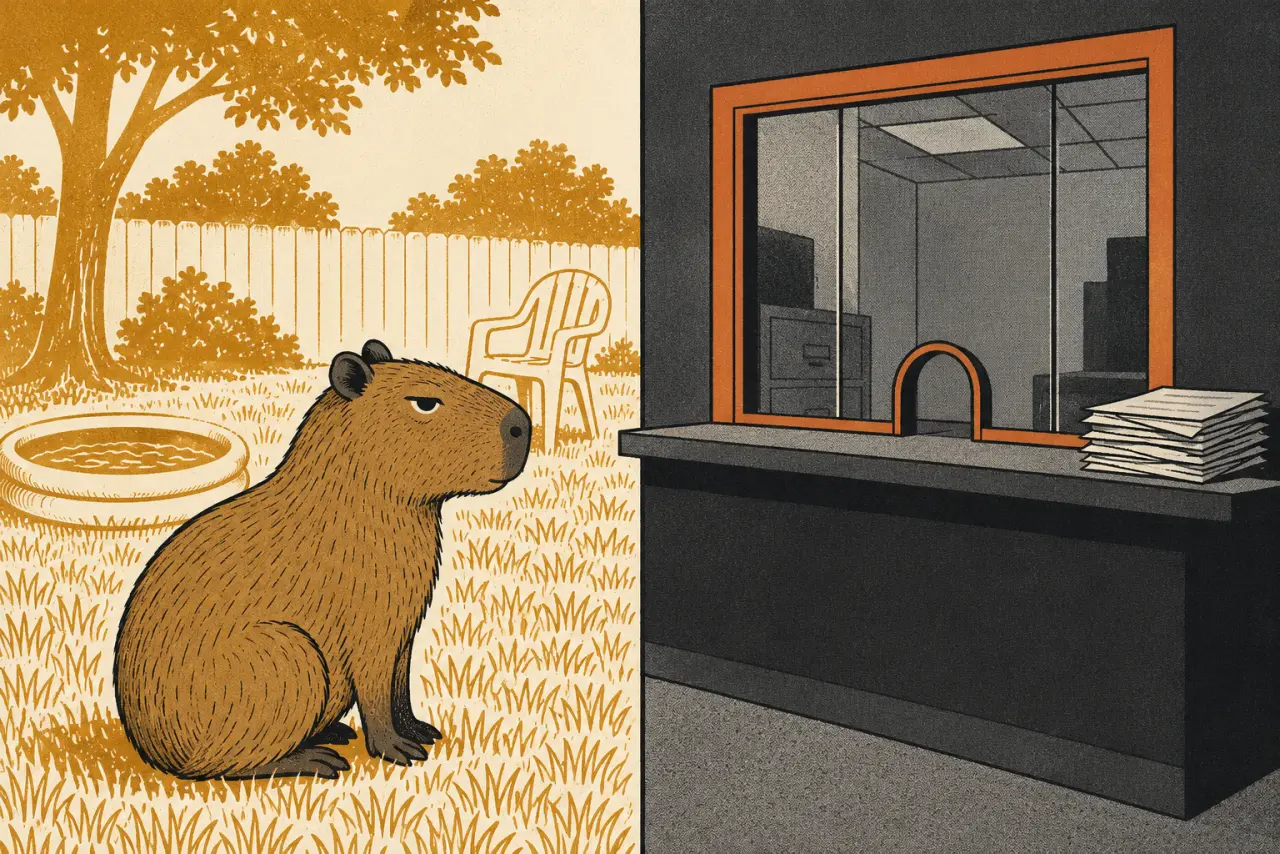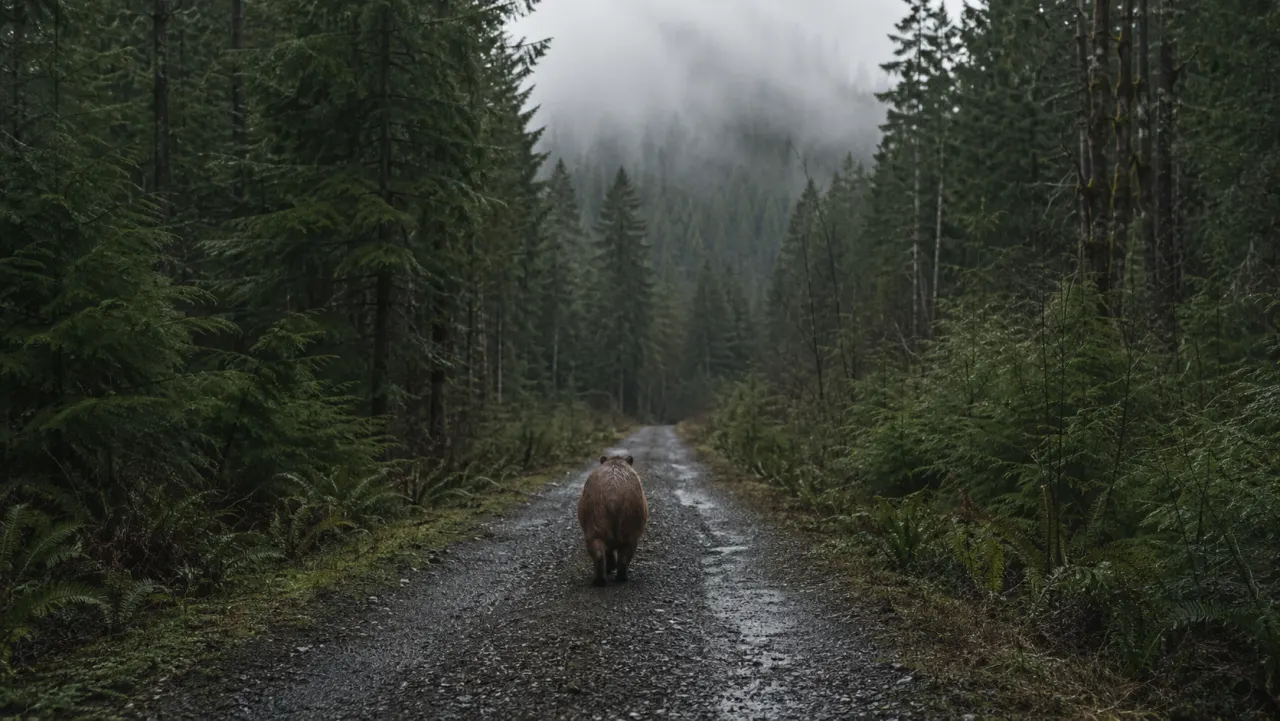
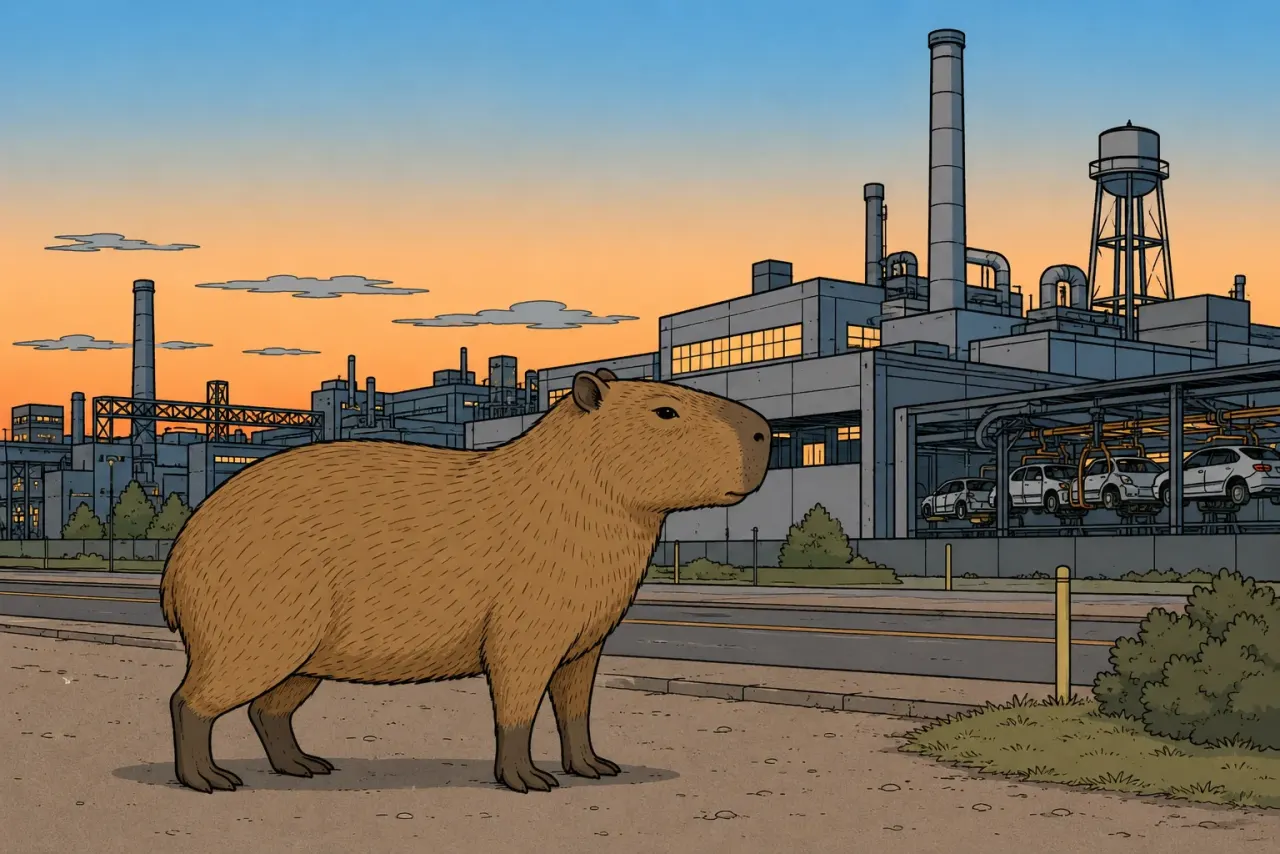
Federal law gives American workers exactly one day a year that officially celebrates not working. The capybara built an entire personality around that idea, several million years early, without filing a single form.
Labor Day lands on Monday, September 7 in 2026. It is the most capybara-aligned institution in American law: a paid, nationally agreed-upon refusal to be productive. So treat this as a short performance review of the capybara position on work. It holds up better than you’d think.
The capybara labor day verdict, stated plainly: the world’s largest rodent works a real but short day, shares the load across the group, and treats rest as the point rather than the reward. Most of what reads as laziness is efficient energy budgeting backed by actual biology.
What A Capybara Actually Does All Day
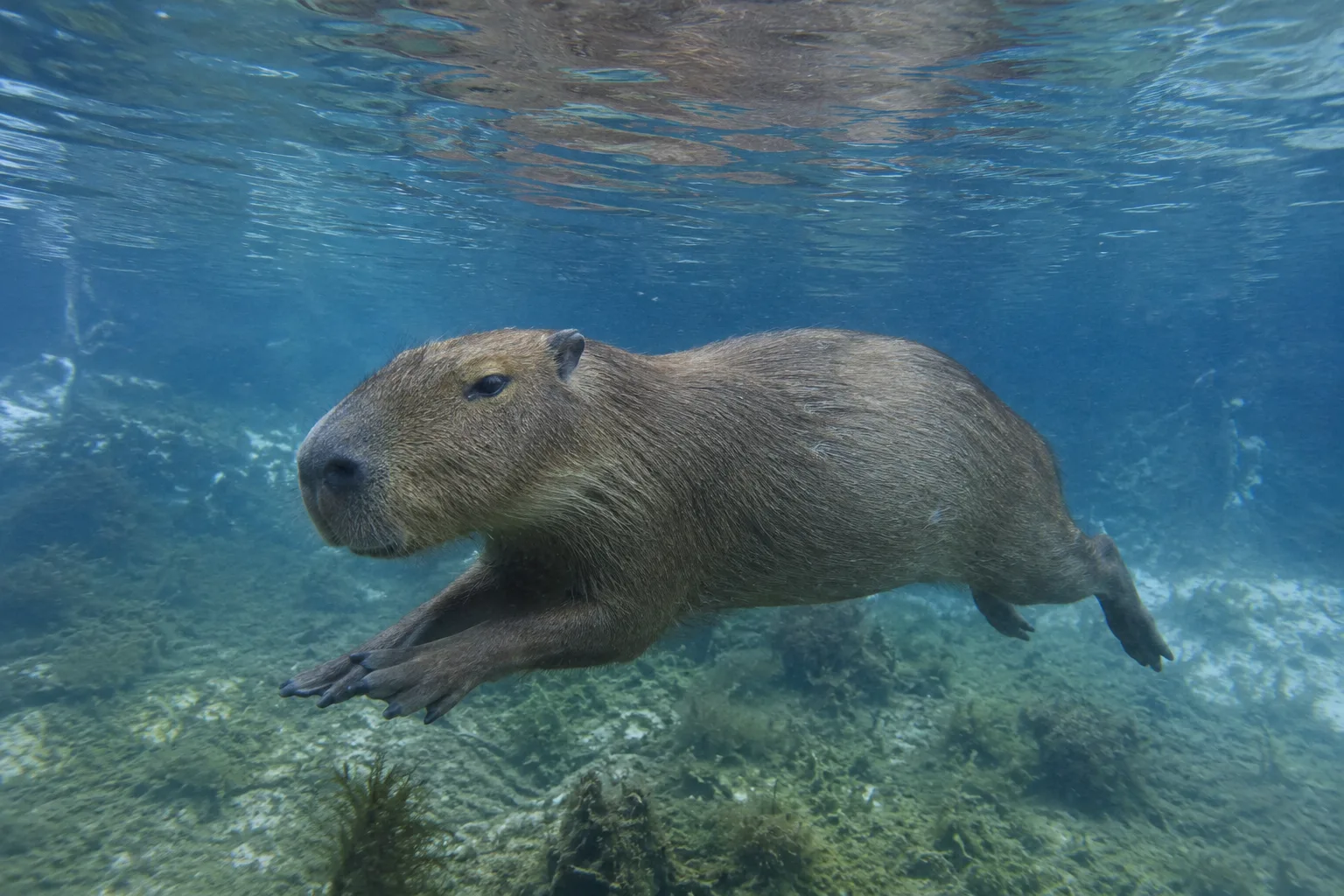
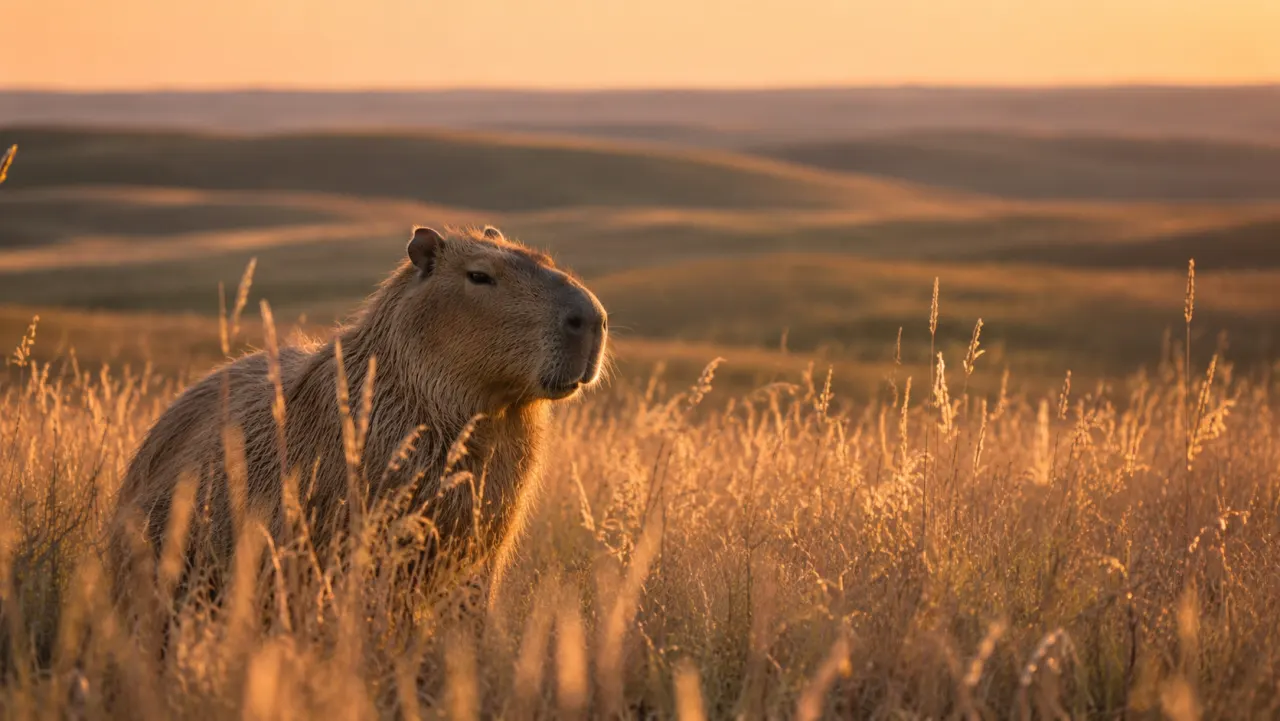
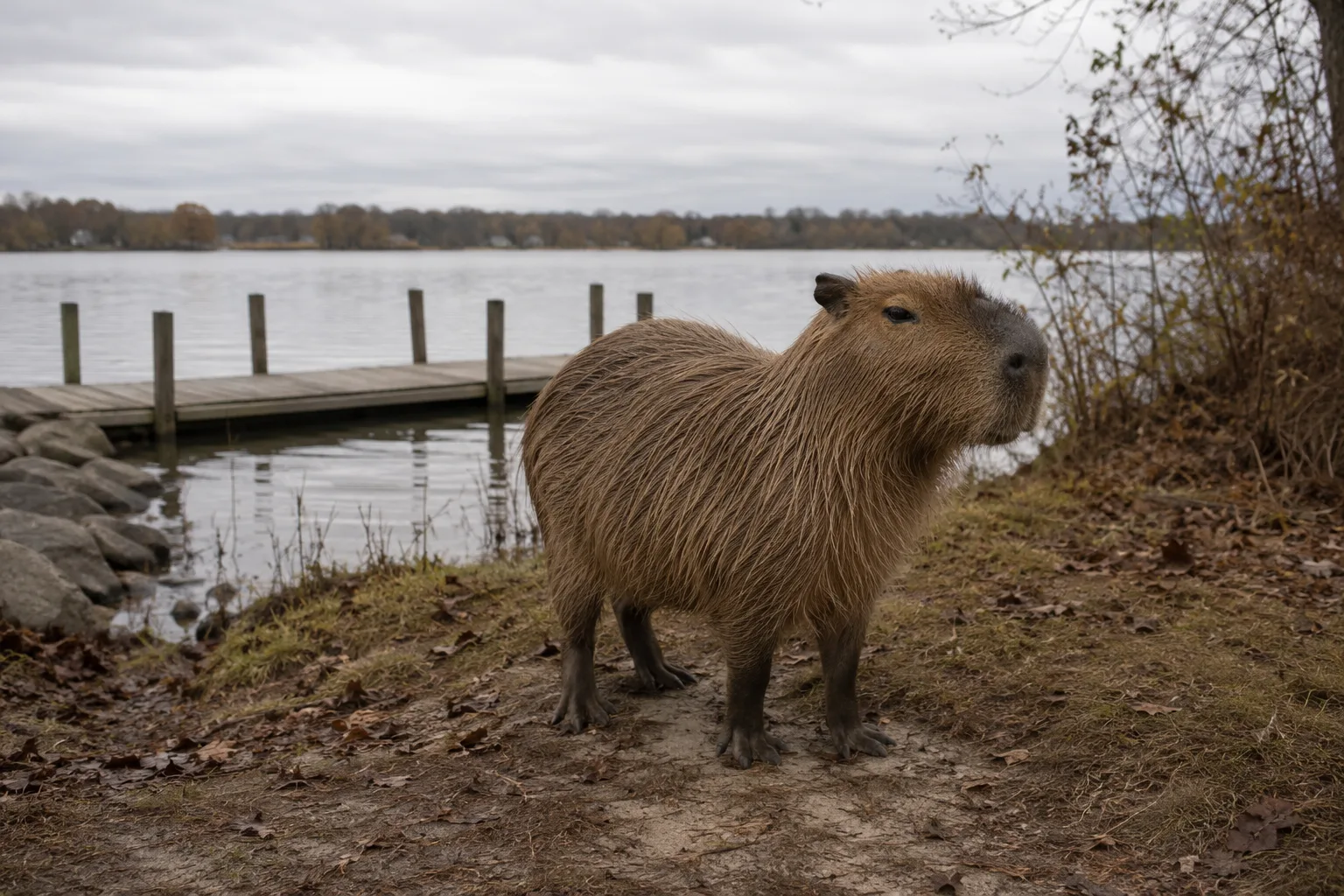
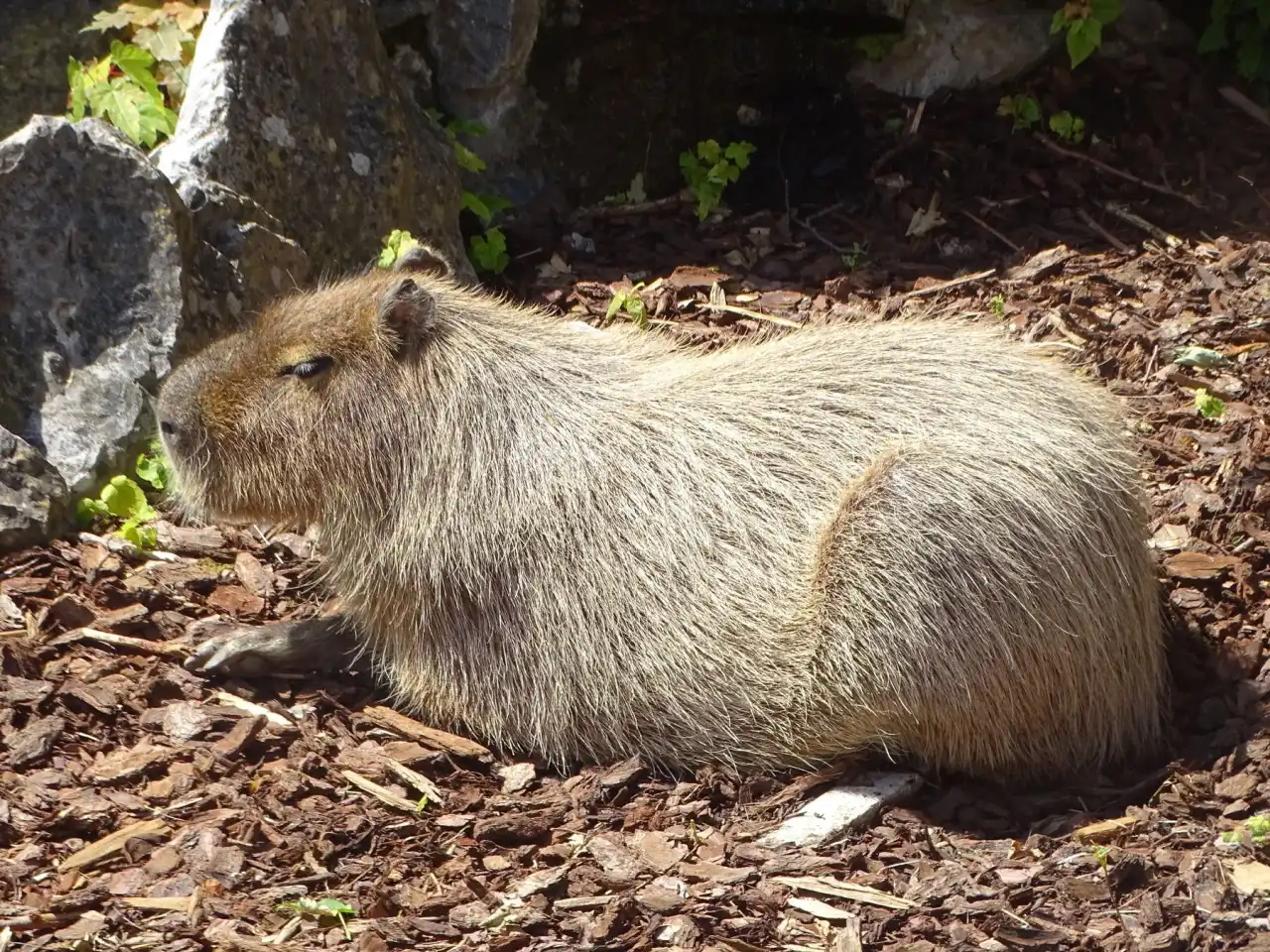
A wild capybara’s “workday” is mostly grazing at the soft ends of the day. Animal Diversity Web describes them as primarily crepuscular, busiest around dawn and dusk, and parked in or beside water through the hottest hours. San Diego Zoo Wildlife Alliance puts the daily output at 6 to 8 pounds of grass, pulled from only three to six favorite plants.
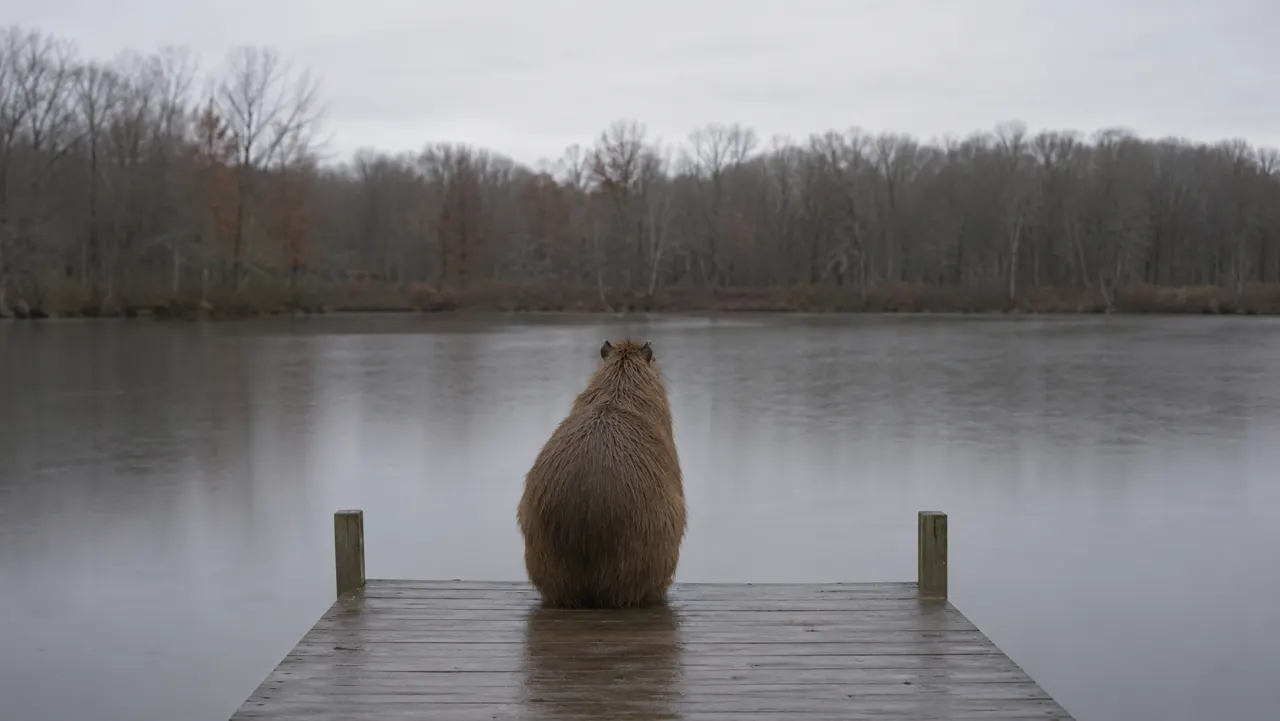
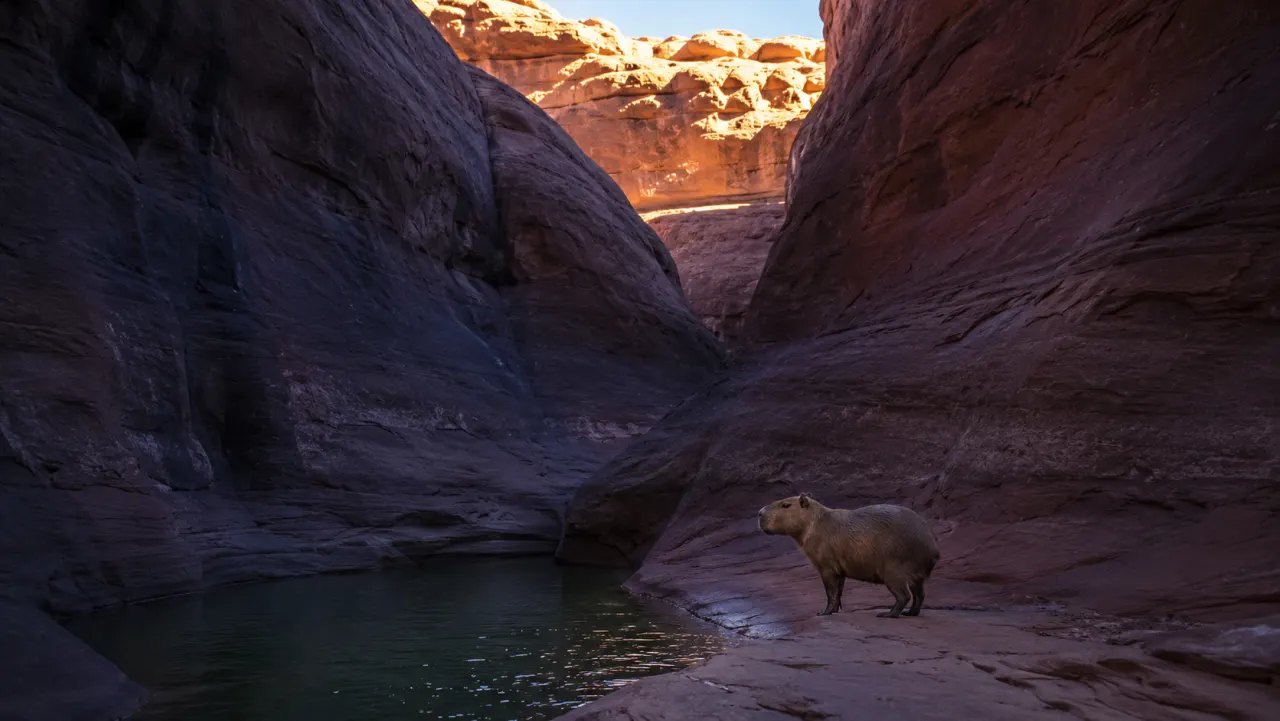
That is the whole job. Eat the lawn, dodge the heat, stay near an exit. The midday block, plus the light, frequent naps that fill it, isn’t a break from work. For a capybara, the soak is the schedule.
Here is the detail that sticks: they re-eat their own droppings in the morning, a habit called coprophagy, to wring more nutrition and gut bacteria out of yesterday’s grass. Gross and efficient at once, which is the capybara brand in two words.
How The Herd Splits The Real Work
The part people miss is that capybaras don’t freeload off each other. They run a shared-labor system.
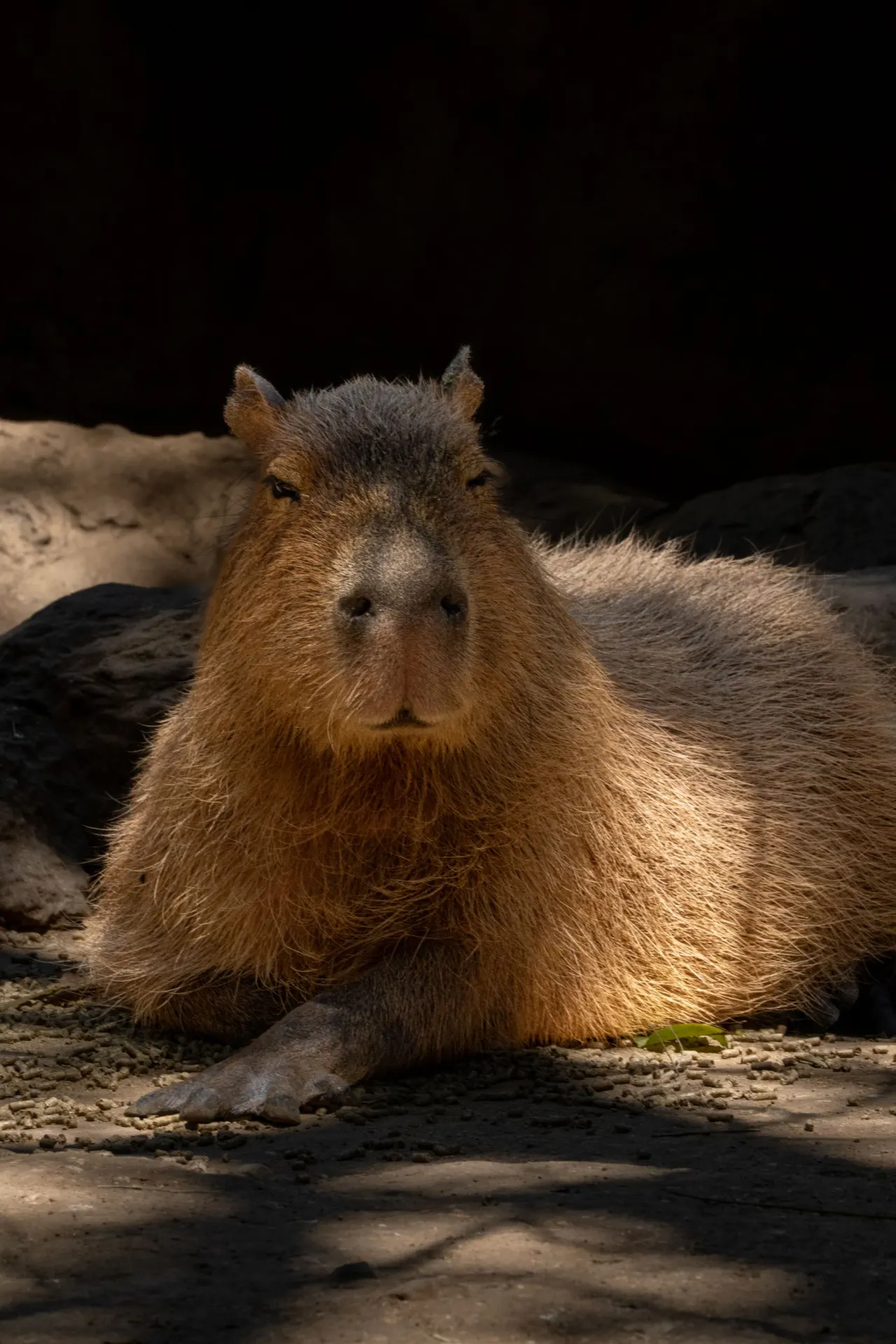
They live in groups of around 10 adults, larger near water in the dry season. Vigilance rotates: while most of the group grazes head-down, someone stays alert. ADW notes a capybara will bark to warn the group of danger, and the standard response is the whole herd rushing into the water at once. That sentinel shift is unglamorous, unpaid, and genuinely load-bearing.
Childcare is communal too. Young cluster into crèches, and females have been seen nursing pups that aren’t their own. Babysitting is a group function here, not one exhausted parent’s problem, which is more than most workplaces manage. If you want the social structure in full, capybaras live in groups, not alone.
Watch a group at a zoo pond near closing and you can usually pick out the sentinel: one animal sitting slightly higher, ears up, while the rest mow grass like nothing exists. Then a single bark, and the lawn empties into the water in about two seconds.
Why Capybara ‘Laziness’ Is Just Good Energy Math
Calling a capybara lazy is mostly projection. A grazing herbivore living on low-calorie grass has a strict energy budget, and lying in the shade instead of burning calories in the sun is the correct financial decision, not a moral failing.
Honestly, the capybara just priced rest correctly and the rest of us didn’t.
The calm follows from the system working: shared watch, easy food, water for cooling and escape. That famously unbothered face is the output of a low-stress, well-distributed workload, which is also why capybaras stay so calm under pressure that would wreck most animals.
The Capybara Workday, Translated To HR
Map the whole thing onto human terms and the gap gets uncomfortable.
| Capybara labor practice | Human equivalent | Status |
|---|---|---|
| Grazes only at dawn and dusk | A genuine four-hour focused workday | Aspirational |
| Midday soak in the pond | Protected, non-negotiable lunch | Rarely granted |
| Rotating sentinel duty | Sharing the on-call pager | Underrated |
| Communal nursing and crèches | Actual team childcare | Mostly theoretical |
| Re-eating breakfast | Leftovers for lunch | A step too far |
The One American Holiday A Capybara Would Respect
Labor Day exists because of a fight, not a vibe. It became a federal holiday in 1894, signed by President Grover Cleveland during the Pullman strike, a national railroad boycott that turned violent after federal troops moved in. Britannica and HISTORY both frame the holiday as a conciliatory gesture toward a labor movement the government had just spent the summer crushing.
So the holiday that now means lake, grill, no email started as an argument about how hard people should be made to work, and who gets to rest.
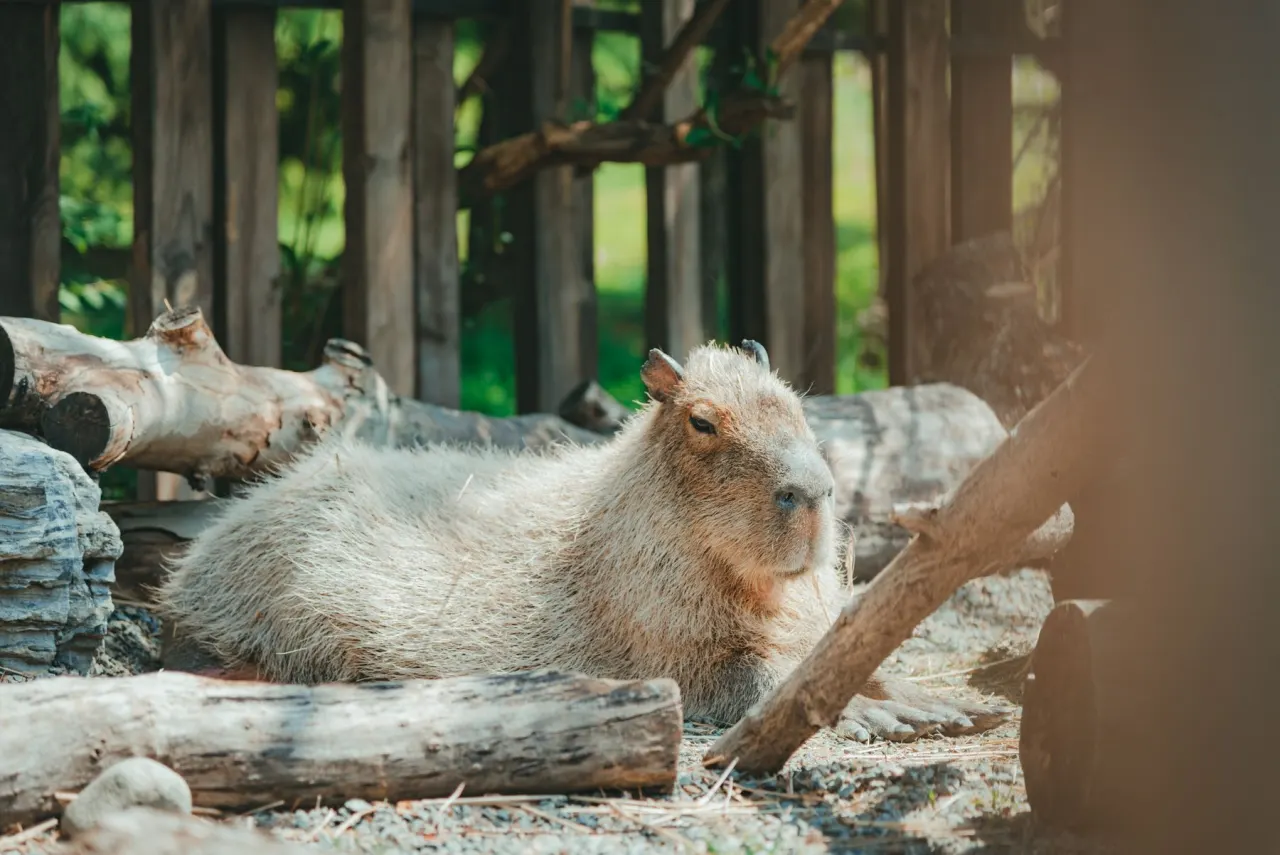
The capybara has no opinion on the politics. It only knows that one day a year, the entire country briefly adopts its operating system. It will spend September 7 the way it spends every other day: in the water, near snacks, declining to attend.