
World Animal Day asks people to care about animals. The capybara answered by becoming the animal people send when they are trying not to care too loudly, which is rude but effective.
That is not a contradiction. It is the whole trick.
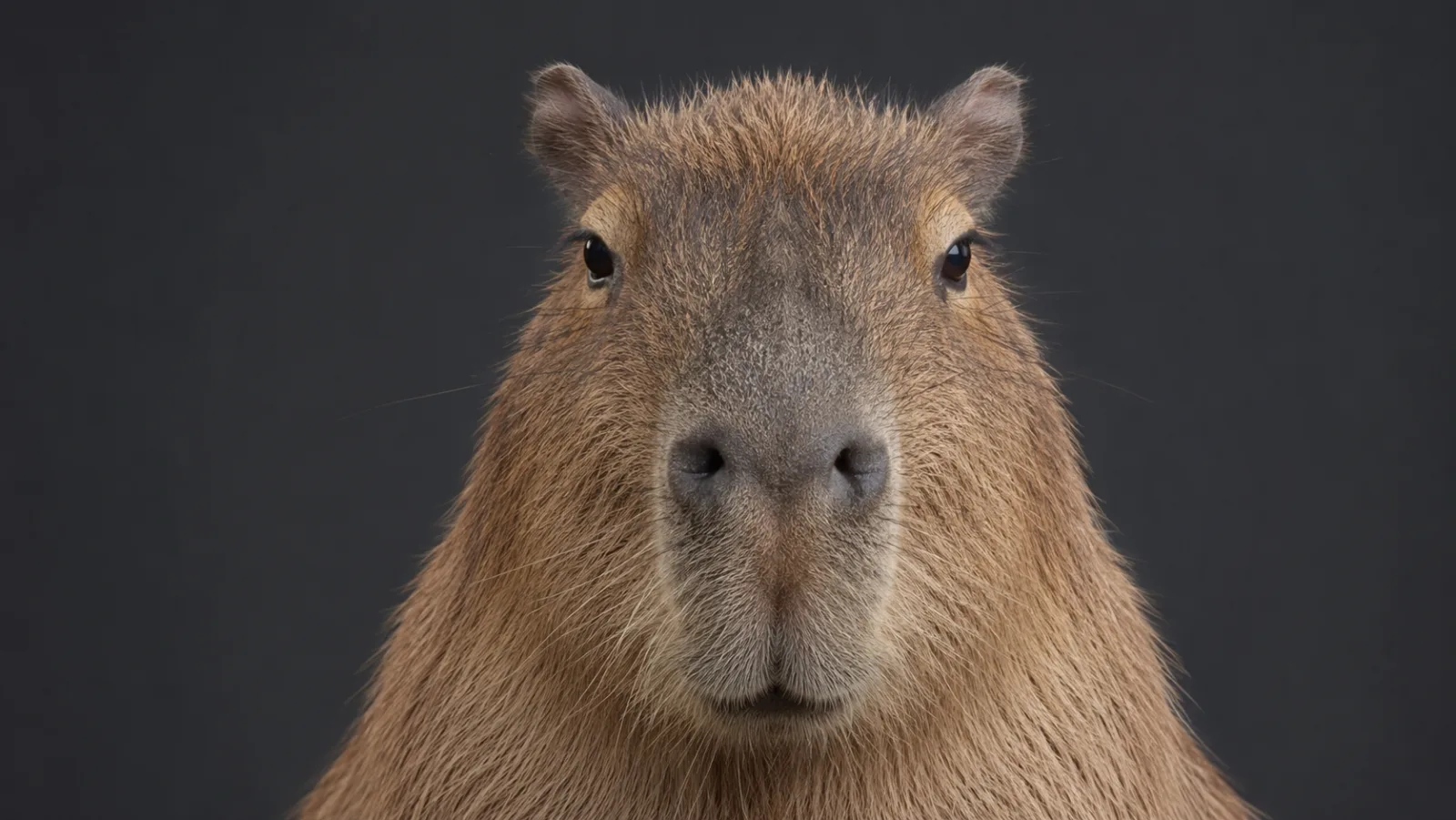
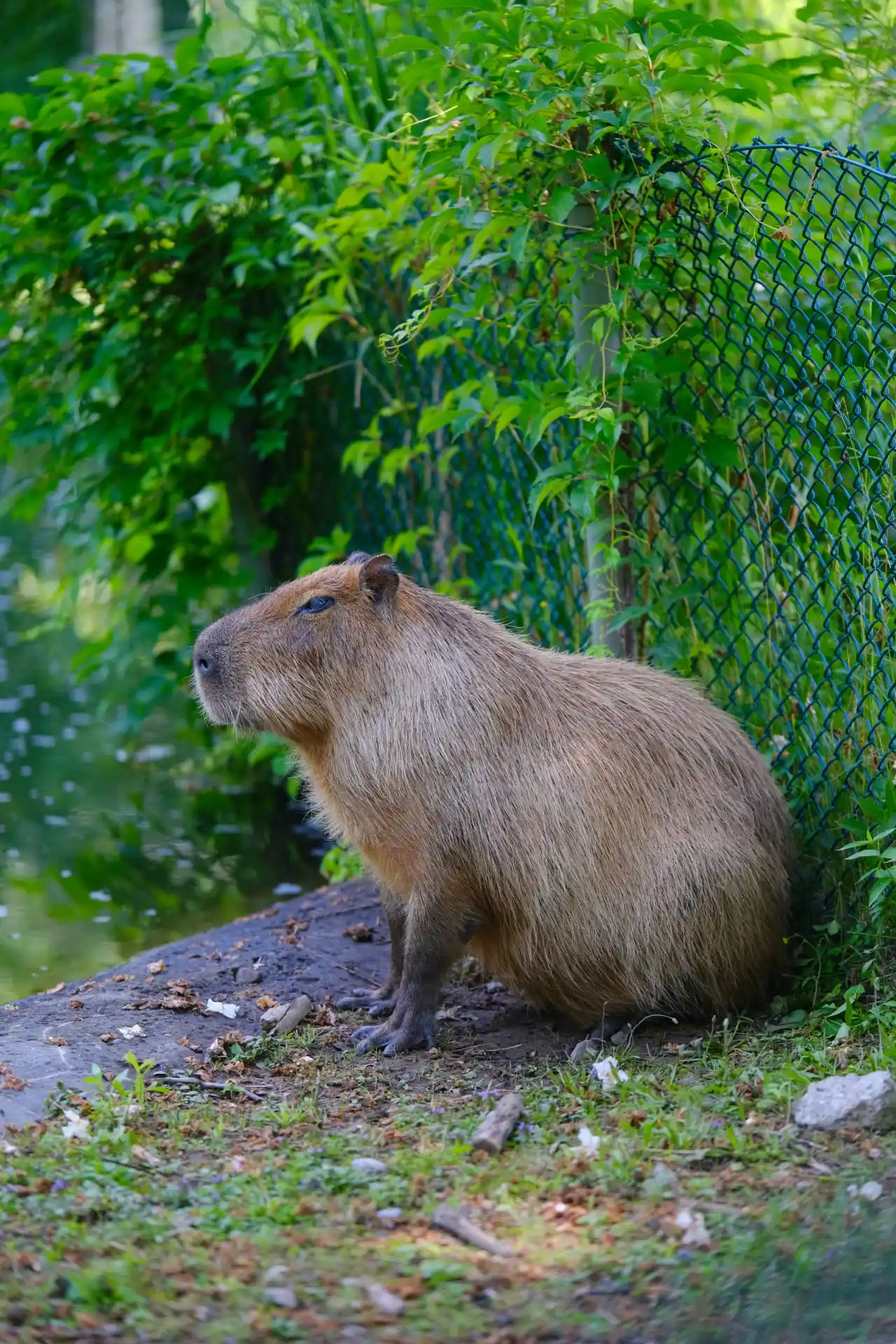
Capybaras won the internet because they look like they have opted out of panic while remaining politely present. They are social, heavy, water-adjacent, and shaped in a way the brain remembers after one glance. The internet saw that and said: finally, leadership.
Why The Capybara Won By Doing Less
Most viral animals perform. They jump, scream, steal food, wear things, make faces, interrupt news segments. Capybaras mostly sit. Sometimes they soak. Sometimes another animal stands on them as if seating policy has collapsed.
That restraint is the appeal. In a feed built on shouting, the capybara’s low drama reads as sophistication, or at least as a mammal declining the meeting.
| Internet need | Capybara supply |
|---|---|
| Calm reaction image | Neutral face, low body, almost no visible panic |
| Wholesome animal content | Group living and interspecies tolerance |
| Absurdity | World’s largest rodent, acting normal about it |
| Lifestyle projection | Water, snacks, quiet, boundaries |
| Shareability | Recognizable silhouette in one second |
The deeper popularity guide covers the bigger trend. The short version is that capybaras arrived at the exact moment people wanted an animal that looked emotionally solvent.
The Real Behavior Under The Meme
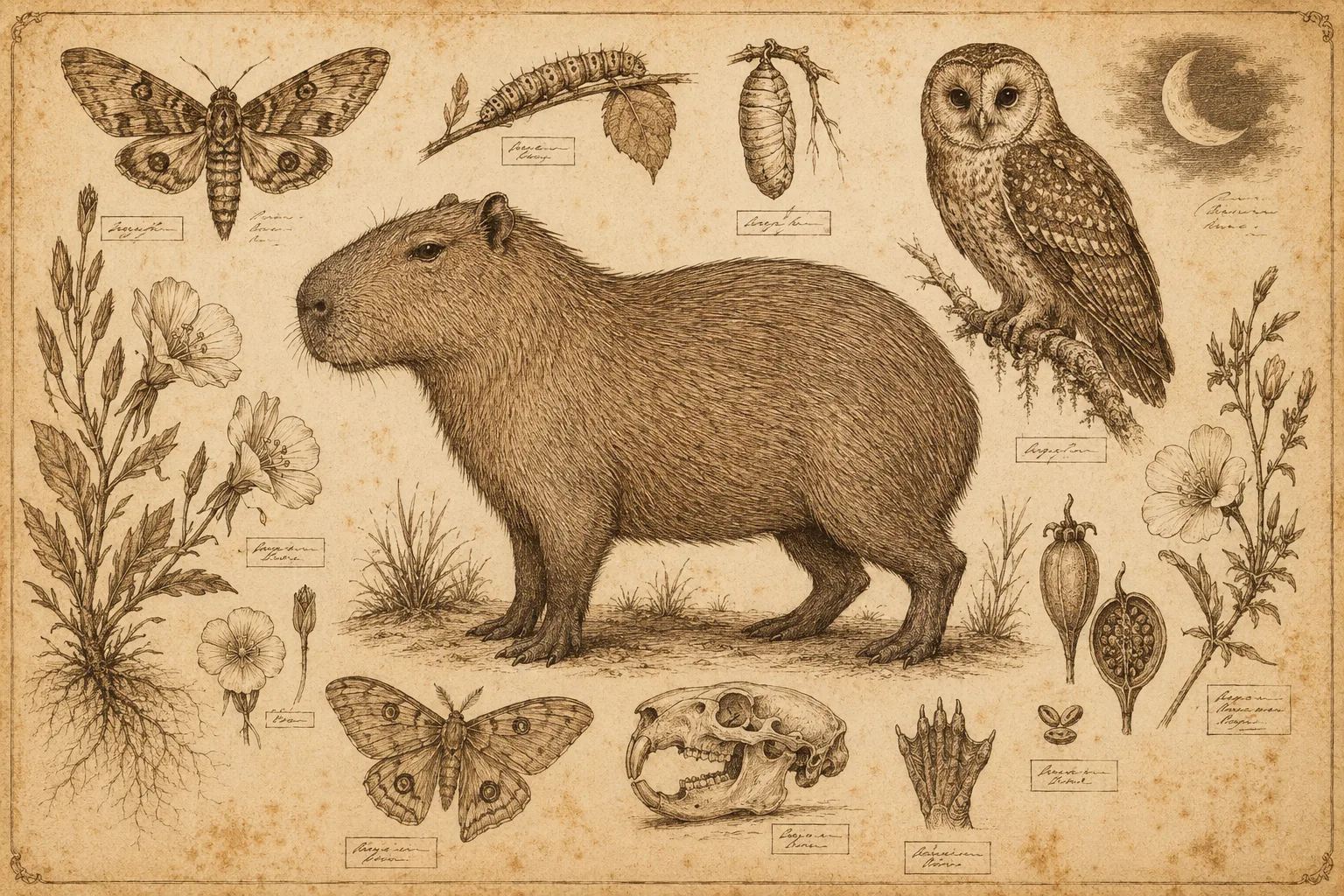
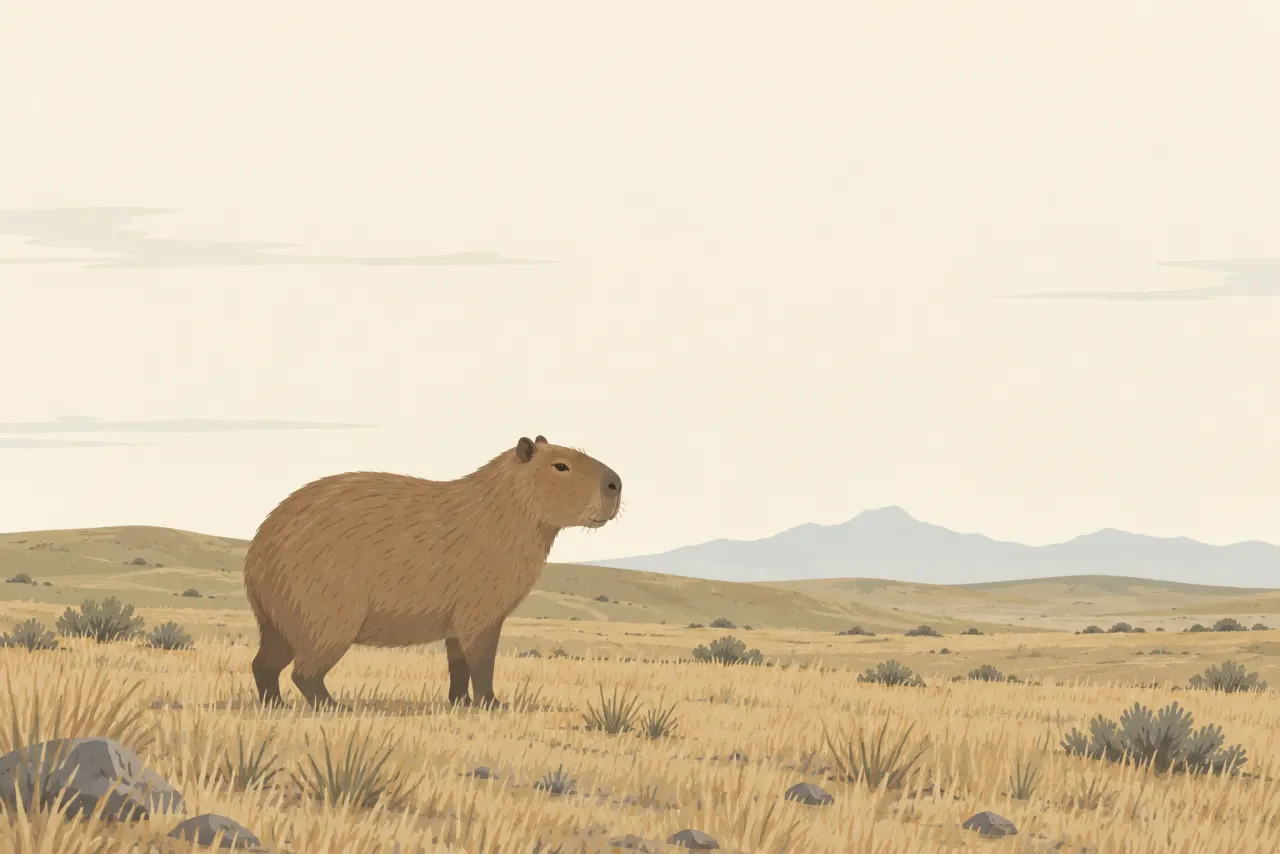
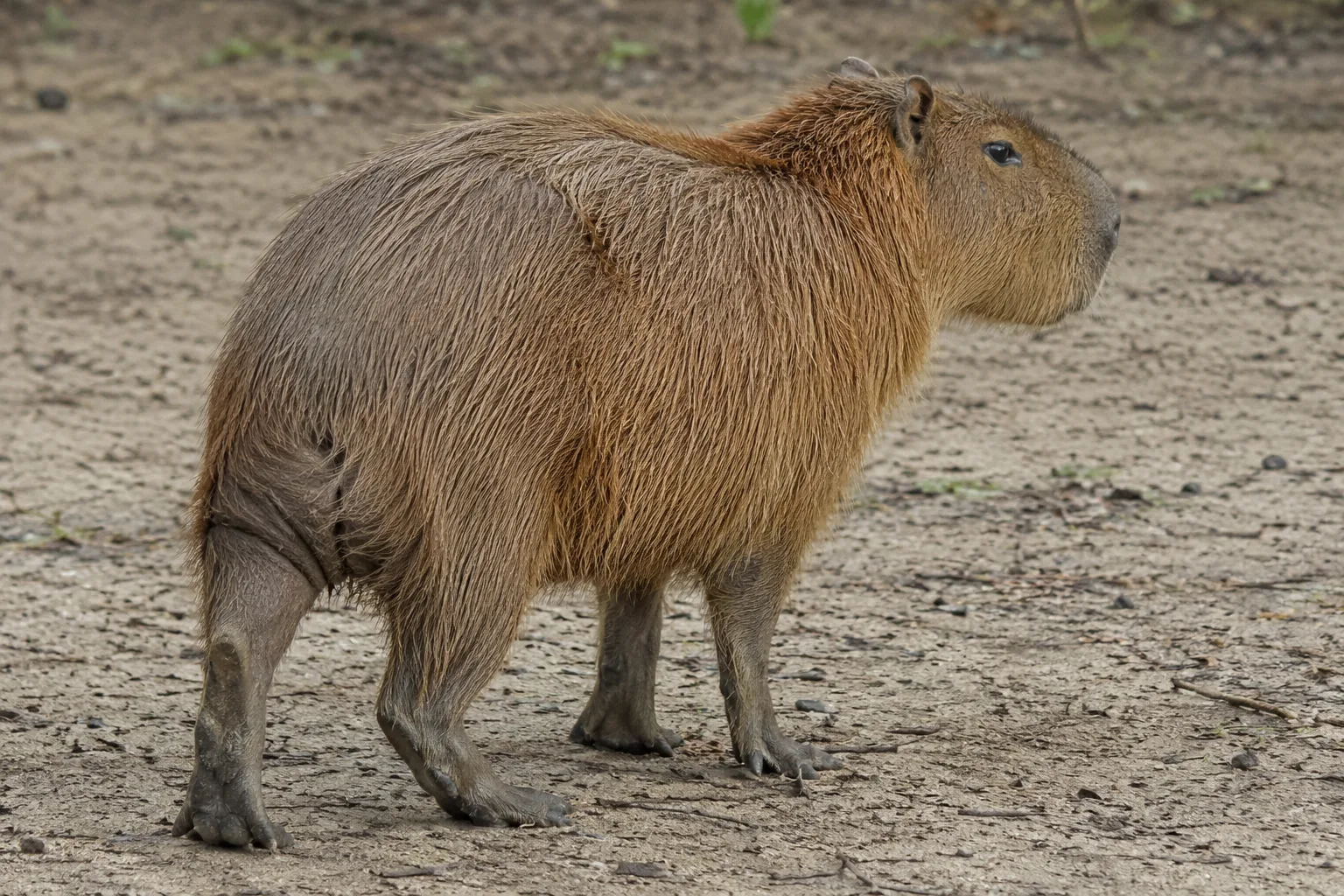
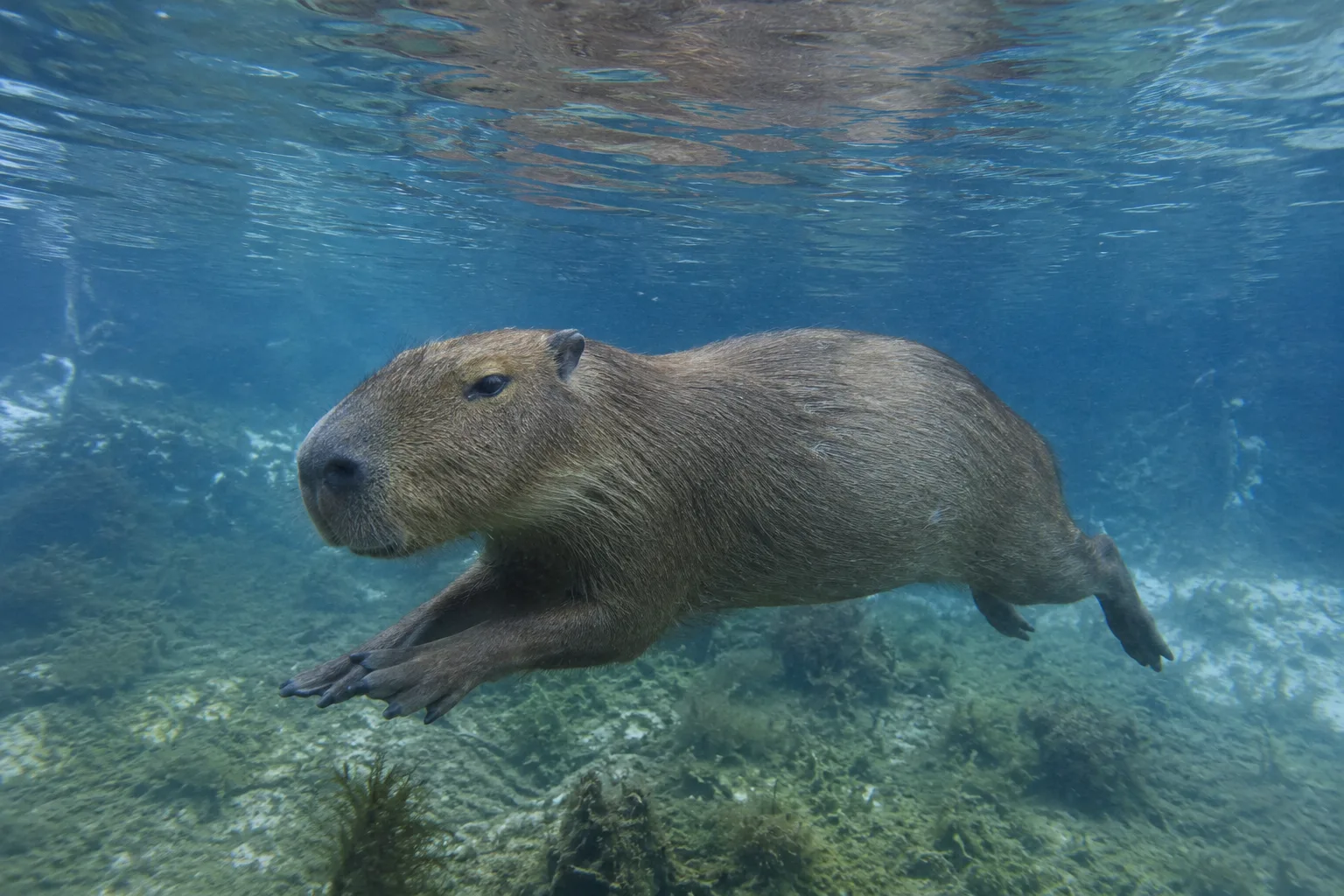
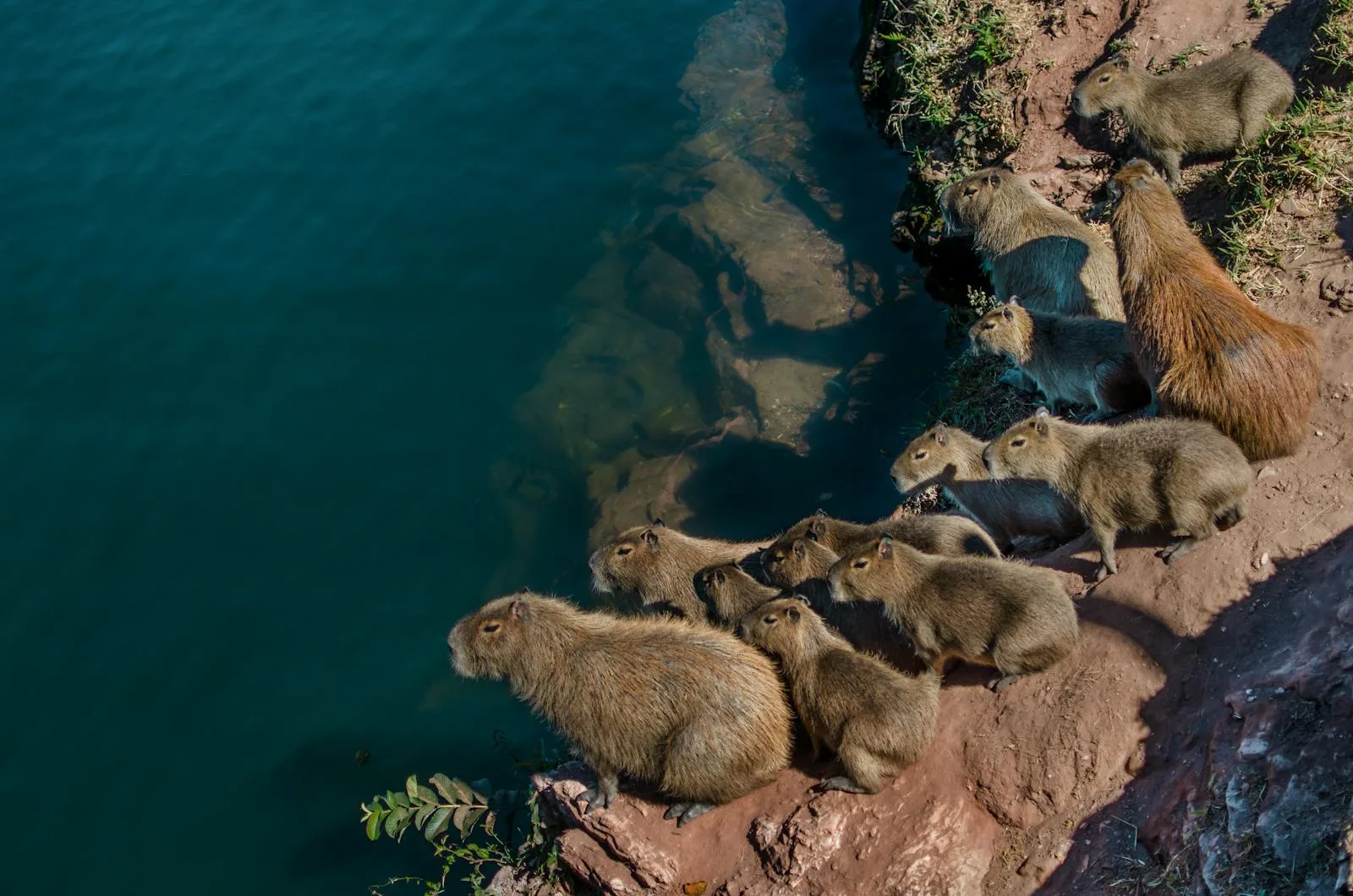
The calm reputation is not completely invented. San Diego Zoo and Animal Diversity Web describe capybaras as social, semi-aquatic grazers. In many managed settings they can appear tolerant around other animals. Their group life, low-slung posture, and water behavior all feed the “unbothered” read.
But “appears calm” is not “has no needs.” The AZA Capybara Care Manual is a useful cold shower here. Capybaras require social housing, water, appropriate diet, secure space, and veterinary care. A stressed capybara may freeze, retreat, vocalize, bunch with others, or show teeth. The meme does not show you the whole behavior alphabet.
This is the World Animal Day correction: a meme can invite affection, but affection has to graduate into accuracy eventually. Otherwise we are just applauding our own projection and calling it animal appreciation.
Why The Meme Keeps Traveling
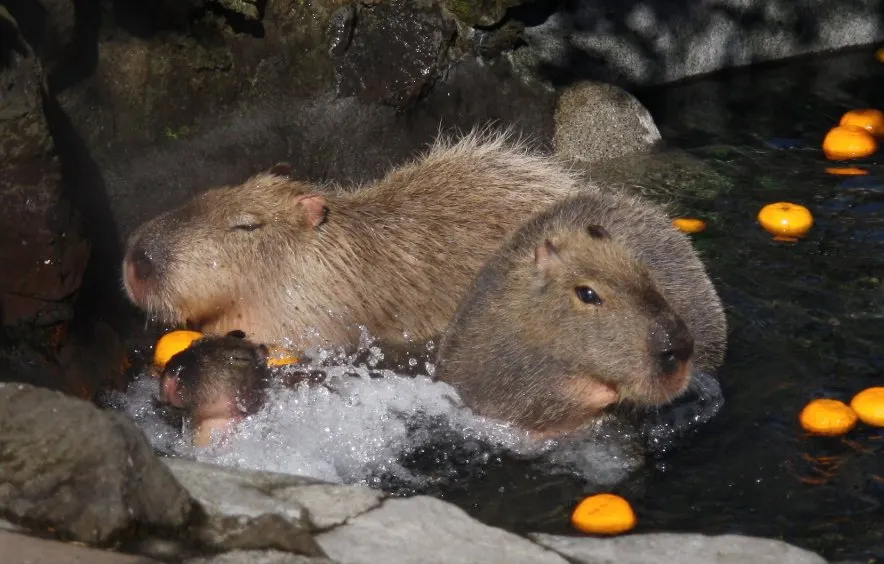
Capybaras travel well online because they are flexible symbols. In one post, they are zen. In another, they are socially exhausted. In another, they are communal. In another, they are a wet potato in a citrus bath. That range is rare.
The Japanese hot-spring and yuzu-bath imagery gave the animal a cozy ritual lane. South American carpincho stories gave it politics and place. TikTok gave it music and repetition. Zoo videos gave it access for people who had never seen one in person. Plush toys and stickers did the rest, because commerce arrives anywhere joy looks unguarded.
| Meme lane | Why it works |
|---|---|
| Hot spring capybara | Cozy, seasonal, visual in one frame |
| Animals sitting on capybaras | Social tolerance made absurd |
| ”Ok I pull up” | Sound plus neutral face equals instant format |
| Carpincho politics | Cute animal with real habitat conflict |
| Grumpy calm | Relatable exhaustion without cruelty |
My favorite version is still the one where the animal seems aware of human chaos and chooses not to dignify it. This is almost certainly unfair to the capybara. I am keeping it anyway.
The World Animal Day Respect Test
World Animal Day should not be another excuse to turn animals into props. For capybaras, the respect test is simple.
Ask: can the animal leave? Is there water? Is the group stable? Is a trained keeper or qualified caretaker managing the interaction? Are people touching, feeding, or crowding the animal for content? Does the caption teach anything real, or just say “mood” for the nine millionth time?
Ethical capybara encounters and whether capybara cafes are ethical are the next step if your affection is starting to look like travel planning. The answer is not “never see them.” It is “see them in places that treat their needs as more important than your selfie.”
What To Post Instead Of Fluff
Post one fact with the joke. “Capybaras are semi-aquatic South American rodents and need water access.” Good. “They are the world’s largest rodent.” Good. “They are chill because they have transcended capitalism.” Emotionally satisfying, not biology.
Use a source link. Tag a reputable zoo if the image came from one. Credit photographers. Avoid videos where people are chasing, crowding, dressing, or feeding animals without context. Do not make the capybara carry every human feeling you have misplaced since 2020.
That sounds stern. It is only mildly stern. The fun survives.
The Practical Takeaway
The capybara won the internet because it looked like the animal version of staying calm in public. The real animal is better than that: social, semi-aquatic, specific, funny by accident, and deeply tied to habitats and care systems most memes never mention.
For World Animal Day, let the capybara be both things. Enjoy the symbol. Respect the animal. Post the meme, then add one fact sharp enough to leave a mark. That is the smallest upgrade with the biggest effect.