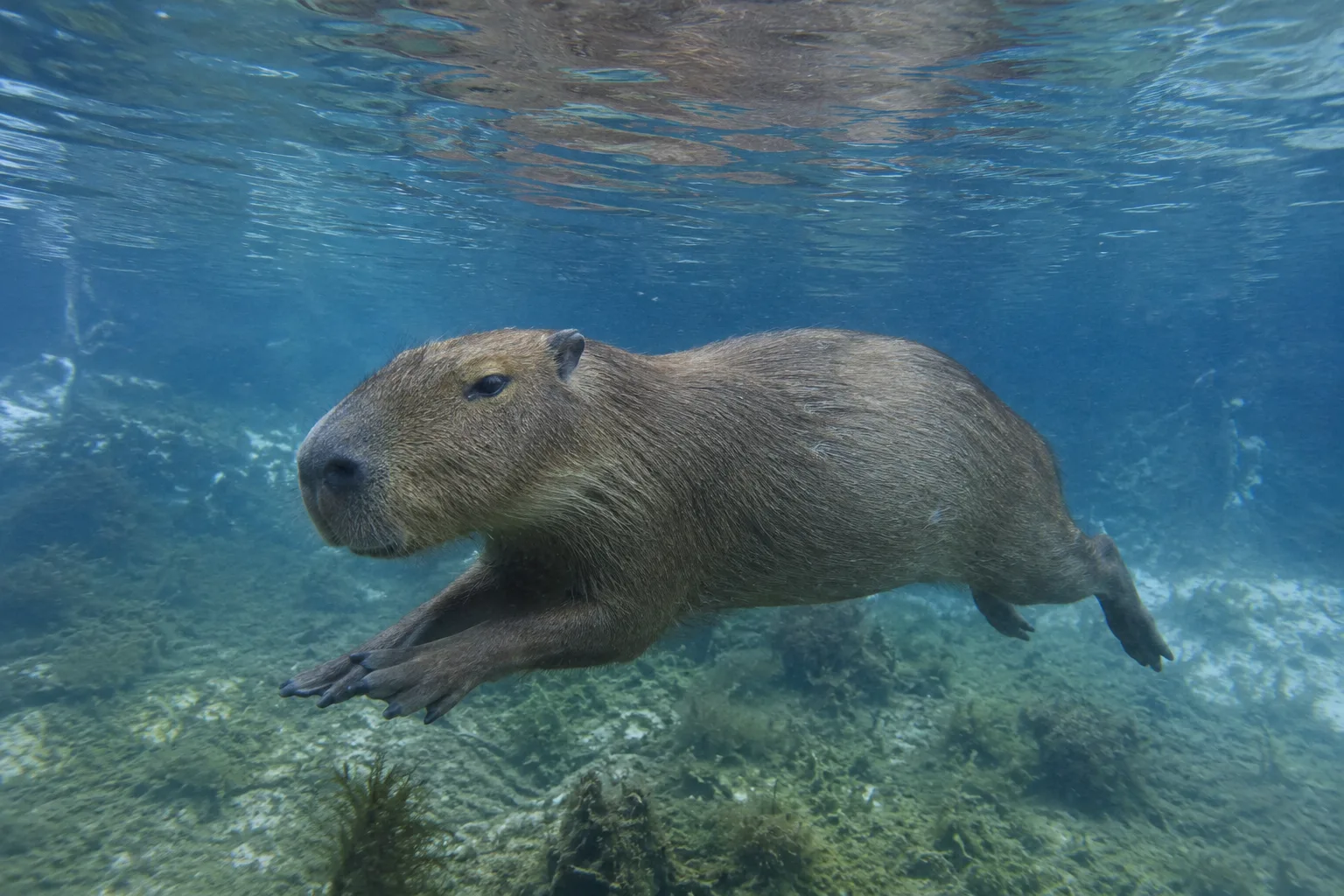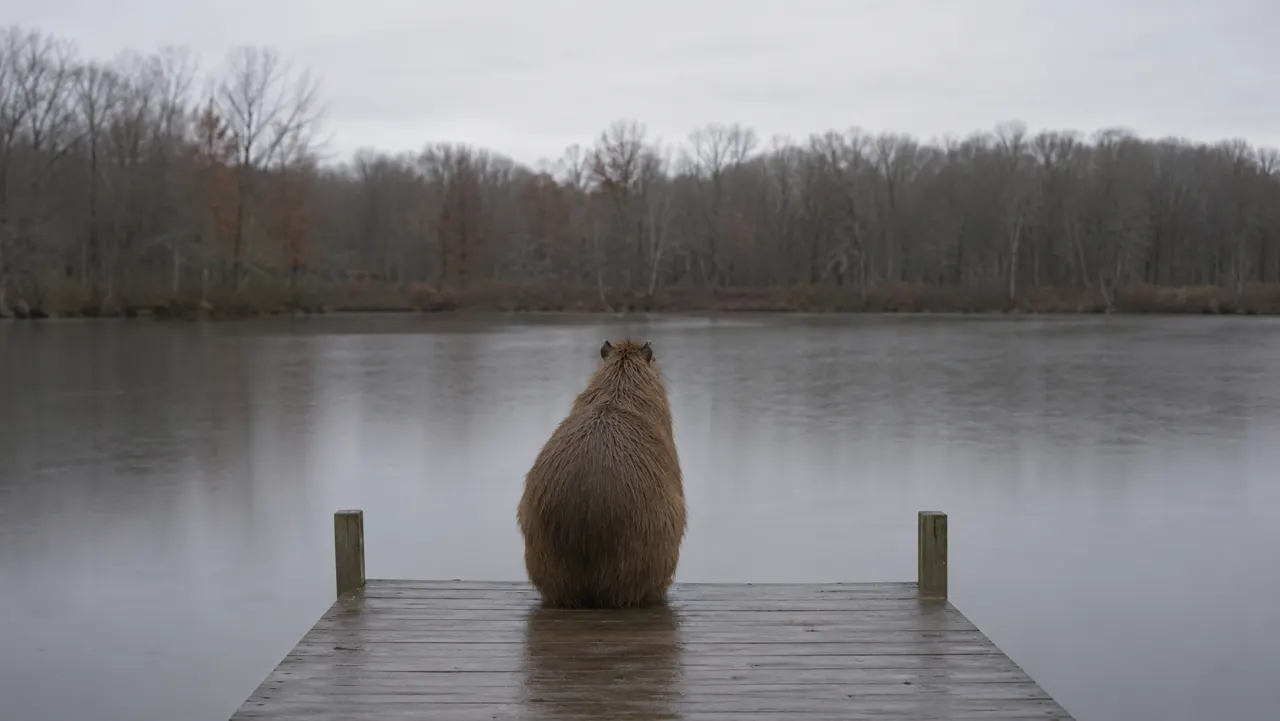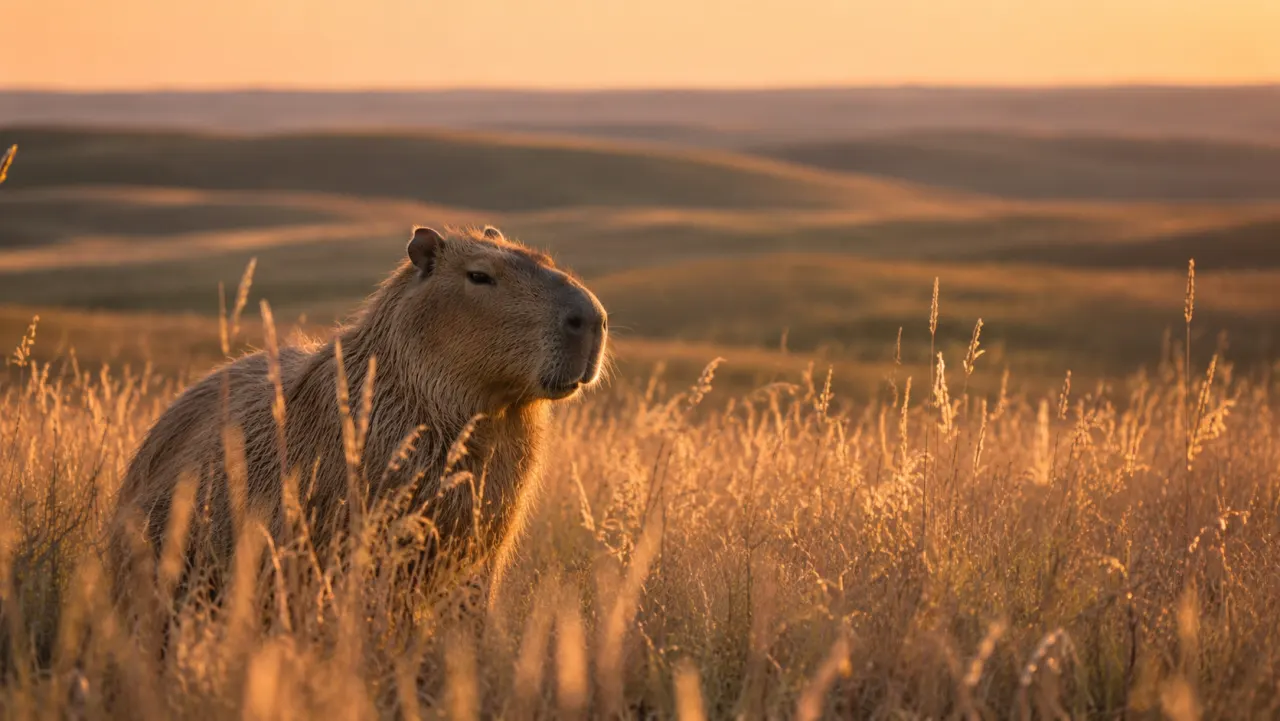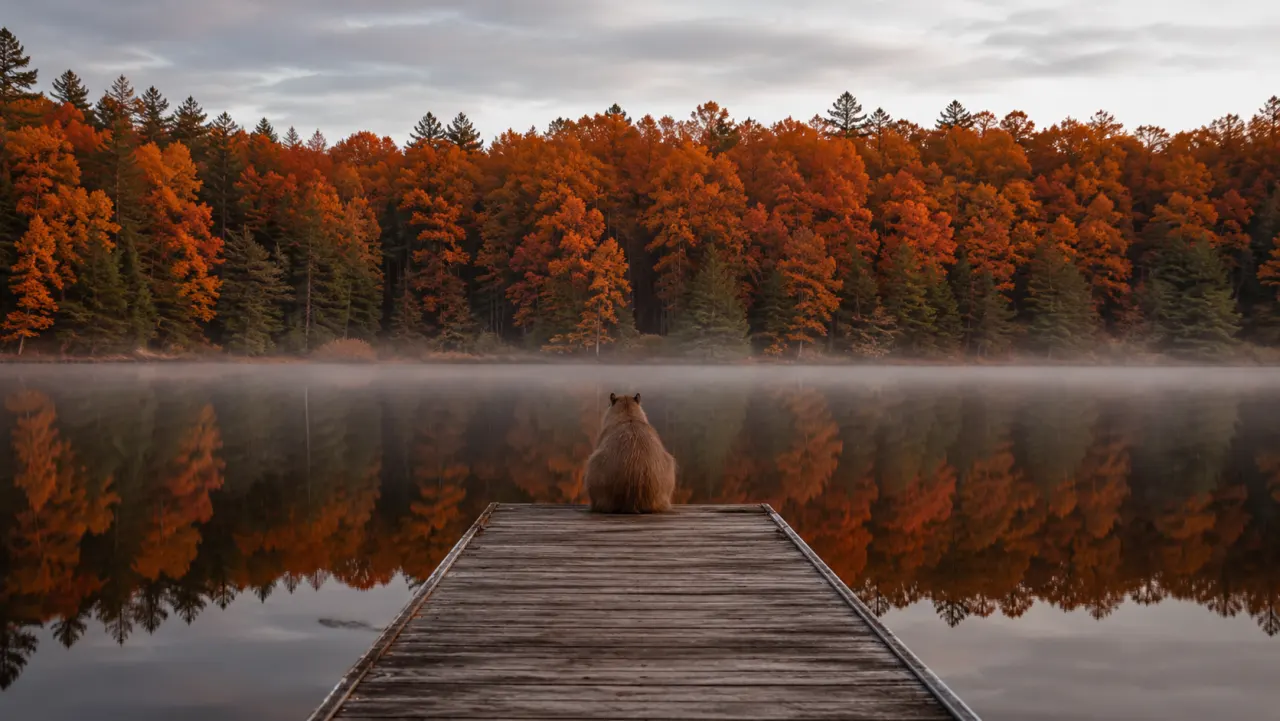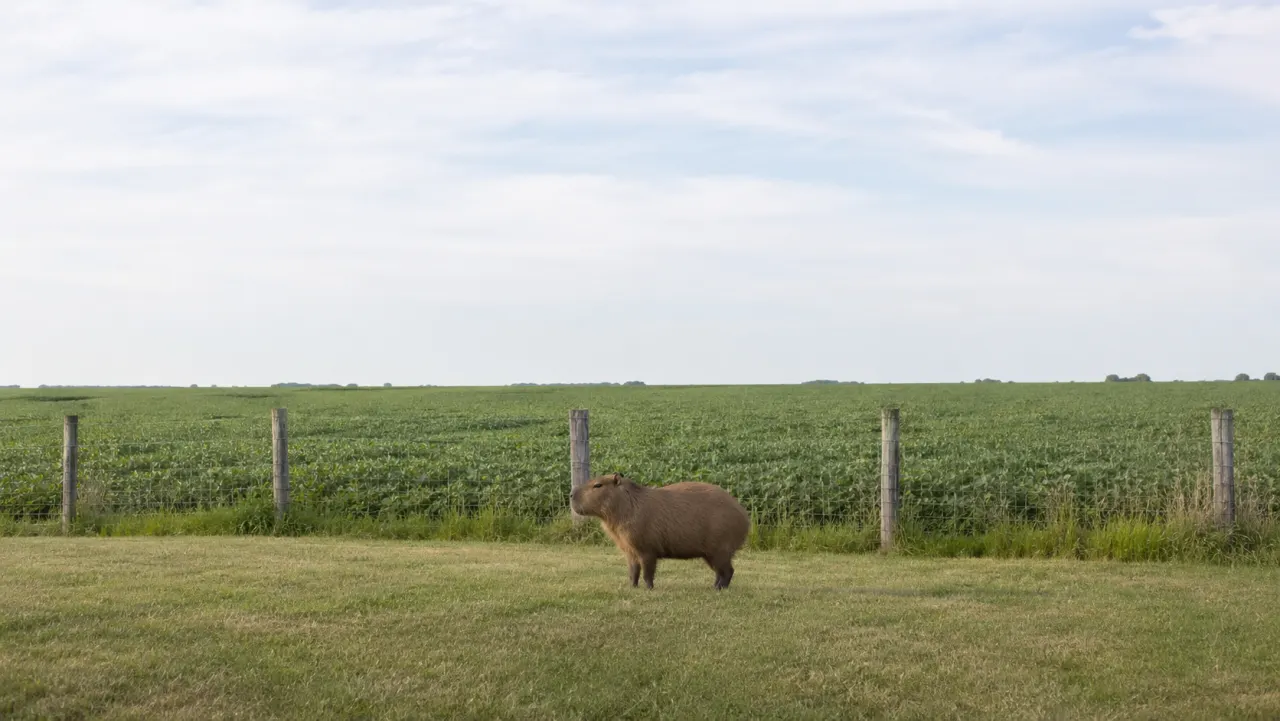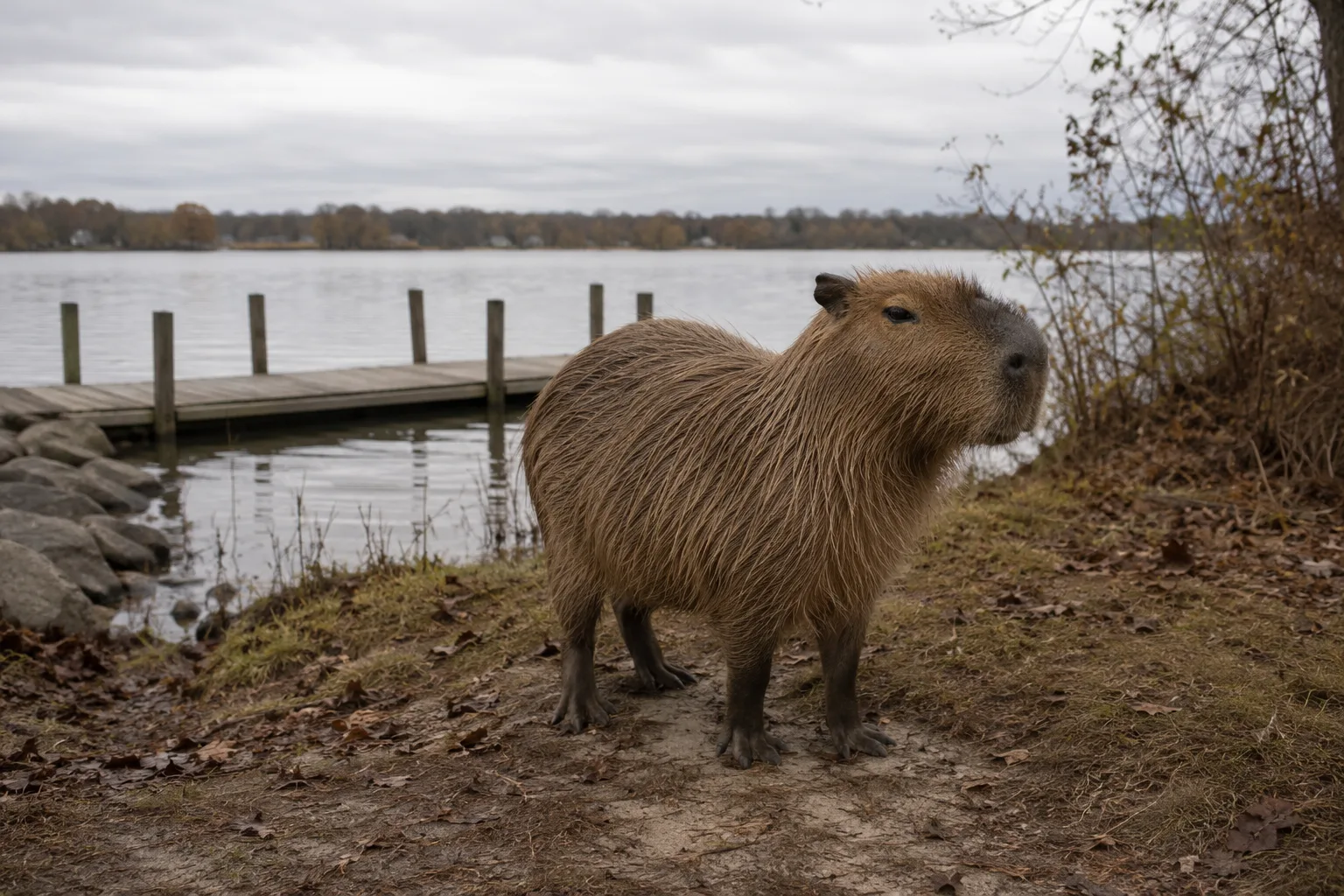

If a capybara had to root for a World Cup team, Argentina has the best case. Not because the animal has a tactical preference, but because Argentina has carpincho culture, wetlands, memes, and a public already prepared to attach feeling to an extremely calm rodent.
The capybara would still prefer that everyone lower their voice.
The Short Answer Is Argentina, With A Caveat
Argentina is the obvious joke answer. Capybaras are commonly called carpinchos there, they live in Argentine wetland regions, and the Nordelta capybara story turned the animal into a symbol of urban expansion, class tension, environmental memory, and internet delight.
That is a lot of baggage for an animal whose main policy platform is grass.
| Team claim | Why it works | Capybara ruling |
|---|---|---|
| Argentina | Carpincho culture and real range | Strongest case |
| Brazil | Huge native range and capybara name roots | Very respectable |
| Uruguay | South American wetland kinship | Underrated |
| Canada / U.S. / Mexico | 2026 host nations | Host courtesy only |
| Any team with snacks | Immediate practical appeal | Always relevant |
If this were a serious bracket, Argentina still wins. If it were a capybara-run bracket, the match would be postponed because the grass is good.
Why Argentina Has The Carpincho Receipts
In Argentina, the capybara is the carpincho. That matters because the word itself carries local texture. It is not just an imported meme animal. It is part of the region’s living wildlife vocabulary.
The Nordelta story made that visible internationally. As development expanded into wetland habitat near Buenos Aires, carpinchos appeared in manicured neighborhoods and became global shorthand for nature quietly walking back into a place humans had overconfidently redesigned. TIME covered the story as climate, development, and urban-wildlife conflict, not just a cute invasion.
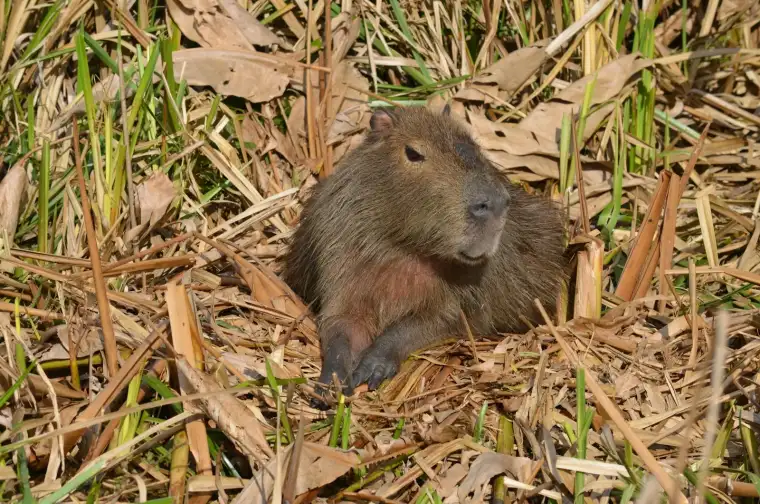
My honest read: if an animal has a local name with that much cultural charge, it gets first refusal on the jersey.
There is a useful search answer hiding inside the joke: Argentina is the best capybara World Cup team pick because the case rests on more than a mascot vibe. It has the local word, the animal’s real South American range, a famous urban-wildlife story near Buenos Aires, and a football culture that already knows how to turn one small symbol into a national mood. You do not have to know every player to understand that stack.
Honorable Mentions For The Capybara Bandwagon
Brazil has a strong claim too. The English word capybara comes through Tupi roots often glossed as “master of the grasses,” and Brazil contains huge areas of capybara habitat. A Brazilian capybara argument is not a stretch. It is just less meme-loaded for 2026 football purposes than Argentina.
Uruguay earns respect because the Rio de la Plata region is part of the broader carpincho world. Host nations get courtesy points because the 2026 World Cup is being played across Canada, Mexico, and the United States, but hosting does not automatically grant rodent allegiance.
| Claim type | Best team | Why |
|---|---|---|
| Language and memes | Argentina | Carpincho identity is strong |
| Name-origin energy | Brazil | Tupi-rooted common name |
| Regional wetland vibe | Uruguay | Shared South American habitat context |
| Host politeness | Canada, Mexico, U.S. | They are holding the party |
| Pure capybara logic | Nobody | Competition seems tiring |
What A Capybara Actually Supports
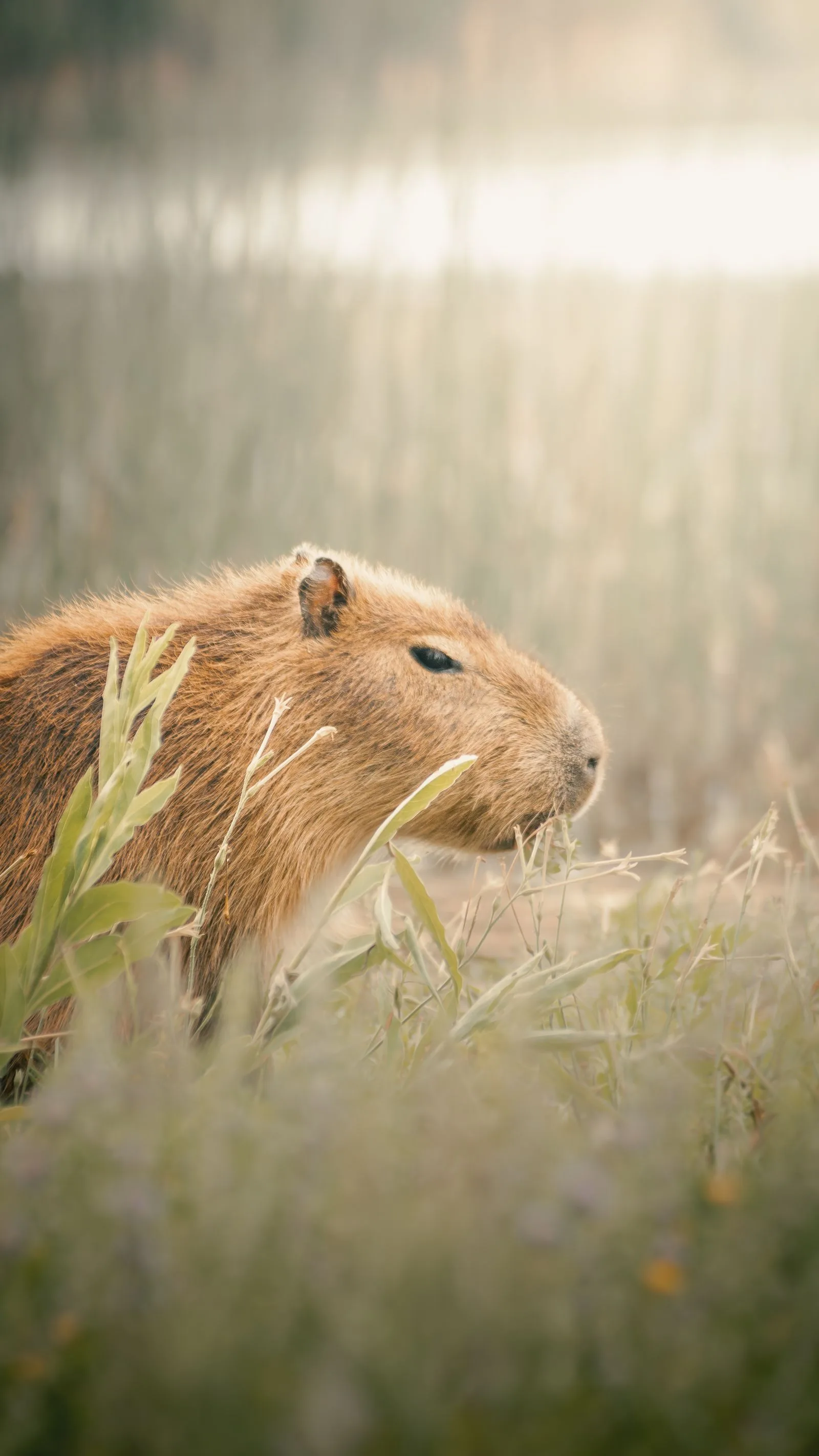
A real capybara supports water, grasses, social stability, predator awareness, and a group that does not make sudden stupid decisions. That is less dramatic than football, but arguably a better way to run midfield.
Animal Diversity Web describes capybaras as social, semi-aquatic herbivores. They are not solitary mascots floating above the noise. They are herd animals built around wetlands and group life. The football joke works because humans recognize the calm surface and ignore the practical machinery underneath.
The capybara does not want your team to lose. It also does not want your team to win if winning means you spill salsa near its resting area.
If you need a party answer, keep it this compact: “Argentina, because carpincho.” If the room is friendly, add the Nordelta footnote. If the room is already shouting about midfield shape, stop there and return to chips. The capybara method is choosing one true thing and refusing to turn it into a dissertation during stoppage time.
For a softer version, say the capybara is neutral but accepts Argentina as its ceremonial team. That gives everyone the joke without pretending an herbivore has watched qualifiers, studied group tables, or developed feelings about set pieces.
The Ruling
If the question is “which World Cup team would a capybara support,” the funniest and most culturally grounded answer is Argentina. Carpincho language, Argentine meme history, Nordelta, and South American habitat all make the case.
But the more honest answer is this: a capybara would support the side with less shouting, better water access, and a halftime snack strategy. Argentina gets the scarf. The capybara keeps emotional distance.