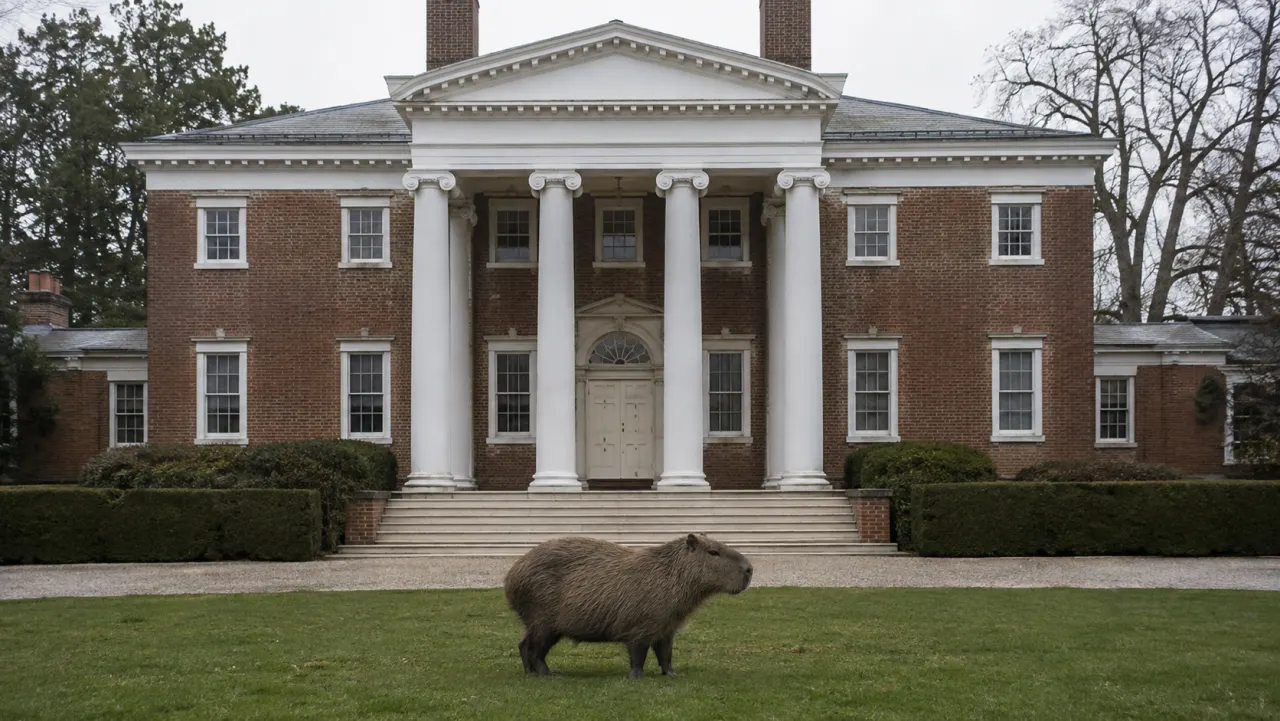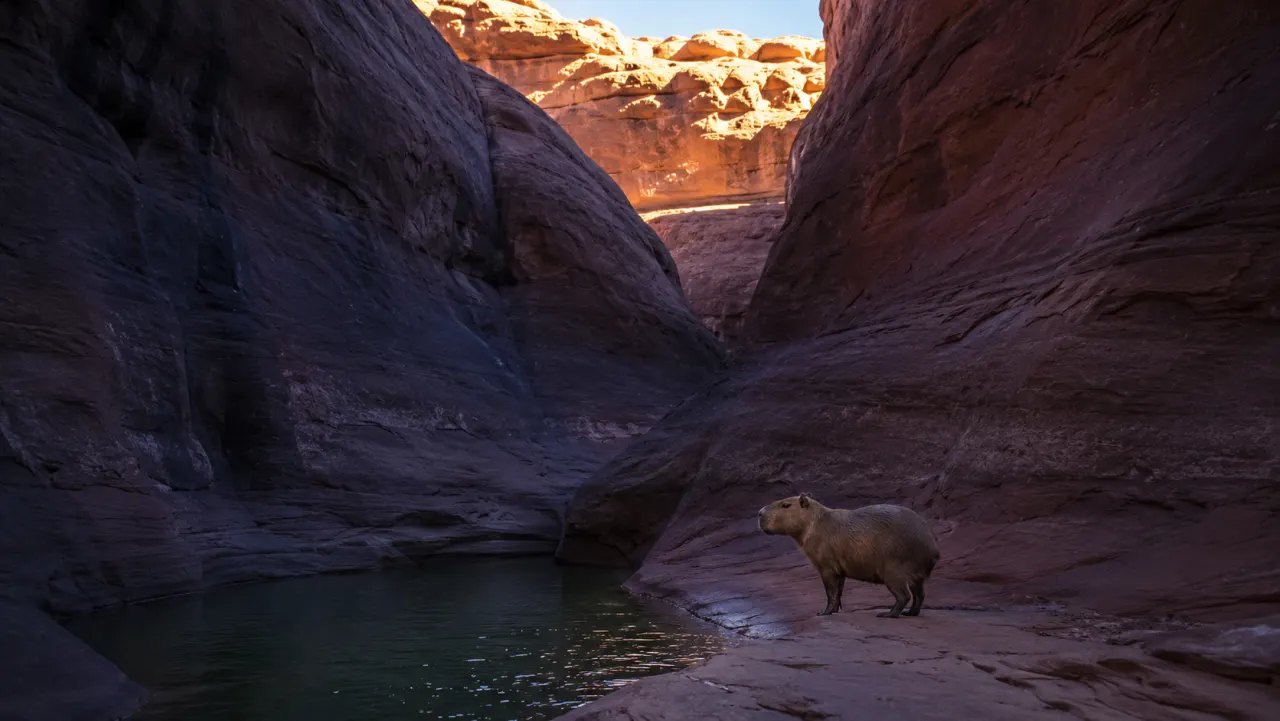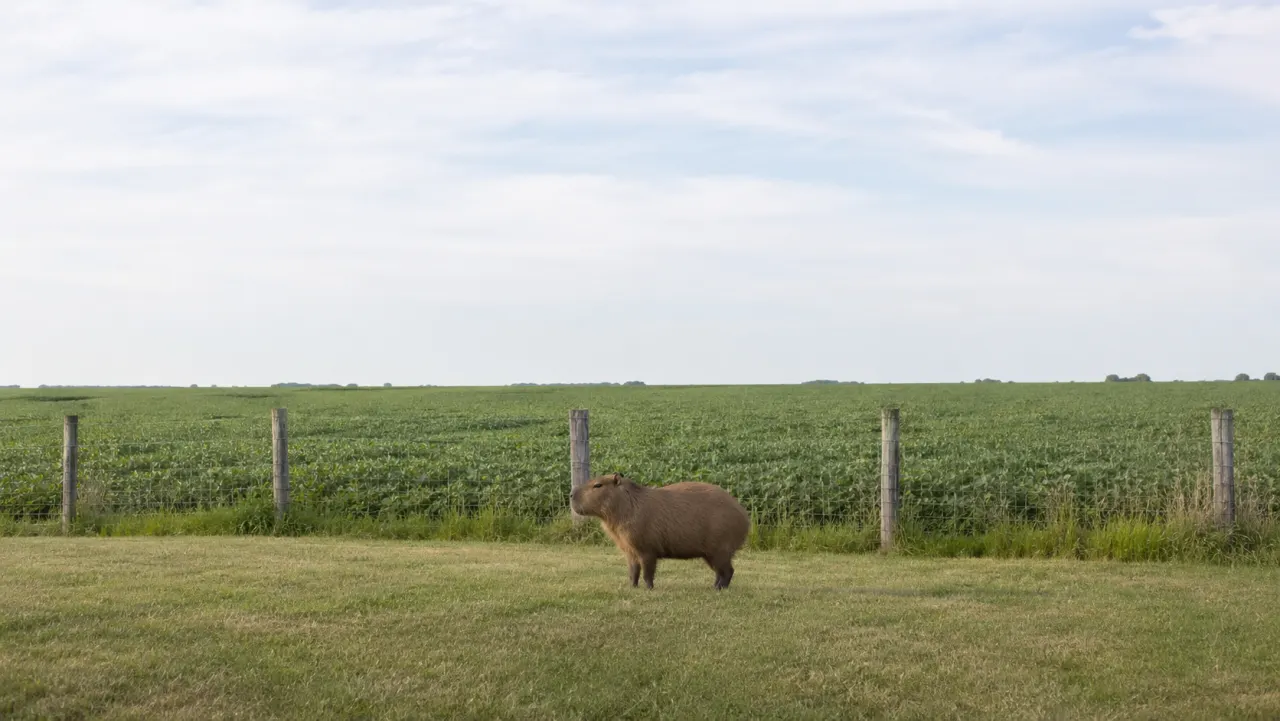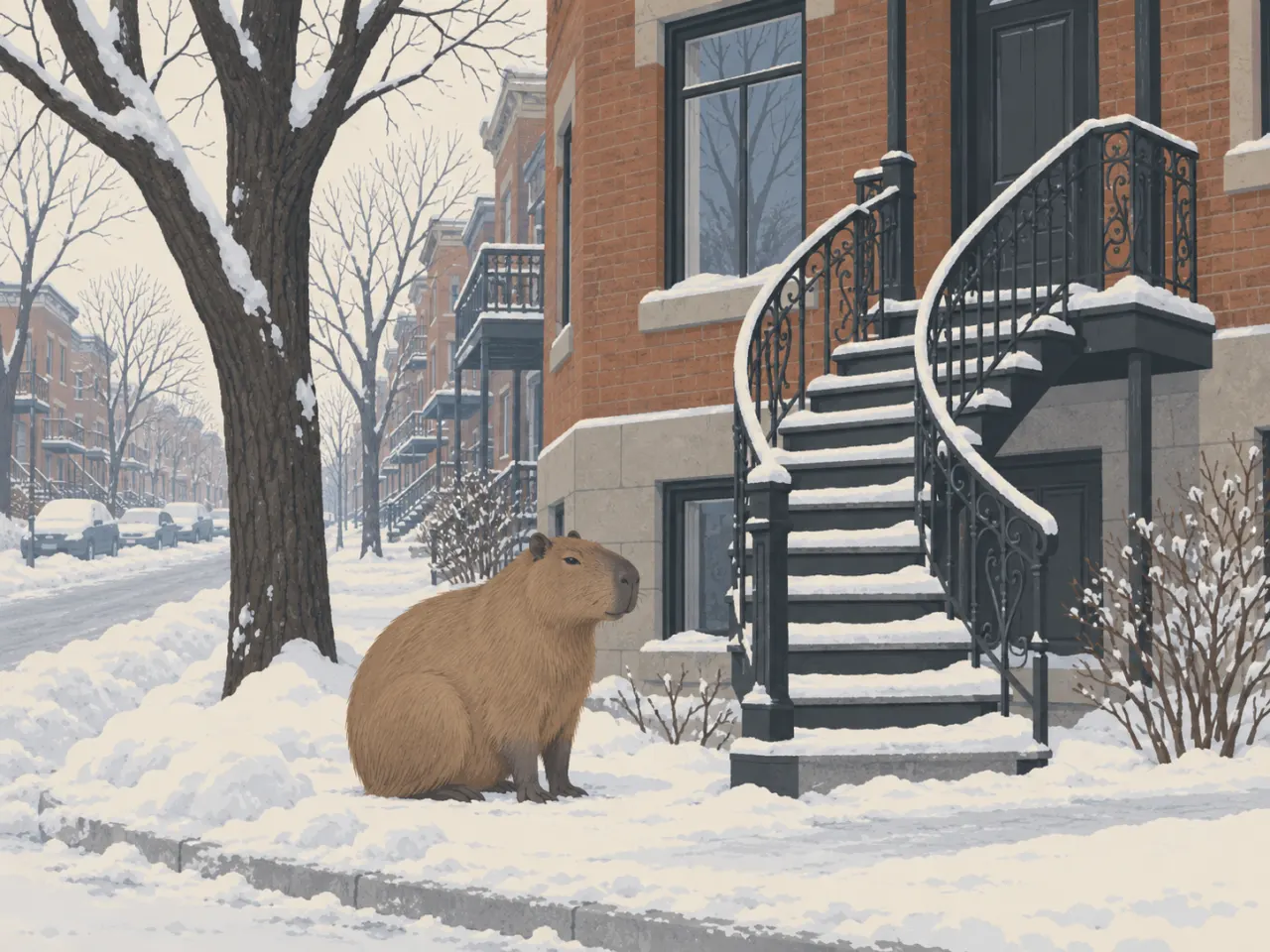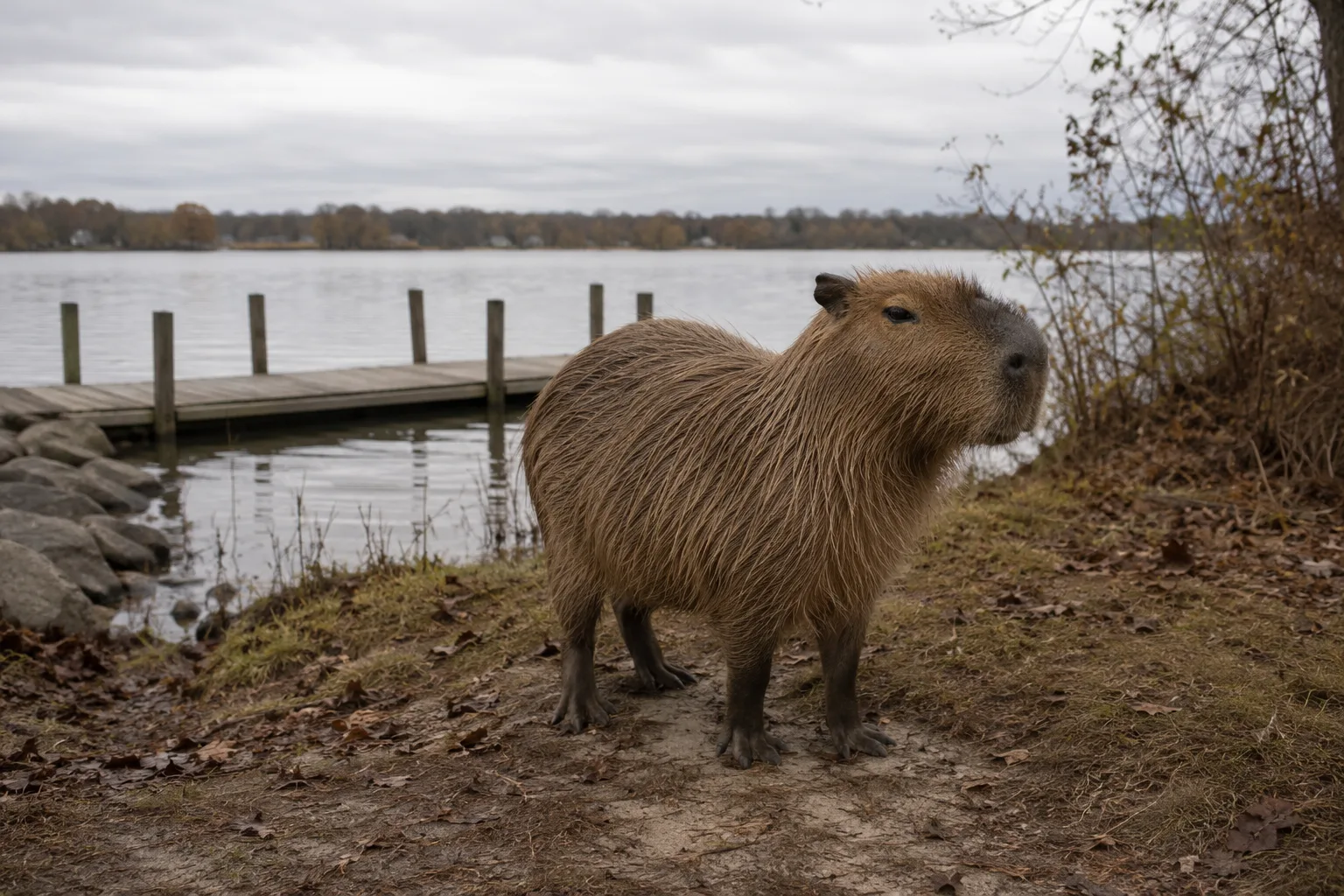
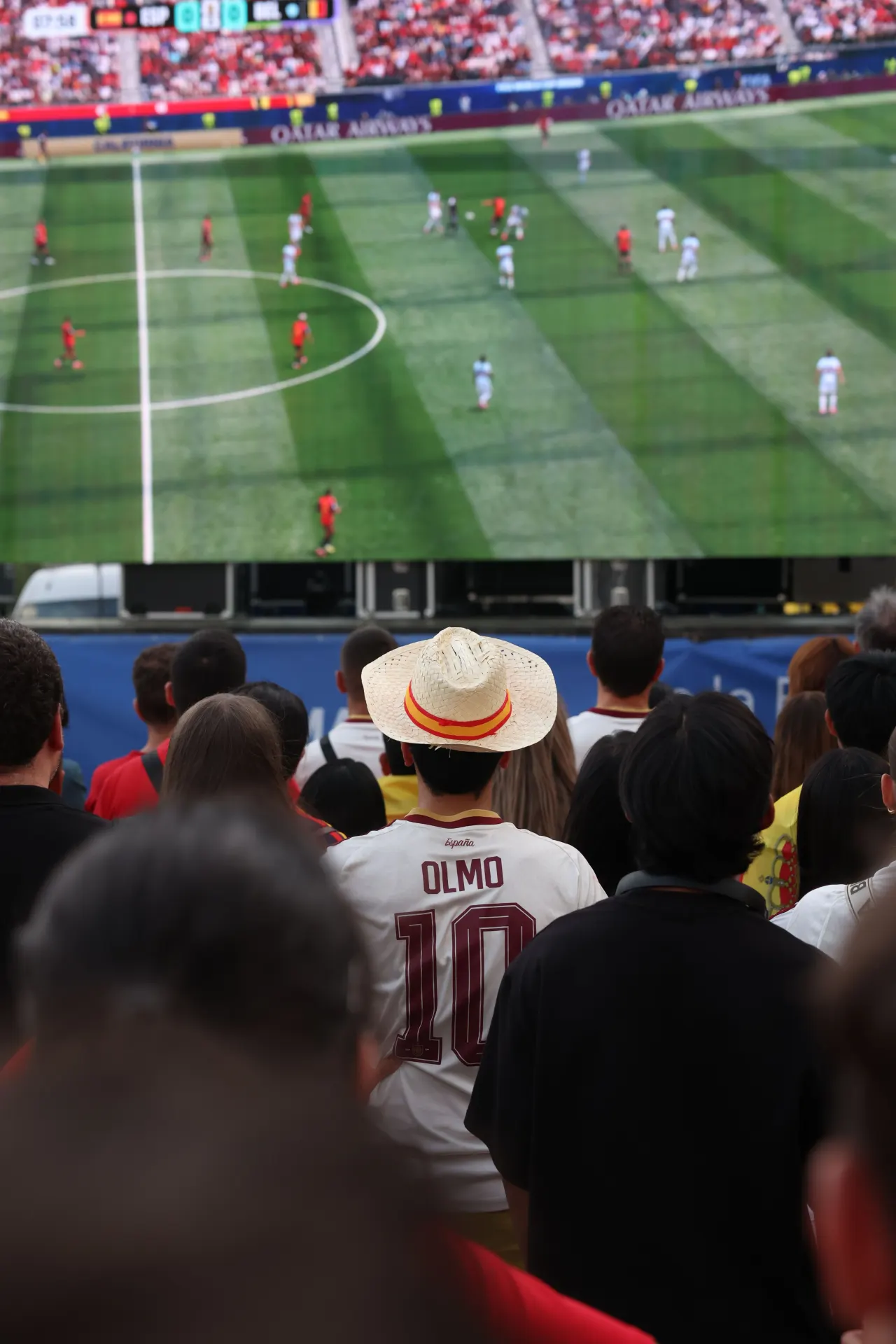
The 2026 World Cup did not need another mascot take. That is exactly why this one has arrived late, damp, and emotionally prepared for stoppage time.
Quick reality check: FIFA’s official mascots are Maple the Moose, Zayu the Jaguar, and Clutch the Bald Eagle. They make sense. Canada, Mexico, United States. National symbols, marketable silhouettes, child-friendly energy. The brief was clear, and the brief was answered.
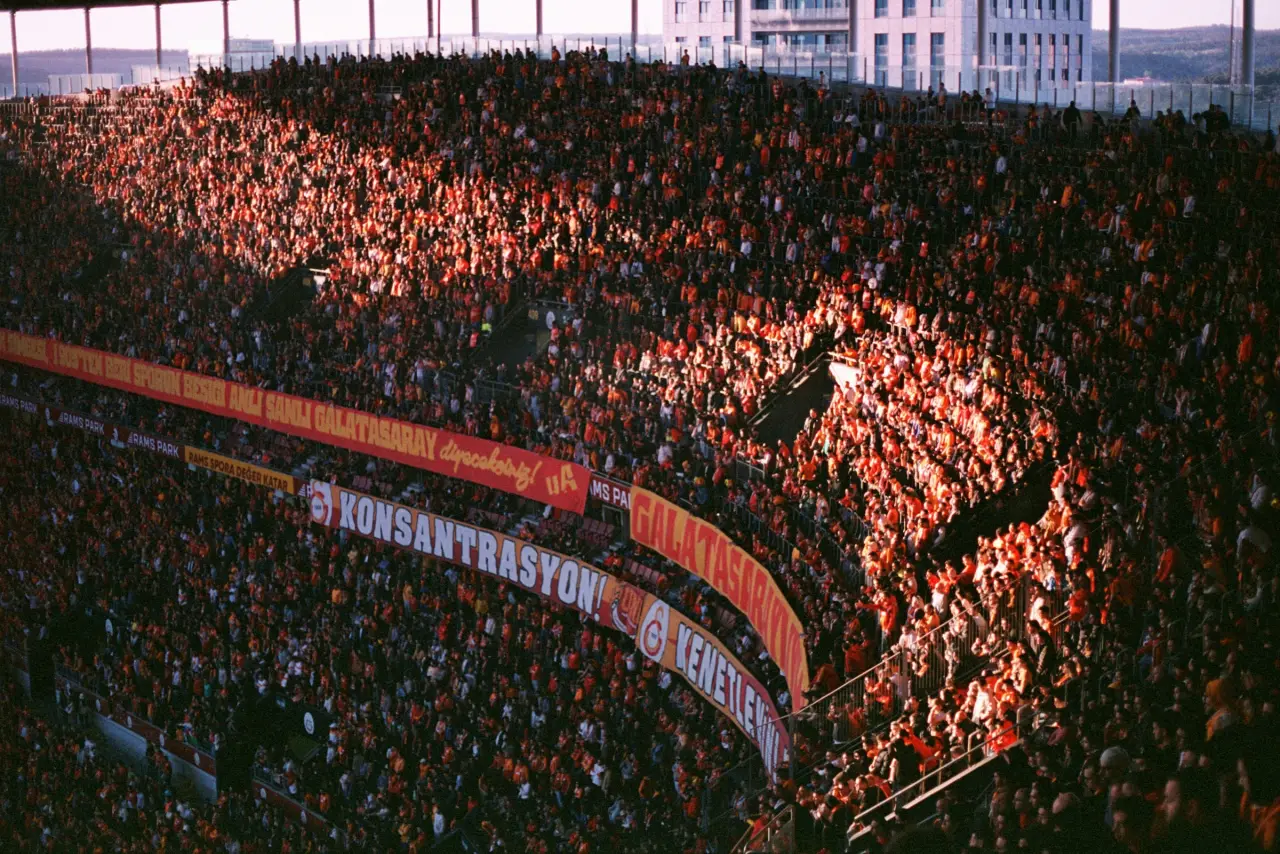
Still, the capybara would have understood the part FIFA cannot put cleanly on a merch tag: what it feels like to be in the crowd, overheated, hopeful, and one bad pass away from bargaining with the universe.
Why The Official Mascots Had A Real Job
FIFA says the 2026 mascot trio represents the three host countries: Maple for Canada, Zayu for Mexico, and Clutch for the United States. That is tidy branding. The moose, jaguar, and bald eagle all have obvious host-country logic, and FIFA’s own mascot-history page shows how much these characters are expected to do: sell merchandise, entertain children, appear in promos, and give the tournament a face that is not just a trophy guarded by lawyers.
So no, this is not the argument that FIFA secretly should have replaced national symbols with a large wet rodent from South America. A capybara cannot represent all three host countries in the neat way a moose, jaguar, and eagle can.
This is the smaller, more useful argument: the official mascots represent the hosts. A capybara represents the fan experience.
Why The Capybara Case Is Annoyingly Strong
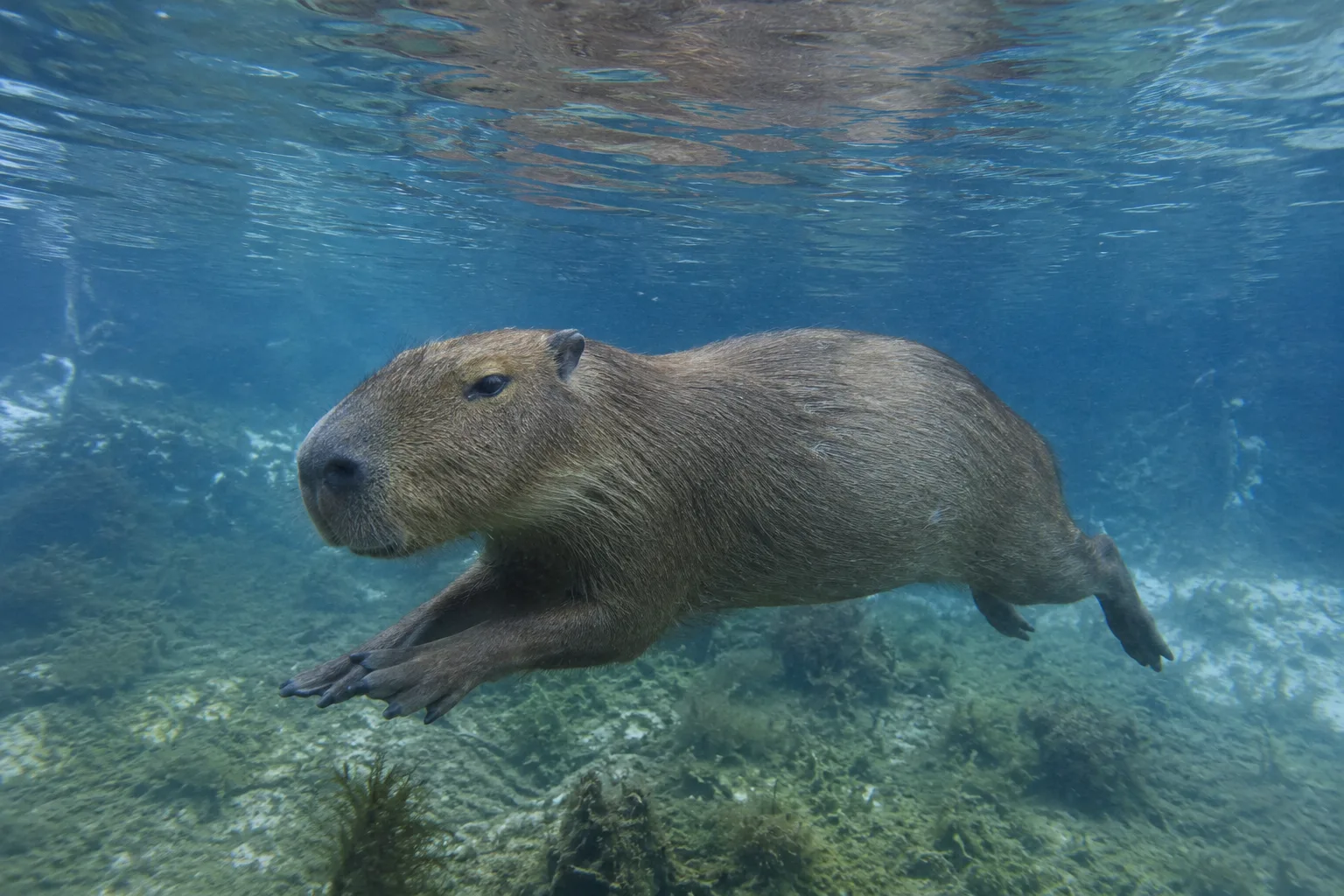
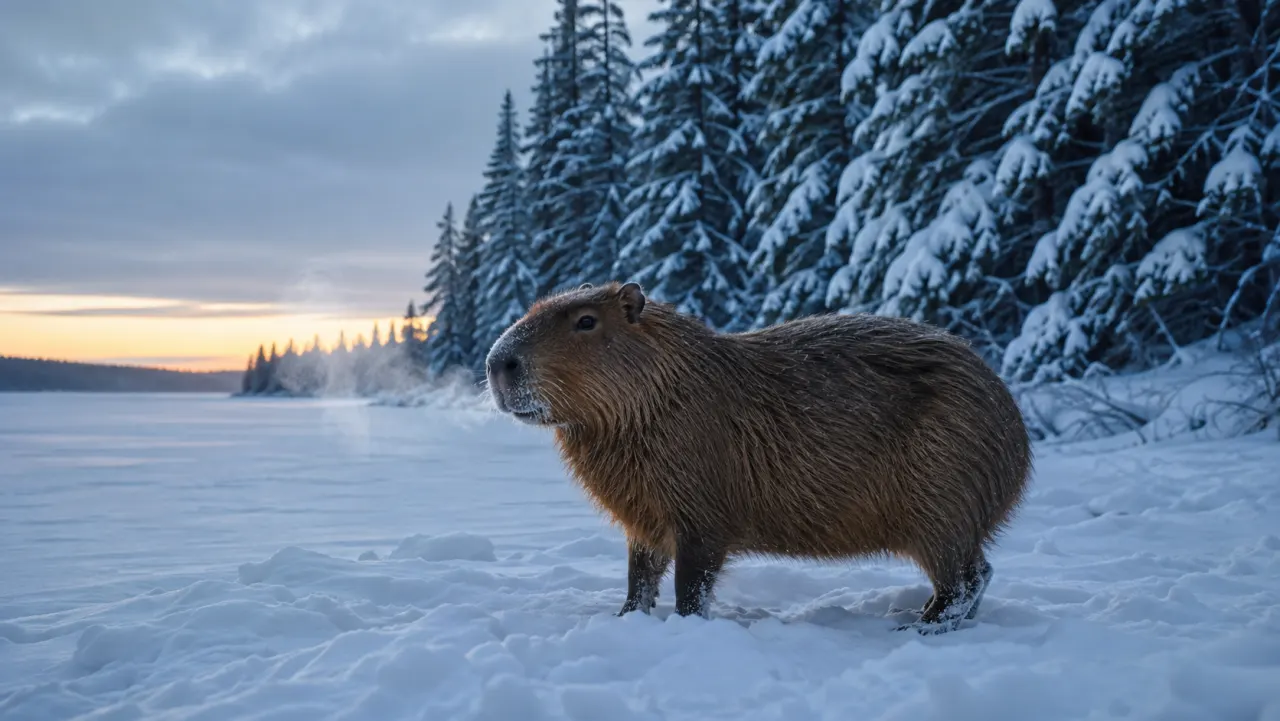
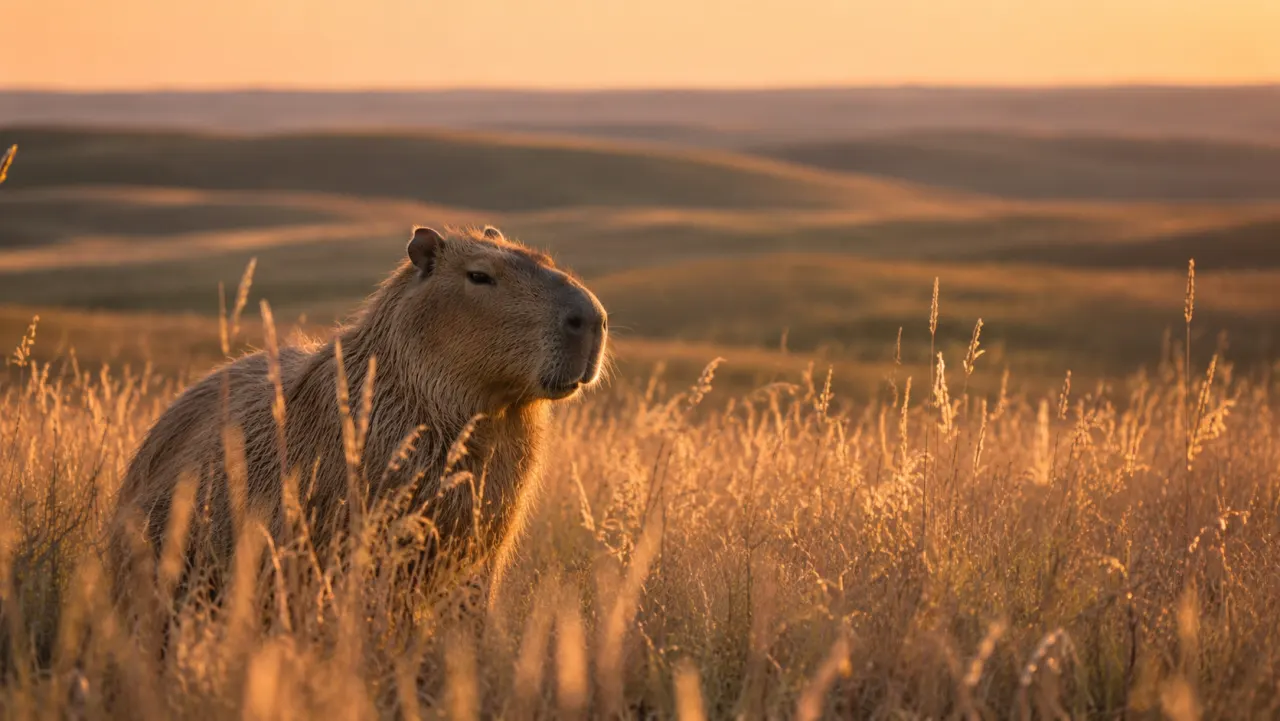
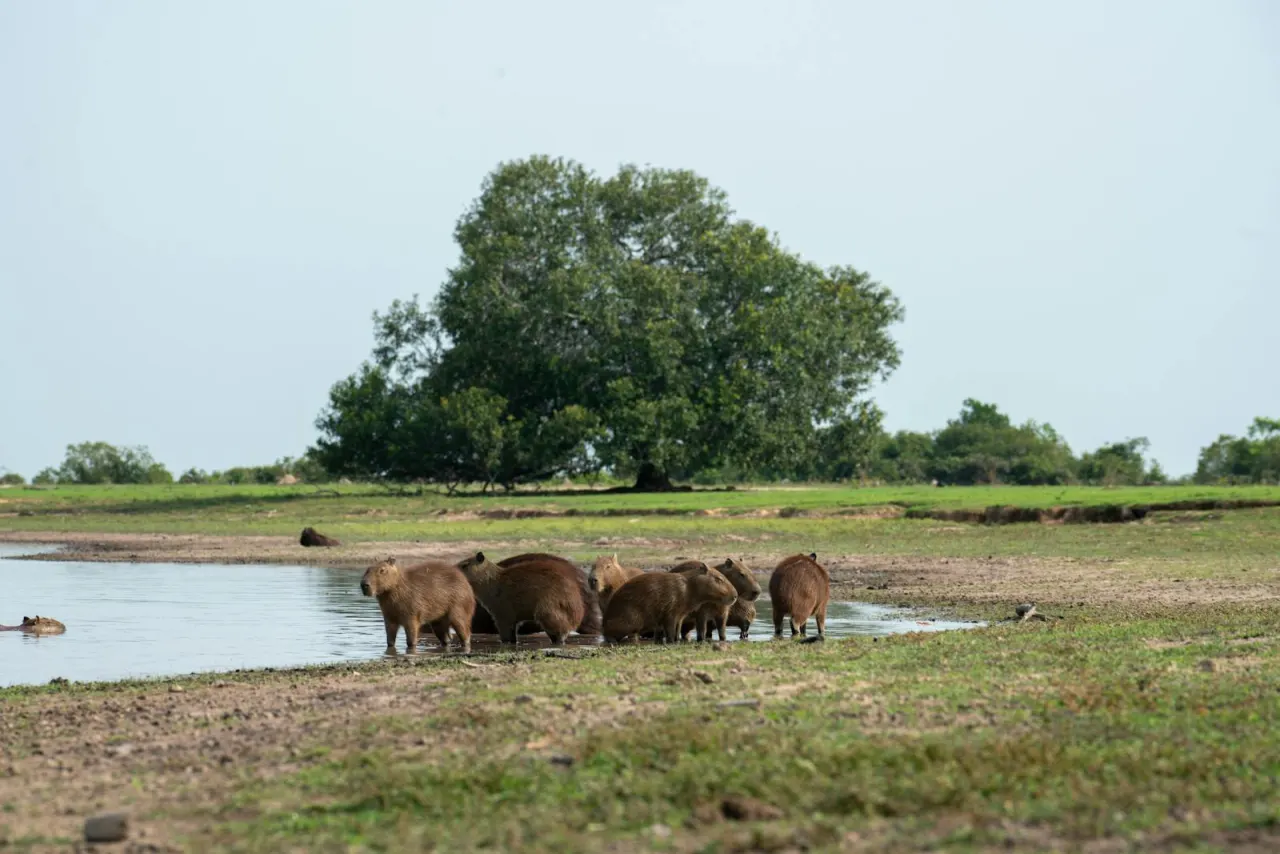
Capybaras are the world’s largest living rodents, usually described by San Diego Zoo and Animal Diversity Web as semi-aquatic, social grazers native to South America. They live around water, move in groups, and spend a lot of time looking as if they have declined to participate in whatever drama is happening nearby.
That is the World Cup fan body, if we are being honest.
| Mascot job | Official trio | Capybara argument |
|---|---|---|
| Host identity | Strong: Canada, Mexico, U.S. | Weak, because capybaras are South American |
| Fan mood | Bright, heroic, athletic | Calm, social, heat-managed, group-chat ready |
| Internet portability | Good | Extremely good |
| Emotional range | Cheer, pride, action | Quiet dread, joy, snacks, acceptance |
| Meme survival | Depends on campaign | Already field-tested by the internet |
The capybara loses the geography round and wins the group-chat round. That matters less to FIFA and more to everyone watching a noon kickoff in July while pretending sunscreen is a personality.
What A Capybara Understands About World Cup Fans
A capybara is not solitary. It is a group animal. That is the first fan-culture point. Nobody watches a World Cup alone by accident. Even the person “just checking the score” has three tabs open and a cousin texting opinions from another time zone.
The second point is heat. Capybaras are built around water because water helps with cooling, movement, and escape. A summer tournament across North America asks humans to do a milder version of the same thing: find shade, find a drink, move with the herd, and retreat before somebody starts explaining goal differential too close to your face.
The third point is emotional management. Capybaras do not look calm because they have solved consciousness. They look calm because their body language is low-drama until it is not. That is a useful correction to the meme. Still, the look is doing real cultural work. Fans want an animal that says, “I have seen VAR. I will be in the pool.”
The Unofficial Mascot Scorecard
If you were actually designing a capybara mascot, the mistake would be making it too cute. Capybaras are funny because they seem under-impressed. A good version would not sprint across the pitch with jazz hands. It would stand near a misting fan holding an orange slice and judging the stoppage-time math.
| Design choice | Capybara version |
|---|---|
| Outfit | Plain warm-up jacket, no forced grin |
| Prop | Water bottle, orange slice, tiny clipboard |
| Catchphrase | ”Fine. Extra time.” |
| Best scene | Watching penalties without blinking |
| Worst scene | Being asked to dance for a sponsor activation |
This is where the personal opinion goes: I trust the capybara more than most mascots because it does not promise joy. It promises endurance. That is closer to tournament truth.
Why It Still Works After The Final
Most mascot jokes expire when the final whistle goes. The capybara one has a longer shelf life because it is not really about the tournament. It is about how people want to feel while watching something too big to control.
That is why capybaras keep working online. They are not inspirational in the usual sweaty way. They are not telling you to chase greatness. They are just there, social but not needy, calm but not vacant, present but unavailable for nonsense. That is also why the broader capybara popularity story keeps showing up in memes, merch, and oddly sincere comments sections.
For the actual animal, keep the respect intact. A capybara is not a plush slogan. It is a wetland mammal with specific needs, social behavior, and teeth that did not sign a licensing agreement.
Final Answer
The official 2026 World Cup mascots are the official mascots. Maple, Zayu, and Clutch do the national-symbol work. Fine. No red card, no petition, no conspiracy board made of yarn.
But the capybara would have done the emotional work. It represents the overheated watch party, the group chat, the person who has accepted penalties before penalties have begun, and the entire population trying to remain normal during added time.
So the final ruling is simple: not the official mascot, absolutely the spiritual one. The capybara should have been standing somewhere near the bench, quietly hydrated, waiting for everyone else to calm down.