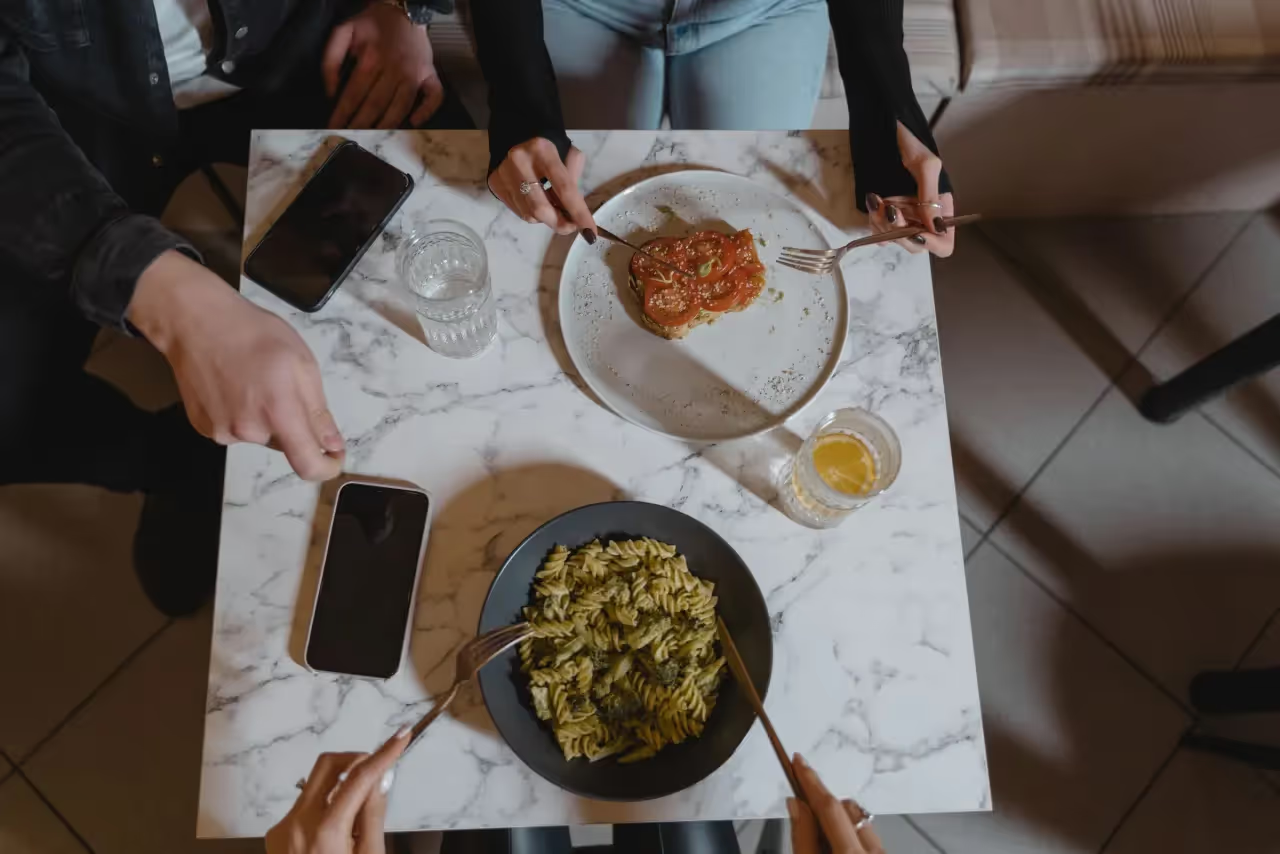
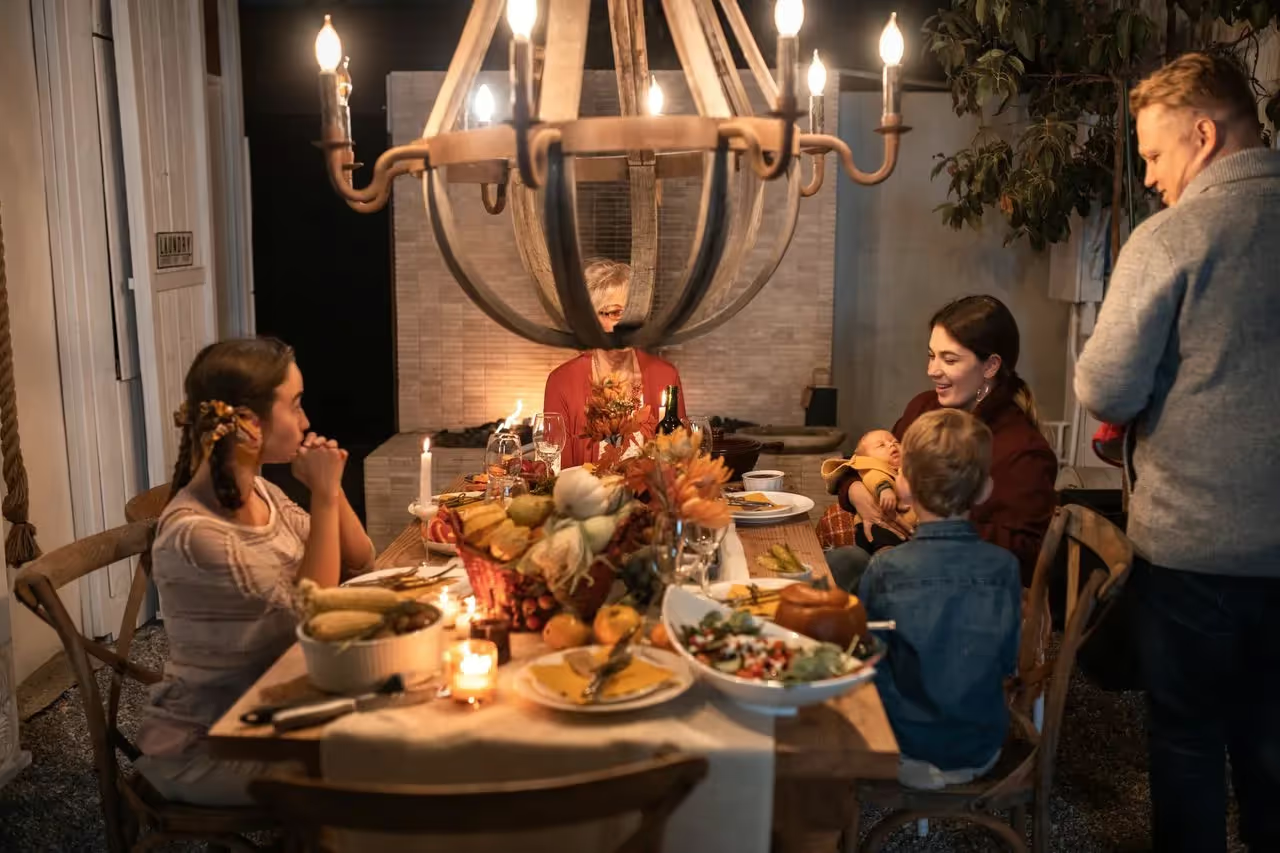
Friendsgiving can be a warm little gathering or a twelve-dish obstacle course hosted by someone with dead eyes and three kinds of potatoes. The capybara way chooses the first option: shared food, low pressure, enough water, and a room where people can be companionable without performing gratitude like dinner theater.
The host should still be alive emotionally when dessert appears.
Friendsgiving The Capybara Way: The Plan
Host Friendsgiving like a capybara would manage a group edge: keep everyone fed, give people space, avoid sudden drama, and do not make the whole event depend on one exhausted individual.
| Hosting choice | Capybara version |
|---|---|
| Guest list | People who can coexist |
| Food | Shared, simple, abundant enough |
| Seating | More important than centerpiece ambition |
| Drinks | Water first, everything else second |
| Mood | Warm, not mandatory cheerful |
Low effort does not mean careless. It means the effort goes where people actually feel it.
The useful answer for a stressed host: write one group text that covers time, address, food categories, dietary notes, parking, and what you actually need people to bring. Then stop adding surprise elegance. A Friendsgiving gets calmer when guests know how to help and the host stops treating every missing garnish like a personal indictment.
Invite Like A Capybara, Not A Conference Planner
Capybaras are social animals, but group life still has limits. Your apartment also has limits. Invite the number of people your space can hold without turning the hallway into a coat-based emergency.
Be clear early: time, address, food assignment, dietary needs, whether partners are invited, and whether shoes come off. Clarity is hospitality. Mystery is how someone arrives with a raw pie and no serving spoon.

My honest rule: if the host cannot explain the plan in one text, the plan is too fancy for a Thursday-adjacent friendship meal.
A simple message can do most of the work: “Food at 6, come anytime after 5:30. I have the main and water. Please claim a side, dessert, drinks, ice, or plates by Tuesday. Tell me allergies in this thread. No formal dress code. Bring containers if you want leftovers.” It is not poetic. It is hospitality with its shoes on.
Food Should Be Shared, Not Performed
Potluck works if it has categories. Main, vegetables, bread, dessert, drinks, ice, plates, cleanup. Without categories, potluck becomes a carb lottery.
Food safety still matters. USDA and FDA guidance for holiday meals and buffets is not glamorous, but it is the difference between “great night” and “everyone remembers the room-temperature casserole for legal reasons.”
| Food job | Assign it clearly |
|---|---|
| Main dish | One person or the host |
| Vegetable or salad | Two people if the group is large |
| Dessert | One reliable baker or buyer |
| Drinks and ice | A person with a car helps |
| Cleanup supplies | Someone who loves being useful |
Do not make every dish symbolic. Some food can simply be warm and present.
For safety, treat the table like a buffet, not a still life. Keep hot foods hot, cold foods cold, and leftovers moving to the fridge instead of sitting out while everyone debates a board game. The FDA’s party guidance and USDA’s holiday reminders both exist because relaxed meals still need basic timing. Nobody wants the most memorable dish to be the one people discuss in urgent texts the next morning.
Keep The Room Soft Around The Edges
The best Friendsgiving has places to land: a chair, a couch corner, a kitchen task, a quiet porch minute, a person who will not ask why you are single while holding cranberry sauce.

Set the tone by not overexplaining the evening. “Food at six, eat when ready, help yourself, no formal toast unless someone feels moved and can keep it under a minute.” Beautiful. Civilized. Nearly aquatic in its calm.
If the room includes people who do not all know each other, create one easy bridge. A shared playlist, a tiny kitchen task, a snack table, or a low-stakes question like “best store-bought Thanksgiving food” gives guests somewhere to stand socially. The capybara version of hosting is not constant entertainment. It is making peaceful proximity possible.
Friendsgiving Myths A Capybara Would Decline
The event gets worse when people treat friendship like a production.
| Myth | Better answer |
|---|---|
| The host should do everything | Shared meals should share labor. |
| Every dish must be homemade | Bought food can still feed love. |
| Gratitude must be public | Private gratitude counts. |
| More people means more warmth | More people can mean fewer forks. |
The capybara line: a good group does not require every animal to be loud at once.
The Order To Do It In
Hosting Friendsgiving the capybara way means simple food, clear assignments, enough seating, water, practical safety, and permission for the evening to be warm without being spectacular.
Remove one stressor before adding one flourish. Nobody will miss the garnish if the room feels kind.