Capybaras are not strictly nocturnal. They are not strictly daytime animals either. They are schedule opportunists with water access, heat concerns, predator awareness, and a strong commitment to making your zoo visit look badly timed.
The useful answer: capybaras are flexible, often active around dawn and dusk, and can shift toward night activity when safety or heat pushes them there.
Are Capybaras Nocturnal? The Short Answer
No, capybaras are not neatly nocturnal. Animal Diversity Web describes capybaras as animals whose activity patterns can vary, and San Diego Zoo emphasizes their water-centered grazing life rather than a tidy clock label. In normal conditions, dawn, dusk, and cooler parts of the day often matter more than “day animal” or “night animal.”
| Label | Does it fit capybaras? | Better wording |
|---|---|---|
| Nocturnal | Sometimes partly, not strictly | Can be active at night |
| Diurnal | Sometimes partly, not strictly | May feed or rest in daylight |
| Crepuscular | Often useful | Active around dawn and dusk |
| Flexible | Best broad answer | Timing shifts with heat and risk |
This is one of those topics where the internet wants one word and the animal gives you a shrug with webbed toes.
Why Zoo Capybaras Nap Through Your Big Visit
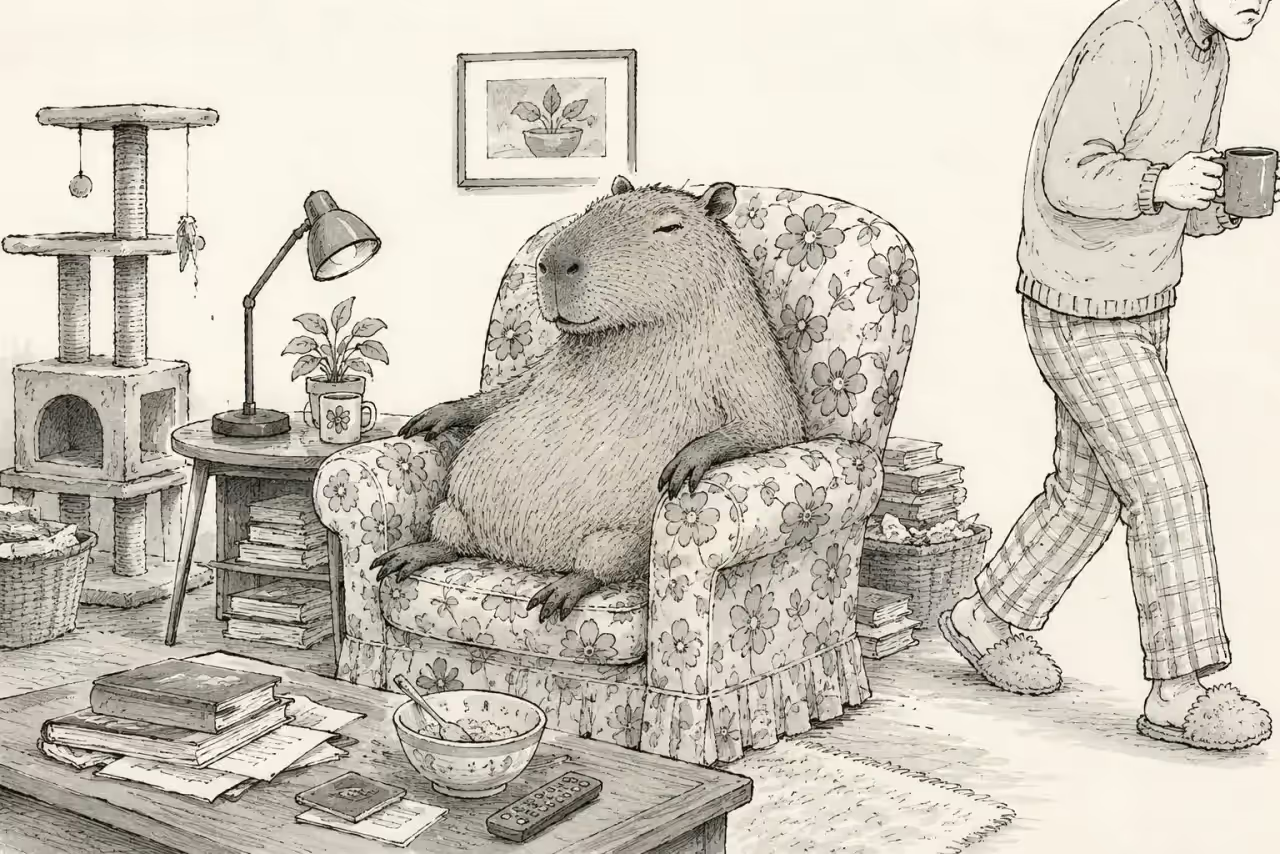
Zoo capybaras are not personally insulting you. Probably. If you arrive during a warm, bright, crowded part of the day, you may see loafing, soaking, or deep horizontal administration. That can be normal.
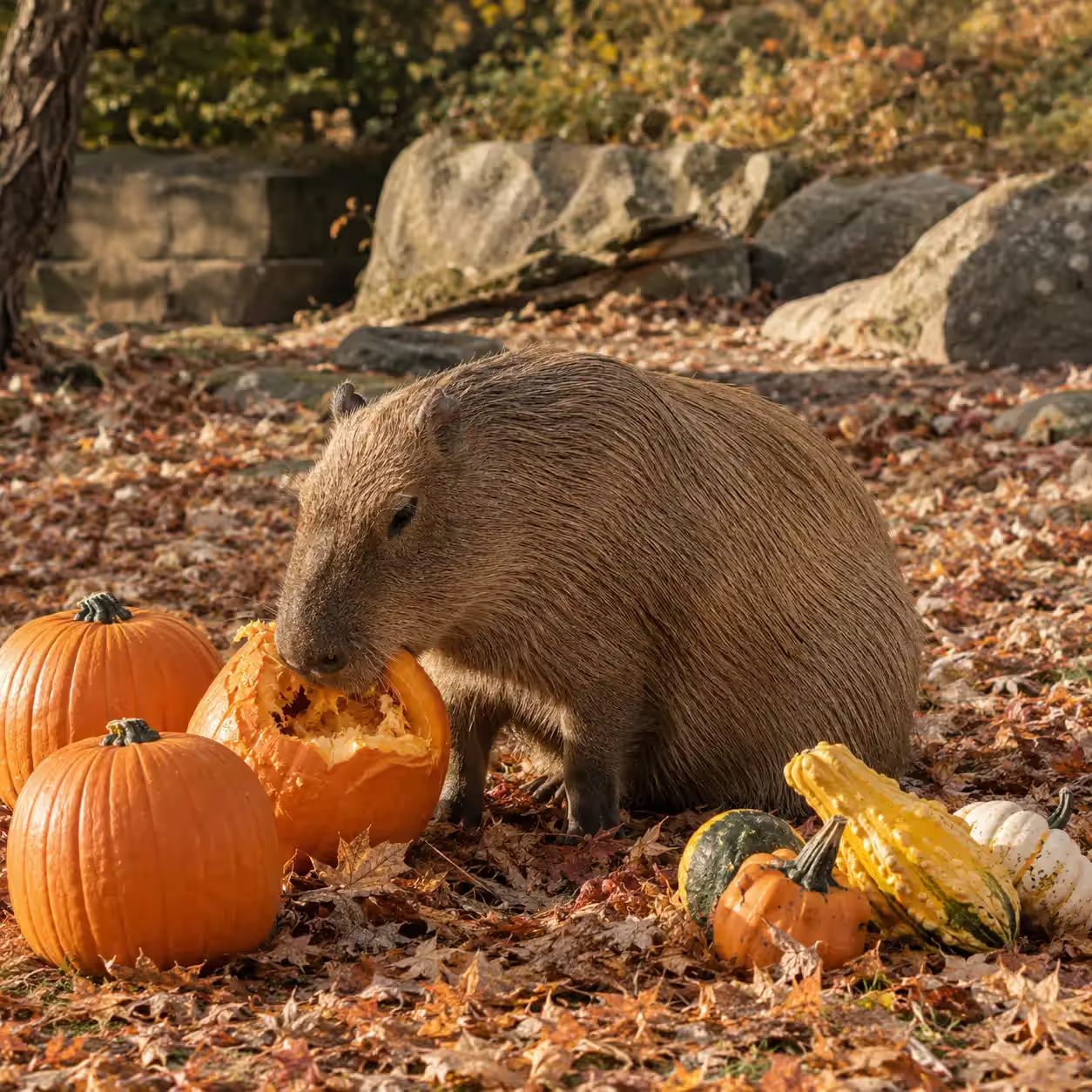
The AZA Capybara Care Manual centers water, shade, social housing, and habitat choice. Those details matter because a capybara in a good habitat may choose to rest during visitor-heavy hours and move more when it is cooler or quieter.

If you want movement, ask the zoo when the capybaras are usually most active. Keepers know their animals better than a blog post knows your local weather, and they have the unfair advantage of watching the same individuals every day.
This is also why “the capybara was asleep” is a weak review of an exhibit. You may have seen good habitat choice, not boredom. An animal that can rest out of the crowd, soak when warm, and feed when conditions suit it is not failing the visitor experience. It is using the room correctly.
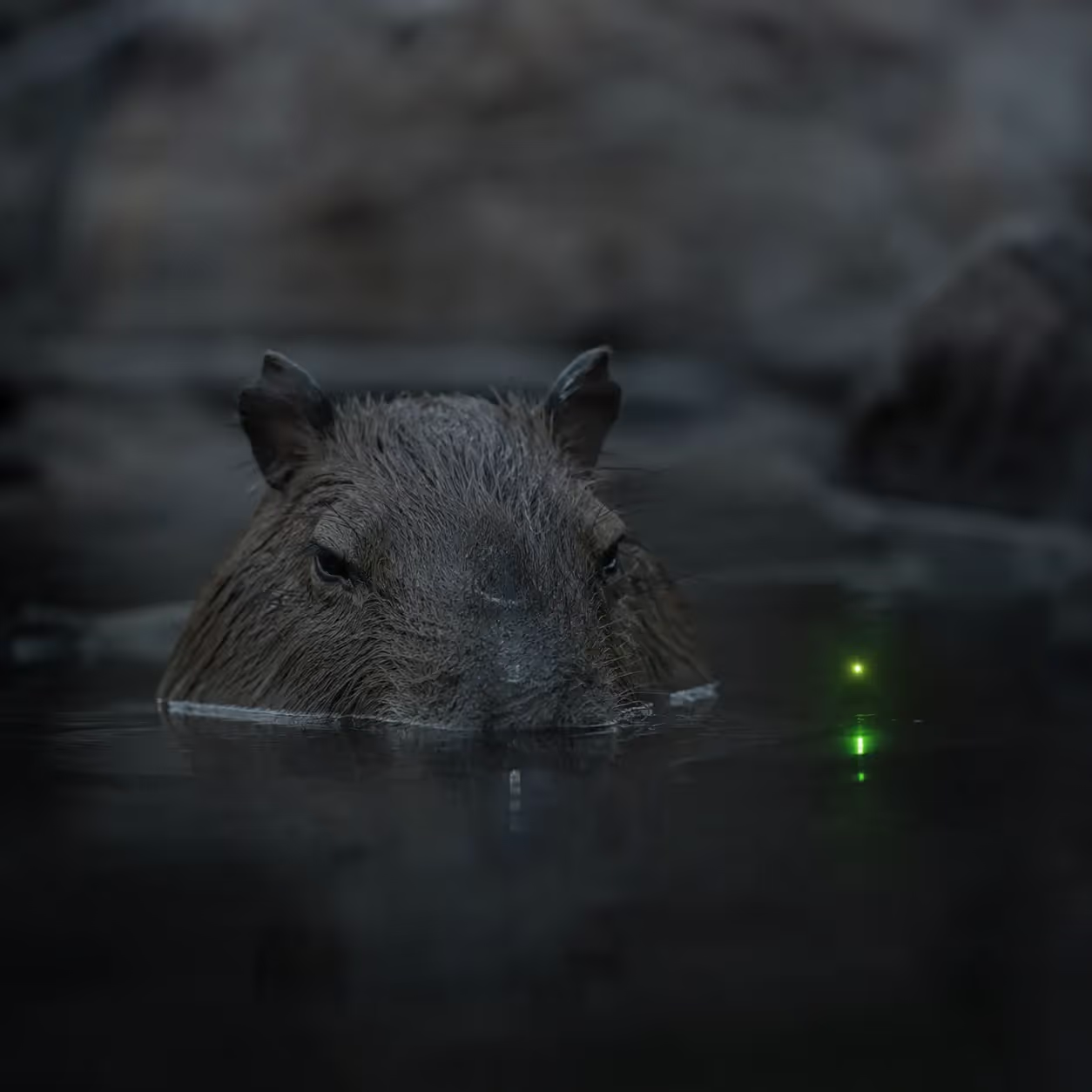
One more visitor trap: capybaras can look inactive even when they are paying attention. A standing deer reads as alert to humans. A capybara half-submerged with only the important facial equipment above water reads as a bean taking a break. That does not mean the animal is unaware. It means your expectations were designed by mammals with worse swimming arrangements.
Wild Capybaras Change Their Schedule When Life Gets Rude
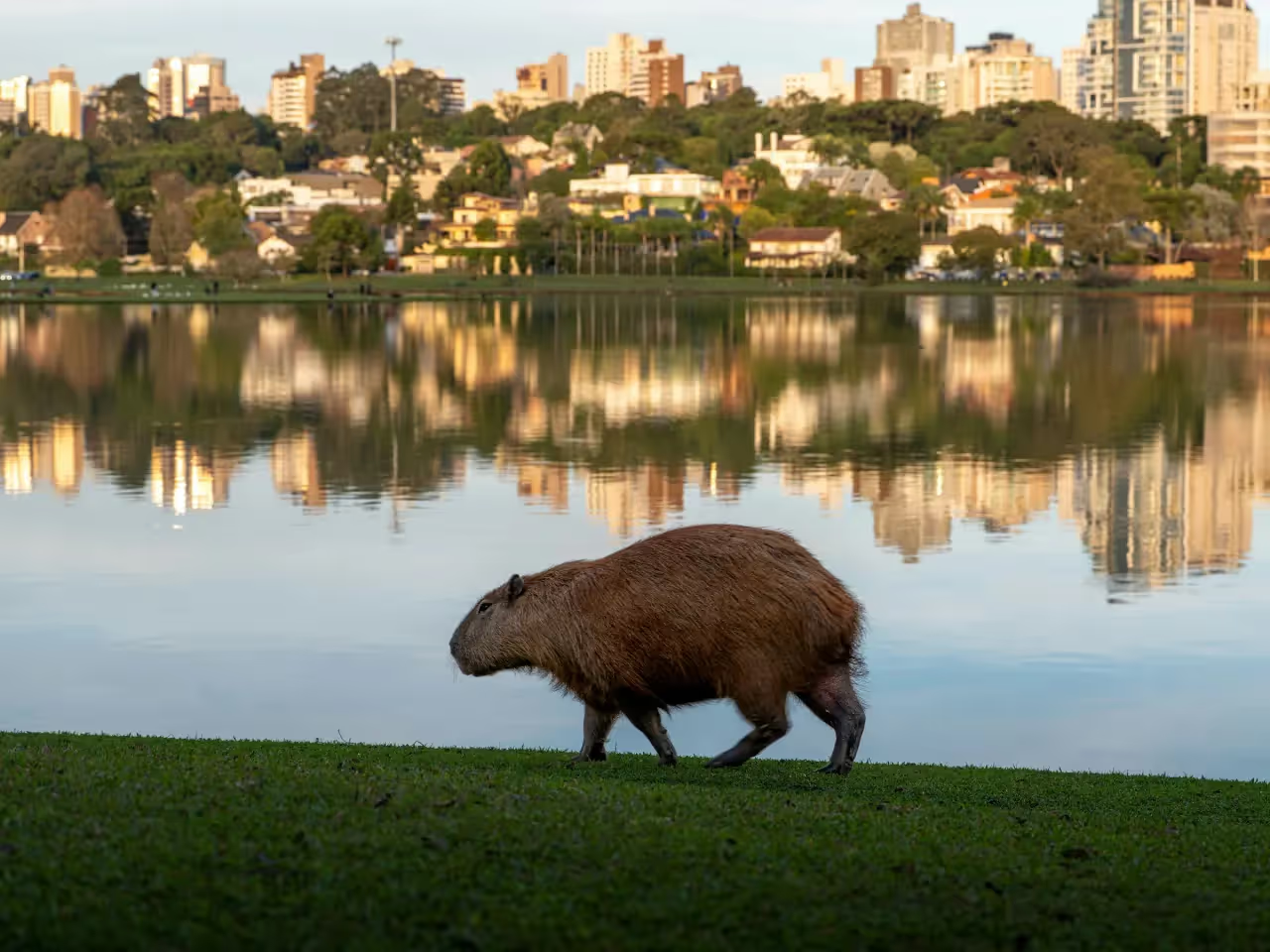
In the wild, activity timing is not just about preference. It is about heat, water, predators, human disturbance, and hunting pressure. A capybara that feeds in open grass at noon in one place may shift later in a pressured area because being visible has costs.
That is the key nuance. “Can capybaras be active at night?” Yes. “Does that make them strictly nocturnal?” No. The better answer is that capybaras are behaviorally flexible.
| Pressure | Likely schedule effect |
|---|---|
| Hot midday weather | More resting in shade or water |
| Cooler mornings | More grazing and movement |
| Human disturbance | More cautious timing |
| Hunting pressure | More night activity |
| Managed zoo routine | Activity shaped by feeding and keeper care |
The capybara is not running a calendar app. It is solving the day.
That flexibility is also why two accurate sources can sound slightly different. One may describe a population that grazes more in daylight because it is protected and conditions are mild. Another may describe more night activity where people, heat, or risk change the bargain. The animal did not contradict itself. The setting changed the answer.
The Best Time To See Capybaras Moving
For many visitors, early morning or late afternoon is the better bet. Cooler weather helps. Feeding times may help, if the zoo schedules public or visible feeding. Cloudy days can also be underrated. A capybara does not owe you action, but it may be less committed to lying flat when the ground is doing its best frying pan impression.
Our zoo timing guide gets more practical, but the short version is simple: avoid assuming noon is prime time. Noon is often prime time for humans buying fries and animals declining the premise.

Common Schedule Misreads
| Misread | Better answer |
|---|---|
| Sleeping at noon means nocturnal | It may mean heat management or routine rest |
| Active at night means always nocturnal | Capybaras can shift timing without changing identity |
| Zoo schedule equals wild schedule | Managed care changes what visitors see |
| Stillness means boredom | It can be comfort, digestion, or caution |
The one human thing to remember: if you only visit during the sleepiest slice of the day, you are collecting biased evidence. This is also true of coworkers, but let us not get distracted.
If They Are Asleep When You Arrive
Capybaras are not strictly nocturnal. They are flexible animals often active around dawn, dusk, and cooler periods, with more night activity possible under disturbance or hunting pressure.
If the zoo capybaras are asleep when you arrive, try earlier, later, or ask staff. Or accept the lesson. Sometimes the most accurate wildlife viewing experience is watching an animal choose rest with enviable confidence.