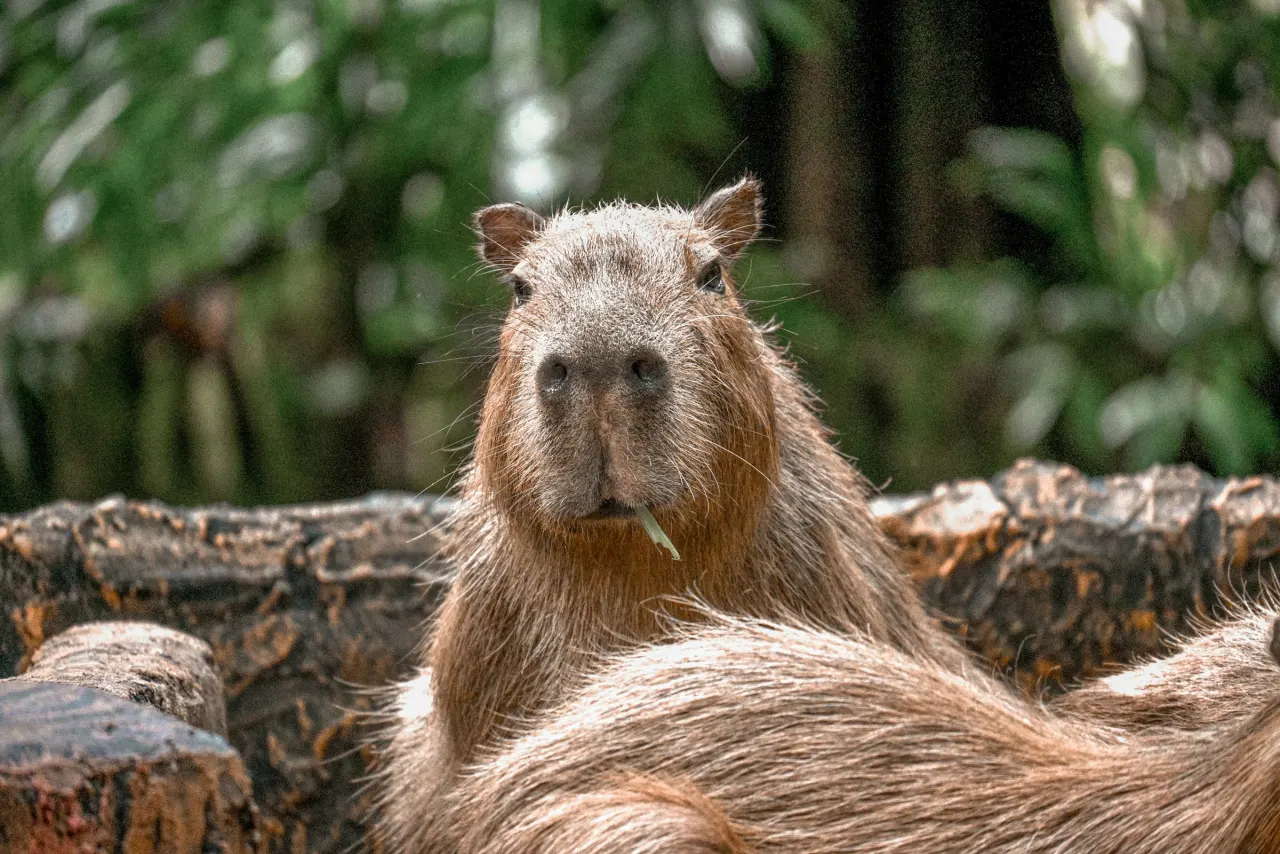
A capybara chewing wood is not redecorating. It is being a rodent with a maintenance schedule.
Yes, capybaras may chew wood, bark, browse, logs, branches, and safe enrichment. The useful question is not whether they chew. It is what they are chewing, why, how much, and whether the material belongs anywhere near their mouth.
Yes, Chewing Is Part Of The Job
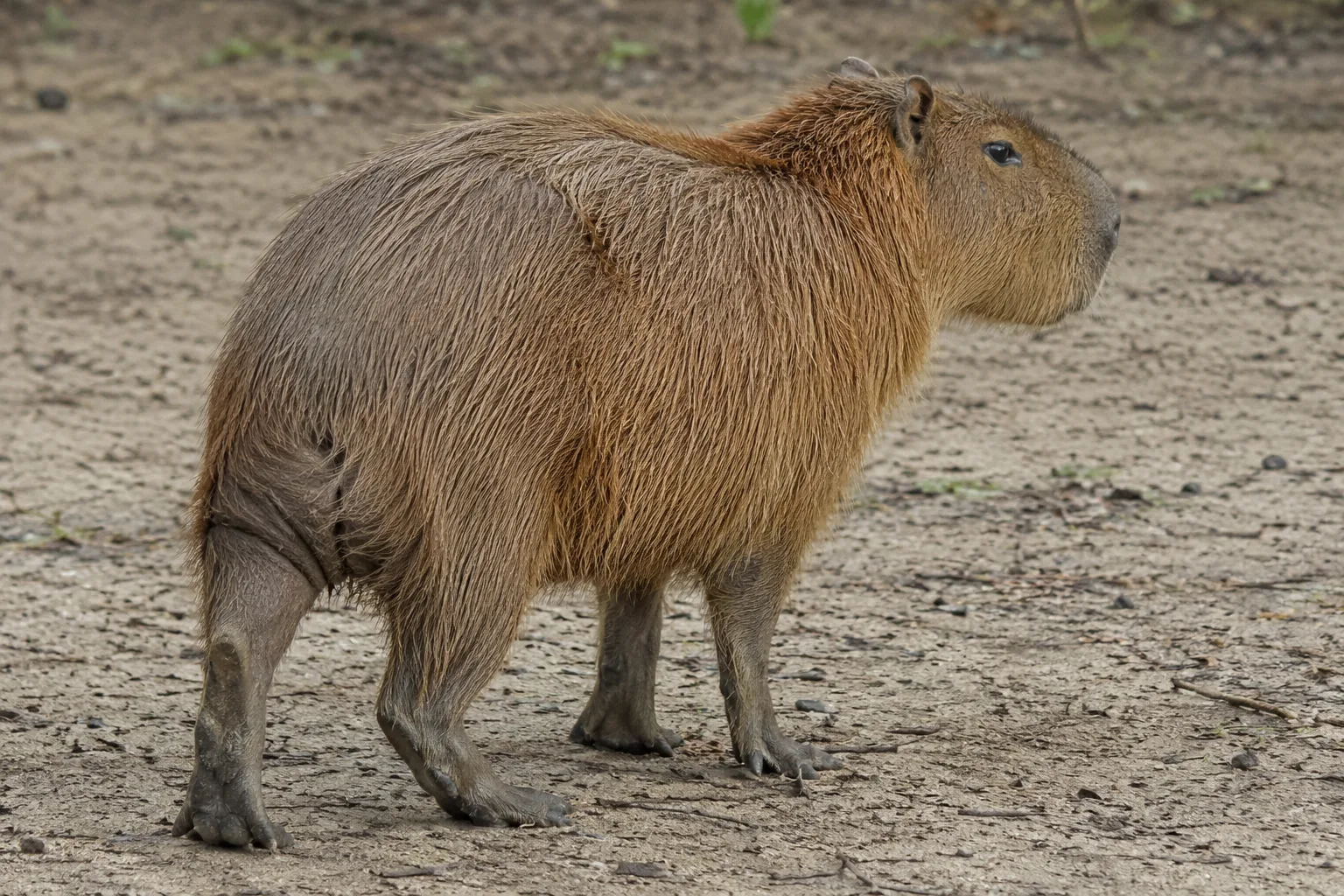
Capybaras are rodents, and their incisors grow continuously. National Geographic notes that capybaras wear their teeth down by grazing on aquatic plants, grasses, and other plant material.
Chewing woody material can fit that general biology, especially when safe browse or logs are part of an enrichment plan. It does not mean a capybara should be handed random lumber like a tiny contractor.
Teeth, Wear, And Boredom Are Different Issues
Chewing can be normal. It can also be a clue. Is the animal using approved browse? Is it chewing because the diet lacks enough fiber? Is it bored? Is a tooth overgrown? Is the enclosure made of tempting unsafe material?
The AZA care manual lists wood, tree stumps, logs, browse, puzzle feeders, and mud wallows among possible enrichment examples, but within a formal enrichment program. That phrase matters. Formal program. Not “found this branch, good luck.”
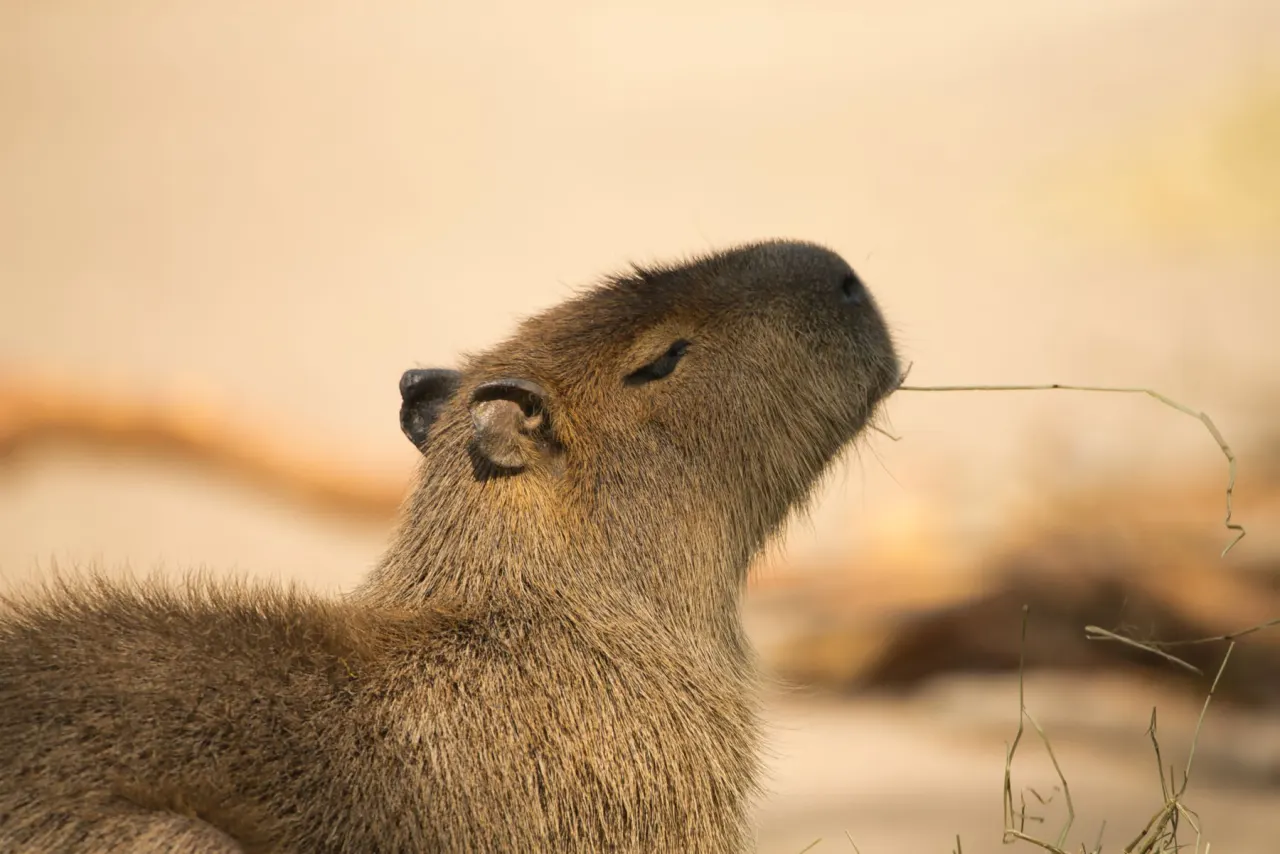
Safe Wood Is A Staff Decision
Wood safety depends on plant species, treatment, pesticides, contamination, splinter risk, size, and the individual animal. Treated lumber, painted wood, pressure-treated boards, unknown branches, and yard trimmings are not casual snacks.
| Material question | Why it matters |
|---|---|
| Is the plant species approved? | Some plants or parts can be toxic. |
| Was it treated or painted? | Chemicals do not become safe because a capybara is cute. |
| Can it splinter sharply? | Mouth, gut, and foot injuries are possible. |
| Is it part of the diet plan? | Chewing material can affect intake and behavior. |
| Did staff monitor use? | Enrichment should be evaluated, not dumped. |
When Chewing Signals A Welfare Gap
Excessive chewing on fencing, walls, gates, or unsafe fixtures can point to boredom, stress, inadequate enrichment, dental discomfort, or enclosure design problems. It is not automatically funny damage.
Tree of Life Exotic Pet Medical Center notes that capybaras need safe chew items and enrichment, along with diet and dental monitoring. That is the veterinary-adjacent version of “give the teeth a real job.”
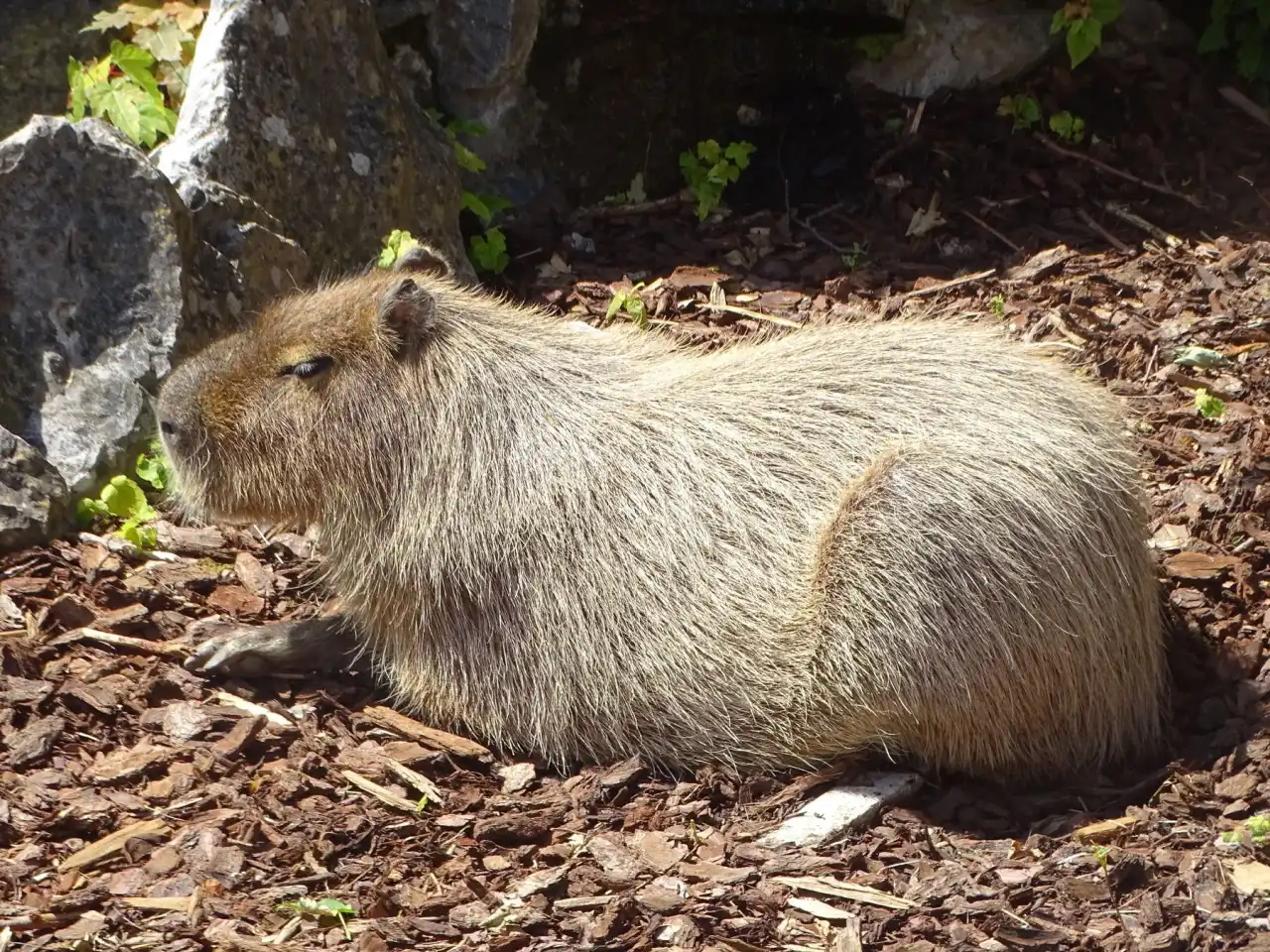
What The Teeth Are Actually Doing
Capybaras are the world’s largest rodent, and like all rodents their incisors are hypsodont, meaning they keep growing for the animal’s whole life. Animal Diversity Web describes them as grazers that spend a lot of the day working through grasses and aquatic plants. That grazing is the real maintenance system. Fibrous plant material drags across the teeth thousands of times a day and keeps the incisors and cheek teeth in shape.
Wood and browse sit on top of that, not in place of it. A log is a side activity. A field of grass is the actual job. This is why a capybara with a good forage base and a few approved chew items usually looks calm and unbothered, while a bored capybara with nothing fibrous to do will start auditioning the fence.
There is also a digestion angle people forget. Capybaras are hindgut fermenters and they practice coprophagy, re-ingesting soft morning feces to pull more nutrients out of all that low-grade plant matter. They also cannot make their own vitamin C, the same quirk guinea pigs have, so the diet has to supply it. None of that is fixed by handing them a stick. Chewing is the visible part of a much larger plant-processing operation, and it is easy to over-read a single behavior when the whole system is what matters.
Sorting The Common Misreads
Most of the confusion around capybara wood-chewing comes from treating one behavior as the whole story. A few of the usual mix-ups, and the more accurate version:
| Common assumption | Closer to the truth |
|---|---|
| Wood-chewing files the teeth down | Daily grazing on fibrous forage does most of the wear; wood is supplemental |
| Any branch from the yard is fine | Species, treatment, and splinter risk decide; yard branches are unknown until checked |
| A capybara wrecking a fence is just being playful | It can flag boredom, thin diet, dental pain, or a poorly designed enclosure |
| More chew toys means a happier animal | Forage, water, space, and company matter more; toys are a small slice |
| They chew wood because they are hungry | Usually it is normal rodent behavior or a sign of low fiber, not raw hunger |
The honest opinion here, after reading enough care material: the chew-toy aisle gets far more attention than it deserves. People love buying capybaras a dramatic log because it photographs well. The boring stuff that actually keeps the teeth healthy is a steady supply of grass and a vet who checks the mouth. A log is decoration on top of that, not a substitute for it.
What To Actually Do With This
If you keep or care for capybaras, the practical version is short. Build the diet around fiber first, browse and chew items second. Run anything woody past a qualified exotic-animal vet or a zoo nutrition professional before it goes in the enclosure. Watch how the animal uses a new item instead of assuming it is fine. And treat sudden destructive chewing as a question, not a joke. Sources like the AZA Capybara Care Manual and the AZA Nutrition Advisory Group exist precisely so this is not guesswork.
The Teeth Need Work, Not Random Lumber
For fans, the takeaway is simple: yes, capybaras chew wood or woody material, but safe chewing is a care decision.
For actual keepers or owners, talk to a qualified exotic-animal vet or zoo nutrition professional. The capybara’s teeth need a job. They do not need your fence scraps.