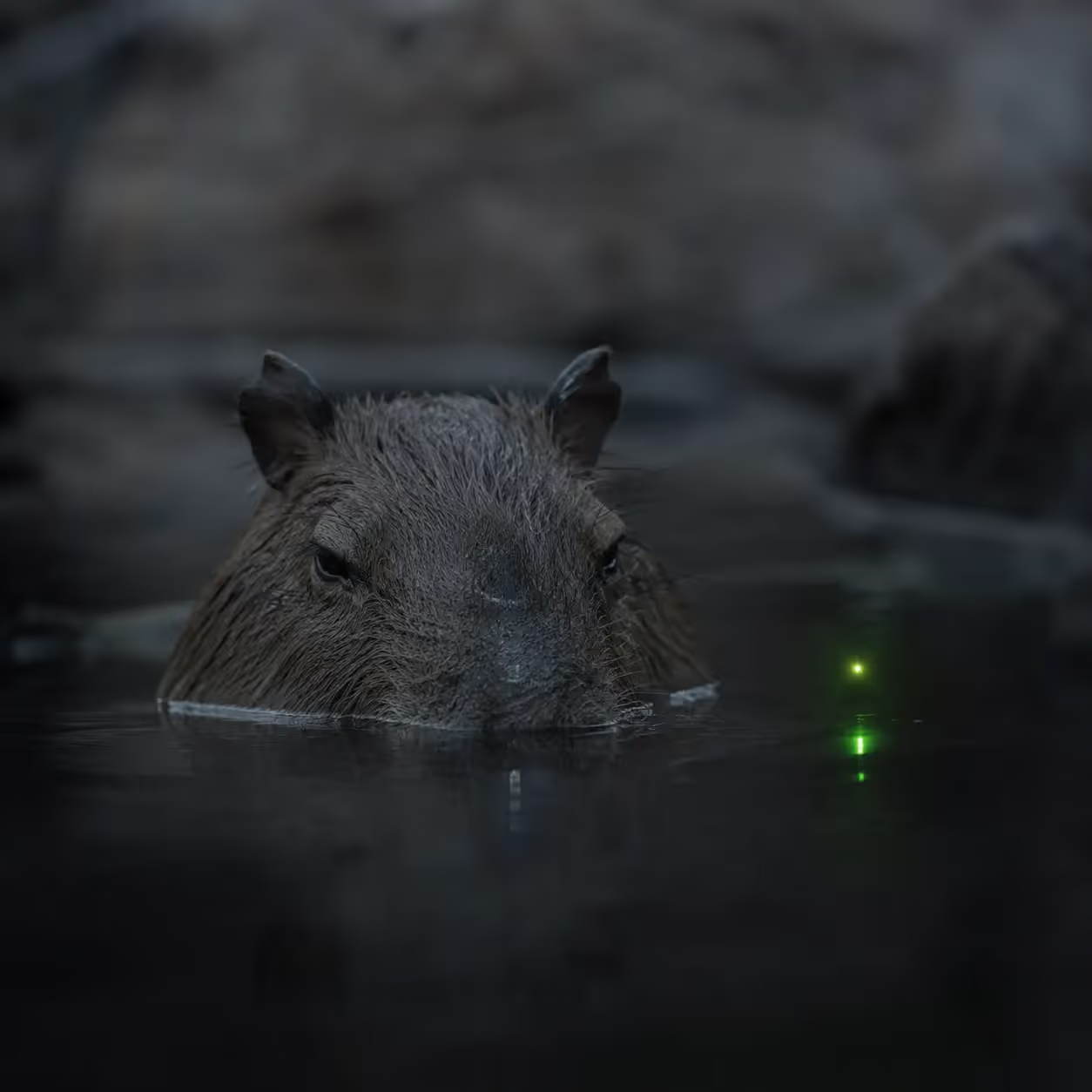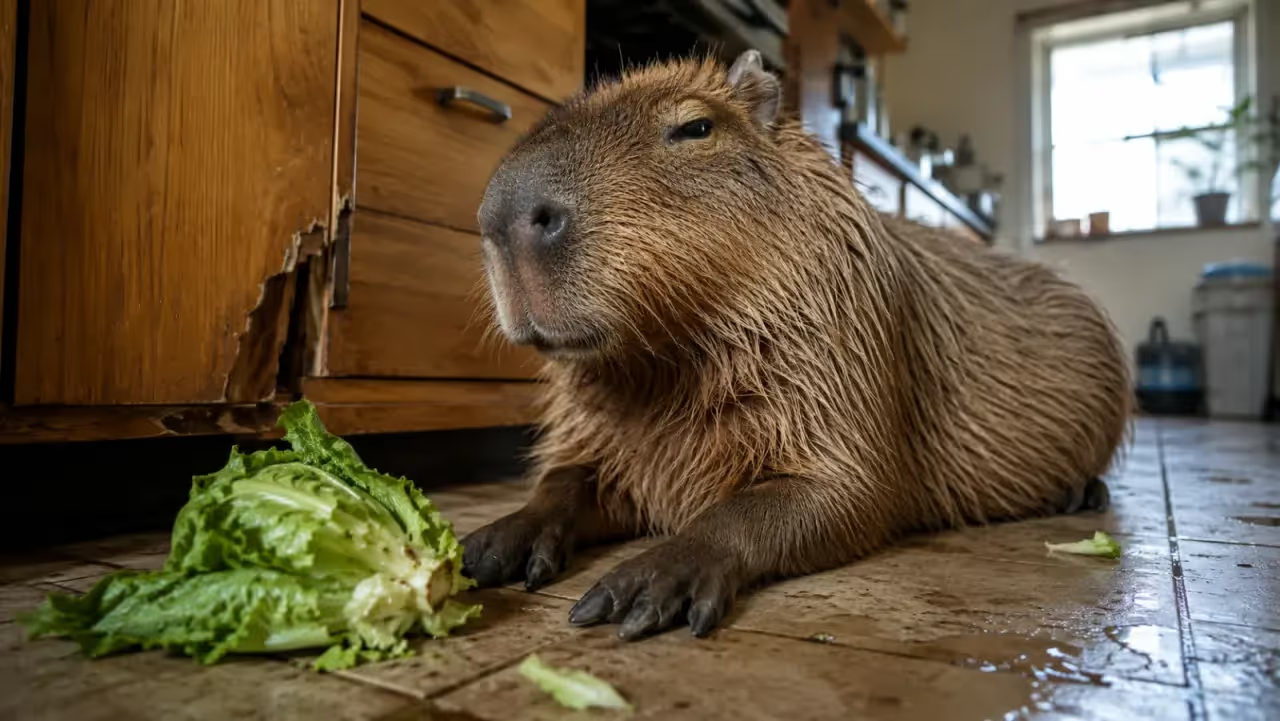

Capybaras are not poisonous. They are not venomous. They are not secretly loading toxin darts behind those calm little eyes.
The actual risk is less dramatic: a large rodent can bite, scratches can break skin, animal mouths carry bacteria, and unsafe contact can turn a cute moment into paperwork with antiseptic.
Are Capybaras Poisonous Or Venomous? The Direct Answer
No. Capybaras do not poison people, and they do not inject venom. Poison is harmful when touched, swallowed, or absorbed. Venom is delivered through a bite, sting, or similar mechanism. Capybaras do neither of those things.
They are large herbivorous rodents. San Diego Zoo and Animal Diversity Web describe them as social, semi-aquatic grazers, not toxin-bearing animals. If someone asks whether capybaras are poisonous, the answer is clean enough for a group chat: no, but do not poke one.
The question usually comes from a sensible place, even if the wording is off. People see a wild animal with huge teeth and want to know what kind of danger category it belongs in. Fair. The mistake is reaching for snake language. Capybaras belong in the “large animal with boundaries” category, which is less dramatic but much more useful at a zoo rail.
| Claim | Best wording |
|---|---|
| Capybaras are poisonous | False |
| Capybaras are venomous | False |
| Capybaras can bite | True |
| Capybara bites can get infected | Possible, as with animal bites |
| Wild capybaras should be handled | Absolutely not |
The Real Risk Is Boring, Which Is Why People Miss It
The CDC’s zoonotic-disease guidance is the better frame. Animals can carry germs that make people sick, and bites or scratches create a route for bacteria. That does not make capybaras uniquely dangerous. It makes them animals.
The broader danger guide covers temperament and context, but the short version is that a calm-looking capybara can still defend itself if cornered, frightened, crowded, or mishandled.

This is the unglamorous truth: most animal-contact injuries are not exotic. They are bad judgment plus teeth, followed by someone in urgent care explaining that yes, the animal was a capybara.
What To Do If A Capybara Bites Or Scratches You
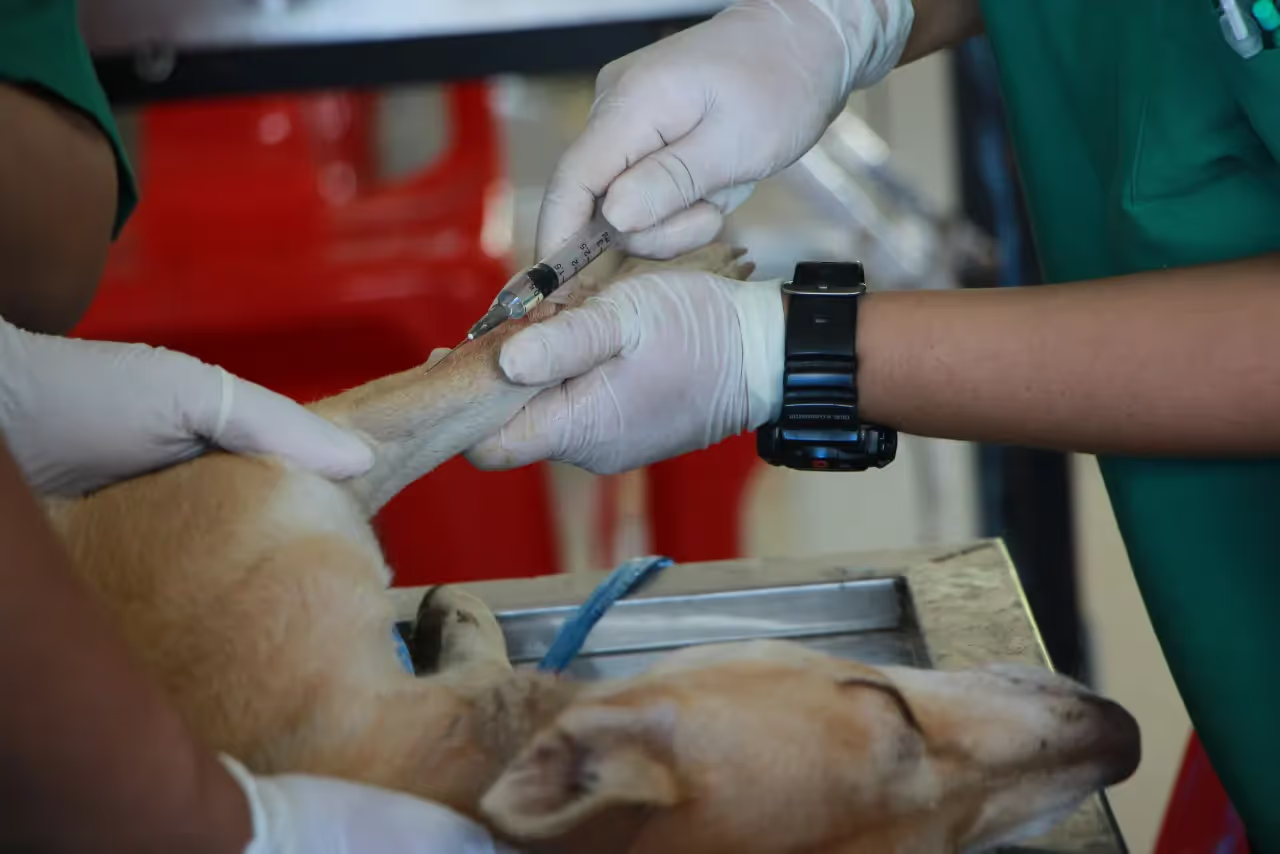
If a capybara breaks skin, treat it like an animal bite or scratch. Mayo Clinic’s animal-bite first-aid guidance starts with washing the wound, controlling bleeding, and seeking medical care for serious wounds or infection risk. For an unknown, wild, or strangely behaving animal, call a medical professional or local health department.
Do not stand there debating whether the animal was “being mean.” The wound does not care about your interpretation.
| Situation | Sensible next step |
|---|---|
| No broken skin | Wash area, monitor, stop contact |
| Small scratch | Wash with soap and water, watch for infection |
| Bite breaks skin | Wash, cover, seek medical advice |
| Wild or unknown animal | Contact local health department |
| Animal acting strangely | Treat as urgent and report it |
Common Poison And Venom Misreads
| Misread | Better answer |
|---|---|
| Big teeth mean venom | Teeth create bite force, not venom |
| Wild animal means poisonous | Wildness and poison are unrelated |
| Calm means safe to touch | Calm appearance does not erase boundaries |
| Zoo contact means home contact is safe | Managed encounters have staff, rules, and known animals |
Capybaras also have strong incisors that grow continuously, which makes bite respect practical, not paranoid. The bite and teeth guides are worth reading if your question is really “could this animal hurt me?”
It helps to separate “dangerous” from “villainous.” A capybara does not need bad intentions to cause a real injury. A startled shove, a defensive nip, or a human hand in the wrong place can be enough. Most safety advice is not about fearing capybaras. It is about giving a large prey animal enough space that it never has to make a point.
The scene I keep imagining is a visitor at a petting-style venue asking the wrong question while their hand is already moving toward the animal’s face. “Is it poisonous?” is not the urgent problem. The urgent problem is that the capybara has not agreed to be touched, the staff rules may not allow it, and fingers near a rodent mouth are doing risk research without a grant. Safety starts before contact, not after the animal corrects the plan.

If you want one clean rule for kids, use this: eyes can look, hands ask the staff. That sentence prevents more trouble than a lecture about venom ever will.
For adults, the rule is only slightly more humiliating: do not let your phone decide your distance. A good photo is not evidence that you were close enough. It is often evidence that the zoom button has been underappreciated.
No Venom Is Not Permission
Capybaras are not poisonous or venomous. The risk is ordinary animal-contact risk: bites, scratches, germs, and stress behavior when humans get too close.
So the rule is simple. Admire the capybara, respect barriers, do not feed or handle unknown animals, and treat any bite seriously. The absence of venom is not permission to act like a damp rodent owes you trust.