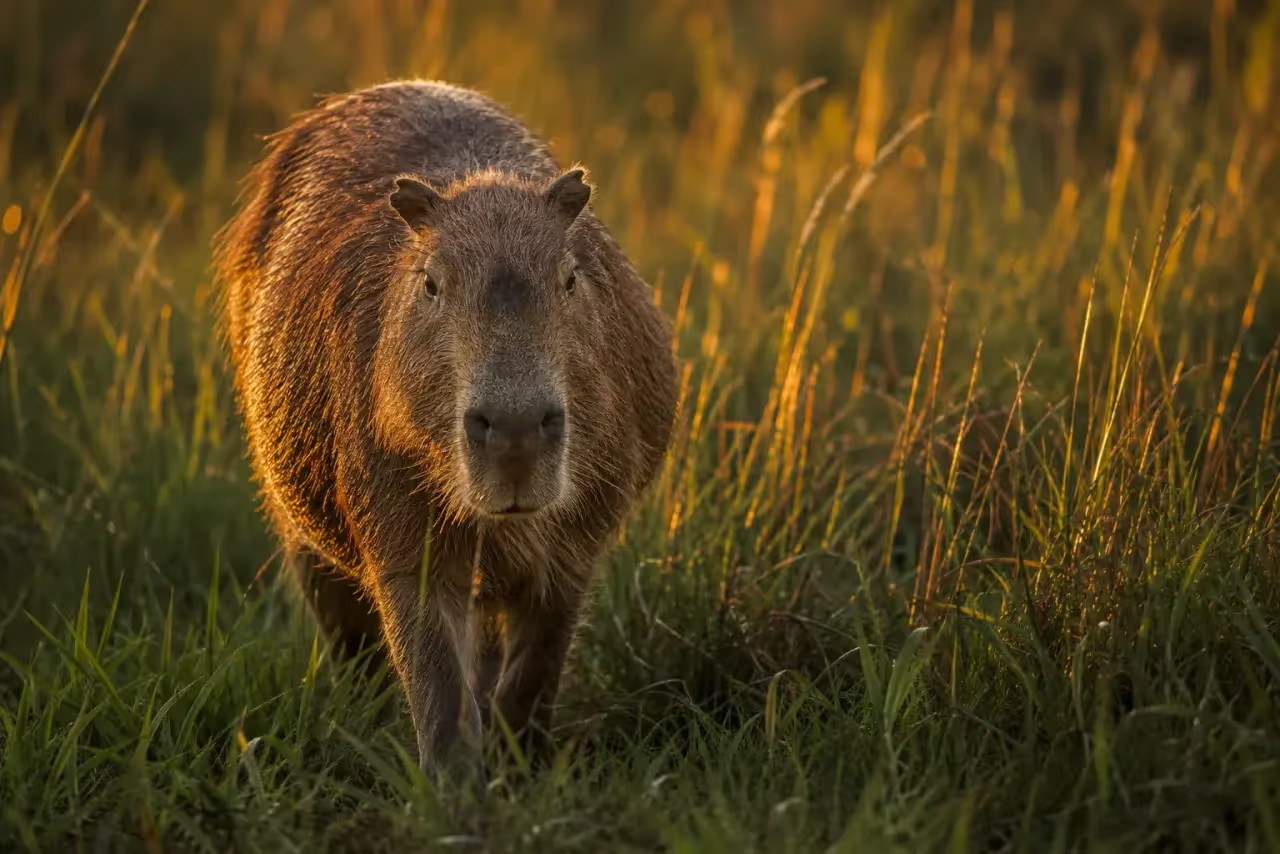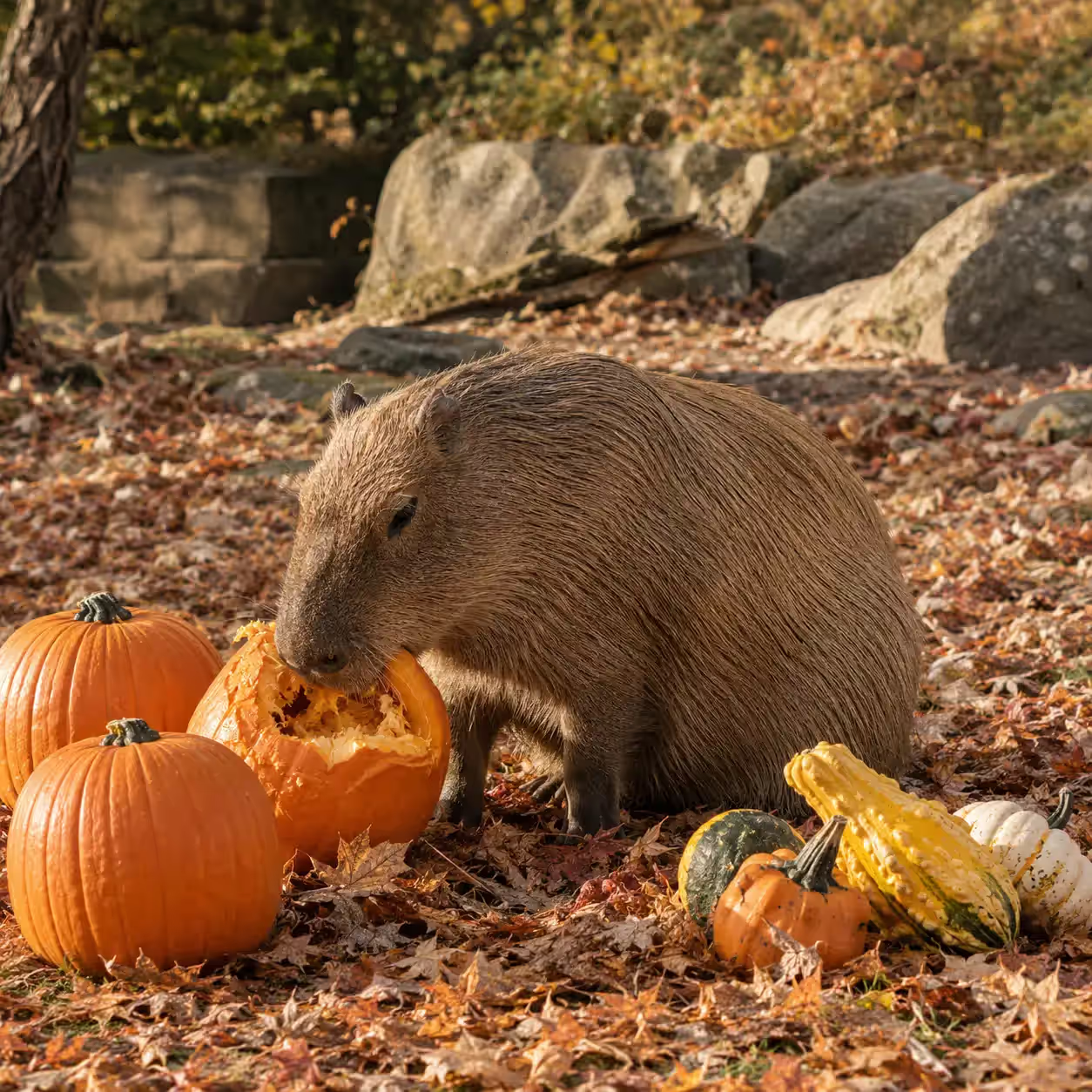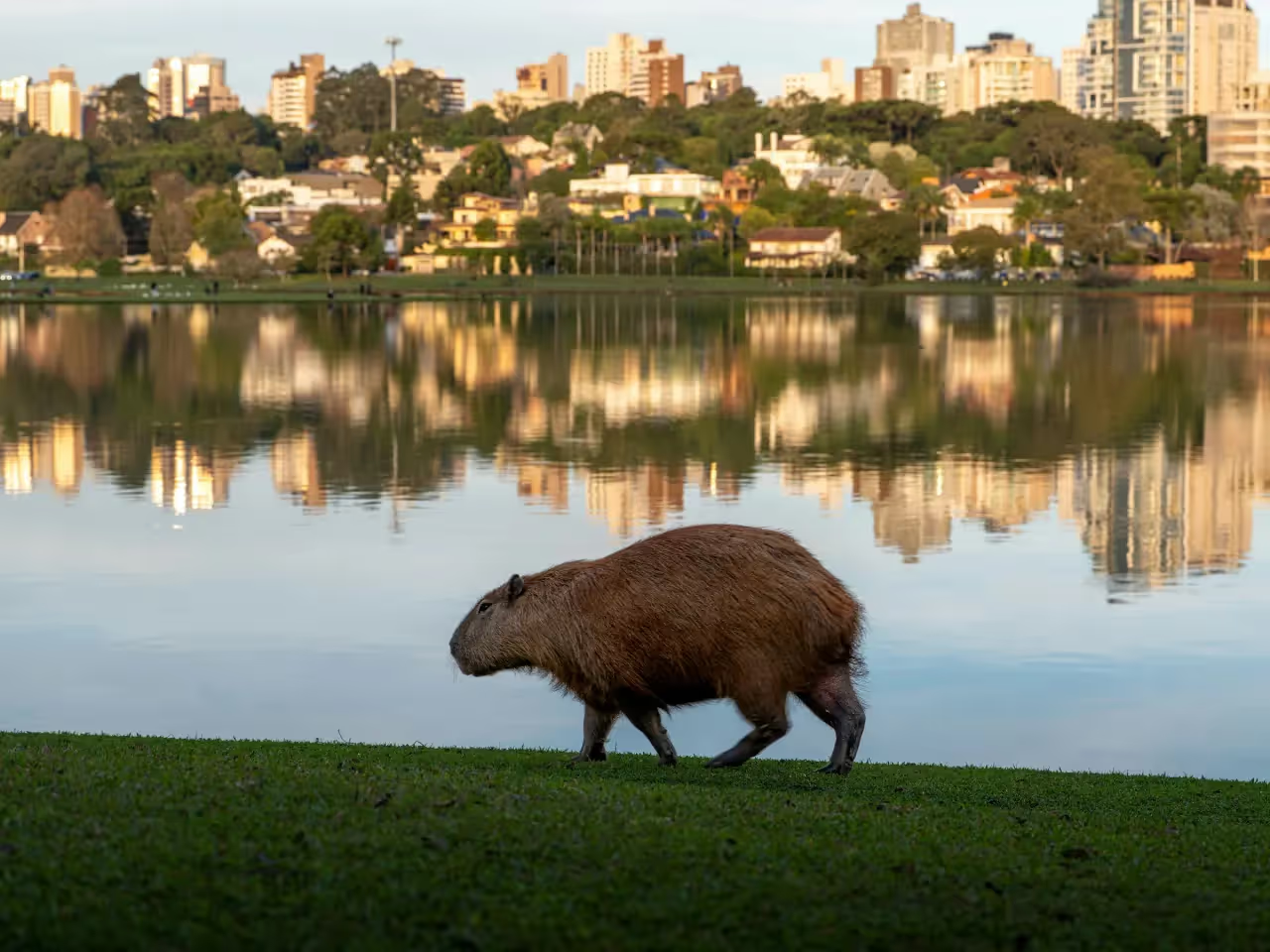
If the capybara is your spirit animal, the message is probably not “do nothing forever.” It is closer to: stay calm, stay close to your people, keep water nearby, and leave the group chat before it damages your nervous system.
That is why capybaras work so well as modern symbols. They look peaceful without looking vacant. They are social without being needy in the human-internet sense. They have the rare energy of an animal that seems to know exactly how much drama it can afford.
What A Capybara Spirit Animal Usually Means
A capybara spirit animal usually means calm, community, adaptability, and soft boundaries. It is the symbol for the person who does not need to win every argument to stay intact.
| Meaning | Capybara version |
|---|---|
| Calm | Not frozen, just hard to bait. |
| Community | A group matters more than a solo performance. |
| Adaptability | Land, water, mud, shade: adjust and continue. |
| Boundaries | Peaceful does not mean available to everyone. |
| Low drama | Leave early. Float away. Chew grass. |
The fan version is easy to understand: capybaras feel like emotional adults in a room full of notification sounds. But the better version keeps one foot in biology.

Why The Symbolism Actually Fits The Animal
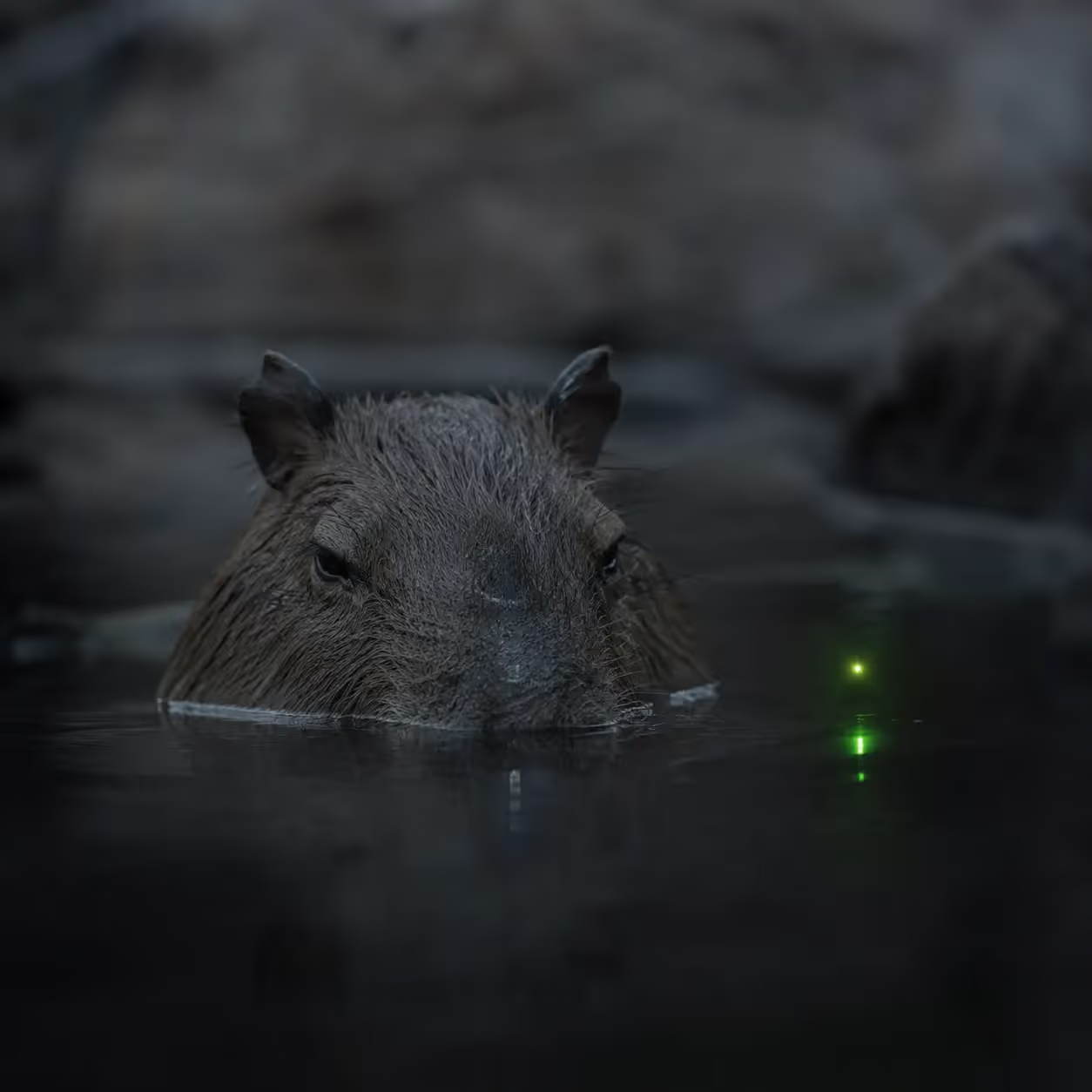
Real capybaras are not mystical pool floats. Animal Diversity Web describes them as highly social herbivores that live in groups, graze, vocalize, and stay close to water. San Diego Zoo Wildlife Alliance notes their semi-aquatic life and their strong swimming ability.
That biology gives the symbolism a spine. Capybaras are calm-looking because they are built for a life where watching, resting, grazing, moving together, and retreating to water all matter. They do not need constant performance to be interesting.
This is also why the capybara makes a better symbol for social ease than for total solitude. A lone capybara is not the ideal. Group life is the point. The real animal says: be peaceful, but do not mistake isolation for wisdom.
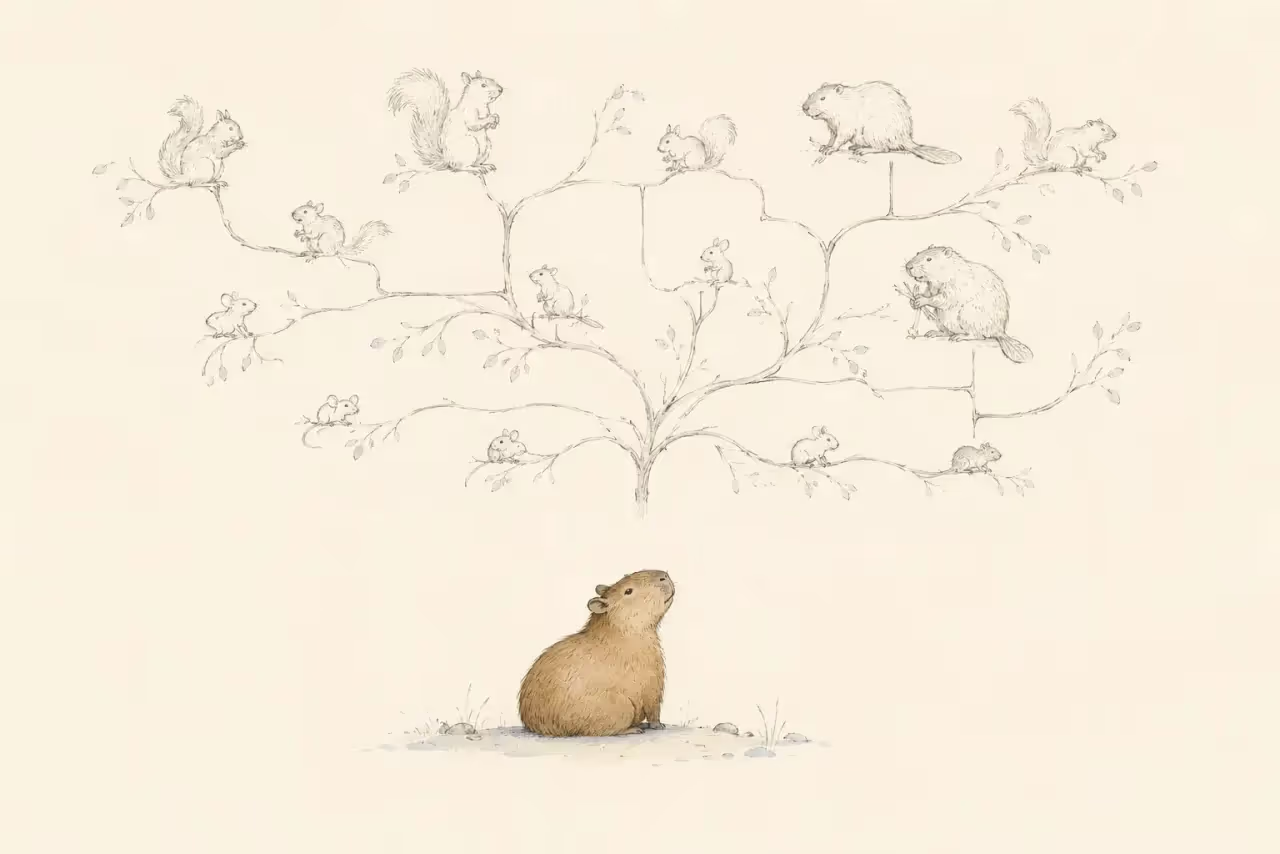
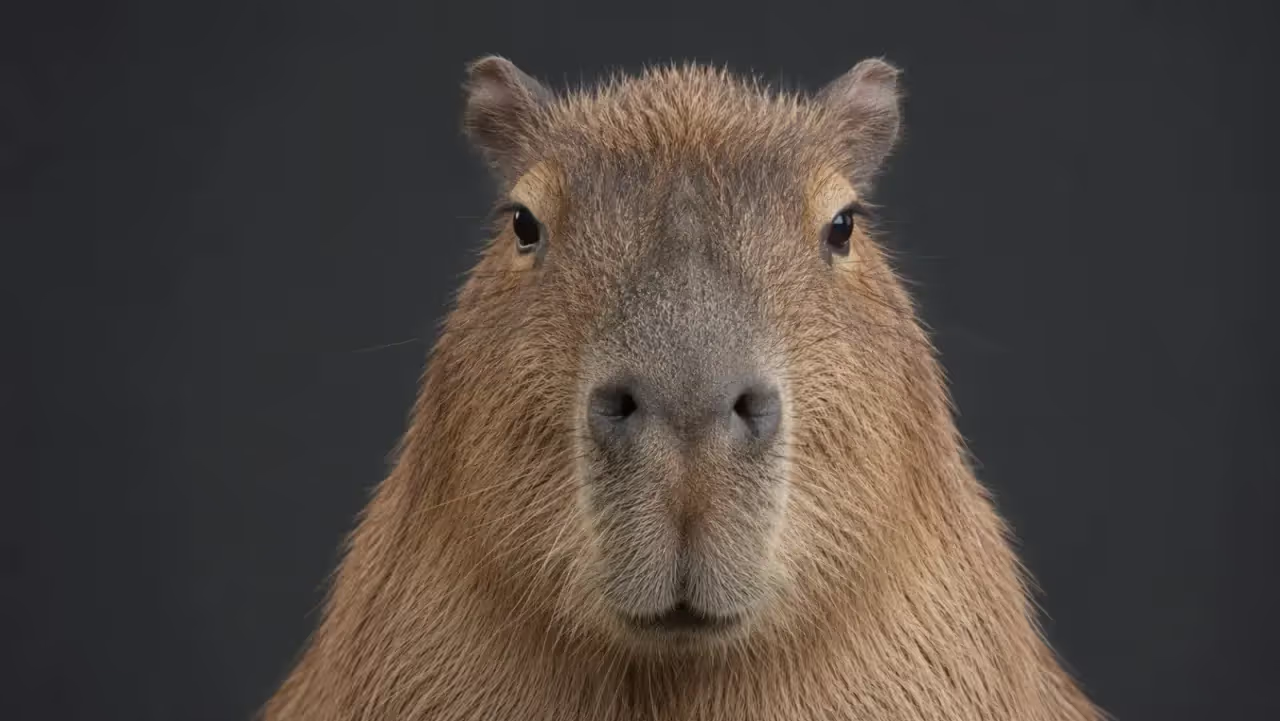
There is a quieter detail people skip. Capybaras are the world’s largest rodent, family Caviidae, close relatives of guinea pigs and maras. Britannica and the San Diego Zoo Wildlife Alliance both put adults at roughly 35 to 66 kg, which is a large animal moving slowly on purpose. The calm is not a personality quirk. It is the operating mode of something big enough that it does not need to rush, but alert enough to vanish into the water the second a threat shows up. If you want a symbol for “secure, not soft,” that combination is hard to beat.
The Honest Version Of The Symbol
Most spirit-animal writing online treats the capybara as a mood board: warm, fuzzy, vaguely zen. I think that reading is a little dishonest, and not in a fun way. It sands off the parts that make the symbol worth anything.
A real capybara is a hindgut fermenter. It practices coprophagy, re-ingesting its soft morning feces to pull more nutrients out of grass, because grass is hard to live on and the animal does the unglamorous work anyway. It cannot make its own vitamin C, like a guinea pig, so it has to keep eating the right things or it gets sick. Its teeth grow continuously and have to be worn down by constant grazing. None of that is restful. The calm you see sits on top of a full-time job of maintenance.
That is the version of the symbol I’d actually keep. Not “be serene.” More like: do the boring upkeep so reliably that, from the outside, you look unbothered. The peace is earned, not gifted.
Capybara Vs. Other Calm Symbols
If you are choosing an animal to hang meaning on, it helps to see what the capybara is and is not next to its neighbors. The differences are small but they change the message.
| Symbol | Common reading | What the capybara adds |
|---|---|---|
| Sloth | Slow, low effort, rest as identity | Capybaras rest, but they graze, swim, and stay watchful. Calm with a pulse. |
| Owl | Wisdom, watching from a distance | Capybaras are wise about the group, not the lone observer. Belonging over detachment. |
| Turtle | Retreat, hard shell, self-protection | Capybaras retreat to water instead of into a shell. Boundaries without shutting people out. |
| Dog | Loyalty, eager social bonding | Capybaras are social without being needy. Present, not performing. |
The pattern is consistent. The capybara keeps the good part of each one (rest, awareness, protection, connection) without the failure mode (laziness, isolation, withdrawal, people-pleasing).
Common Misreadings, Cleared Up
A few ideas get repeated enough that they are worth correcting directly. The animal itself does the arguing here.
| Myth | Better answer |
|---|---|
| The capybara means “rest forever, effort is the enemy.” | They graze and swim most of the day. The symbol is regulated energy, not inertia. |
| Capybaras are calm because they feel nothing. | They have alarm calls, scent glands, and dominance order. Calm is a setting, not an absence of feeling. |
| A capybara totem is an ancient sacred tradition. | Modern capybara symbolism is mostly internet-age and fan-made. Treat it as contemporary meaning. |
| Being someone’s capybara means absorbing their chaos. | Real capybaras keep boundaries and leave for the water. Tolerance has a limit. |
| One peaceful capybara is the ideal. | Group life is the whole point. Steadiness shows up best inside a herd, not alone. |
What The Capybara Does Not Mean
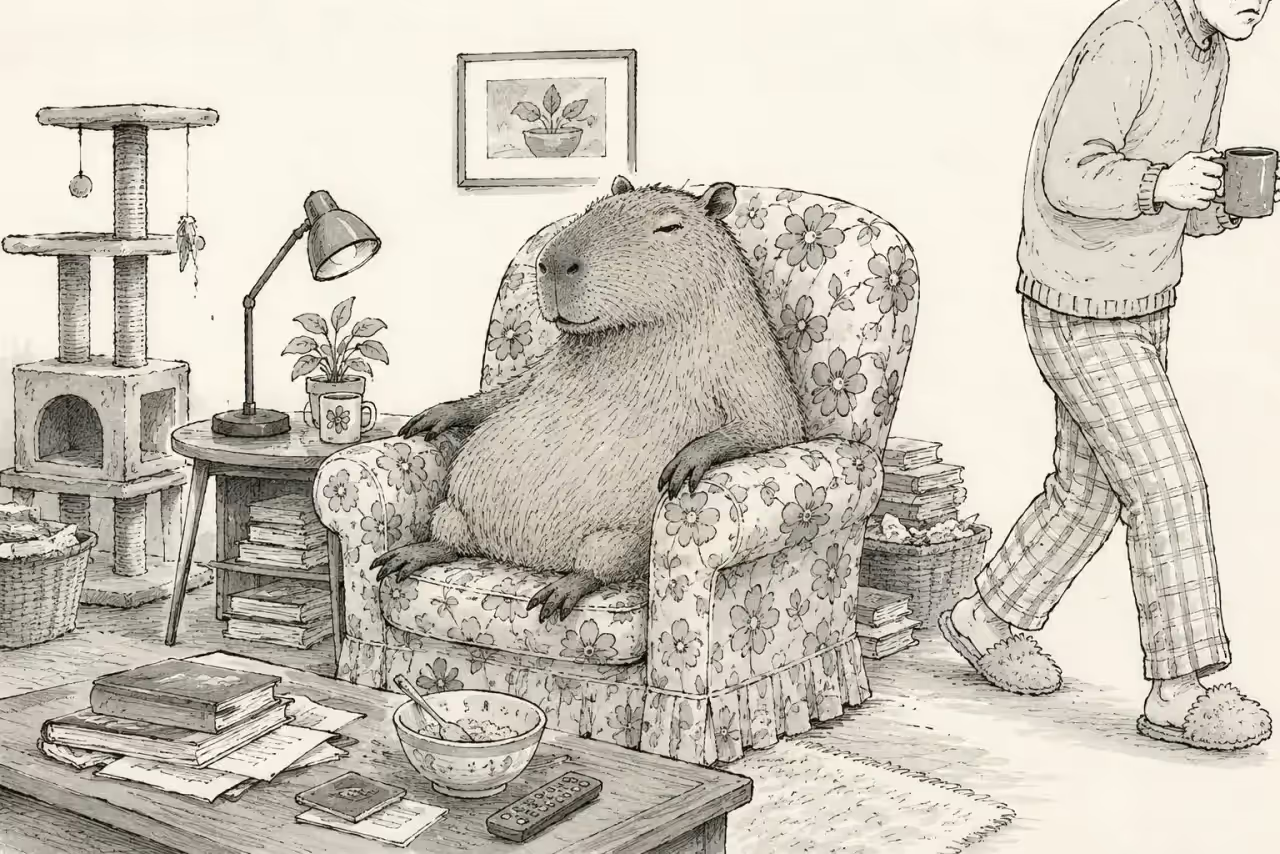
The capybara does not mean “let everyone climb on you.” It does not mean accept every bad plan because peace is your brand. It does not mean turning yourself into a decorative couch for other people’s chaos.
That matters because the internet often flattens capybaras into pure tolerance. The real animal has teeth, scent glands, alarm calls, dominance behavior, and survival instincts. A capybara can look unbothered while still having rules.
How To Use The Capybara Symbol Without Getting Weird
Use it as a small operating system:
| Situation | Capybara move |
|---|---|
| Everyone is escalating | Lower the temperature before you answer. |
| You are overexplaining | Stop proving your calm and go be calm. |
| A group needs steadiness | Be the low-drama presence, not the unpaid therapist. |
| Something feels unsafe | Retreat to water, metaphorically or literally. |
| You are confusing peace with passivity | Remember the teeth. |
For more literal symbolism, read what capybaras symbolize. For the behavior underneath the meme, why capybaras are so calm and whether capybaras live alone or in groups are better homework than a crystal-shop caption.
The practical takeaway: a capybara spirit animal is not asking you to disappear into beige calm. It is asking you to stay steady, choose your group carefully, take water seriously, and stop donating your nervous system to every loud room.