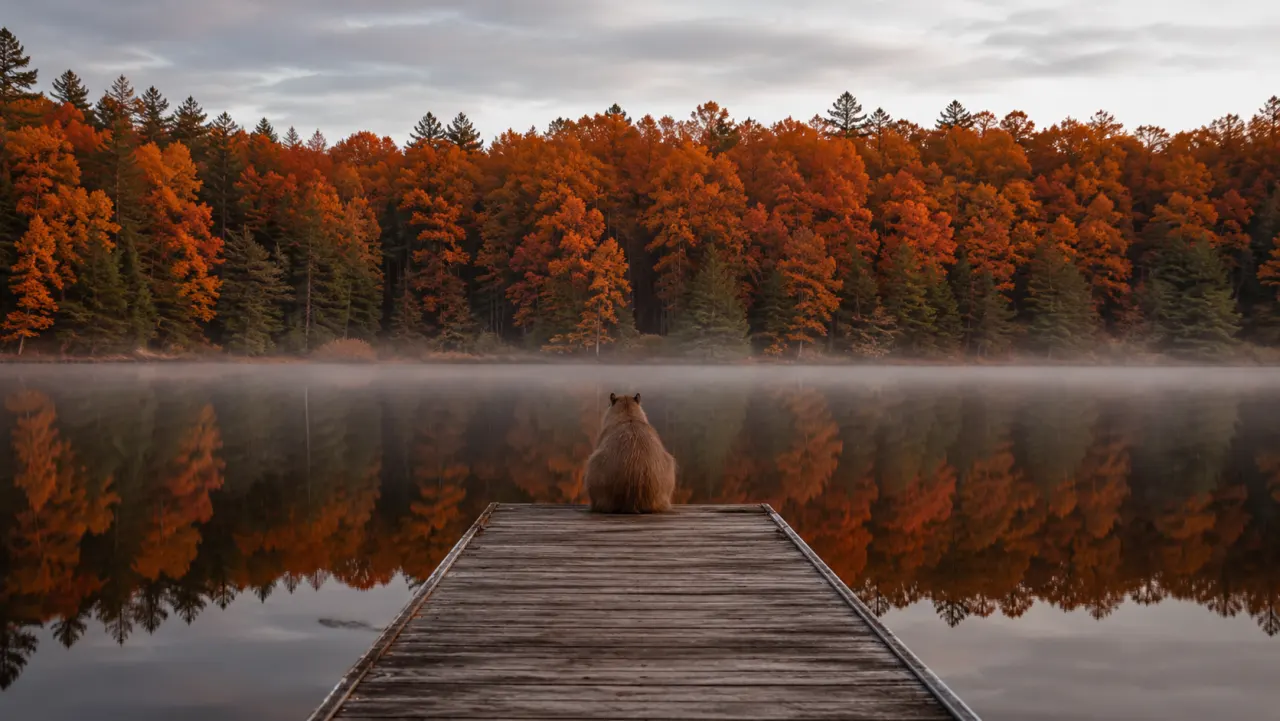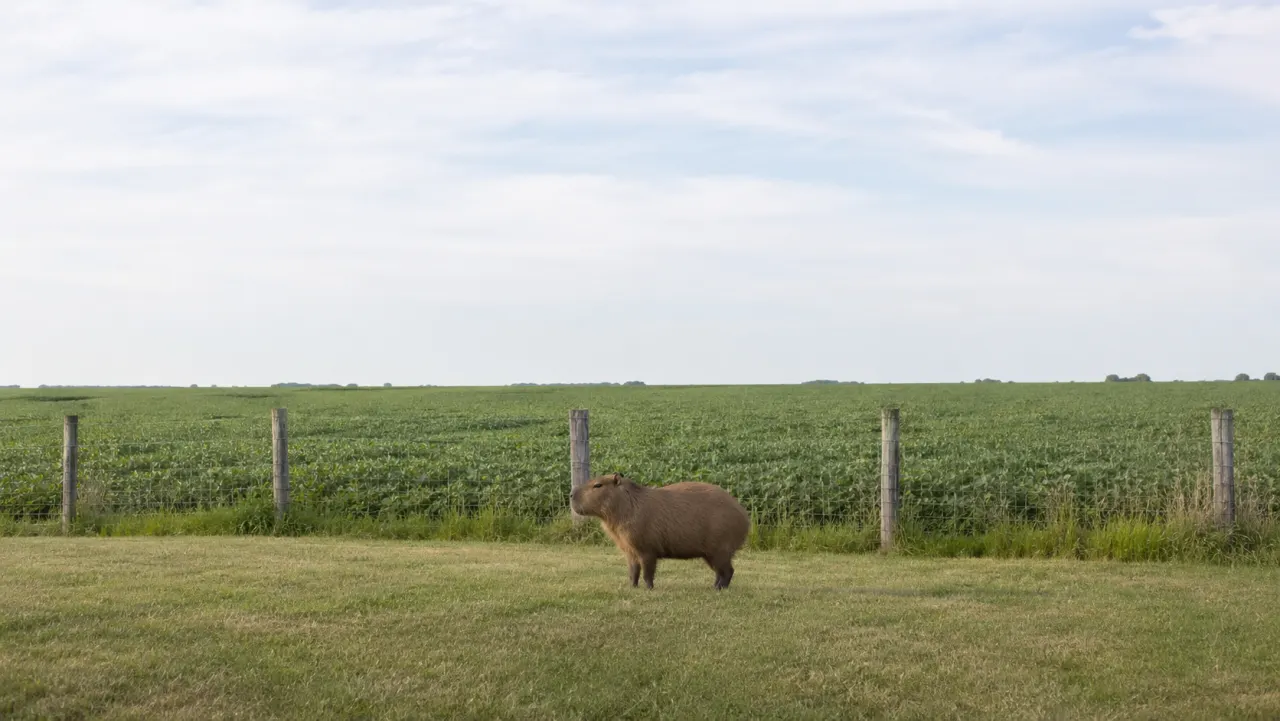
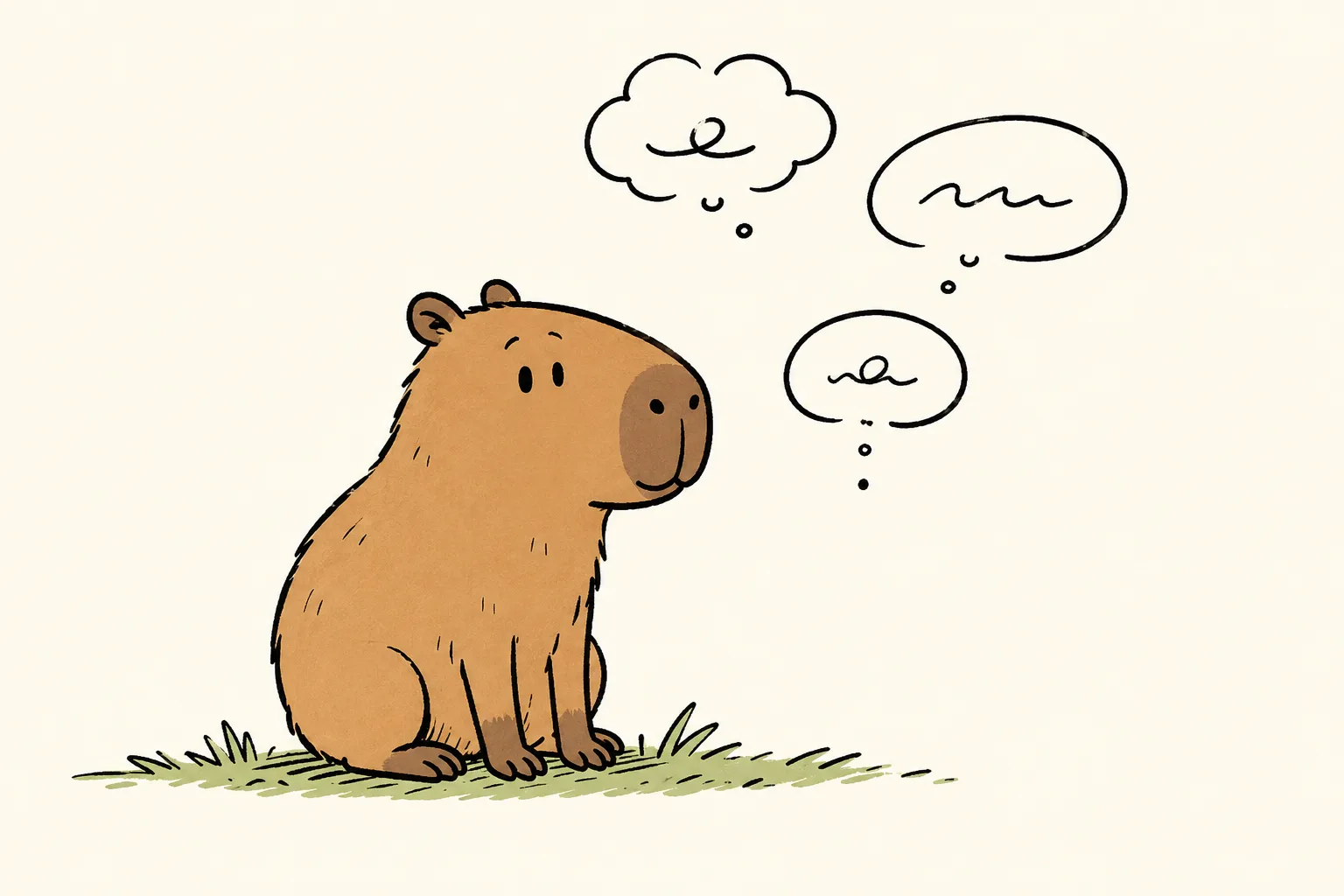
Capybara symbolism is doing a lot of unpaid emotional labor right now. One animal is being asked to stand for calm, friendship, soft living, political resistance, burnout recovery, and the ability to sit in water while everyone else loses the plot.
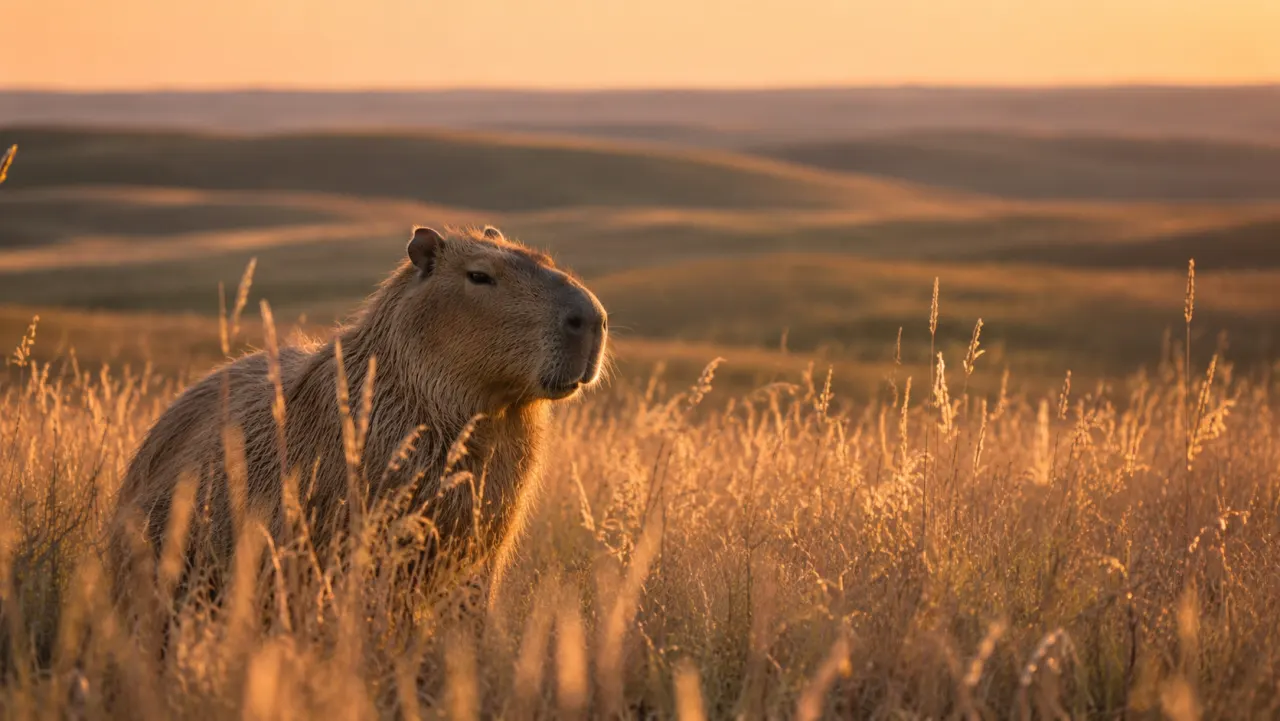
The useful answer: a capybara usually symbolizes calm community. The more honest answer: it symbolizes what people wish they could be for ten minutes.
What Capybara Symbolism Usually Means
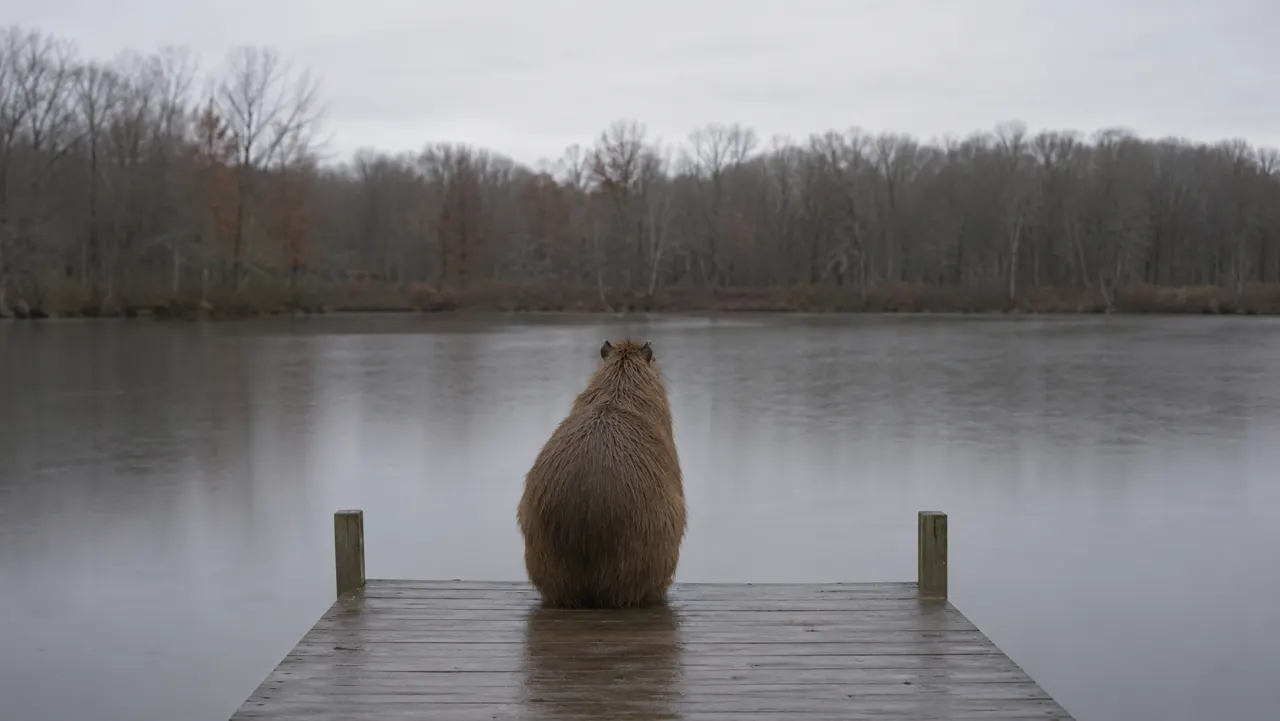
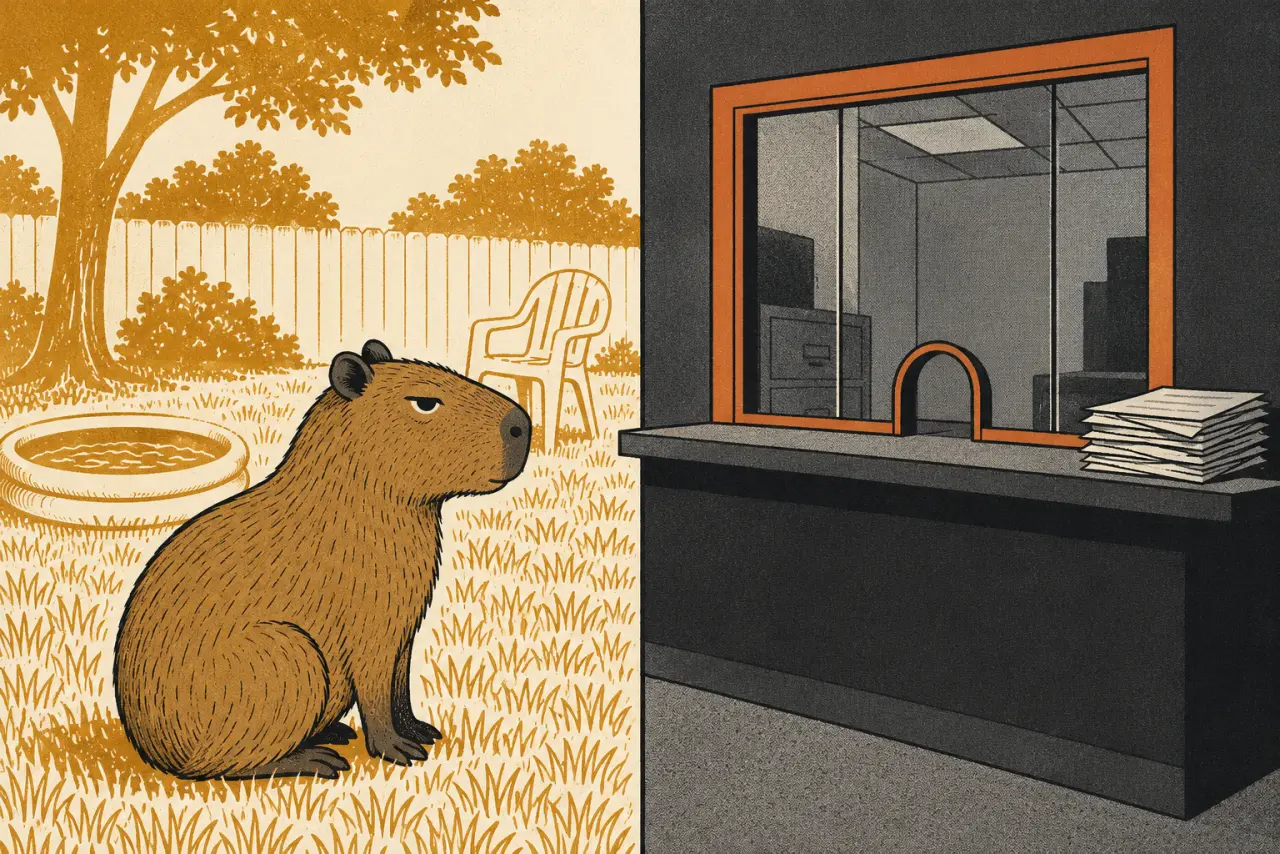
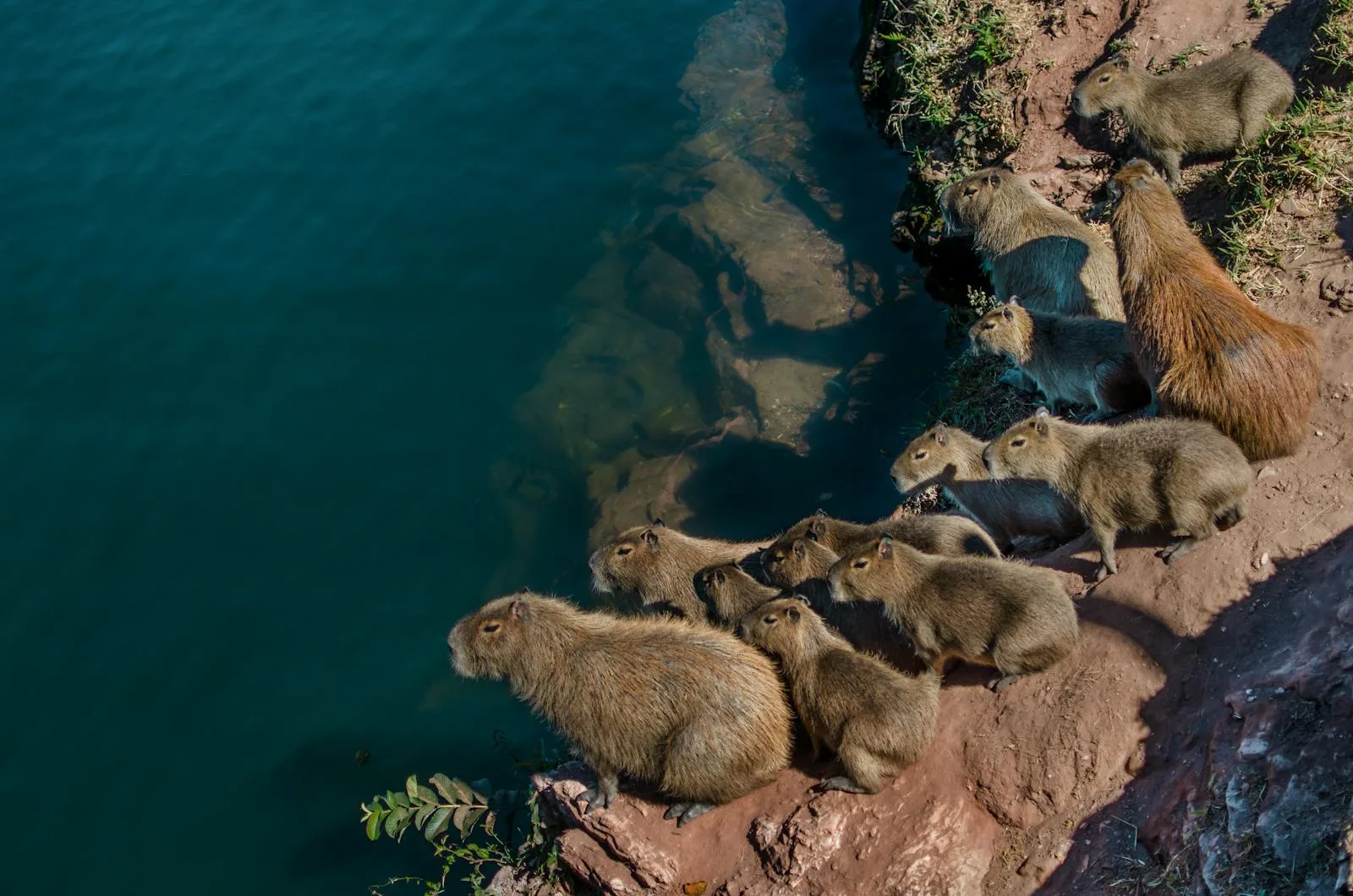
In US internet culture, capybaras tend to mean “unbothered but not alone.” They are not lone wolves, not hyperactive mascots, not sleek predators. They are big, blunt, social, and often photographed in groups or water, looking as if they have declined every meeting since 2019.
That is why the symbolism lands. A capybara feels like a soft refusal: I will stay with my people, I will sit near the water, and I will not make panic my whole personality.
| Symbolic meaning | Why people see it | Reality check |
|---|---|---|
| Calm | Resting face, water soaks, slow posture | Calm-looking is not always calm |
| Community | Group living and social photos | Social life includes hierarchy |
| Tolerance | Other animals often appear nearby | Tolerating is not the same as loving |
| Soft rebellion | Refusal-to-hustle energy | The animal is just doing biology |
The Real Behavior Behind The Symbol
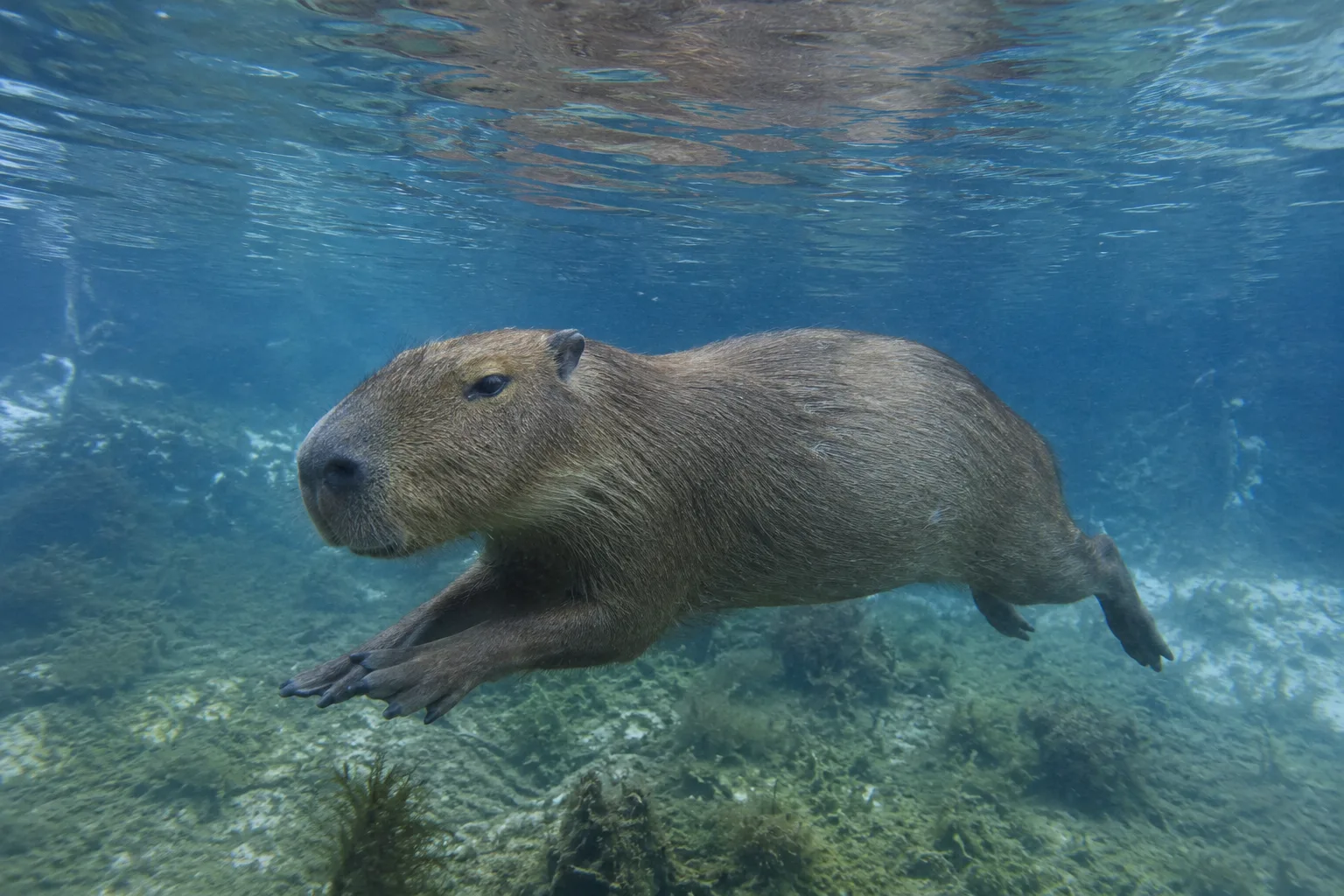
The symbolism is not invented from nothing. Animal Diversity Web describes capybaras as social animals that live in groups. San Diego Zoo notes their semi-aquatic lifestyle and their habit of using water to feed, cool off, and escape danger.
So “community” has a real root. Capybaras do not naturally live as tiny solo philosophers. They graze, rest, watch, vocalize, and move with a group. If one barks an alarm, the herd can head for water. That is not a mood board. That is survival with witnesses.
The capybara did not apply to become your emotional support metaphor. It just happened to be very good at looking like it had already figured out group chat boundaries.
The Part Where Humans Are Projecting
The New Yorker and Le Monde have both treated the capybara boom as a cultural moment, not just an animal trend. That feels right. Capybaras are not merely popular because people learned a fact. They are popular because people recognized a posture.
But projection gets sloppy. “Capybaras are friends with everyone” is a nice caption, not a full behavioral claim. “Capybaras are always calm” is the same problem. A capybara can be tolerant, tired, alert, stressed, bored, or simply positioned near another animal because that was where the shade was.
If you want the symbol to stay good, let it keep some teeth. Calm is stronger when it has boundaries.
The Capybara As A Political Rodent
In Argentina, the carpincho has picked up another layer of meaning. TIME’s coverage of capybaras in Nordelta framed them as animals returning to land altered by luxury development. To some observers, the capybara became a symbol of nature pushing back against gated comfort.
That does not mean every capybara is a tiny activist. It means people attach meaning to animals when those animals walk into human arguments. Capybaras are especially good at this because they look deeply unimpressed by property lines.
What The Body Is Actually Doing While You Project Calm
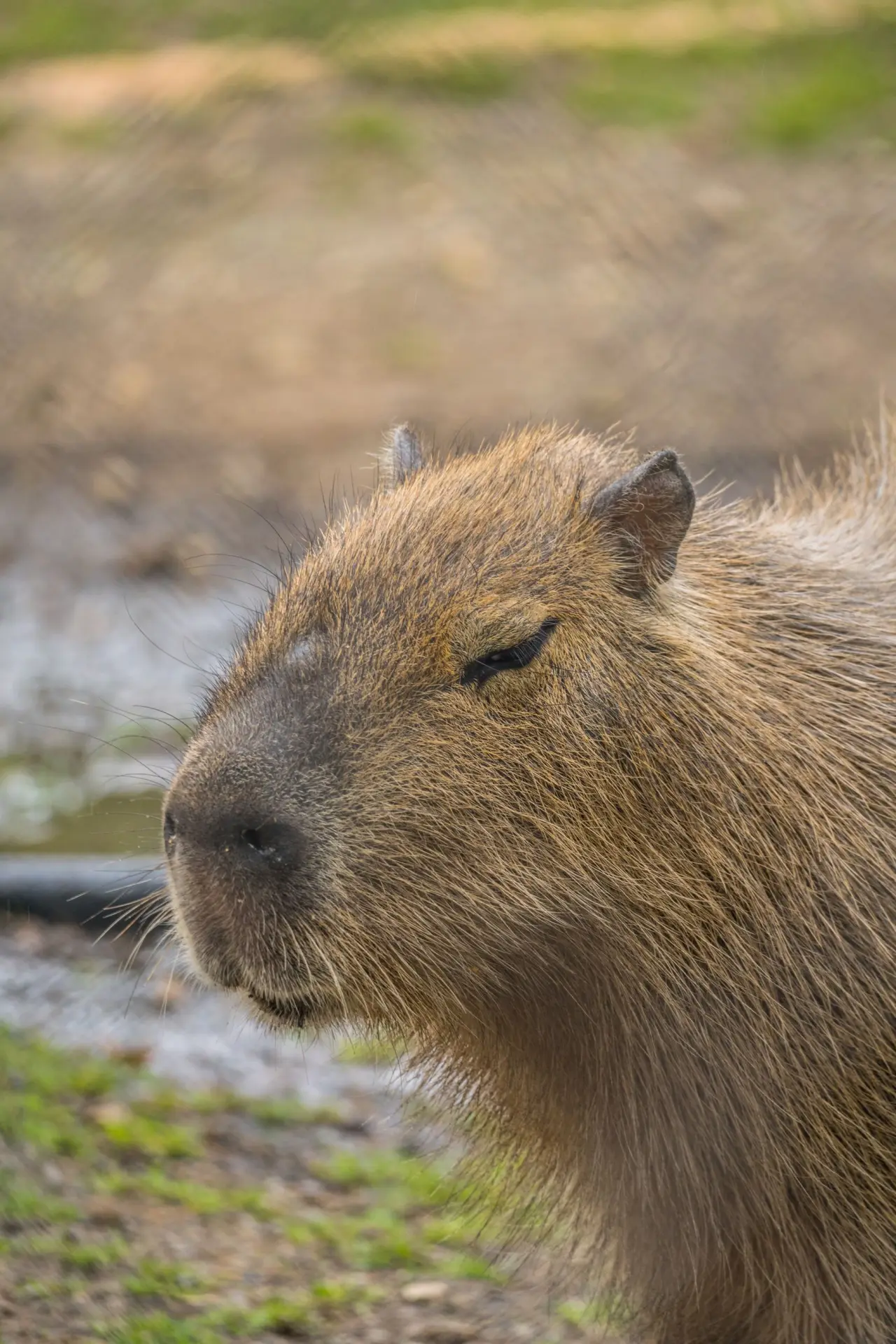
The symbol leans hard on the resting face. It helps to know what that body is up to underneath.
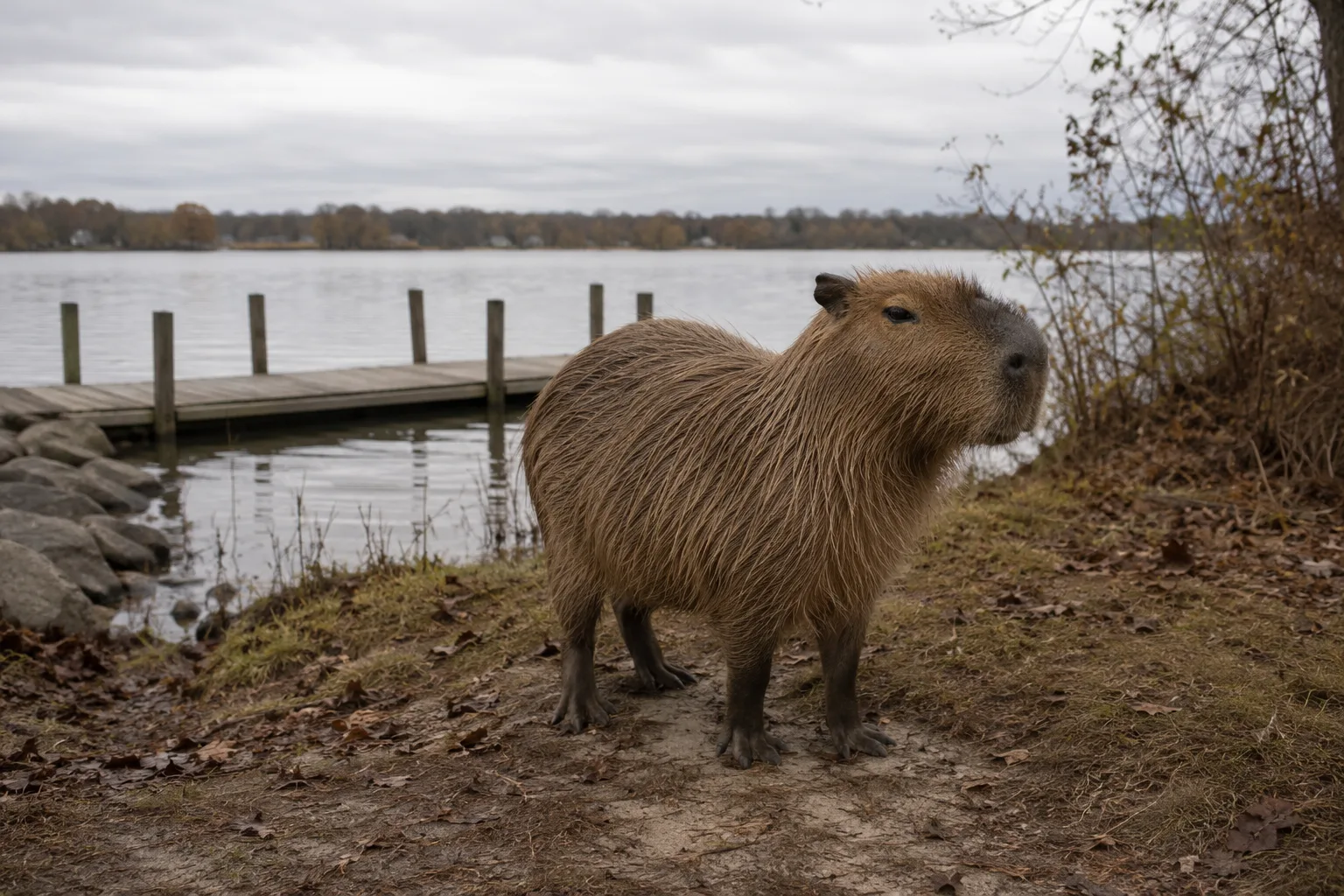
A capybara is the world’s largest rodent. Adults run roughly 35 to 66 kg, or about 77 to 145 lb, which is a lot of animal to call “soft.” They are native to South America and built for water: semi-webbed feet, a barrel body, eyes and nostrils set high so they can stay mostly submerged. The “I am unbothered in the bath” pose people borrow for memes is mostly a predator-avoidance trick. Water is the exit, not the spa.
Their teeth grow continuously, which is why the grazing never really stops. They are hindgut fermenters, and like guinea pigs they cannot make their own vitamin C, so the diet has to supply it. Less photogenic, and more honest: capybaras re-ingest their own soft morning feces to pull more nutrients out of grass the first pass missed. Animal Diversity Web and San Diego Zoo Wildlife Alliance both cover this plainly. It is normal, healthy rodent digestion. It is also the part no sticker will ever show you.
None of this ruins the symbol. It just means the calm is doing work. A resting capybara is digesting, watching, and keeping water within reach. That is a fuller kind of calm than the meme version, and to me it is the more interesting one.
Symbol Versus Animal, Side By Side
Most of the confusion comes from treating the caption as a fact sheet. A short comparison keeps the two apart.
| What the symbol claims | What the animal is actually doing |
|---|---|
| Always serene | Resting, but tracking threats and exits |
| Loves everyone | Tolerant within a social order that has ranks |
| Lives to chill | Grazing near-constantly to feed ever-growing teeth |
| Solo zen master | Herd animal; isolation is a real welfare stressor |
| Lives in water for vibes | Uses water to feed, cool down, and escape predators |
The right-hand column is not a downgrade. A social grazer that can live eight to ten years or more, in a herd with rules, near water it treats as an escape hatch, is a better story than a tiny monk who happens to like baths.
A Few Honest Misreadings
If you want to use the symbol well, it helps to know where the popular version quietly gets the biology wrong.
| Common read | Better answer |
|---|---|
| ”Capybaras are loners who found peace” | They are herd animals in family Caviidae, related to guinea pigs and maras; solitary housing is a stressor, not a lifestyle |
| ”They’re calm because nothing bothers them” | They look calm and still run on alarm calls and fast water exits |
| ”They befriend any animal” | Other animals turn up near them; tolerance is not friendship, and it has limits |
| ”Their water habit is just cozy” | Water is feeding ground and predator escape first, comfort second |
How To Use The Symbol Without Flattening The Animal
Use capybara symbolism for calm, community, and shared rest if it helps. Send the meme. Buy the sticker. Whisper “capybara mode” before ignoring an email you never should have received.
Just keep the real animal in the room. Capybaras need water, groups, space, a serious diet, and humans who do not mistake cuteness for consent. The symbol works best when it points back to the animal instead of replacing it.