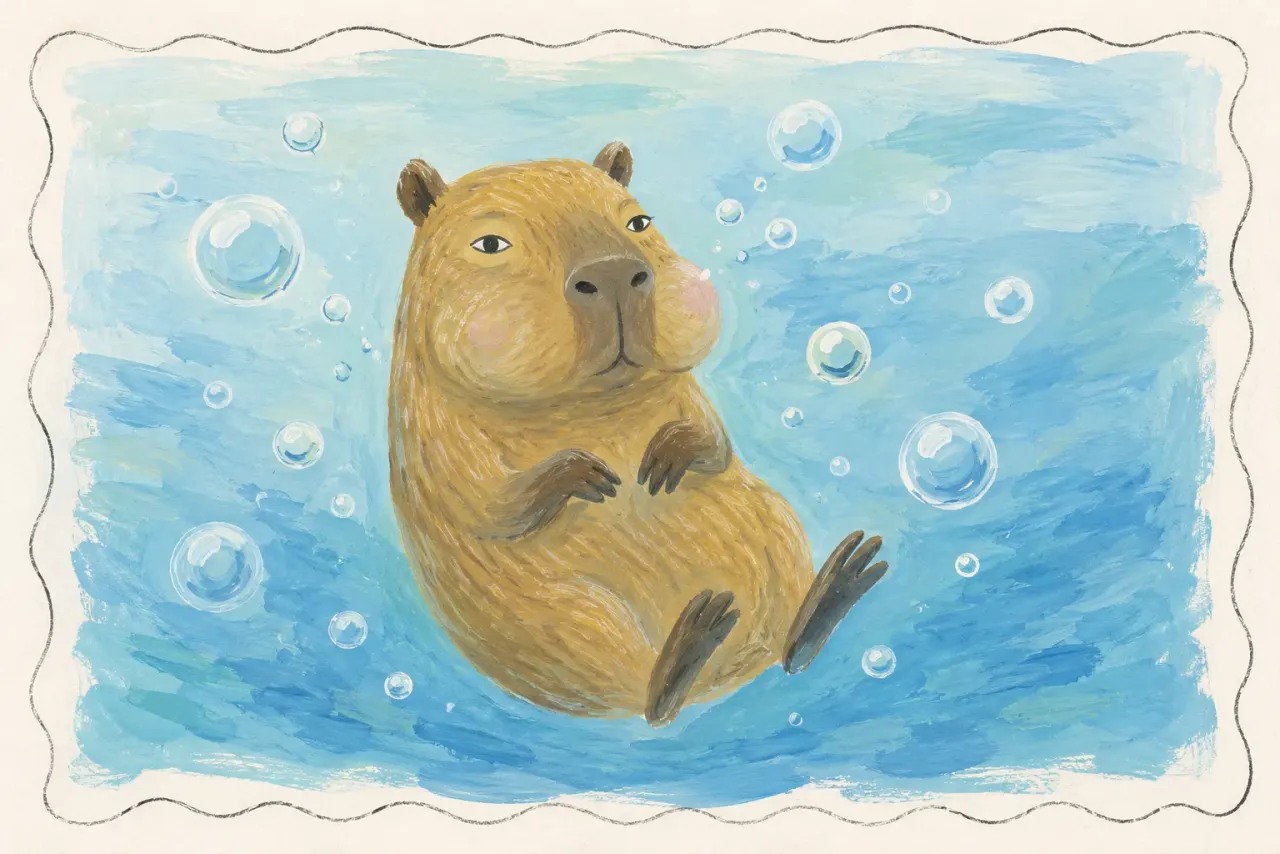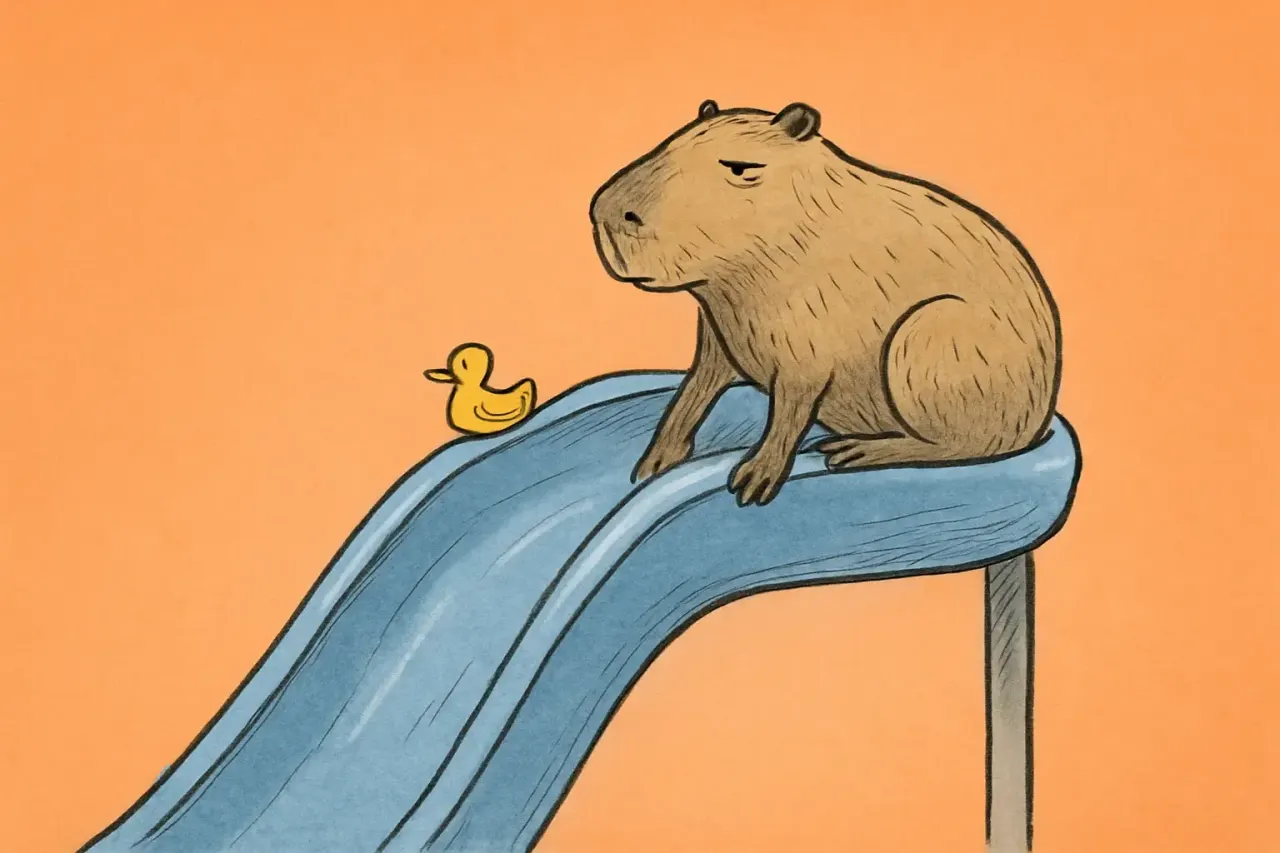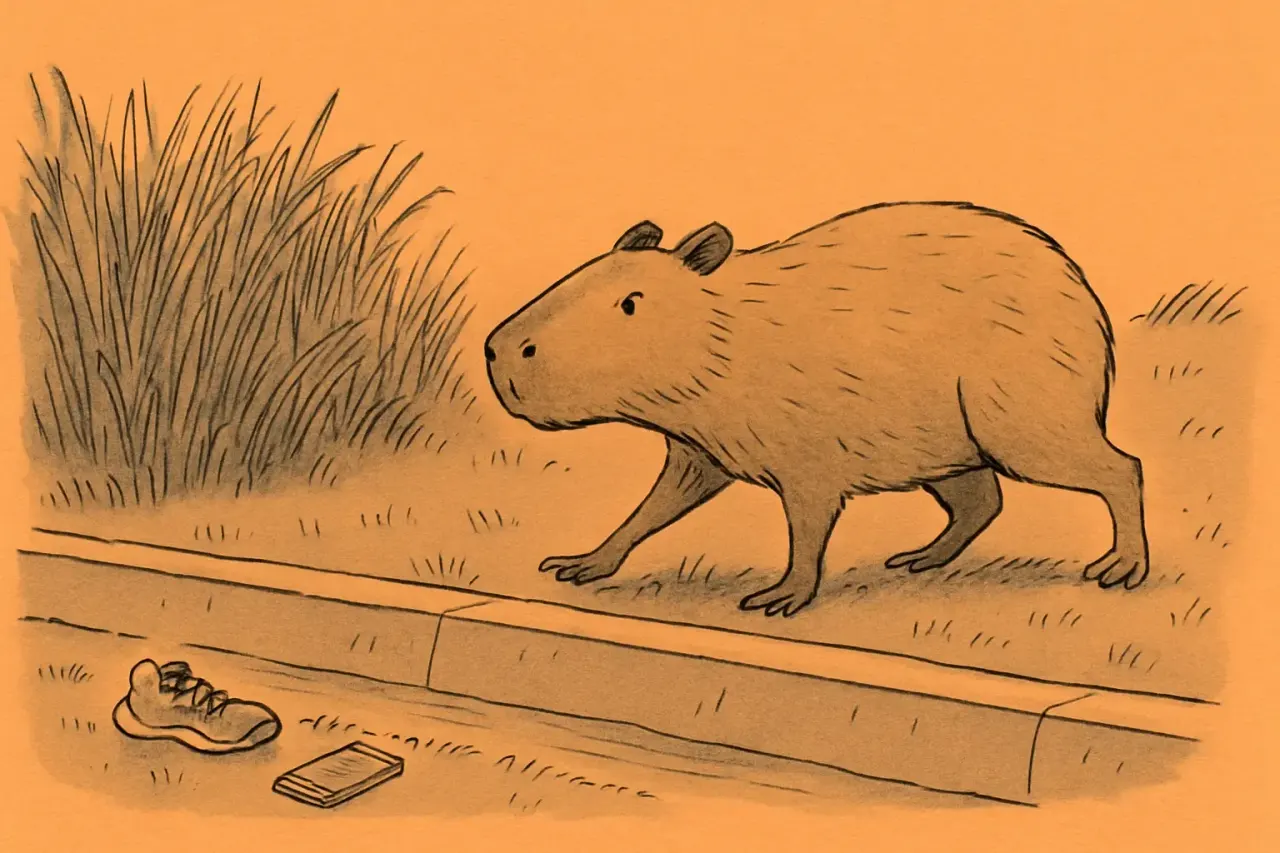
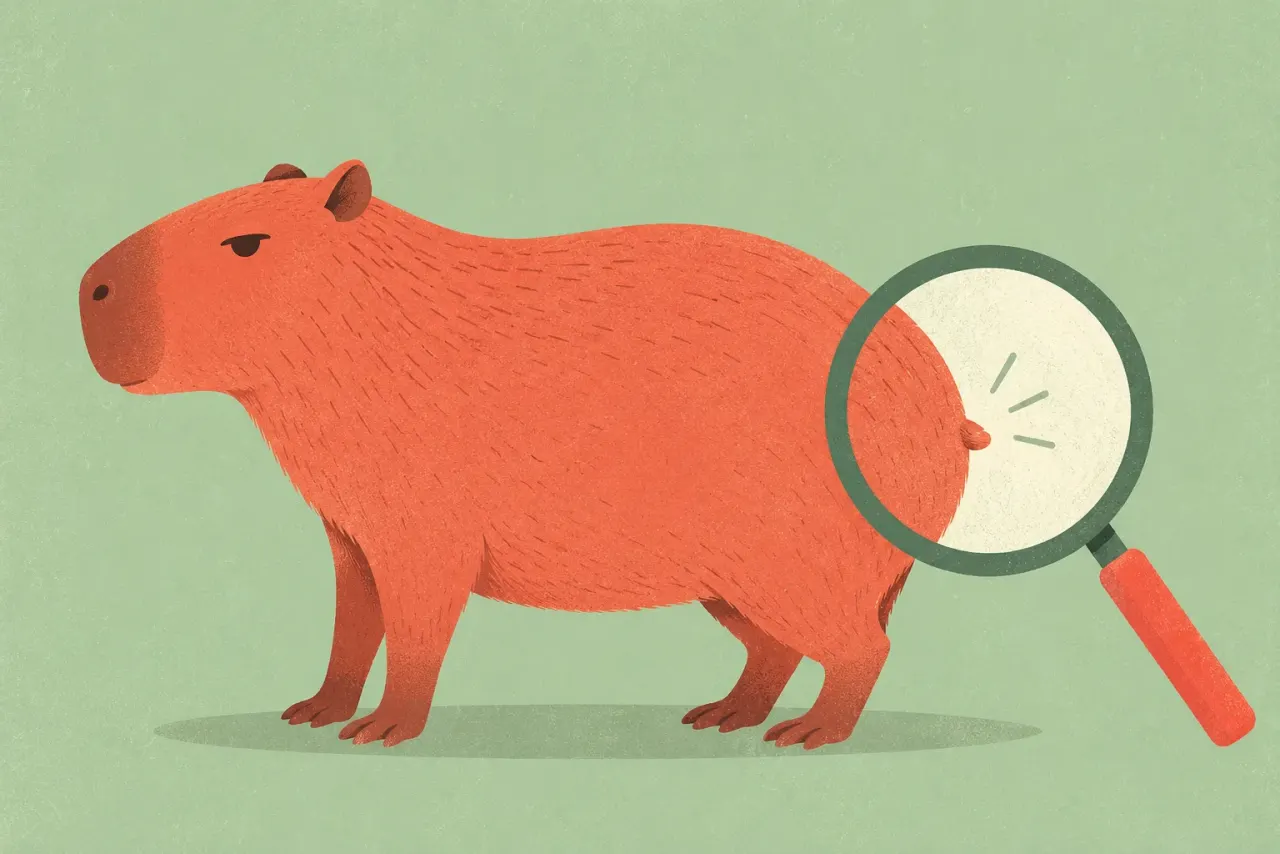
The internet did not invent capybaras, but it did give them a terrible publicist.
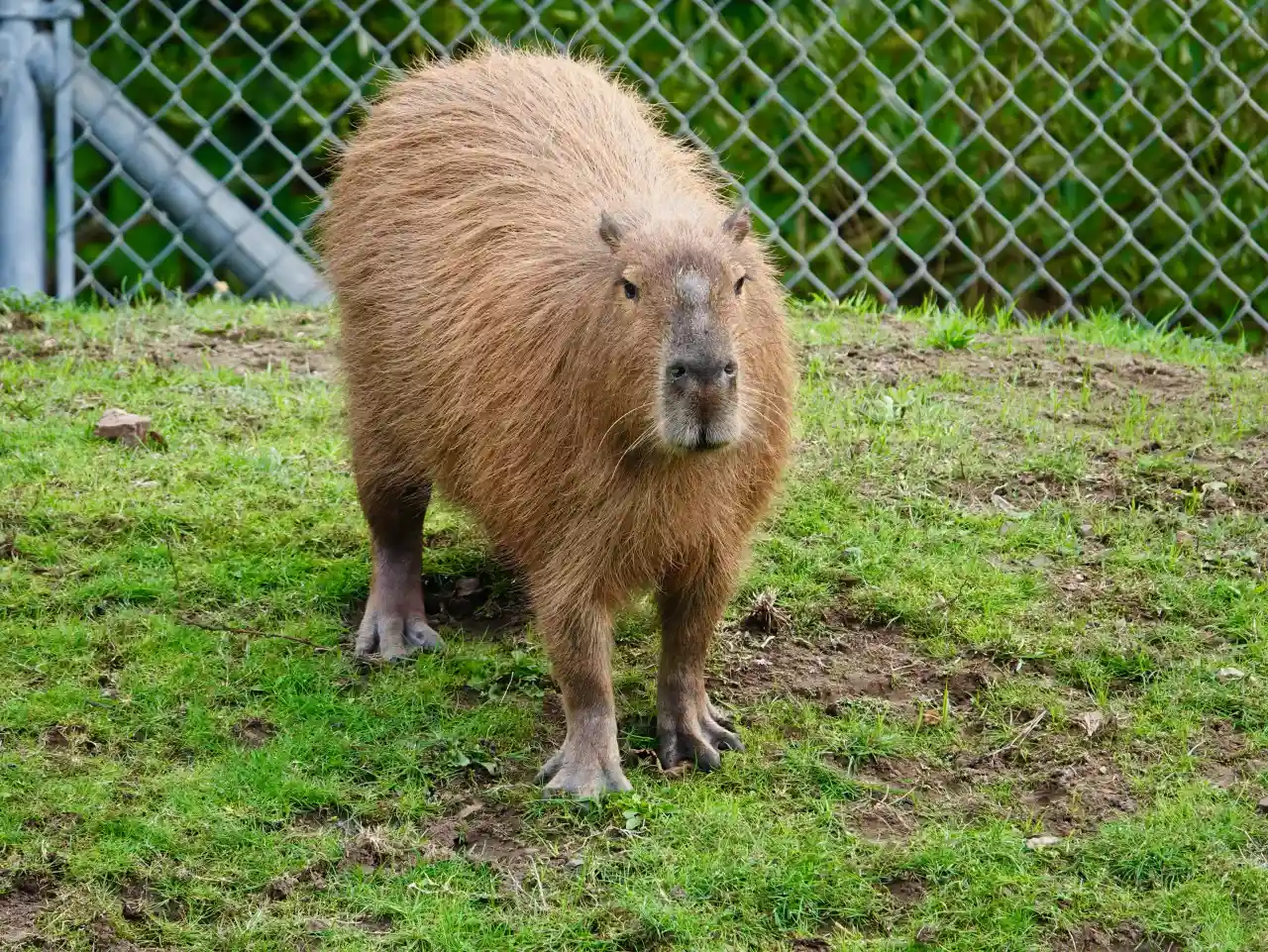
The animal is already good: the world’s largest rodent, semi-aquatic, social, surprisingly vocal, and built for wetland life. Then the internet flattened all of that into “friend-shaped chill potato,” and now every video has to do cleanup work after itself.
They Are Not Friends With Everyone
Capybaras are social with capybaras. That is the safe sentence. The Journal of Mammalogy review describes capybara groups as stable social units made of adult males, females, and young. It does not say they are universal emotional-support furniture for every species with a camera nearby.
Some individuals tolerate birds, dogs, monkeys, people, or other zoo animals. That can be habituation, enclosure design, keeper management, individual temperament, or simple tolerance. None of those equal blanket friendship.
The Pet Myth Gets People In Trouble
The pet myth is the expensive one. Capybaras need water, social housing, secure fencing, a high-fiber diet, vitamin C planning, and veterinary care from someone who knows exotic mammals. The AZA Capybara Care Manual is not written like a hobby brochure because the care is not a hobby brochure.
If an online post makes capybara ownership look like buying a calm dog with webbed feet, close the tab and go drink water.
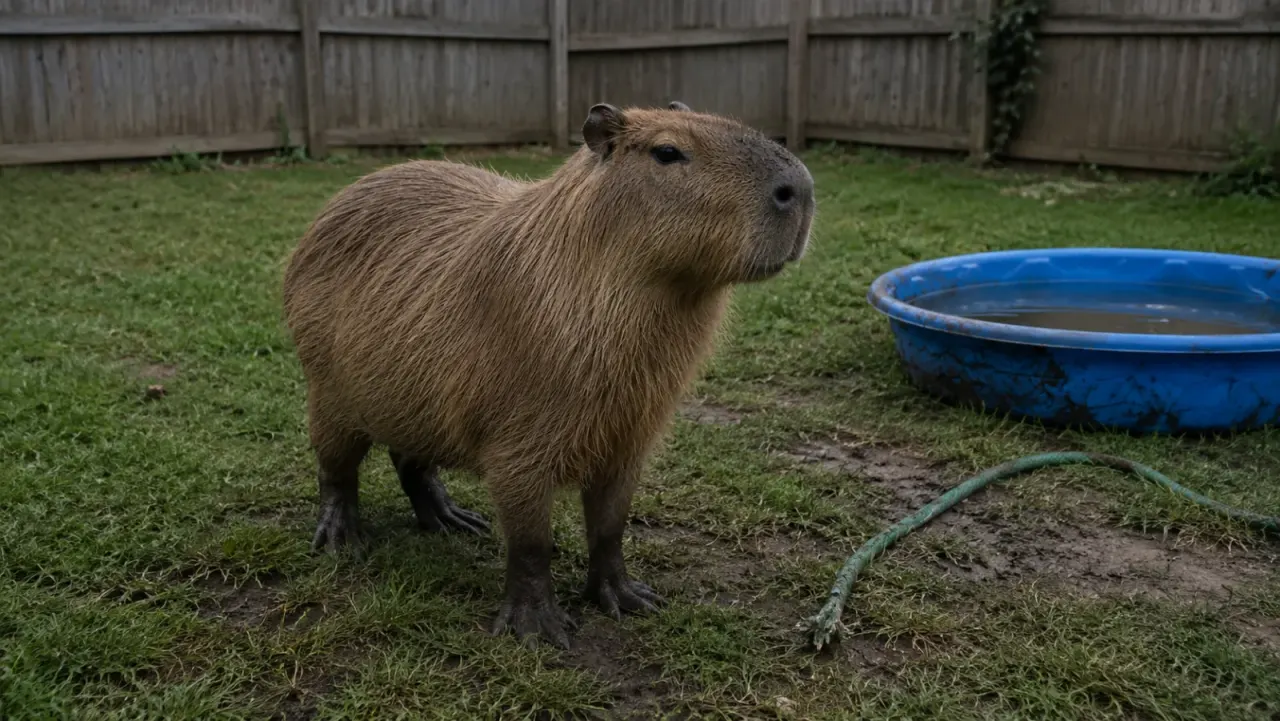
Predator Clips Are Not Friendship Proof
The “why doesn’t the caiman eat it?” myth is mostly a misunderstanding of predator behavior. Animal Diversity Web lists caimans, jaguars, anacondas, and humans among capybara predators, especially for younger animals. A predator not attacking in one clip does not mean peace has been declared.
Predators make choices. Size, risk, hunger, water depth, timing, and opportunity all matter. Nature is not wholesome. Sometimes the meal is simply too much work.
Capybara Myths Worth Retiring
| Myth | Better answer |
|---|---|
| Capybaras are friends with everyone | They are social animals, but most viral interactions are managed, selective, or context-heavy. |
| They are easy pets | Their care needs are closer to a small managed facility than a normal pet setup. |
| Calm means happy | Calm can mean comfort, rest, caution, or freeze-and-watch behavior. Read context. |
| They cannot bite | They have large incisors and can bite if stressed, mishandled, or cornered. |
| Predator photos prove friendship | Coexistence in one moment is not an ecological treaty. |

Where the Calm Actually Comes From
The “zen rodent” reputation is the myth I have the least patience for, because it skips the biology that makes the calm make sense. Capybaras are large grazing prey animals. A grass-and-aquatic-plant diet does not reward darting around, and a body in the 35 to 66 kg range (roughly 77 to 145 lb) does not sprint for fun. They rest near water, watch a lot, and move when there is a reason to.
That stillness is a survival tool, not a personality trait the internet can borrow. A capybara holding very still at the water’s edge may be comfortable, or it may be doing the prey-animal thing of freezing to read a threat before deciding whether to slip into the water. Animal Diversity Web notes their warning barks and habit of escaping into water, which is the other half of “calm”: the calm has an exit plan attached.
So the relaxed look is real, but it is the look of an animal that has decided this particular moment is safe. Change the moment and the animal changes with it.
What the Viral Clip Is Not Showing You
Most capybara content arrives with the context cropped out, which is how a managed enclosure starts to look like a backyard utopia. Before treating a video as animal-care advice, it helps to know what usually sits just outside the frame.
| What the clip shows | What it usually leaves out |
|---|---|
| One capybara, calm and alone | A herd. Solitary housing is a real welfare stressor for a social species. |
| A small pool or tub | The full enclosure, fencing, and the water depth they actually need |
| A snack handed over on camera | A planned high-fiber diet, vitamin C they cannot make themselves, and the morning soft feces they re-ingest to finish digesting it |
| A stranger petting a “wild” capybara | Years of habituation, a handler off-screen, or a sanctuary with rules |
None of that makes the animal less appealing. It just means the clip is entertainment, not a care manual, and the AZA Capybara Care Manual exists precisely because the real list is longer than a phone screen.
Built for Wetlands, Not for Vibes
A few plain facts kill several myths at once. Capybaras are hindgut fermenters, which is why coprophagy is normal and necessary, not a quirk. Like guinea pigs, their close relatives in family Caviidae, they cannot synthesize vitamin C and have to get it from diet. Their incisors grow continuously, so chewing is maintenance, not aggression, though those same teeth are why “they can’t bite” is wrong. Their feet are semi-webbed, their eyes and nostrils sit high for swimming, and in captivity they can live well past eight to ten years when the care is right.
Put together, that is an animal engineered for South American wetlands, not for an apartment and a content schedule. San Diego Zoo Wildlife Alliance describes them as strong swimmers built around exactly this life. The body is the argument.
The Real Animal Is Better Anyway
The fan version does not need to be fake. Capybaras are genuinely odd and charming. San Diego Zoo describes them as strong swimmers with high-set eyes, ears, and nostrils. ADW notes their warning barks and water escape behavior. The care manual even lists enrichment ideas like browse, scent, puzzle feeders, logs, mud wallows, and safe chewing items.
If you want to be a good capybara fan, the rule is simple: enjoy the clip, then refuse to flatten it. Skip the “I want one” comment, read the context, and let the largest rodent on Earth stay a wild herd animal instead of a personality test.
That animal is more interesting than the myth. It has a body, a social system, a habitat, and a survival plan. Let it be that.