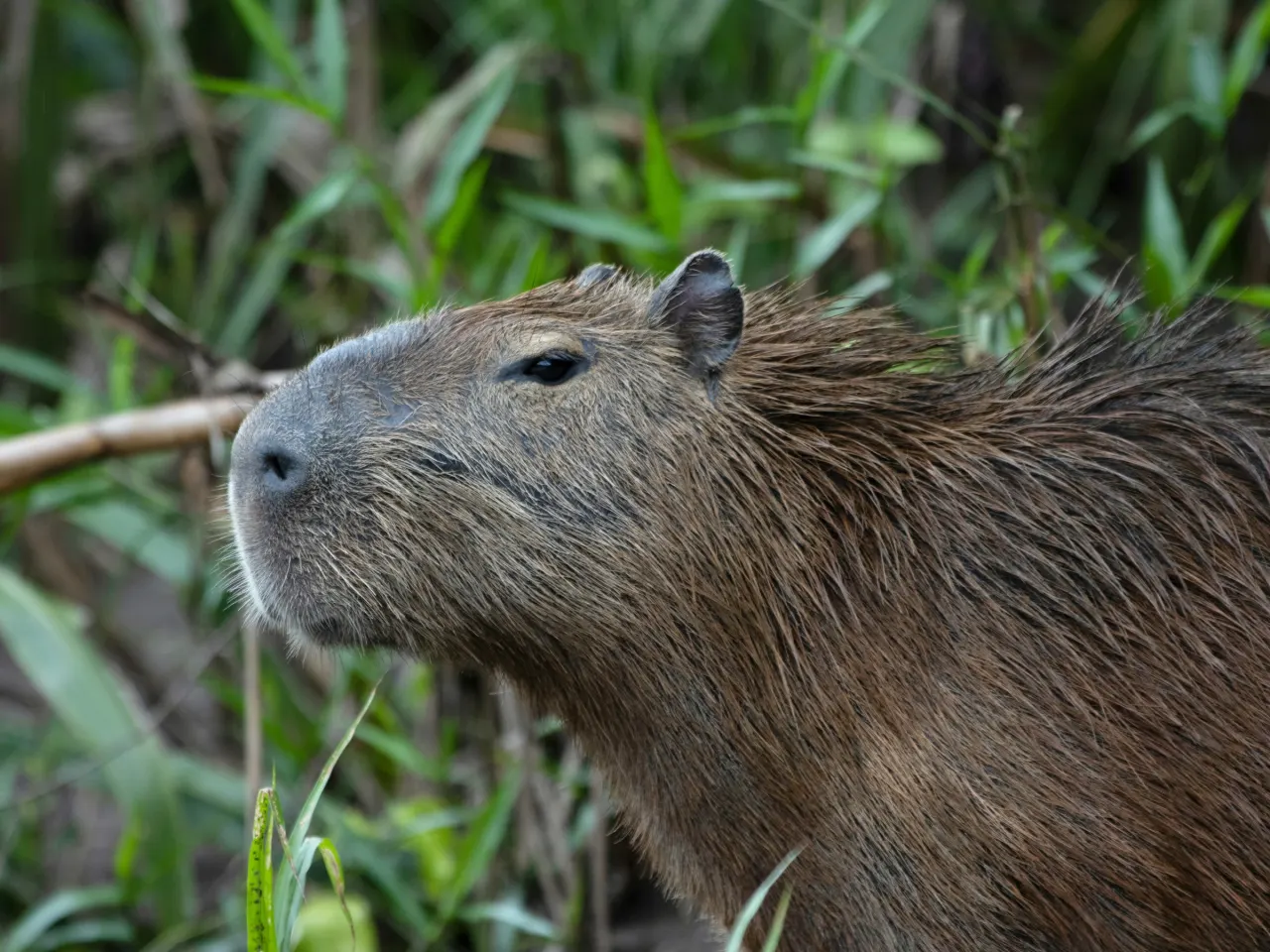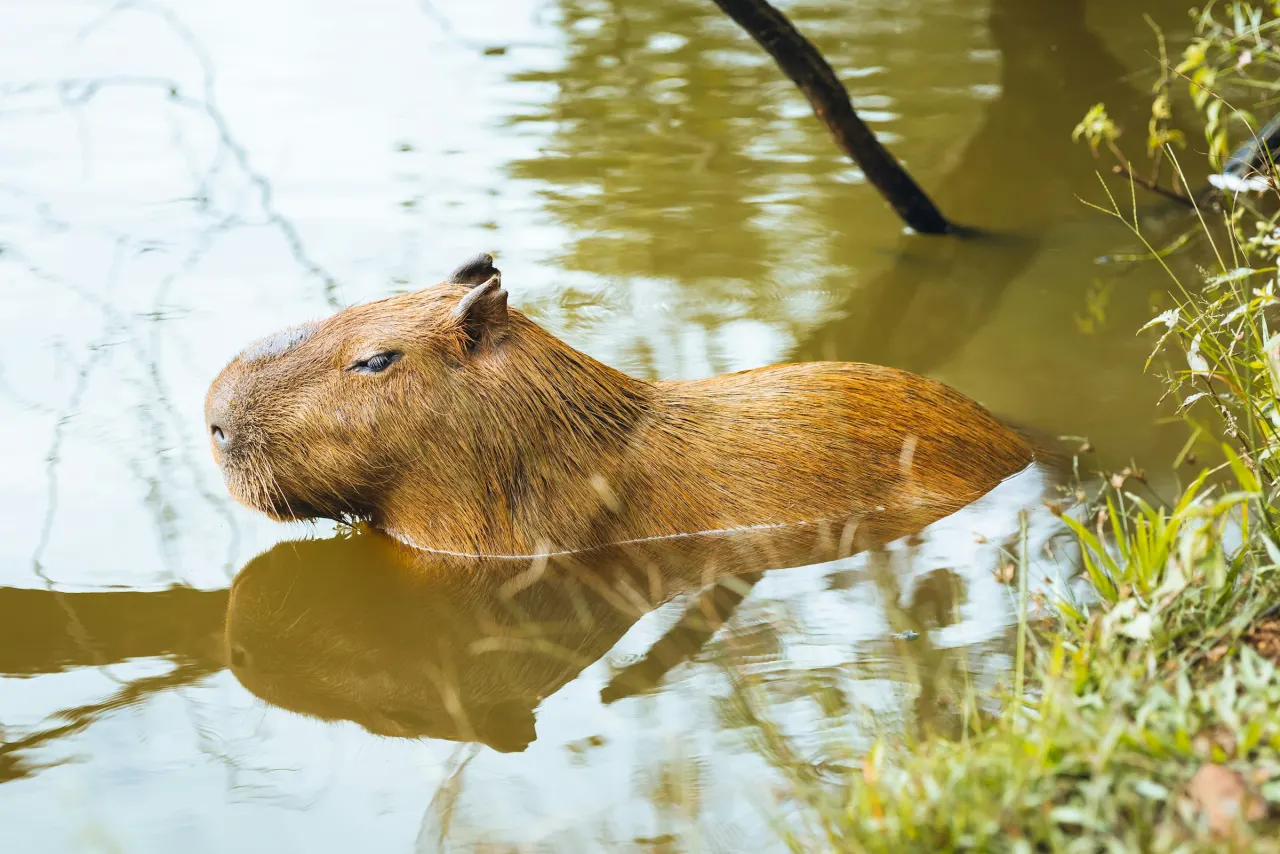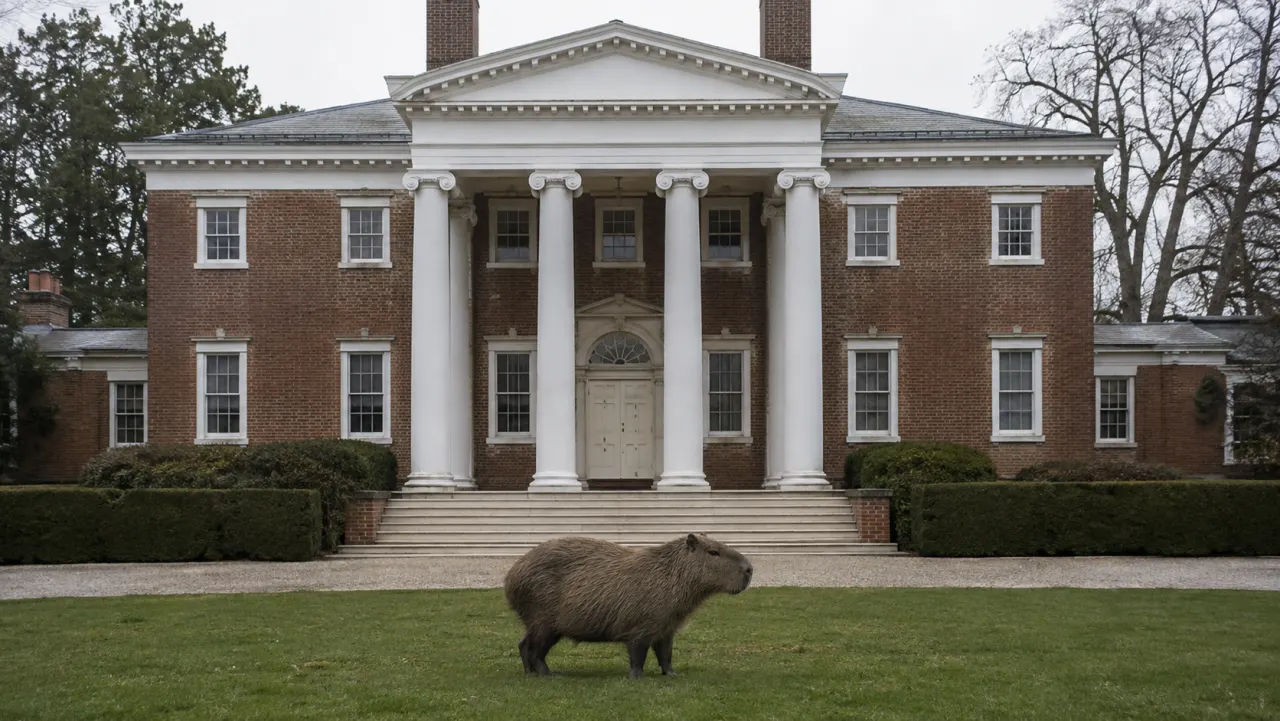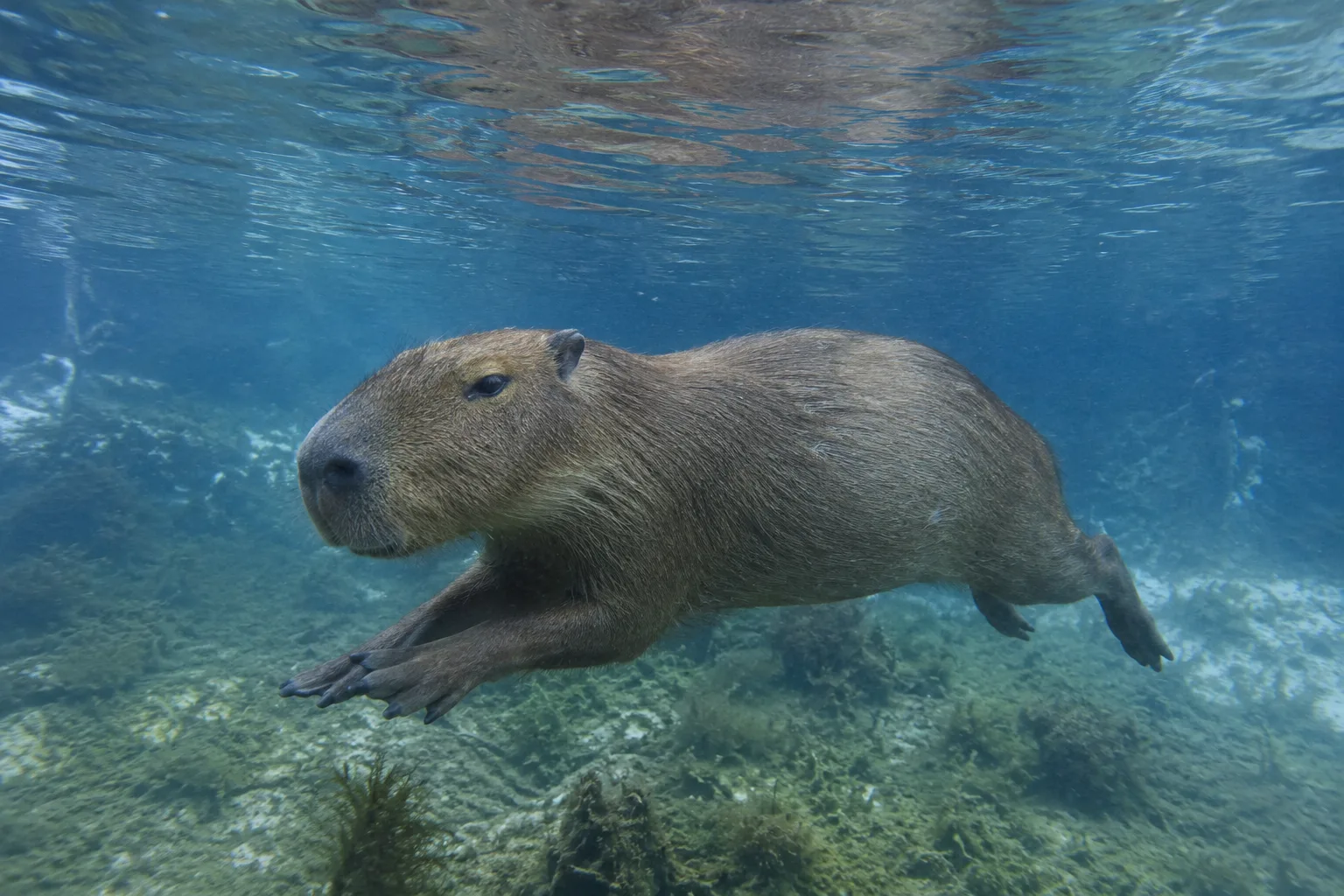
Louisiana is exactly the kind of state that makes capybara fans overconfident. Water, warmth, swamp jokes, a large rodent already causing coastal trouble under the name nutria. What could go wrong?
Quite a bit, because legality is not habitat fan fiction.
The cautious 2026 answer is that Louisiana does not give ordinary readers a simple “yes, pet capybaras are legal” answer. Treat any Louisiana capybara plan as an LDWF written-confirmation project, with import, local, USDA, and welfare checks before purchase.
Swamp jokes are not a legal position
Water, warmth and a state already dealing with nutria make Louisiana the state capybara fans are most overconfident about. The existing invasive-rodent problem is a reason for caution in the rules, not a reason for relaxation.
Louisiana Does Not Give A Neat Pet Answer
LDWF’s public permit pages show wildlife permit frameworks for nuisance wildlife, scientific collecting, rehabilitation, reptiles and amphibians, and nongame quadruped exhibitor and breeder licenses. The nongame quadruped page is especially important because it says those licenses are not issued for pets or the pet trade in the contexts listed there.
That does not answer every possible capybara fact pattern. It does tell you not to assume “permit exists” means “pet path exists.”
| Louisiana question | Practical answer |
|---|---|
| Is there a simple LDWF pet-capybara yes? | Not on the public pages reviewed for this guide |
| Can exhibitor or breeder licenses solve pet ownership? | Do not assume; LDWF says listed licenses are not for pets or pet trade |
| Can import or transport matter? | Yes, ask before movement |
| Can public display change the rules? | Yes, USDA and state rules may apply |

LDWF Permits Are Not A Pet Shortcut
LDWF permit language separates different activities: exhibition, breeding, nuisance control, collecting, rehabilitation, reptile and amphibian possession, and more. A capybara owner cannot just point at a permit page and announce victory.
The right question is specific: may a private person possess, import, transport, breed, sell, or exhibit Hydrochoerus hydrochaeris in Louisiana, and if so under which rule, permit, enclosure condition, source documentation, and local restrictions?
If the animal will be used for public encounters, paid events, social-media business, breeding, sale, or transport, ask USDA APHIS too. Federal Animal Welfare Act licensing can apply to exhibition and commercial activity even where private possession is a separate state question.
Common Beliefs That Get People In Trouble
A lot of the confusion around Louisiana comes from reasoning by vibes. The swamp is wet, capybaras like water, nutria already live in the marsh, so surely a capybara is fine. None of that is a legal finding. Here is where the assumptions usually break.
| Myth | Better answer |
|---|---|
| Louisiana’s wetlands make capybaras automatically legal | Habitat suitability and legal possession are unrelated questions; treat it as a permit question until the agency confirms |
| Nutria are everywhere, so another big rodent is fine | Nutria are a managed invasive species, not a precedent for keeping an exotic pet |
| An LDWF exhibitor or breeder license covers pet ownership | LDWF says the listed licenses are not issued for pets or the pet trade; do not assume a pet path exists |
| A warm climate means easy capybara care | Warmth removes the cold problem only; water, social housing, fencing, and vet access remain |
| If the state allows it, my parish must too | Parish, city, zoning, and HOA rules can be stricter and can still say no |
Parish And City Rules Can Still Say No
Louisiana local government can regulate animals, zoning, nuisance conditions, water features, public health, and enclosures. New Orleans, Baton Rouge, Lafayette, Shreveport, rural parishes, and HOAs are not all the same animal.
The capybara setup itself creates local questions. Secure fencing, pond or pool drainage, manure management, shade, storm planning, escape prevention, and neighbor complaints are not theoretical. A capybara is large enough that animal control will not confuse it with a hamster having a difficult week.
Ask for a written local answer before asking a seller for availability.
The Louisiana Verification Checklist
Current as of June 2026: this is an editorial starting point, not legal advice. Recheck LDWF, animal-health import rules, and parish or city code in writing before acting near the scheduled October 2026 publish date.
The point of a checklist like this is the paper trail. A capybara plan is not approved when one office sounds encouraging on the phone. It is approved when each layer gives you a species-specific answer you can keep, and the answers do not contradict each other.
| Agency / document | What to ask | Why it matters | What changes the answer |
|---|---|---|---|
| LDWF Wildlife Permits Office | Whether private possession, import, transport, breeding, sale, or exhibition of capybaras is allowed | This is the state-level gate; nothing downstream matters if the state says no | A new rule, a different intended use, or naming the species specifically instead of “exotic pet” |
| State animal-health authority | CVI, disease, quarantine, and source documentation for an incoming capybara | An animal can be legal to own but illegal to move without the right health paperwork | Out-of-state origin, disease status of the source, or transport across a state line |
| Parish or city animal control | Local exotic animal, nuisance, and escape rules | Local code can be stricter than the state and is enforced first when neighbors complain | Your specific parish or city, zoning class, and lot conditions |
| Zoning office | Whether the lot can host fencing, shelter, drainage, and a permanent water feature | A legal animal still needs a legal enclosure on a legal piece of land | Residential vs. agricultural zoning, setbacks, and drainage rules |
| USDA APHIS | Whether public exhibition, paid encounters, breeding, sale, or transport need licensing | Federal exhibition rules sit on top of state possession rules, not under them | Any public-facing or commercial use of the animal |
| Exotic veterinarian | Whether they will actually treat capybaras and cover emergencies | A capybara with no reachable exotic vet is a welfare problem waiting to happen | Distance, after-hours coverage, and the clinic’s species comfort |
Keep every answer. If the answer is verbal, ask who can confirm it by email. If the answer changes when you mention a capybara instead of “exotic pet,” believe the more specific answer.
My honest read: Louisiana is one of those states where the absence of a loud “no” gets mistaken for a “yes,” and that gap is exactly where people get into trouble. A written answer that says “not for pets in the listed contexts” is closer to a wall than a door.
Bayou Weather Is Not A Care Plan
Louisiana warmth does help with one problem northern states face: cold. It does not solve social housing, enclosure engineering, nutrition, veterinary access, or hurricane-season planning.
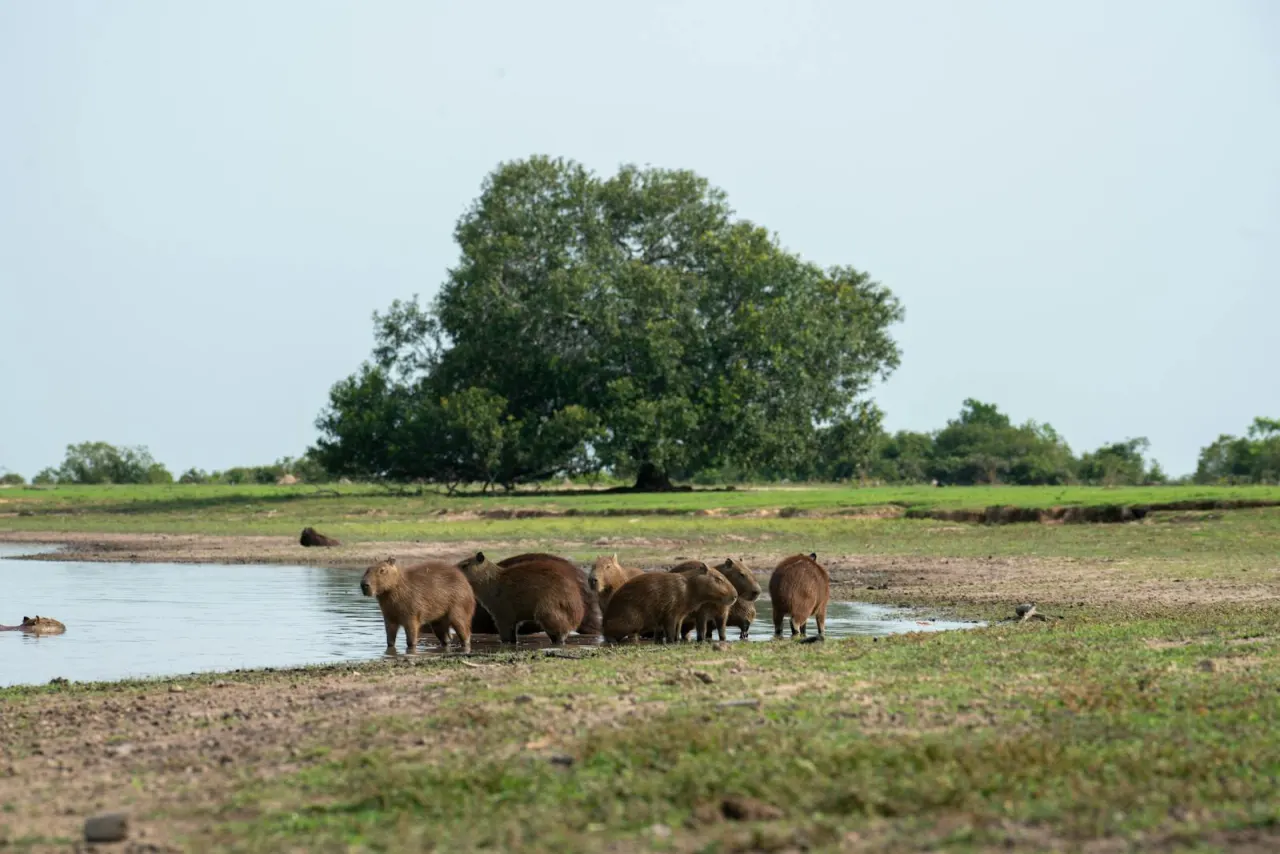
Capybaras are social, semi-aquatic grazers. San Diego Zoo Wildlife Alliance lists adults at roughly 77 to 145 pounds. The AZA manual treats water access, group housing, forage, containment, and careful management as core needs. An ordinary yard with a kiddie pool is not a Louisiana shortcut.
The recurring costs are where the romance fades. A single capybara is a welfare problem, because these are herd animals and solitary housing is a real stressor, so the honest plan is usually two. They need clean swimming water that gets filtered or refreshed, not a stagnant basin sitting in summer heat. They cannot make their own vitamin C, the same gap guinea pigs have, so the diet has to supply it consistently. They are hindgut fermenters that re-ingest their soft morning feces to pull nutrients out of grass, which is normal and not a hygiene failure, but it does shape how you think about their space. Their teeth grow for life, so the forage has to keep them grinding. And all of this assumes a vet who will see an exotic rodent in a state where most clinics see dogs and cats. None of that is optional, and none of it is cheap.
For most readers, the better route is a zoo visit or ethical encounter, not a private capybara. If the ownership itch remains, read do capybaras make good pets, how much a capybara costs, and the legal states map before talking to a seller.
What To Actually Do Next
If you only take one action from this guide, make it the boring one: email LDWF and ask, in writing, whether a private person may possess a capybara, and keep the reply. Then work outward to animal health, your parish, zoning, and a vet, in that order, before any money or any seller conversation. Each layer can quietly end the plan, so it is cheaper to find that out before you have fallen for a specific animal than after.
The capybara looks relaxed. Louisiana paperwork does not.
A Note On Scope
This is general editorial information, not legal advice, and it reflects what was on the books and on the public agency pages reviewed as of June 2026. Rules change, local code varies by parish and city, and your specific situation may turn on facts this guide cannot see. For anything you plan to act on, confirm the current rules directly with LDWF, your state animal-health office, and your local parish or city authority, and run the plan past a qualified Louisiana attorney before you buy, breed, transport, or exhibit a capybara.