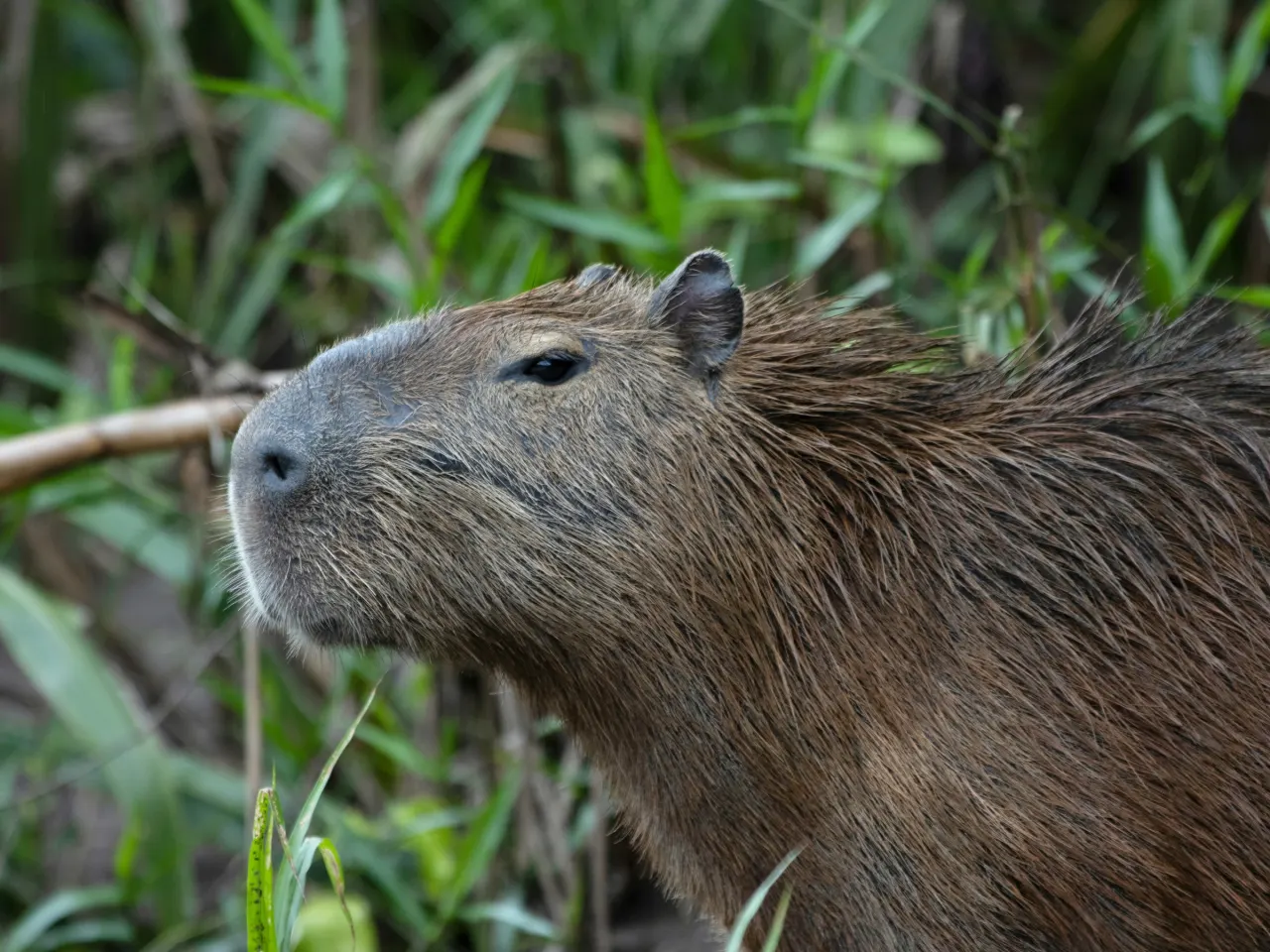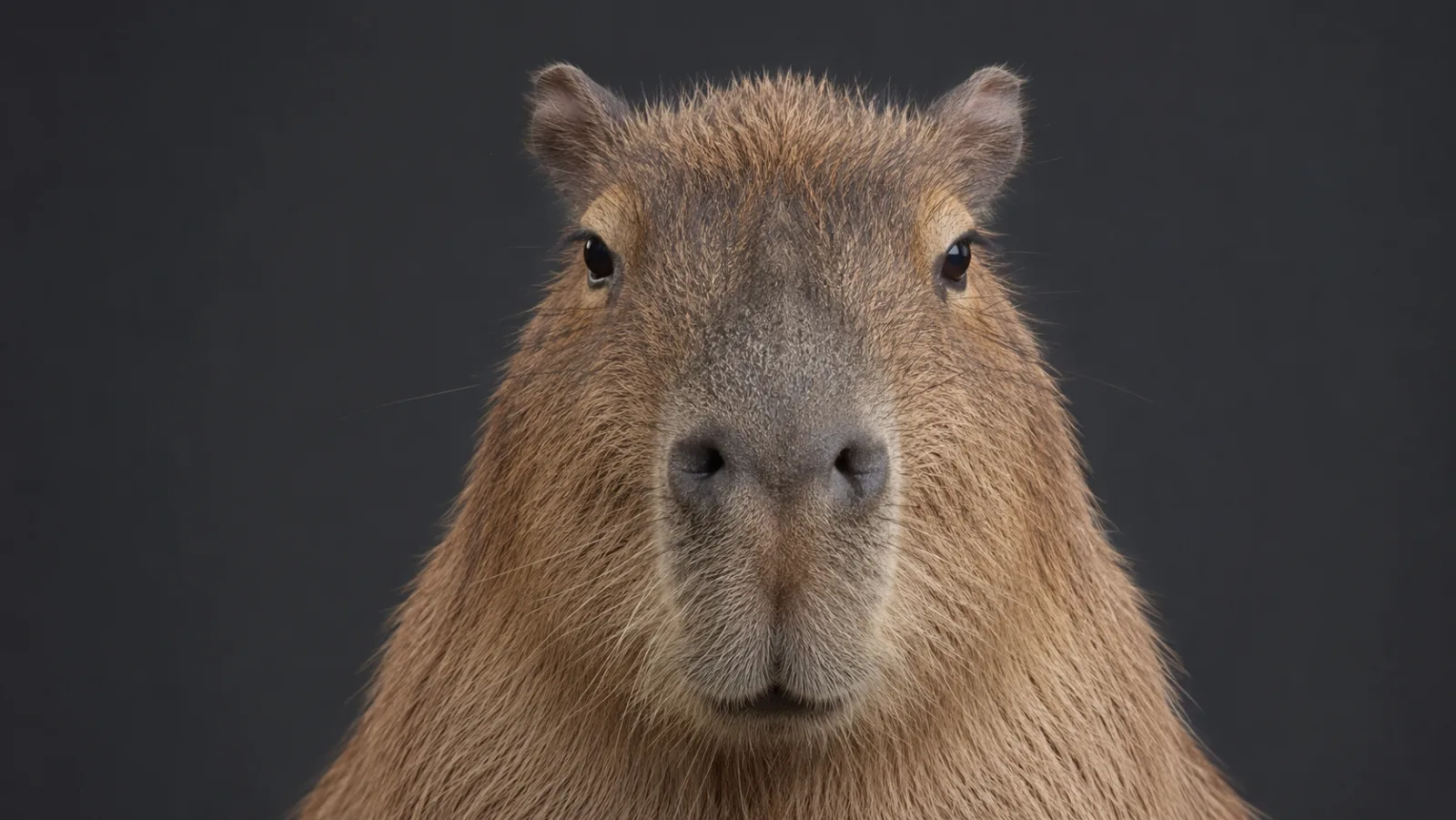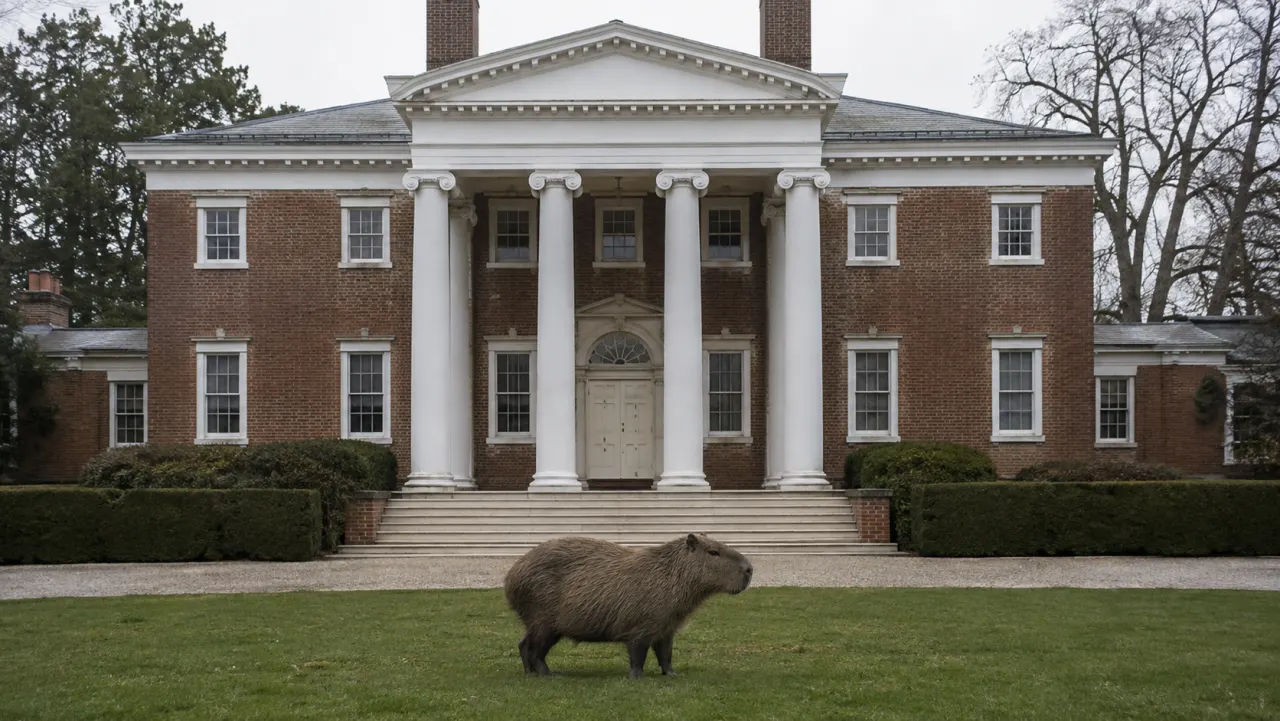
Kentucky is less foggy than many capybara-law states, which is a mercy. It is still not a casual pet answer.
Kentucky says it does not issue permits for holding exotic wildlife, but bringing exotic wildlife into Kentucky from out of state requires a wildlife transportation permit unless an exemption applies. Capybaras are not on the public prohibited exotic wildlife lists reviewed here, but KDFWR and local rules still need checking before any plan moves.
That means the key question is often not “Can I keep one?” It is “Where is the animal coming from, how is it moving, and what do local rules say once it arrives?”
Clearer than most states, still not casual
Kentucky is less foggy than many capybara-law states, which is a mercy. It is still not a casual pet answer — the state agency, import rules and your local code each have to be cleared separately.
Kentucky’s Answer Is Clearer, But Still Not Casual
KDFWR’s exotic wildlife page says the department does not issue permits for holding exotic wildlife. If a person legally obtains a non-prohibited exotic species within Kentucky, KDFWR says they do not need a department permit as long as the animal never leaves Kentucky with the intent to return.
The same page also says importation or transportation of exotic wildlife from out of state requires a wildlife transportation permit, and that the general public may not possess prohibited species.
| Kentucky scenario | What KDFWR guidance points to |
|---|---|
| Legally obtained non-prohibited exotic species within Kentucky | No KDFWR holding permit, assuming it stays in Kentucky |
| Animal brought from another state | Wildlife transportation permit required unless exempt |
| Prohibited exotic species | General public may not possess |
| Public display or commercial use | USDA and other rules may apply |
The Out-Of-State Transport Rule Matters
Most private capybaras would not magically appear inside Kentucky from a legal in-state source. They would likely be purchased from an out-of-state breeder or facility. That makes transportation the first major gate.
Under 301 KAR 2:082, KDFWR says a wildlife transportation permit is mandatory before receiving, importing, or transporting wildlife into Kentucky, except where exemptions apply. It also says all wildlife shipments except amphibians and reptiles must be accompanied by a certificate of veterinary inspection.
That is a concrete step. Before any seller ships or hands over an animal across state lines, the Kentucky buyer should have the KDFWR answer, permit status, CVI plan, source documents, and destination address sorted.
Where Capybaras Sit In The Prohibited Species Check
Kentucky’s public page lists environmentally injurious and inherently dangerous exotic wildlife that may not be imported, possessed, or transported except under exemptions. The lists include species such as nutria, prairie dogs, Gambian giant pouched rats, nonhuman primates, big cats, bears, crocodilians, hippos, and others. Capybaras are not named on those public lists reviewed for this guide.
Do not overread that. The responsible move is still to ask KDFWR directly whether Hydrochoerus hydrochaeris is non-prohibited for your exact plan and whether any permit, CVI, or local document is required.
Also note the nutria listing. Kentucky explicitly blocks nutria, another semi-aquatic South American rodent. Capybara fans should not assume all large brown water rodents are treated alike.
Sorting The Common Wrong Beliefs
A lot of Kentucky capybara questions start from a confident assumption that turns out to be wrong. Here is where people tend to trip.
| Myth | Better answer |
|---|---|
| ”No holding permit means no rules at all.” | KDFWR not issuing a holding permit is one fact, not a green light. Transport, CVI, and local code still apply. |
| ”If it is not on the prohibited list, it is automatically fine.” | A species being absent from the lists reviewed here is a reason to ask KDFWR, not a reason to skip them. |
| ”A capybara is basically a big guinea pig, so it is treated like a pet.” | They share family Caviidae, but capybaras are large semi-aquatic wildlife, and the law treats source and movement, not cuteness. |
| ”The breeder said it is legal, so it is handled.” | A seller’s word is not a regulator’s word. Get KDFWR and local answers in writing yourself. |
| ”Once it is in Kentucky, I can move it around freely.” | Leaving and re-entering the state, or crossing county lines into stricter local code, can change the answer again. |
If I am honest about one thing, it is this: the prohibited-list absence is the part people cling to hardest and the part that deserves the least weight. Absence from a list is not the same as a regulator saying yes. It only tells you the door is not obviously locked.
Kentucky Local Rules Can Still Say No
KDFWR’s page warns that local ordinances may be stricter and that counties and cities can prohibit or restrict wildlife possession beyond state limits. That is the quiet sentence most buyers skip.
Ask the city or county animal-control office about exotic mammals. Ask zoning about outdoor animal housing, fencing, water features, drainage, and shelters. Ask the HOA or landlord. A state transport permit will not override a local ban or private rule.
| Local question | Why it matters |
|---|---|
| Is a non-domestic mammal allowed at this address? | Local animal code can be stricter |
| Can the property host a pond, pool, or enclosure? | Capybara care needs water infrastructure |
| Are livestock or exotic animals banned by HOA? | Private rules can block ownership |
| Will animal control confirm in writing? | Verbal answers disappear under pressure |
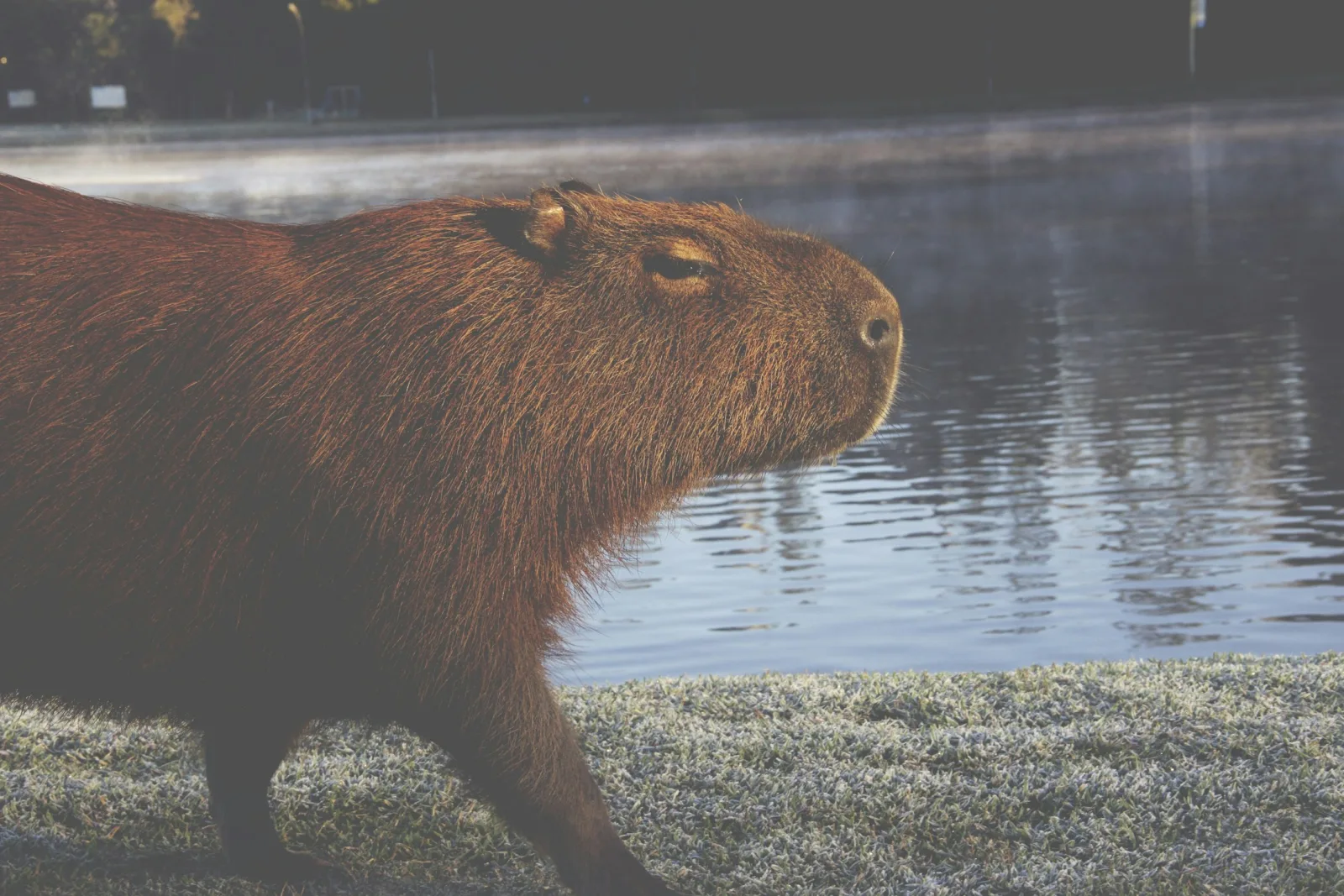
The Care Reality That Outlasts The Paperwork
Say every permit lines up. The animal is still the world’s largest rodent, and an adult can land somewhere in the rough range of 35 to 66 kilograms, roughly 77 to 145 pounds. Per the AZA Capybara Care Manual and sources like Animal Diversity Web, this is a semi-aquatic, intensely social grazer, and that shapes the whole budget.
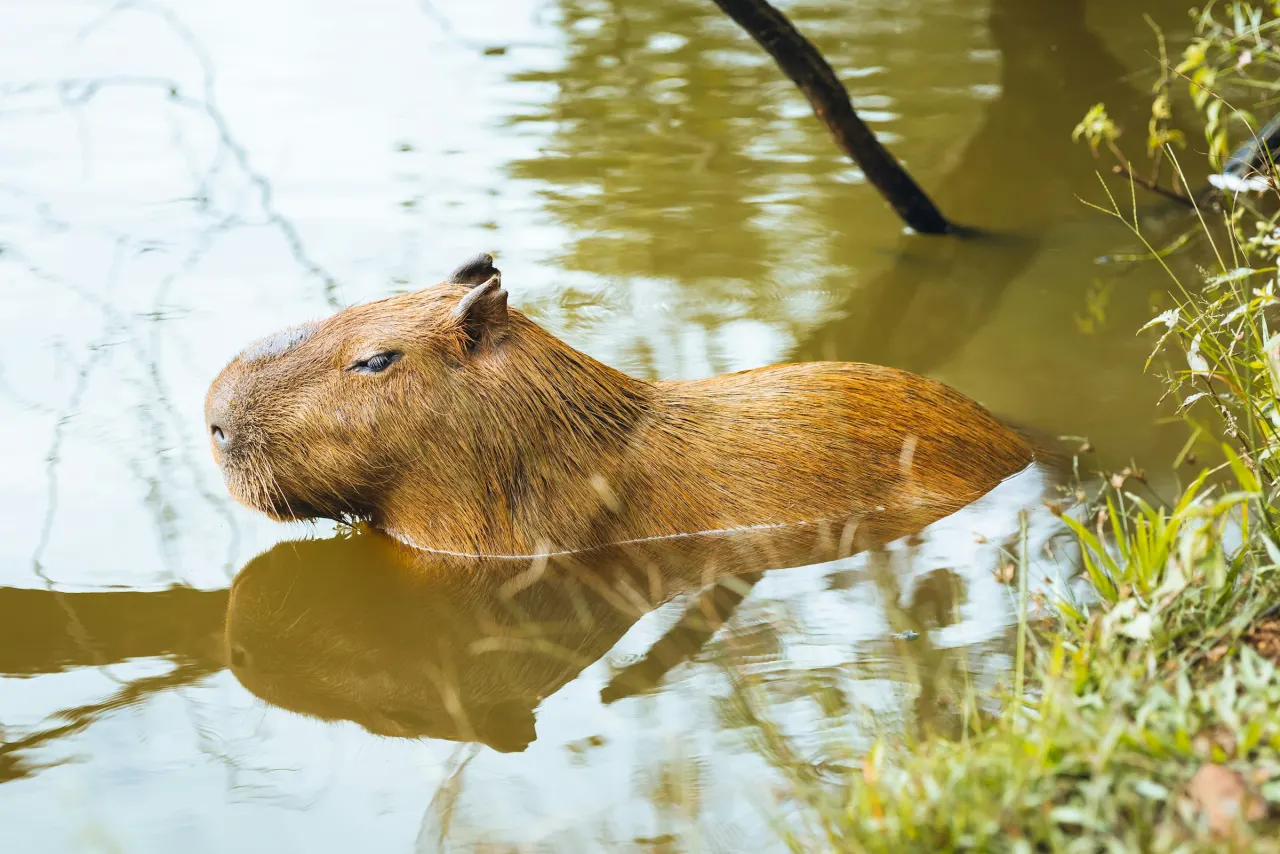
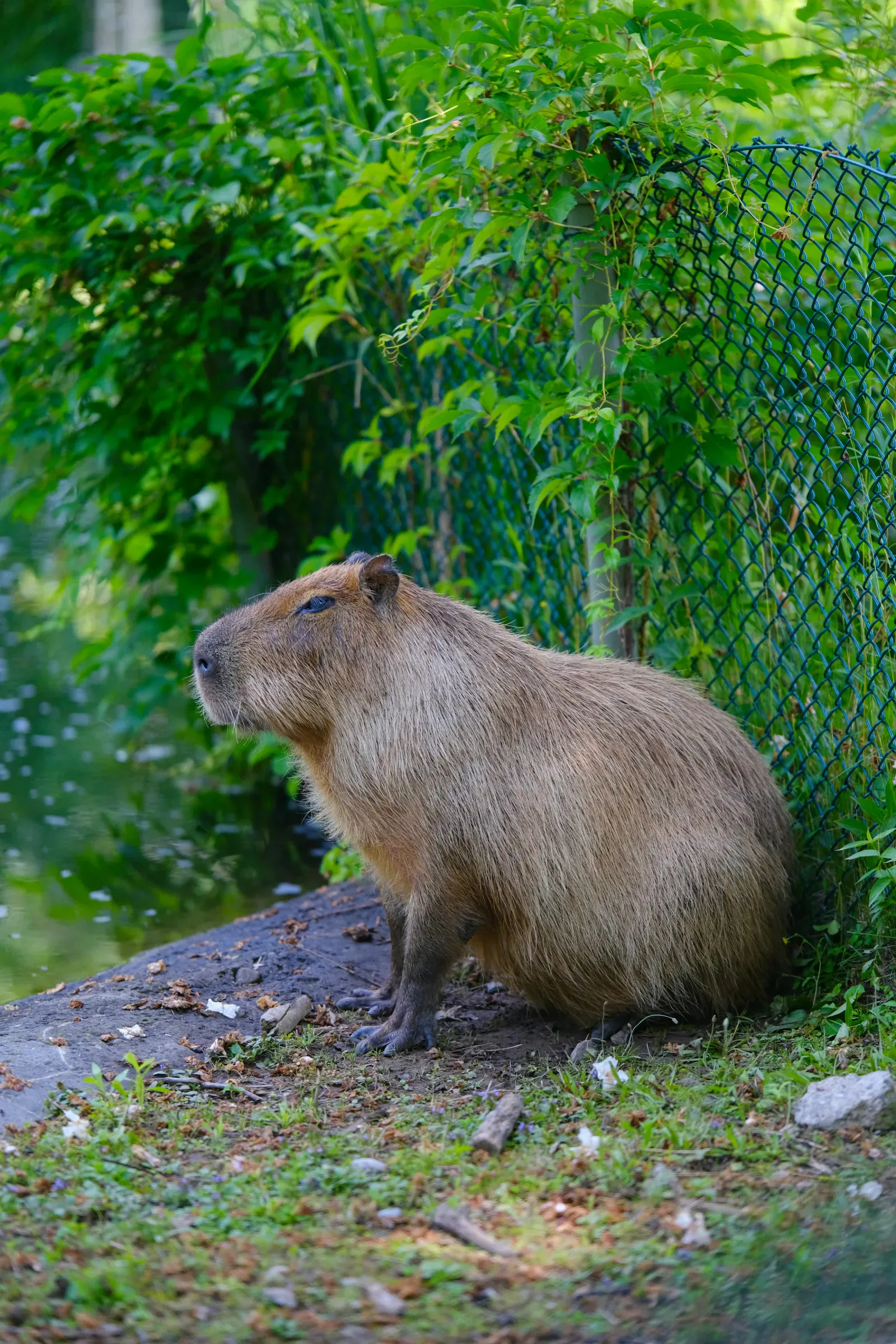
Water is not a perk. Capybaras swim, cool off, and feel safe in water, so a pond or pool with clean, managed water and proper drainage is part of the enclosure, not an upgrade. And as the figure above shows, Kentucky winters mean that water and shelter have to work in the cold, not just in July.
Solitary housing is a welfare stressor for a herd animal. The San Diego Zoo Wildlife Alliance and the care literature describe capybaras living in groups, which is why one animal is rarely the honest plan. They also cannot make their own vitamin C, the same constraint guinea pigs have, so the diet has to supply it on purpose. They are hindgut fermenters that re-ingest soft morning feces to pull nutrients from grass, and their teeth grow continuously, so grazing material and gnawing are not optional enrichment.
Then there is the vet. A capybara is an exotic patient, and not every clinic will see one. Line up an exotic-capable vet before the animal arrives, because the certificate of veterinary inspection and ongoing care both depend on someone qualified being willing to take the case. None of this is cheap, and none of it goes away after the permits clear.
Build The Paper Trail Before The Animal
Verbal “should be fine” answers evaporate the moment anyone official asks a real question. Treat each contact below as a permit question until that agency confirms otherwise, and keep the answer in writing.
| Agency / document | What to ask | Why it matters | What changes the answer |
|---|---|---|---|
| State wildlife agency (KDFWR) | Is this species non-prohibited for my plan, and what permits apply? | Sets whether possession is even on the table | New listings, your source state, intended use |
| Wildlife transportation permit | Is a permit required to import or move this animal? | Out-of-state sourcing is the usual first gate | Whether an exemption applies to your route |
| Certificate of veterinary inspection | Can a CVI accompany the shipment? | Required for most wildlife shipments | Species, origin, carrier, and timing |
| City/county animal control | Does local code allow a non-domestic mammal here? | Local rules can be stricter than the state | Your exact address, zoning, recent ordinances |
| Zoning / HOA / landlord | Are enclosures, water features, and fencing allowed? | Care needs depend on what you can build | Lot type, private covenants, drainage rules |
| USDA APHIS | Does display, breeding, sale, or paid encounter need a license | Commercial or public use adds federal rules | Whether the animal is purely private or shown |
The Kentucky Verification Checklist
Current as of June 2026: this is a starting point, not legal advice. Recheck KDFWR, Kentucky animal-movement rules, and local code in writing before acting near the scheduled November 2026 publish date.
| Who to contact | What to ask |
|---|---|
| KDFWR | Is Hydrochoerus hydrochaeris non-prohibited for private possession, and what rules apply? |
| KDFWR transportation permit office | Is a wildlife transportation permit required for this source and movement? |
| Veterinarian or seller | Can a certificate of veterinary inspection accompany the shipment? |
| Local animal control | Does local code allow a capybara at this address? |
| Zoning office | Are fencing, shelter, drainage, and water features allowed? |
| USDA APHIS | Does exhibition, paid encounter, breeding, sale, or transport require licensing? |
If the legal path still looks open, read do capybaras make good pets, how much a capybara costs, and how to take care of a capybara. Kentucky’s guidance may be clearer than many states, but the animal is still a large, social, semi-aquatic rodent. The paperwork is only the first pond.
This guide is general information, not legal advice. It reflects what was on the books as we read it in June 2026, and rules, lists, and local ordinances change. Before you buy, transport, or display a capybara, confirm the current answer in writing with the Kentucky state wildlife agency and your city or county animal-control office, and run the plan past a qualified attorney in your area. Treat every “probably fine” as a permit question until the agency itself says yes.