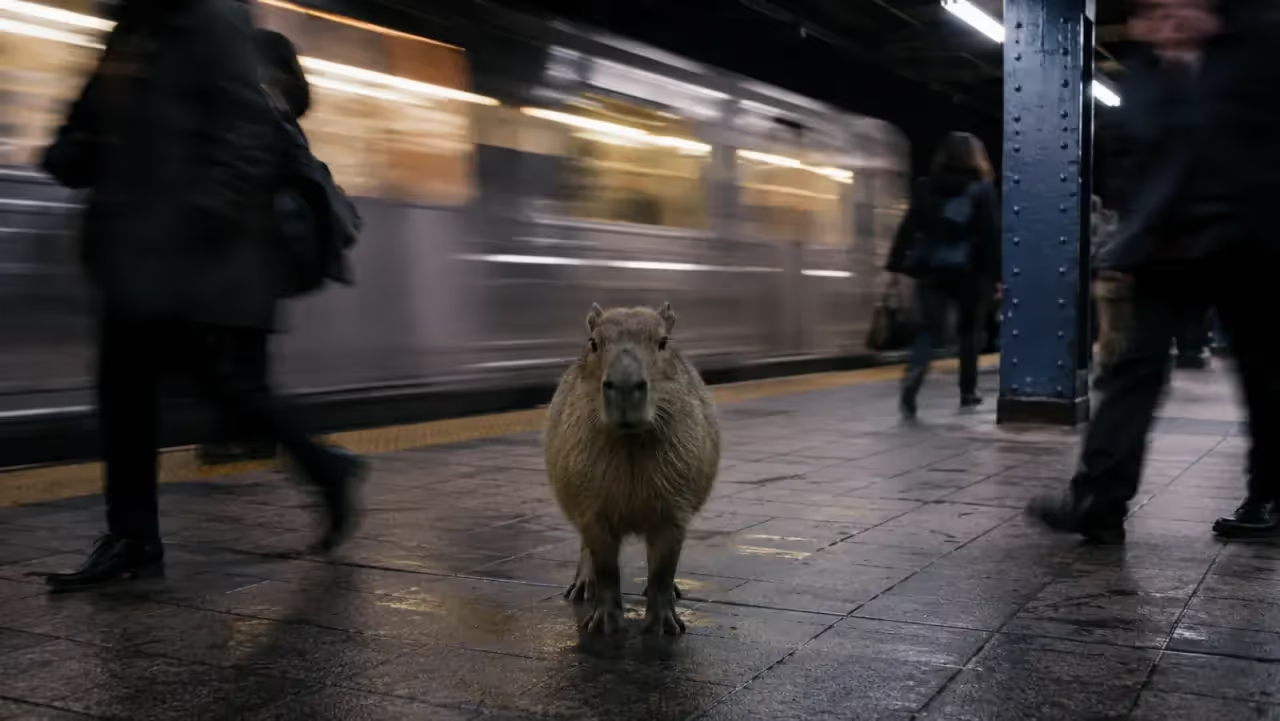
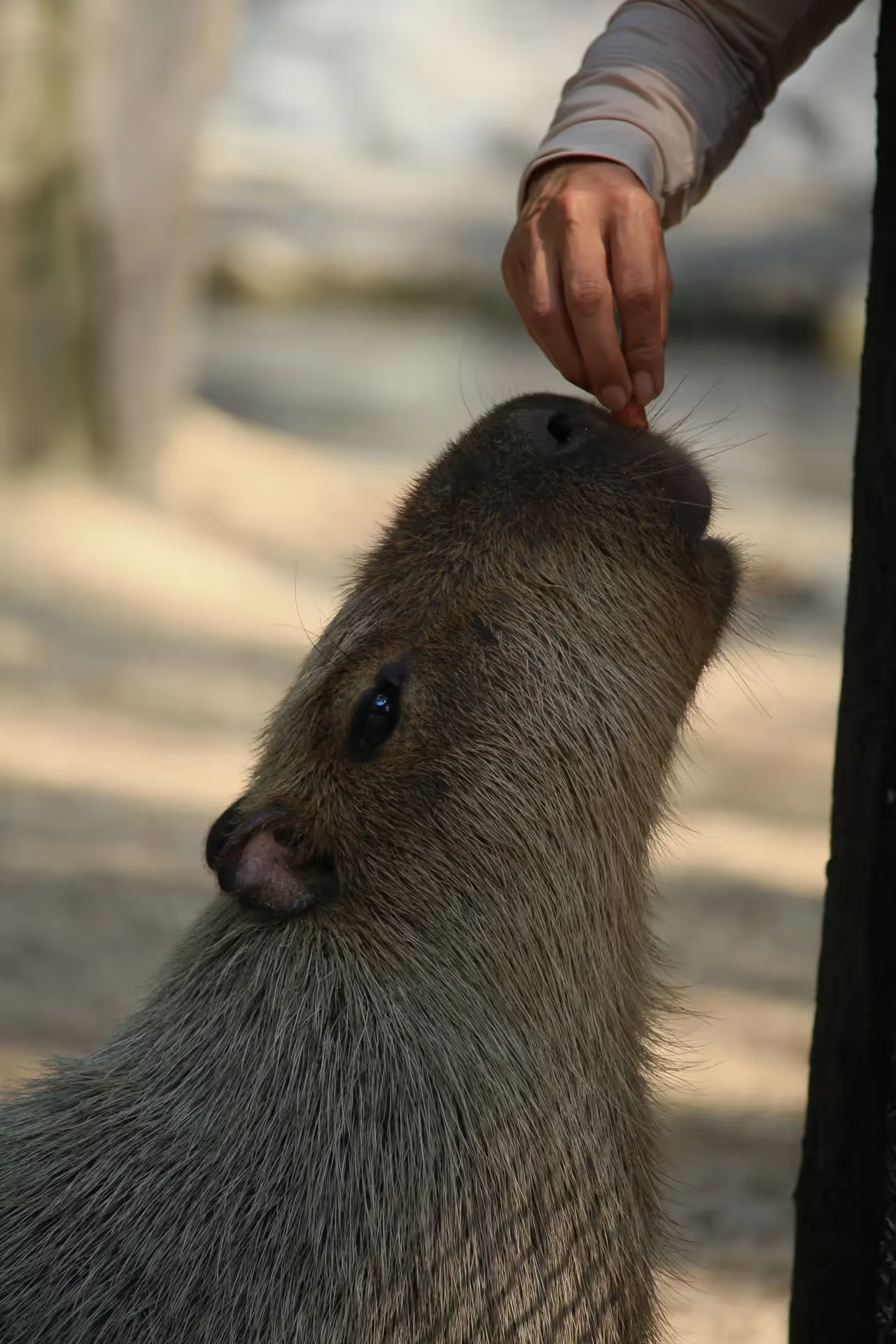
A family-friendly capybara experience is not the closest possible capybara. It is the calmest arrangement where the capybara has choice, the staff are in control, and the kids understand that “gentle” is not a suggestion.
That is a less exciting sentence than “snuggle the world’s largest rodent,” but it is the sentence that gets everyone home with all fingers, feelings, and animal welfare intact.
Start With The Kind Of Experience That Fits Your Family
There are three broad options: public zoo viewing, keeper chats, and paid encounters. Public viewing is best for younger children, first-time fans, and families who need flexibility. Keeper chats add education without forcing contact. Paid encounters are best for older, calm kids who can follow instructions and handle disappointment if the animal chooses distance.
| Experience type | Best for | Watch out for |
|---|---|---|
| Public zoo habitat | Toddlers, casual fans, flexible trips | Capybaras may be resting or off habitat |
| Keeper chat | Curious kids and school-age learners | Schedule can change |
| Paid encounter | Older calm kids and serious fans | Age rules, extra cost, animal-choice limits |
| Cafe-style session | Social-media-minded families | Smaller spaces and welfare questions |

If you have a child who cannot stay still, hates being told no, or needs to touch every animal, choose the habitat view first. The capybara will not appreciate being cast as a patience workbook.
Current U.S. Examples And Age Rules
Rules vary sharply by venue. African Safari Wildlife Park’s 2026 capybara encounter page says guests ages 3 to 15 must be accompanied by a paying adult, children under 3 are not permitted, and participants must be able to traverse uneven or muddy substrate. Brandywine Zoo’s animal encounter page lists a minimum age of 6, a capacity of 4, adult accompaniment for ages 6 to 17, no open-toed shoes, and 48-hour registration closure.
Busy B Ranch Wildlife Park lists a capybara encounter open to ages 7 and older. North Georgia Wildlife Park lists a minimum age of 8, with adults required for ages 8 to 11. Jungle Island says children must be 6 or older and guests 16 and under need an adult encounter participant. Animal Adventures lists a much higher minimum: ages 14 and up.
That spread is the whole lesson. “Family-friendly” does not mean “all ages.”
| Venue example | Published age signal |
|---|---|
| African Safari Wildlife Park | Ages 3 to 15 with paying adult; under 3 not permitted |
| Brandywine Zoo | Minimum age 6; ages 6 to 17 with adult paid ticket |
| Busy B Ranch Wildlife Park | Ages 7 and older |
| North Georgia Wildlife Park | Minimum age 8; adults required for ages 8 to 11 |
| Animal Adventures | Ages 14 and older |
The Welfare Signals Parents Should Check
The AZA Capybara Care Manual is not written for family trip planning, but it explains why these animals are not simple petting-zoo props. Capybaras need water access, social management, appropriate diet, substrate, shelter, enrichment, and veterinary care.
For parents, translate that into booking questions.
| Ask this | Better answer |
|---|---|
| Can the animal choose not to interact? | Yes, staff will respect that |
| Is outside food allowed? | No, only staff-provided food |
| How many guests are in the session? | Small, controlled group |
| Are shoes and movement rules posted? | Yes, before booking |
| Is the capybara alone? | Social housing is explained clearly |
| Is there water or retreat space? | Yes, not just a photo corner |
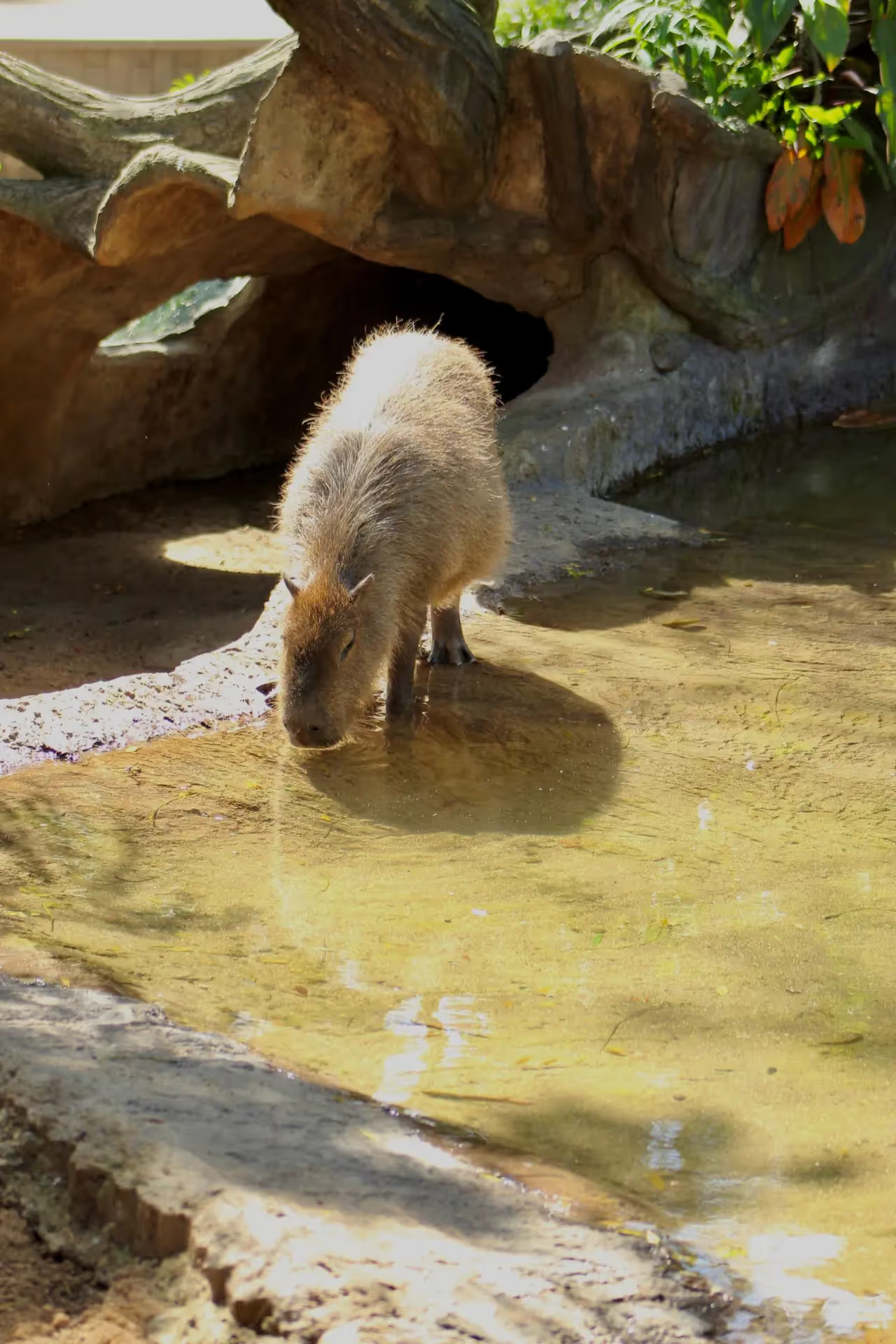
One tiny scene from encounter life: the kid is ready, the camera is ready, the capybara walks three feet away and begins inspecting hay. That is not a failed encounter. That is the animal making a choice. The grown-up’s job is to model “we respect that,” not “can we make it come back?”
How To Prepare Kids Before The Capybara Meet And Greet
Give kids rules before arrival, while they still have a functioning attention span.
- Use two fingers or an open palm only if staff says petting is allowed.
- Stay quiet and slow.
- Let the capybara walk away.
- Do not grab fur, ears, feet, food bowls, or the fence.
- Feed only what staff gives you.
- Wash hands afterward.
The AVMA’s broader animals-and-children guidance emphasizes supervision and teaching children safe behavior around animals. With capybaras, that matters because the animal looks calm enough to invite bad assumptions. Calm is not consent. Calm is just an animal not yet annoyed with you.
The Better Souvenir
Book the experience that fits your actual child, not your fantasy reel. For toddlers, choose zoo viewing. For school-age kids, look for keeper chats or encounters with clear age rules. For teens, a more structured meet-and-greet may work if the venue has strong staff control and animal-choice policies.
Current U.S. capybara encounter pages show everything from age 3 with an adult to age 14 and up, so verify the official page before making promises. Bring closed-toe shoes, flexible expectations, and enough restraint to let the capybara be a capybara.
The family photo is nice. The better souvenir is a kid who learns that loving an animal sometimes means giving it three feet of space and not being weird about it.