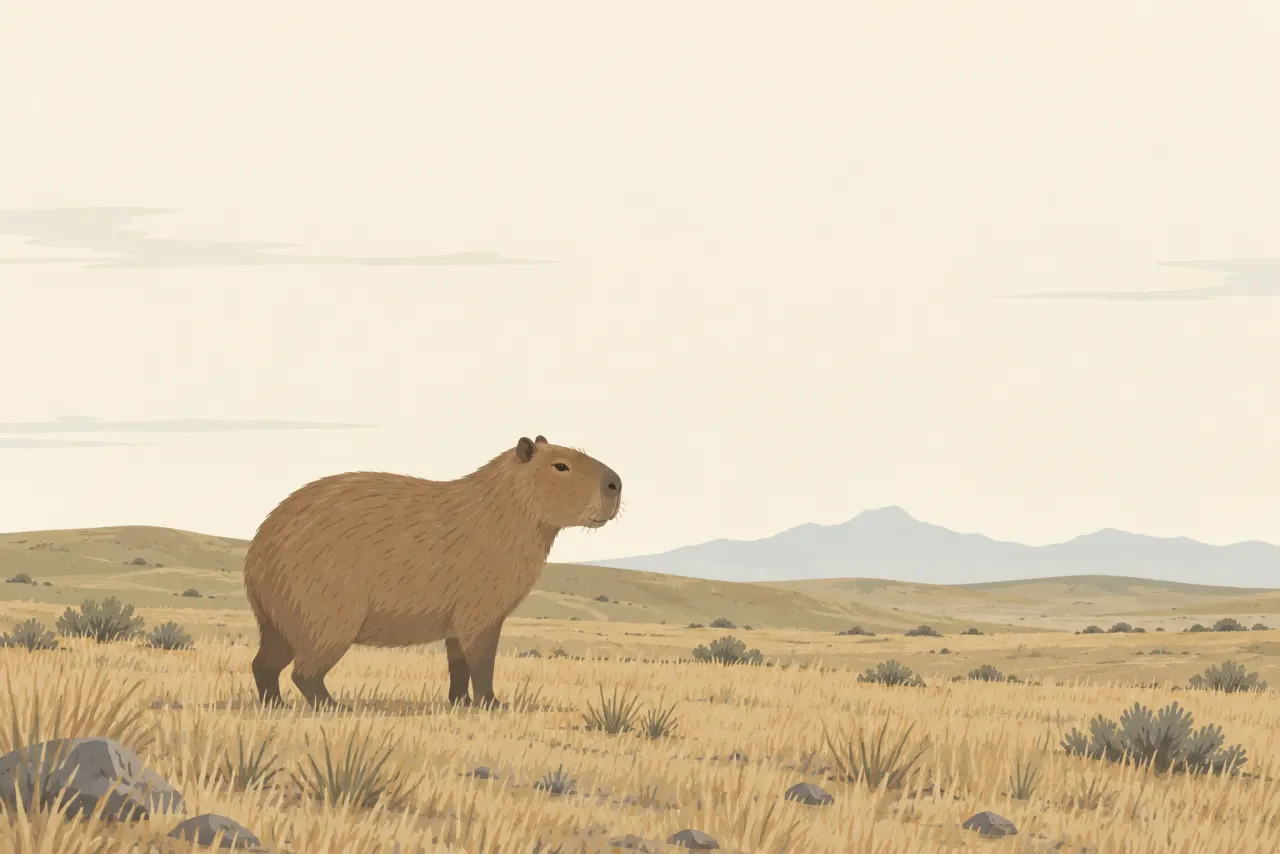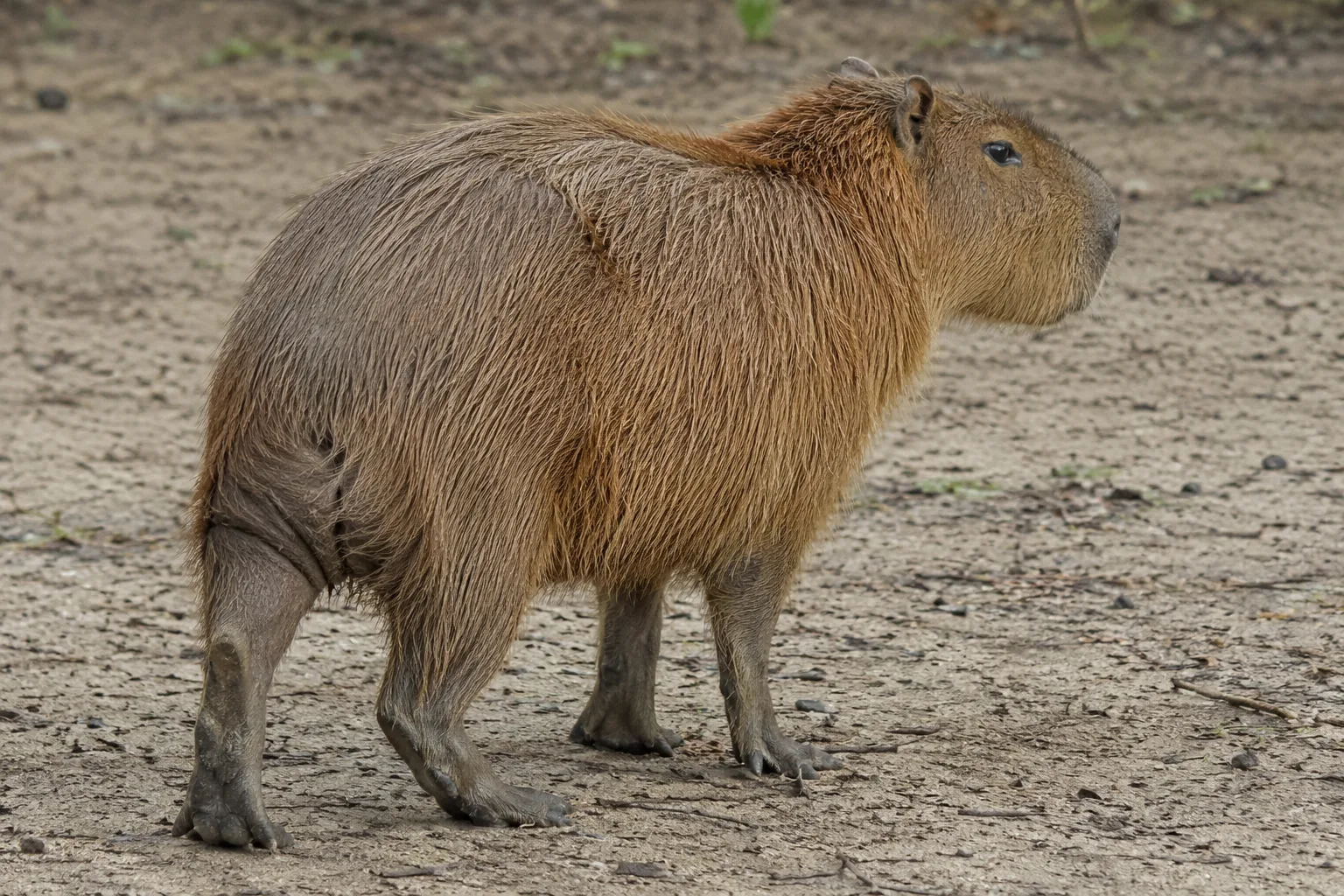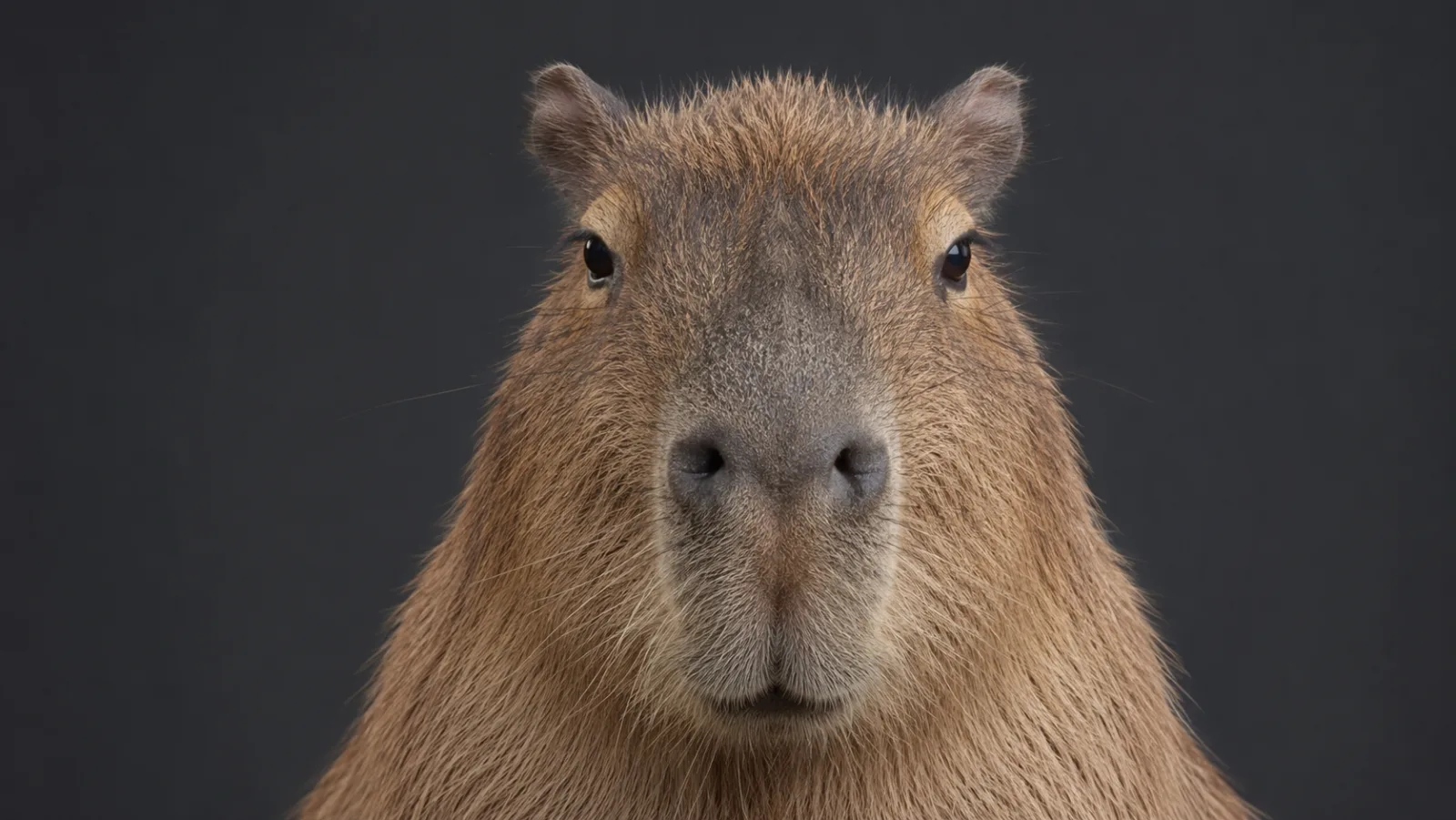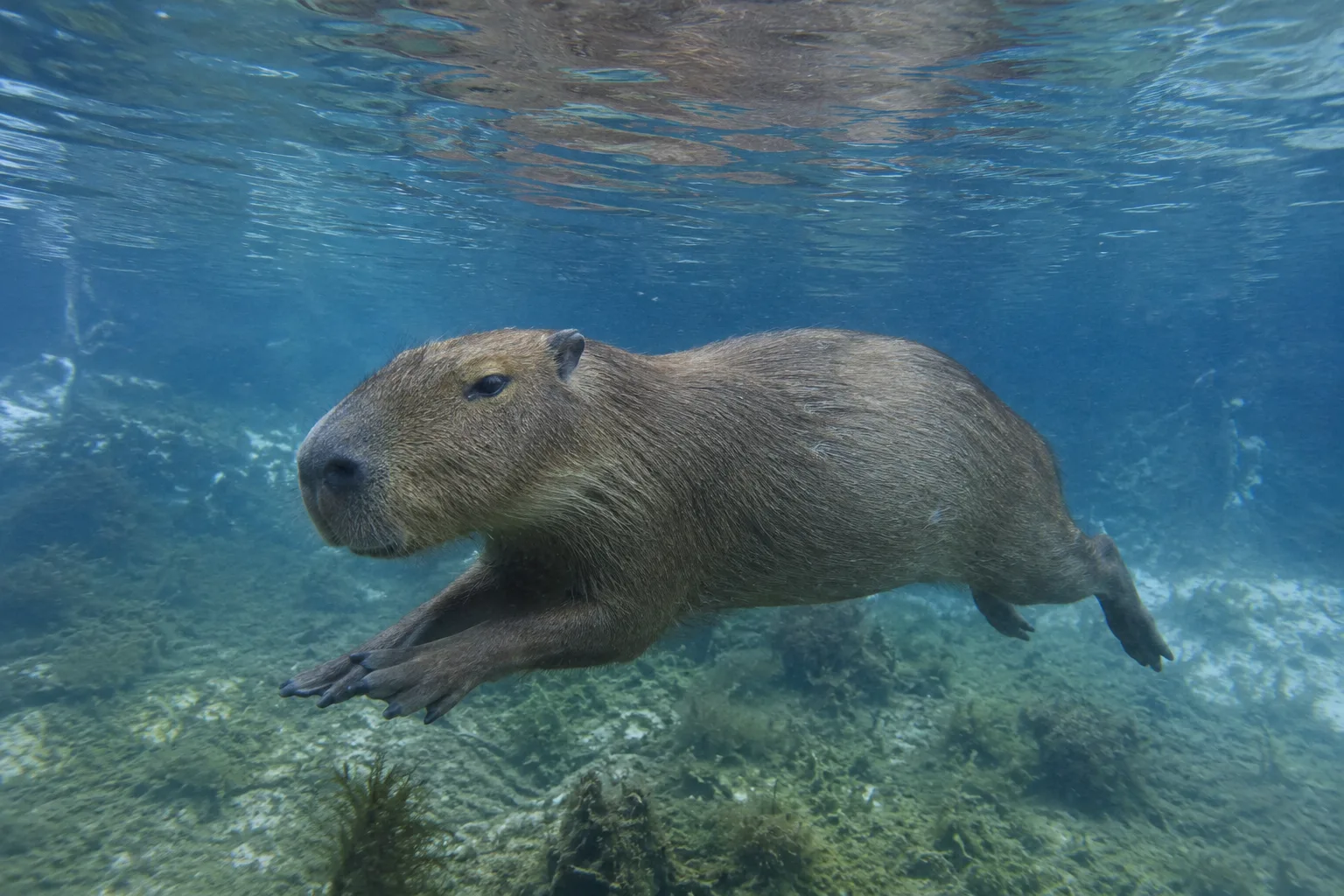
A good capybara meet-and-greet has one star, and that star should be allowed to clock out.
Before you book anything, ask boring questions. Boring is where the welfare lives: who supervises, what guests can do, what food is used, where people wash hands, and how the capybara gets to say no without biting somebody’s tote bag.
Who Is Running The Encounter?
The first question is not “Can I pet it?” It is “Who is supervising this?”
Look for trained animal-care staff, clear rules, a controlled guest number, and a facility that can explain why the encounter exists beyond photo sales. AZA’s ambassador-animal materials emphasize policy, education, animal care, and appropriate messaging. A capybara is not a prop with a calendar app.
How Does The Capybara Get To Leave?
Ask this exactly: “If the capybara does not want to participate, what happens?”
The answer should be simple. The animal can leave, retreat, stop participating, or be replaced by no encounter at all. AZA’s article on ambassador-animal agency describes the growing use of choice and control in zoo programs. That idea matters here. A good encounter has an exit door for the animal too.
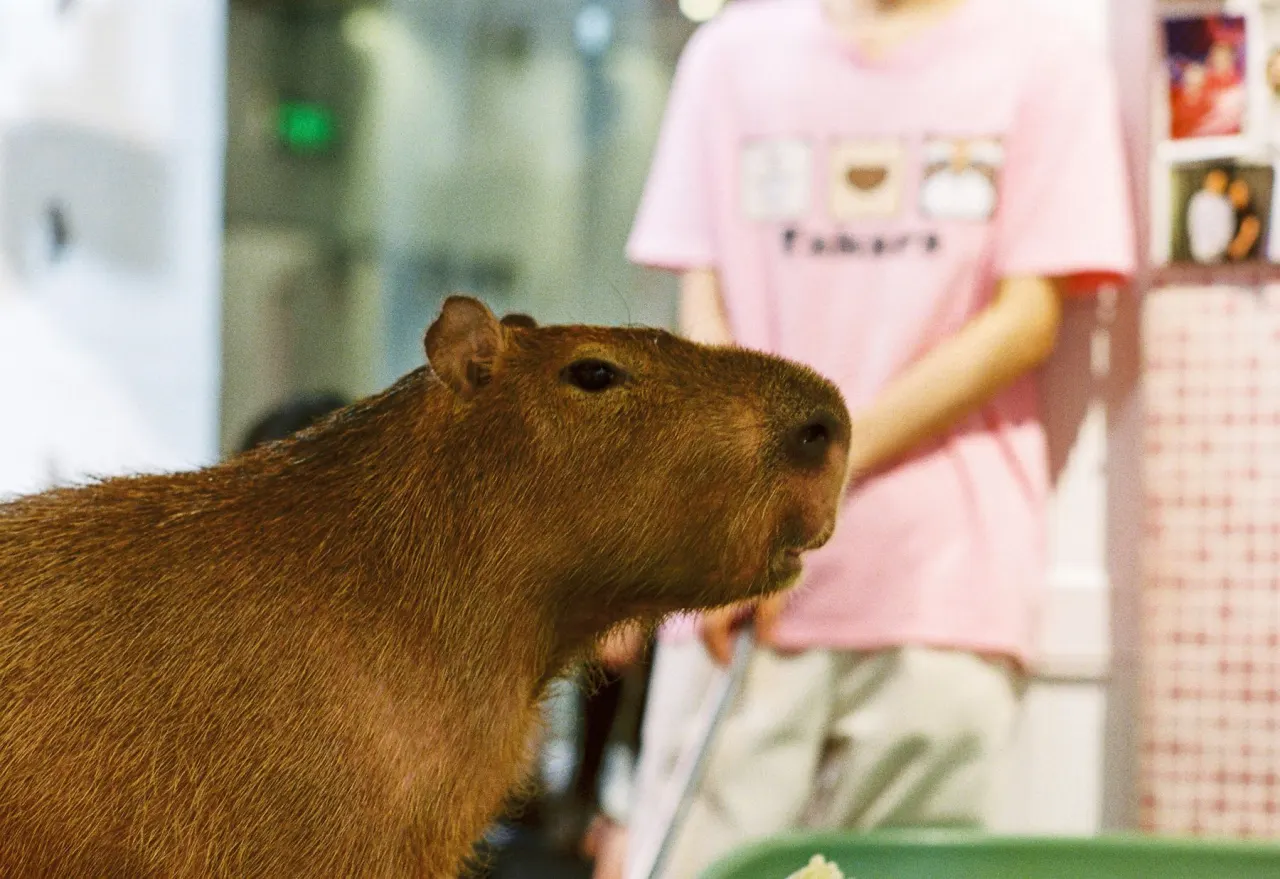
What Are Guests Allowed To Do?
Good rules are specific. Stand here. Use this hand position. Touch only if staff say yes. Do not grab. Do not pick up. Do not lean over the animal. Do not block the exit. Stop when staff say stop.
Vague rules are where people get creative, and people are not at their best when a large calm rodent is two feet away.
| Question | Good answer |
|---|---|
| Can the animal leave? | Yes, the capybara has a retreat option and staff stop the session. |
| Can guests feed it? | Only staff-approved food, in staff-approved amounts. |
| Can guests touch it? | Only under staff direction, if the animal participates. |
| How many guests? | Small enough that staff can control noise, hands, and movement. |
| What about hygiene? | Handwashing before or after contact, with clear food rules. |
| Do photos still happen if it stays away? | Yes, and the visit still counts — photos are never the reason the animal is held in place. |
Feeding Rules Should Be Boring
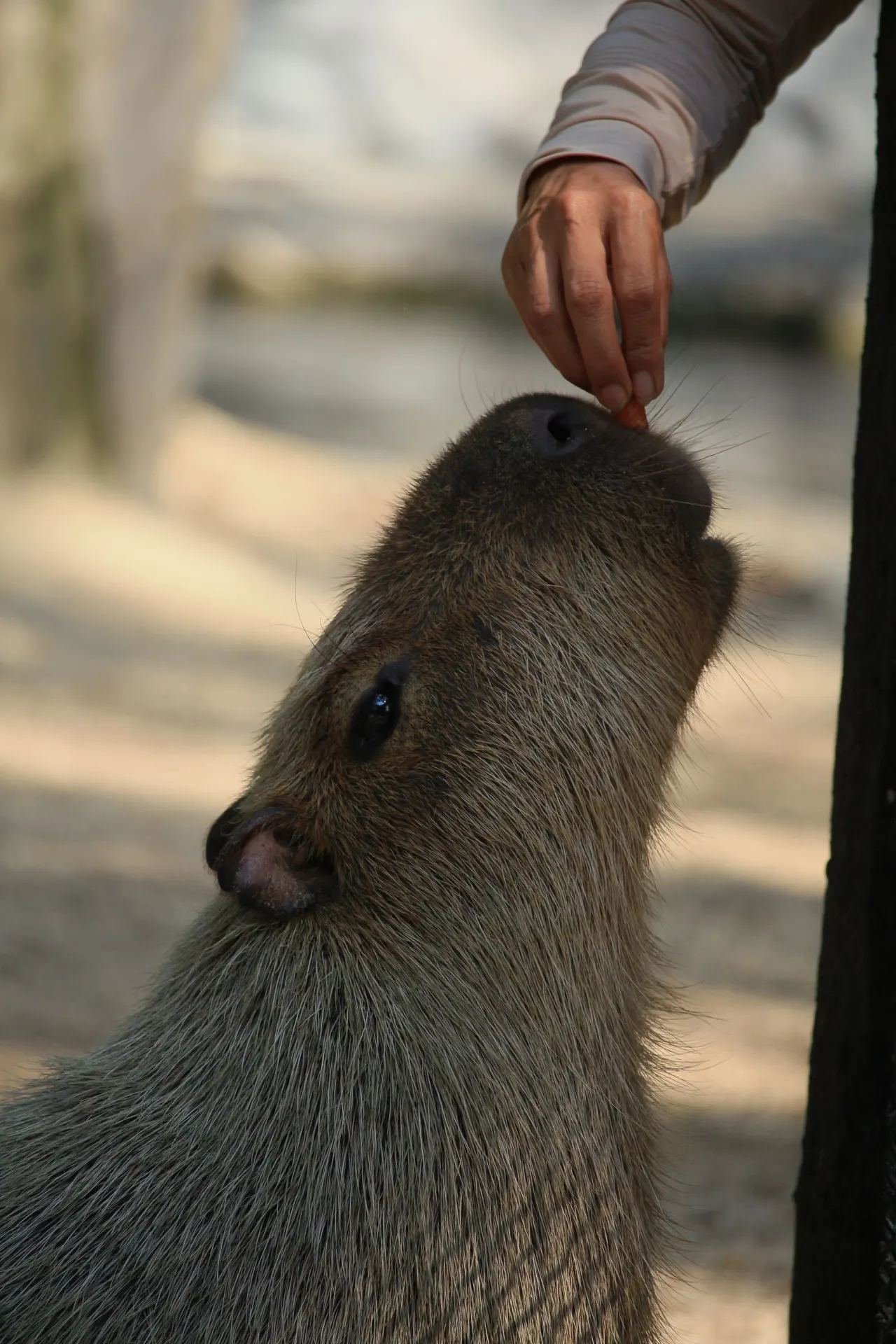
CDC guidance for animal exhibits says to keep food and drinks away from animal areas, follow staff rules, supervise children, and wash hands after contact or animal areas. That applies even if the animal looks cleaner than your desk.
For capybaras, outside food is a hard no. Their diet is managed for fiber, vitamin C, gut health, weight, and safety. Your pocket snack is not enrichment. It is a small digestive incident applying for a job.
Capybaras are hindgut-fermenting grazers that cannot make their own vitamin C, so their fiber and nutrients are supplied deliberately — which is why the AZA Capybara Care Manual and San Diego Zoo Wildlife Alliance both frame staff-controlled feeding as keeping the math intact, not the facility being precious.
Why The Animal-First Stuff Actually Matters
It helps to remember what a capybara is before you decide what it owes you on a Saturday.
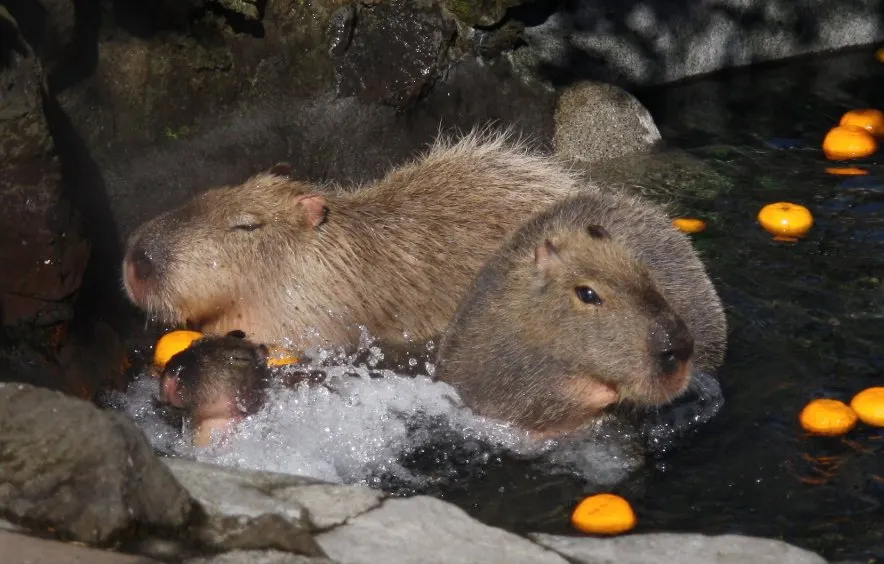
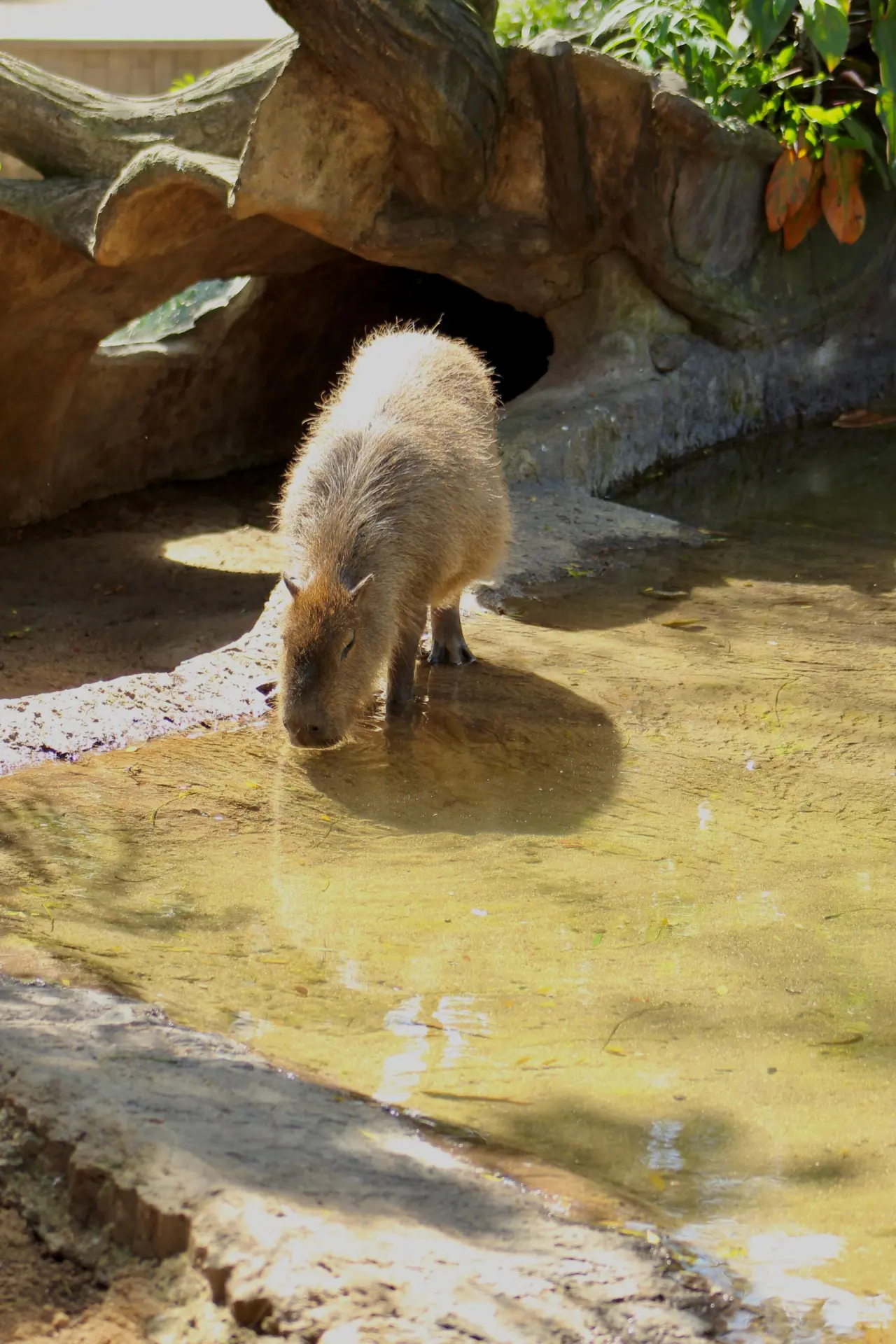
This is the world’s largest rodent, a semi-aquatic grazer native to South America, an adult often landing somewhere between roughly 35 and 66 kilograms. They are deeply social herd animals. Solitary housing alone is a known welfare stressor for them, which tells you how much group life is wired into the species. A capybara at a meet-and-greet is not a dog that decided to like people. It is a prey animal doing a calm impression of patience, and that calm has a budget.
So when a facility builds an exit for the animal, limits sessions per day, and keeps groups small, that is not theater. That is them respecting that the patience runs out. My honest opinion: a place that talks more about the animal’s day than your photo is almost always the better place, even when it sounds less fun in the booking email.
A Quick Map Of Green Flags Vs Red Flags
Most setups sort themselves out fast once you ask two or three real questions. The table below is the shorthand I’d carry into any booking call.
| Signal | Green flag setup | Red flag setup |
|---|---|---|
| Supervision | Trained animal-care staff present throughout | ”Just walk in, the keeper checks in sometimes” |
| Animal choice | Capybara can retreat; session ends if it leaves | Animal is held in place so everyone gets a turn |
| Food | Staff-provided, measured, species-appropriate | Outside snacks allowed or quietly ignored |
| Group size | Small enough to manage hands and noise | Large groups cycled through quickly for volume |
| Hygiene | Clear handwashing before or after contact | No sinks, no mention of it, no rules |
| The promise | ”You might just observe today" | "Guaranteed holding and selfies, every time” |
A guarantee of contact is the one that should make you slow down. No honest program can promise a specific animal will want to be touched at a specific minute, because that is not how a living animal works. A guarantee like that only holds if the animal’s choice has already been removed, which is exactly the thing you were trying to avoid.
What To Actually Do On The Day
Ask the boring questions before you pay, not after. Then show up and follow the staff script even when it feels slower than the photos online suggested. Keep your hands where you are told, skip the food you brought, wash up when asked, and accept that observation from a barrier is a real, ethical version of the visit, not a consolation prize.
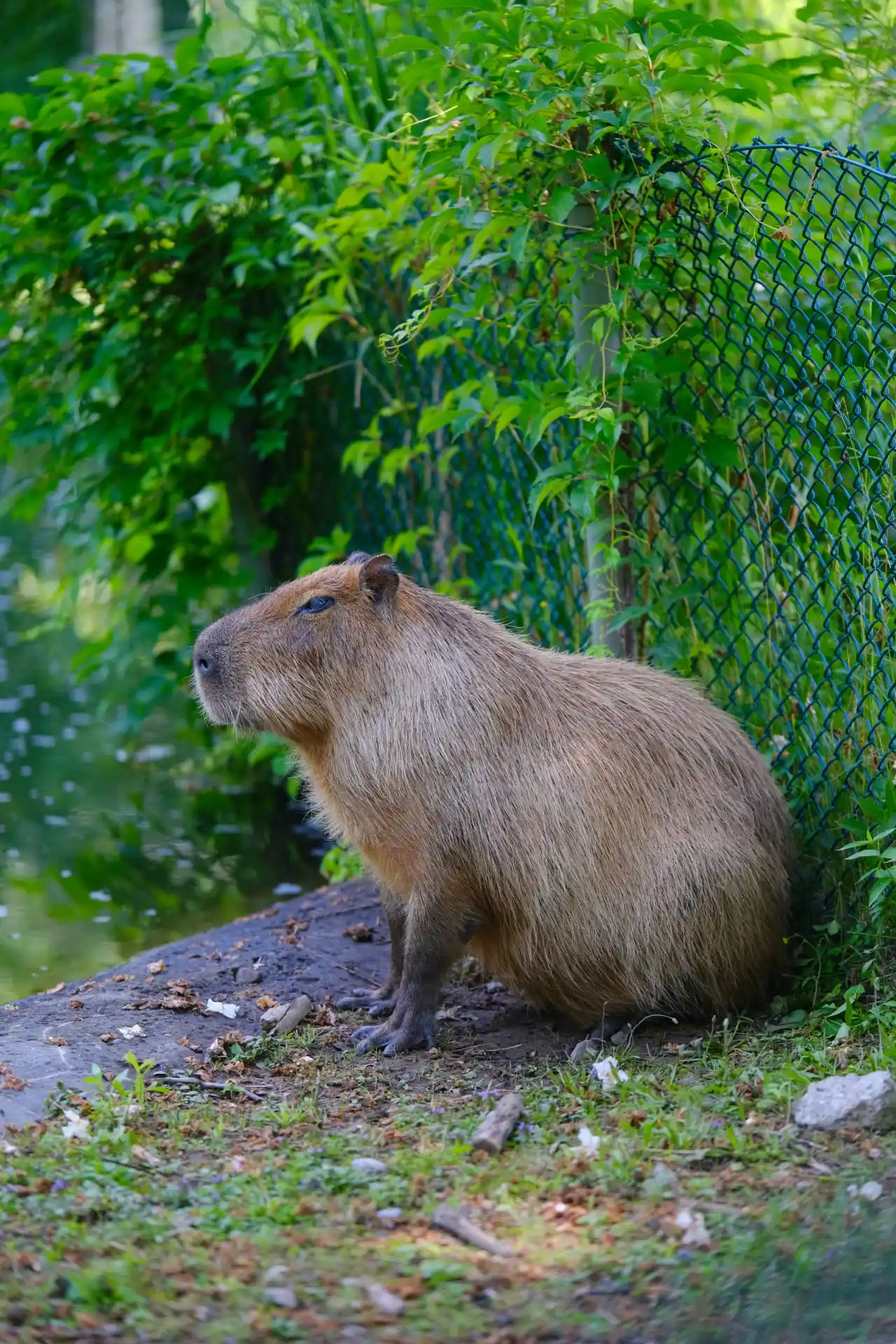
If the answers are fuzzy, skip it. You can still be a capybara fan without purchasing access to a stressed animal’s afternoon. And if a place answers every question cleanly and still tells you the capybara might sit this one out, that is the good sign, not the disappointing one. It means the star is allowed to clock out, which was the whole point.