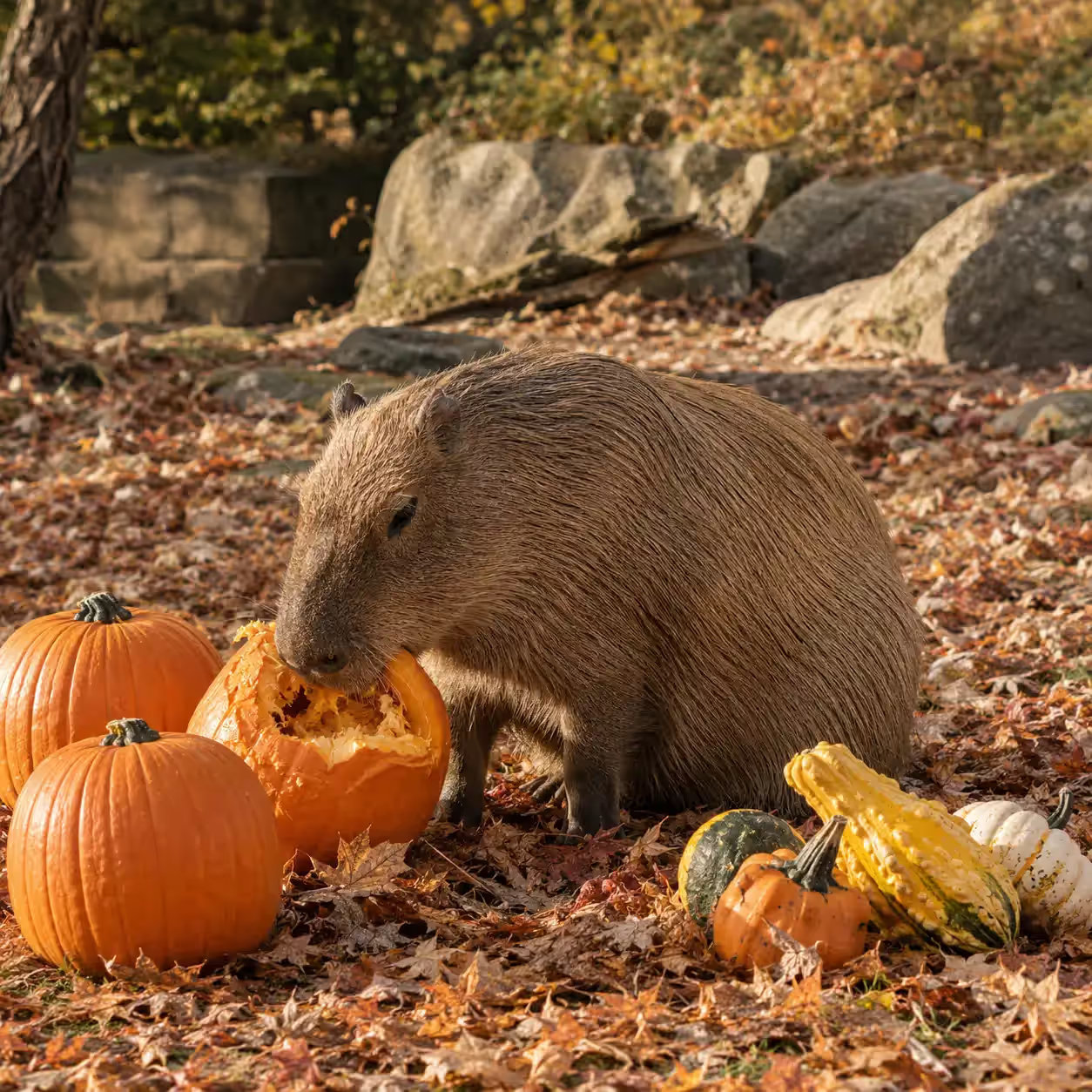
Halloween gets the credit. November does the work.
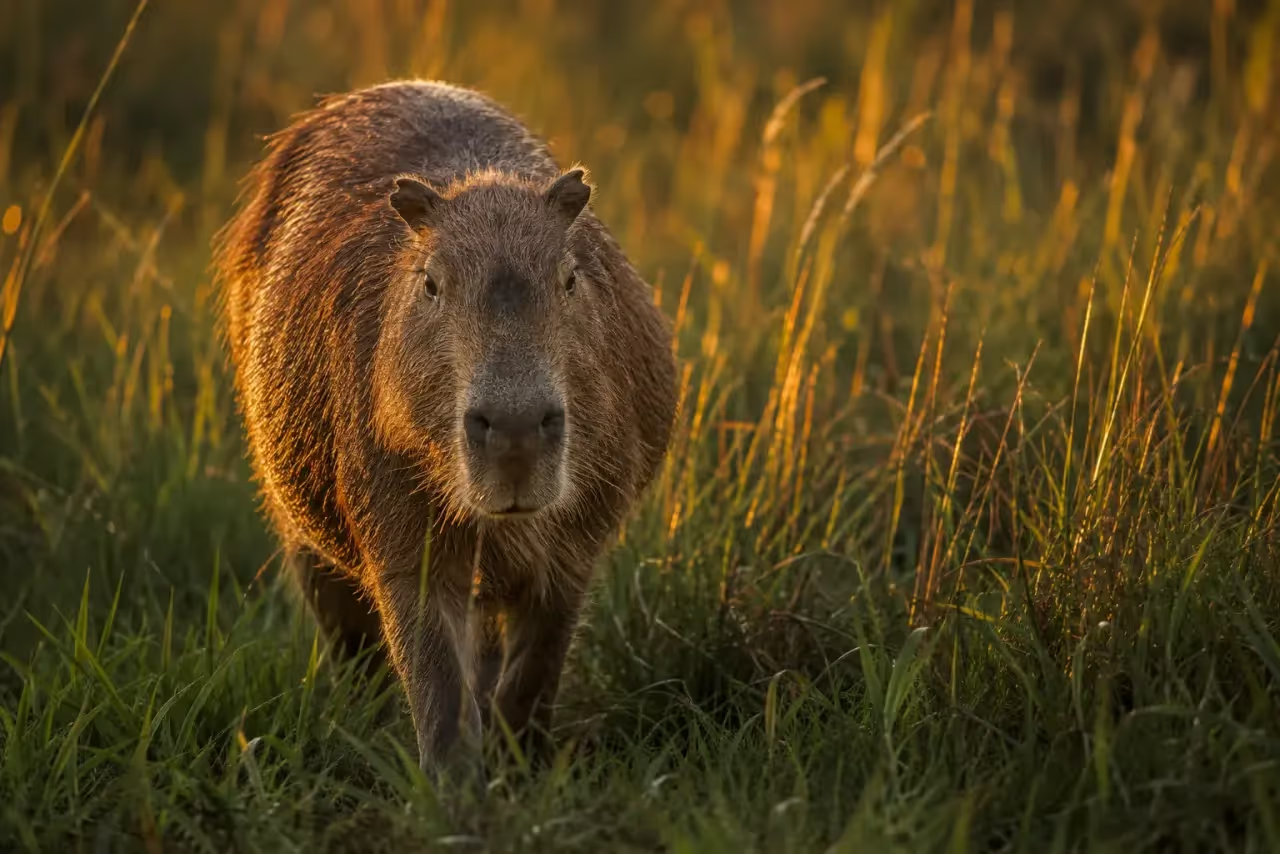
By November 1, a country’s worth of pumpkins has finished its decorative career and needs somewhere to go. A surprising amount of it goes to zoos, where it stops being a porch ornament and becomes enrichment for animals who could not care less about your aesthetic. The capybaras, in particular, are ready.
Most of the great capybara pumpkin footage you see online is post-Halloween, not Halloween itself. The surplus is the whole engine. So instead of pretending I can rank specific 2026 events that haven’t happened or been filmed yet, here’s the honest version: the genre, ranked by format, using what zoos actually document every year.
Why November Is The Real Pumpkin Season
Pumpkins are cheap, plentiful, and briefly everywhere right after Halloween. Zoos lean into that window.
Oakland Zoo runs one of the clearest examples. In its repurposing program, leftover pumpkins get picked up around November 1 and stay in rotation through the end of December, turned into “pumpkin kabobs, gourd bowls filled with meat treats, puzzle feeders, and even frozen delicacies.” That’s not a one-off photo op. It’s a several-week supply chain for produce that would otherwise rot in a landfill.
Brookfield Zoo near Chicago treats it as a yearly fixture, sharing footage of its residents working through pumpkins every fall. The repetition is the tell: this isn’t a stunt, it’s a seasonal operation that quietly recurs the same way every November.
The point is the timing. Halloween makes the pumpkins. November feeds them out. If you want the capybara content, the first two weeks of November is the sweet spot.

The Pumpkin Feast Formats, Ranked
There are really only a few ways a capybara meets a pumpkin. I’ve ranked them by how much they reward the animal versus how much they reward your camera roll. Scores out of 10, fully unscientific, no refunds.
| Format | What happens | Score |
|---|---|---|
| Whole-pumpkin gnaw | Intact pumpkin, capybara works the rind with those long incisors. Slow, patient, very on-brand. | 9 |
| Pumpkin-in-pool | Pumpkin floats in the water feature, capybara eats while half-submerged, combining two favorite things. | 10 |
| Stuffed pumpkin | Keepers hollow it and hide greens or treats inside, turning lunch into a puzzle feeder. | 8 |
| The smash | A bigger animal flattens it first; capybara arrives for cleanup. More chaos than capybara. | 5 |
The pumpkin-in-pool format wins and it isn’t close. Capybaras are semi-aquatic, so giving them food in the water is the format that respects what the animal actually is. The smash ranks last only because it’s usually somebody else’s pumpkin, and the capybara is doing janitorial work. Dignified, but not the lead role.
Why Capybaras Get The Good Pumpkins
A pumpkin works on a capybara for two reasons, and only one of them is flavor.
The first is enrichment. As the Smithsonian’s National Zoo puts it, animals get pumpkins “because it gives them something new to smell, touch and investigate.” Novelty drives natural behavior, which is the entire job of good zoo enrichment. The food is almost secondary.
The second is that capybaras genuinely like the taste. The Columbus Zoo has said its capybaras’ clear favorite treat is pumpkins, ahead of apples, pears, grapes, and seasonal sweet potato. Pumpkin and squash already fit a normal capybara diet as high-fiber produce, sitting on top of the grass and hay that does the real nutritional work of feeding a capybara. So it’s a treat the keepers can hand out guilt-free.
That combination, novel object plus actually-loves-it, is why capybaras are the genre’s most reliable performers. They engage, they linger, they chew with intent.

Can You Donate Your Leftover Pumpkin?
Maybe. This is the part people get wrong, so read it before you drive across town with a sad jack-o’-lantern.
The rules are real. The Nature Conservancy notes that pumpkins are safe for animals only if they aren’t painted or coated, and that some zoos, like Zoo Boise, take pumpkins from supermarkets rather than individuals at all. A carved pumpkin that’s been on a porch for a week is often already growing things you don’t want near an animal. Most zoos want uncarved, unpainted, mold-free pumpkins, and many run no public drop-off program whatsoever.
So the move is boring but correct: check your specific zoo’s policy first. If you can’t see capybaras nearby, our roundup of where to find capybaras across the US is a better use of the drive. And if you’re still wondering why this whole pumpkin thing exists, we wrote the full explainer on capybaras and pumpkins.
The pumpkin had one good month. Letting it end as a capybara’s lunch is the most useful retirement it was ever going to get.