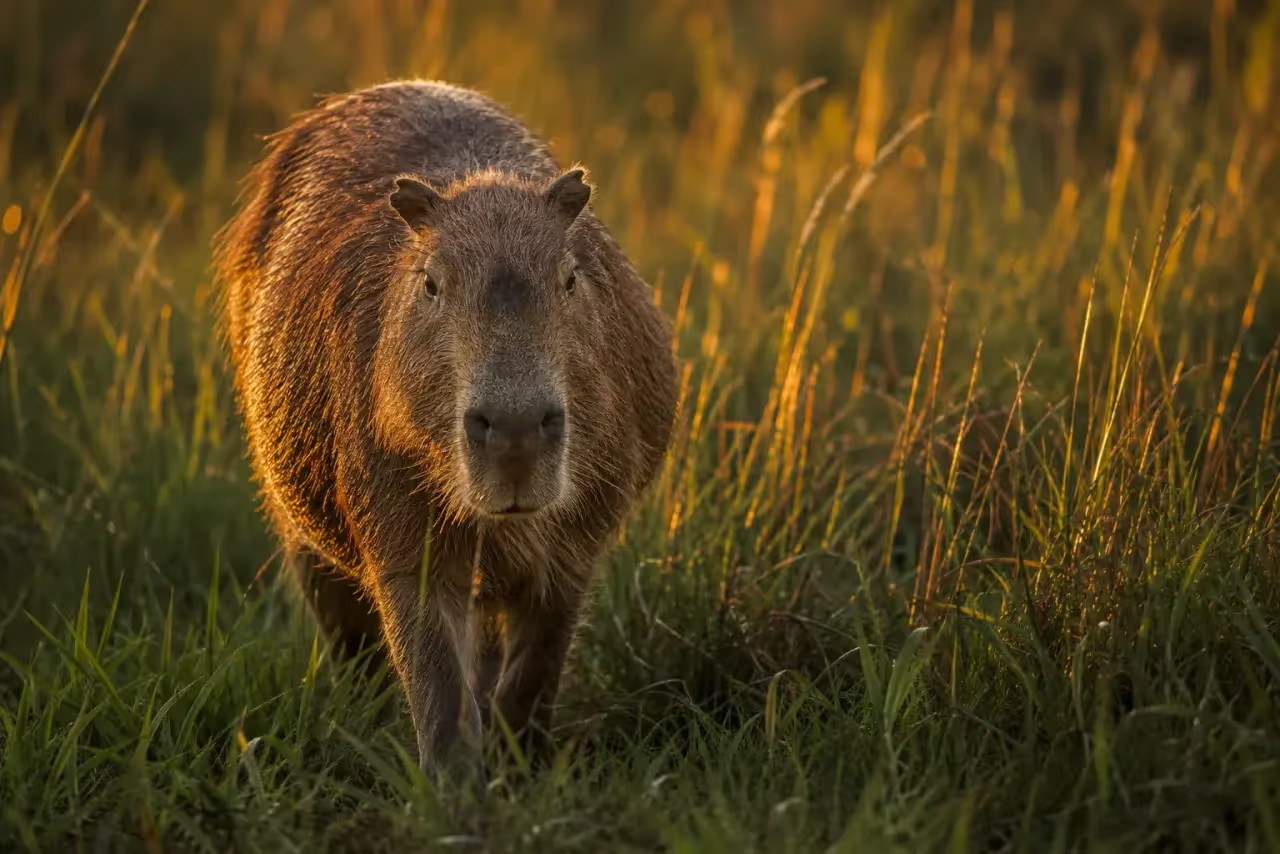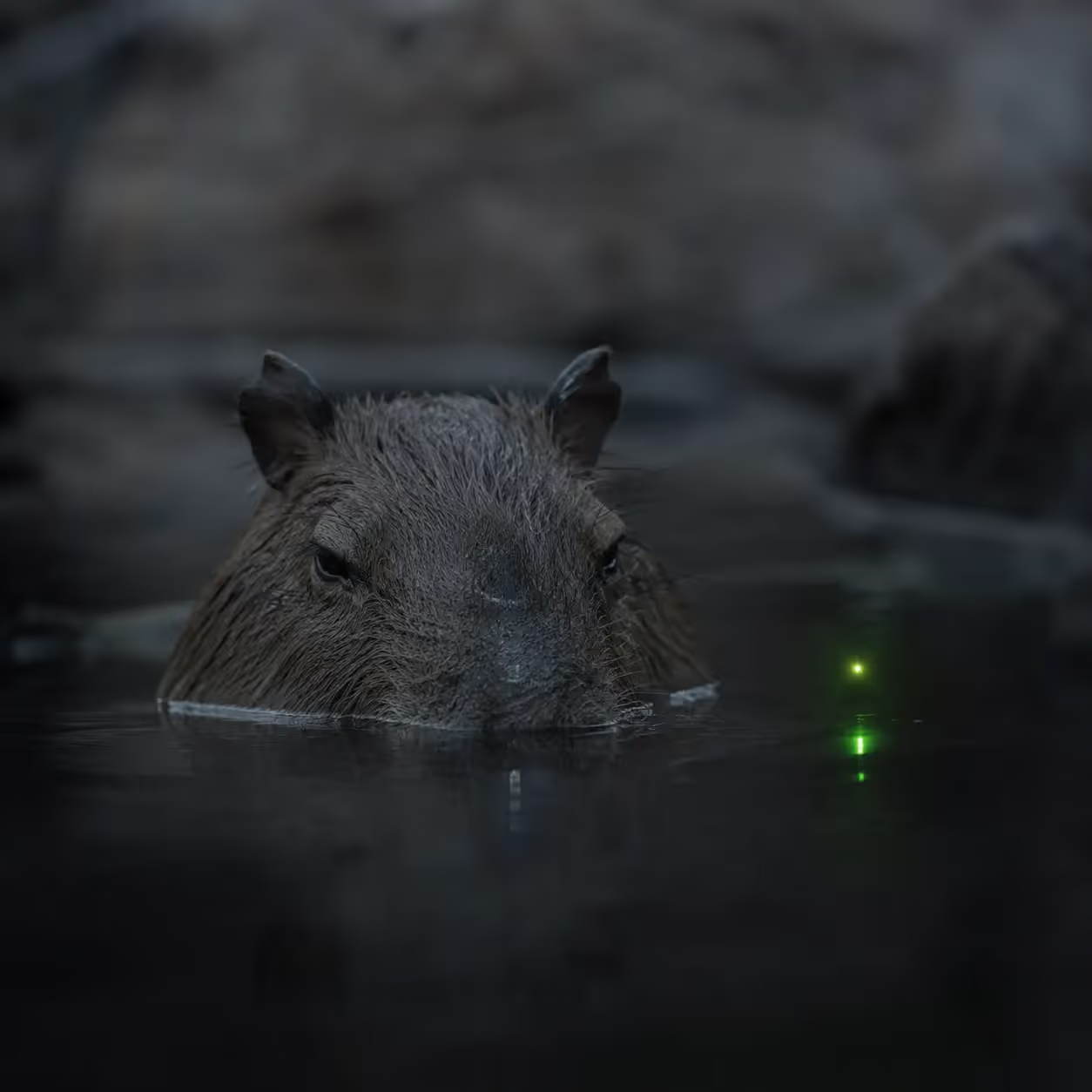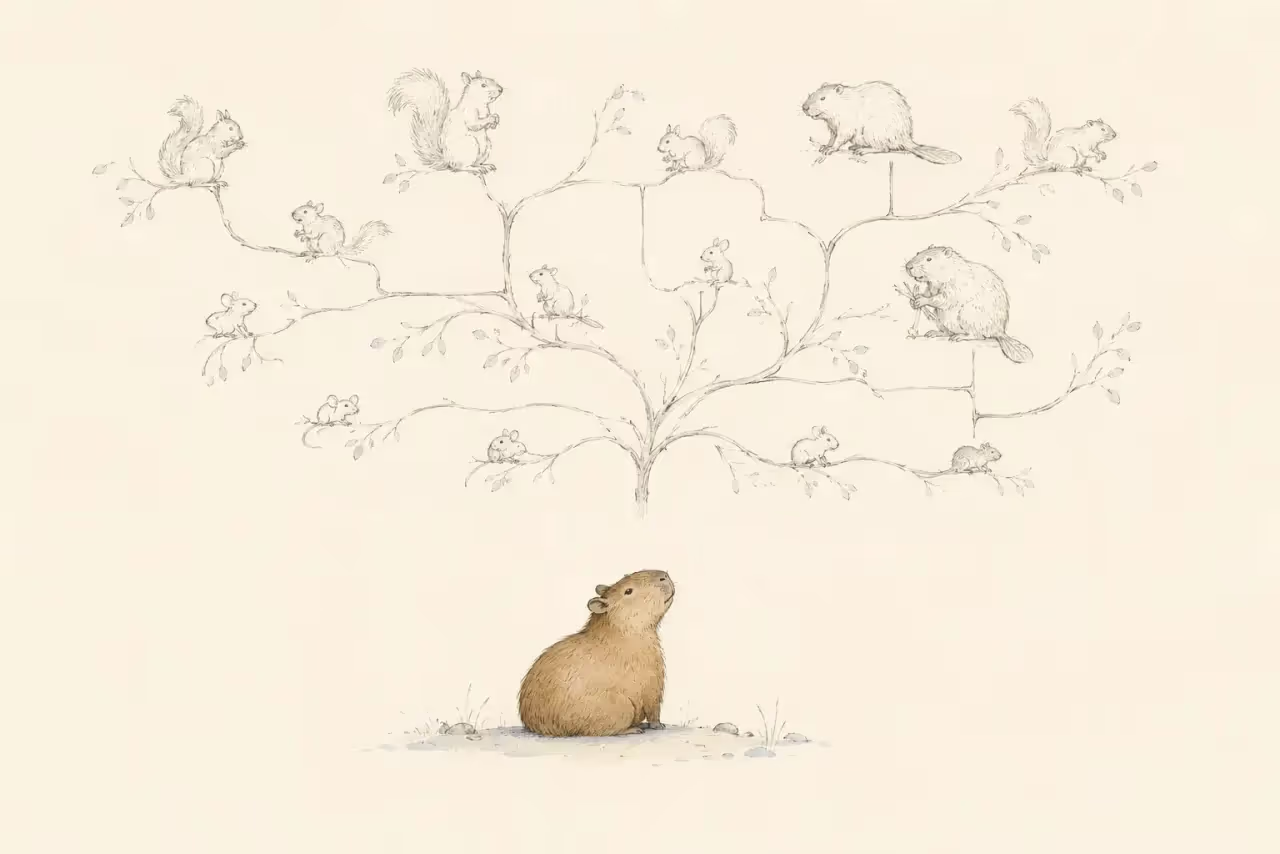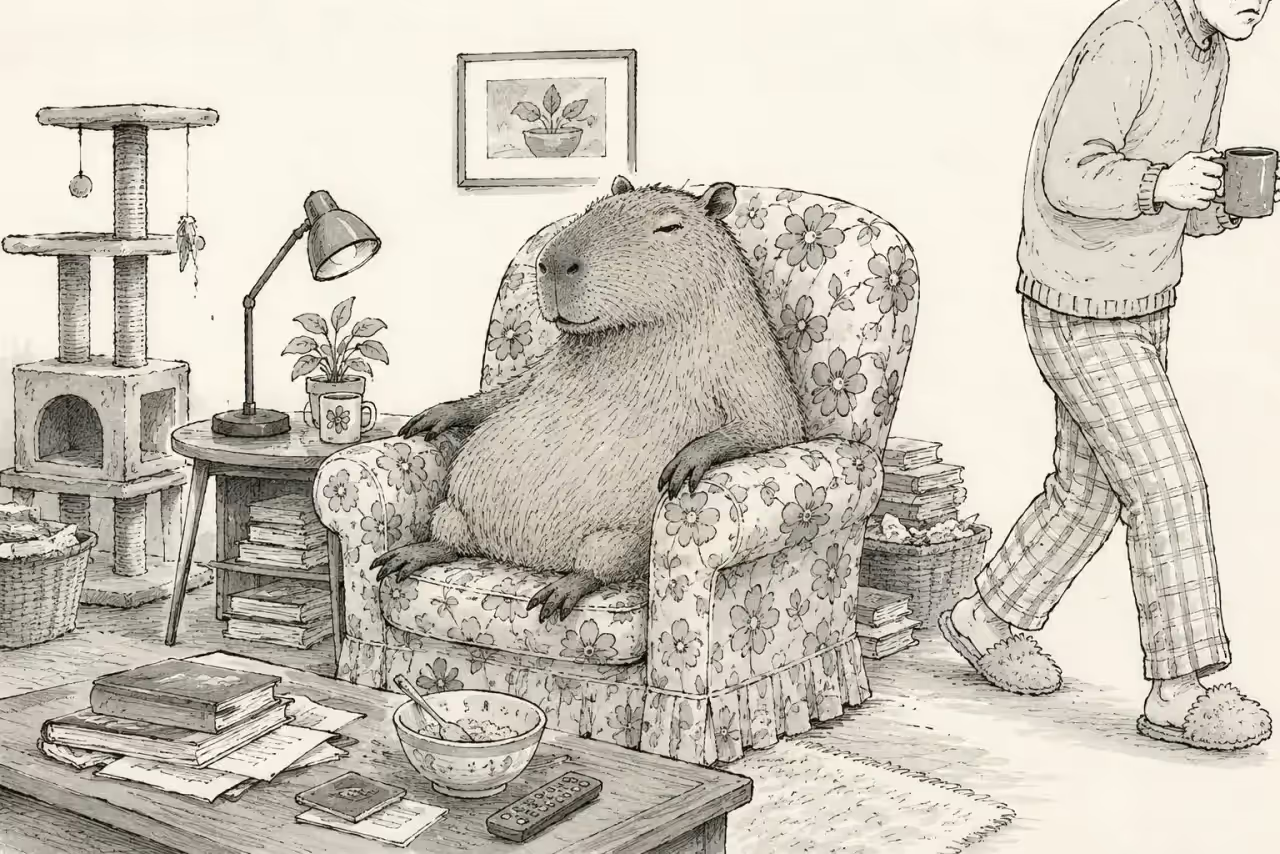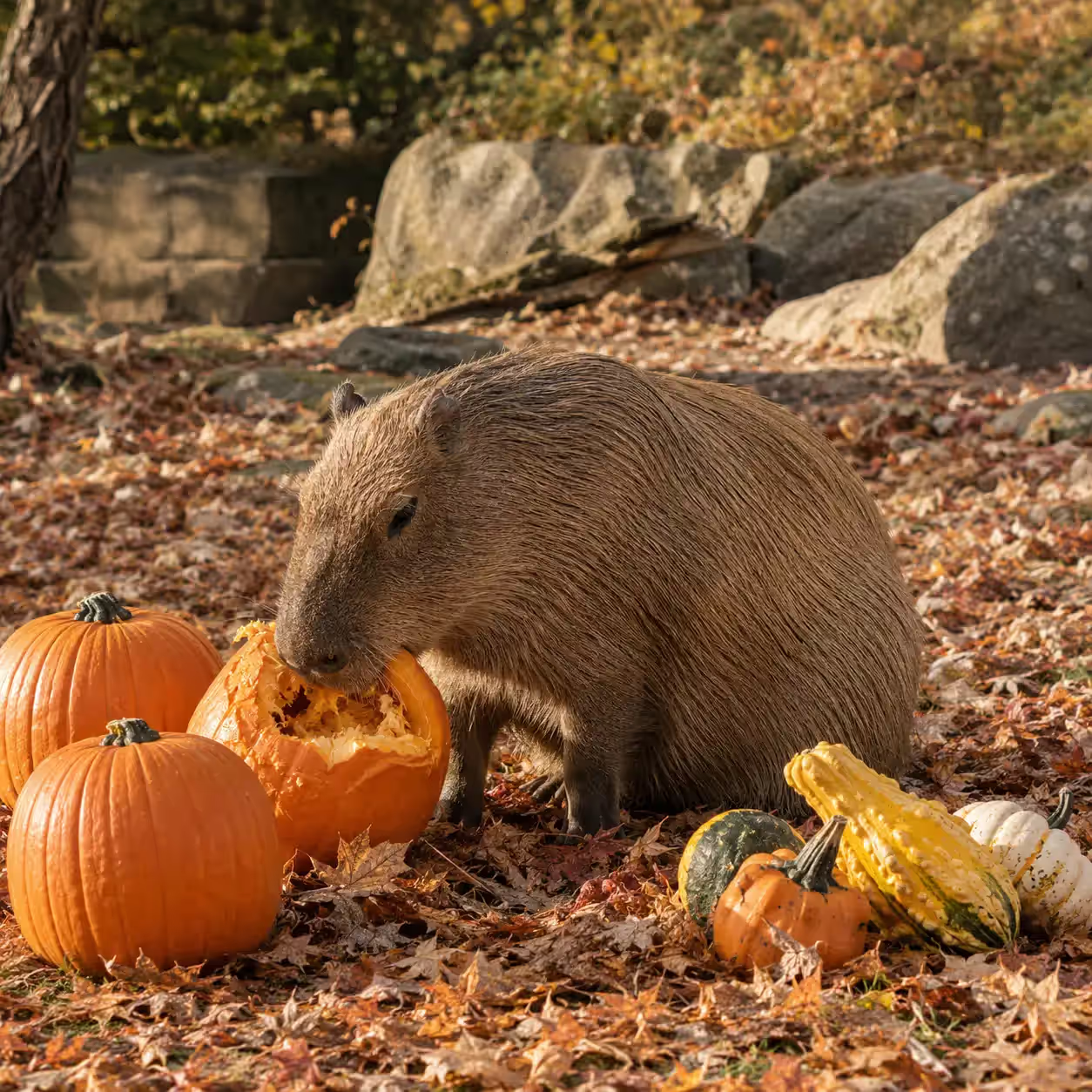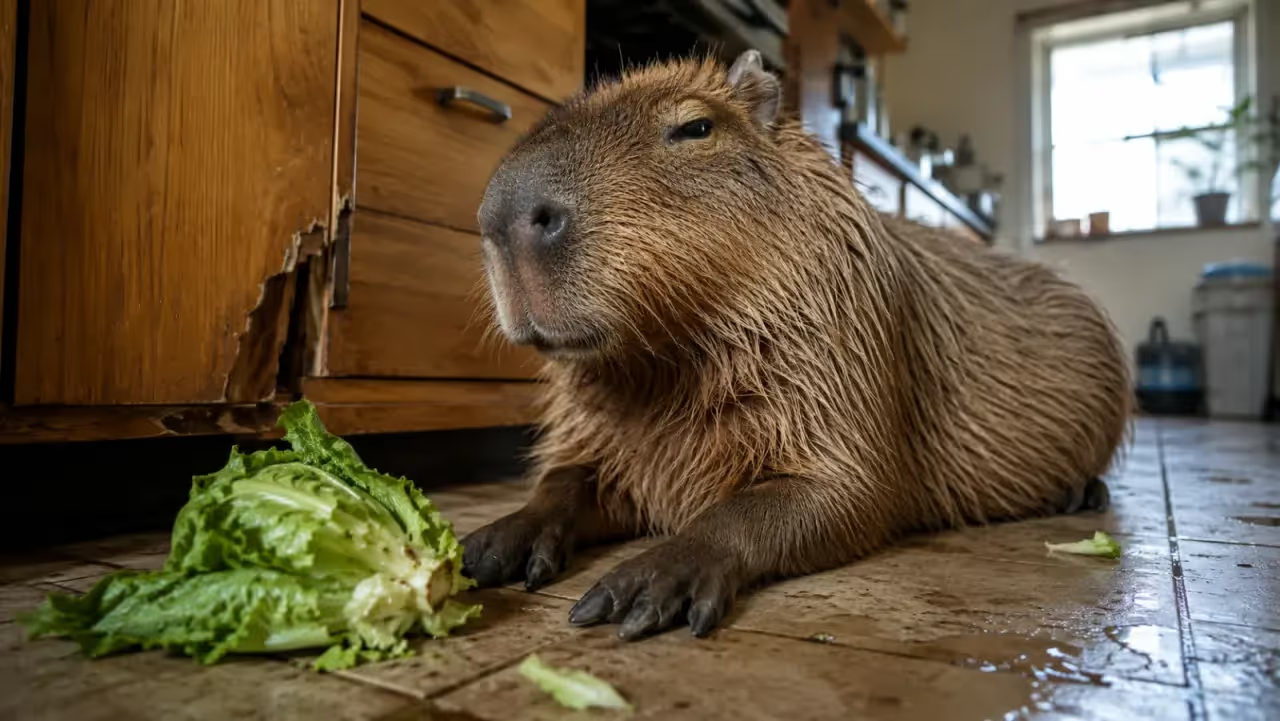
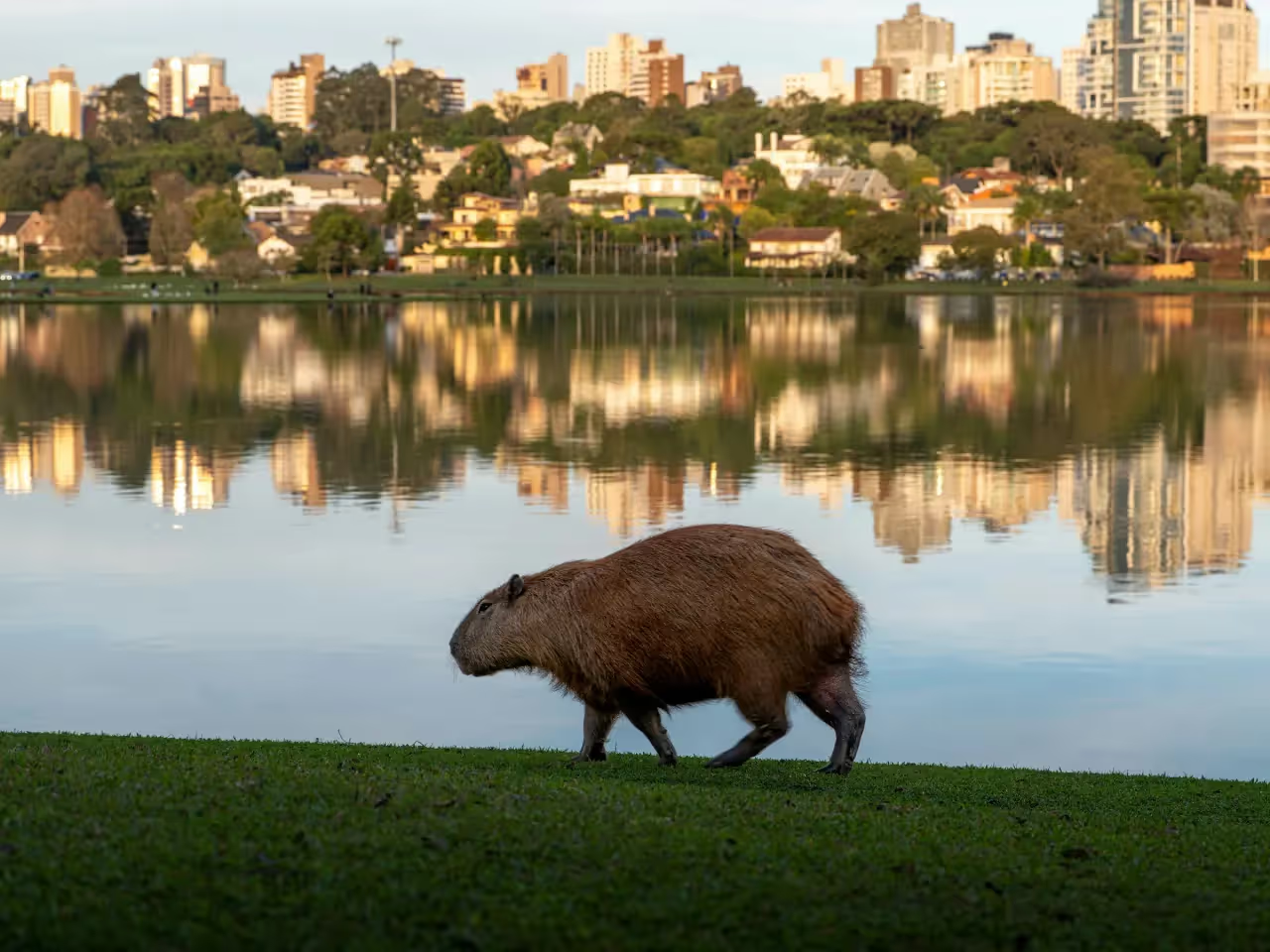
Capybaras in urban parks look like a miracle until you notice the lawn, the lake, the dogs, the traffic, and the fact that humans probably built the buffet.
The better framing is not “capybaras invaded.” It is “people built into capybara habitat, then seemed surprised when the capybaras read the landscaping plan.”
Cities Build The Buffet
Capybaras are native to South America and strongly tied to water edges. Animal Diversity Web and San Diego Zoo both describe a species built around grazing, group life, and water. Urban parks can accidentally copy the useful parts: grass, ponds, canals, shade, and open edges.
That does not make a city park ideal wildlife habitat. It makes it usable enough for a highly adaptable animal under the right conditions.
| Urban feature | Why capybaras may use it |
|---|---|
| Lawns | Easy grazing |
| Lakes and canals | Water access and cooling |
| Park edges | Movement routes and cover |
| Few predators | Lower risk in some areas |
| Human feeding | Bad incentive that changes behavior |
Why Parks, Lawns, And Lakes Attract Capybaras
A recent open-access paper, “Capybaras in the City,” looked at human-capybara coexistence in an urban area of southern Brazil. The useful lesson for fans is that urban capybaras are not a single cute anecdote. They sit inside public attitudes, disease concerns, management choices, and the way people use shared green space.
Urban capybaras can become beloved local characters. They can also become traffic risks, landscaping conflicts, dog targets, or public-health worries. The animal did not change genre. The setting did.

Dogs, Traffic, And Feeding Change The Story
The fastest way to ruin a capybara park scene is to add loose dogs, road crossings, or people feeding animals for a video. Dogs can chase or stress capybaras. Feeding can make capybaras approach humans, linger in unsafe places, or lose healthy movement patterns.
Traffic is worse because it does not care how popular the animal is. A capybara crossing a road is a large, low, unpredictable body in a system designed for speed.

What Nordelta Keeps Teaching The Internet
Nordelta, the wealthy Argentine development often discussed in capybara stories, became a symbol because the animals were native to the broader wetland region and the humans built luxury housing into altered habitat. TIME framed the story partly through climate and development; The Guardian later covered local debates around population control.
The internet loved the image of capybaras reclaiming elite lawns. Fair. But the real story is harder: land use, wetland change, public emotion, animal management, and a species that did not hire a PR team.
Coexistence Is More Than Liking Them
Liking capybaras is not a management plan. Coexistence means no feeding, dog control, signs that people actually read, safe crossings where needed, habitat corridors, public education, and professional wildlife decisions.
The city did not get capybaras by magic. It built conditions capybaras could use. Fixing the conflict means looking at the plan, not yelling at the rodent.
The Animal Behind The Headline
It helps to remember what kind of animal walks onto that lawn. The capybara is the world’s largest rodent, with adults running roughly 35 to 66 kg (about 77 to 145 lb), so a small herd grazing a median strip is a real mass of animal, not a novelty pet. They are semi-aquatic herbivores, built around grasses and aquatic plants, with semi-webbed feet for the water and continuously growing teeth that keep pace with a lifetime of chewing. San Diego Zoo Wildlife Alliance and Animal Diversity Web both describe a herd animal that is genuinely social. That last point matters for parks more than people expect. A lone capybara is usually a sign that something has gone wrong, not a tidy outcome, because solitary life is a welfare stressor for a species wired to live in groups.
So when a city park accumulates a small group near a pond, that is the animal behaving normally. The grass is the diet. The water is the cooling system and the escape route. The group is the default social setting. None of it is the capybara misreading the situation.
Sorting The Myths From The Boring Truth
Most urban capybara takes online are emotional shorthand, and shorthand drops the parts that actually decide how these situations go. A few of the common ones, with the less exciting answer next to them.
| Myth | Better answer |
|---|---|
| Capybaras “invaded” the suburbs | Development expanded into existing wetland range; the animals stayed put |
| They thrive in any city park | They use parks only when water, grazing, and low cover line up; most cities offer none of that |
| Feeding them is a kindness | It pulls them toward roads and crowds and reshapes healthy movement |
| A solo capybara is doing fine | They are herd animals, so isolation is a stress signal, not independence |
| They are basically tame near people | They are large wild grazers with continuously growing teeth and limits |
The honest opinion, since the brief asks for one: the “capybaras reclaiming rich people’s lawns” narrative is fun and almost entirely beside the point. It flatters our sense of justice and tells you nothing about whether a road needs a wildlife crossing. The interesting question was never whether capybaras belong on a manicured lawn. It is whether anyone planned for water-edge wildlife before pouring the concrete.
What Coexistence Actually Asks Of People
“Stop feeding them” is the headline, but a workable plan is duller and more specific than that. It usually comes down to a handful of unglamorous moves repeated consistently.
| Action | Why it matters |
|---|---|
| No feeding, enforced | Keeps natural foraging and distance intact |
| Dogs leashed near water edges | Removes the most common source of chase and stress |
| Speed control and crossings | Traffic ignores how popular an animal is |
| Signs people read | Behavior change beats a fence nobody respects |
| Habitat corridors kept open | Lets herds move without funneling onto roads |
The pattern under all of it is patience plus distance. Capybaras are adaptable, long-lived for a rodent, and not naturally aggressive, which is exactly why people get sloppy around them. They sit still, they tolerate a crowd, and the crowd reads tolerance as permission. The work is keeping a little boring space between the herd and the humans, so a charming park scene does not quietly graduate into a traffic report or a public meeting.