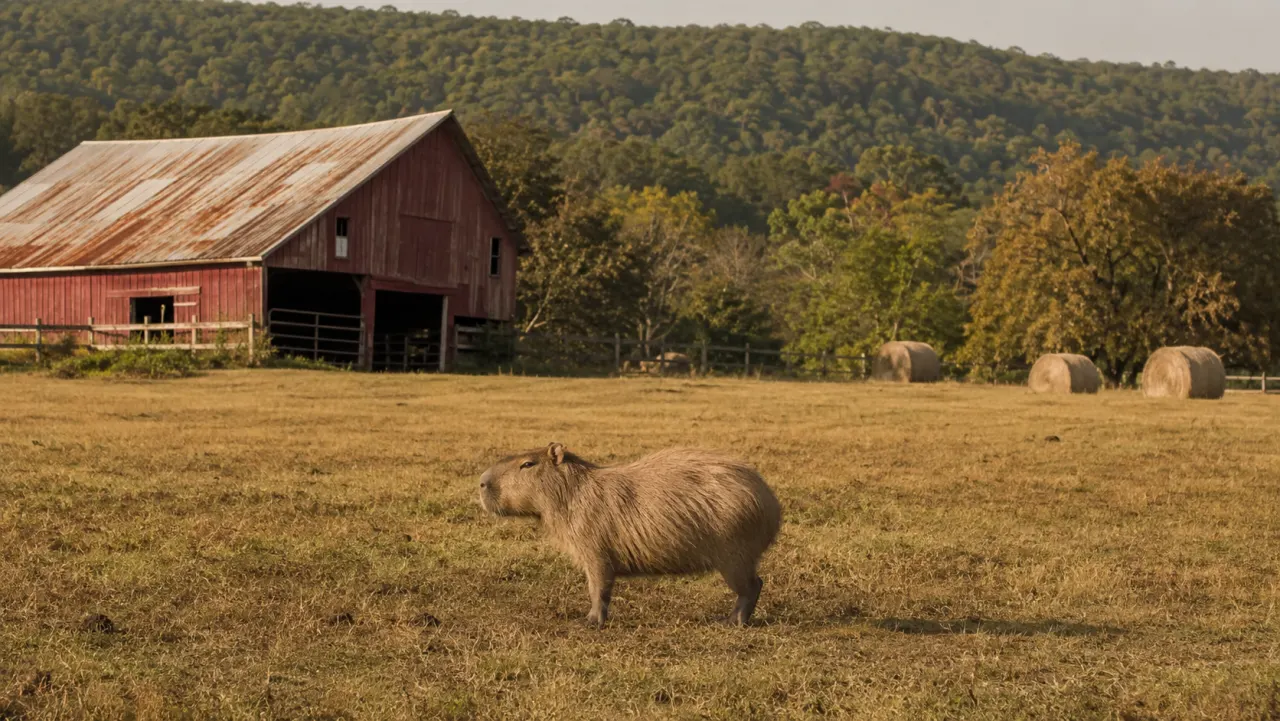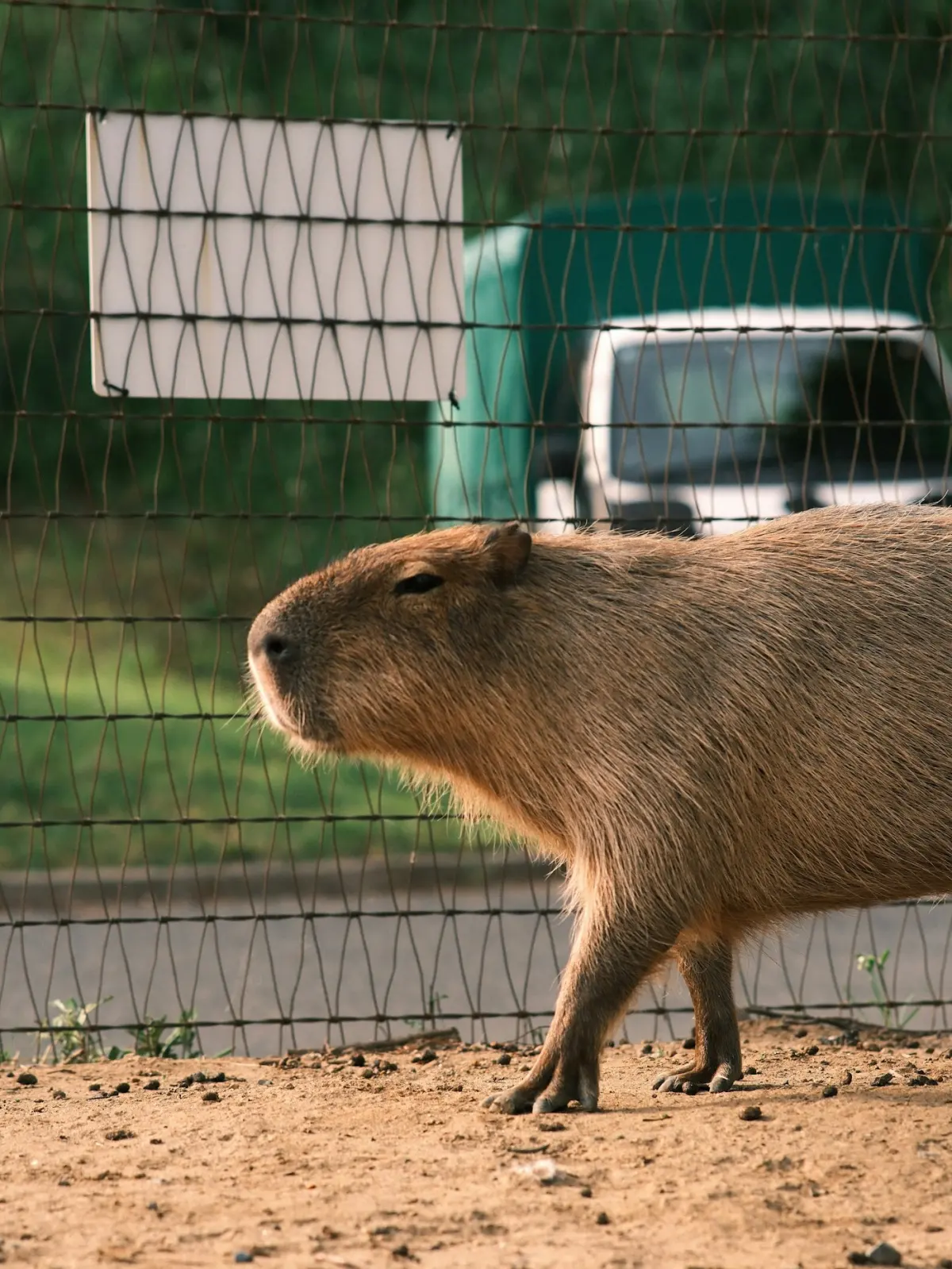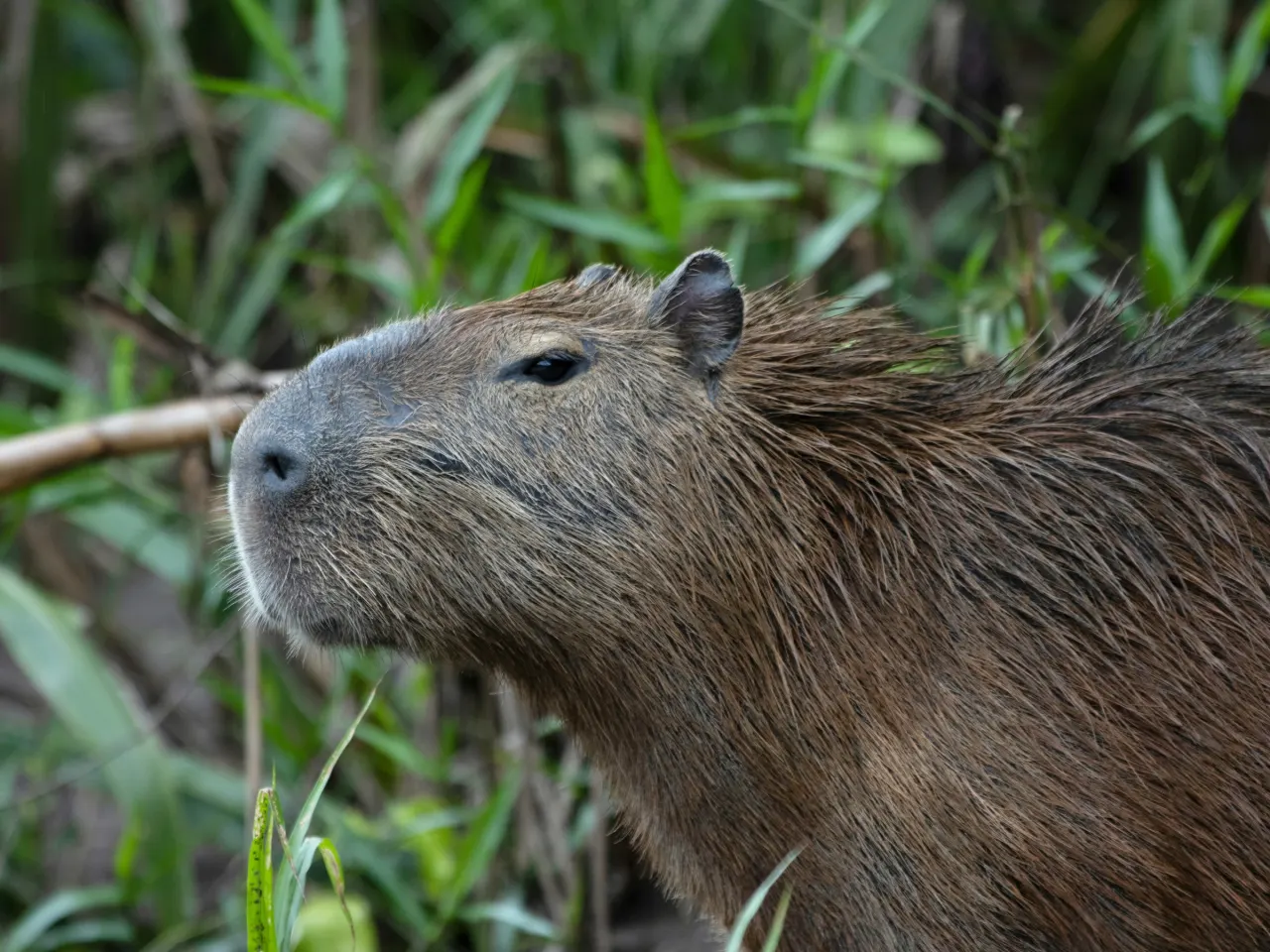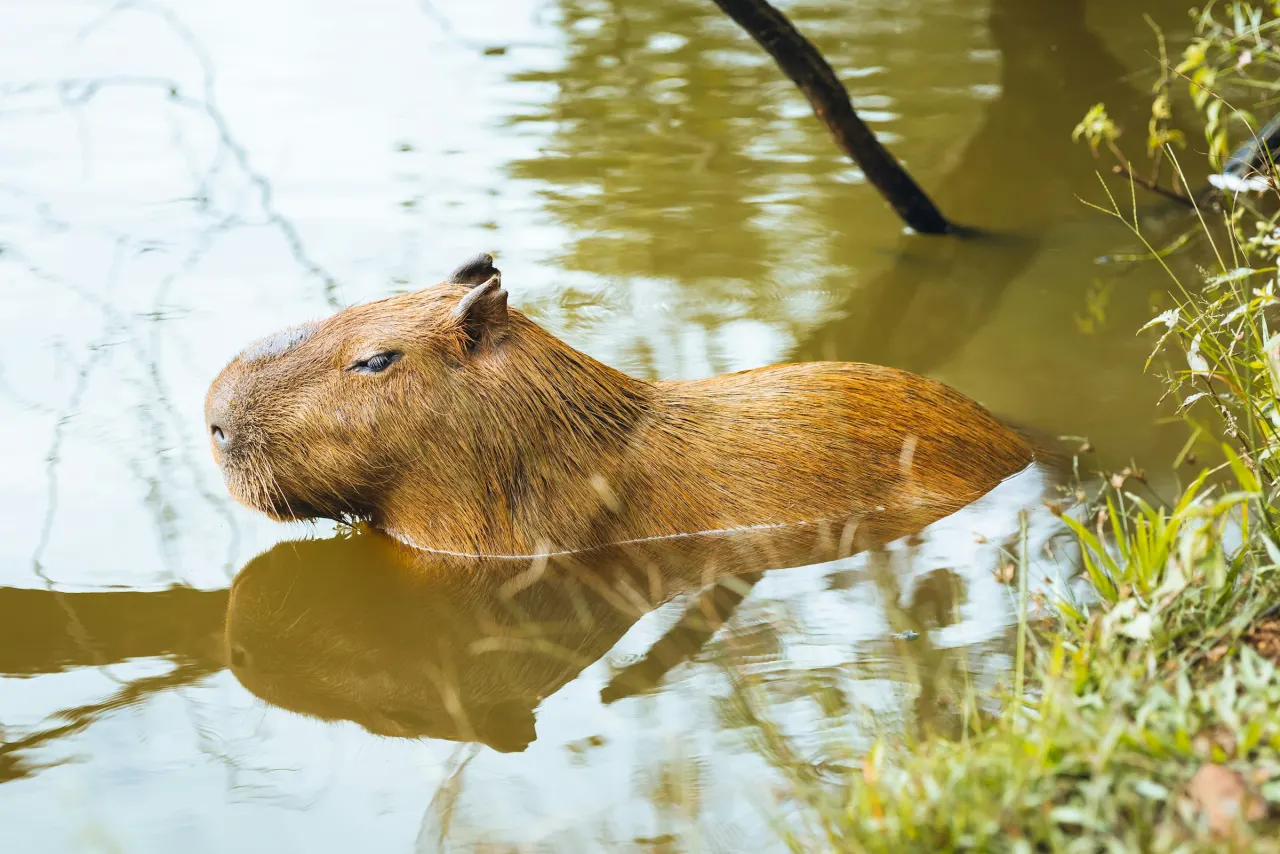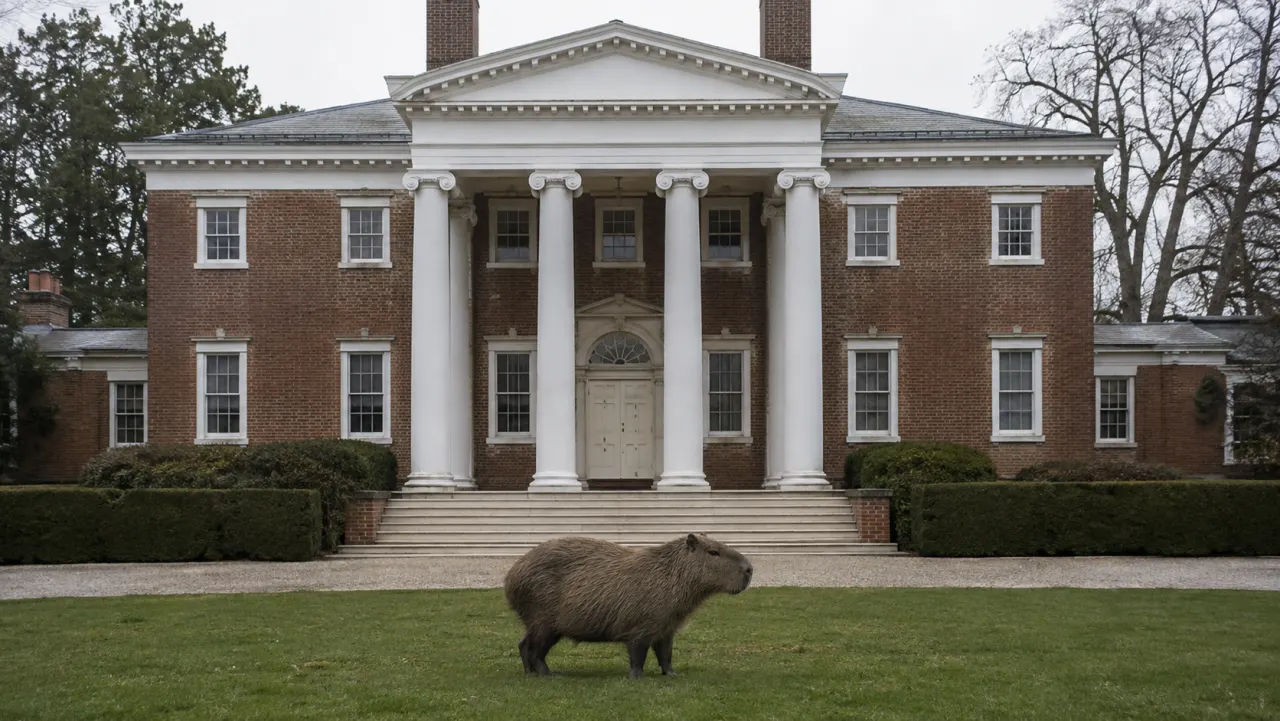
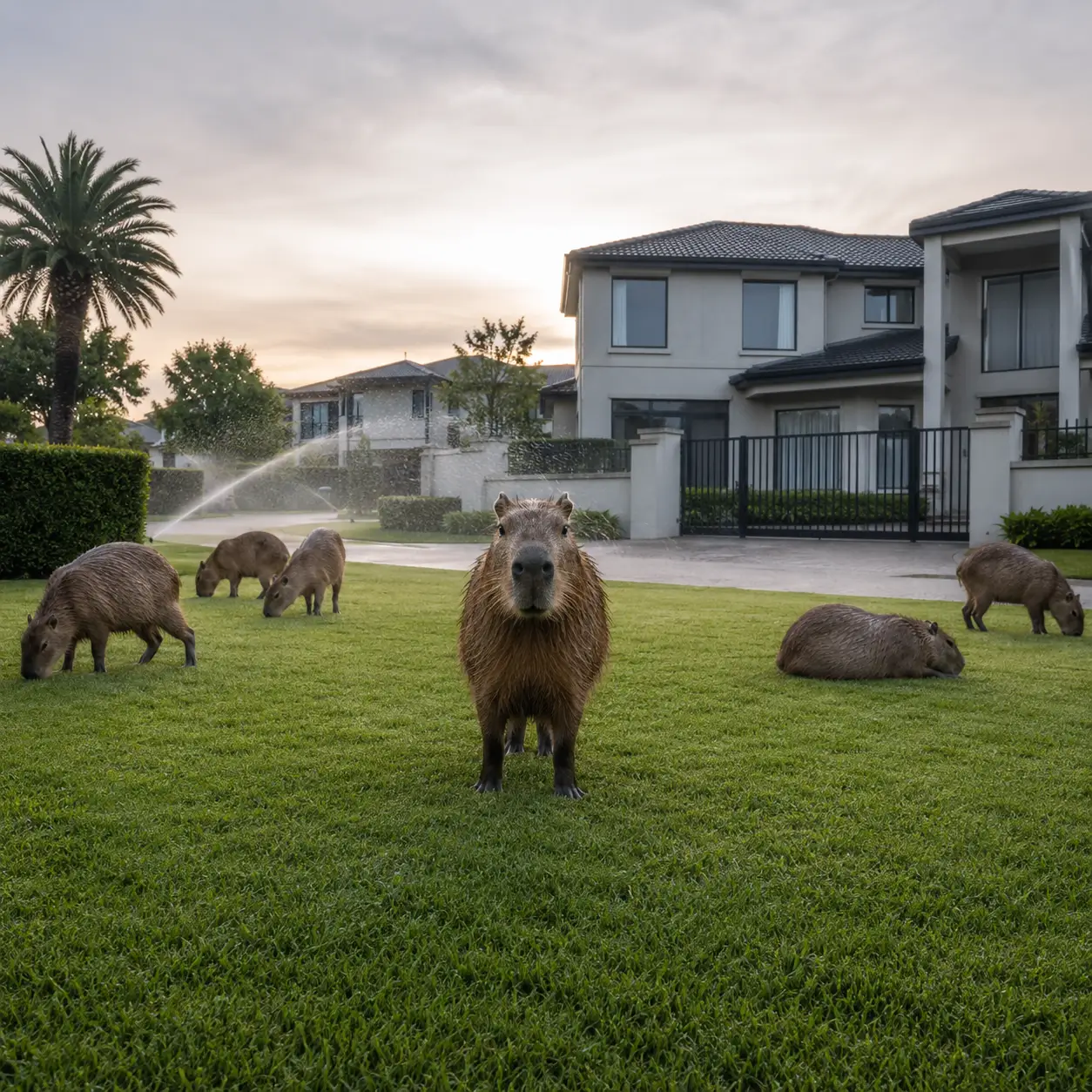
The Nordelta capybaras story is usually told as an invasion: giant rodents storm a luxury gated community north of Buenos Aires, eat lawns, annoy residents, and become internet heroes. That version is funny. It is also upside down.
The cleaner version is this: Nordelta was built in delta wetland country where carpinchos, the Argentine name for capybaras, already made ecological sense. Years later, the animals became visible enough that the development had to confront the habitat it had tried to landscape into obedience.
What Happened In Nordelta
In 2021, photos and reports from Nordelta spread internationally. Residents complained about capybaras grazing lawns, damaging gardens, causing traffic problems, leaving droppings, and clashing with pets. Media outlets picked up the contrast immediately: one of Argentina’s wealthiest gated communities, suddenly sharing space with the world’s largest living rodent.
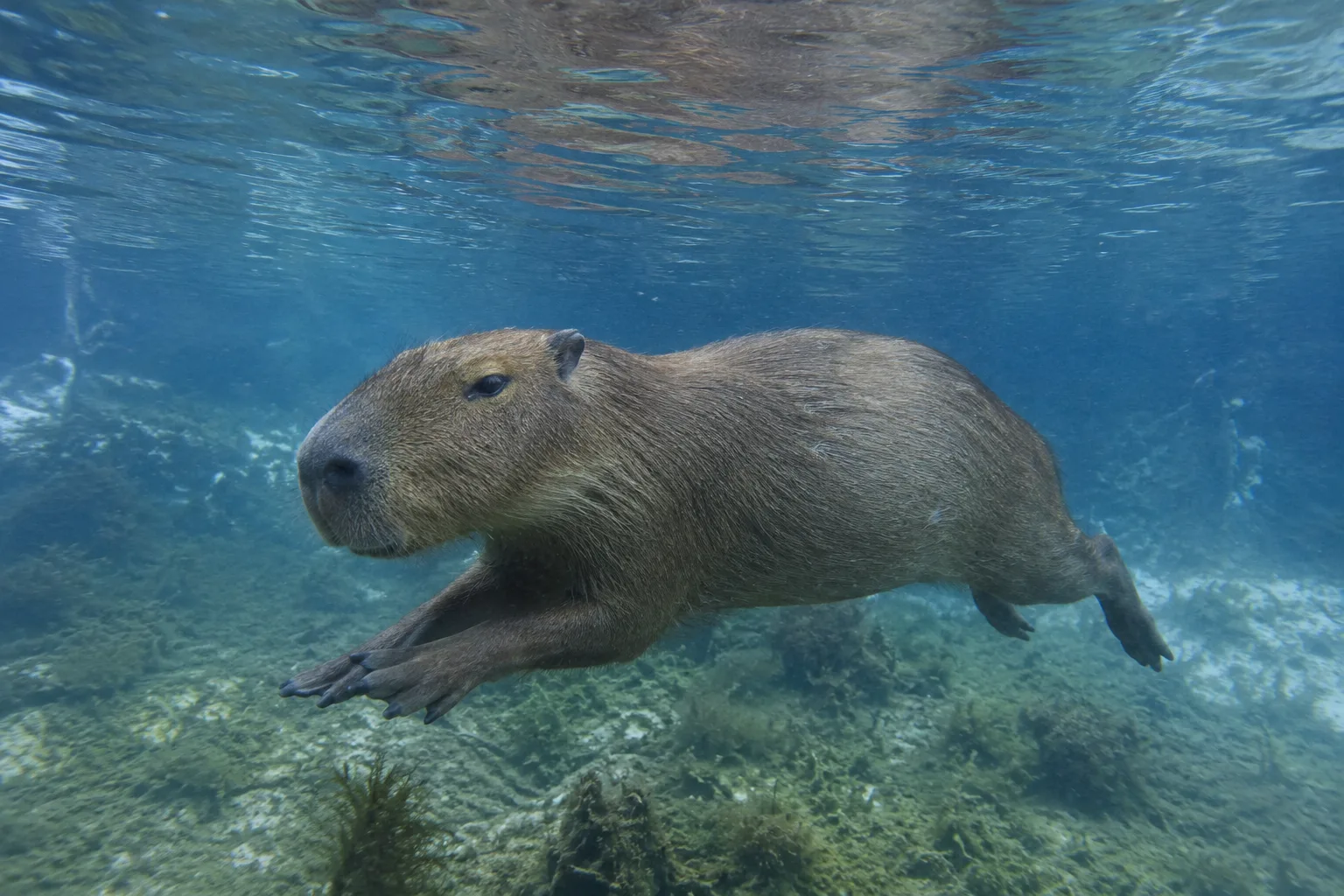
Argentina’s national environment page describes the carpincho as an amphibious herbivorous rodent, the largest living rodent, present from Panama through much of South America and as far south as Buenos Aires province. That matters because the animal was not an exotic surprise. It was local wetland biology with better timing than the homeowners’ association.
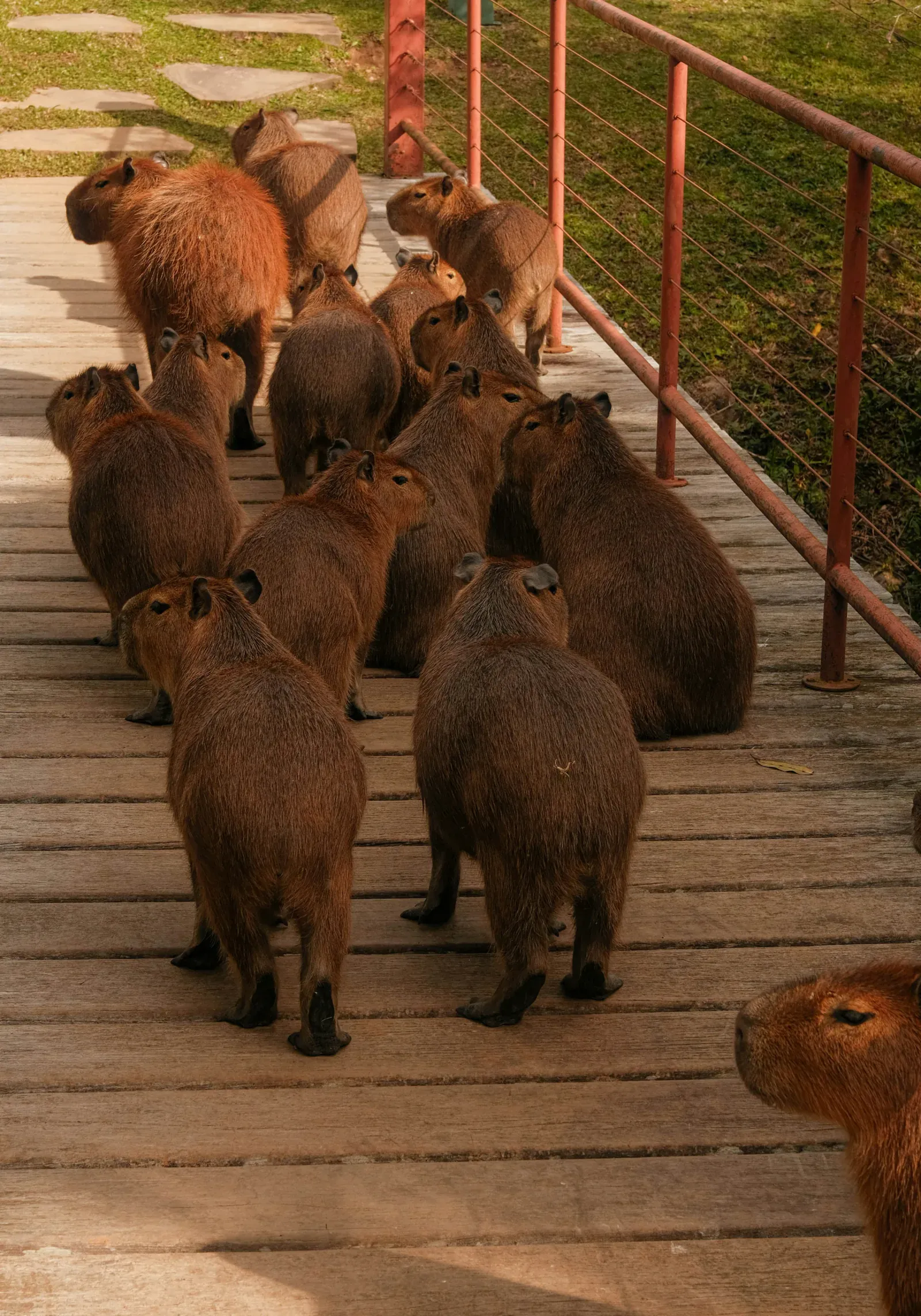
The pandemic likely made the story more visible. Reduced human movement, quieter streets, and a global appetite for animal symbolism helped turn local wildlife conflict into international theater.
Why The Capybaras Became A Class-War Meme
The meme was irresistible: calm brown animals reclaiming manicured lawns from wealthy residents. The capybaras looked like tiny revolutionaries who had skipped the manifesto and gone directly to grazing.
Smithsonian Magazine, TIME, Buenos Aires Times, and other outlets all leaned into the cultural charge. The animals were not merely animals; they became symbols. To some viewers, they represented nature returning. To others, class resentment with whiskers. To residents dealing with damaged yards and traffic risk, the joke was less charming.
| Viral frame | What it captured | What it missed |
|---|---|---|
| Capybara invasion | The sudden visibility and resident shock | Wetland habitat came first |
| Class-war mascot | The absurdity of luxury lawns meeting wildlife | The animals are not political actors |
| Cute pest story | The real property and safety conflicts | Habitat planning and coexistence are the core issue |
| Nature’s revenge | The satisfying moral arc | Real management still requires boring work |
The funniest version is not always the truest. It is just the one that gets shared before breakfast.
The Real Conflict Was Never Just The Lawns
A lawn is the visible surface. The deeper conflict is habitat conversion, roads, pets, feeding behavior, reproduction, public health, and public expectations. Capybaras are social, water-dependent grazers. Put water features, grass, quiet edges, and low predator pressure into a place they can reach, and the animals may read it as opportunity.
The 2025 Guardian coverage of contraception plans in the Buenos Aires suburb showed the conflict had not vanished after the meme cycle. Population management, sterilization, contraceptives, biological corridors, and protected areas all entered the argument. Once a wildlife conflict reaches that point, “just remove them” and “just let them be” both become too small.

There is also a health layer. Capybaras can host ticks in parts of South America, and close human-wildlife contact is not just a cute-photo issue. Argentina’s national materials note disease and parasite pressures can affect capybara populations. That is not a reason to demonize them. It is a reason to manage space with actual seriousness.
Where It Stands Now: The Numbers In The Developer’s Own Study
The story did not end with the 2021 memes, and the 2026 paperwork is more interesting than the memes were.
Nordelta submitted a Cumulative Environmental Impact Study (EIAA) seeking to lift a court injunction that has halted new urbanisation phases. The expansion it wants would take the community from roughly 40,000 to 84,000 residents. Three numbers from that filing are worth holding onto, because they come from the developer’s own consultants rather than from campaigners:
| Figure | Value | What it means |
|---|---|---|
| Ecosystem State Index | 0.24 | The site retains about 24% of its original wetland ecological capacity |
| Capybaras recorded, 2021 | 266 | The year of the viral “capybara invasion” coverage |
| Capybaras recorded, 2025 | 803 | Roughly a threefold rise in four years |
The injunction itself came from Civil and Commercial Court No. 13 of San Isidro and was upheld on appeal by the San Martín Court of Appeal, blocking new urban expansion under the environmental prevention principle.
Read together, those numbers say something the meme never did. The capybara population did not surge because capybaras suddenly discovered lawns. It rose on a site that has already lost roughly three quarters of its wetland function — which is to say the animals are concentrating into what is left, not multiplying into abundance. A rising count on a degraded site is a symptom, not a success.
What Coexistence Would Actually Mean
Coexistence is not “let capybaras eat the golf course forever.” It is also not “erase the animal because the lawn was expensive.” It is design, maintenance, public rules, and monitoring.
| Need | Practical version |
|---|---|
| Habitat corridors | Keep connected wetland edges so animals are not forced through roads and yards |
| Road safety | Signage, speed control, fencing where appropriate, and crossing planning |
| No feeding | Stop humans from teaching wildlife to approach people |
| Pet control | Leashes, barriers, and education around capybara groups |
| Population monitoring | Count animals, track health, and use science-led decisions |
| Waste and landscape management | Reduce attractants and protect sensitive areas |
The capybaras are not villains for finding edible grass and water. The development is not going to disappear because a meme account got moral clarity. The work lives in the dull middle, where city planners, residents, ecologists, veterinarians, and wildlife managers do something less glamorous than arguing with a rodent online.
Who The Confused Party Actually Is
The Nordelta capybaras were never just an animal oddity. They were a land-use story with a better mascot than most land-use stories get. Call it an invasion if you want the meme. Call it wetland memory if you want the lesson.
For capybara fans, the useful takeaway is not “capybaras overthrow luxury communities.” It is that capybaras belong to water-edge landscapes, and those landscapes keep mattering after humans drain, grade, gate, and market them.
The grumpy line: if you build a suburb in wetland country and then act surprised when wetland animals read the brochure, the capybara is not the confused party.