You’re at a San Telmo stall. The wallet is gorgeous: soft, slightly rough-grained, with a texture that’s hard to place. The label says “cuero de carpincho.” The vendor says it’s a traditional Argentine leather.
All of that is true. Carpincho is capybara. The animal that broke the internet by hanging out in hot springs with oranges is also a regulated leather trade species in Argentina. That tension is the whole article.
What “Cuero de Carpincho” Actually Means (Yes, It’s Capybara. That Capybara.)
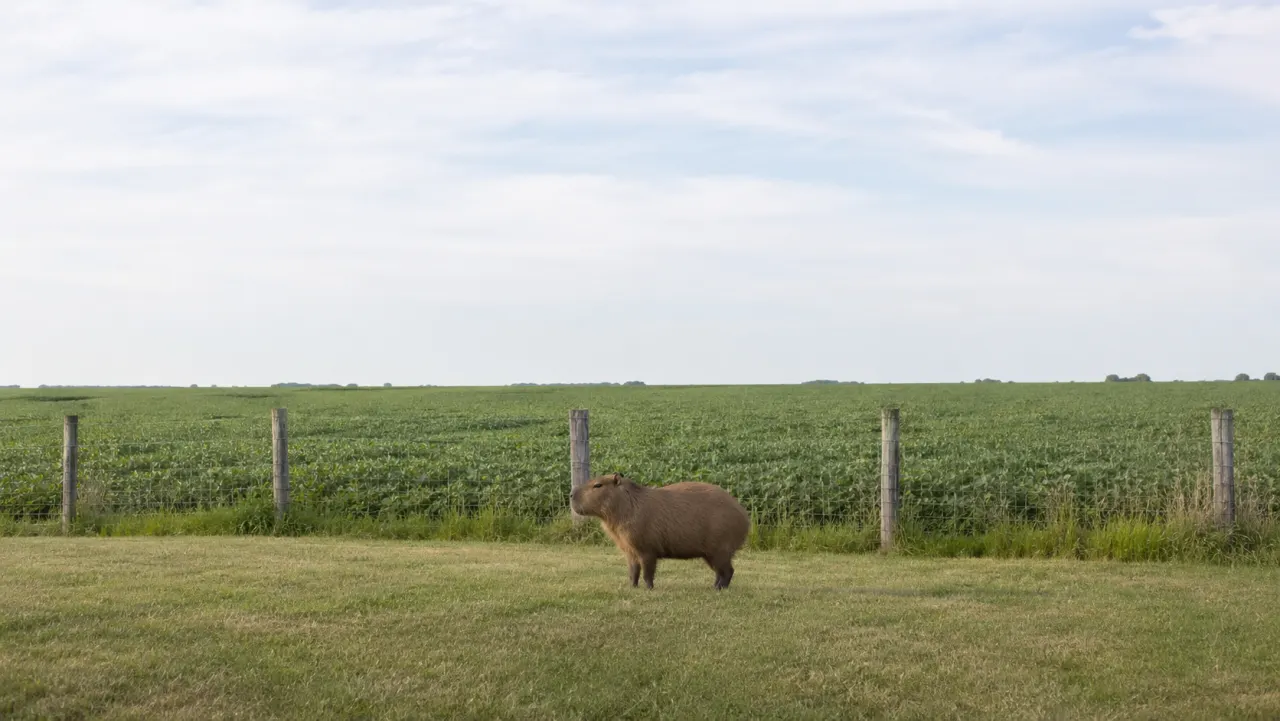
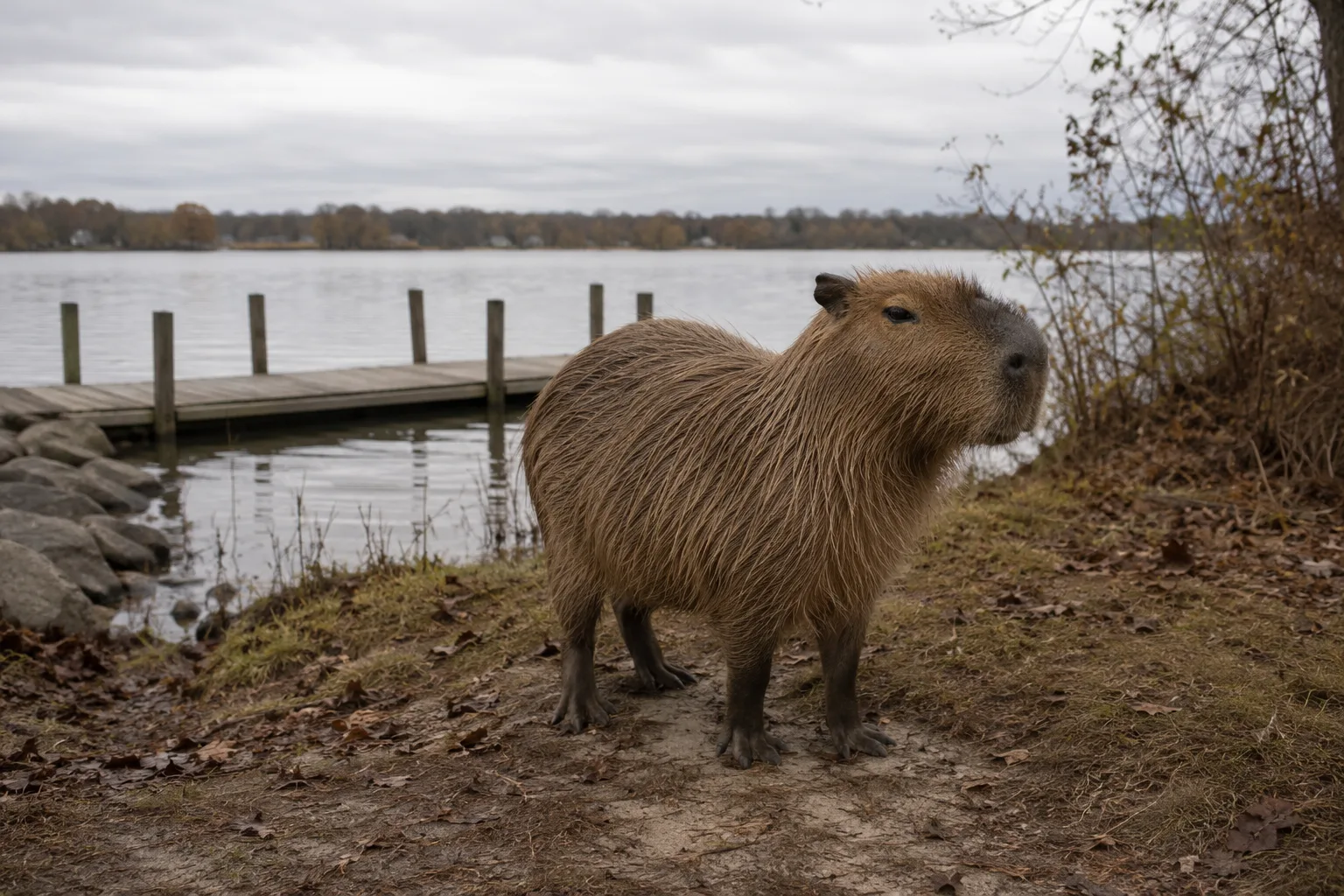
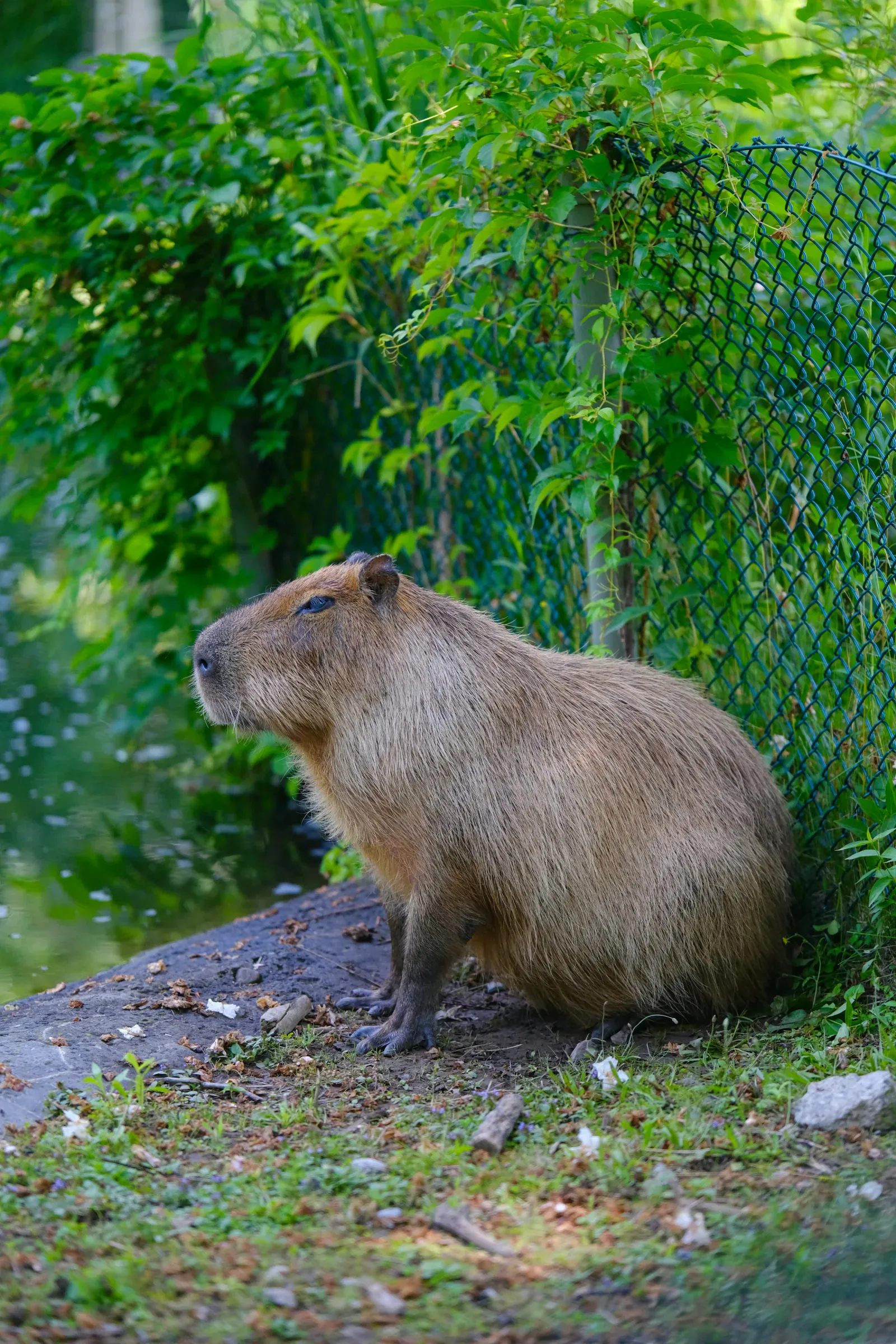
Carpincho is the Argentine Spanish name for the capybara (Hydrochoerus hydrochaeris), the world’s largest rodent. The names are interchangeable, though the naming history has some nuance worth knowing. “Cuero de carpincho” on a price tag means capybara hide.
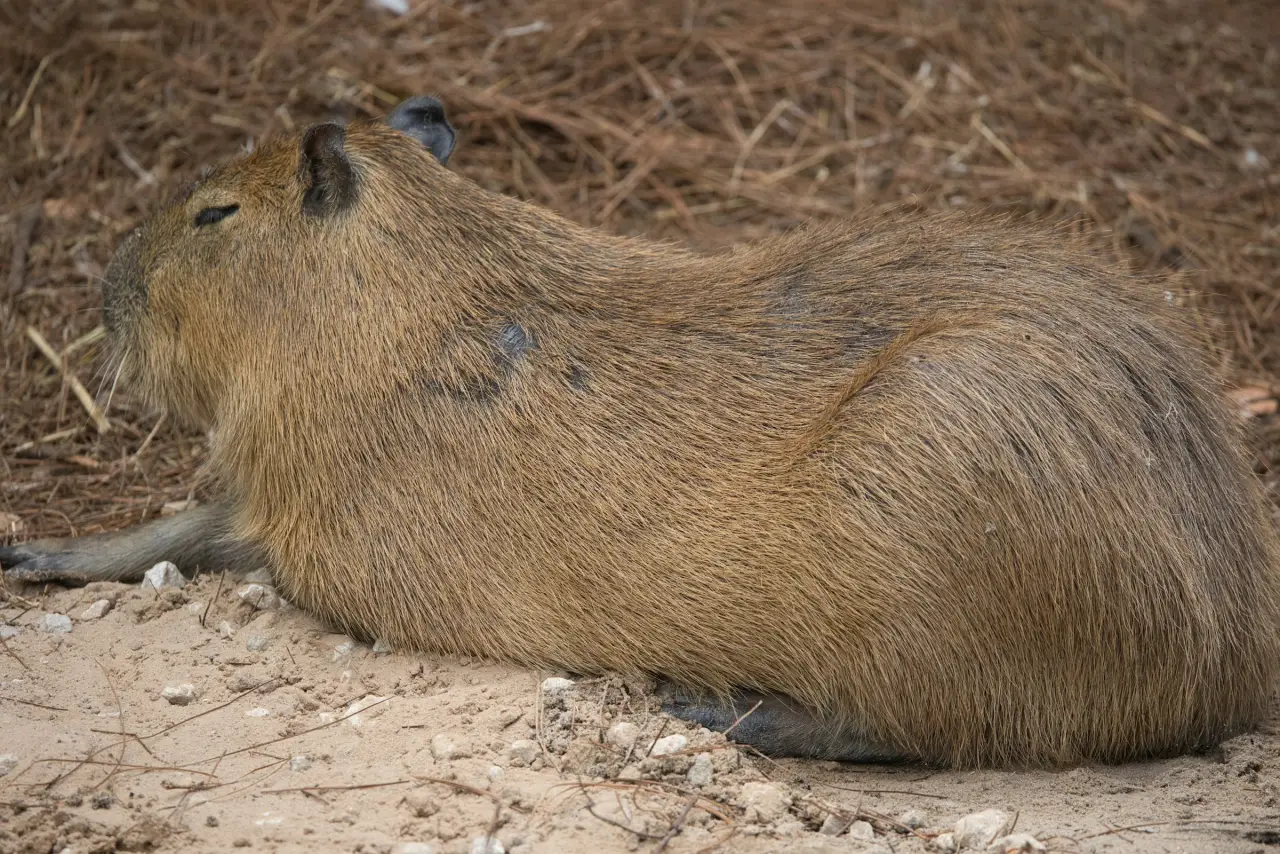
The hide is valued for a specific combination of properties: it’s notably soft, comparable to quality deerskin or fine lambskin, but has a distinctive coarse grain with visible pore structure that comes from the animal’s sparse, bristle-like coat. Adult capybaras reach 77–145 lb according to the San Diego Zoo Wildlife Alliance, and that size means the hides are large and workable. The leather also has natural water resistance, which matters for the equestrian gloves that made carpincho leather famous in the first place.
Argentine polo culture has used carpincho gloves for generations. The soft grip and moisture resistance made them the preferred choice on the estancia long before capybaras became a meme. Gaucho gear (belts, sword-holder straps called rastras, wallets, boot uppers) has used the hide for similar reasons. The souvenir market around San Telmo is a later chapter of a much older story.
Why This Industry Exists and Why It’s Not What You’d Expect
Legal, regulated, and not new. Argentina manages carpincho hunting at the provincial level. Each province with significant capybara populations sets its own quotas and seasons. The main provinces involved are Entre Ríos, Corrientes, and Chaco, all in the Paraná basin floodplain region where capybara populations are dense. Argentina’s Secretaría de Ambiente y Desarrollo Sustentable oversees the broader wildlife management framework.
This isn’t a loophole. Capybaras thrive in Argentina’s wetland ecosystems, and regulated harvest is part of how population pressure is managed in agricultural regions where the animals compete with livestock for grazing. The hide trade follows from that. It’s a real industry with legal supply chains, not a back-channel operation.
The IUCN Red List classifies Hydrochoerus hydrochaeris as Least Concern, with a population described as large and stable. That classification matters here because it’s the baseline that makes regulated provincial hunting a defensible policy. If the population were under pressure, the calculus would be different.
Where to Buy in Buenos Aires (and Which Spots Are Worth Your Time)
Most tourists encounter carpincho leather at three types of locations.
San Telmo is the densest source, both inside the Mercado de San Telmo and on the surrounding street stalls. Quality varies enormously. The market stalls range from mass-produced tourist items (thin, sometimes mislabeled) to small-batch artisan pieces that are excellent. Prices here tend to be negotiable and lower than boutiques.
Palermo Soho has higher-end leather boutiques where carpincho gloves and wallets are sold alongside other Argentine hides. These shops usually have cleaner presentation and are more likely to be able to tell you the province of origin. You’ll pay more, but the items are generally better constructed.
Florida Street and the surrounding downtown area has cuero shops selling traditional gaucho gear, including carpincho-heavy items like rastras and driving gloves. The presentation is less polished but the provenance is often more straightforward. These shops have been selling to local ranchers and riders, not just tourists.
Airport duty-free shops also carry carpincho items, usually wallets and small leather goods, priced for convenience rather than value.
Rough price guide (as of mid-2026, priced in USD):
| Item | Low end | Quality range | High end |
|---|---|---|---|
| Basic wallet | ~$30 | $50–80 | $100+ |
| Driving / polo gloves | ~$60 | $80–130 | $150+ |
| Belt or rastra | ~$50 | $70–120 | $180+ |
| Bag or boot | ~$120 | $180–300 | $400+ |
Can You Actually Bring It Home? What CITES Does (and Doesn’t) Cover
Carpincho leather is not covered by CITES. The Convention on International Trade in Endangered Species lists Hydrochoerus hydrochaeris in neither Appendix I nor Appendix II. That means international trade in carpincho hides is not regulated at the treaty level. No CITES permits, no documentation requirements, no treaty-based restrictions on importing a wallet or pair of gloves.
That said, CITES is not the only thing standing between your purchase and your home country.
A practical country-by-country check:
| Question | Answer |
|---|---|
| What animal is it? | Hydrochoerus hydrochaeris — the capybara, world’s largest rodent |
| Is hunting legal in Argentina? | Yes, regulated at provincial level (Entre Ríos, Corrientes, Chaco, others) |
| CITES protected? | No — not listed in Appendix I or II |
| IUCN status | Least Concern |
| Can I bring it to the US? | Generally yes for personal use; verify with USFWS before travel |
| Can I bring it to the EU? | Check EU wildlife trade regulations for exotic leather goods |
| Can I bring it to Australia? | Australian biosecurity rules are strict; declare it and check DAFF rules |
| Typical price range | $30–150 USD for wallets and gloves; $200+ for bags and boots |
The US situation: for personal-use items from a non-CITES, non-endangered species, import is generally allowed. The USFWS Importing Wildlife and Plants page is the right place to confirm current rules before you travel. Guidelines do shift.
Australia is the strictest case. Any animal product entering Australia needs to be declared, and biosecurity officers have discretion. A leather wallet may pass; it may be inspected; it may be held. If you’re Australian and planning to buy carpincho gear, check the Department of Agriculture, Fisheries and Forestry rules before you commit to a large purchase.
One practical note: ask the vendor for any documentation they have on the product’s origin. Province of manufacture, tannery certificate, or supplier paperwork all count. Legitimate vendors selling higher-end goods often have some. It won’t be required at most borders, but it removes ambiguity if you’re asked.
This reflects rules as of June 2026. Import regulations change. Treat this as a starting point, not legal advice. Verify with your country’s wildlife import agency before you travel.

Real vs. Fake: How to Not Pay Carpincho Prices for Something That Isn’t
The main risk in tourist zones isn’t illegality. It’s paying carpincho prices for something that isn’t carpincho.
Real carpincho leather has a specific feel and look. The grain is coarse and open-pored, almost like a very fine natural sponge texture. Despite that rough surface, the leather is soft. Not stiff. The coloration is often slightly mottled, because the hides come from large animals whose coat wasn’t uniform. When you press it, it should yield gently without creaking.
What doesn’t match: very uniform grain pattern (suggests embossed artificial leather), stiff hand feel, or suspiciously low price for a large item. A carpincho wallet that’s priced at $8 USD is not carpincho.
A common misconception is worth naming directly here:
| Myth | Better answer |
|---|---|
| ”Carpincho leather must be illegal — capybaras are wild animals.” | Capybaras are IUCN Least Concern, not CITES-listed. Argentina has a legal regulated hide trade. Buying from a legitimate vendor is legal. |
| ”All Buenos Aires carpincho leather is authentic.” | No. Tourist zone stalls sometimes label cheaper hides as carpincho. The texture test and provenance question help filter. |
| ”I need CITES documentation to bring it home.” | Not for carpincho. CITES covers Appendix I and II species. Capybaras aren’t listed. Individual country rules still apply. |
If you’re spending more than about $80, ask whether the vendor has any documentation. Not because it’s legally required, but because a vendor who can produce some paperwork is more likely to know what they’re actually selling.
The Uncomfortable Thing Nobody in San Telmo Will Say
Here’s the thing nobody in the San Telmo stall will say out loud: the animal whose hide is on that wallet is the same one that broke the internet by sitting in a hot spring with a tangerine on its head and getting groomed by every other species that wandered past.
That’s a real tension, and I’m not going to paper over it.
The practical facts are clear: carpincho leather is legal in Argentina, legal to import in most countries, made from a non-threatened species, and part of a legitimate traditional industry that predates the meme era by generations. If you apply the same framework you’d use for leather from deer, bison, or kangaroo (regulated legal harvest, non-threatened species), carpincho passes. Nobody is sneaking animals out of a national park.
Whether that framework is one you use is up to you. Some people apply it fine. Some people Googled “carpincho” on the bus home from San Telmo and had a complicated fifteen minutes with their group chat. Both are valid responses to buying a wallet.
If it helps to see the animal alive before making up your mind, Argentina has wild capybaras in accessible places. They’re not hard to find in the Paraná basin provinces where most of the hide trade operates, which is its own kind of fact to sit with.
If you’re going to buy: buy from a vendor who can tell you something about where it came from, pay for the quality version, and you’ll end up with something that’ll last. Carpincho leather wears exceptionally well. The wallet might outlast the meme.
That’s usually where the real decision starts.