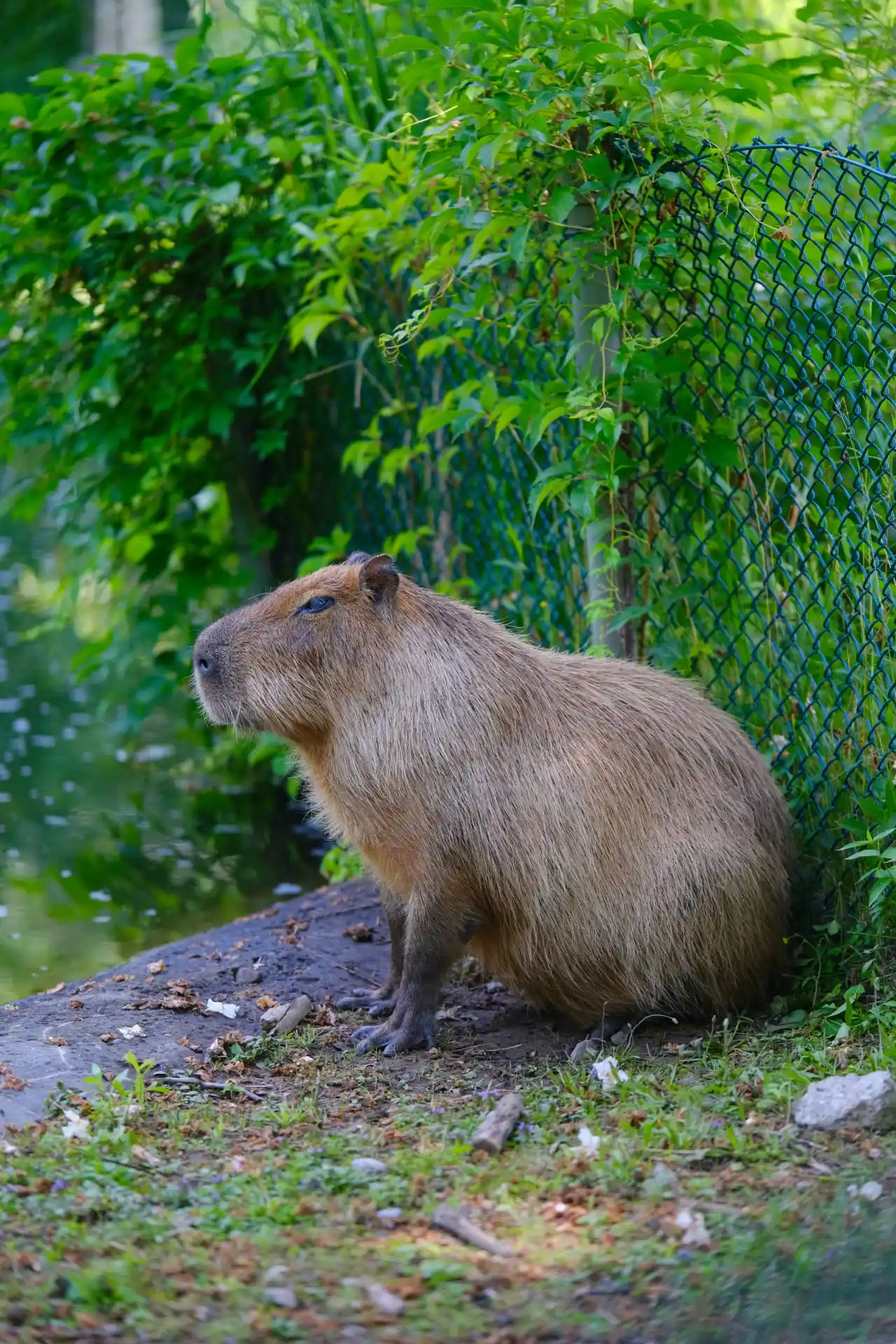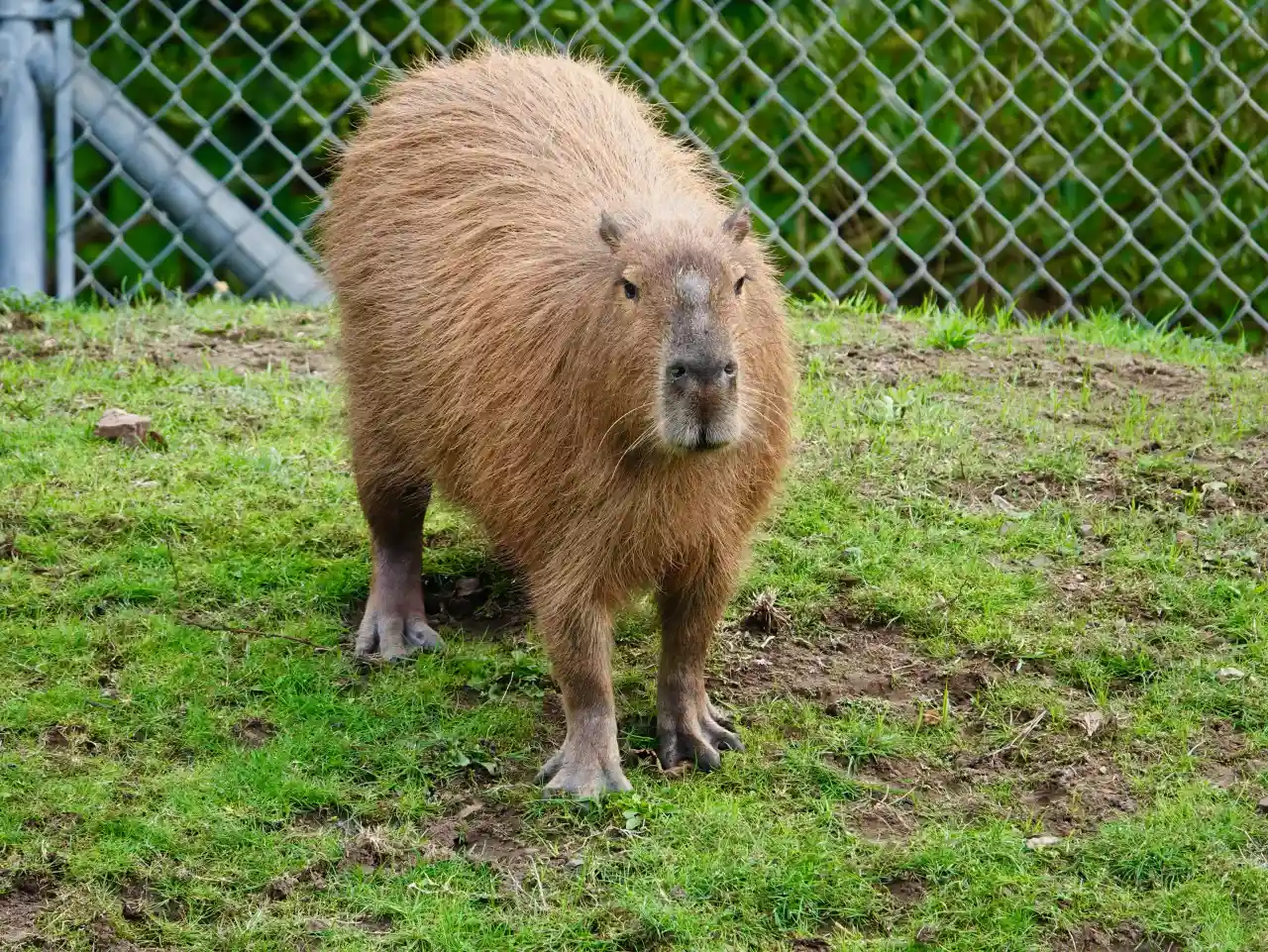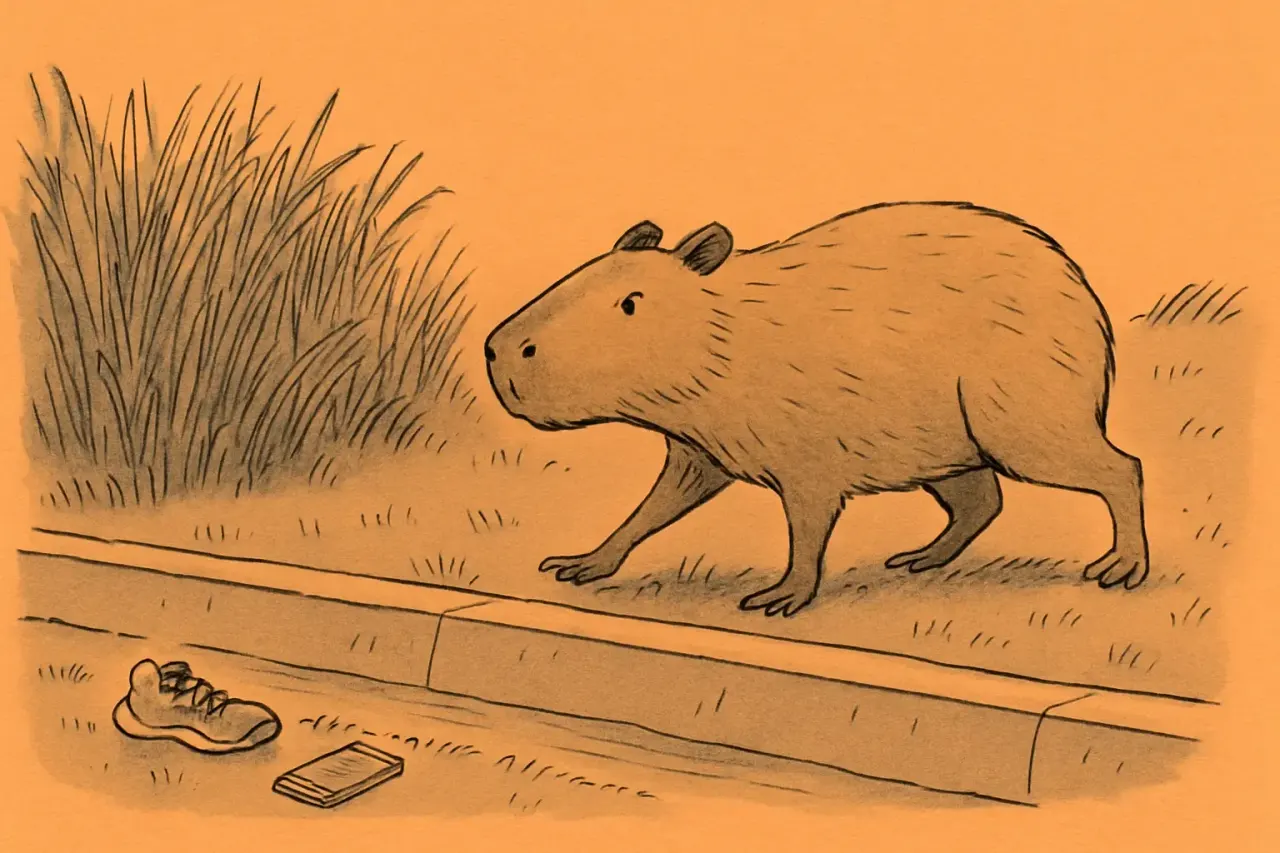
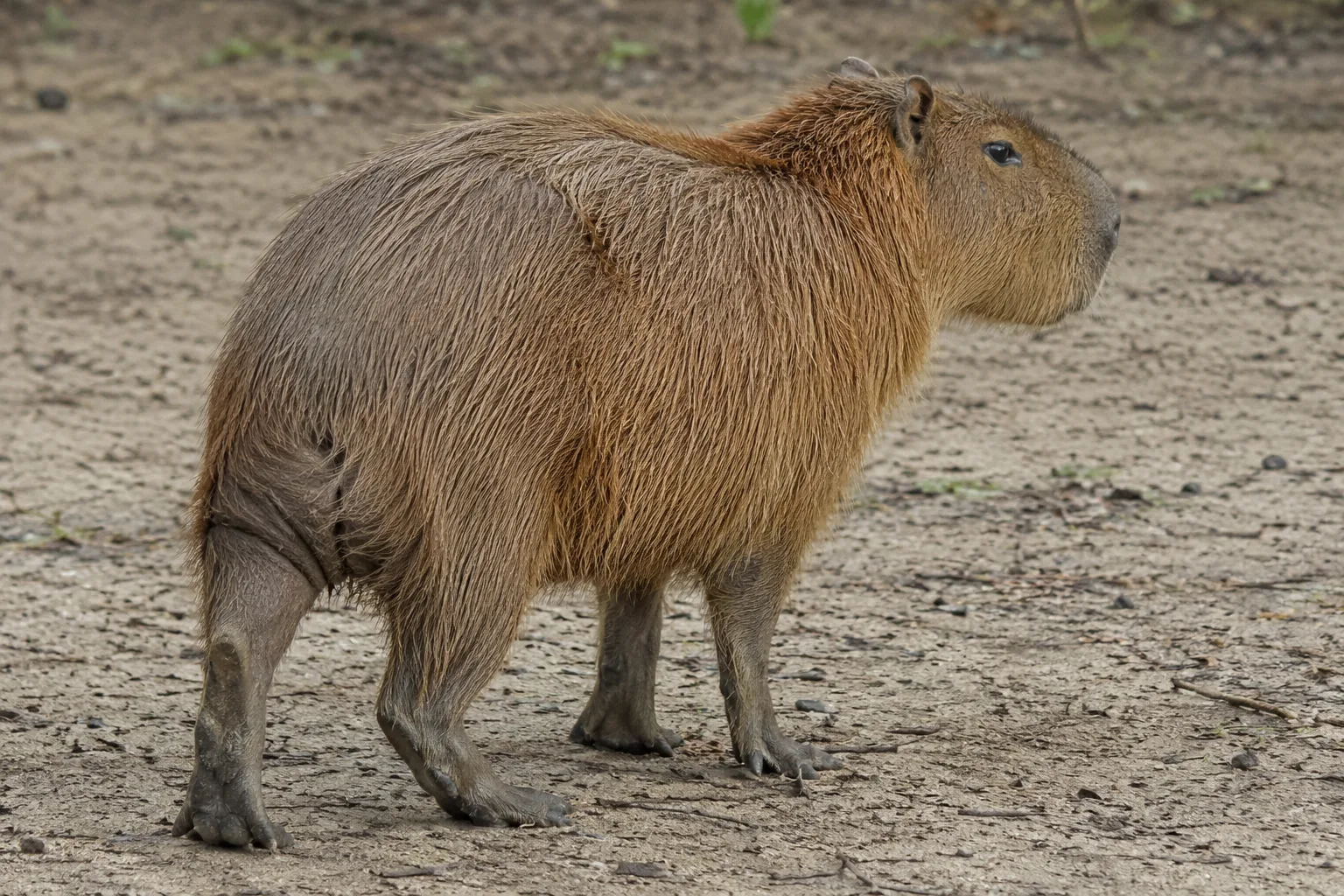
Do capybaras bite? Yes. They are usually calm, but “usually calm” is not the same as “please place fingers near the large rodent.”
A capybara may bite if stressed, cornered, startled, mishandled, guarding space, competing over food, or pushed past its tolerance. Their incisors are real rodent equipment. The vibe is gentle. The dental equipment is not.
Can Capybaras Bite Humans?
Yes, capybaras can bite humans. This does not mean they are secretly villains. It means they are animals, and animals have thresholds.
San Diego Zoo Wildlife Alliance describes capybaras as rodents with ever-growing front teeth used for grazing grasses and water plants. Adult capybaras can weigh 60 to 174 pounds. Put those two facts together before treating one like a couch cushion with whiskers.
Why A Capybara Might Bite
Most bites are not random. They are usually the late stage of a situation humans misread earlier. Crowding, reaching, feeding outside rules, touching a resting animal, blocking a path to water, getting between group members, or grabbing for a selfie can all raise pressure.
Animal Diversity Web notes that capybaras live in groups with dominance relationships and use warning calls. A bite may be defensive, social, or food-related. It may also be the capybara’s final edit on your behavior.
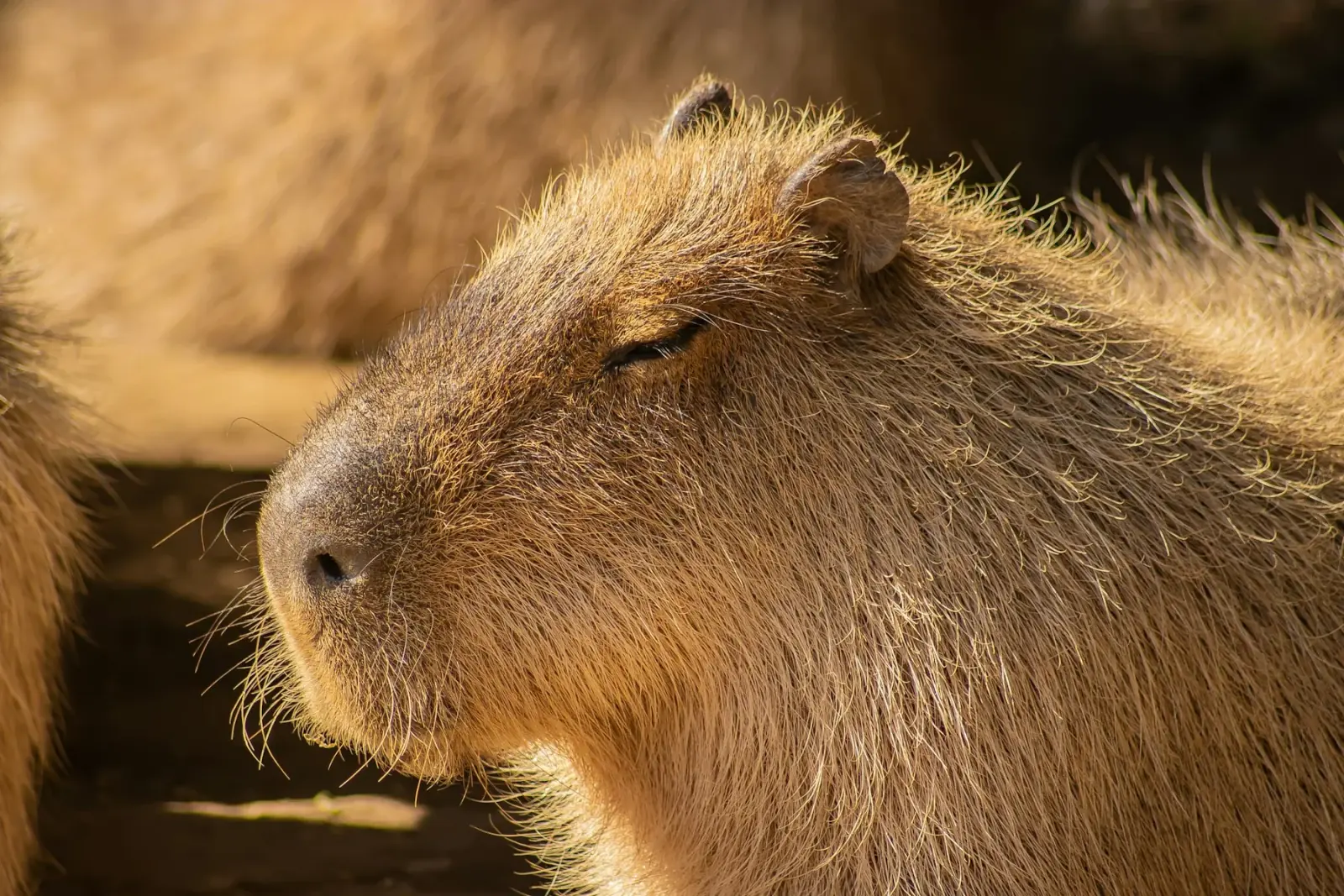
Warning Signs Before A Bite
Think of bite risk as a timeline, not a jump scare.
| Stage | What you may see | What to do |
|---|---|---|
| Low concern | Head raises, ears angle, animal pauses | Stop advancing |
| Distance request | Turns away, walks off, bunches with group | Let it leave |
| Warning | Sharp bark, stiff posture, tooth display | Back up now |
| Escalation | Lunge, chase, nip, bite | Get out of space and alert staff |
The exact signs vary by animal and setting. That is why staff instructions matter. A keeper who knows the individual can read a shift long before a visitor sees anything beyond “still cute.”
How Big Are Those Teeth?
Capybara incisors grow continuously, like other rodent incisors. San Diego Zoo Wildlife Alliance calls them long, sharp front teeth used for grazing grass and water plants. Those teeth are hypsodont, meaning they keep erupting throughout the animal’s life, which is the whole reason a capybara can spend its days shearing tough grasses and aquatic plants without wearing its mouth down to nothing. The same equipment that mows a wetland does not soften up just because a hand showed up.
There is also a scale problem people forget. The capybara is the world’s largest rodent. Adults run roughly 35 to 66 kilograms, about 77 to 145 pounds, which is dog-sized to small-human-sized depending on the individual. A bite from an animal that size is not a guinea pig nip with the volume turned up. The AZA Capybara Care Manual treats handling and enclosure design as genuine safety concerns precisely because the species is large, strong, and equipped.
The internet has done a magnificent job making capybaras look like the animal kingdom’s therapist. It has done a worse job reminding people that the therapist has chisels in its face.
What Actually Makes A Bite Serious
Not every contact is a wound, and a capybara that wants you gone has cheaper options first, like leaving. But when a bite does land, two things make it more than a scratch: the size of the incisors and the force behind a 100-pound grazer’s jaw. Puncture wounds from any animal carry infection risk because the teeth push surface bacteria deep, where it is hard to clean out. That is general bite-care logic, not capybara-specific drama. We are not a clinic, so the only honest line here is the boring one: treat any real bite as a medical event, not a story for later.
Here is the opinion part, since the brief asked for one. The dangerous animal in most capybara-bite stories is not the rodent. It is the person who read “friend-shaped” online and decided the warning signs were optional. Capybaras telegraph discomfort early and clearly. Bites are usually the receipt for ignoring three or four earlier signals.
Myths Worth Correcting
A lot of the bite confusion comes from good vibes meeting bad assumptions. A quick correction table:
| Myth | Better answer |
|---|---|
| Capybaras are basically tame | They are wild prey animals with social boundaries, even when raised around people |
| A calm capybara is a safe-to-grab capybara | Stillness is not consent; a relaxed animal can flip to defensive fast if cornered |
| They only bite if provoked on purpose | Most bites follow accidental crowding, feeding, or blocking, not malice |
| Their teeth are like a guinea pig’s, just bigger | Same family, very different scale; these incisors handle tough wetland plants |
| Petting-zoo access means hands-on is fine | Approved viewing rarely means grab-and-hold; follow the specific rules of the place |
The thread running through all of these is the same: capybaras are social herd animals, not solo couch pets. Animal Diversity Web describes them living in groups with dominance order and vocal warnings. An animal wired for herd politics has opinions about space, and it expresses them before it ever opens its mouth.
How To Stay Respectfully Unbitten
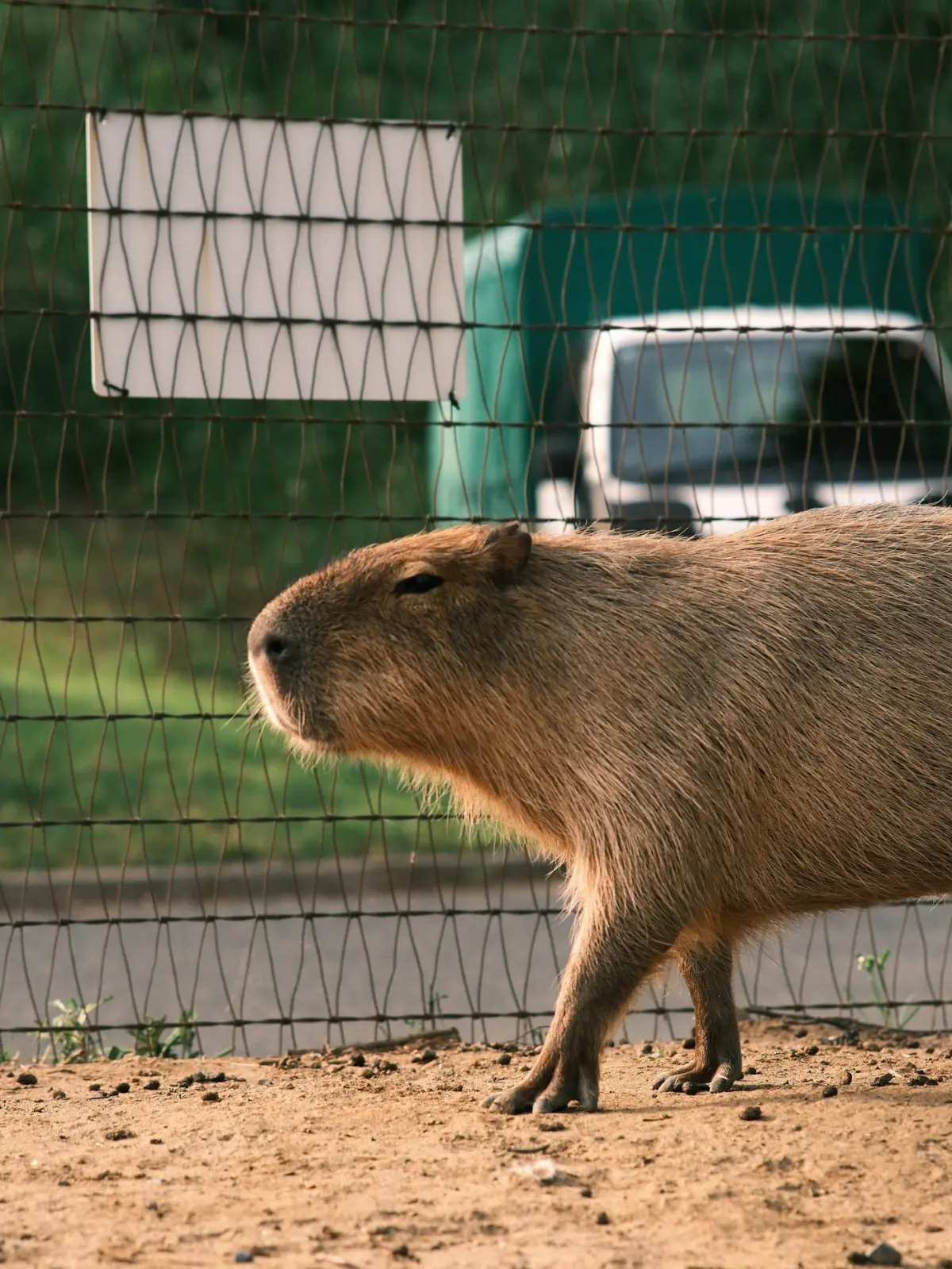
The plan is not complicated. Respect barriers. Do not feed unless staff explicitly provide food. Do not touch unless the encounter is supervised and the rules allow it. Do not corner the animal. Do not pick it up. Do not block water access. Do not interpret stillness as permission.
If you are in a paid encounter, sit where told and let the animal choose distance. If you are at a zoo, look with your eyes like civilization briefly worked.
If a bite happens, treat it seriously. Wash the wound, alert staff, and seek medical care. Then, once the adult part is handled, ask what human choice made the situation possible. The capybara probably submitted its notes earlier. We just hate reading notes.