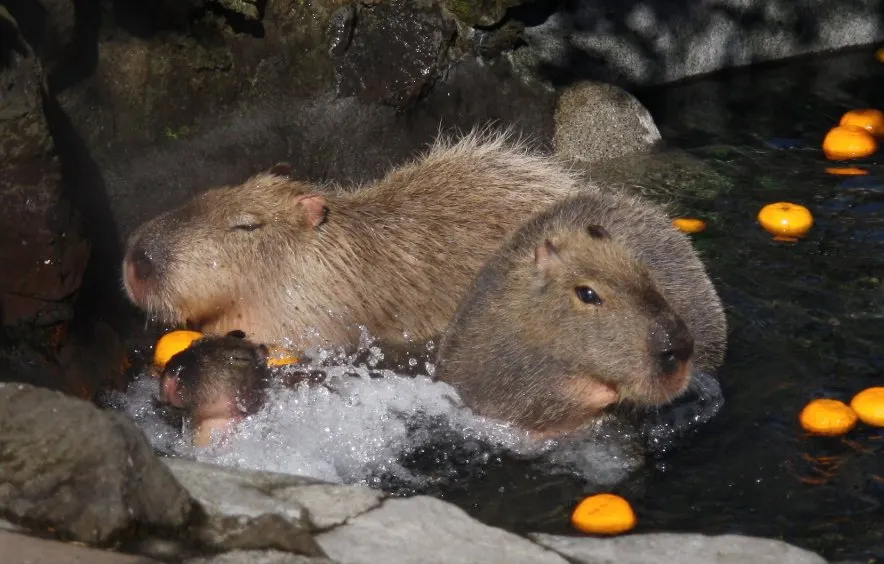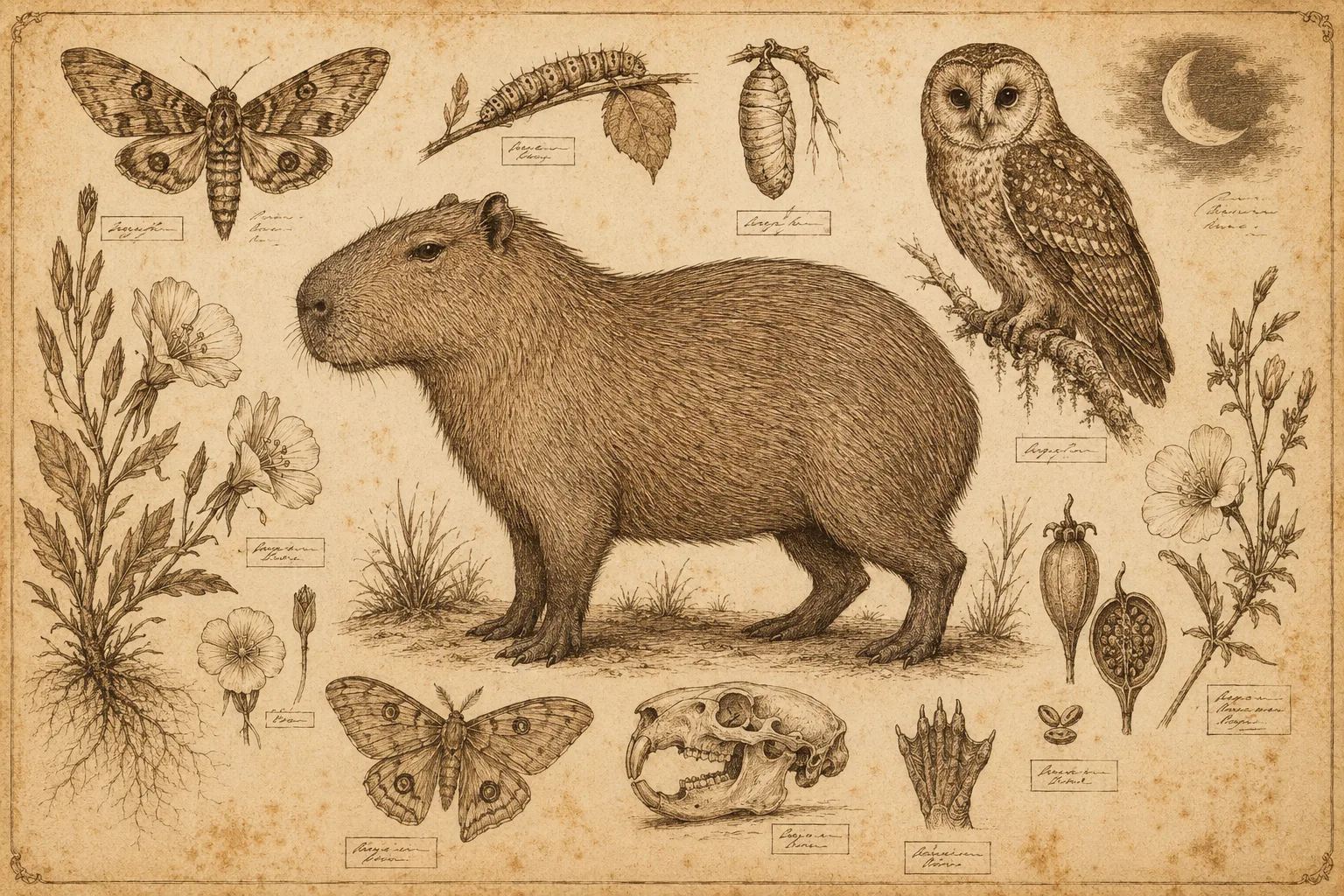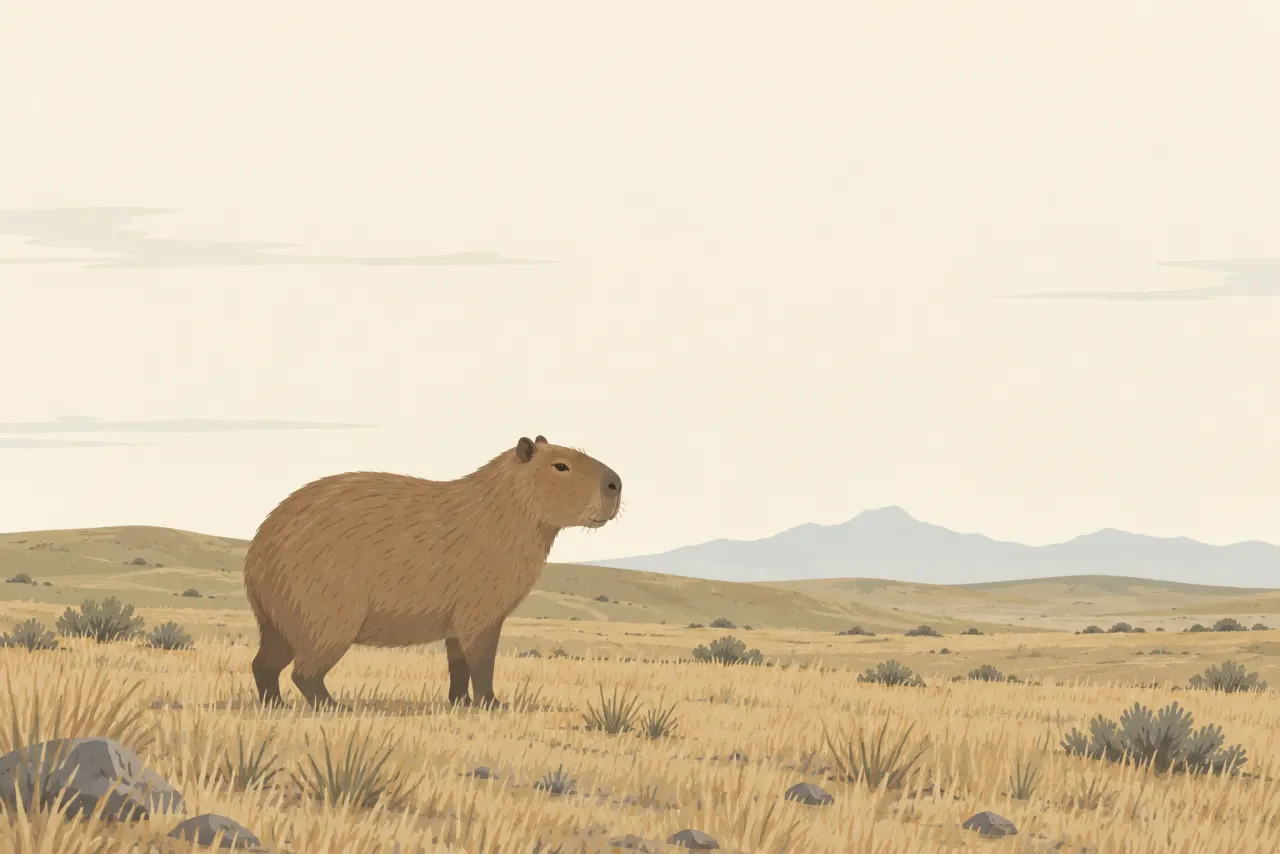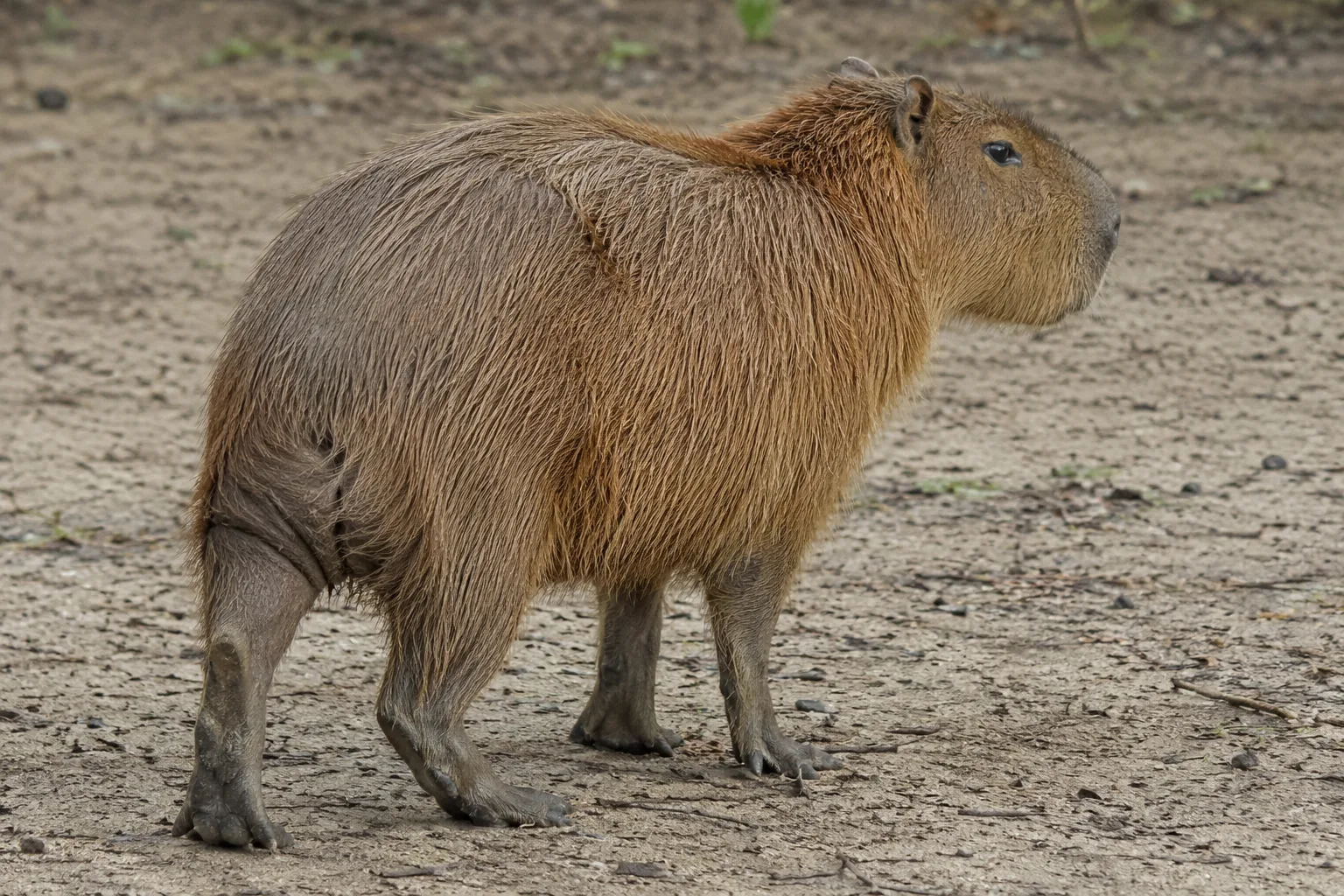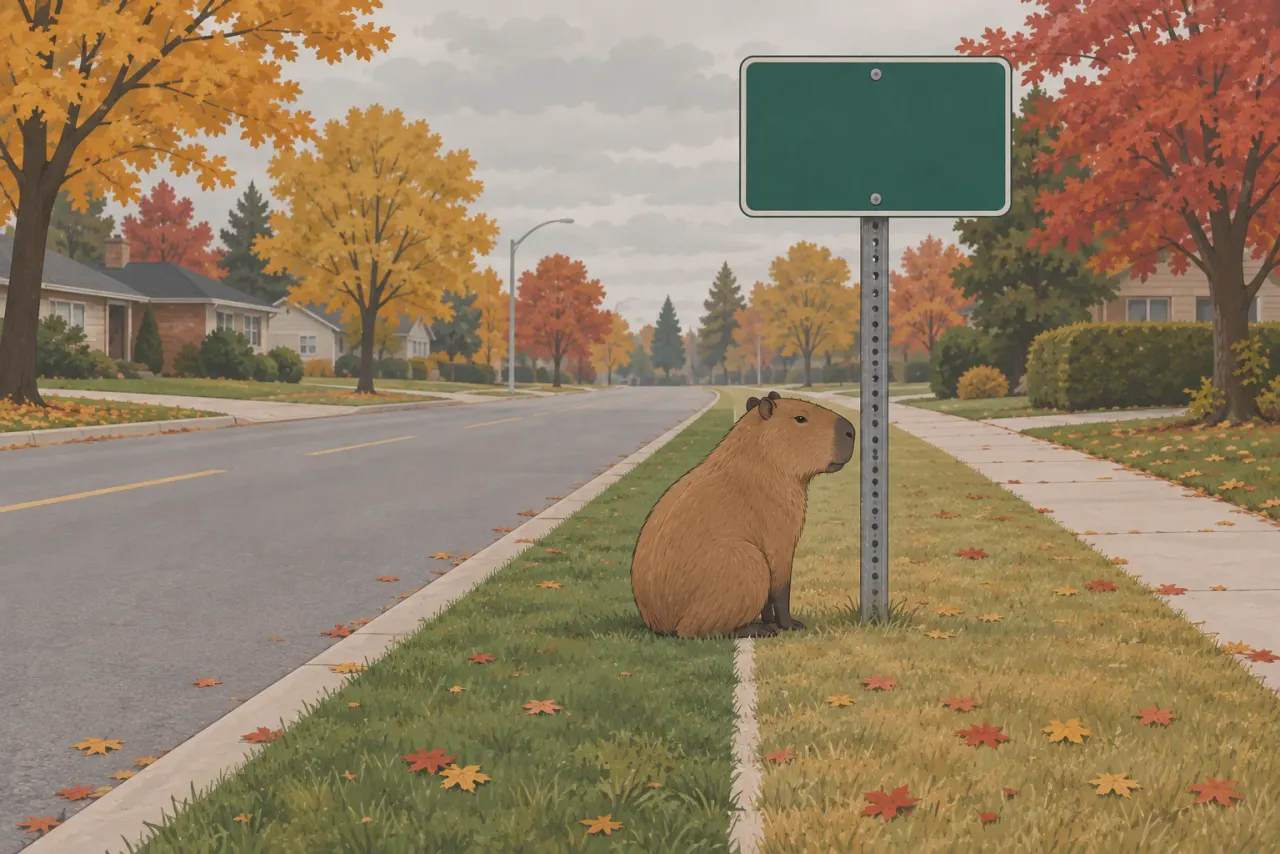
Capybara cafes look like someone turned the internet into a storefront: soft lighting, merch, a room full of excited people, and a large wetland rodent trying to understand why capitalism has entered its afternoon.
Are capybara cafes ethical? They can be, but the cafe model deserves suspicion before applause. Ethical care depends on water, social housing, rest, staff supervision, limited contact, clean routines, and real retreat options. Cute branding does not answer any of that.
Why Capybara Cafes Are Complicated
Animal cafes create a built-in conflict. The business sells access. The animal needs choice. Those two things can coexist only when the people running the place are willing to disappoint customers for the animal’s sake.
AP reported on The Capybara Cafe in St. Augustine, Florida, which opened in late 2024 and became a high-demand experience where visitors sit with and feed capybaras during timed sessions. That does not make it automatically good or bad. It does show why the question matters in the US now. Capybara fandom has left the meme folder and entered the booking calendar.
The cafe itself is not the ethical unit. The care system is.
What Ethical Care Would Need
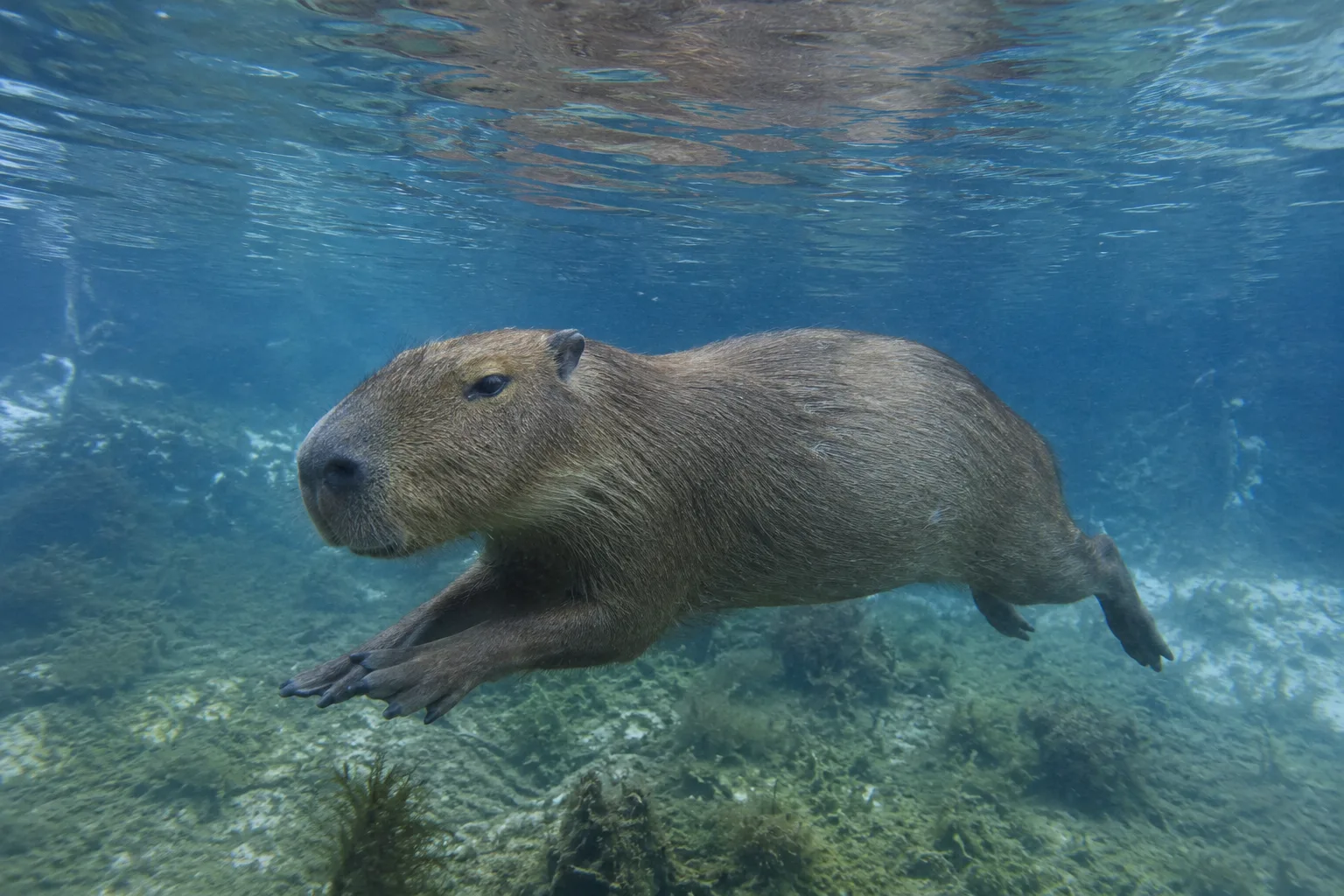
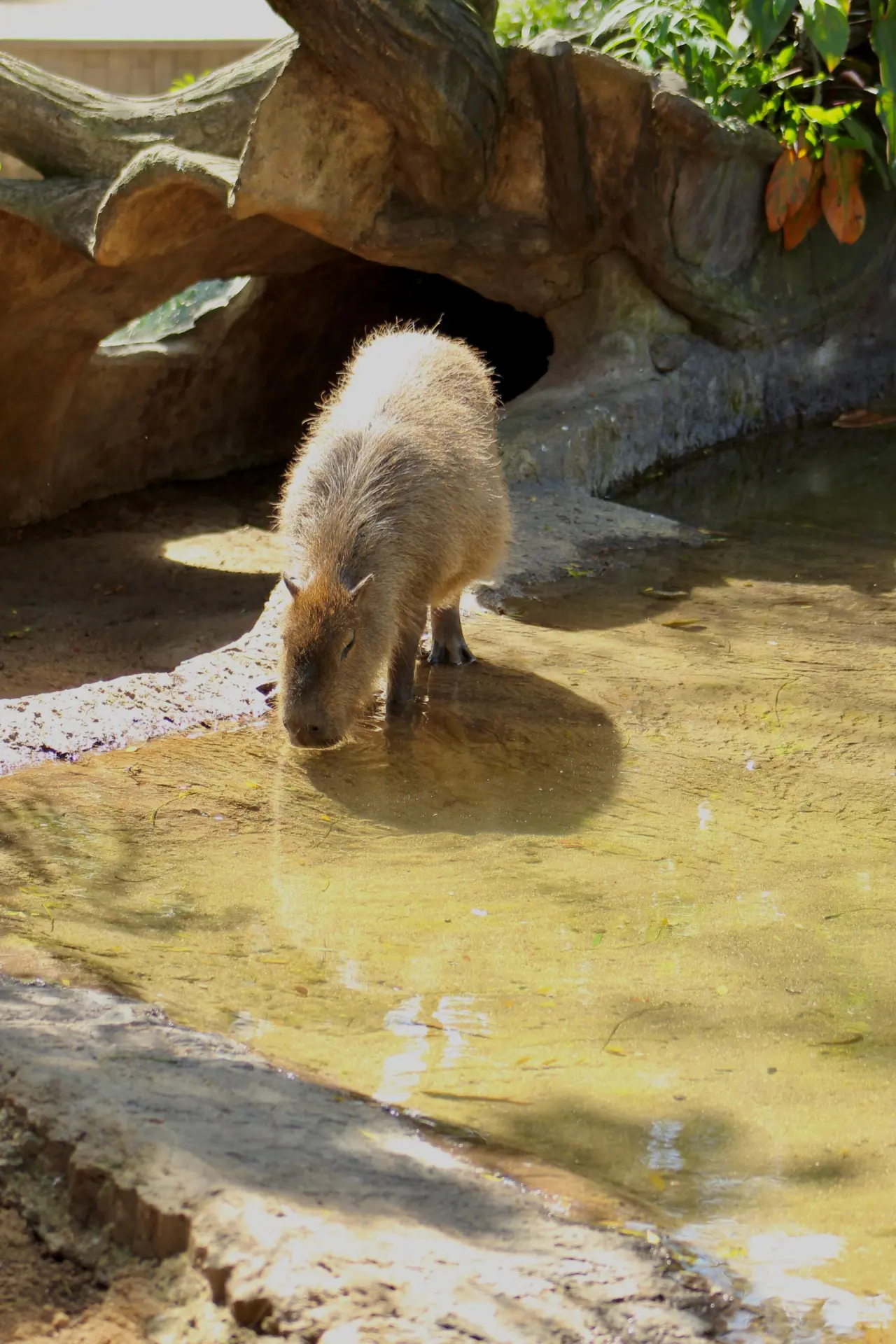
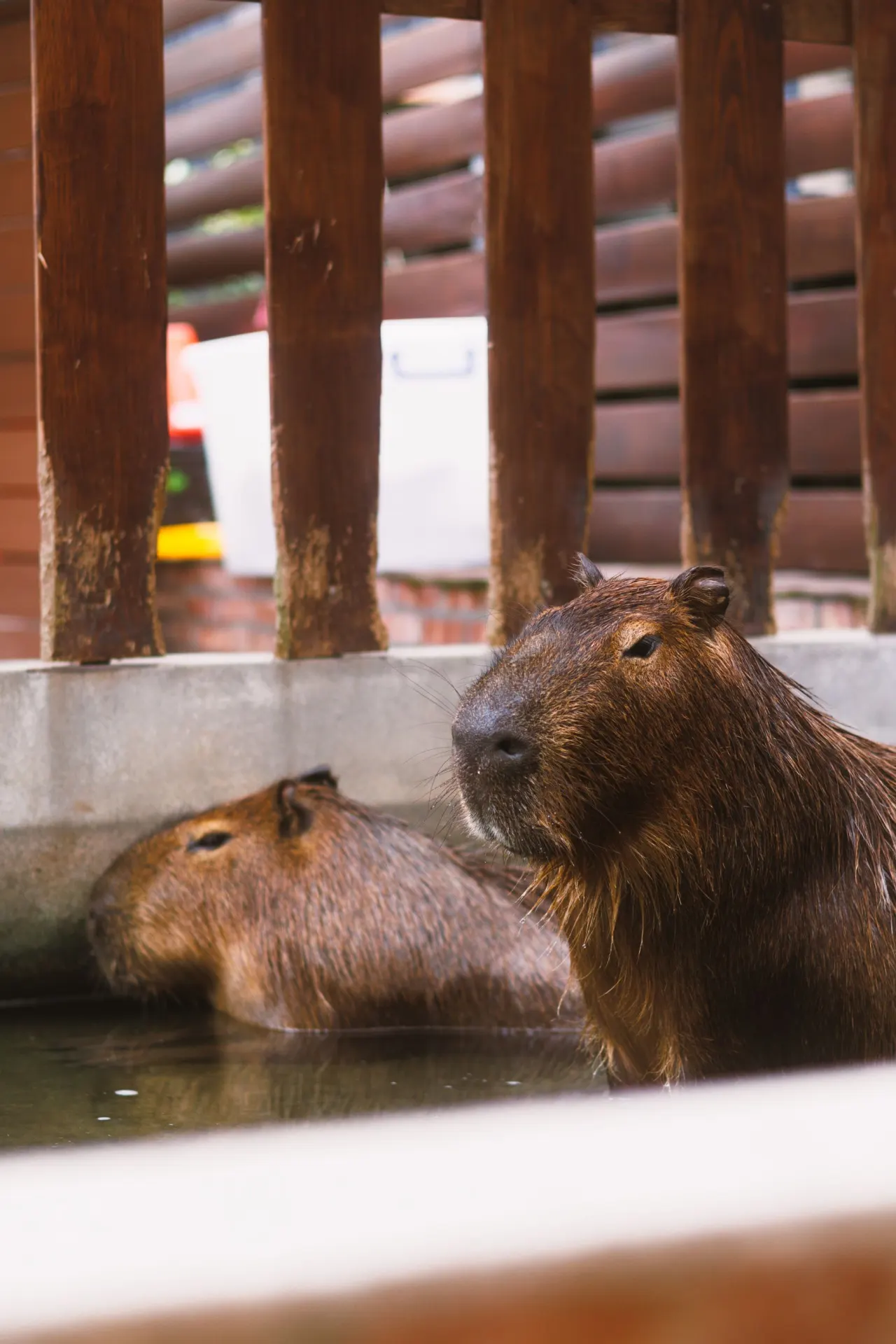
Capybaras are large, social, semi-aquatic animals. San Diego Zoo Wildlife Alliance says they need a swimming hole as part of a healthy lifestyle, and the AZA Capybara Care Manual says their behavior revolves around water. AZA accreditation looks at living environments, social groupings, health, nutrition, enrichment, care, and management.
That is the lens. Not “did I get a cute photo?” but “does this setup respect the animal when nobody is posting?”
| Need | What to look for | Why it matters |
|---|---|---|
| Water access | Clear pool or habitat plan before and after sessions | Water is core behavior, not decor |
| Social housing | More than one compatible capybara when appropriate | They are social animals |
| Retreat space | Animals can leave guests without being followed | Choice lowers pressure |
| Session limits | Short, scheduled contact with rest time | Prevents all-day performance |
| Staff rules | Briefing, hygiene, and active supervision | Protects guests and animals |
The Animal Behind The Aesthetic
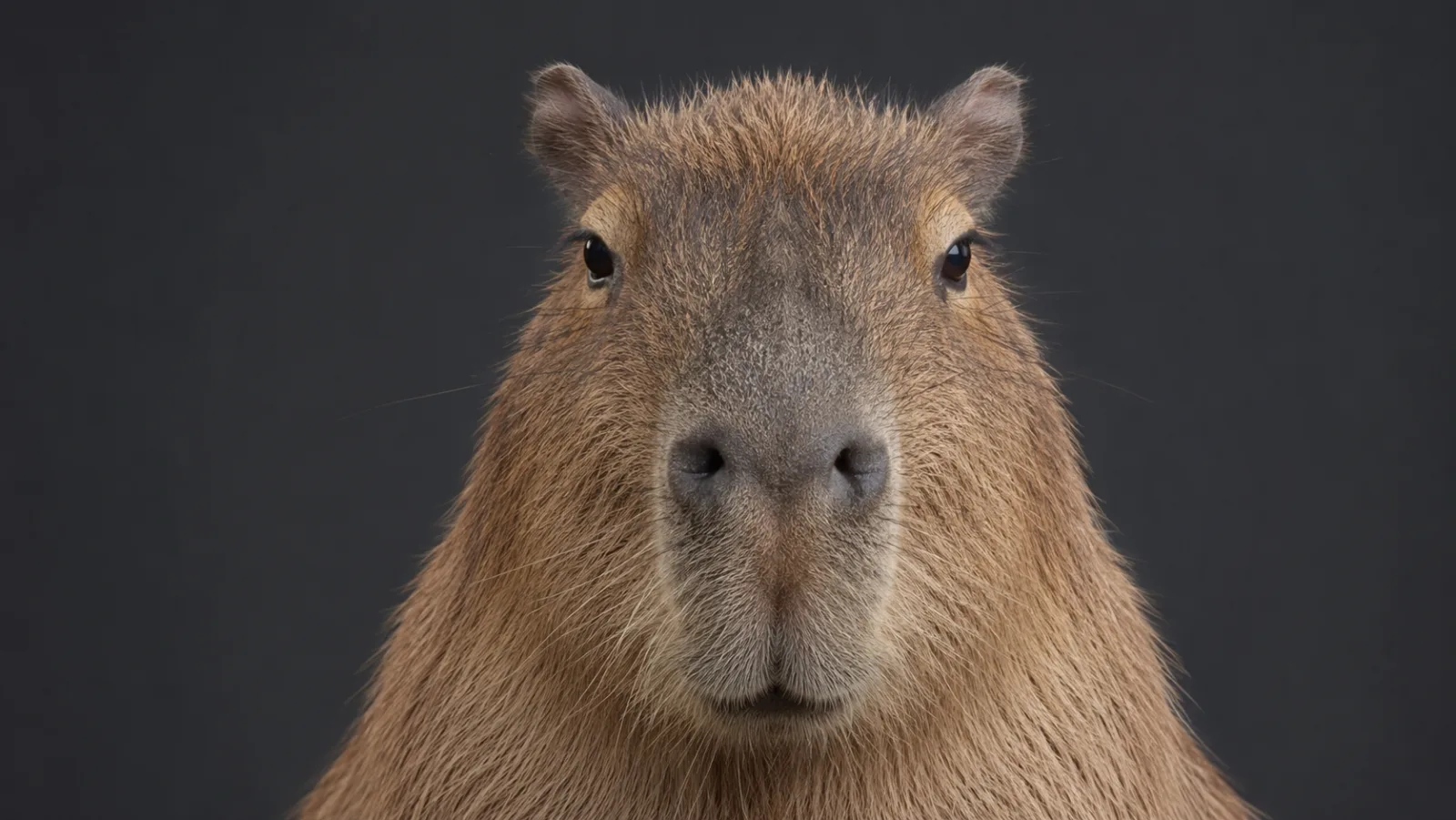
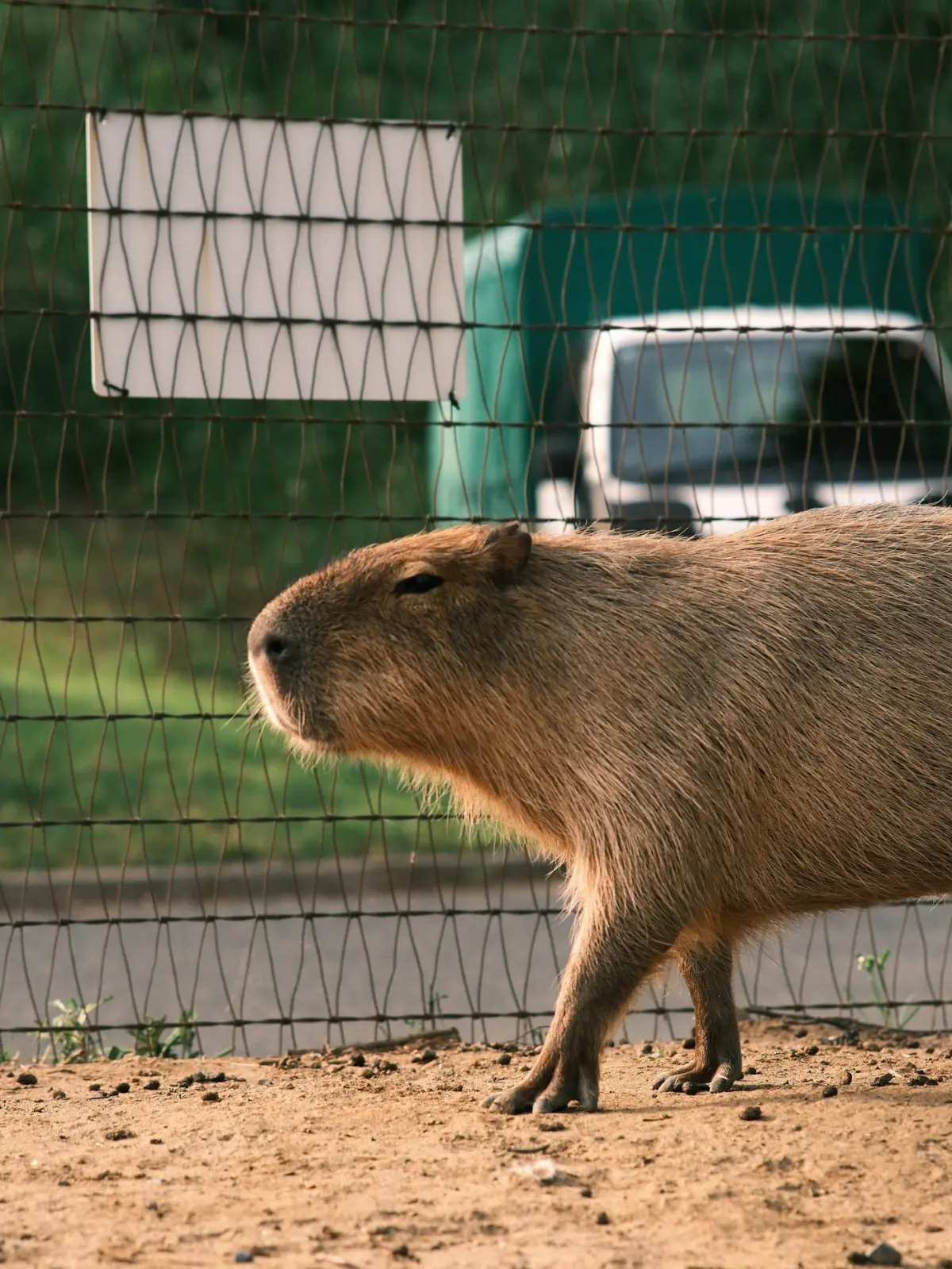
It helps to remember what a capybara actually is before deciding a coffee room can host one. This is the world’s largest rodent. Adults run roughly 35 to 66 kg, which is to say somewhere between a big dog and a small adult, and they are built for water, not for a table with a flat white on it. Animal Diversity Web and the San Diego Zoo Wildlife Alliance both describe them as semi-aquatic grazers from South America, semi-webbed feet and all, that spend real time in and around water and feed on grasses and aquatic plants.
A few of their quirks make casual housing harder than it looks. Like guinea pigs, capybaras cannot make their own vitamin C, so it has to come from diet, and a deficient one shows up as visible health problems. They are hindgut fermenters that re-ingest soft morning feces to pull nutrients out a second time, which is normal and necessary, not a hygiene failure. They are also herd animals. Solitary housing is a welfare stressor, not a styling choice, so a single “resident capybara” posed for photos is already a question, not a feature.
None of that is a reason a facility can’t do it well. It is a reason the bar is high, and a cute interior tells you nothing about whether the bar is being met.
Red Flags In Photos And Reviews
Photos can tell on a venue. Look for animals being held, crowded, dressed up, woken, chased, or used as lap props. Watch for visitors piled around one capybara with no staff in frame. Read reviews for phrases like “unlimited cuddles,” “they let us pick them up,” or “the animals were tired but still so sweet.” That last sentence should make your stomach do paperwork.
Also look for what is missing. No mention of water. No mention of rest. No mention of veterinary care. No mention of licensing or staff training. A beautiful latte does not backfill a husbandry plan.
Better Questions Than Can I Hold One
Ask these before booking, and ask them in plain language.
| Ask this | Good answer sounds like |
|---|---|
| Where do the capybaras live when not in sessions? | A proper habitat with water, shelter, and social access |
| How many sessions do they do per day? | Limited, with rest built in |
| Can the animals leave the guest area? | Yes, and guests cannot follow |
| Are guests allowed to pick them up? | No |
| Who supervises each session? | Trained staff, not just front desk employees |
| What licensing applies? | Clear USDA, state, or local answer where relevant |
Common Assumptions Worth Correcting
A lot of the defenses people offer for capybara cafes are half-right, which is what makes them sticky. Here is where the usual lines tend to fall apart.
| Common belief | Better answer |
|---|---|
| They look calm, so they must be happy | Calm can mean relaxed or it can mean shut down. Posture alone does not tell you. |
| One friendly capybara is enough | They are herd animals. A single isolated animal is a welfare flag, not a perk. |
| It is just like petting a big guinea pig | Adults can weigh as much as a person and need water, space, and a real diet, not a lap. |
| If it is open to the public, it must be licensed and fine | A license is a floor, not proof of good welfare. Judge the actual care. |
| The animals get fed treats, so they are well cared for | Treats are not a diet. They still need vitamin C, grasses, and rest you cannot see from your chair. |
The Honest Take
Here is my actual opinion, since balance can quietly become cowardice. Most capybara cafes are a worse deal for the animal than for the customer, and the ones that aren’t tend to look a little boring on camera. That is not an accident. A setup that protects the capybara’s choice, water, rest, and herd will, by design, give you fewer lap photos and more “the animals are resting right now.” If a venue can clear the welfare bar above and still wants your money, fine. But the default posture toward the model should be skeptical, not charmed.
When A Zoo Encounter Is The Better Choice
A good zoo encounter may feel less viral, which is often a compliment. More rules. More staff. More habitat. Less couch. Fewer opportunities to narrate yourself as chosen by a capybara.
The better choice is the one with clearer welfare standards, transparent care, and less pressure on the animal to perform closeness. If the room is designed for Instagram before capybaras, there is your answer.
Capybara cafes can be adorable. The animal welfare has to be more adorable than the branding.