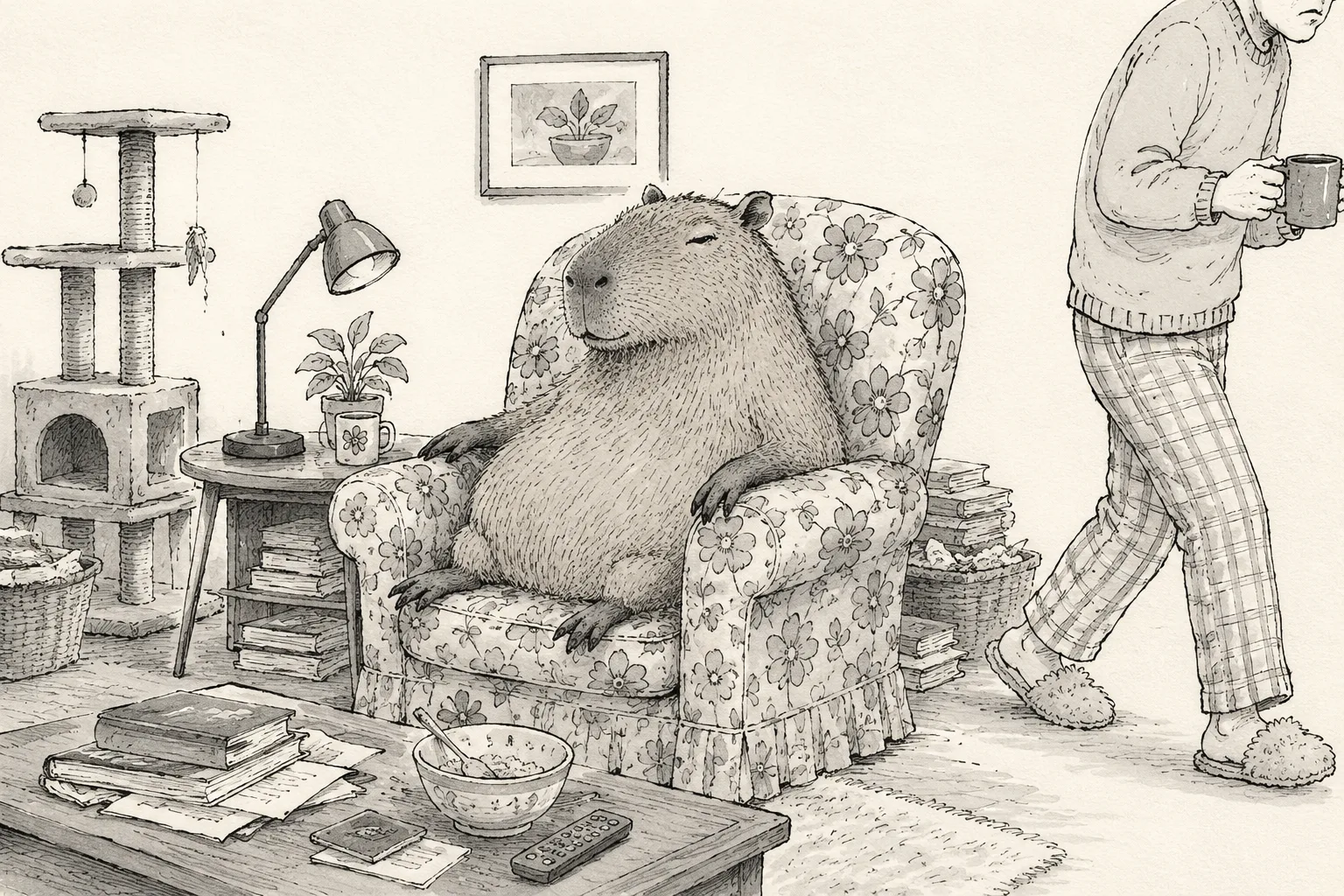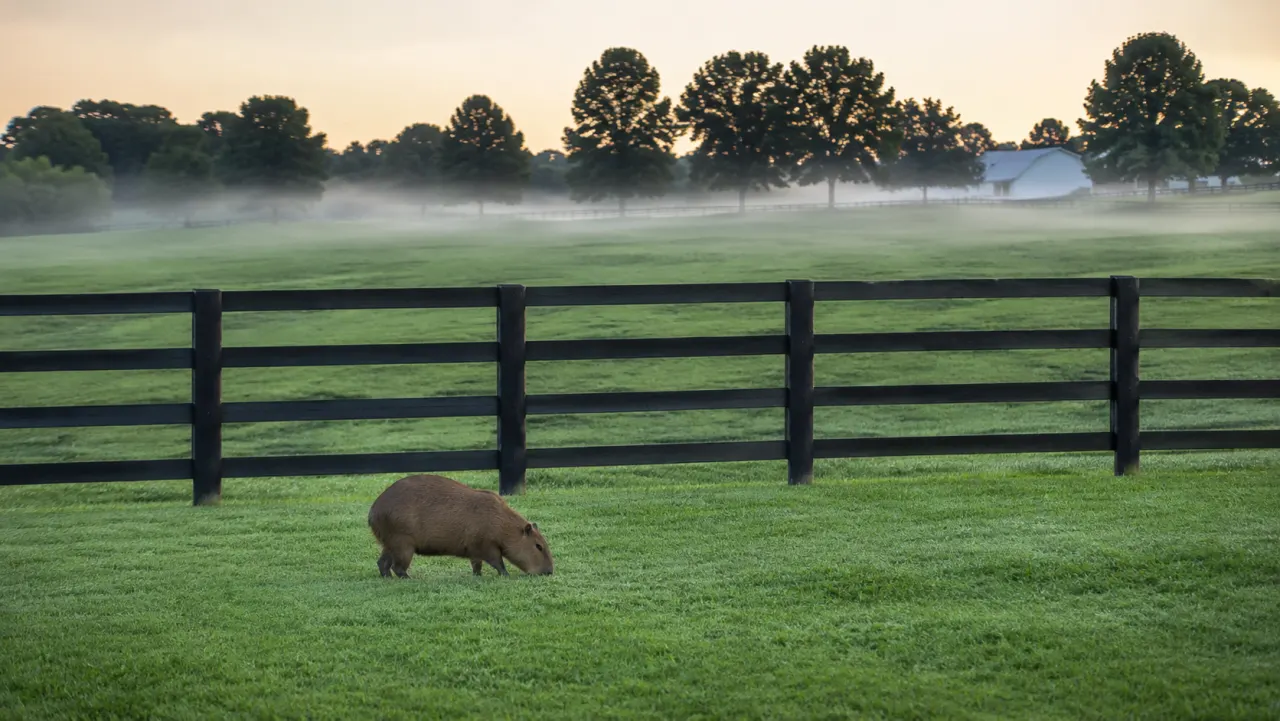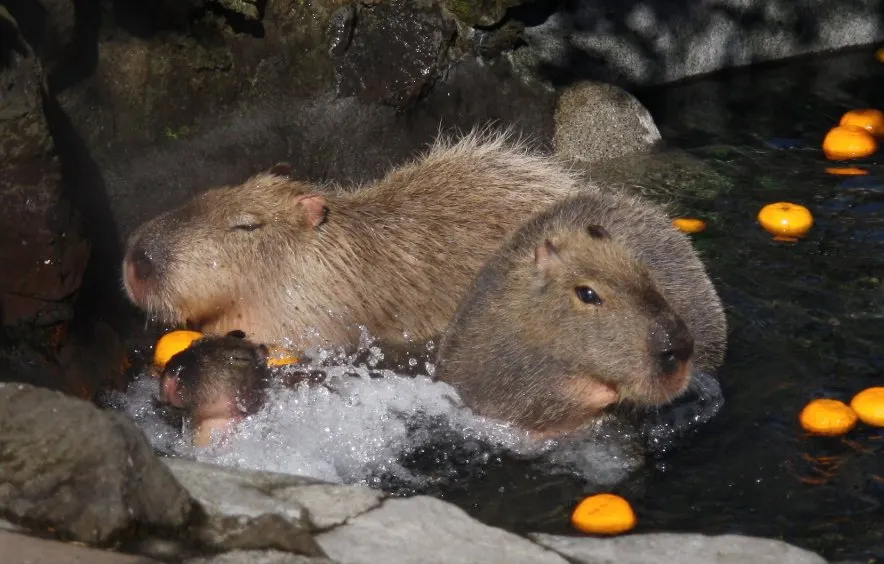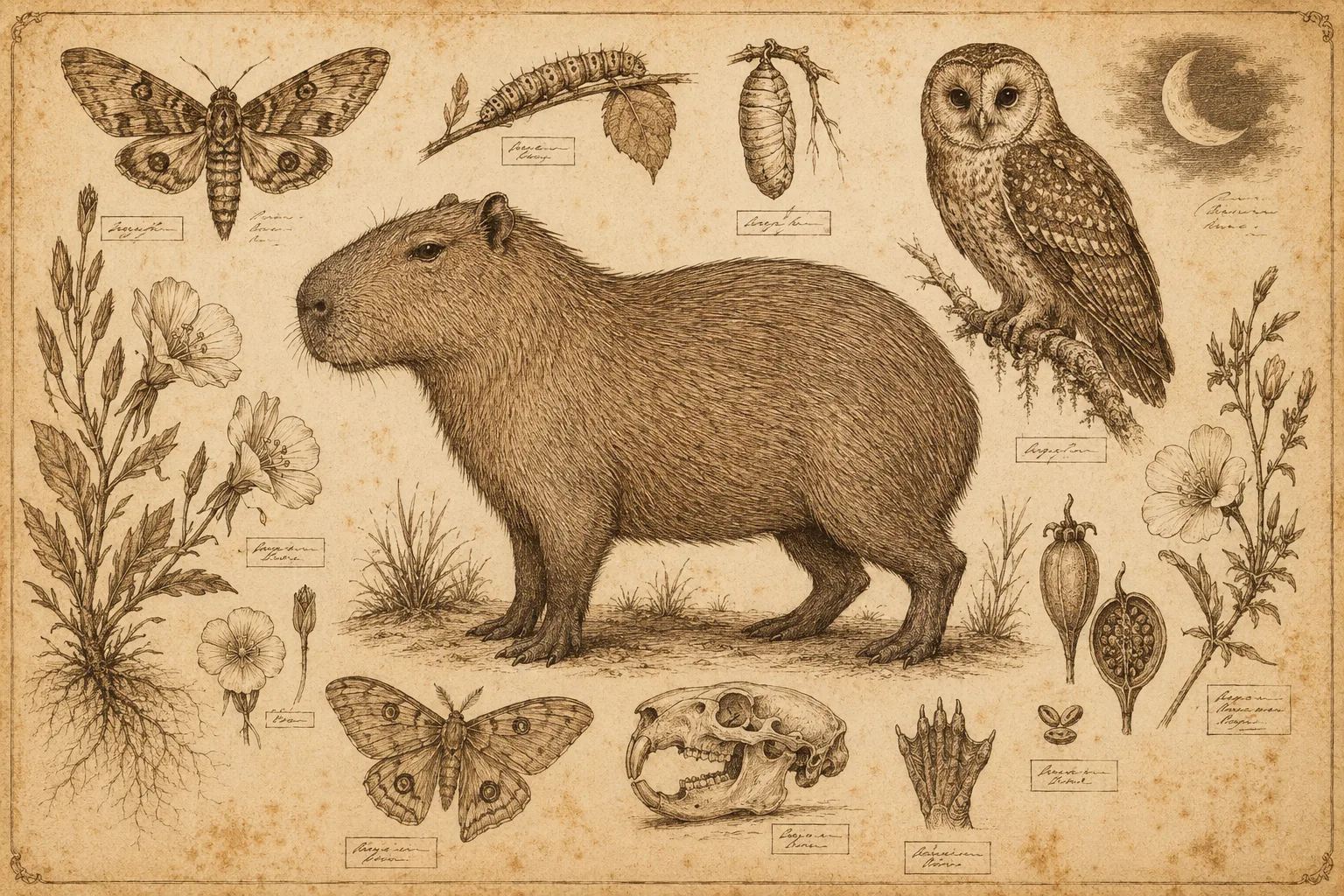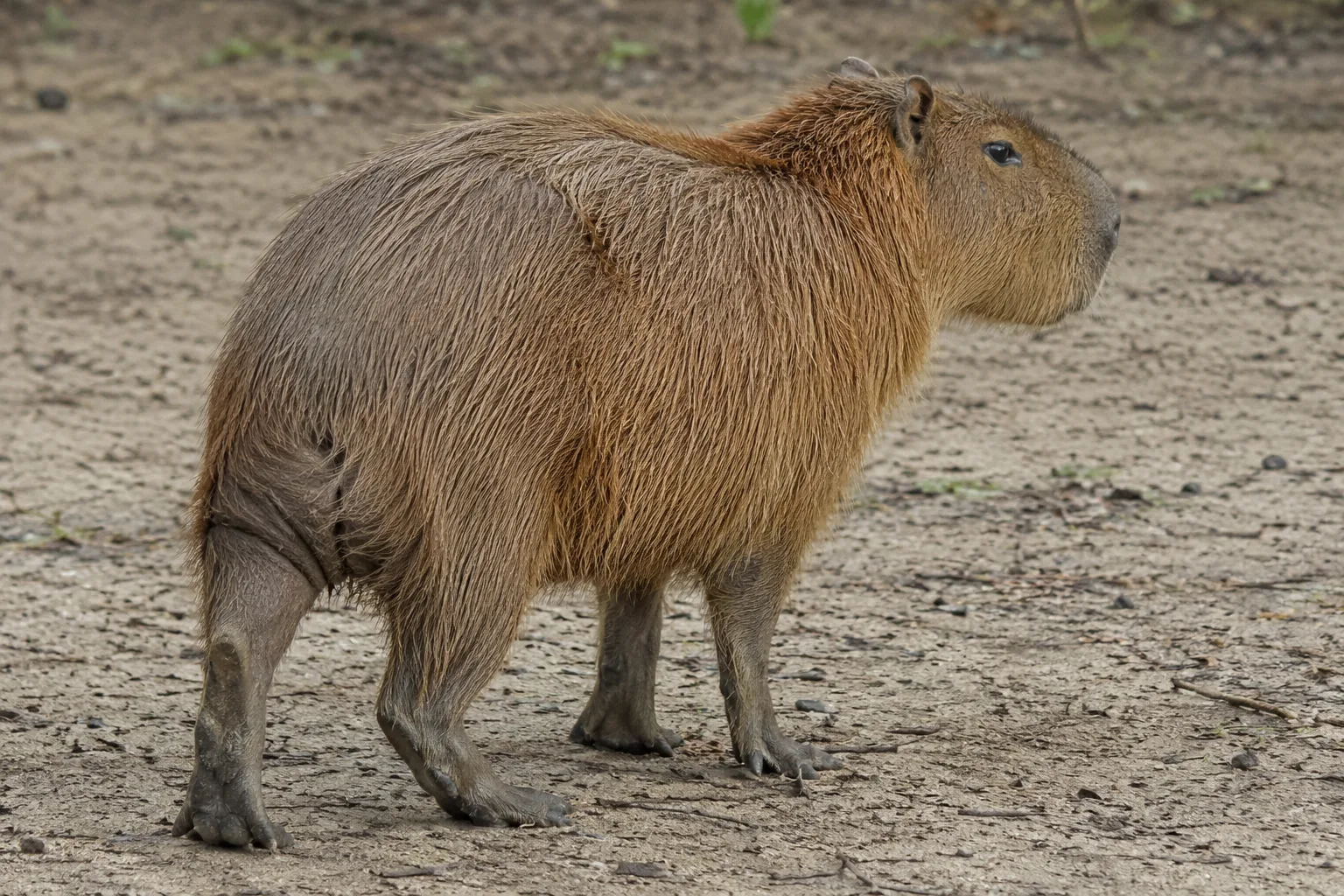
A capybara encounter is usually less “instant cuddle” and more “please sit here, wash your hands, listen to the rules, and accept that the capybara may not choose you.” Honestly, better.
The direct answer: most capybara encounters include a staff briefing, safety and hygiene rules, a short supervised session, possible approved feeding or petting, and photos if the animal and facility allow it. A good encounter gives the capybara the option to leave. A bad one sells closeness like a vending machine.
Before You Meet The Capybara
Before the animal appears, staff should explain the basics: where to sit, how to hold food if feeding is allowed, where not to touch, what to do if the capybara walks away, and whether photos are okay. They may also ask you to sanitize hands, remove loose items, or keep bags outside the area.
If the first instruction is “go in and have fun,” be suspicious. A large rodent with sharp teeth deserves more structure than a bounce house.
What Staff Usually Explain
Staff should set expectations. Capybaras are semi-aquatic. They need water, social housing, rest, and the ability to retreat. The session is not a guarantee of a cuddle. It is a controlled chance to observe or interact, depending on the animal’s behavior.
USDA APHIS notes that AWA-regulated businesses must be licensed or registered, and AZA resources frame ambassador animal contact around animal wellbeing and public health. Those are the adult bones under the cute moment.
Feeding, Petting, And Photos
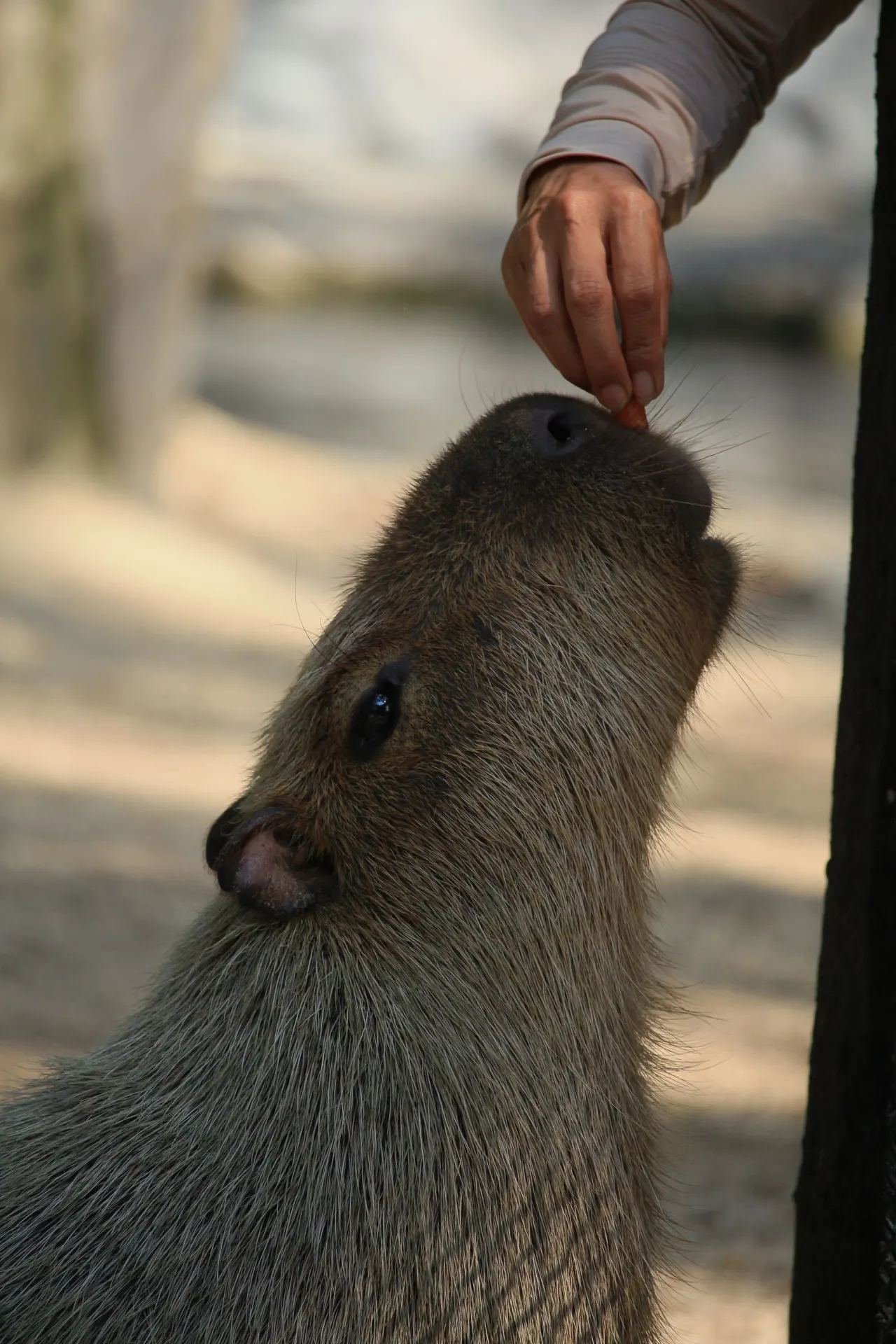
Feeding should use only approved food. San Diego Zoo describes managed capybara diets as fiber-first, not random snack-first. Petting, if allowed, should be gentle and staff-directed. Photos should not require grabbing, blocking, lifting, or crowding the animal.
A concrete version of all this: the Capybara Cafe in St. Augustine, Florida — billed as America’s first — runs short timed sessions where small groups sit in a pen and hand-feed capybaras named Mocha and Latte under staff supervision. Not a cafe with capybaras wandering past your latte; a booked, structured meet-and-greet with two specific animals. That is what “encounter” usually means in practice.
The best encounter has one quiet little moment: the capybara approaches, takes approved food, accepts a scratch, or simply sits nearby while you experience reverence and mild hay smell.
What Can Go Wrong
Problems usually start with humans trying to force value out of the ticket. Someone reaches too fast. Someone blocks the exit. Someone wants the animal to face the camera. Someone thinks “friendly” means “available.”
Watch for venue problems too: no staff in the room, no clear rest schedule, animals being picked up, no visible water story, too many guests, or a promise that every visitor gets close contact. A capybara encounter should never feel like the animal is working retail.

How To Be A Great Guest
Arrive calm. Listen fully. Let the capybara come to you if the setup allows it. Keep your hands where staff say. Do not squeal in the animal’s face. Do not feed anything from your pocket. Do not complain if the animal takes a break. That break is part of the care plan, not a customer-service failure.
You are not buying a cuddle. You are getting a short, supervised chance to be near an animal that owes you nothing. Somehow, that makes the good moments better.
Why The Boring Rules Are The Whole Point
My honest opinion: the strictest, least Instagrammable encounters are usually the best ones. A facility that limits session length, caps group size, gives animals a place to retreat, and ends on time is telling you it manages the capybara’s day around the capybara, not around the queue at the door. That is the difference between an ambassador animal program and a petting vending machine.
The harder welfare questions are simple to ask and worth asking out loud. Where do the animals swim and soak. How many capybaras live together. How long is each shift, and how often does an individual get a day off contact. What happens when one walks away mid-session. Staff who run a good operation answer these without getting defensive, because the answers are the job. Capybaras can live well past 8 to 10 years in human care, and that long stretch is shaped far more by daily husbandry than by any single bright afternoon with guests.
None of this should talk you out of going. A well-run encounter is genuinely good, for you and arguably for the animal’s enrichment too. It should talk you out of treating the visit as a transaction where closeness is owed. You are a guest in a grazing herbivore’s afternoon. Behave like one, and the good moments tend to find you anyway.