The viral answer is friendship. The real answer is math, and not the cozy kind.
Caimans do eat capybaras. Animal Diversity Web lists caimans among capybara predators, especially for young animals. But predators do not attack every possible prey animal in sight. They make decisions with hunger, size, risk, timing, water, and opportunity in the background.
The Viral Photo Is Missing Context
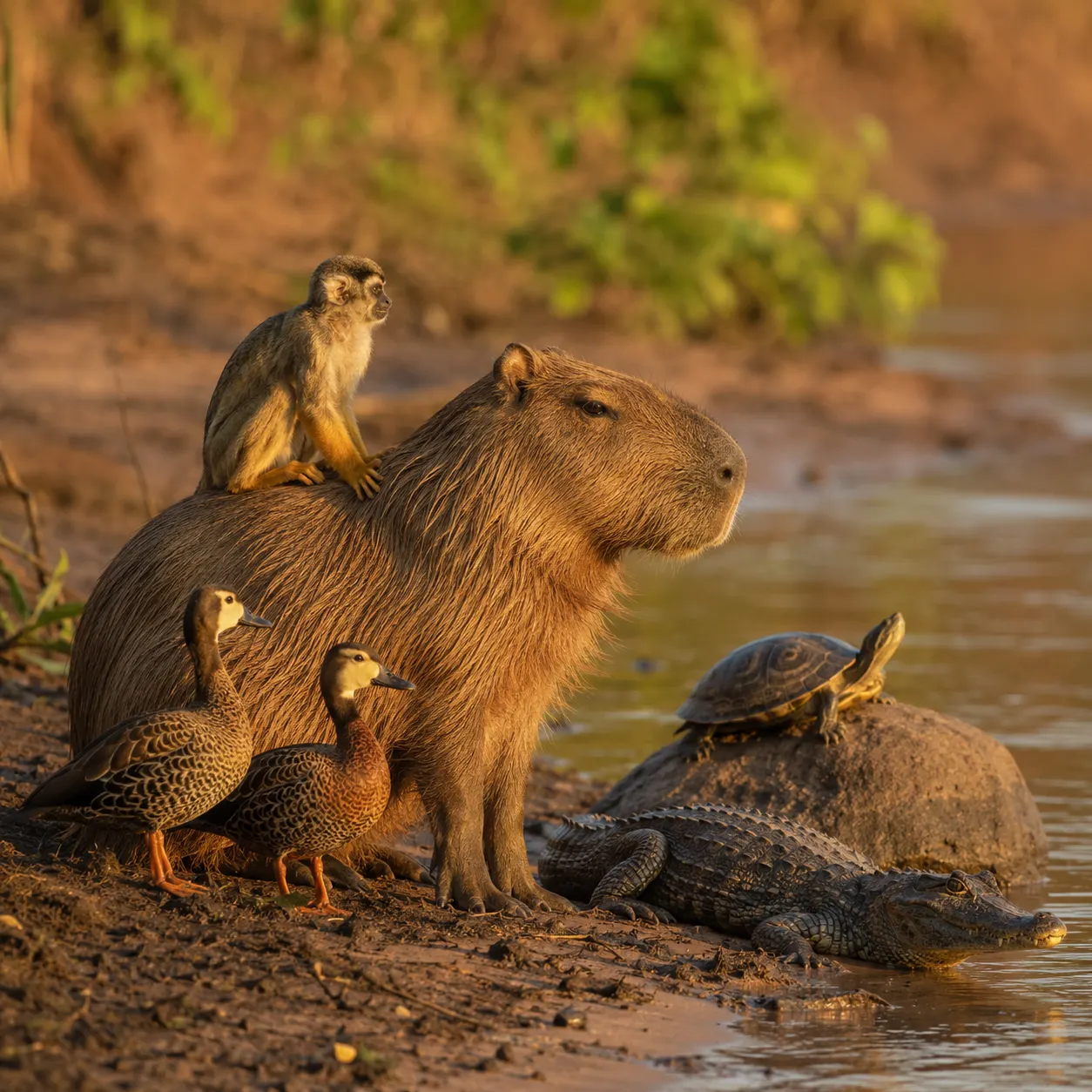
A caiman near a capybara is not automatically a peace treaty. It may be a moment when the caiman is not hungry, the capybara is too large, the angle is bad, the water is wrong, easier prey exists, or the photo was taken during a calm pause before everyone went back to being animals.
The internet loves to turn non-events into emotional breakthroughs. Nature is less sentimental and has worse lighting.
Predators Do Cost-Benefit Math
Predation is risk management. A caiman that attacks a large adult capybara can get injured, waste energy, lose the prey, or miss an easier meal. Animal Diversity Web describes caimans as aquatic predators, but that does not mean every target is worth the attempt.
| Factor | Why it changes the hunt |
|---|---|
| Hunger | A fed predator may ignore nearby prey. |
| Size | Adult capybaras are large and strong. |
| Water depth | Ambush conditions matter. |
| Group vigilance | More eyes can spot danger sooner. |
| Easier prey | Predators do not get bonus points for difficulty. |
What the researchers actually say
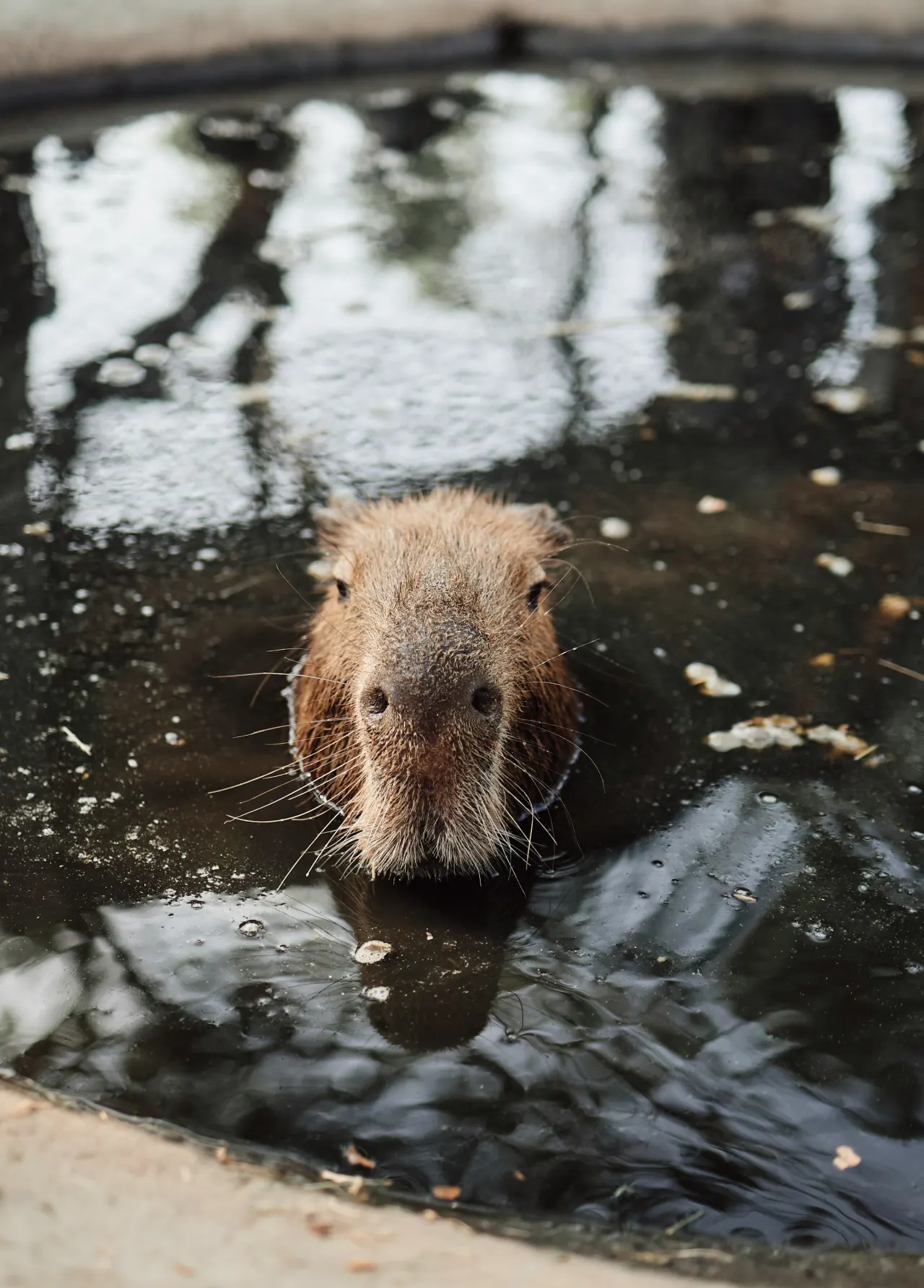
Elizabeth Congdon, a capybara researcher at Bethune-Cookman University in Florida, puts the truce in plain terms: a capybara’s body size and teeth make it simply not worth the trouble and risk of injury to a caiman. Not friendship, not tolerance — arithmetic.
The arithmetic runs on the caiman’s side of the ledger. Caimans are extreme energy misers and can go weeks between meals. That sounds like it should make them less fussy, and it does the opposite: when your metabolic strategy is to spend almost nothing, the cost of a fight you might lose is enormous relative to the gain. A hunt that ends in a cracked jaw or a damaged limb can permanently impair a caiman’s ability to feed at all. There is no recovering from that with a good week of hunting.
Against that, a 45-kilogram rodent with long, self-sharpening incisors it will absolutely use when cornered is a bad trade — even when the caiman would win most of the time.
Adult Capybaras Are Not Easy Meals
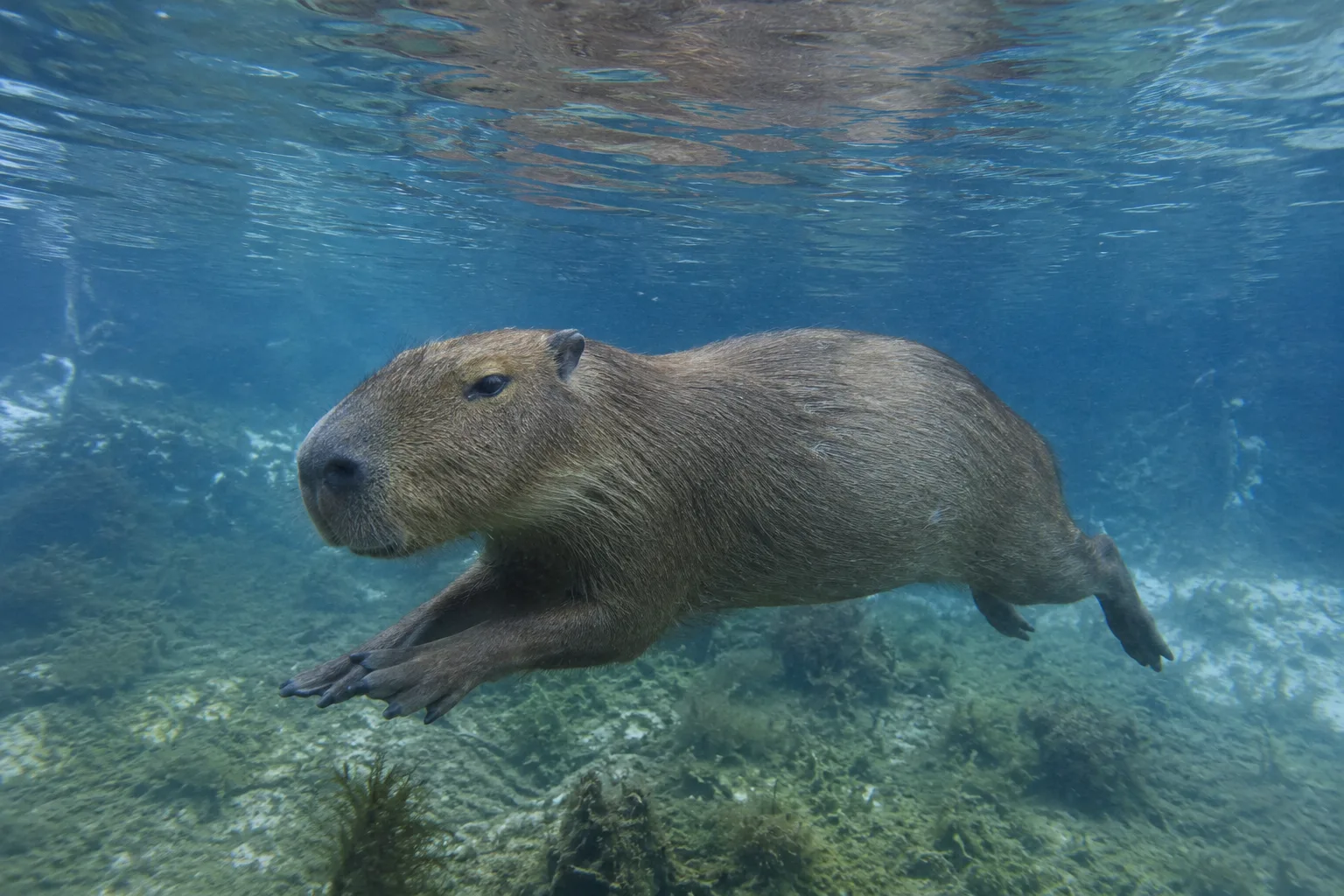
Adult capybaras can be heavy, fast in short bursts, strong swimmers, and socially alert. San Diego Zoo describes them as able to stay submerged for several minutes. ADW notes that while grazing they watch for predators and give alarm barks.
That does not make them safe. It makes them not-free.
Babies Are A Different Story
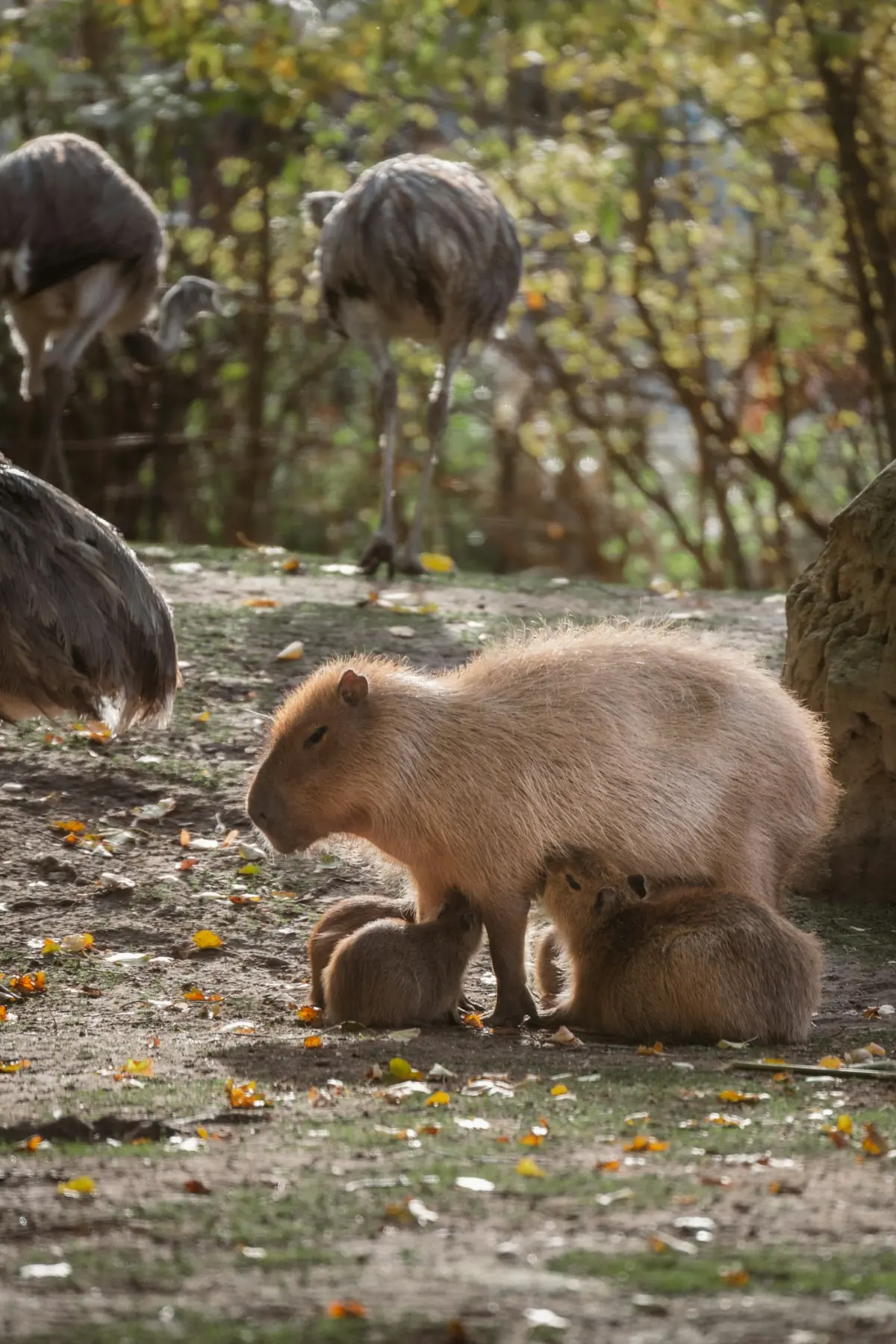
Young capybaras are more vulnerable. ADW specifically notes that capybaras are important food for large predators especially while young. That is the part viral friendship captions tend to skip because “nature is brutal and size matters” does not sell as many stickers.
What The Caption Gets Wrong
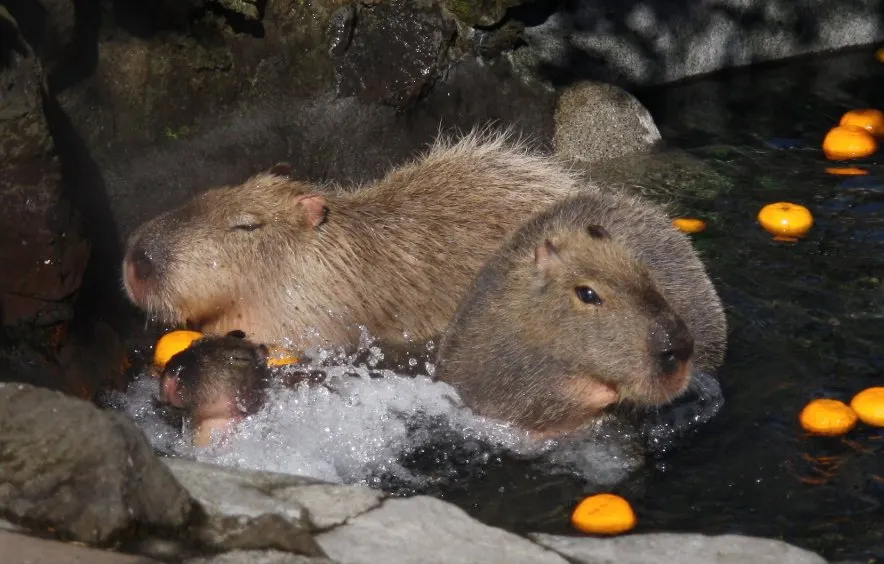
The friendship reading usually comes from a single frame with no before and no after. A caiman and a capybara sit a few feet apart, the water is still, nobody is screaming, and the internet decides this is a heartwarming interspecies bond. The animals never agreed to that interpretation.
Here is the same set of viral claims, corrected without the sticker-shop optimism.
| Myth | Better answer |
|---|---|
| Caimans and capybaras are friends. | They share wetland habitat. Proximity is location, not affection. |
| Caimans never eat capybaras. | They do, especially young, sick, or isolated animals. |
| A calm photo proves they are safe together. | One frame shows one second. It says nothing about the next one. |
| Capybaras are too chill to be prey. | Calm posture is thermoregulation and energy saving, not a survival strategy. |
My honest take: the friendship framing is not just wrong, it is a little condescending to both animals. It treats a caiman like a misunderstood teddy bear and a capybara like a serene monk, when really you are looking at two animals running their own risk calculations in the same pond.
Why The Same Pond At All
Capybaras and caimans want the same things from a wetland, which is part of why they keep ending up in the same shot. Capybaras are semi-aquatic grazers. Water is their escape route, their cooling system, and a place to hide most of the body while the head stays up watching. Caimans are aquatic ambush predators who also need that water and that shoreline. The overlap is not a coincidence, it is the habitat doing its job for both species.
So a photo of the two together is closer to a “both animals booked the same lake” situation than a budding friendship. They are not seeking each other out. They are tolerating the only good real estate available.
| Trait | Adult capybara | Caiman |
|---|---|---|
| Role in the water | Grazer, escapes into water | Ambush predator |
| Size advantage | Large adult, harder target | Varies by species and age |
| Main advantage | Group vigilance, swimming, alarm calls | Stealth, patience, water control |
| When risk spikes | Young, sick, alone, or cornered | When prey is small or distracted |
The takeaway is not “predators are kind.” It is that an attack has to clear a bar, and a healthy adult capybara in a watchful group raises that bar.
A Quick Word On Capybara Toughness
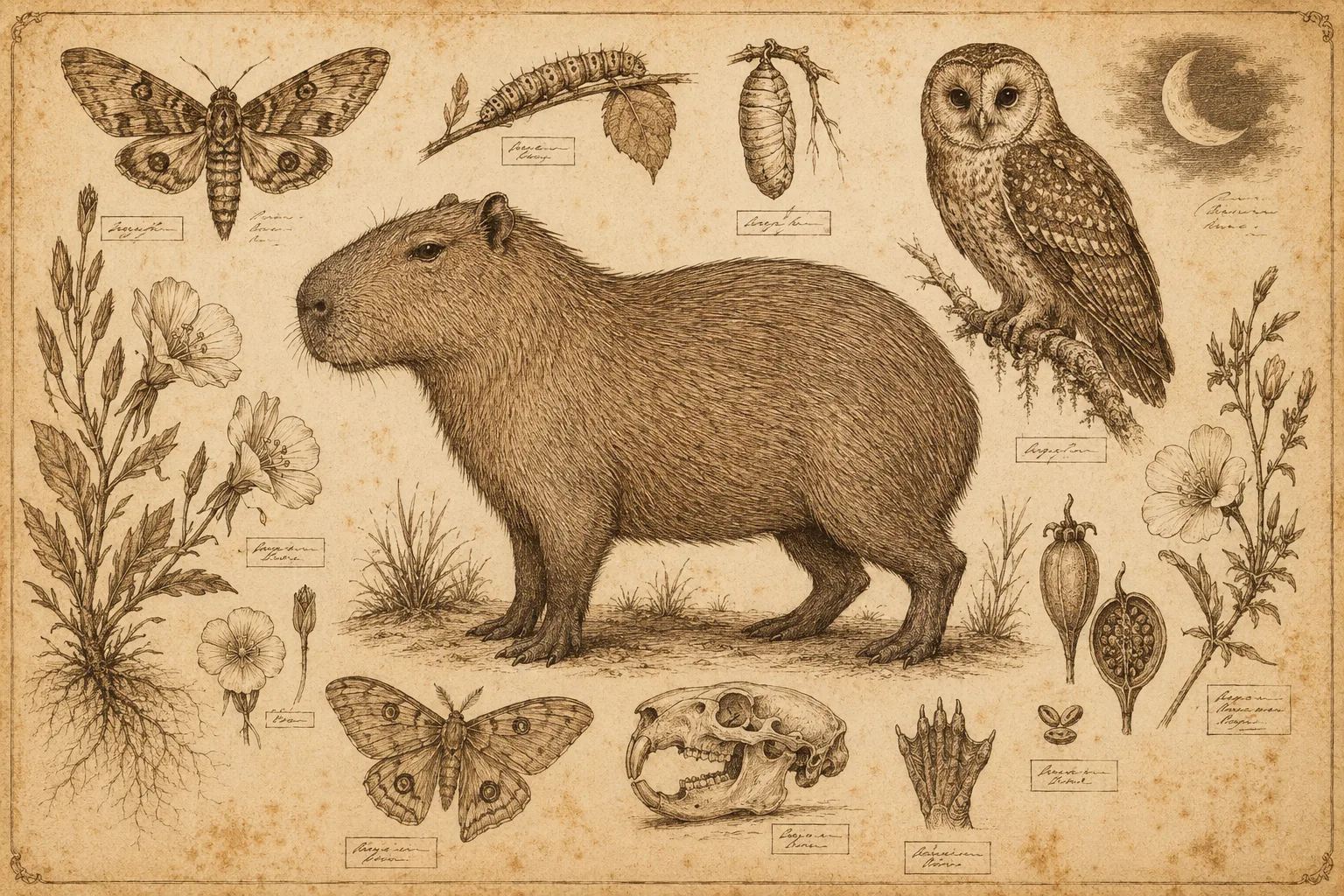
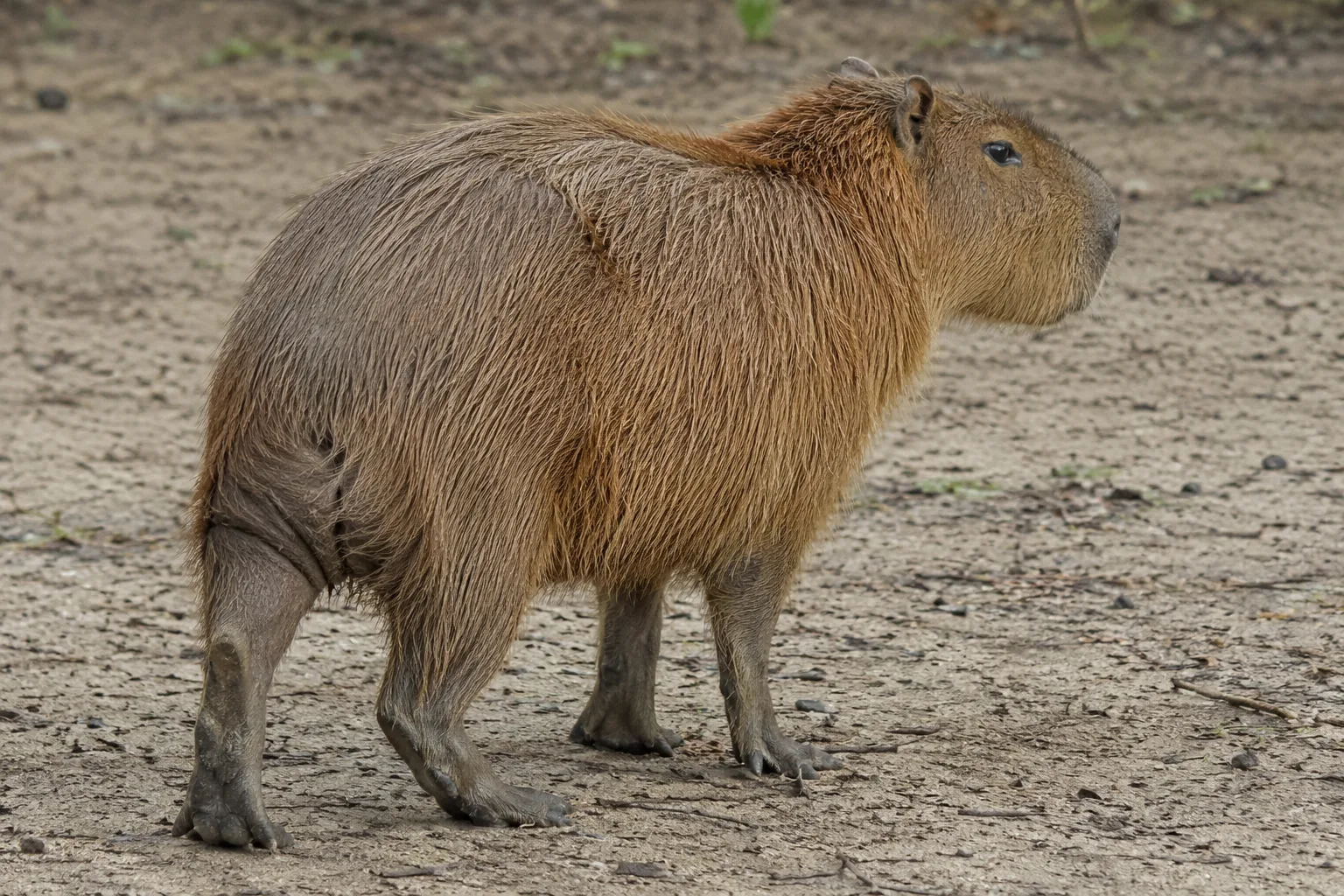
It helps to remember what an adult capybara actually is. This is the world’s largest rodent, with big adults landing in the tens of kilograms, built low and heavy, with semi-webbed feet that make it a genuinely good swimmer. San Diego Zoo Wildlife Alliance notes they can stay submerged for several minutes, which is a real escape tool, not a party trick. Animal Diversity Web describes them as highly social grazers that watch for predators and bark alarms.
None of that makes a capybara invincible. It makes a capybara expensive. A predator that picks the wrong target can waste energy, get hurt, or simply lose the animal into deeper water. That cost is the entire reason “why don’t caimans always eat capybaras” has an answer beyond friendship.
Coexisting Is Not Cuddling
The safest wording is this: caimans and capybaras can share habitat without an attack happening every second, but that is not friendship. It is ecology with pauses.
Sometimes the predator is not ready. Sometimes the prey is too much work. Sometimes the camera catches a truce that was never signed.