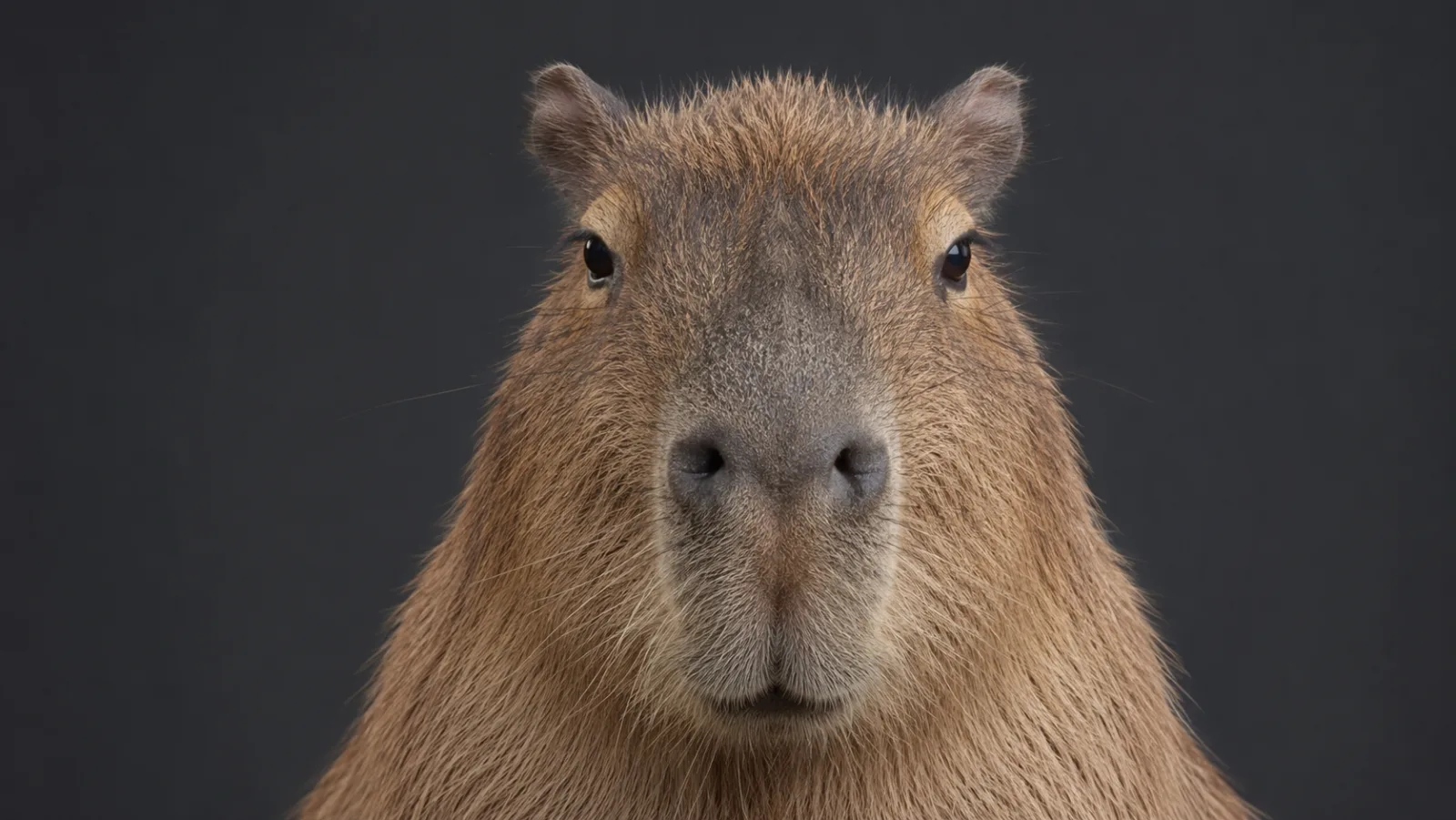
Capybaras do not beat heat by being spiritually unbothered. They beat heat with water, shade, body position, group behavior, and human infrastructure that somebody had to budget for, clean, monitor, and probably defend in a meeting.
That is the difference between a summer zoo habitat and a backyard fantasy. A capybara in August is not asking for “pool vibes.” It is asking, with its whole damp mammal body, for a real cooling system.
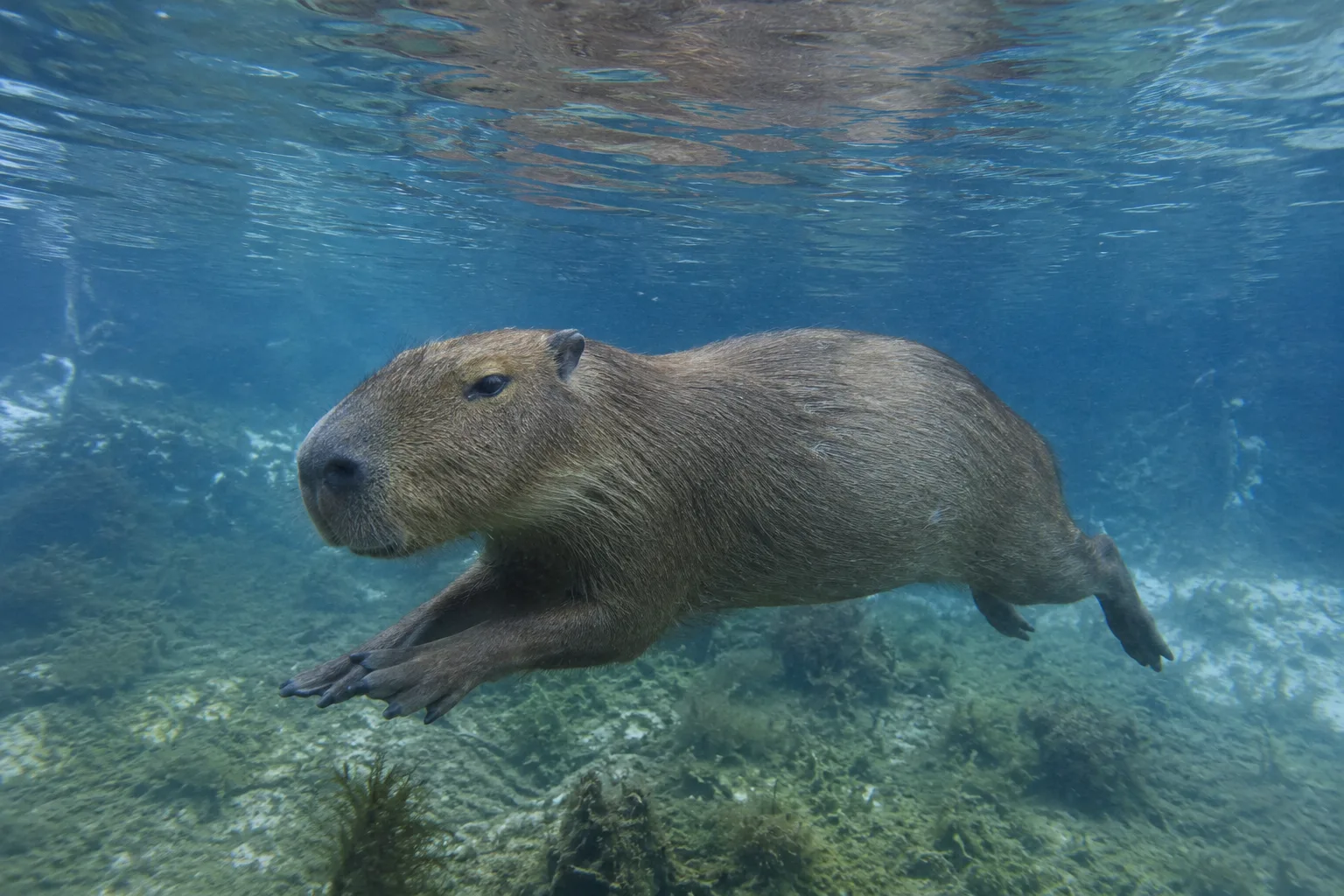
Water Is The Cooling System, Not The Decoration
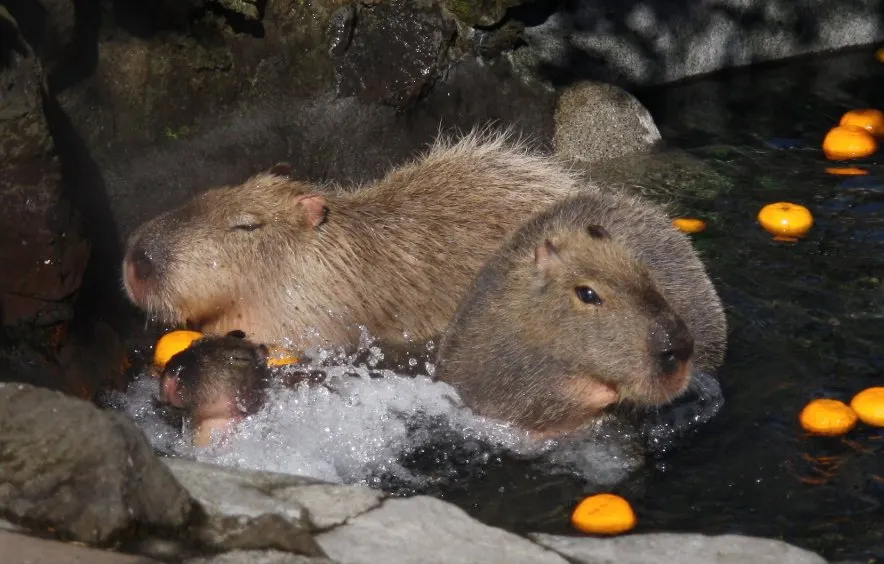
San Diego Zoo describes capybaras as semi-aquatic animals that spend a lot of time in water. Animal Diversity Web notes their use of water for refuge and daily life. The AZA Capybara Care Manual treats water access as central to managed care, because this animal is not merely fond of soaking. It is built around it.
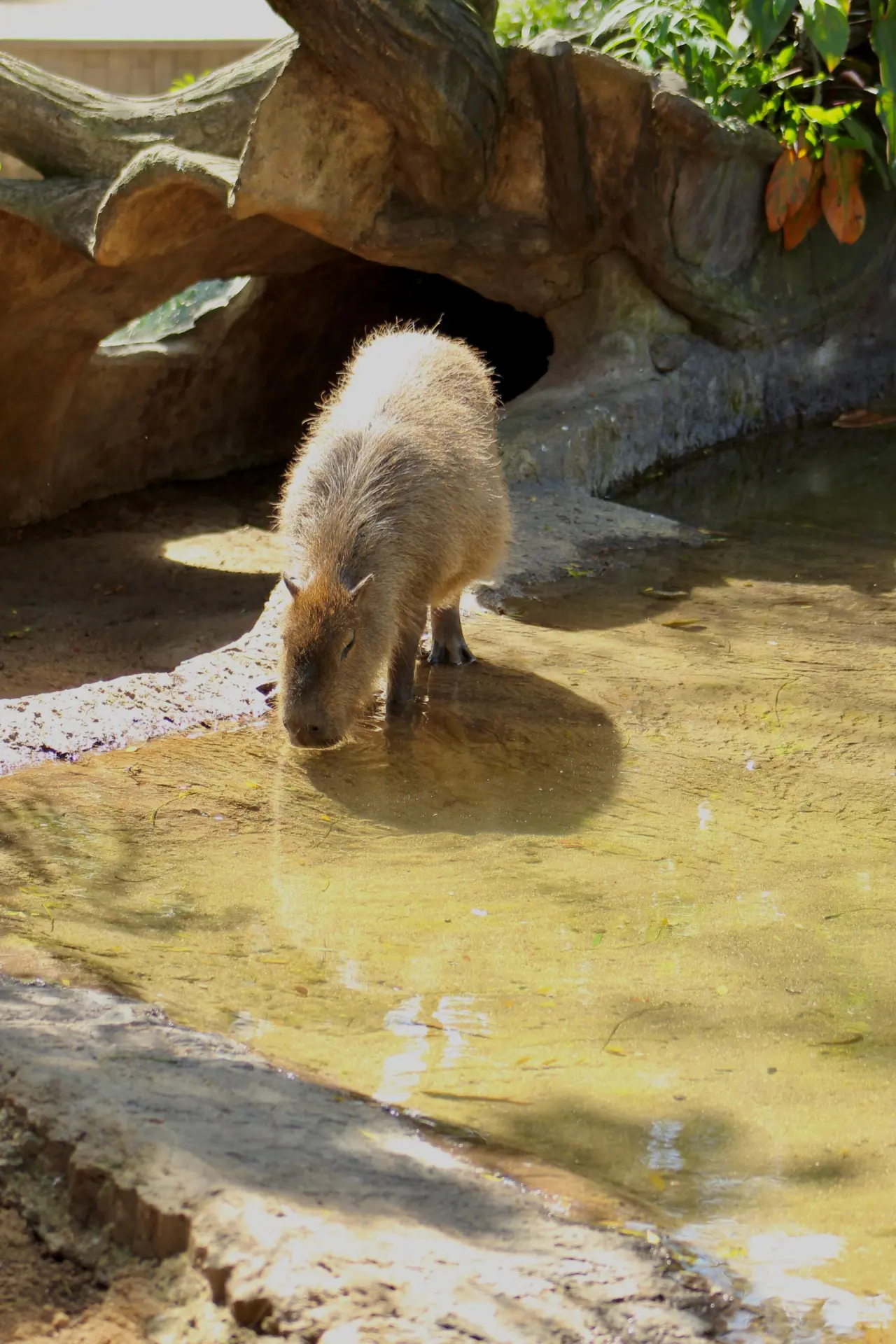
In hot weather, a good zoo pool or pond gives capybaras a place to lower body temperature, rest muscles, move away from pressure, and choose a cooler body position. That choice matters. A shallow decorative basin that photographs well is not the same as a managed water feature with safe entry, exit, cleanliness, and enough room for social animals.
This is not theoretical. During the June 2023 heat wave that pushed Texas into triple digits, the Houston Zoo’s capybara family rode it out the obvious way: parked in their water habitat, snacking at the edge, letting the pool do the job a pool is for. Zoos in hot climates lean on the same setup and add frozen enrichment on top — ice blocks packed with fruit and vegetables that cool the animal from the inside while giving it something to gnaw. Zoo Berlin’s capybara Marley has been photographed working through an iced melon on a stick for exactly this reason.
| Cooling tool | Why it matters |
|---|---|
| Pool or pond | Lets capybaras cool and move naturally |
| Shallow and deeper zones | Gives different ages and confidence levels options |
| Gentle entry slope | Reduces slipping and exit stress |
| Clean water management | Prevents the pool from becoming soup with opinions |
| Nearby shade | Keeps the retreat from turning into hot bathwater |

Shade Only Works If The Capybara Can Choose It
Shade is useful only when the animal can actually reach it, fit under it with companions, and leave it when the group dynamic changes. That is where zoo design gets less photogenic and more important.
Good habitats usually provide multiple microclimates: sun, shade, water, dry resting places, and indoor or covered retreat. If all the shade is in one corner and the dominant animal parks there, the rest of the group may not benefit. Capybaras are social, but social does not mean every individual gets equal access to the best spot without friction.
This is the kind of detail visitors never see unless they stand still for ten minutes. One capybara loafs in shade, one stands half-submerged, another parks near the gate, and the group slowly redistributes as the sun moves. The habitat is working when the animals can make those boring little choices without a crowd narrating them.
What Keepers Watch Before Heat Becomes An Emergency
Keepers are not just checking whether the animals look cute and damp. During heat, they watch breathing, posture, appetite, social position, willingness to move, and whether an animal is choosing shade or water normally.
The Merck Veterinary Manual describes heatstroke as a serious emergency across animals, with risk rising when heat production and heat loss get out of balance. Capybaras are not dogs, but the general principle is the same: heat problems can move fast, and early signs matter. Heavy or strained breathing, a stiff animal that cannot settle, refused food, reluctance to move, or one individual separated oddly from the group are the shifts that turn a lazy afternoon into a call to the vet.
This is why “the capybara is just lying there” is not enough information. It might be fine. It might not. The difference lives in details and in the keeper’s knowledge of that animal.
What Visitors Usually Misread On Hot Zoo Days
Visitors tend to read stillness as laziness. Sometimes that is fair. A capybara resting in shade near water with a loose body and calm group around it may simply be doing the day’s sensible thing.
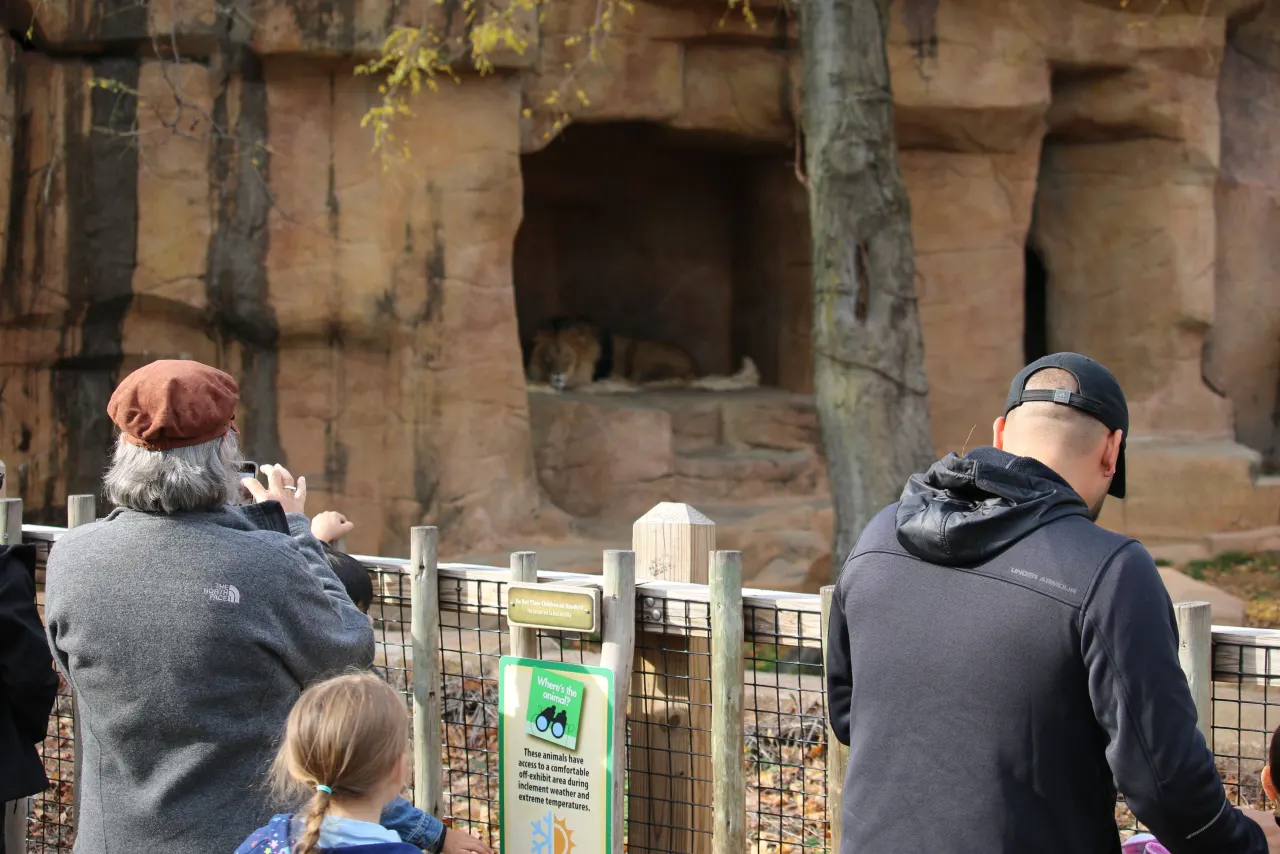
The risky part is crowd pressure. Hot weather often means more visitors near water features, more phones, more squealing, and more people trying to get the angle. A capybara that wanted shade and water should not also have to manage a small press conference.
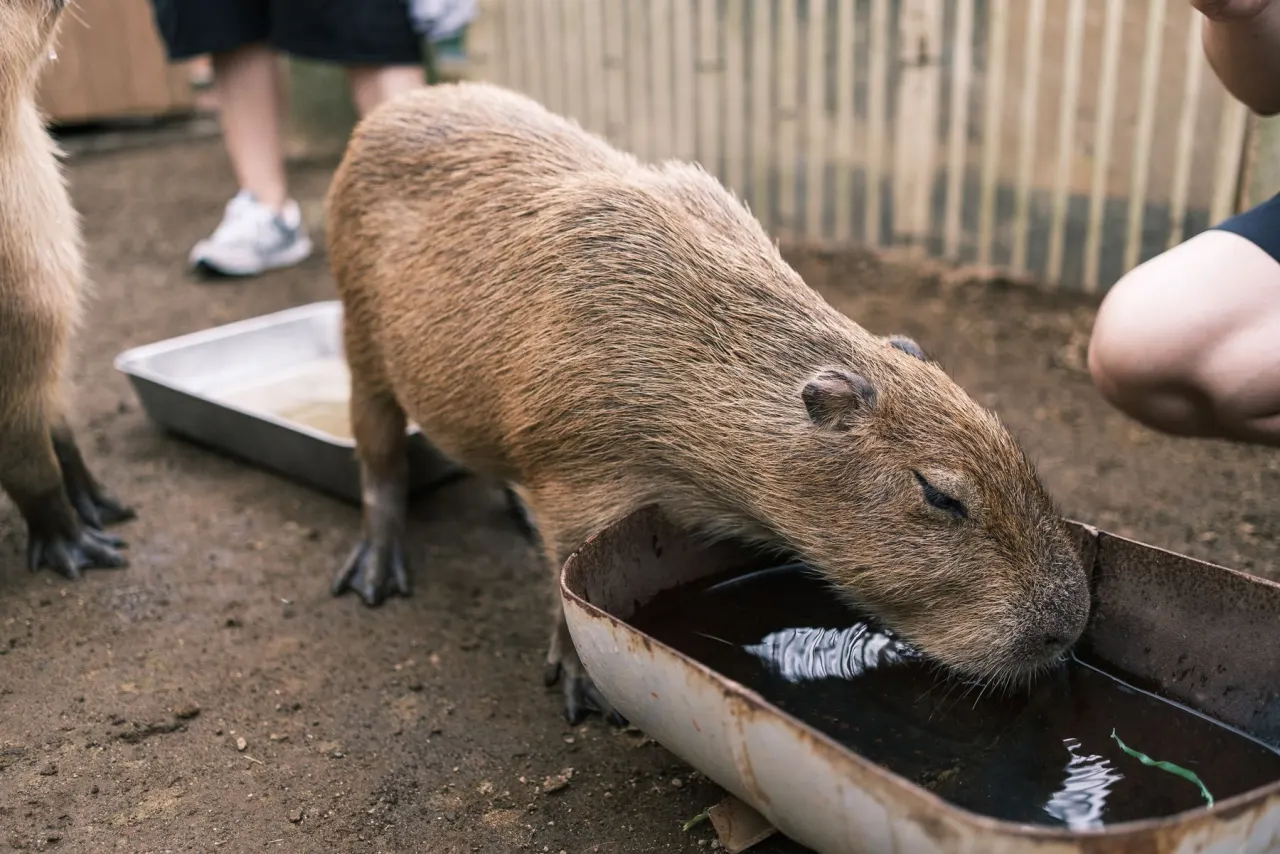
The best visitor move is modest: keep back, lower voices, do not tap glass or fencing, and let the animal use the space. If the habitat has indoor areas and you cannot see the capybara, that may be the facility doing its job. An invisible comfortable animal beats a visible stressed one every time.
The Backyard Lesson Nobody Likes
Every heat-wave article about zoo capybaras quietly points back to ownership reality. If a zoo needs water systems, shade planning, keeper checks, and veterinary support, a private owner needs more than enthusiasm, a stock tank, and a photo of someone else’s enclosure saved to their phone.
The broader care guide and pet ownership reality check say the same thing from different angles: capybaras are not “large guinea pigs with a pool.” They are social semi-aquatic animals with serious habitat needs. Summer makes that obvious fast.
If you are pet-curious, build the heat plan on paper before you build anything else. Where is the water? Who filters it? Where is the shade at 3 p.m.? Where is the indoor retreat? Who is the exotic vet? How do you transport a heat-stressed animal safely? The answer cannot be “we have vibes and a hose.”
The Practical Takeaway
Zoos keep capybaras cool by giving them water, shade, retreat, choice, and staff who know what normal looks like. The good work is mostly unglamorous: drainage, monitoring, cleaning, moving shade, checking appetite, and letting animals disappear when they need to. That last part is hard for visitors and essential for the animal.
For visitors, the best summer behavior is restraint. Watch quietly. Respect barriers. Do not feed anything. If the capybara is in the pool looking like it has rejected all calendar invites, that may be perfect husbandry in motion.