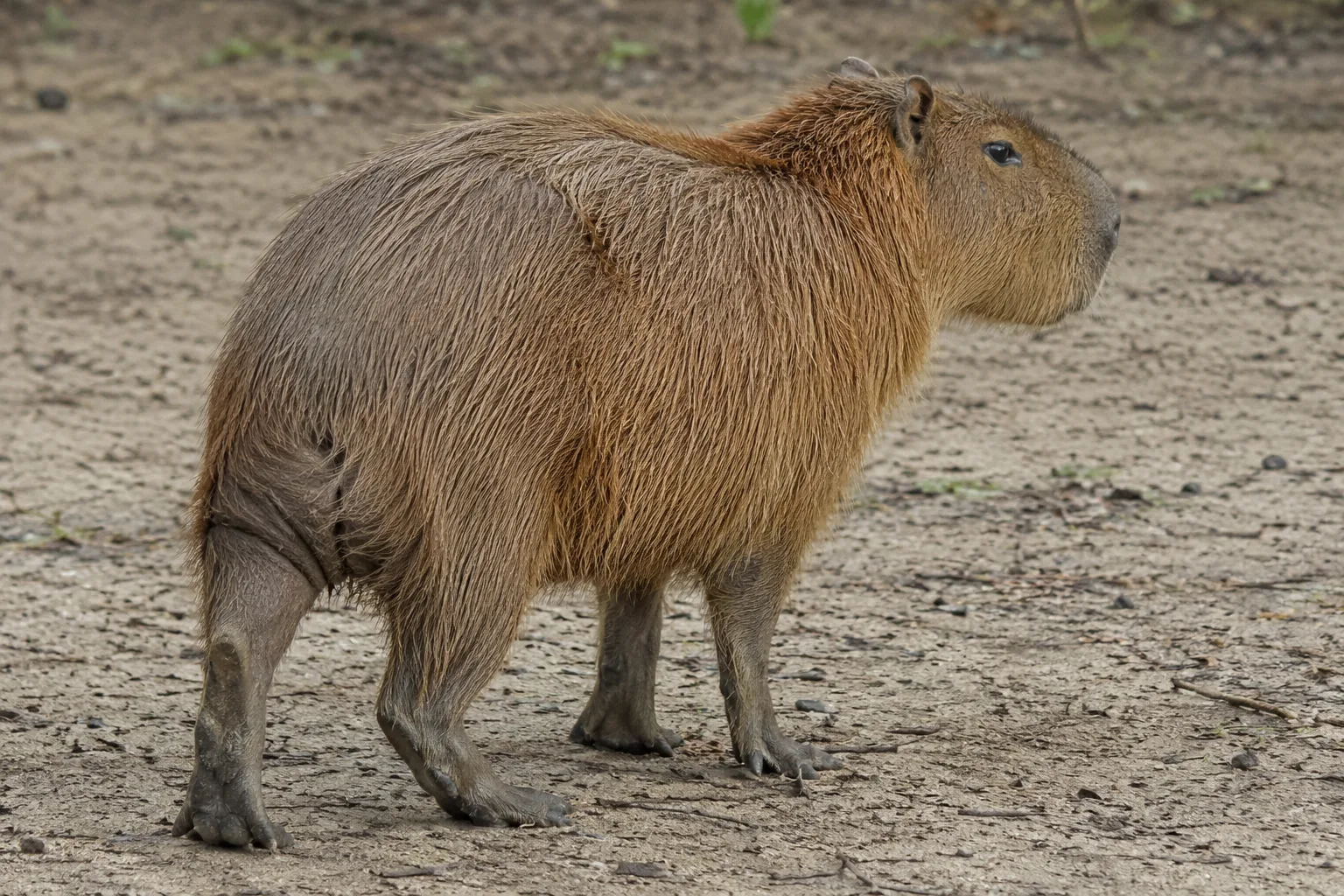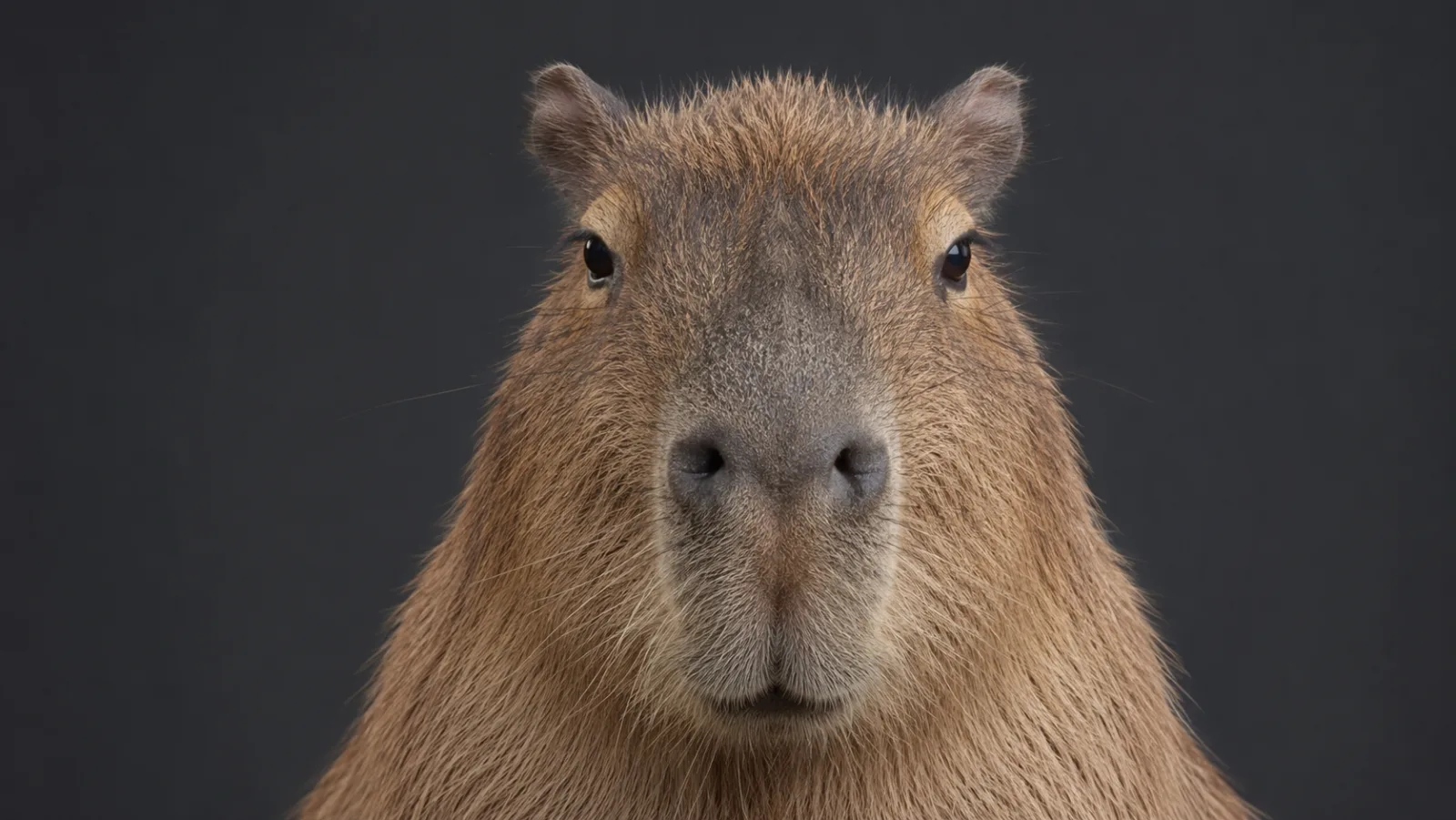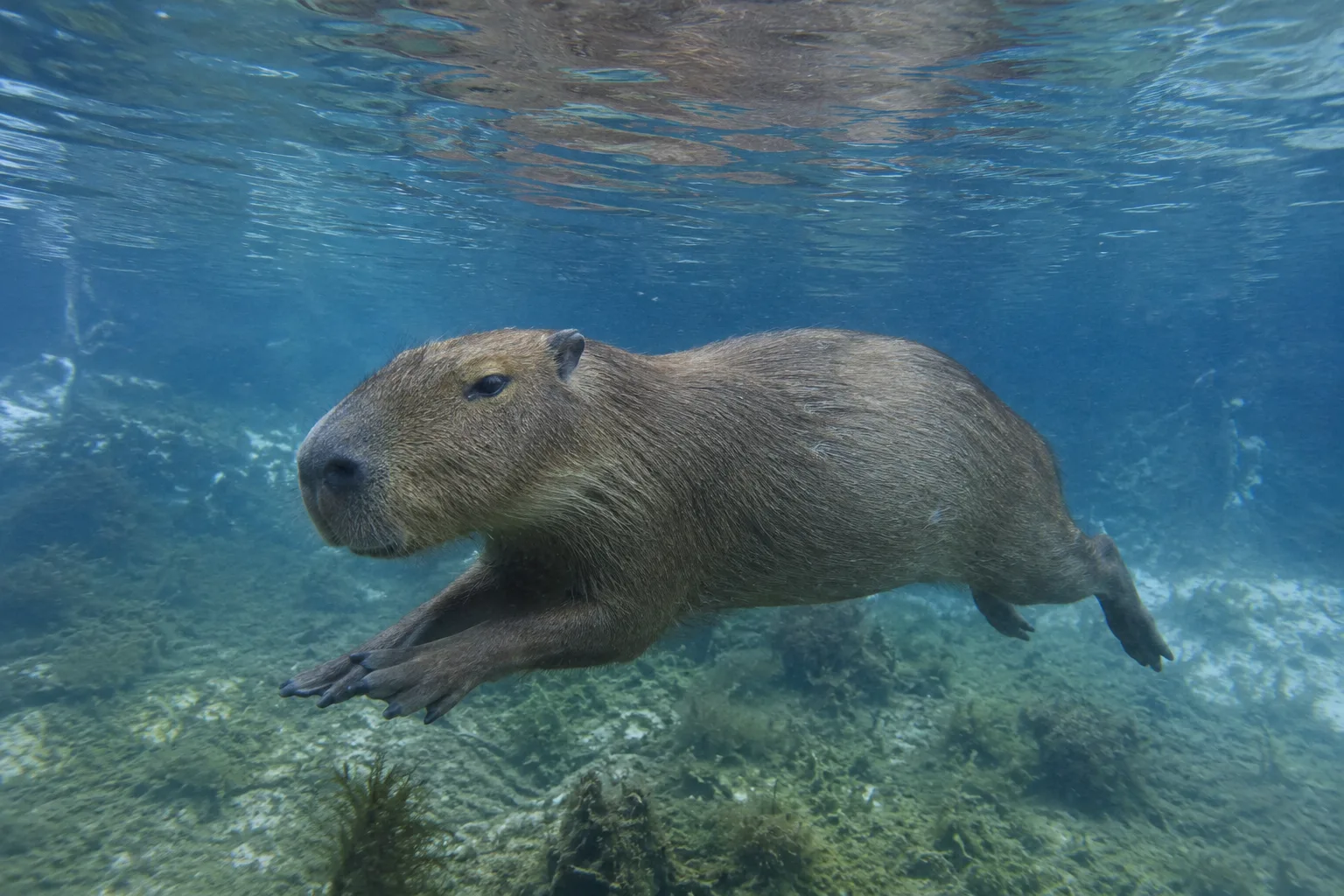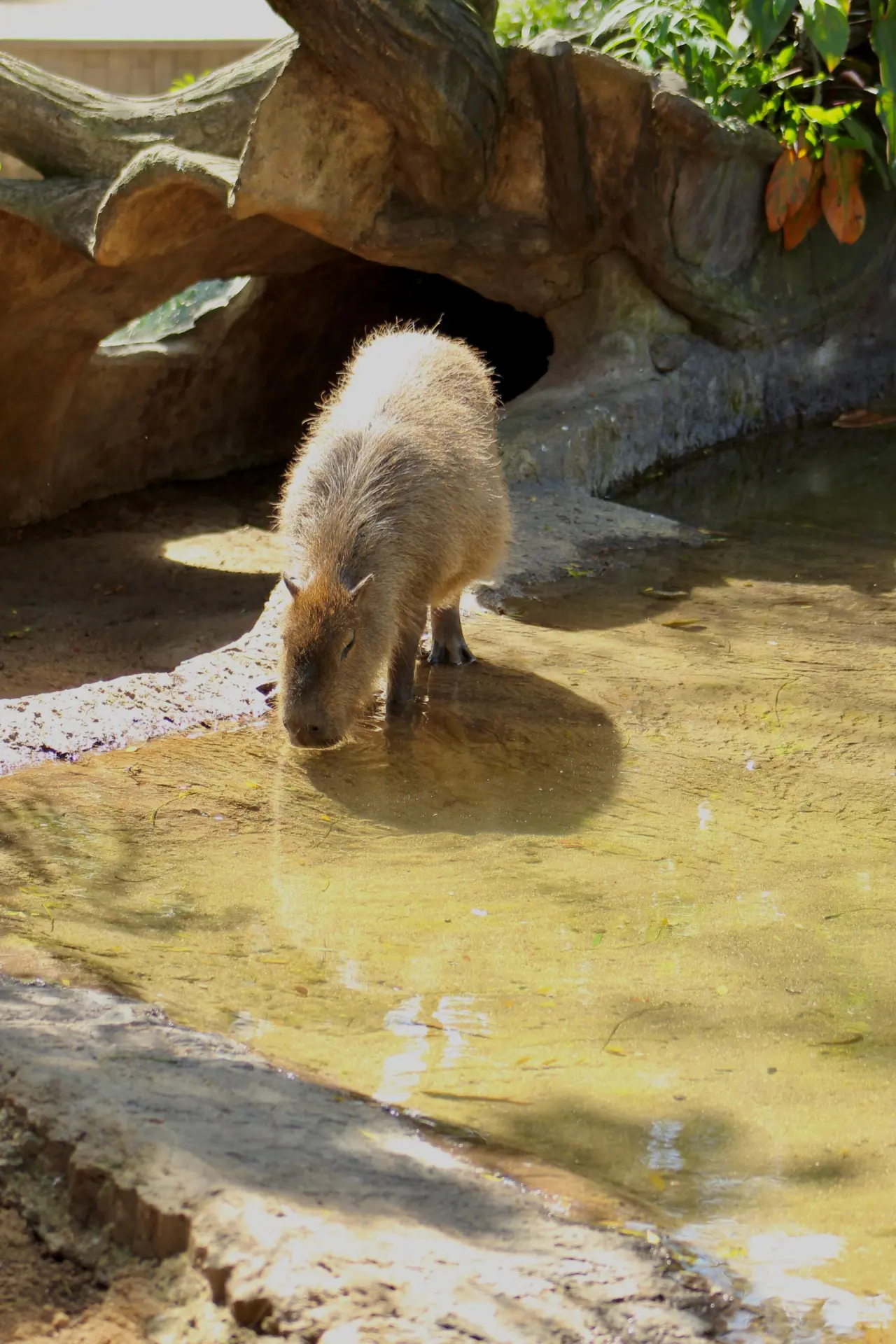

The capybara has a reputation to protect. It is the animal that stays calm while a crocodile naps next to it, the patron saint of being unbothered.
Then the first week of July arrives, and the sky starts exploding.
Here is the honest version. Capybaras are calm, not deaf. A sudden percussive bang still registers as a possible predator, and the chillest rodent on the internet will still flinch when your neighbor lights something illegal at 11pm.
Do Fireworks Actually Bother Capybaras?
Short answer: yes, in the moment.
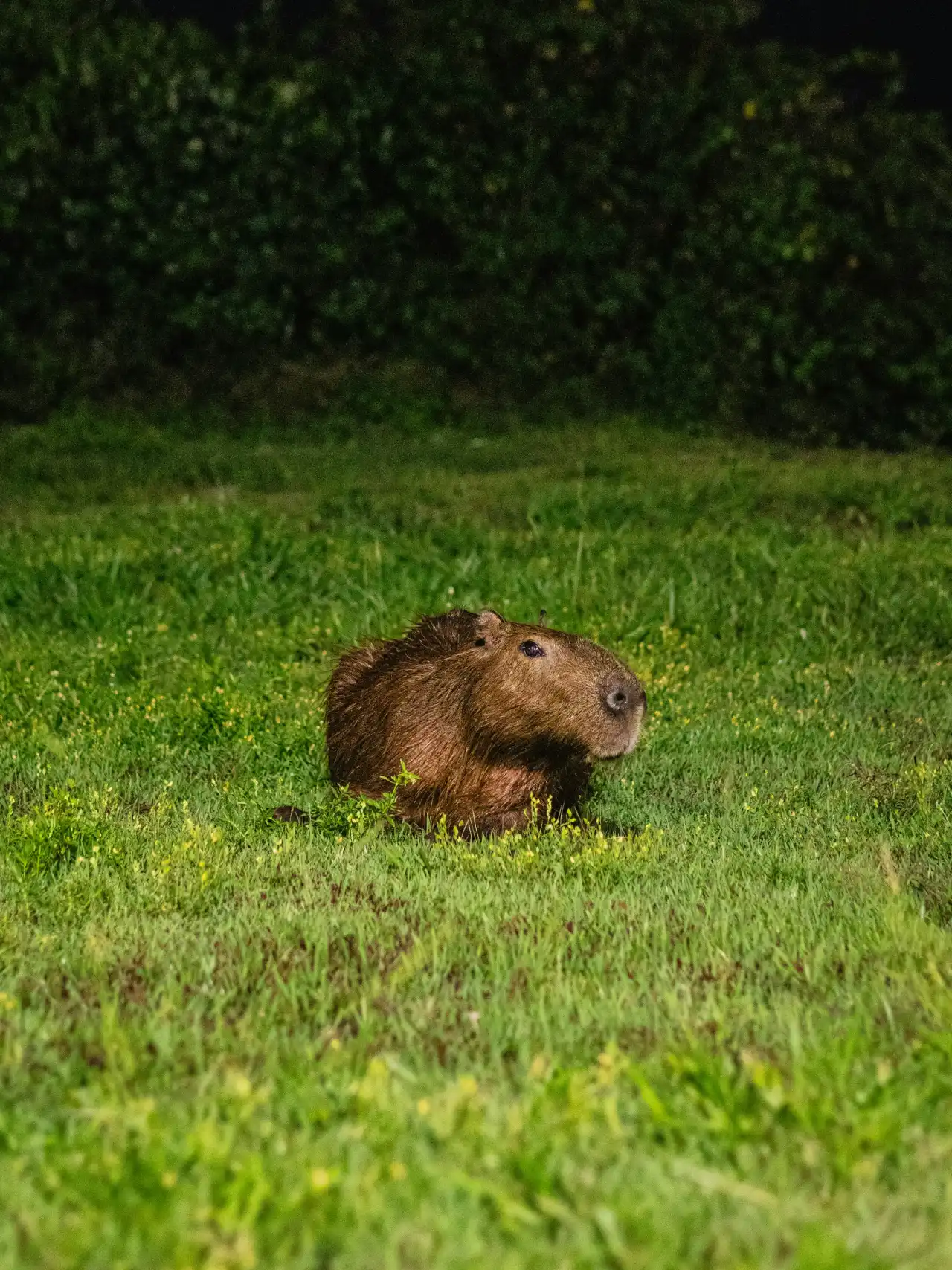
Capybaras are crepuscular, most active around dawn and dusk, which means peak fireworks hour lands right when they are already up and paying attention. Their default response to a sudden threat is not to fight or freeze. It is to leave, fast, toward water.
The calm you see in videos is real, but it is situational. San Diego Zoo Wildlife Alliance describes capybaras as alert prey animals that rely on water for escape. A relaxed capybara is a capybara that has decided nothing is wrong. A firework is the universe arguing the opposite.
What The Science Says About Animals And Fireworks
This is not just vibes and anecdote.
A 2023 review in Pacific Conservation Biology, led by Bill Bateman at Curtin University, pulled together evidence on fireworks across wildlife and found real, measurable disturbance. The paper documents fireworks disrupting bird colonies, altering sea lion behavior during breeding season, and hurting the nesting success of species sensitive to noise. The researchers were blunt that the short bang has long-tail consequences, and pushed drone and laser shows as a quieter alternative.
Zoo animals get a version of the same stress. Born Free USA notes that loud noise raises heart rate and cortisol in captive animals and has reported zoos confining sensitive species to smaller, quieter night houses on fireworks nights. That tells you the people who run these places already treat the noise as a problem to manage, not a non-event.
How Zoos Keep The Calm Ones Calm
Accredited zoos plan for the 4th like it is weather. The playbook is unglamorous and it works.
| What zoos do | Why it works |
|---|---|
| Add extra enrichment before dusk | Gives animals something absorbing to focus on as noise builds |
| Run more frequent keeper checks | Catches panic or injury early instead of at morning rounds |
| Open quieter indoor or sheltered spaces | Lets animals self-select away from the loudest sound |
| Relocate or buffer sensitive species | Reduces noise exposure for the worst-affected animals |
| Close early or skip on-site fireworks | Removes the stressor instead of just managing it |
The pattern underneath all of it is choice. A capybara that can walk into a quieter shelter, or sink into a pool, copes far better than one stuck in the open. Good husbandry on a loud night is mostly about giving the animal an exit it can take on its own terms.

There is a fault line here worth naming. The same week, some zoos host their own fireworks shows over the animals’ heads, which welfare groups like Born Free have called out directly. You cannot manage a stressor and sell tickets to it at the same time. The AZA keeps a directory of accredited zoos if you want to know whether a place near you meets real care standards rather than just charging for the view.
The Capybara’s Own Exit Strategy
Left to its own instincts, a capybara does not need a keeper to tell it what to do. It has the pond.
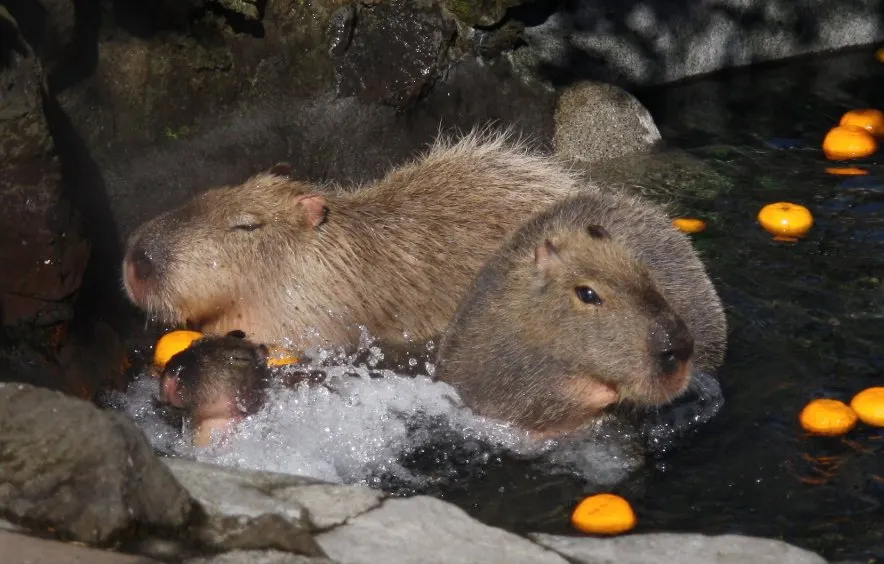
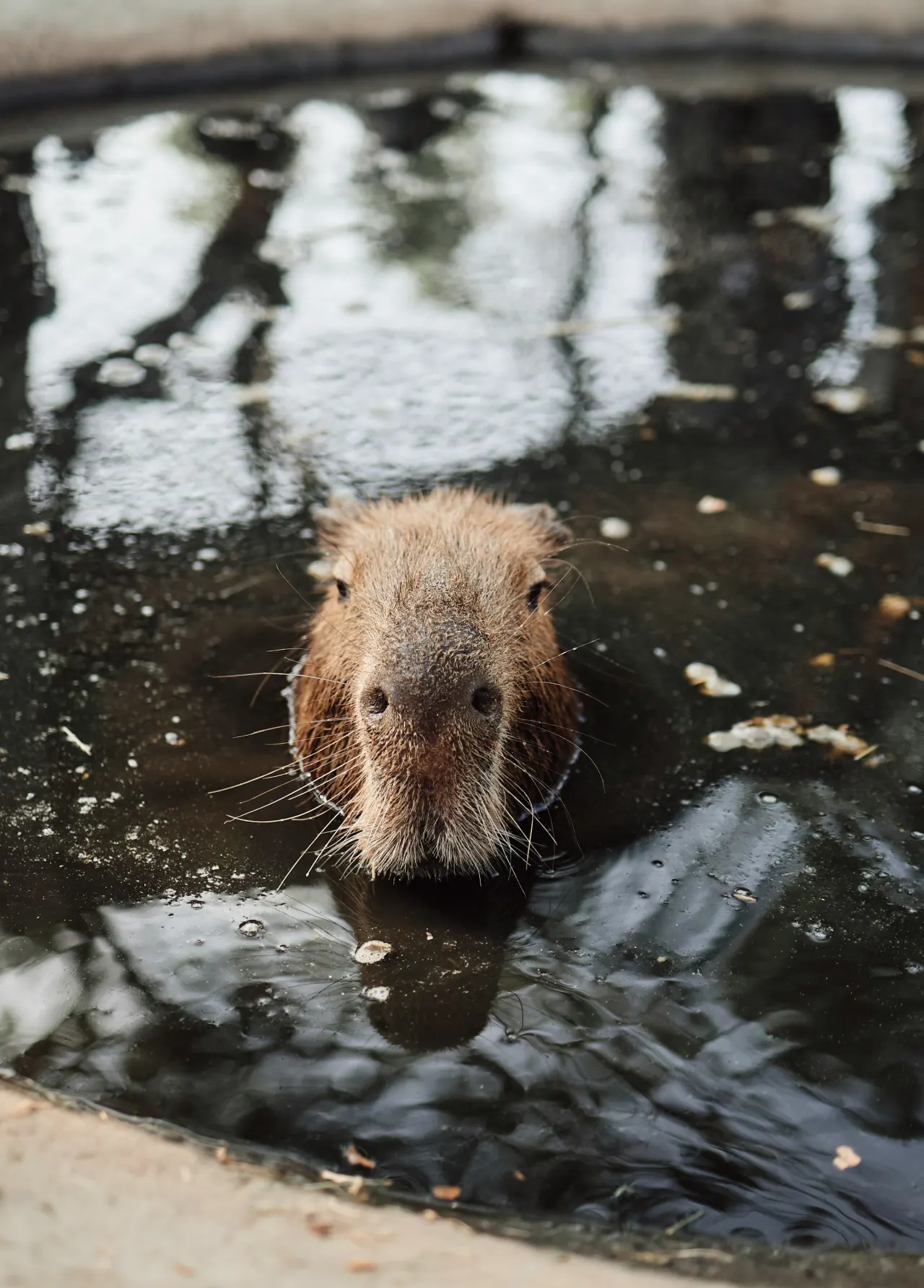
When startled, a group often fires off a sharp, dog-like alarm bark, the warning sound that sends everyone toward water. Then they go in. Capybaras are semi-aquatic and will dive and swim off, or sit submerged with just their nostrils breaking the surface, until the threat passes. Animal Diversity Web documents water as their primary predator-escape route.
So the pond is not decoration. On a fireworks night it is the capybara’s panic room, soundproofing optional. Somewhere out there is a capybara that heard your neighborhood’s unlicensed mortar show and filed a formal complaint with the water feature.
If You Keep An Exotic Animal Near The Noise
This part needs a clear line. I am not a vet, and neither is the internet.
If you keep a capybara or any exotic animal, fireworks week is a real welfare moment, not a photo op. Honestly, the most underrated move is the boring one: plan before the holiday, not during it. The AZA Capybara Care Manual treats stress management and shelter as core husbandry, and an exotic-animal vet can advise on noise anxiety, safe spaces, and whether your animal needs anything beyond a quiet room and water access.
Do not improvise sedation, do not assume a calm-looking animal is fine, and do not test its patience with a sparkler. Give it water, give it cover, and let it do the thing it has always done: wait the whole loud business out, half-submerged, deeply unimpressed.