Capybaras invade legislative assembly
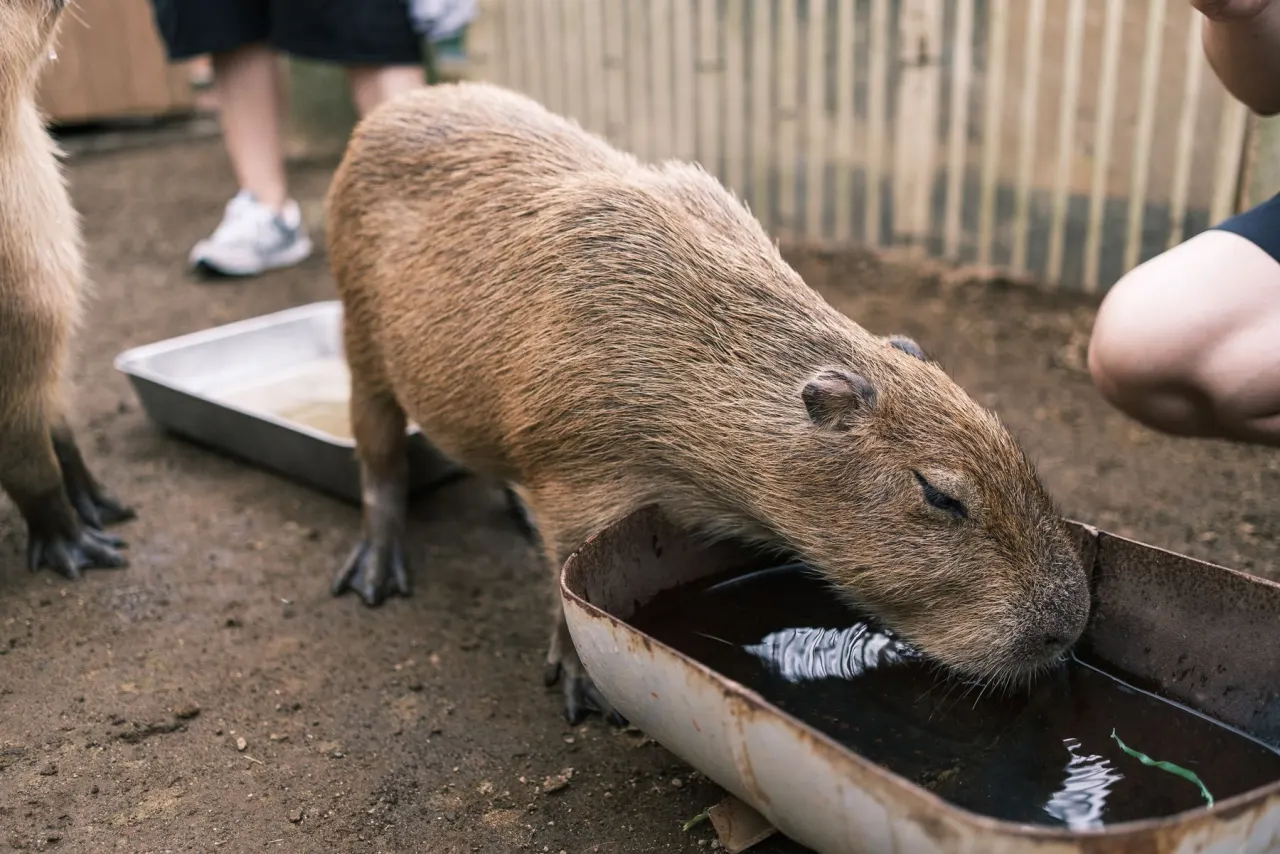
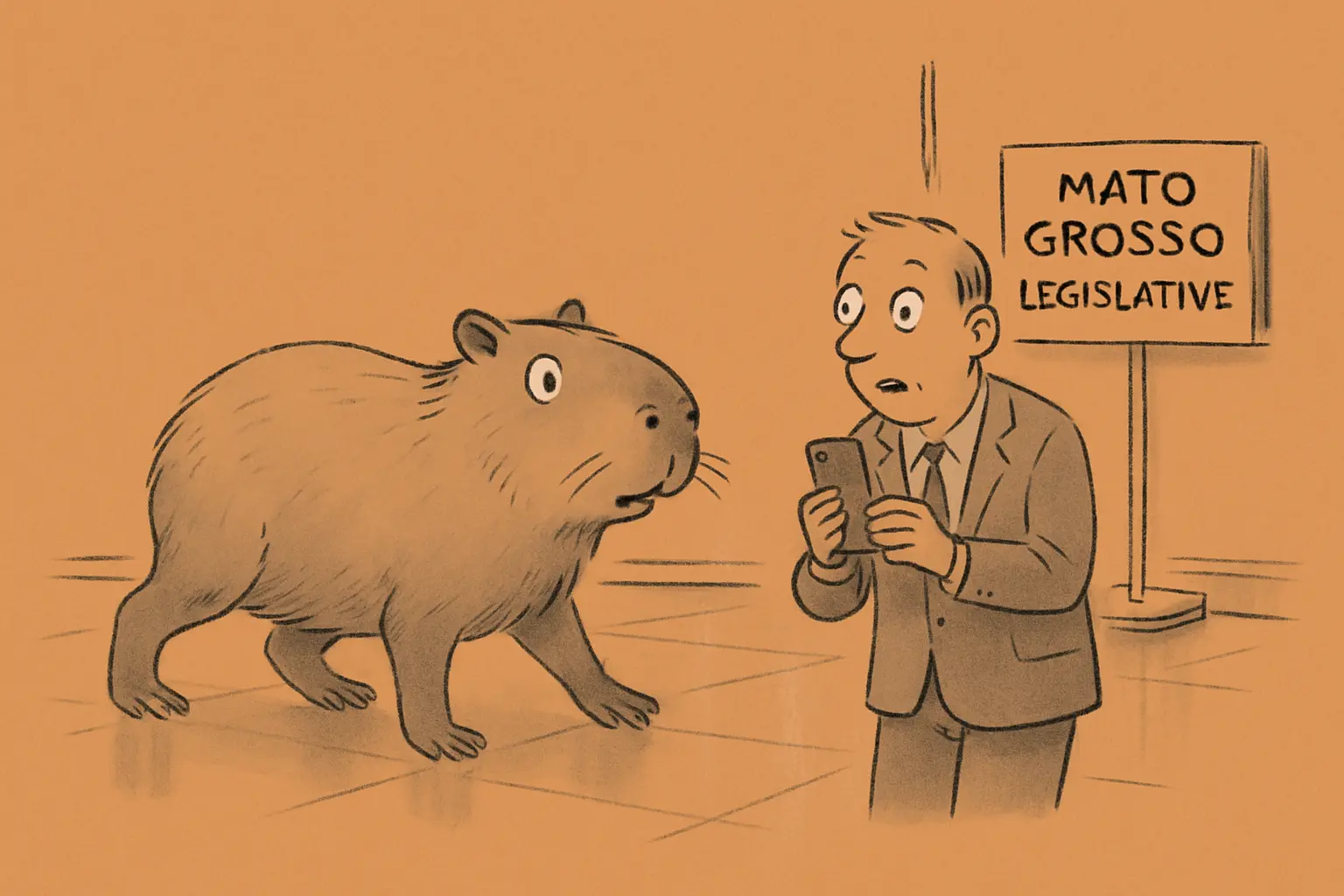
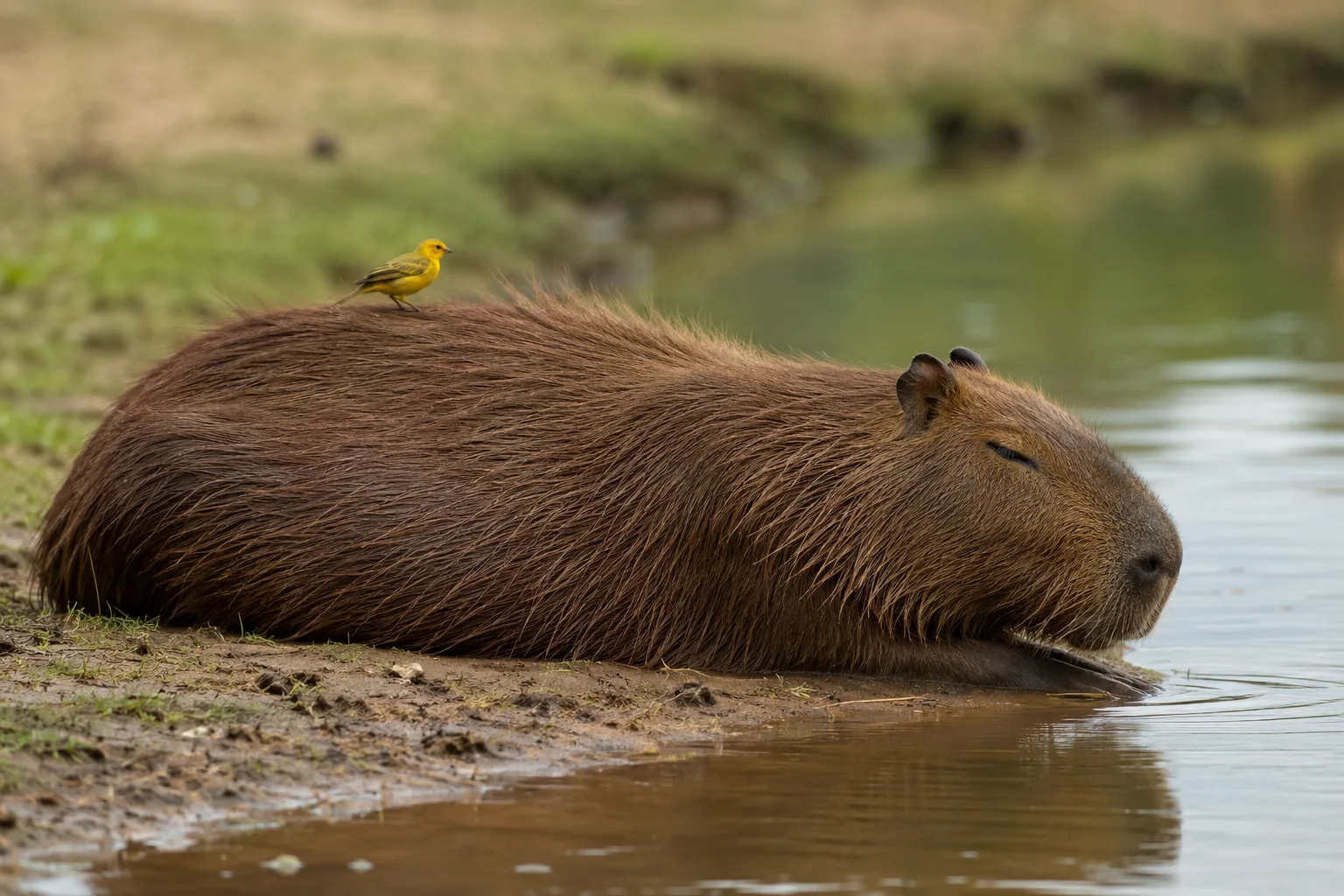
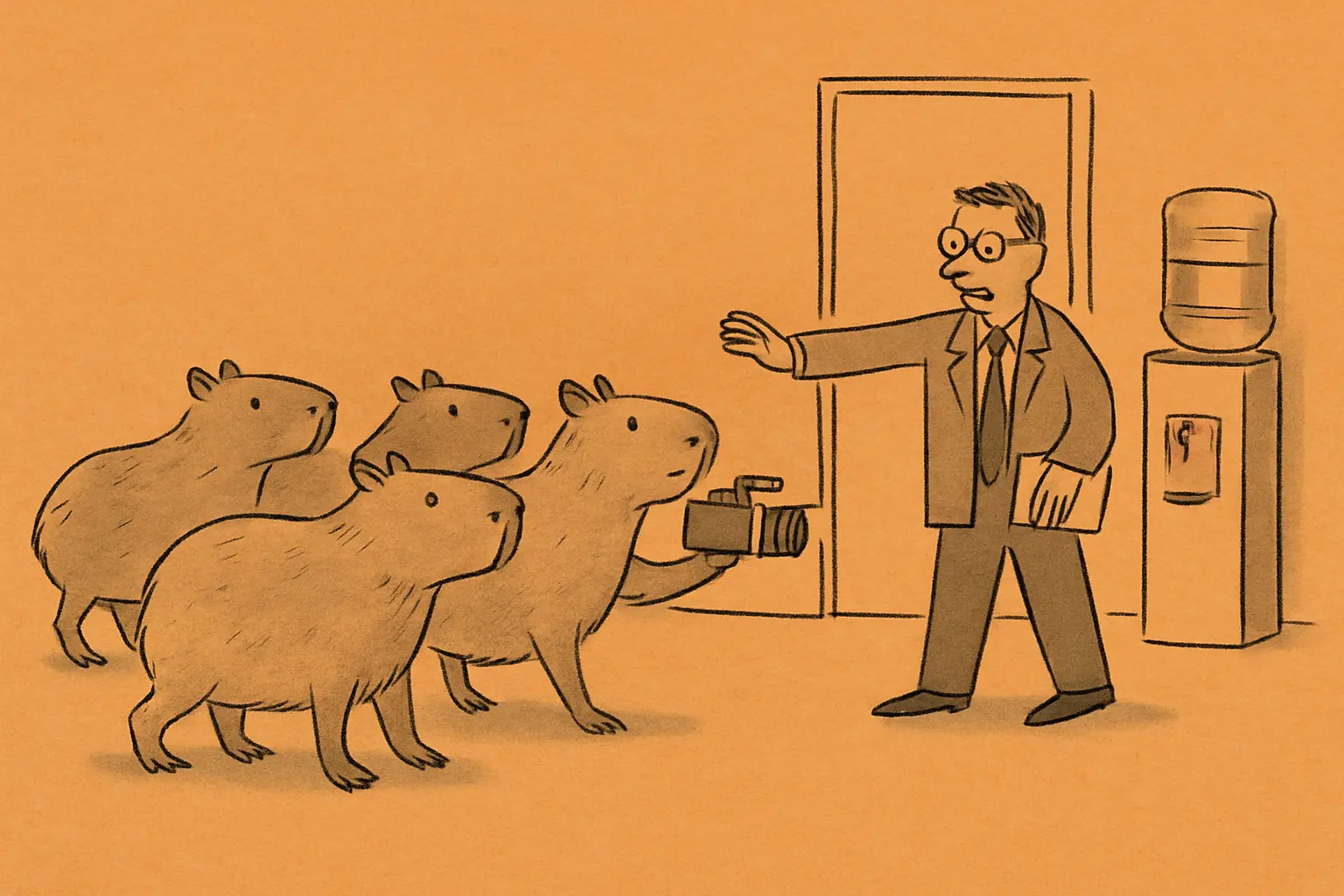
In a classic case of “this is why we can’t have nice things,” a group of capybaras recently decided to take a field trip into the Mato Grosso legislative assembly building in central-western Brazil. According to The Cool Down, the scene was captured on video by a civil servant who calmly guided the animals back outside. It’s not every day you see the largest rodents on earth casually strolling through government corridors, but in Brazil, capybaras are practically national treasures.
The animals, known for their sociable nature and penchant for water, seemed unfazed by the change of scenery. Rather than panic, the staff maintained their composure, a wise choice given that capybaras can weigh up to 150 pounds and aren’t exactly known for their agility in tight spaces. Their semi-aquatic lifestyle usually keeps them near water bodies, but human expansion into natural habitats sometimes results in peculiar encounters like this one.
The human-wildlife overlap
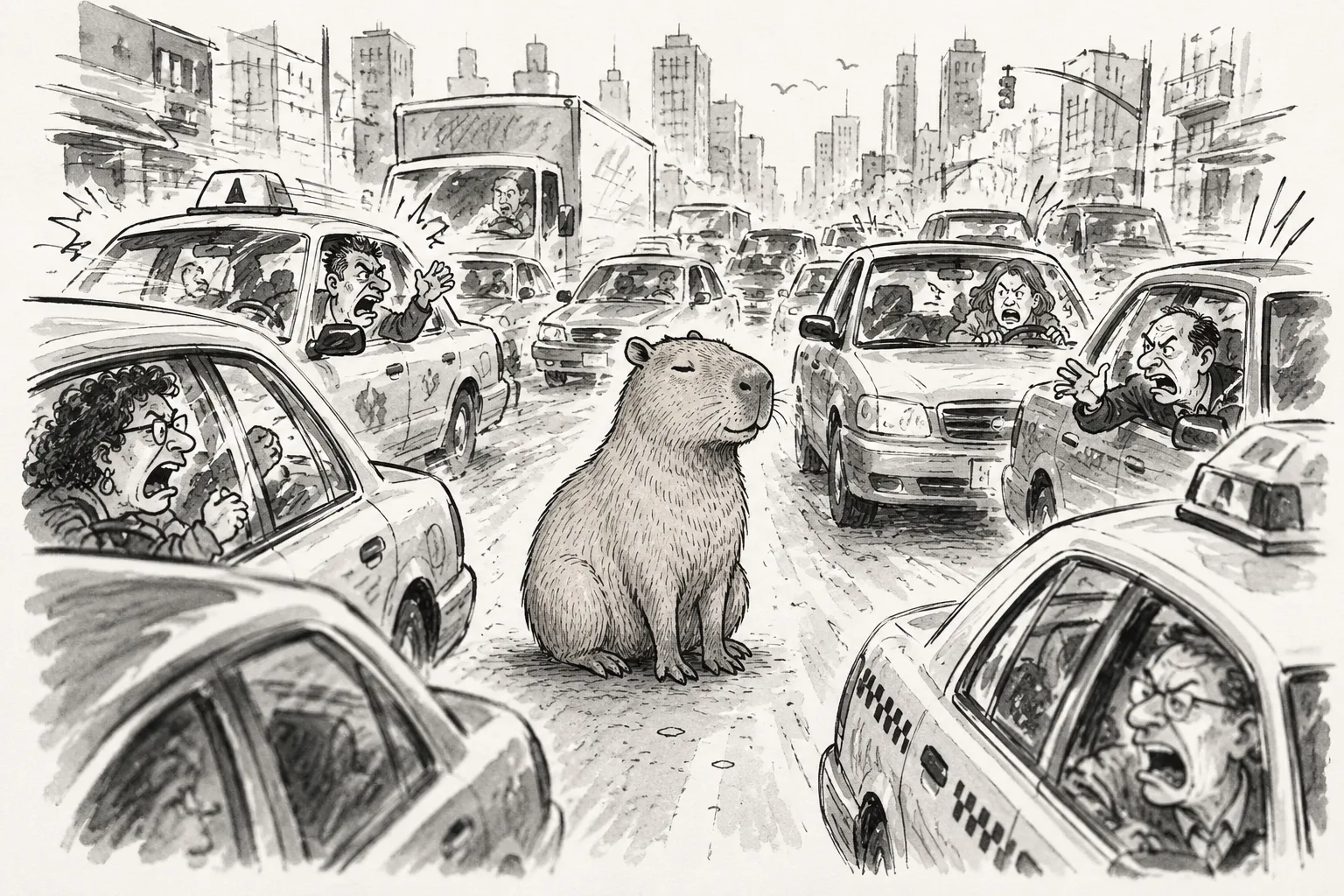
This incident serves as yet another reminder of how human and wildlife spaces are increasingly overlapping. As The Cool Down noted, the boundaries between our constructed environments and natural habitats are becoming blurred. Offices, roads, and government buildings often encroach on areas that once belonged exclusively to wildlife.
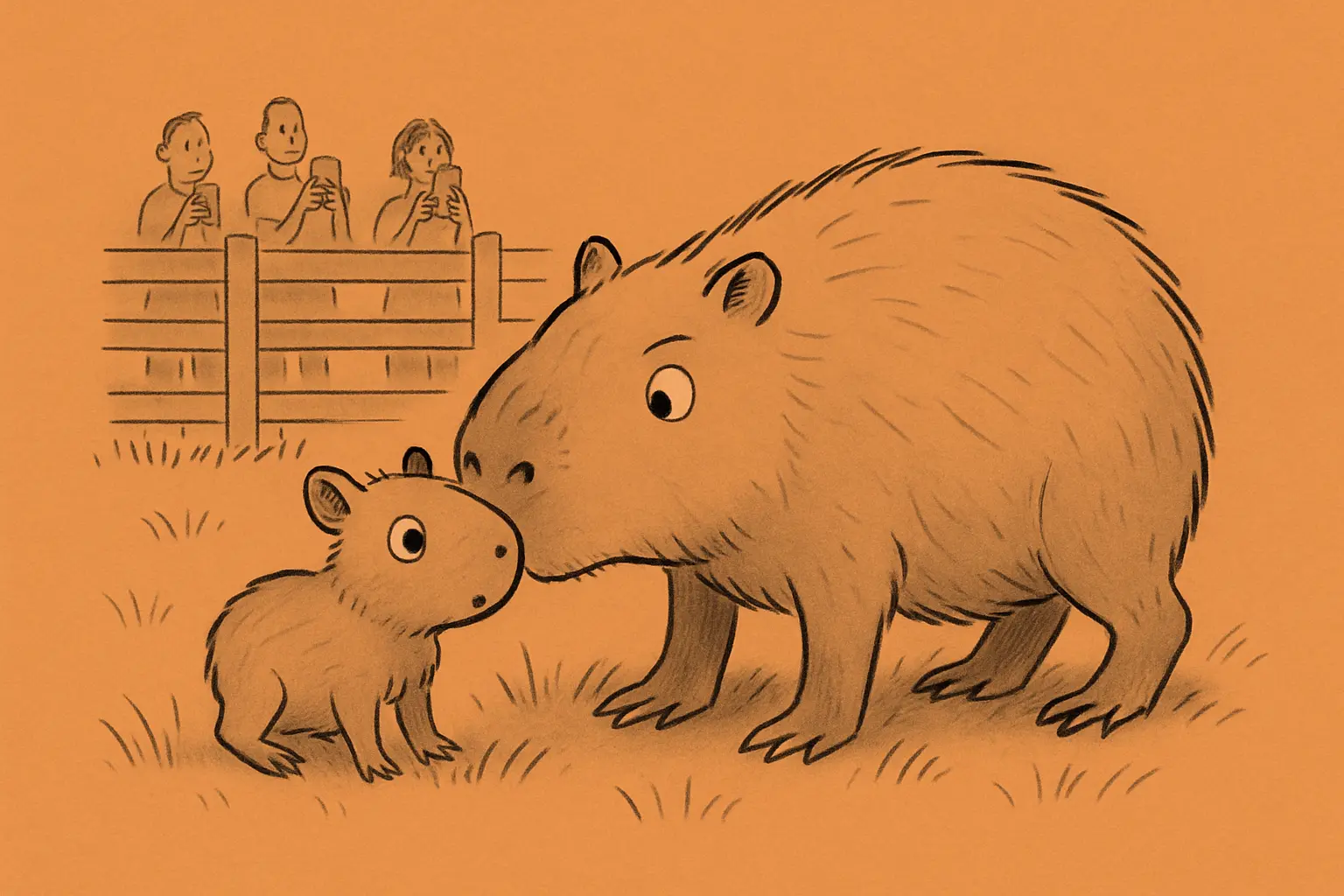
Human activities, such as development and urban sprawl, frequently fragment habitats. As a result, animals like capybaras find themselves wandering into human territories. While this makes for entertaining news stories, it’s not ideal for either party. Animals get confused and stressed, and humans, well, we just don’t know what to do when a capybara shows up at the water cooler.
The importance of calm
The video from Mato Grosso provides a textbook lesson in how to manage surprise wildlife encounters. The staff member’s calm demeanor kept the situation from escalating, ensuring the capybaras remained as stress-free as possible. This approach is recommended in such situations: stay calm, give the animals space, and avoid turning the encounter into a spectacle.
Guiding wildlife away from busy indoor areas without causing a commotion is key. Communities are encouraged to preserve green spaces and habitat corridors to give animals like capybaras the room they need to roam without inadvertently ending up in a bureaucratic maze.
Capybara misconceptions
One of the most common misconceptions about capybaras is that they’re just oversized guinea pigs. While it’s true they share a family tree, capybaras are in a class of their own. They’re not merely large rodents; they’re highly social creatures that communicate with purrs, barks, and whistles. They’re also adept swimmers, a skill that helps them avoid predators in the wild.
Another fact often overlooked is that capybaras can hold their breath underwater for up to five minutes. This impressive ability allows them to evade threats and stay cool in their hot, humid habitats. It’s no wonder they prefer habitats with plenty of water and vegetation.
The Grumpy Capy take
So what does this all mean? For one, it’s a reminder that we humans need to get better at sharing our space. As amusing as it might be to see capybaras wandering through a legislative assembly, these encounters are symptoms of a larger issue: habitat fragmentation driven by human development.
While the capybaras’ impromptu visit provided a memorable workday interruption, it also underscores the need for thoughtful urban planning. Preserving green and water spaces, and designing urban areas with wildlife in mind, could reduce such encounters. Let’s face it, no one wants to be the person who has to explain to their boss why there’s a capybara in the conference room.
For transparency, the primary source for this article was The Cool Down, which provided the initial report on the incident.