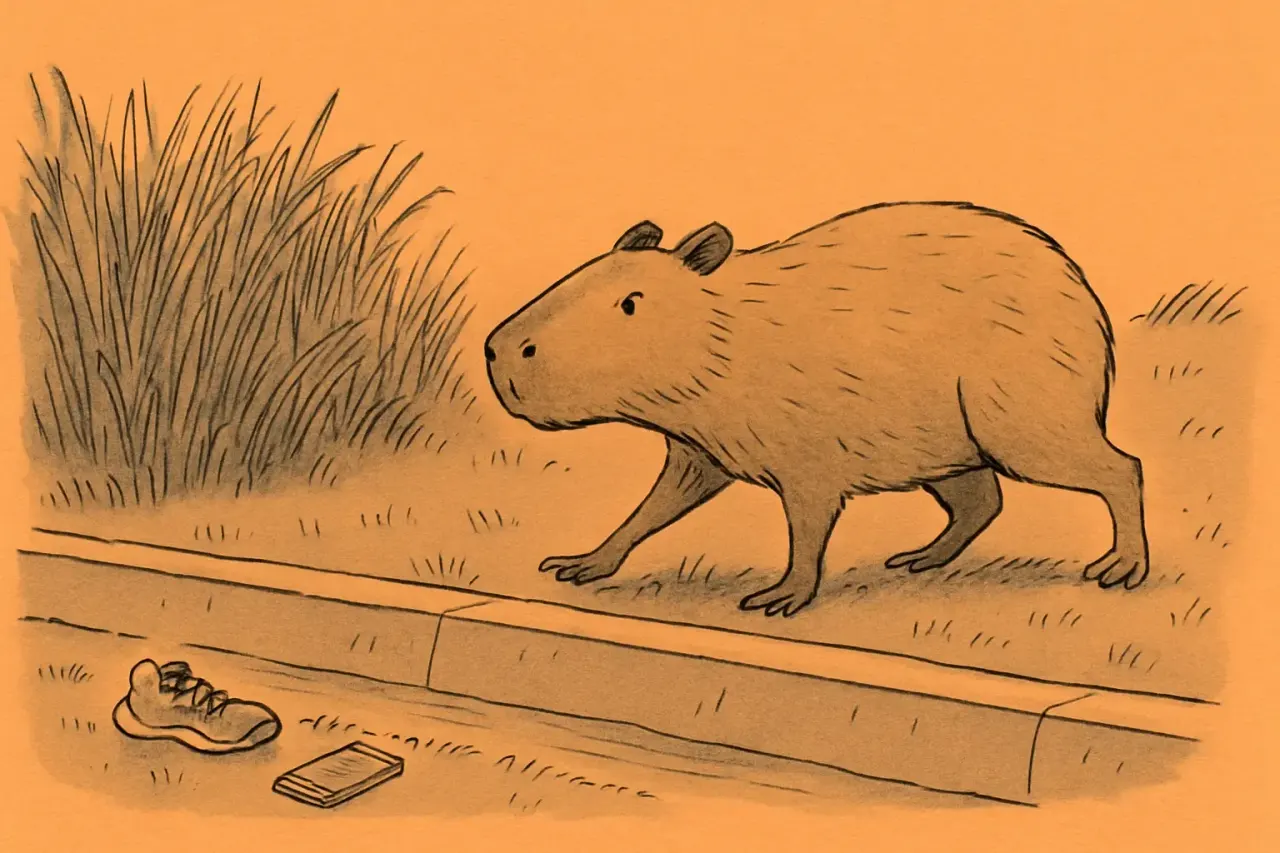
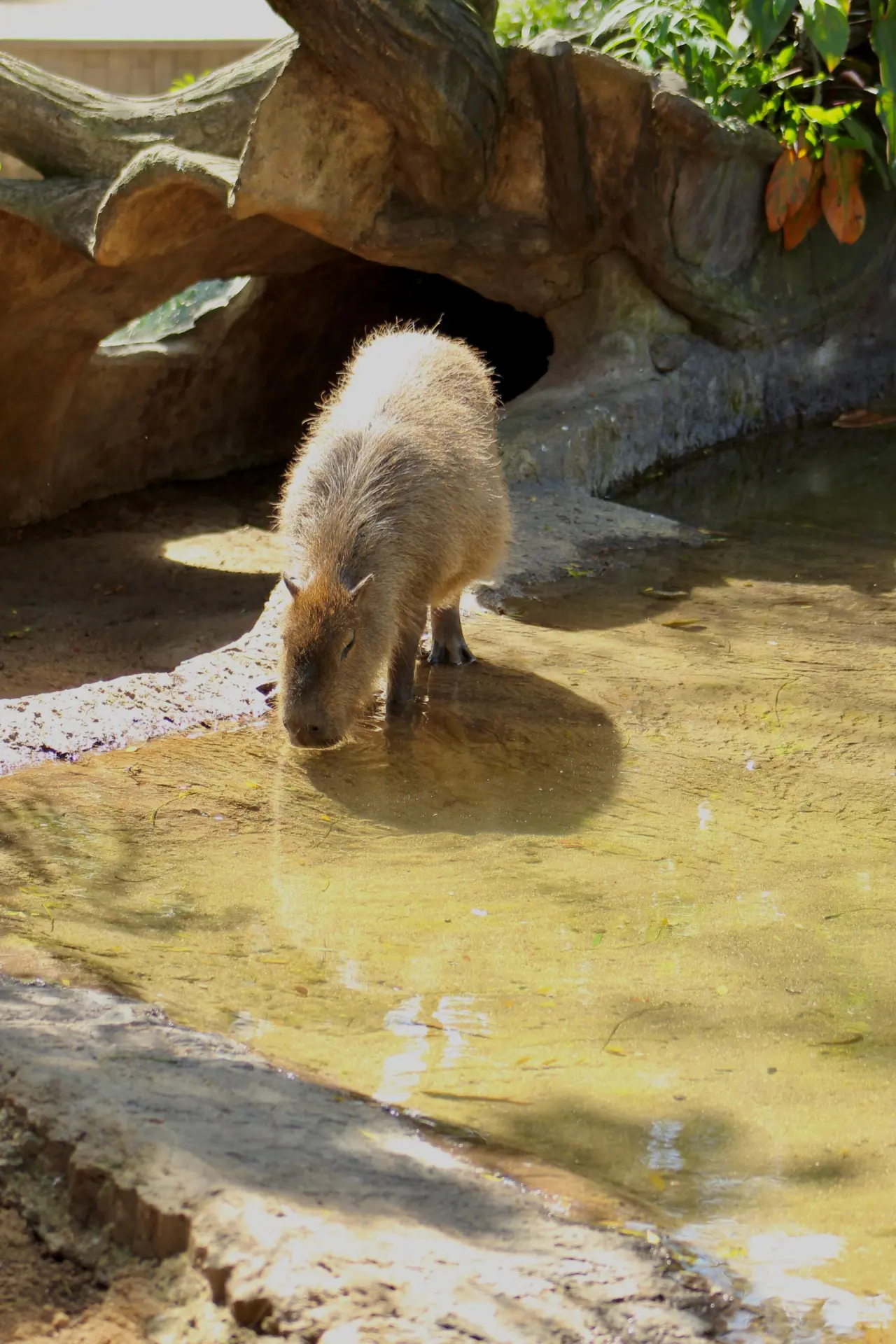
A healthy capybara zoo habitat should look a little like a spa, a salad bar, and a security plan had a meeting.
The obvious feature is water. The better question is whether the whole space lets a capybara behave like a capybara: swim, soak, graze, rest, move with the group, get away from noise, and avoid becoming a prop for someone’s afternoon.
The Pool Is Not Decoration
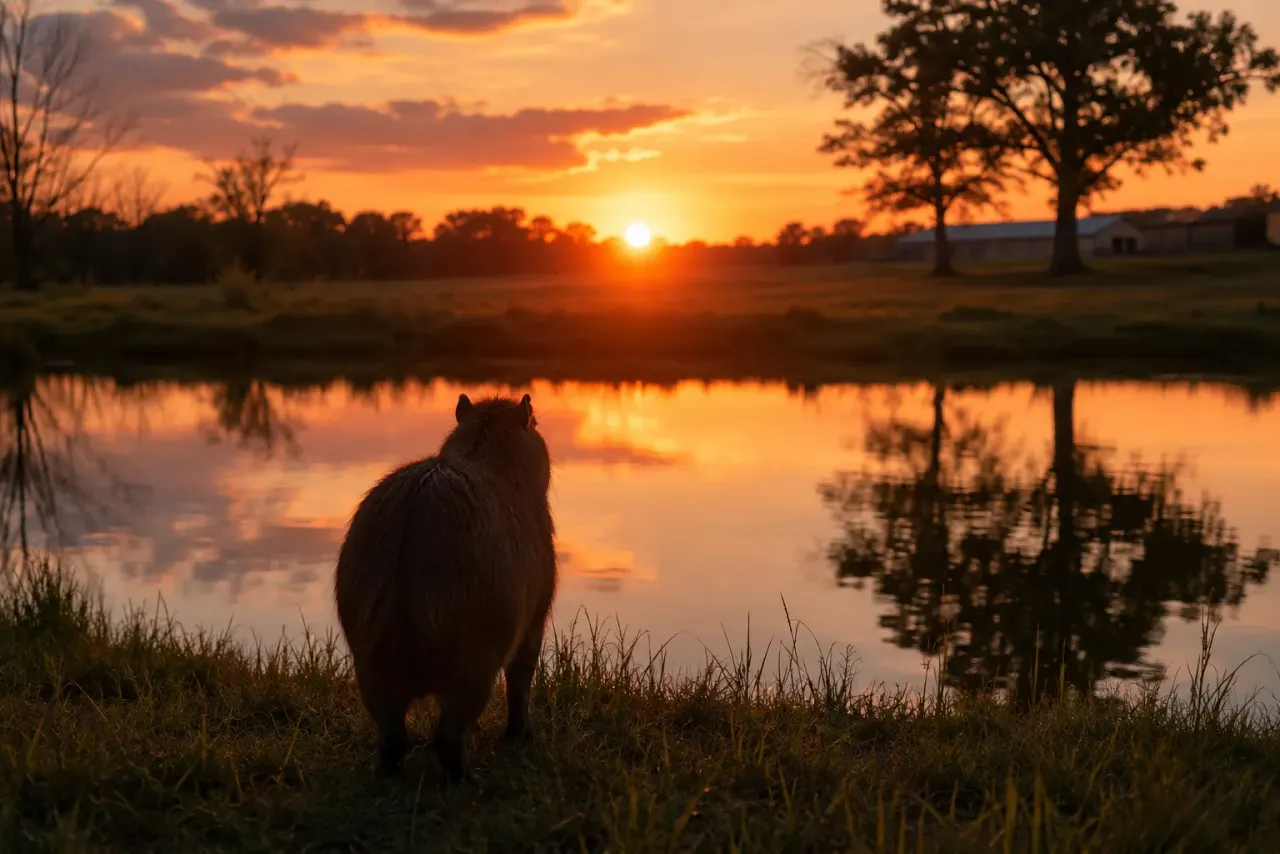
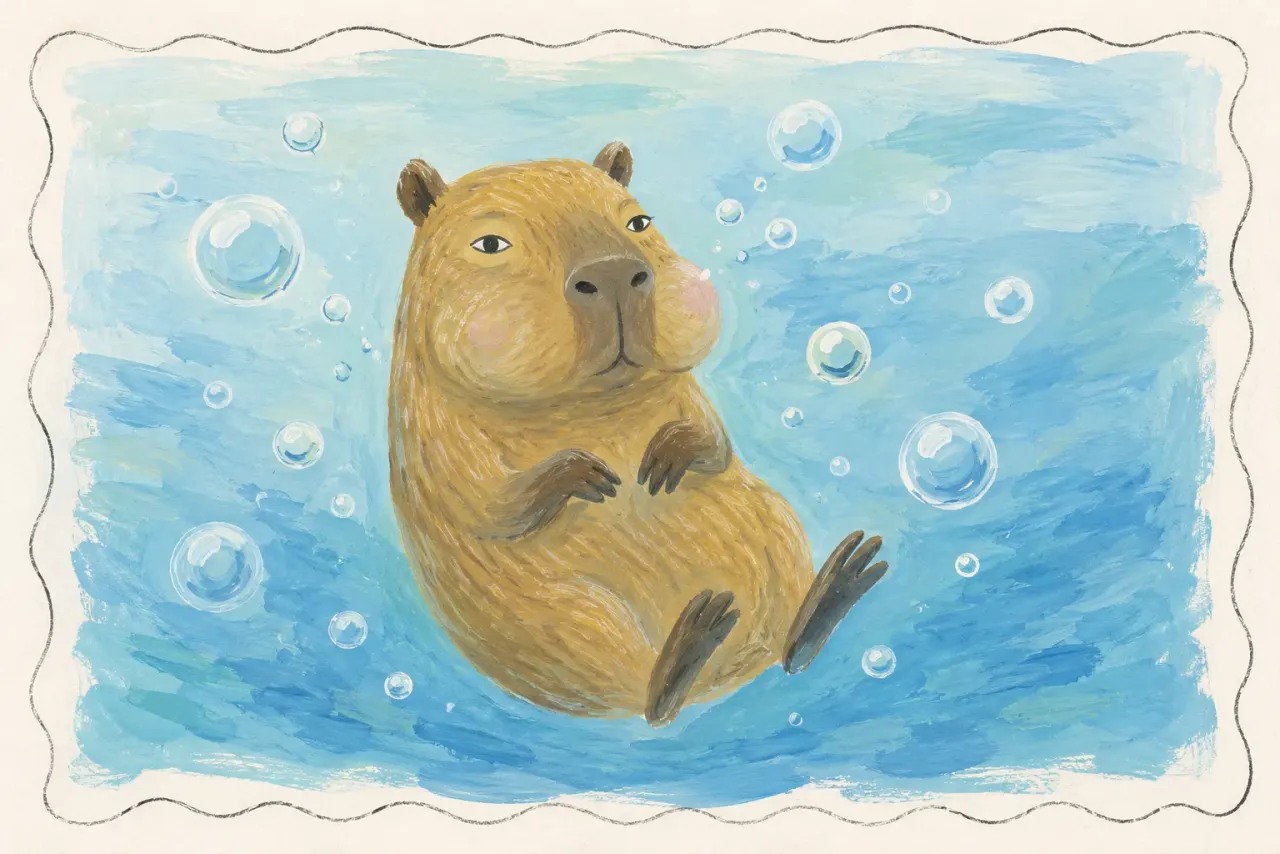
San Diego Zoo Wildlife Alliance says capybaras need a swimming hole as part of a healthy lifestyle, and the AZA Capybara Care Manual makes the point even harder: capybara feeding, mating, escape, and hiding revolve around water.
So if the habitat has water, good. If the water has safe entry and exit, room to soak, and enough separation from visitor hands, better. A sad little basin is not the same thing as a habitat feature. It is a bowl with ambition.
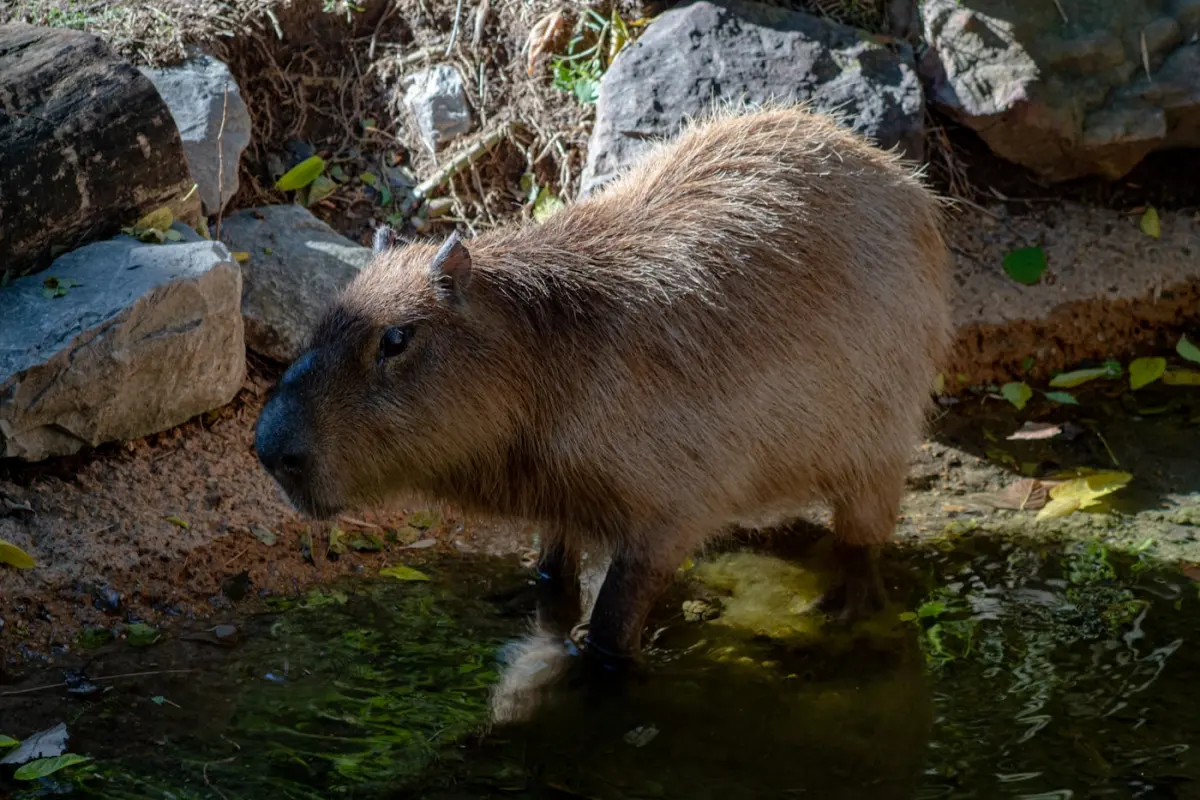
Shade, Mud, And Dry Ground All Matter
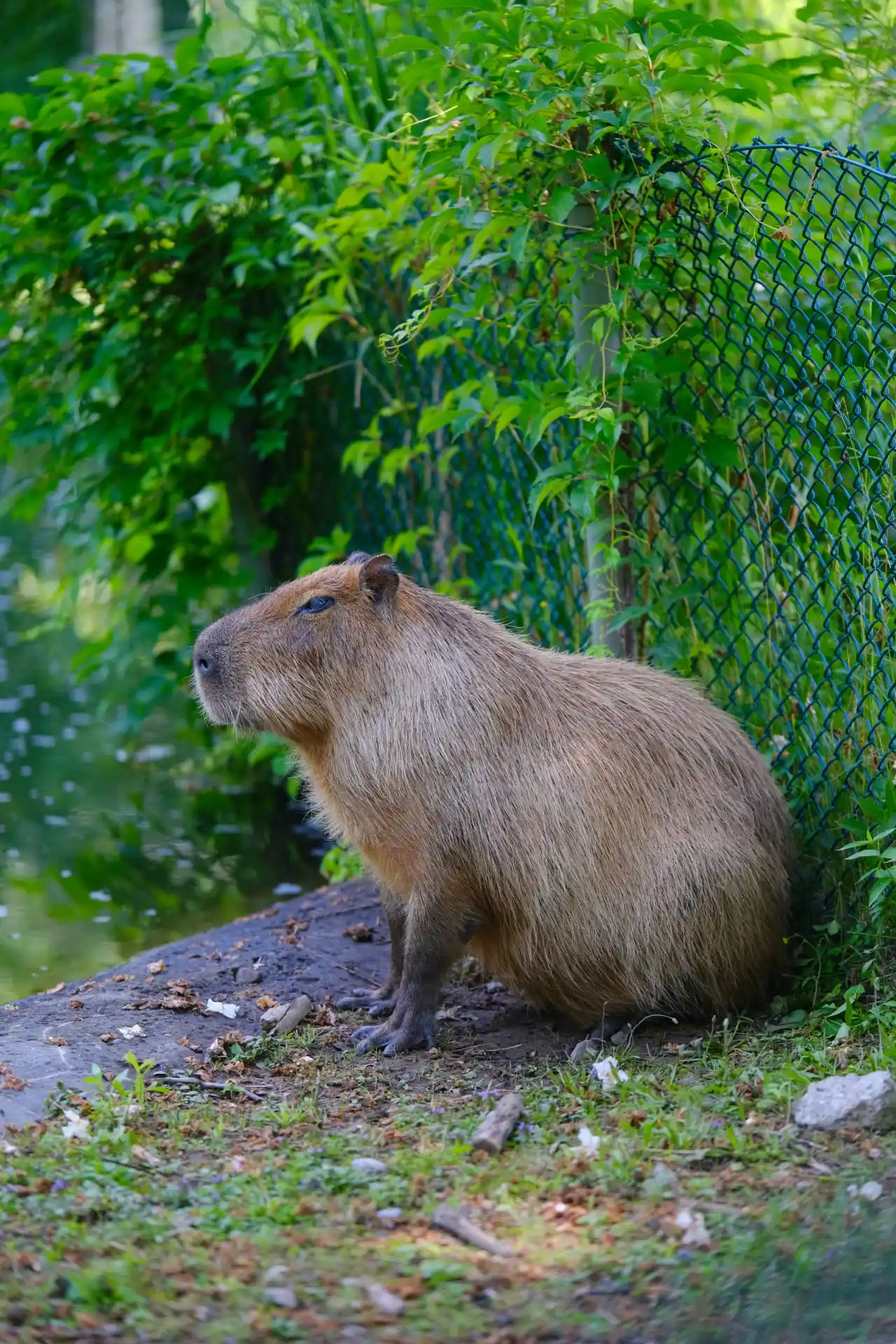
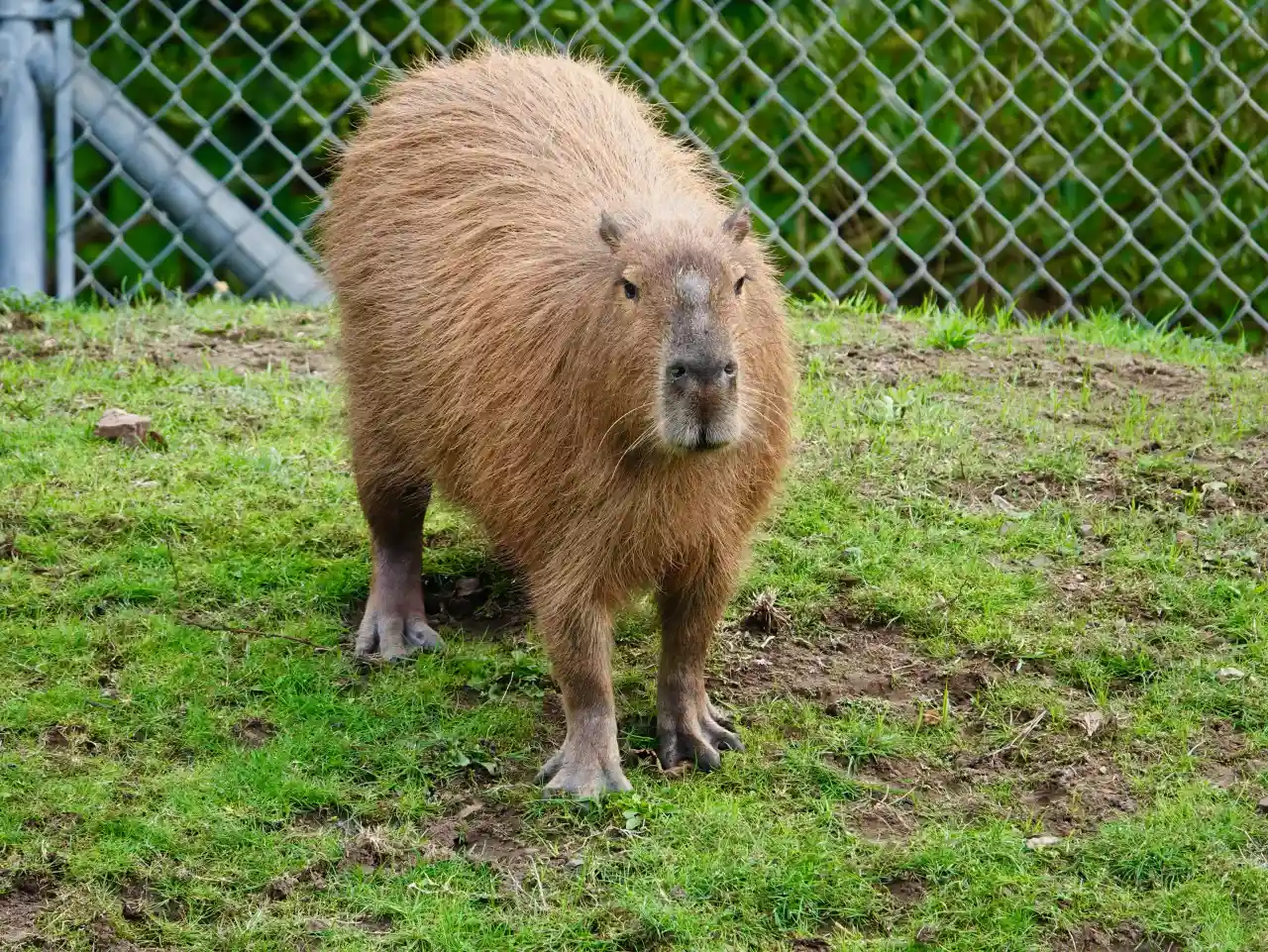
Capybaras live around wet edges, but they are not aquarium furniture. A good zoo setup gives them choices: shade during heat, dry resting areas, softer natural substrate where possible, and water or mud access for normal behavior.
Watch the edges. Are there places to lie down without being stared at from every side? Is the ground clean enough that hooves and skin are not constantly in waste? Does the animal have more than one useful zone, or just one photogenic corner?
| Habitat feature | Why it matters |
|---|---|
| Pool or pond | Cooling, swimming, retreat, and species-typical behavior |
| Shade and shelter | Heat management and weather choice |
| Dry resting space | Skin, comfort, and a place to leave the water |
| Social room | Capybaras are group-living animals, not solo decor |
| Retreat areas | Animals need the option to be unavailable |
One Capybara Looking Lonely Is A Question
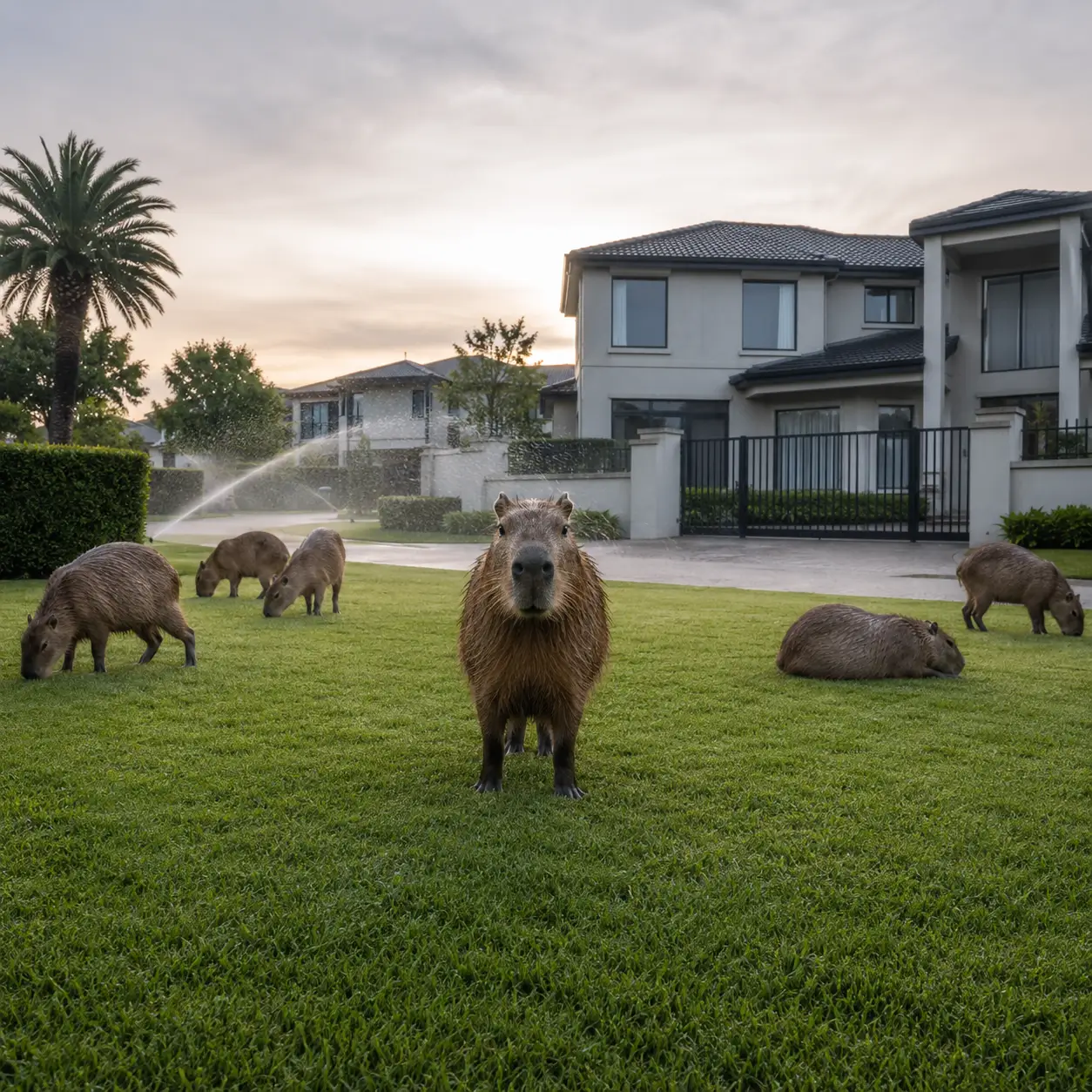
Capybaras are social animals. Animal Diversity Web and the Journal of Mammalogy both describe group life as normal for the species. That does not mean every single capybara you see alone is being poorly managed; there can be medical, age, introduction, or transfer reasons.
But it is fair to ask. Good zoos usually explain unusual housing clearly. If signage, keeper talks, or staff can tell you why the animal is housed that way, that is a much better sign than silence and a lonely famous rodent trying to carry the whole exhibit.
Barriers Are Part Of The Habitat
The fence is not ruining your photo. The fence is doing work.
Good barriers keep visitors from feeding, grabbing, shouting into the animal’s space, or turning a calm habitat into a contact sport. The best barriers also let capybaras choose distance. A habitat that lets the animal step out of view is not cheating the guest. It is giving the animal a vote.
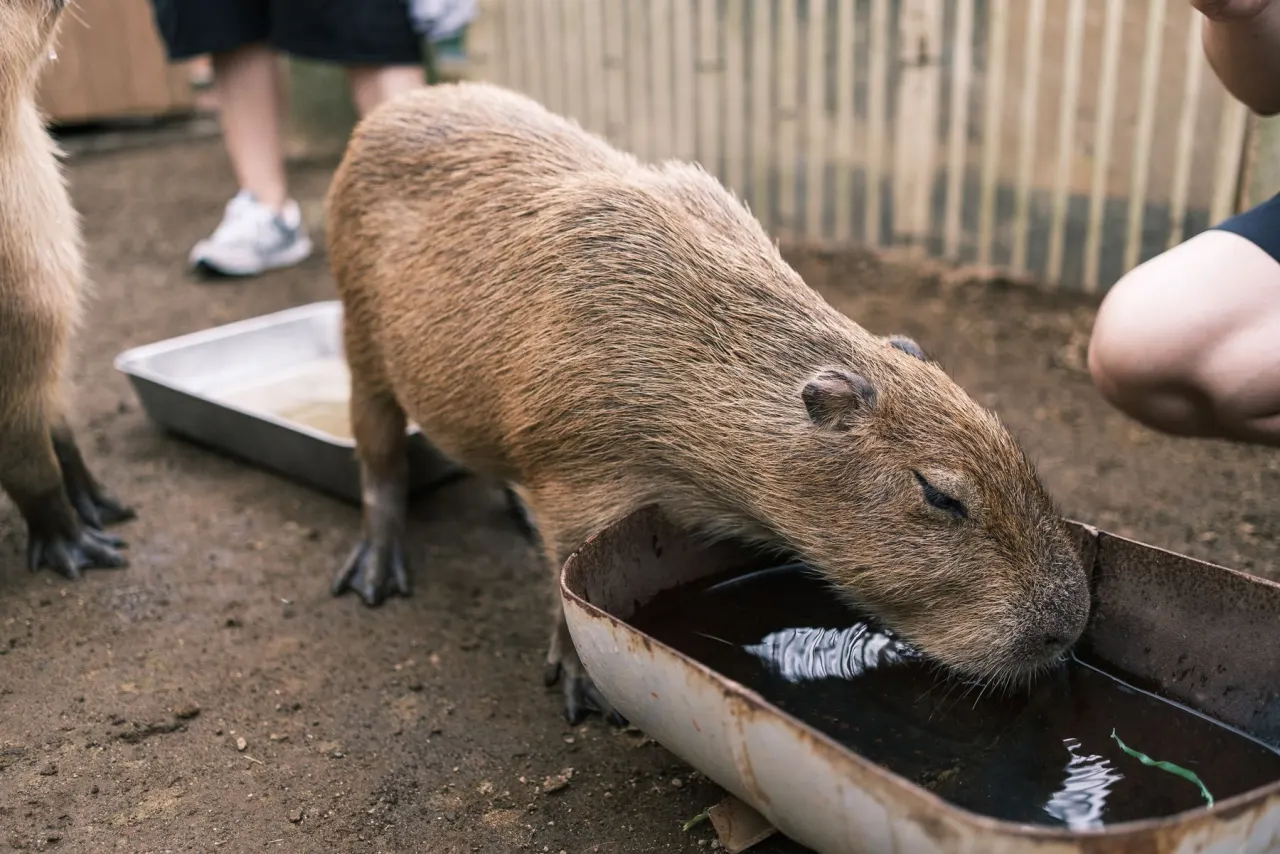
The Salad Bar Has To Be Right
Water and shade get the attention, but diet quietly tells you a lot about how the habitat is run. Capybaras are grazers. In South America they spend their day working through grasses and aquatic plants, and that constant chewing is not a quirk, it is a need. Their teeth are hypsodont, meaning they grow continuously, so a steady supply of coarse, fibrous food keeps the teeth worn down to a workable length.
There is a less photogenic detail that matters more than most visitors realize. Capybaras cannot make their own vitamin C, the same gap guinea pigs and people have, so a good habitat’s feeding plan has to supply it deliberately. You will not see that from the rail. What you can sometimes notice is whether the animals have access to grazing rather than only a bowl of pellets dropped twice a day.
They are also hindgut fermenters that practice coprophagy: in the morning they re-ingest soft feces to pull a second round of nutrients out of their food. It sounds grim. It is normal, and a habitat designed by people who understand the species leaves room for it instead of scrubbing the behavior out of existence.
Reading The Exhibit Honestly
Most welfare problems at the rail are not dramatic. They are quiet. A pool with no easy way out. One animal with nowhere to go when a school group arrives. Footing that stays wet and dirty because the drainage was an afterthought. None of that screams at you, which is exactly why a slow look beats a quick glance.
It is also worth being fair to the animals you are watching. A capybara doing very little is not a sad capybara. The honest opinion here: people misread rest as misery far too often, and that instinct does more harm than good, because it pushes zoos toward stimulation-as-spectacle instead of calm, well-built space. A capybara that soaks for an hour and naps in the shade is usually a capybara whose needs are being met.
| Myth | Better answer |
|---|---|
| A clean pool means the habitat is good | Water is one feature; shade, dry ground, group space, and retreat matter just as much |
| A resting capybara is a neglected one | Rest, soaking, and slow grazing are normal, especially in heat |
| One capybara alone is automatically cruel | Sometimes true, but age, health, or transfers explain it; good zoos will tell you which |
| The barrier is just for the visitors | It also lets the animal choose distance, which is part of welfare |
| More toys and gadgets equal better welfare | Species-typical space beats novelty; capybaras need grazing, water, and a group, not a playground |
A note on where these standards come from. Accredited zoos in the United States work against the AZA Capybara Care Manual and the broader AZA accreditation process, which is why the same features show up across well-run exhibits. Sources like San Diego Zoo Wildlife Alliance and Animal Diversity Web describe the wild baseline these habitats are trying to echo: semi-aquatic, social, grass-eating, water-anchored. The habitat is good to the degree it lets that baseline happen.
The Quick Green Flag Check
Stand at the rail for two minutes and look for boring evidence. Clean water. Shade. Room to move. A social setup that makes sense. Clear signs. Staff who can answer questions. A capybara that can be visible, hidden, wet, dry, busy, or asleep without the habitat fighting it.
That is the point. A healthy habitat should not force constant cuteness. It should make a normal capybara day possible, even when that normal day is mostly chewing, soaking, and ignoring your camera with professional calm.