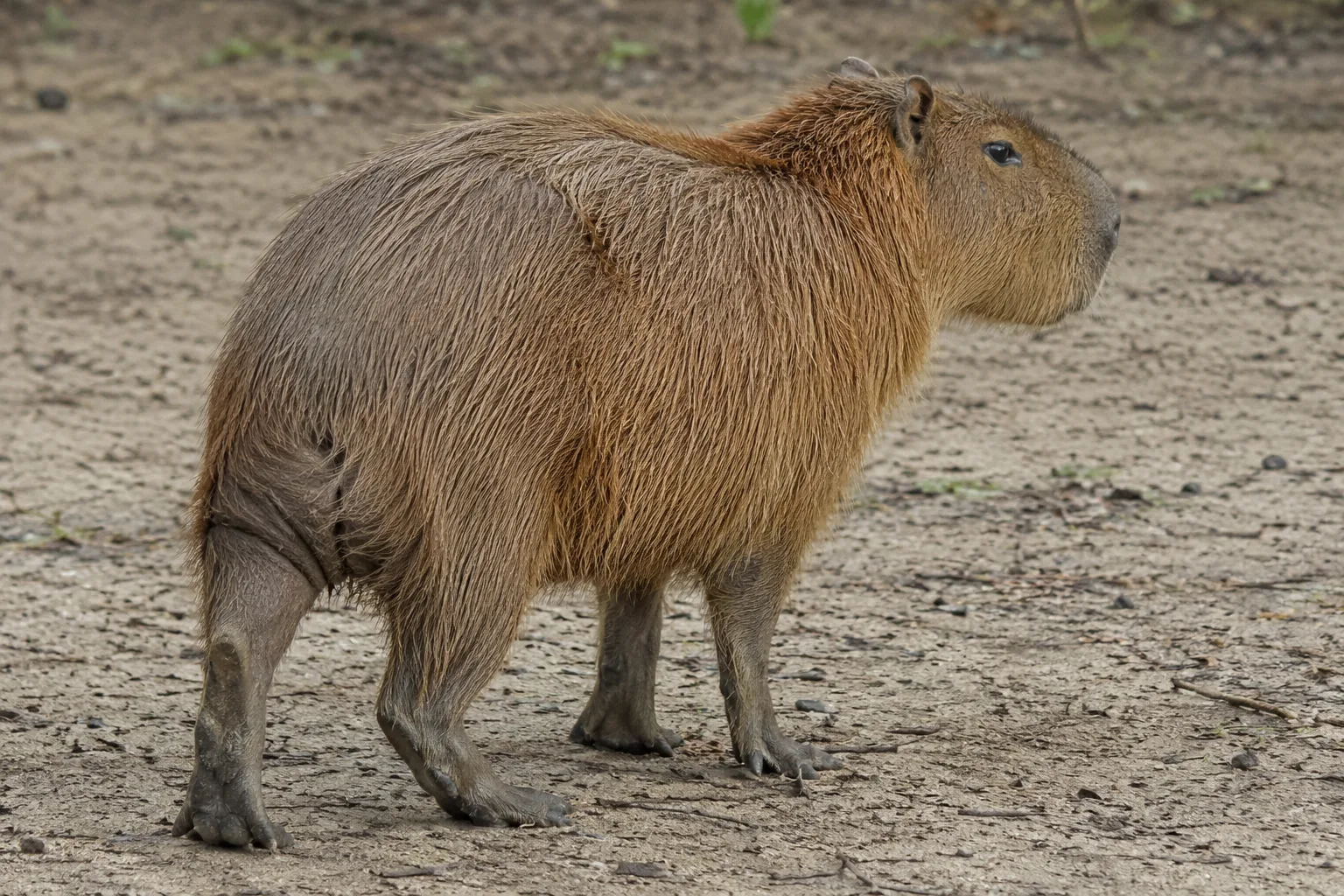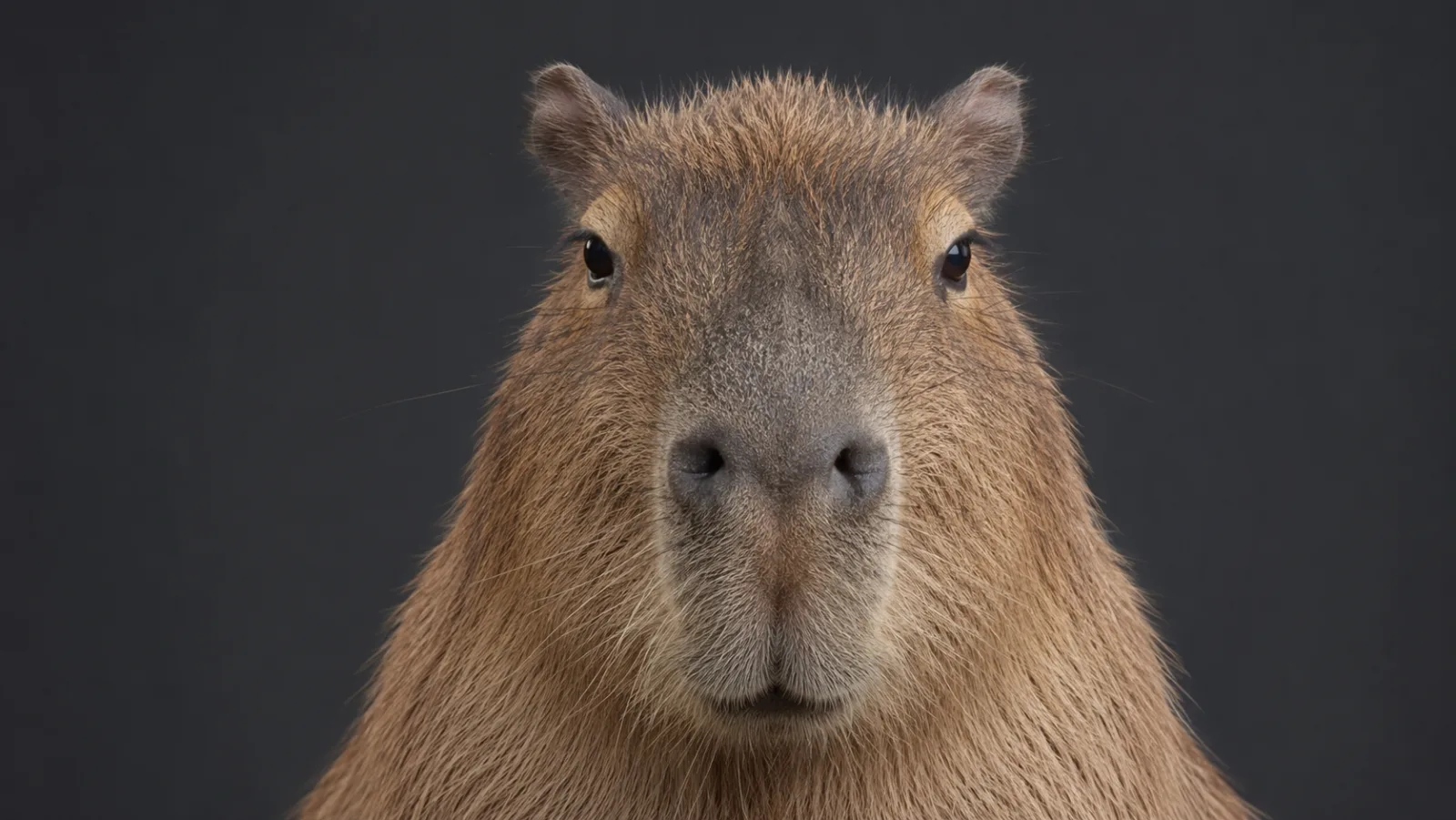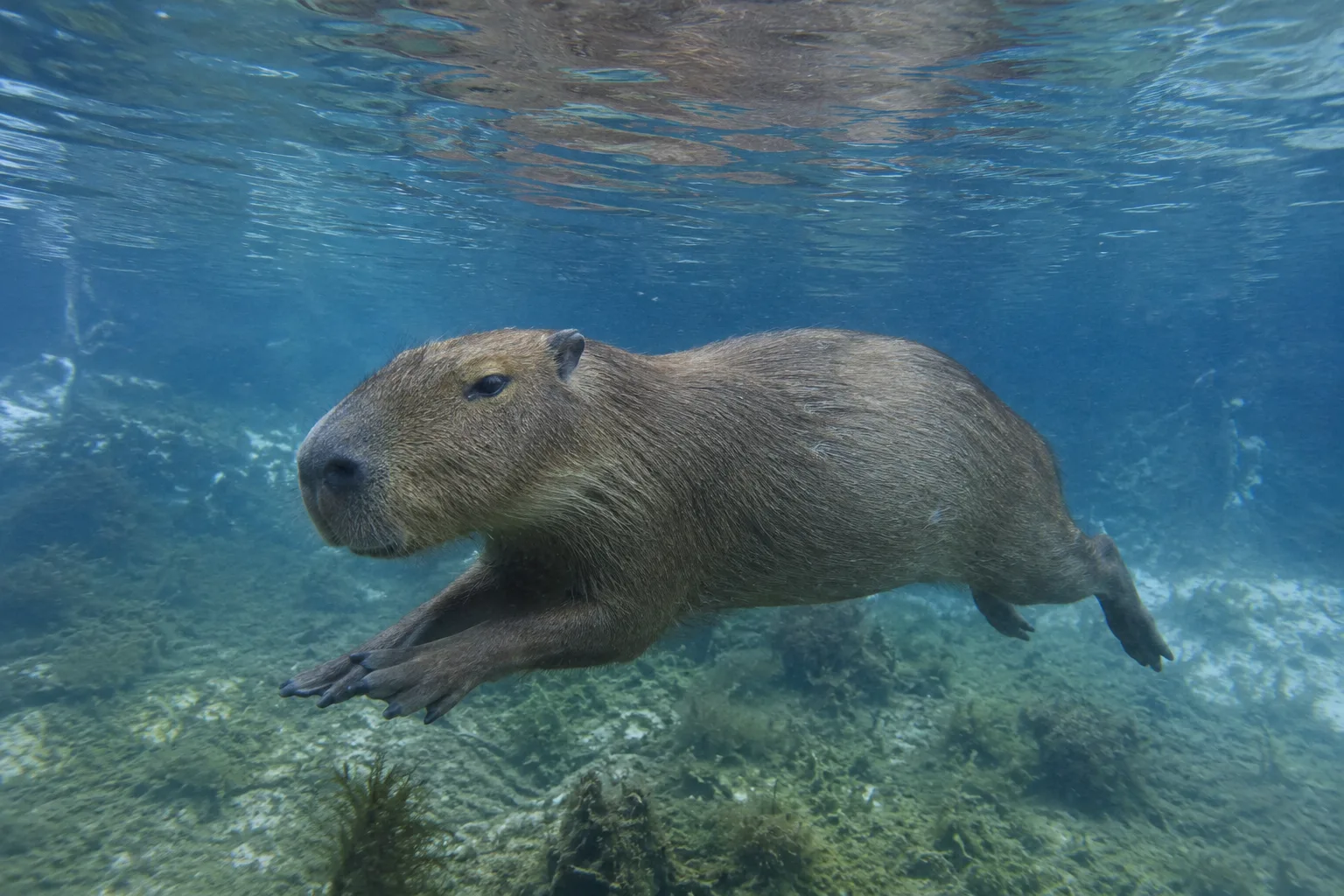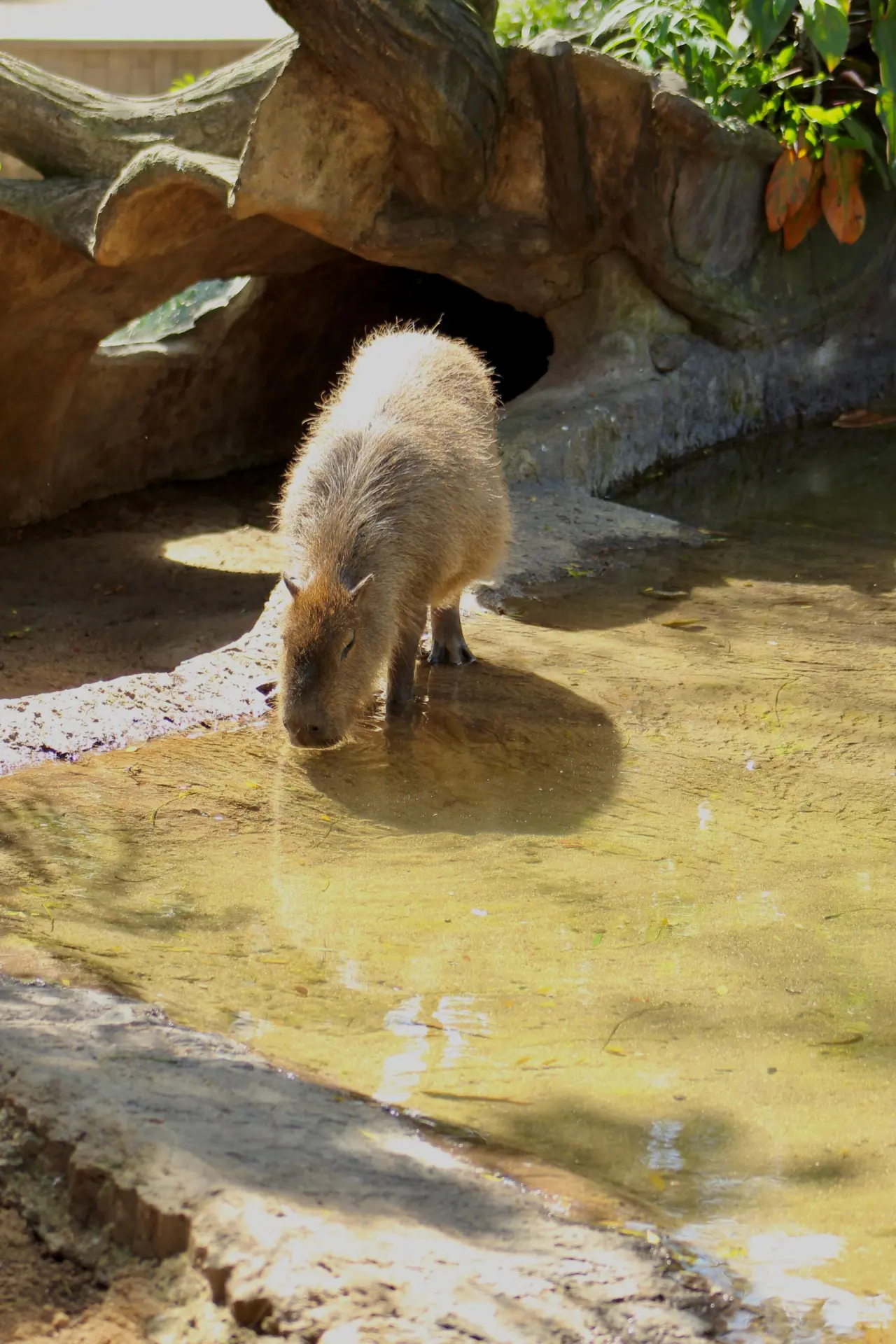
Do capybaras smell? Yes, in the basic way that wet, grassy, social mammals smell. They are not filthy by design, but they are also not lavender plugins with paws.
The honest answer: a healthy capybara may smell earthy, musky, wet, or grassy. Strong odor usually comes from the setup: dirty water, wet bedding, waste buildup, poor drainage, bad diet, or skin trouble. If your dream pet requires a pool filter, your nose gets a vote.
What Capybaras Naturally Smell Like
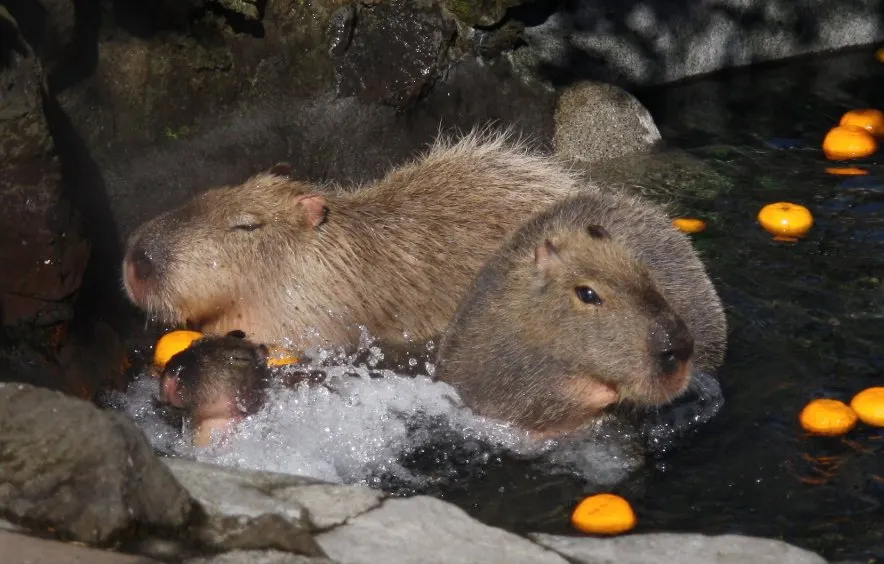
Capybaras live near water, graze plants, rest on ground, wallow in mud, and communicate partly through scent. Animal Diversity Web notes that scent is important in mating and dominance, with males using a morillo gland on the snout and both sexes having anal glands. This is not a creature designed by a home-fragrance company.
Normal smell is usually described as earthy rather than rotten. Think damp grass, warm fur, pond edge, and mild musk. Not exactly a candle name, unless the candle company has given up.
| Odor source | Normal version | Problem version |
|---|---|---|
| Wet coat | Damp, grassy, animal smell | Sour or dirty if water is poor |
| Scent glands | Musky, especially in adults | Overwhelming in cramped spaces |
| Bedding or substrate | Mild earth or hay smell | Ammonia, rot, waste buildup |
| Pool or pond | Fresh water, plant smell | Stagnant, fecal, algae-heavy odor |
Why Water Changes Everything
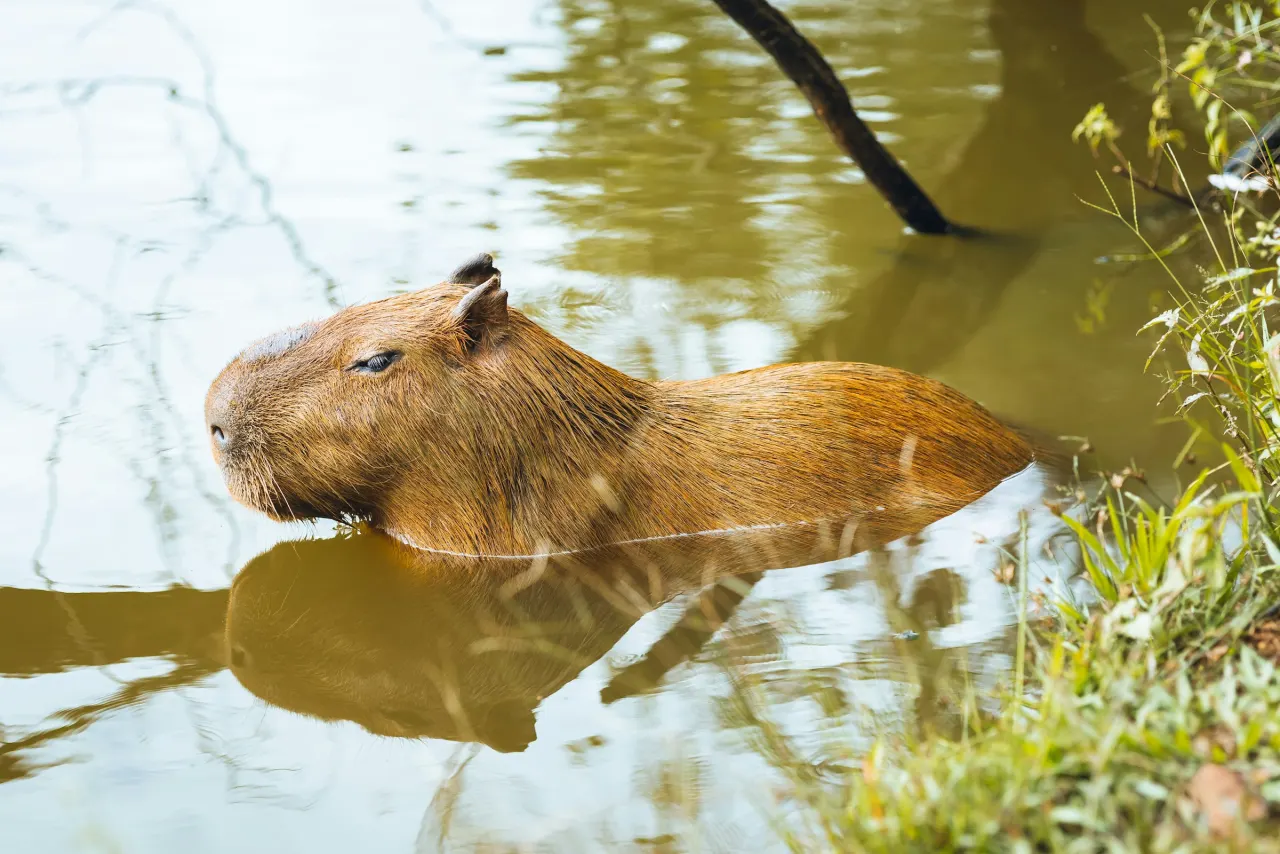
Water is capybara infrastructure. San Diego Zoo Wildlife Alliance says capybaras need a swimming hole as part of their lifestyle and use water for cooling, feeding, and escaping danger. The AZA Capybara Care Manual says their behavior revolves around water and that pools should be provided in indoor and outdoor enclosures.
Water also holds evidence. Food, mud, hair, feces, urine, plant material, and sunscreen from badly managed guest spaces can all make a habitat smell. A capybara does not need a perfume strategy. It needs clean water, drainage, filtration, and people who do the maintenance before the enclosure starts telling on them.
Scent Glands, Mud, And Reality
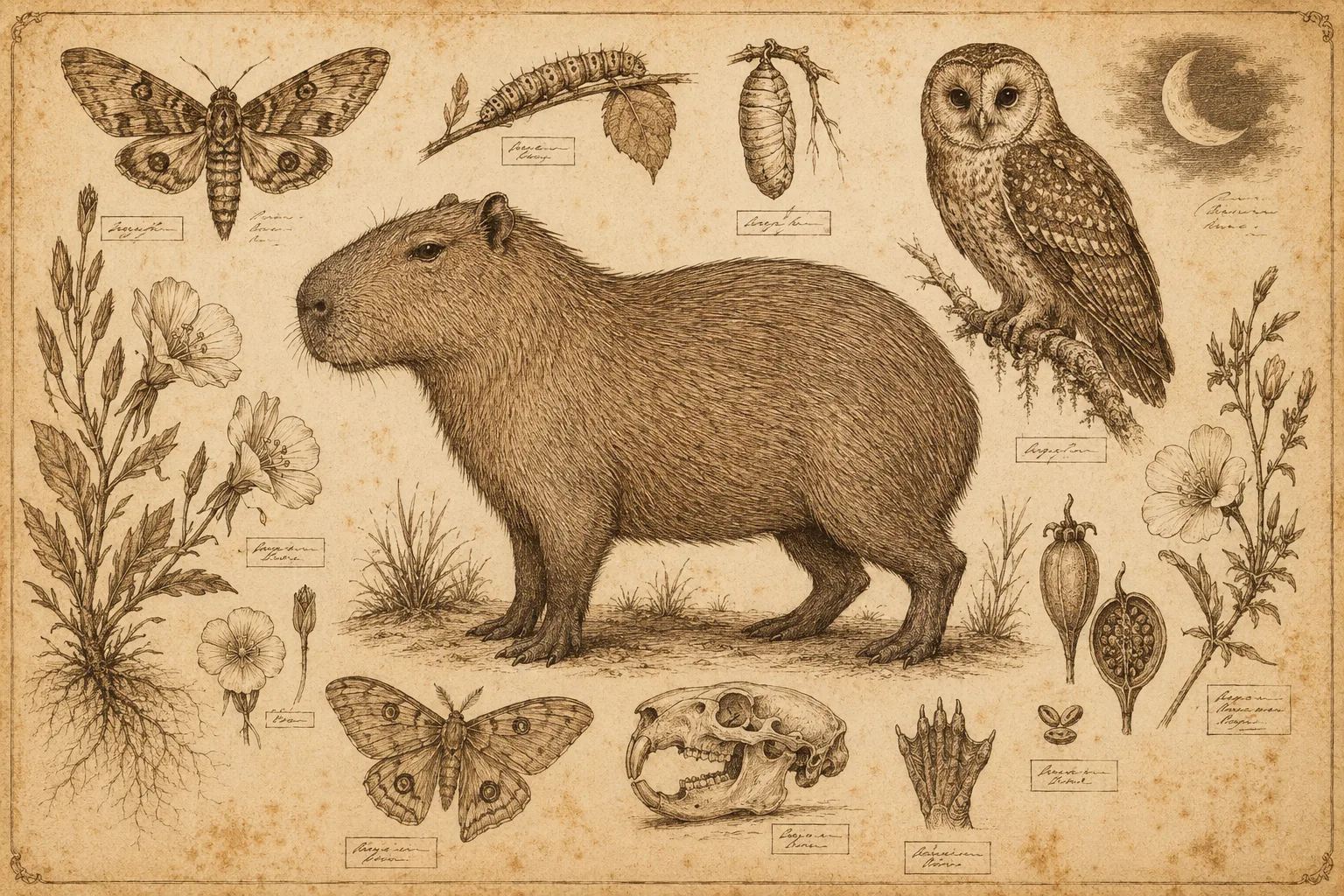
The morillo gland, the raised bare patch on top of many adult male capybara snouts, is not a decorative forehead button. Animal Diversity Web describes it as a scent gland used in marking and status signaling. Capybaras rub scent on vegetation and their bodies. The group can read the room with its nose.
That means a little musk is normal. The problem is when people confuse normal animal smell with permission to ignore husbandry. A healthy animal in a well-managed habitat should not smell like a forgotten locker-room mop.
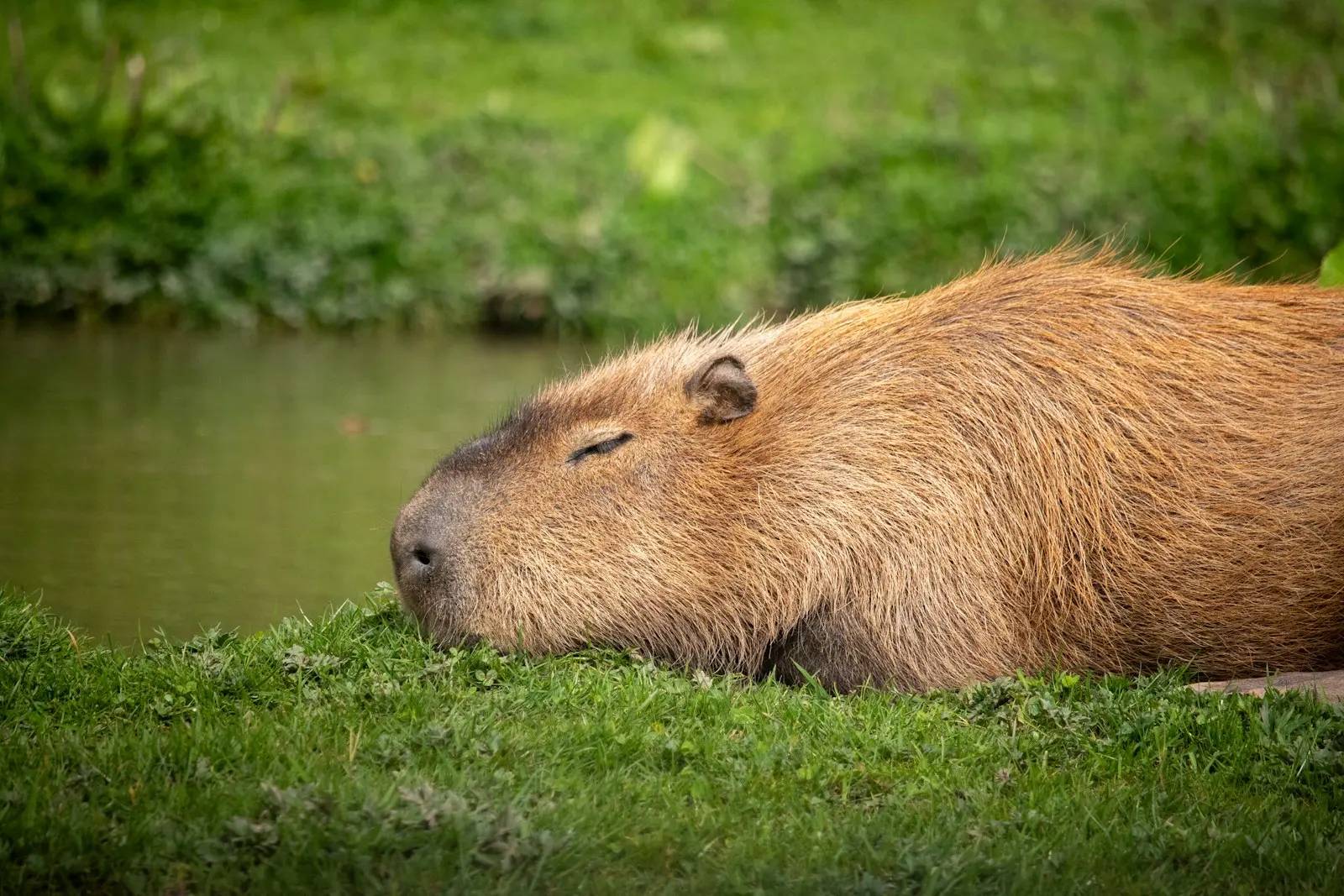
Zoo Smell Vs Pet Smell
A zoo smell is often habitat smell: hay, damp ground, water, browse, and animals. A pet capybara smell, when the care is bad, becomes house smell plus wetland smell plus chewing damage plus waste management. That is how a fantasy turns into a humid group project.
This is one reason capybaras do not make easy pets. They need water, space, social housing, outdoor substrate, and cleaning routines that fit a semi-aquatic animal. A normal living room is not morally prepared.
Where The Smell Actually Comes From
It helps to separate the animal from the room it lives in. A capybara’s own body contributes a fairly mild smell. The morillo and anal glands add musk, the coat picks up whatever water it last sat in, and that is roughly the extent of what the animal itself brings to the table. Most of the odor people notice in a kept capybara is environmental, not biological.
There is also the digestion angle, which sounds gross but matters. Capybaras are hindgut fermenters and, like rabbits and guinea pigs, practice coprophagy: they re-ingest soft morning feces to pull more nutrients out of their food. That is normal and healthy, documented in the Animal Diversity Web and AZA material. It also means waste is constant and high-volume, and a large grazing rodent eating fibrous plants all day produces a lot of it. Any plan that ignores waste handling is a plan to live with smell.
| What people blame | What’s usually true |
|---|---|
| ”The animal itself stinks” | The animal is mild; the habitat carries most odor |
| ”Males are unbearable” | Adult males add musk, but care still dominates the outcome |
| ”Coprophagy means they’re dirty” | It’s normal hindgut fermentation, not a hygiene failure |
| ”A good air freshener fixes it” | Drainage, filtration, and waste removal fix it; perfume hides nothing |
The Indoor Fantasy, Costed Out In Smell
If you have watched a calm capybara video and started pricing baby gates, this is the part to sit with. A normal home has carpet, drywall, soft furniture, and one bathroom fan. None of that is built to absorb a semi-aquatic herbivore that wants standing water, wallows in mud, and grazes constantly. The San Diego Zoo Wildlife Alliance and the AZA Capybara Care Manual both frame water access and space as core welfare needs, not enrichment extras. Remove them and you have not removed the smell, you have removed the animal’s well-being and kept the smell.
Honest opinion, since the brief asks for one: most “can I keep a capybara indoors without it smelling” questions are really asking permission to skip the parts of care that prevent smell. The answer is no. You cannot deodorize your way out of missing water, missing drainage, and missing outdoor space. A capybara is a herd animal too, and solitary housing is its own welfare stressor on top of the husbandry load, so “one capybara in a spare room” is already two problems before anyone mentions the odor.
Can Good Care Reduce Odor?
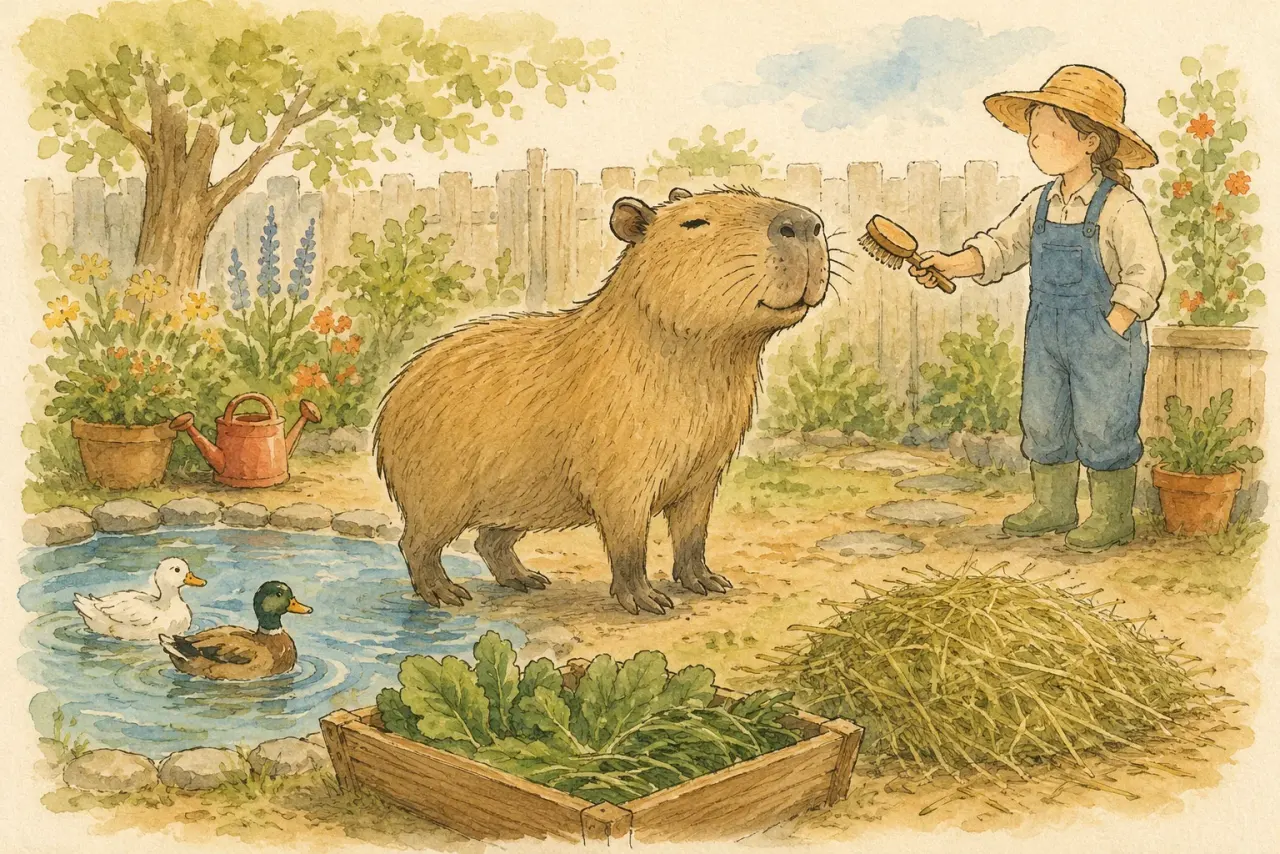
Yes, but “reduce” is the word doing the adult work. Good care can keep odor normal: clean water, dry resting areas, proper drainage, waste removal, safe substrate, high-fiber diet, and veterinary attention when skin, digestion, or behavior changes.
Bad care announces itself. Ammonia, sour water, strong fecal odor, greasy coat, inflamed skin, or a sudden smell change should not be dismissed as capybara charm. That is not charm. That is the habitat writing a complaint in all caps.
So yes, capybaras smell. Mostly like animals that live honestly near water and plants. The problem starts when humans try to move that reality indoors and pretend a mop is a husbandry plan.