
Nordelta, the private gated community built on former wetland on the outskirts of Buenos Aires, Argentina, has submitted a Cumulative Environmental Impact Study — known by its Spanish acronym EIAA — in an attempt to lift a court injunction blocking its next urbanisation phases, according to Noticias Ambientales. The proposal, which would roughly double the community’s population from around 40,000 to 84,000 residents, faces organised opposition from environmental groups and has not yet received definitive administrative authorisation. A public hearing on the matter is scheduled for Friday, 21 August, at the Pepe venue in the Municipality of Tigre, running from 13:00 to 18:00.
What the developer’s own study found
The EIAA evaluated accumulated territorial changes across the Tigre coastal plain, a zone connected to the Paraná Delta and the Luján River. Its findings are not flattering to the project. The study records an Ecosystem State Index of 0.24 — meaning the current landscape retains just 24% of the wetland’s original ecological capacity. The document also acknowledges landfills, soil impermeabilisation, the creation of artificial lagoons, and direct alterations to the Las Tunas stream. Marsh vegetation loss, reduced reed beds, and blocked wildlife corridors are all listed as documented structural modifications.
As a mitigation package, the developer proposed the creation of a 42-hectare nature reserve and biological corridor along the Las Tunas stream, fauna crossing steps, selective removal of perimeter fences, and a biodiversity monitoring programme.
Why environmental groups are not persuaded
Organisations including La Voz de los Carpinchos and Callejero Casa Quiere rejected the proposal as insufficient. Their stated objections, as reported by Noticias Ambientales, centre on three points: the Las Tunas stream is already heavily polluted, making it a poor foundation for the proposed corridor; the developer has unfulfilled environmental commitments dating to 2025; and the plan does not address deep remediation in the context of climate threats, specifically the impact of the El Niño phenomenon.
No representative of either organisation was quoted by name in the available source material, and neither the developer nor the Municipality of Tigre has released a public statement responding to those specific objections.
The capybara count, and the court record
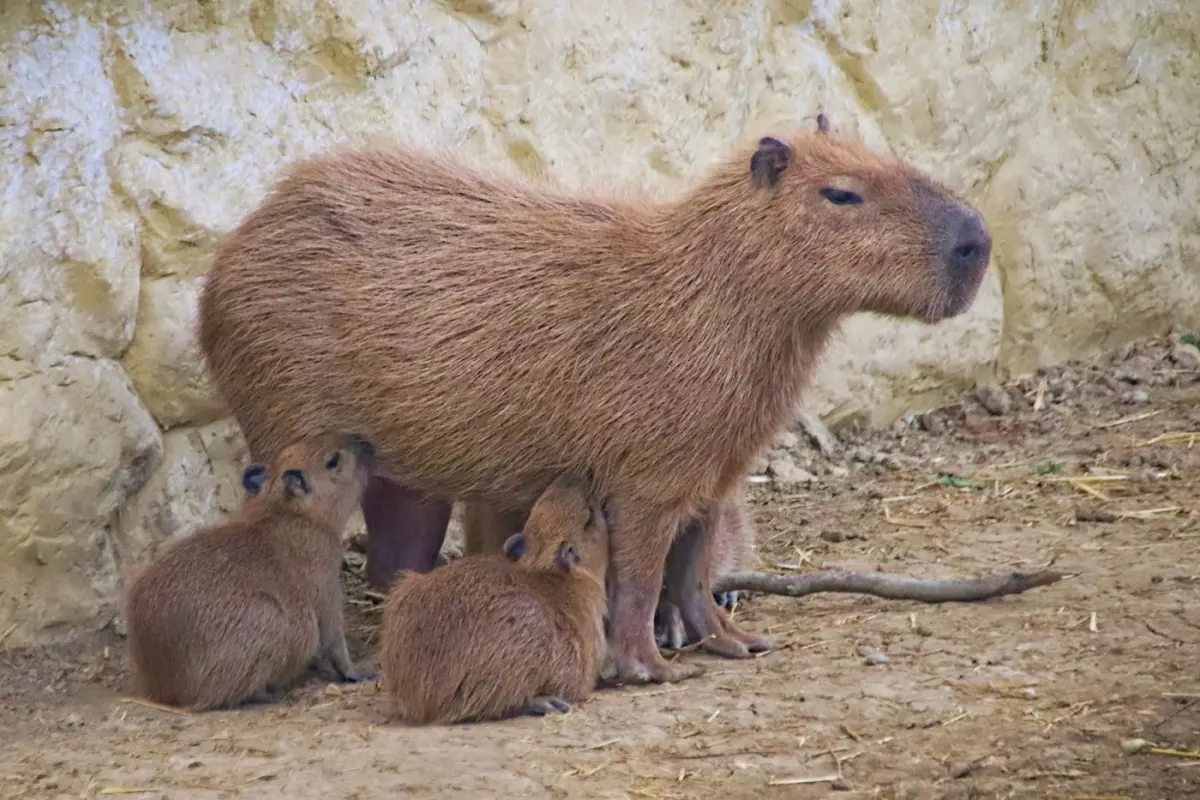
The conflict over capybaras at Nordelta has a documented history. As TIME reported in 2022, the community — built in 1999 on historic wetland habitat — saw its capybara population surge during Argentina’s strict COVID-19 lockdown in 2020, when the animals spread into parks emptied of human activity. A dry winter in June 2021 pushed them further into private gardens, triggering complaints from residents and a backlash from Argentine and international media that framed the animals as, in the words of viral social media posts, “class warriors.”
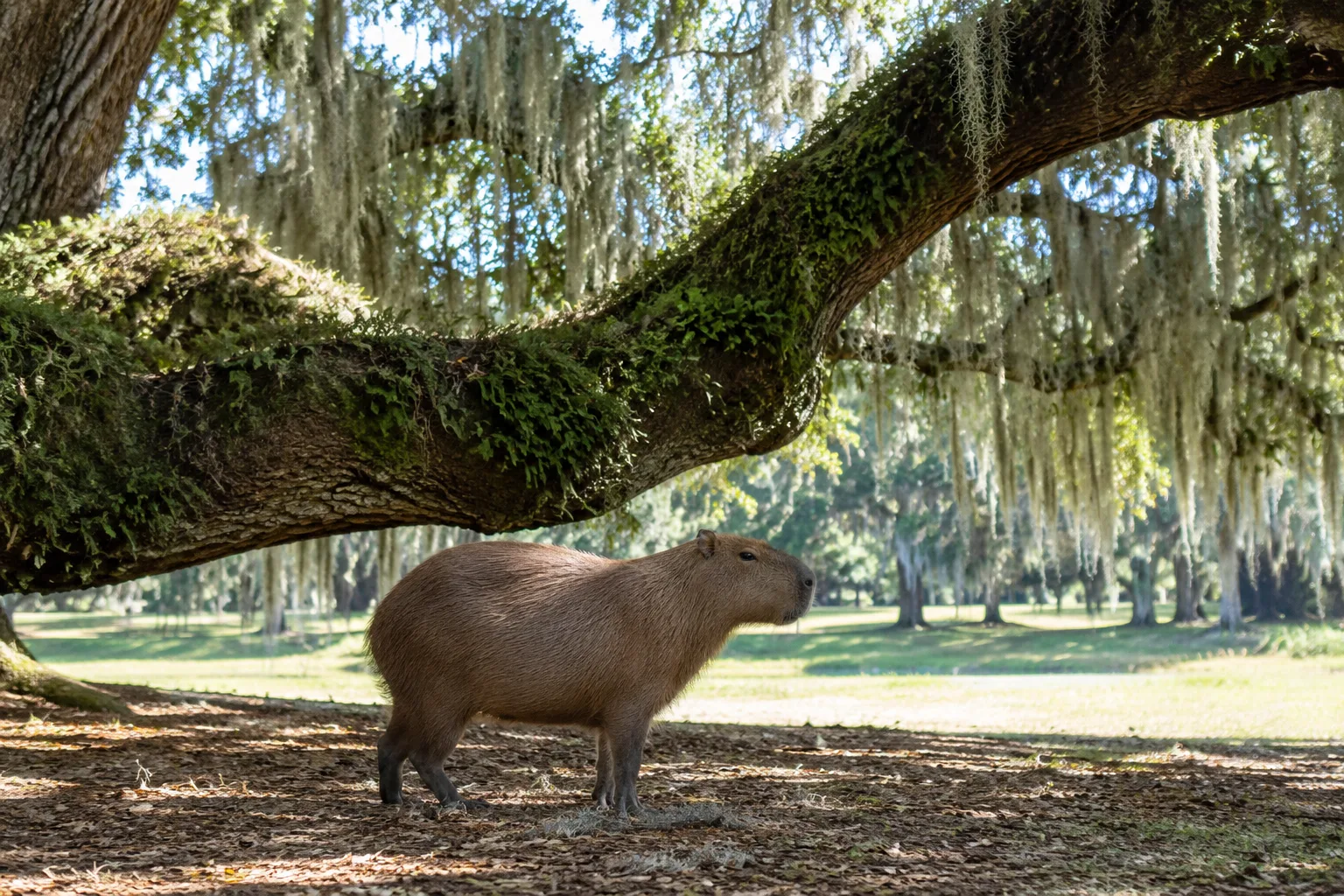
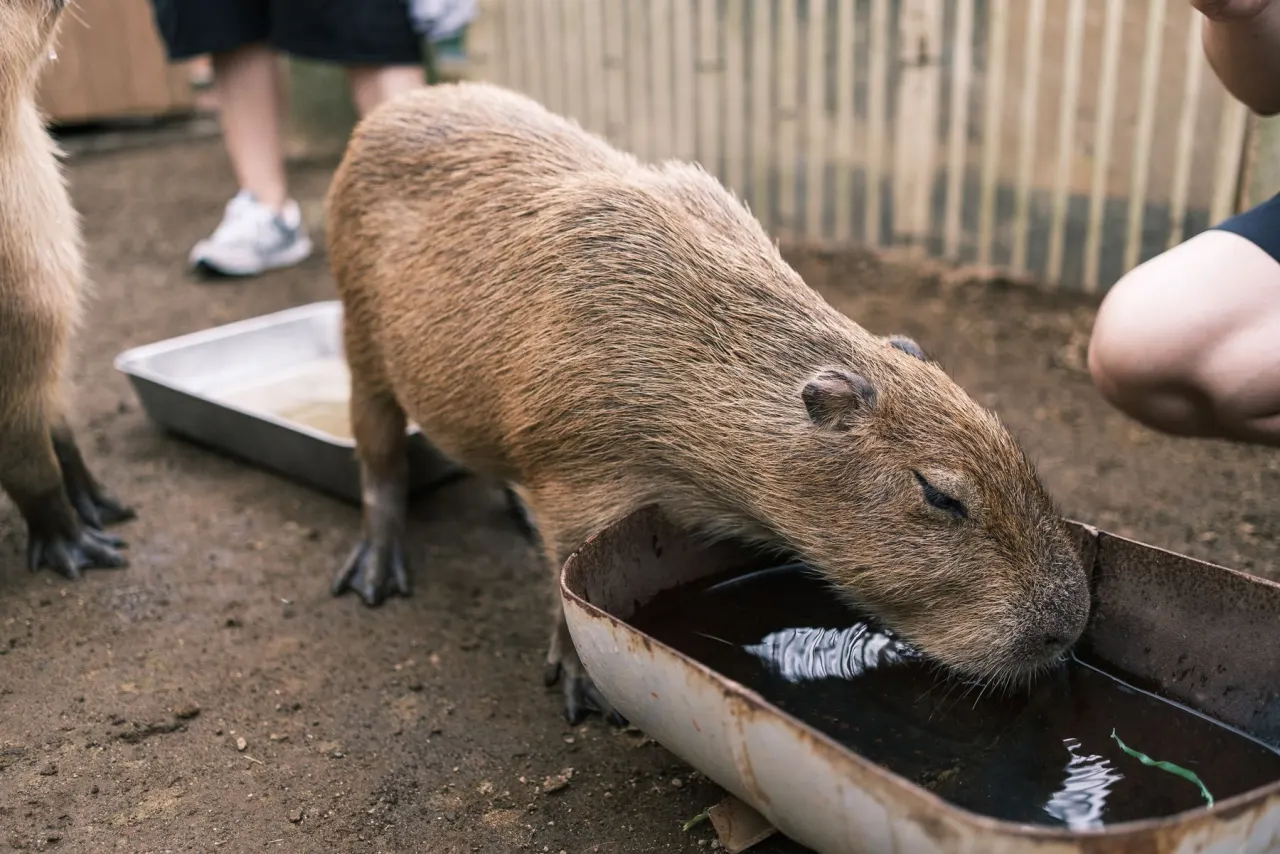
The numbers since then have continued to climb. Surveys cited in the EIAA recorded 266 capybaras on the site in 2021; by 2025 that figure had reached 803. The report attributes the growth to urban fragmentation and the absence of continuous wildlife corridors — conditions the expansion would, critics argue, worsen rather than resolve.
On the legal side, the Civil and Commercial Court No. 13 of San Isidro issued an injunction halting new urban expansions, invoking the principle of environmental prevention. The San Martín Court of Appeal subsequently upheld that ruling. Under the current order, only specific works in already-consolidated areas and ecological improvement interventions are permitted to proceed.
Marcelo Canton, identified by TIME as head of communications for the Nordelta Residents Association, described the original onset of human-wildlife conflict plainly: “That’s where the conflict started.” He noted that dog owners were particularly aggrieved, adding: “Especially because here, the dogs are mostly French Bulldogs or other small dogs. They can’t defend themselves.”
The broader ecological context was framed by Graciela Capodoglio, who helped found a nature reserve in Pilar, a suburb of Buenos Aires, in 2003. “With all this development, the animals have been corralled into smaller and smaller spaces,” she told TIME.
What remains unconfirmed
The sources identify the EIAA as prepared by the developer but do not specify who commissioned or funded it beyond that. The exact date the study was submitted to authorities has not been published. No outcome of the 21 August public hearing is available, as it had not yet taken place at the time of writing. It is also unclear whether the developer has formally responded to the specific allegations about unfulfilled 2025 commitments.
What happens next
The public hearing on 21 August is the immediate procedural step. Its outcome is advisory rather than binding, but it forms part of the administrative record that authorities will consider before ruling on whether the injunction can be lifted. The developer’s expansion cannot proceed without both lifting the court order and obtaining definitive administrative authorisation, neither of which has been granted.
The Grumpy Capy take
A developer submitting an environmental study that documents 76% ecological degradation of the site it wants to expand is a notable move. The EIAA’s own Ecosystem State Index of 0.24 is not the kind of number that typically anchors a persuasive case for doubling a community’s population.
The capybara count rising from 266 to 803 in four years is, on its face, evidence that the animals are adapting to the fragmented landscape — not that the landscape is adequate for them. Whether 803 capybaras and 84,000 human residents can share a 24%-functional wetland is the question the hearing on 21 August is unlikely to fully resolve.
The courts have already said no once, and the appeals court agreed. The developer’s answer appears to be: here is a study. Environmental groups’ answer, in turn, is: the stream is polluted and you haven’t kept your previous promises. That is roughly where things stand.