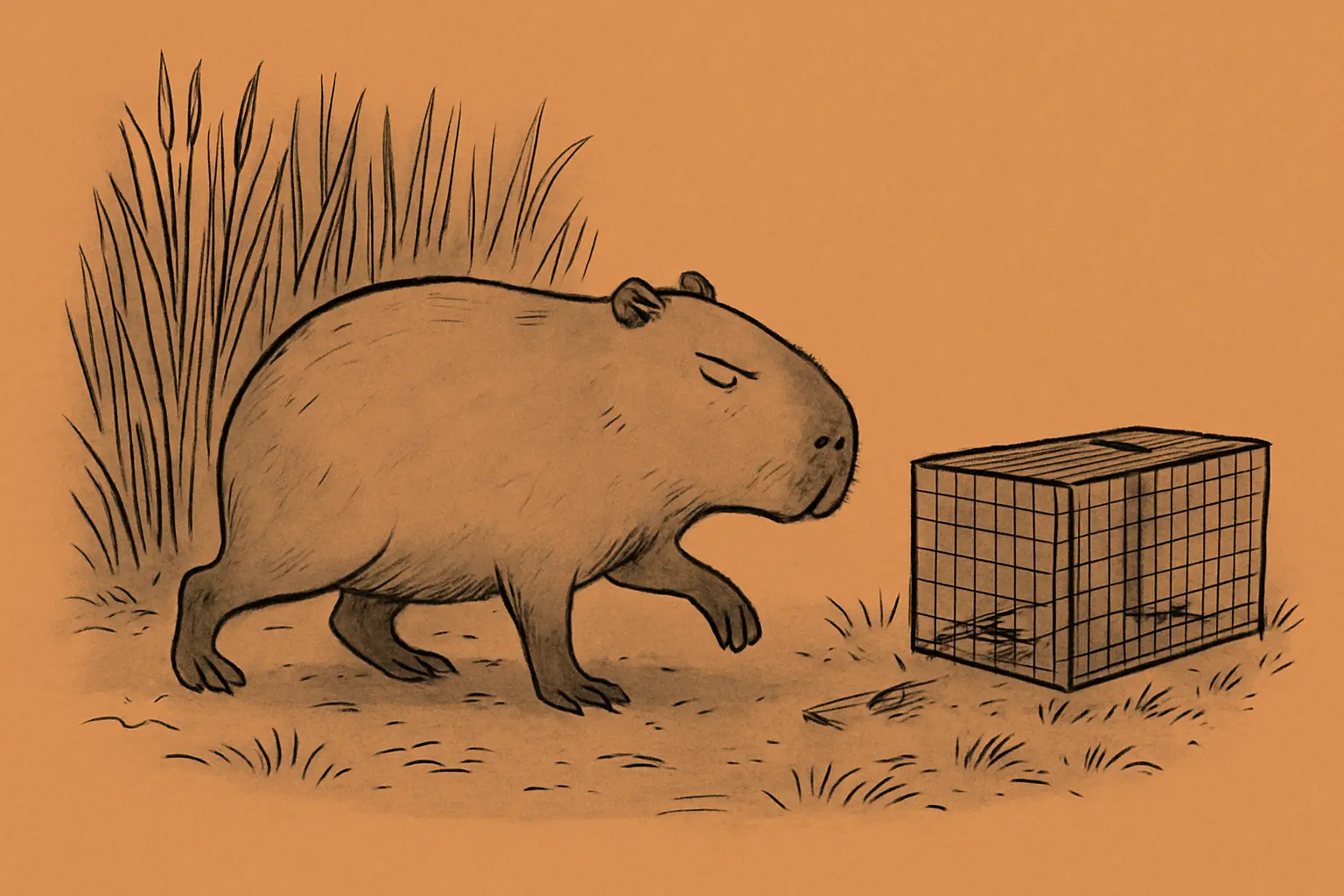
What the new sighting actually amounts to
Marwell Wildlife has laid traps near the site of a fresh reported sighting of Samba, the capybara who escaped from the Hampshire zoo earlier this year. According to the Daily Echo, the zoo is treating the report seriously enough to deploy physical traps — which is a meaningful escalation from the passive monitoring and public appeals that have characterised much of the search.
What the report does not confirm is whether this sighting came with any photographic or video evidence. That distinction matters. Unverified sightings have been a recurring feature of this search since Samba first went missing, and the absence of imagery has consistently made it impossible to rule out misidentification.
Why capybaras are genuinely hard to find in England
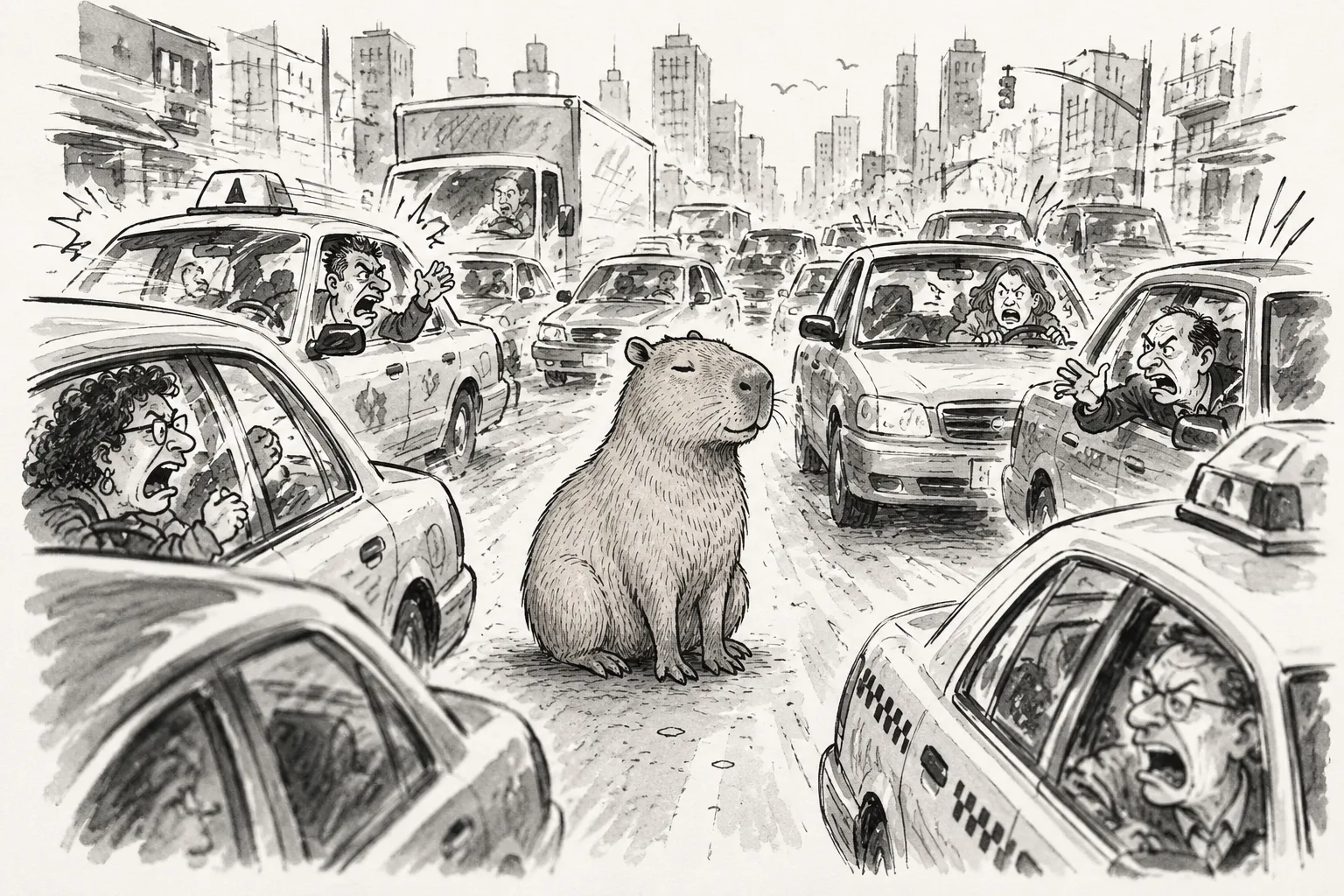
This might seem counterintuitive. Capybaras are the largest rodents on earth, capable of reaching 65 kilograms and standing over half a metre at the shoulder. You would think an animal that size would be difficult to lose in Hampshire.
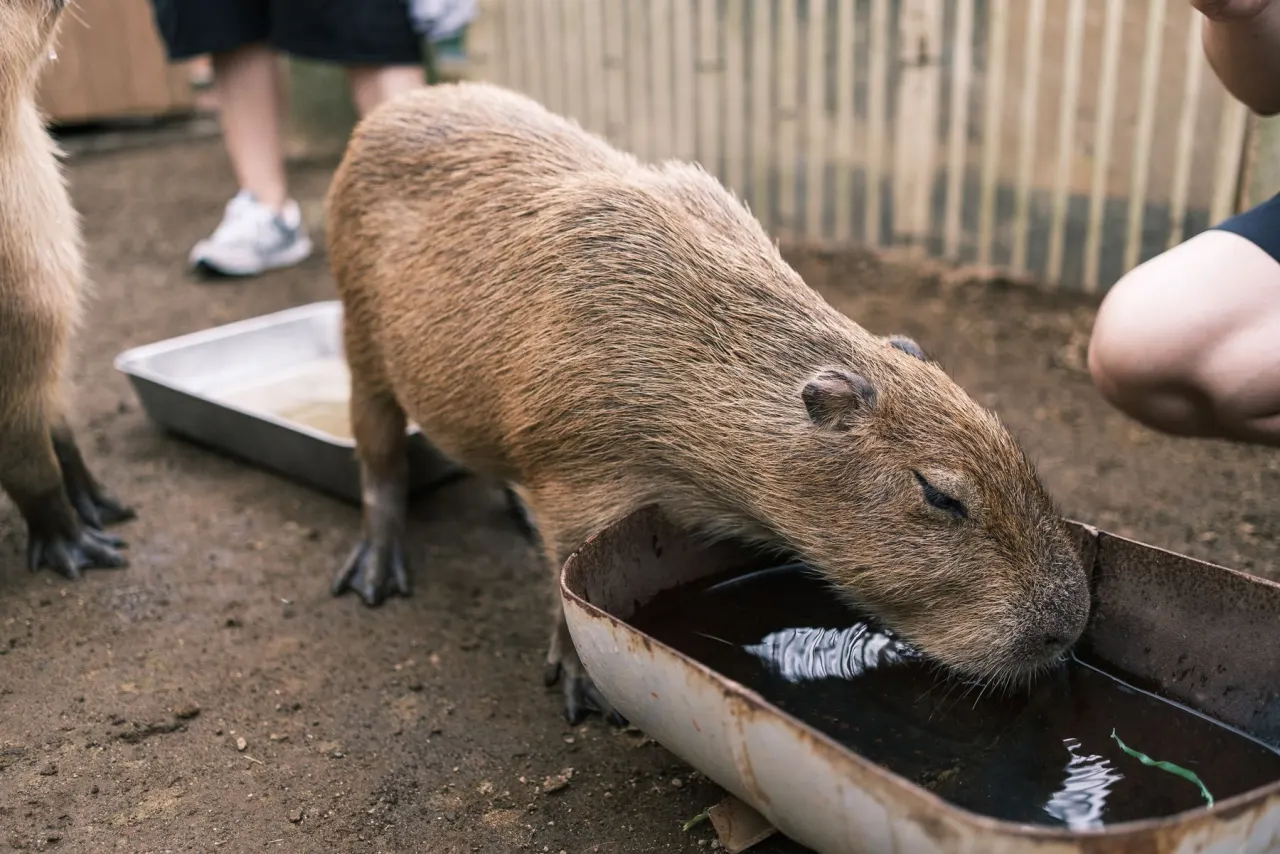
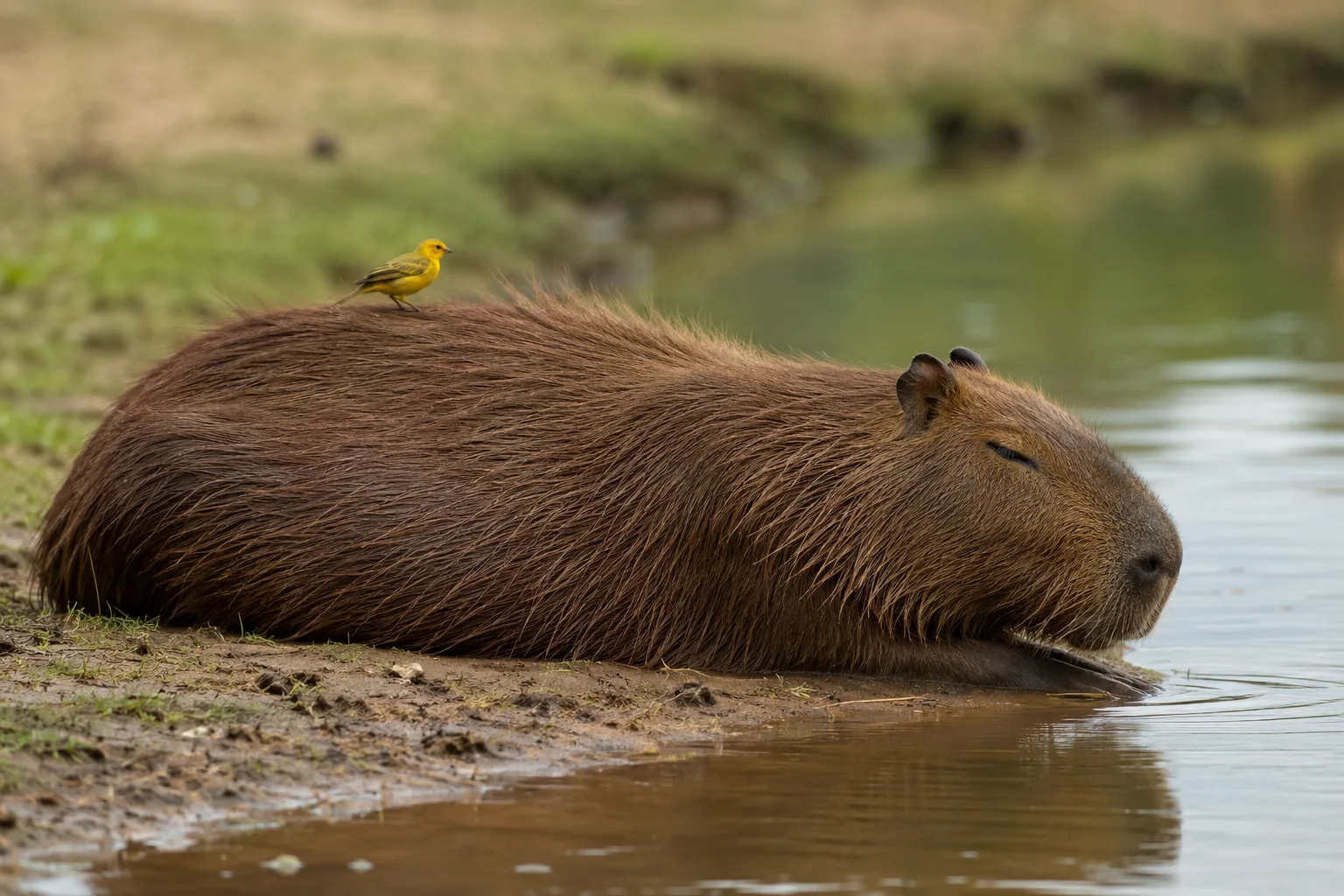
You would be wrong. Capybaras are semi-aquatic and spend significant portions of their day submerged or hidden in dense bankside vegetation. They are native to South American wetlands and river systems, and their instinct to press close to water and cover translates effectively to English riverbanks. A capybara keeping still in reeds is not obviously a capybara to anyone not already looking for one.
The trap strategy and what it signals
Setting physical traps represents a concrete operational commitment. It means the zoo has assessed the new sighting as credible enough to justify deploying equipment, monitoring a location, and potentially stationing staff nearby. That is not nothing.
It also reflects a hard reality of this kind of search: you cannot catch an animal on the move by waiting for it to come to you. Samba has now been loose long enough to have established ranging patterns. The Daily Echo’s report does not specify what type of traps have been used or where exactly they have been placed, which limits any assessment of how well-targeted the effort is.
Capybaras are highly food-motivated, which works in the zoo’s favour here. In the wild they graze almost continuously on grasses, aquatic plants, and bark. A baited trap in the right location, near water and cover, is a reasonable strategy.
What Samba’s survival chances actually look like
Capybaras are more resilient than most people assume. They thermoregulate by wallowing — moving between water and land to manage body temperature — and England’s mild summers present no particular heat problem. The more pressing concern is nutrition, predation risk from dogs, and the cumulative stress of living without a social group.
That last point is worth noting. Capybaras are intensely social animals. In the wild they live in groups of ten to forty individuals, and solitary capybaras show measurable signs of stress. One genuinely strange adaptation that speaks to their social wiring: capybaras have scent glands on their snouts — called morillo glands — that they use to mark territory and communicate with other members of their group. Samba has had no group to communicate with for months. Whether that affects her behaviour in ways that make her easier or harder to locate is an open question.
A common misconception worth correcting here: many people assume a zoo animal loose in the wild would quickly deteriorate or become disoriented. Capybaras, however, are not domesticated. Samba retains the full foraging and evasion instincts of her species. She is not lost in the way a pet would be lost.
The Grumpy Capy take
The trap deployment is the most encouraging development in this search in some time. It suggests Marwell has a location worth committing resources to, rather than simply fielding calls from members of the public who spotted something brown near a river.
The lack of detail in the available reporting — no trap type, no precise location, no description of the sighting itself — makes it difficult to assess how promising this really is. That is a reporting gap, not necessarily a reflection of how much the zoo actually knows.
Worth being transparent about: the primary source page for this story was largely paywalled, limiting the granular detail available. The core facts — new sighting, traps laid — are confirmed. The finer operational specifics are not, and this article has not invented them.