A plant can be natural, green, and still a terrible idea. Nature is not a nutrition label.
Capybaras are herbivores. That does not mean a visitor, owner, or well-meaning neighbor should start handing them yard clippings. Safe plants for capybaras depend on species, source, pesticides, amount, diet context, animal health, and professional approval.
Do Not Feed Zoo Capybaras
Start here because it is the one rule that saves everyone time: do not feed zoo capybaras. Not grass. Not leaves. Not flowers. Not fruit. Not the one perfect dandelion you found near the path and now trust with your whole personality.
Zoo diets are planned. Staff-approved food is different from whatever grew next to a sidewalk, parking lot, dog area, or treated lawn.
Browse Is An Animal-Care Word, Not A Vibe
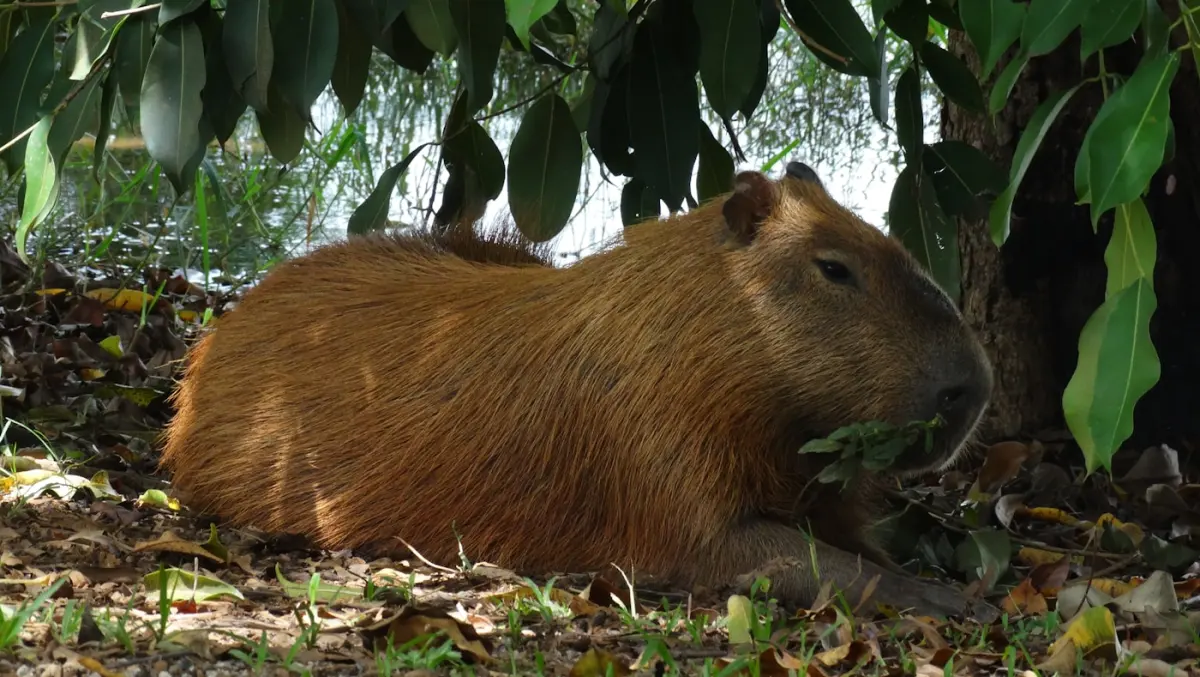
Browse usually means plant material such as leaves, branches, shoots, or twigs offered to animals under a care plan. The AZA Capybara Care Manual includes browse among diet and enrichment considerations, and AZA Nutrition Advisory Group materials treat browse and toxic-plant programs as real institutional work.
That is the point. Browse is not “tree snack.” It is sourced, identified, approved, stored, offered, and monitored.
Safe Depends On Source, Species, And Amount
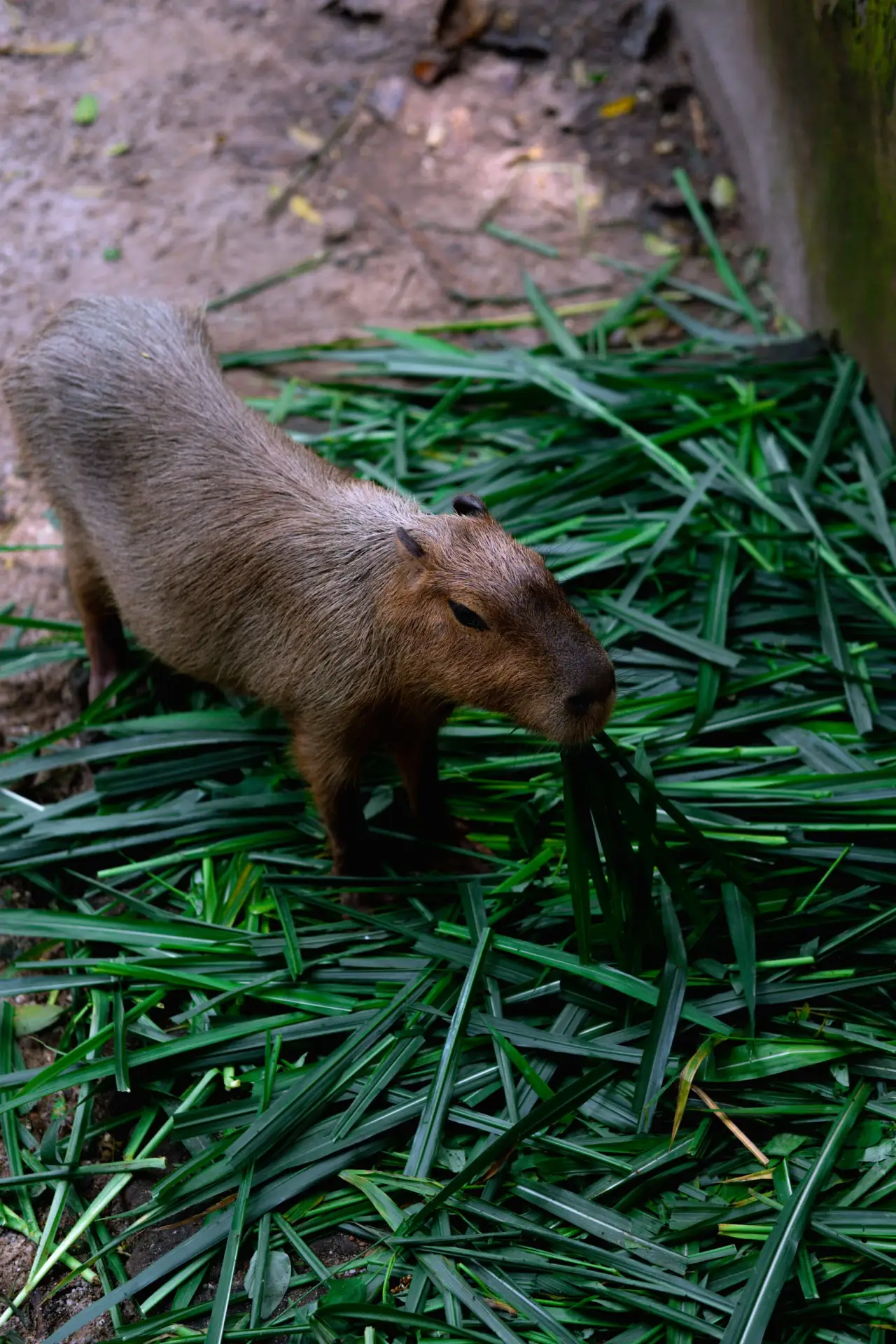
The ASPCA toxic-plant database is built for common domestic animals, not capybaras specifically, but it shows the bigger point: plant safety varies wildly by species and animal. A plant can be safe for one animal, risky for another, or safe only in certain parts or amounts.
For capybaras, add the gut-health layer. The AZA manual cautions that cultivated fruits are high in sugar and should not be used as the sole vitamin C plan. “It has vitamins” is not the same as “feed lots of it.”
| Question | Why it matters |
|---|---|
| What exact plant is it? | Common names can point to multiple species. |
| Where was it grown? | Pesticides, road runoff, and contamination matter. |
| Which part is offered? | Leaves, bark, fruit, seeds, and stems can differ. |
| How much is offered? | Dose and diet balance matter. |
| Who approved it? | Vet or zoo nutrition oversight changes the answer. |
The Checklist Before Anything Enters An Enclosure
A serious facility should know the plant ID, source, treatment history, storage method, amount, and purpose. Is it forage? Enrichment? Vitamin support? Training reward? A temporary item for investigation?
If nobody can answer those questions, the plant should not meet the capybara. This is harsh only if you think the capybara’s gut should do unpaid quality assurance.
What A Capybara Is Actually Built To Eat
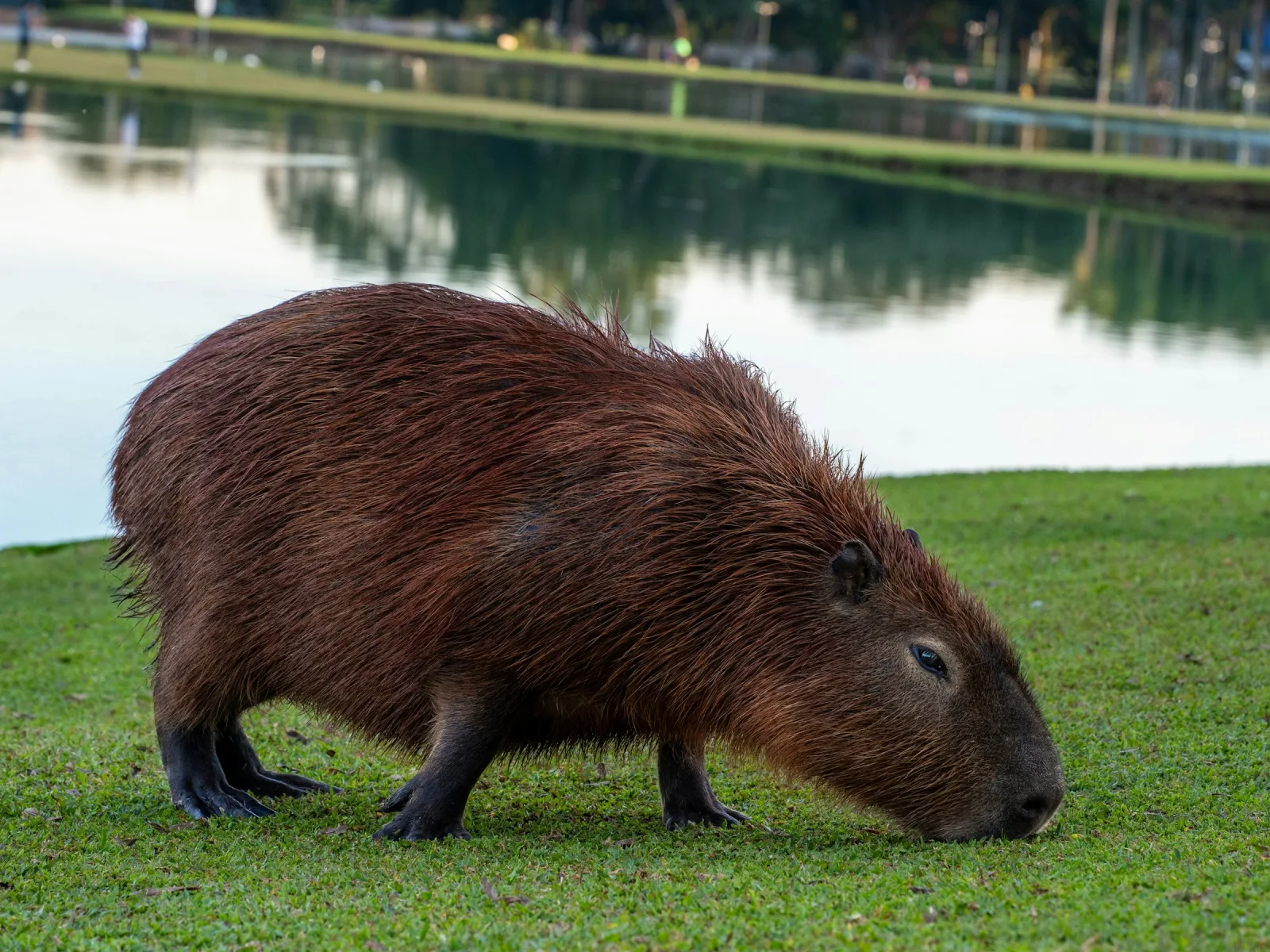
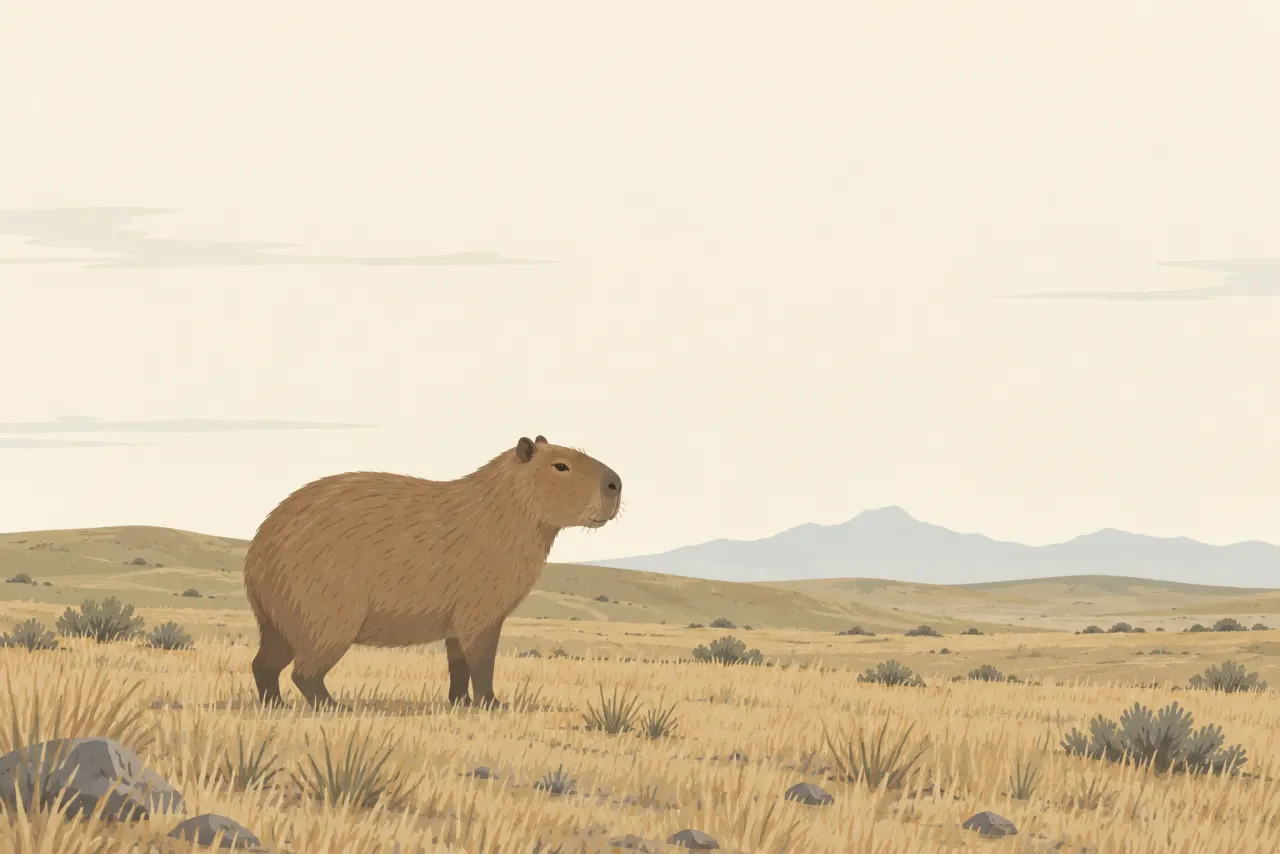
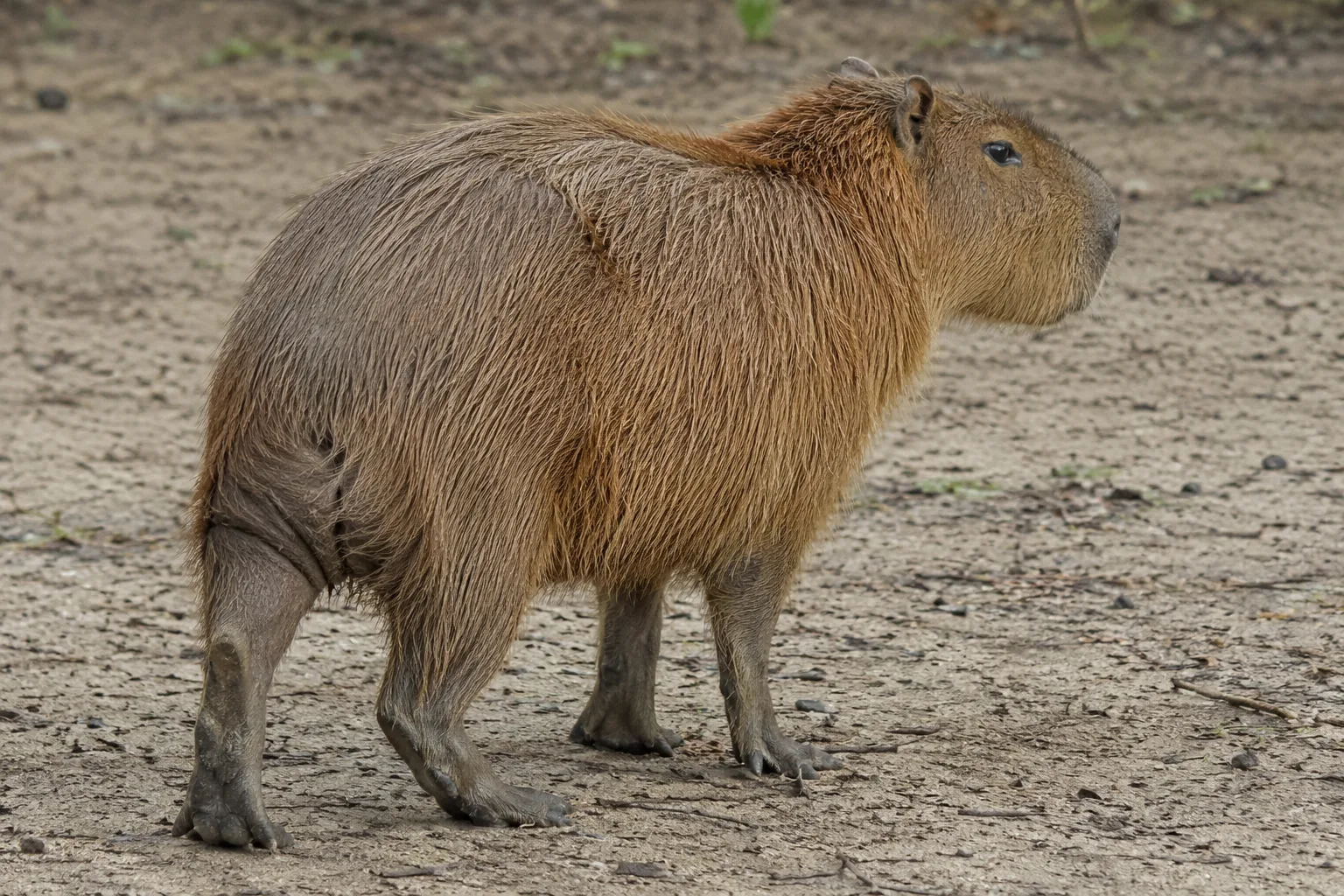
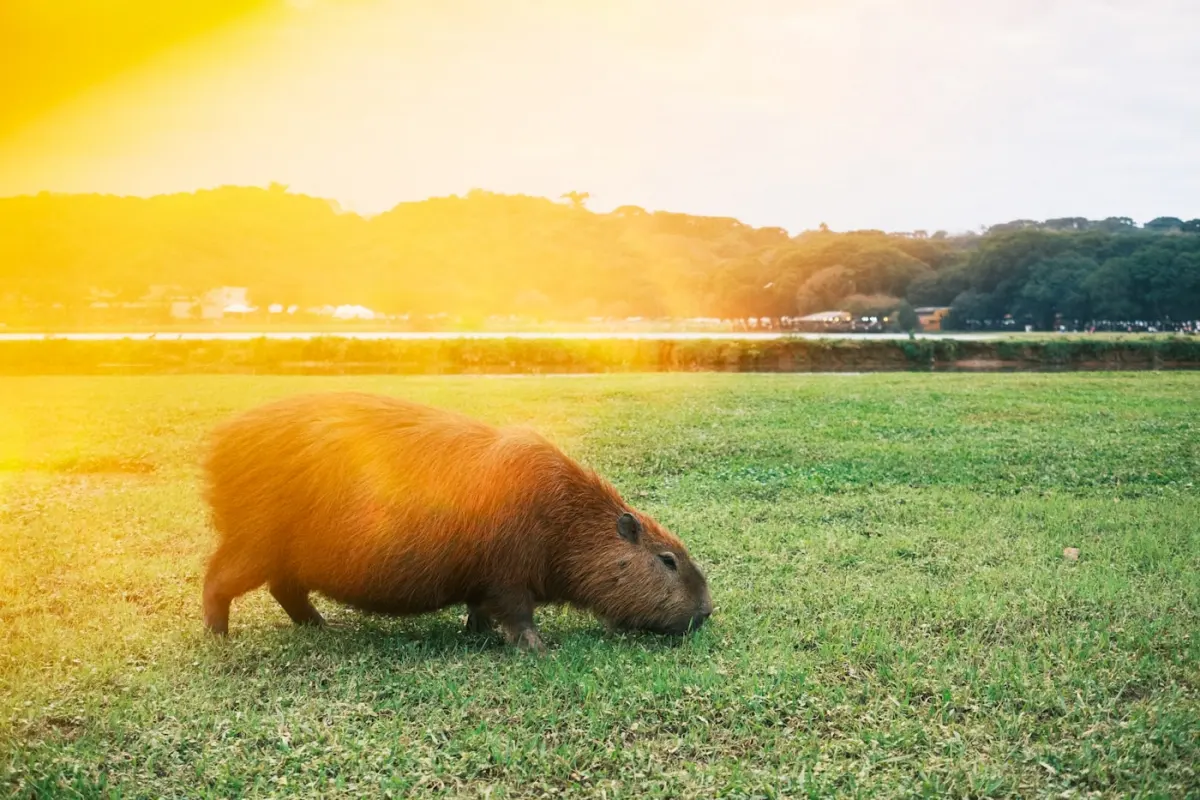
It helps to remember the animal under discussion. Capybaras are the world’s largest rodent, native to South America, and semi-aquatic grazers by trade. In the wild they spend their days working through grasses and aquatic plants, which are bulky, fibrous, and low in sugar. That diet shaped the whole machine.
A few facts from sources like the AZA Capybara Care Manual and Animal Diversity Web change how you should think about feeding:
- They are hindgut fermenters. Most of their nutrition comes from breaking down tough plant fiber in the gut, not from rich, sugary food. They also practice coprophagy, re-ingesting soft morning feces to pull out more nutrients. A diet built around fruit and treats fights against that system instead of working with it.
- They cannot make their own vitamin C, the same quirk guinea pigs have. Vitamin C has to come from diet, planned deliberately, not improvised with whatever fruit is around.
- Their teeth grow continuously. Coarse grasses and approved browse do real work keeping that growth in check. Soft snacks do not.
So the honest read is that grass-type forage, not produce, is closer to the center of a capybara’s plate. Fruit is a garnish at most. This is where a lot of well-meaning feeding goes wrong: people reach for the colorful, sweet stuff because it feels generous, when the boring green fiber is the thing the animal is actually engineered around.
Myths Worth Correcting
A handful of beliefs cause most of the bad feeding decisions. Here is the cleaner version of each.
| Myth | Better answer |
|---|---|
| Herbivore means any plant is fine | Safety varies by species, plant part, source, and amount. Herbivore is a diet category, not a clearance. |
| Fruit is healthy, so more is better | The AZA manual cautions cultivated fruit is high in sugar and should not anchor the diet or the vitamin C plan. |
| If it grows in a park, it is natural and safe | Roadside and park plants carry pesticides, runoff, and contamination, and may be a toxic species entirely. |
| Wild capybaras forage freely, so captive ones can too | Wild grazing is self-selected across a huge range. A captive diet needs more control, not a loose copy of the wild. |
| Vet sign-off is overkill for “just a plant” | A vet or zoo nutritionist is exactly who catches the toxic look-alike or the gut problem before it happens. |
If You Genuinely Want To Help
For owners working with a vet, the move is to build the diet around appropriate grass and hay-type forage, confirm the vitamin C plan, and treat any new plant as something to clear before offering, not after. Identify the exact species, know where it was grown, and start small.
For everyone else, which is most of us, helping looks like restraint. Do not hand food over a fence. Do not drop snacks. Do not offer the dandelion. If you want to support capybara welfare, the most useful thing you can do near one is keep your salad to yourself and let the people with the diet sheet do their job.
Natural Is Not A Nutrition Label
The safest public-facing answer is cautious: capybaras eat plants, but safe plant feeding belongs to qualified keepers, vets, and nutrition staff.
Fans can help by not feeding, not dropping snacks, not offering yard plants, and not treating “herbivore” as a permission slip. The capybara did not ask for your salad confidence.