You can feed a capybara at a zoo only when the zoo says yes, staff supervise it, and the food comes from the facility. Otherwise, no. Not a grape through the fence. Not “just one carrot.” Not a leaf you found that looks emotionally organic.
Start with the unfun truth: capybara feeding is a diet and safety issue, not a vibe. Capybaras need high-fiber food, planned treats, and consistent husbandry. The keeper bucket is not community property.
The Rule Is Simple And Annoying
If a zoo offers a capybara encounter or feeding experience, follow the staff instructions exactly. If it does not, keep your snacks to yourself. That includes food that seems harmless.
The reason is not that zoos hate joy. The reason is that animal diets are planned. The AZA Capybara Care Manual discusses forage, pellets, vitamin C, and the problems that can come from sugary fruit as a vitamin source. One random visitor snack is not the whole diet, but a hundred random visitor snacks is how the system gets stupid.
Why The Food Is Not Yours To Improvise
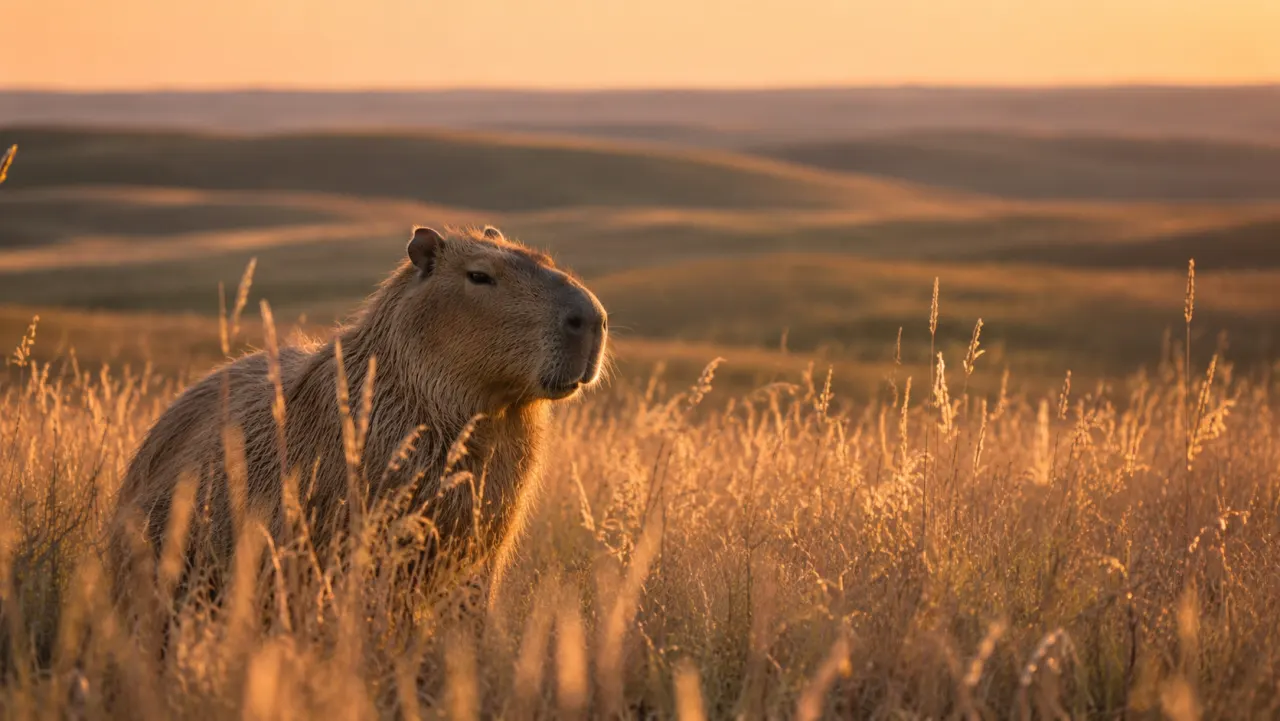
San Diego Zoo Wildlife Alliance describes capybaras as water-edge grazers that eat water plants and grasses. In managed care, Smithsonian Magazine notes zoo diets are built by animal-care teams, often with nutrition staff, because animals have different needs by species, age, season, health, and facility.
That is why “but capybaras eat lettuce” is not enough. Maybe that animal already had its produce. Maybe the food is reserved for training. Maybe the diet is limited because of weight, teeth, gut health, or vitamin balance. Maybe the lettuce has dressing on it because society is collapsing.
| Visitor impulse | Better move | Why |
|---|---|---|
| Offer food through a fence | Do not | Fingers, teeth, and diet all object |
| Bring produce from home | Leave it home | Staff cannot verify safety or diet fit |
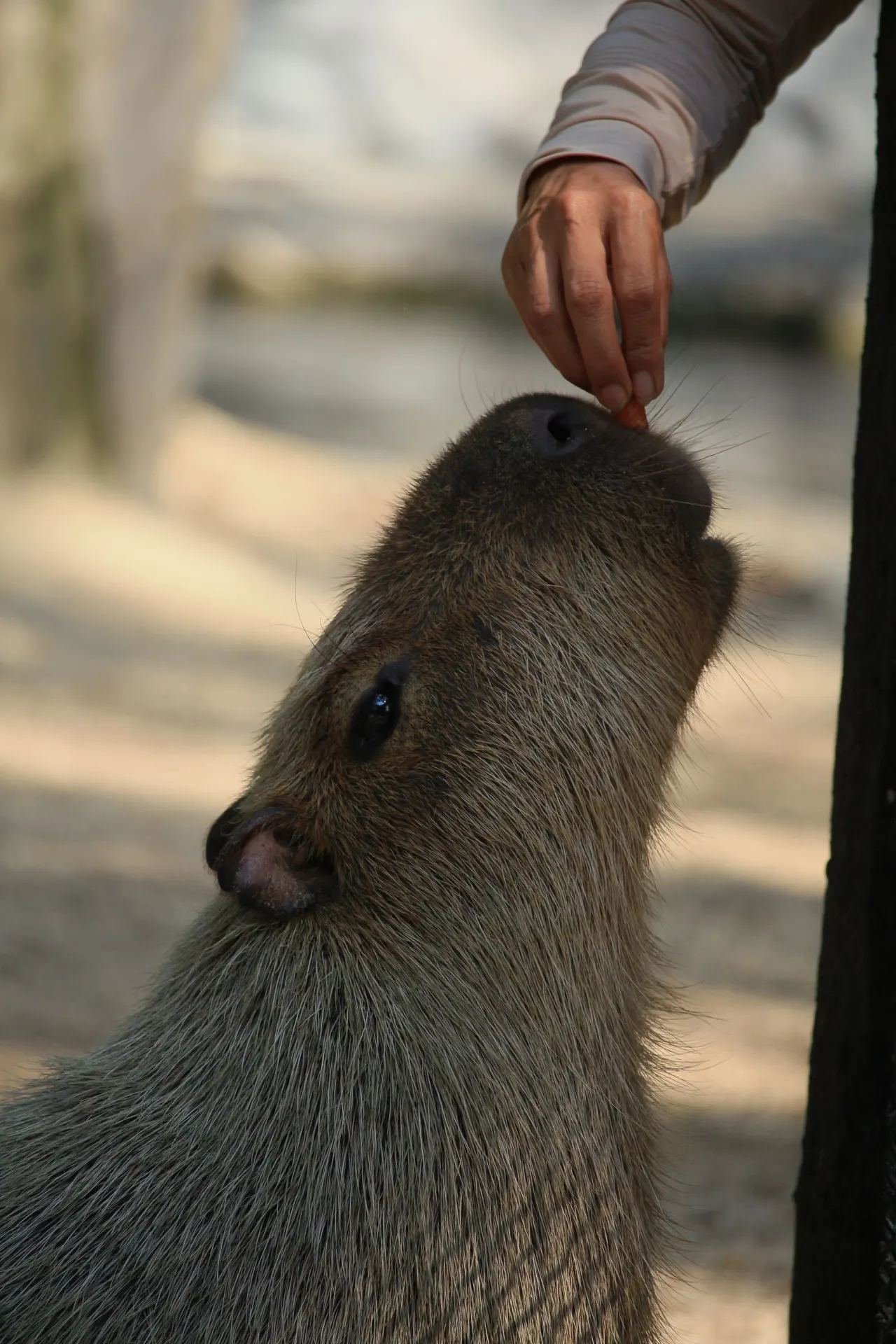
| Feed only during an approved encounter | Yes, if instructed | Staff controls portions and behavior |
| Ask what the capybara eats | Excellent | Keepers love a question with shoes on |
What A Good Feeding Moment Looks Like
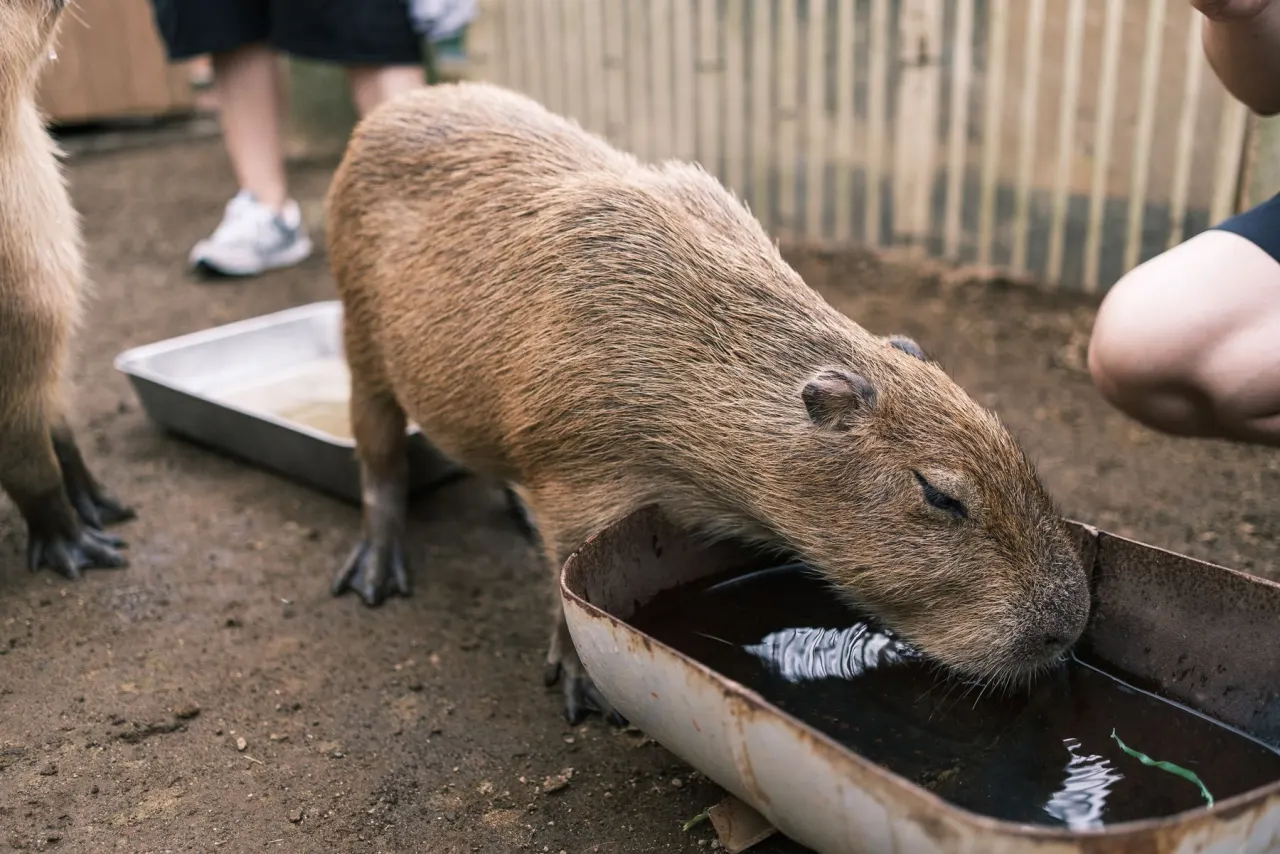
A good feeding moment is usually quiet and structured. Staff explain where to stand, what to hold, how close to get, and when to stop. The capybara can choose whether to participate. The food portion is limited. No one is shrieking “look at me” while a large rodent tries to chew with dignity.
That last part matters. Capybaras are social prey animals, and Animal Diversity Web notes they use warnings and water as part of predator avoidance. Crowding can change the encounter quickly, even if the animal looks calm.
What A Capybara Actually Eats In Managed Care
Here is the part that makes the “just one carrot” crowd quieter. A capybara’s diet is not a snack list. It is a daily fiber engine that keeps a very large rodent functioning.
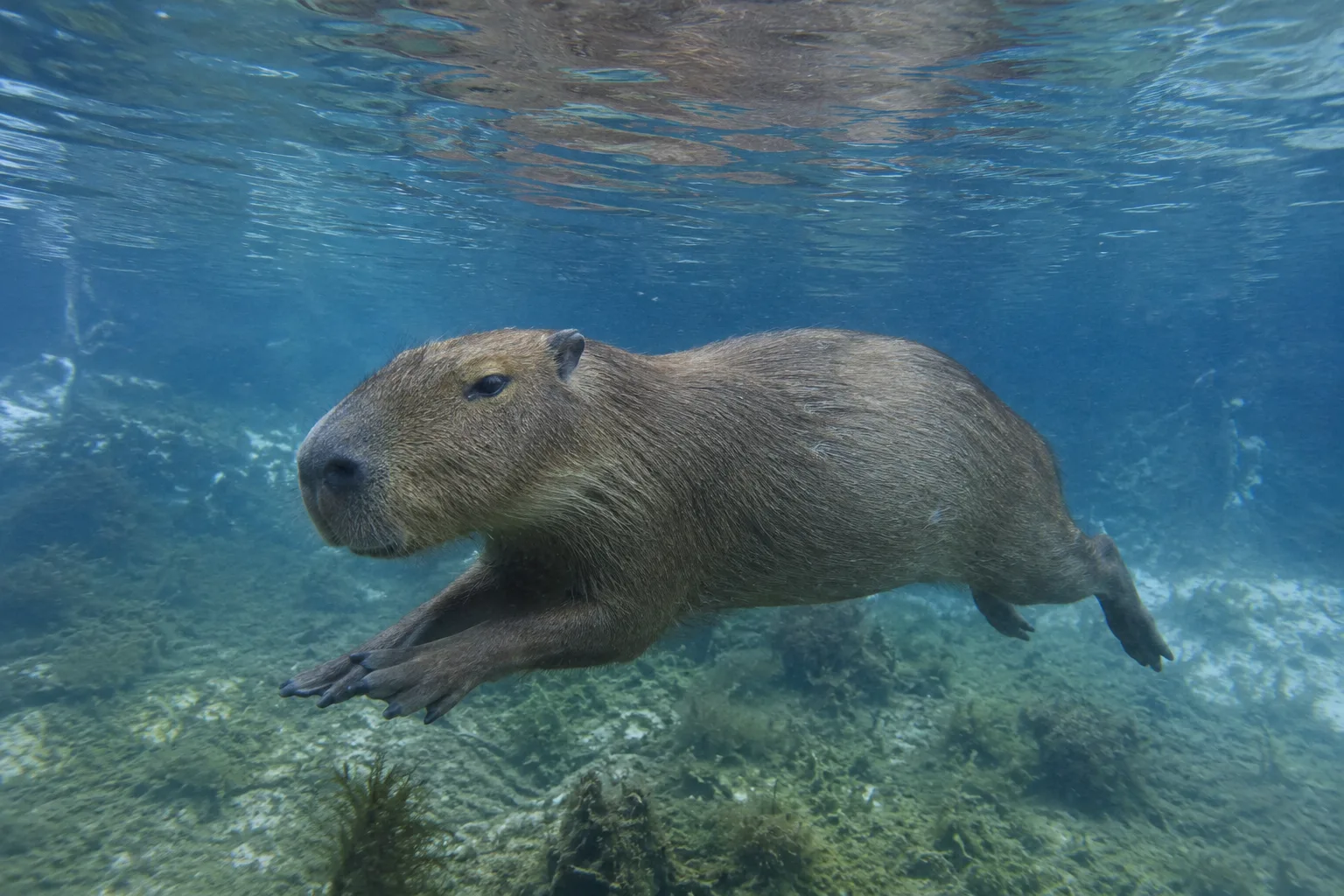
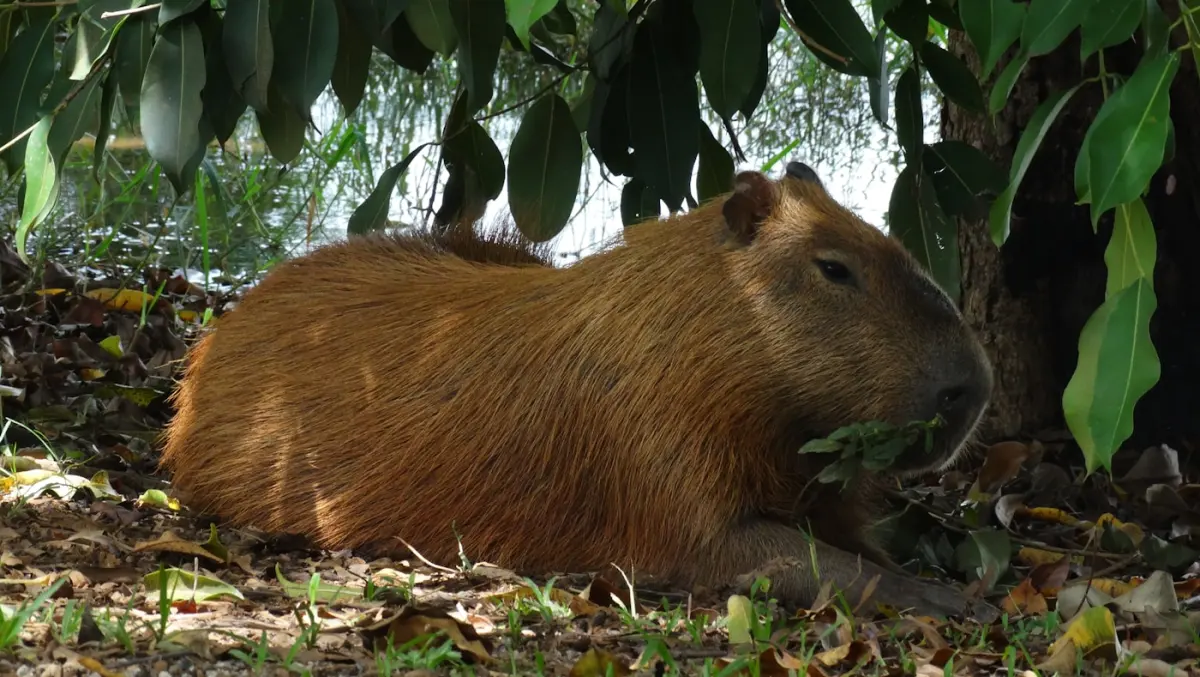
Capybaras are the world’s largest rodent, with adults running roughly 35 to 66 kg, and they are semi-aquatic grazers. In the wild, San Diego Zoo Wildlife Alliance and Animal Diversity Web describe them eating grasses and aquatic plants near water edges, in quantity, all day. That grazing habit is the whole design. Their teeth grow continuously, so they need tough, fibrous material to wear them down. Their guts run on hindgut fermentation, which is why they re-ingest their soft morning feces to pull more nutrients out of the same plant matter. None of this is improved by a stranger’s grape.
The vitamin C detail is the one most visitors miss. Like guinea pigs, their relatives in the family Caviidae, capybaras cannot make their own vitamin C and have to get it from diet. Managed-care teams account for that with planned pellets and greens. The AZA Capybara Care Manual specifically flags the problem of leaning on sugary fruit to supply that vitamin, because it trades one need for a different problem. A keeper has done that math. A visitor with a baggie of apple slices has not.
| Diet element | Why it is on the plan | What a random snack does to it |
|---|---|---|
| Hay and browse | Wears down ever-growing teeth, feeds gut fermentation | Soft treats skip the dental work the animal needs |
| Measured pellets | Delivers vitamin C and balanced nutrients | Extra calories arrive with none of the balance |
| Leafy greens | Hydration and fiber in controlled amounts | Unwashed produce can carry pesticide or mold |
| Reserved treats | Used for training and health checks | Free snacks make the real reward worthless |
The honest opinion: most “I just want to feed it” energy is really about the human, not the animal. The capybara is already fed. The urge is to be acknowledged by something charming. That is a fine feeling to have and a bad reason to override a diet sheet.
How To Be Good At Snack-Adjacent Behavior
Ask before booking whether feeding is included. Read the venue rules. Wash hands if instructed. Keep food low and flat if staff tells you to. Do not tease, wave food above the animal, pull it away for a better photo, or let a child treat the moment like a claw machine.
If the capybara walks away, the feeding is over for you. The snack did not fail. The animal made a choice. Very advanced concept.
The Bigger Welfare Picture Behind The No
Feeding rules are not floating on their own. They sit inside a whole approach to keeping these animals healthy, and that approach is built by people who do it every day.
Capybaras are deeply social herd animals. Solitary housing is a known welfare stressor, so accredited facilities usually keep them in groups. That changes feeding too. Toss food at one animal and you can spark competition in the group, and a calm grazer can turn pushy when food shows up unpredictably. Keepers feed in ways that keep the social peace, which is hard to do when a row of visitors is freelancing snacks from five directions.
There is also a time horizon visitors do not see. A capybara in good managed care can live well past 8 to 10 years, and that longevity comes from consistency: steady diet, steady weight, steady dental and gut health. AZA accreditation exists partly to hold facilities to that kind of standard. One off-plan snack will not undo a decade of care. But the rule is built for the version of the world where everyone thinks their snack is the harmless exception, and on a busy weekend that adds up fast.
So when a sign says no outside food, it is not a buzzkill. It is the shorthand for a long list of reasons a keeper would happily explain if you asked.
Let The Staff Hold The Snack Bucket
Zoo feeding can be a lovely experience when it is planned, supervised, and animal-led. It can also become unsafe very quickly when visitors improvise.
The rule fits in one hand: if the zoo did not hand you the food, do not hand it to the capybara.