The ongoing search for Samba
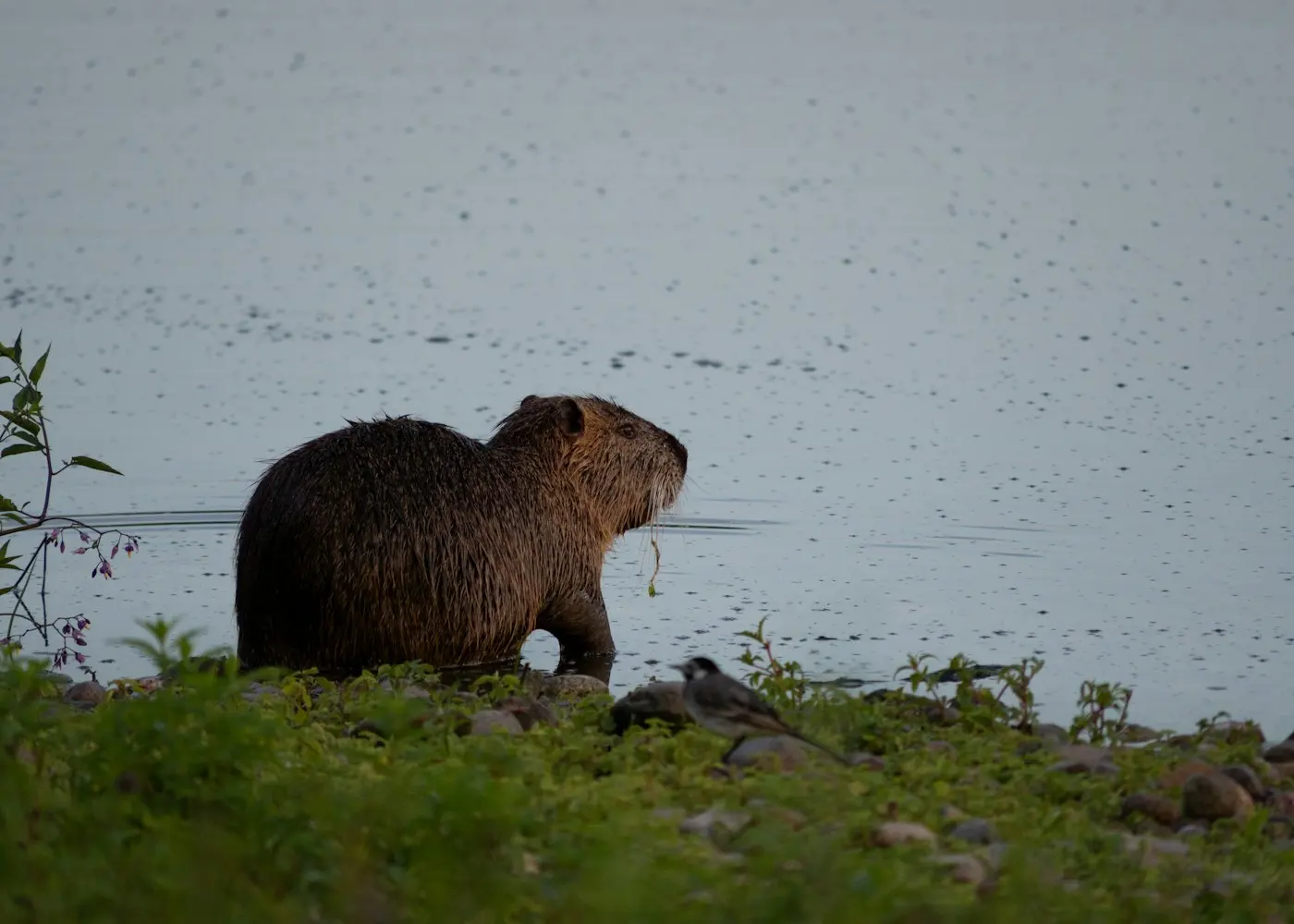
Back in March, Maweol Zoo in Hampshire, UK, faced an unexpected escapade when two young capybaras, Samba and Tango, decided to break free. While Tango was quickly found, Samba has managed to evade capture, becoming somewhat of a local celebrity. According to The Asia Business Daily, the zoo has set up an exclusive 24-hour hotline to track down the elusive capybara, deploying a team of 20 zookeepers at the drop of a hat whenever a sighting is reported.
Efforts to locate Samba have extended across the region, with sightings reported as far as Stonehenge, approximately 48 kilometers from the zoo. An online map is being updated in real-time to chart potential sightings, reflecting the widespread attention this capybara has garnered.
Technology and community involvement
The search for Samba has embraced modern technology, with Maweol Zoo installing AI-powered wildlife cameras along riverbanks. These cameras, initially designed for tracking animals in the African savannah, are now repurposed to detect the movements of Samba. Once movement is detected, zookeepers navigate through dense thickets and nettle forests in pursuit of the capybara.
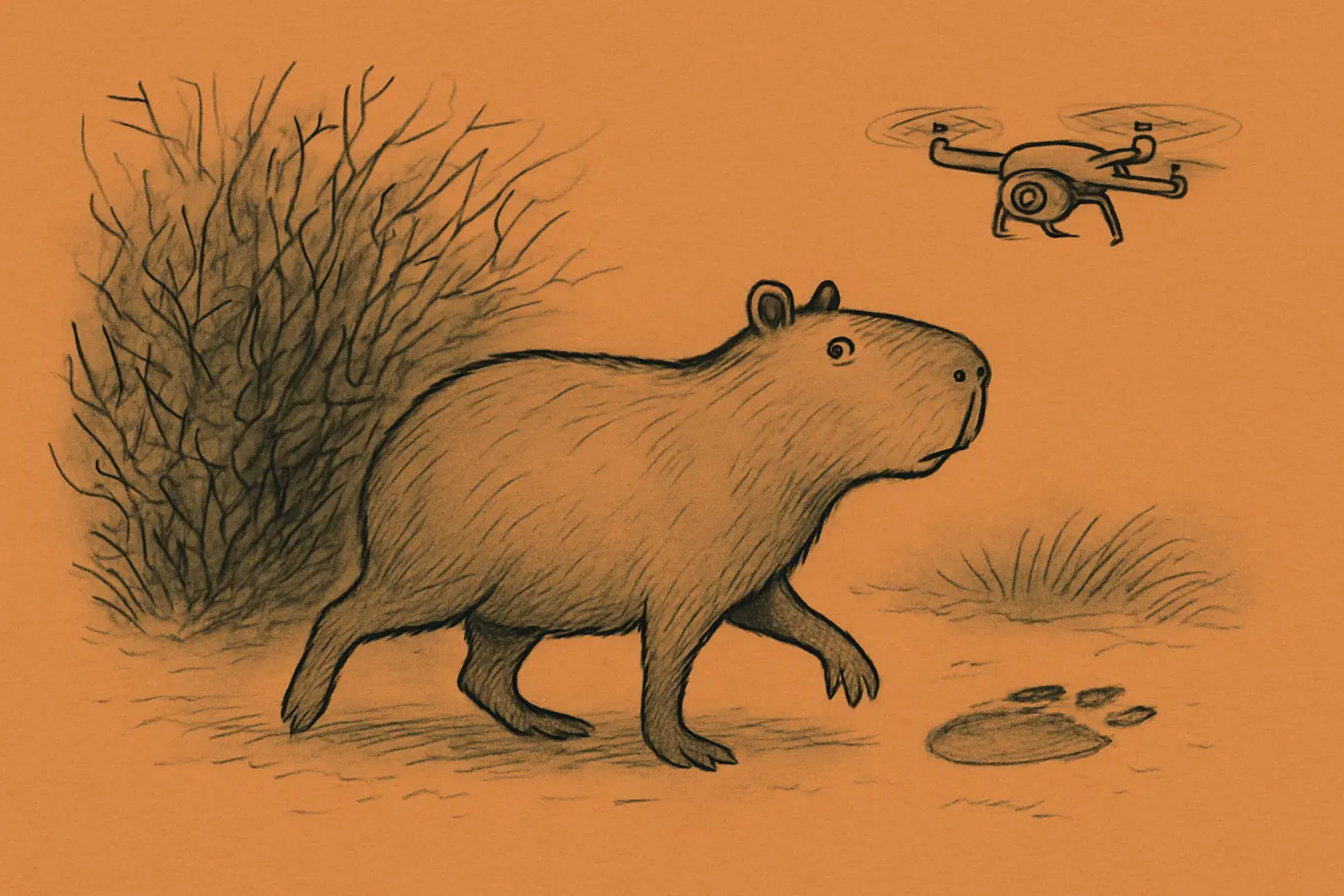
Local residents have also taken an active role in the search. Glen Moors, a local with experience in wildlife thermal drone operations, has joined the efforts, motivated by the community’s attachment to Samba. His expertise in tracking deer and birds is now focused on finding the elusive rodent.
Samba’s newfound fame
Samba has become a fixture in the local community, not just as a missing animal but as a source of entertainment and creativity. Elementary school children have formed ‘Samba search parties’, writing poems and sharing stories about her adventure. Social media is awash with memes and photoshopped images featuring Samba in various improbable scenarios, from shopping at local malls to attending kindergarten classes.
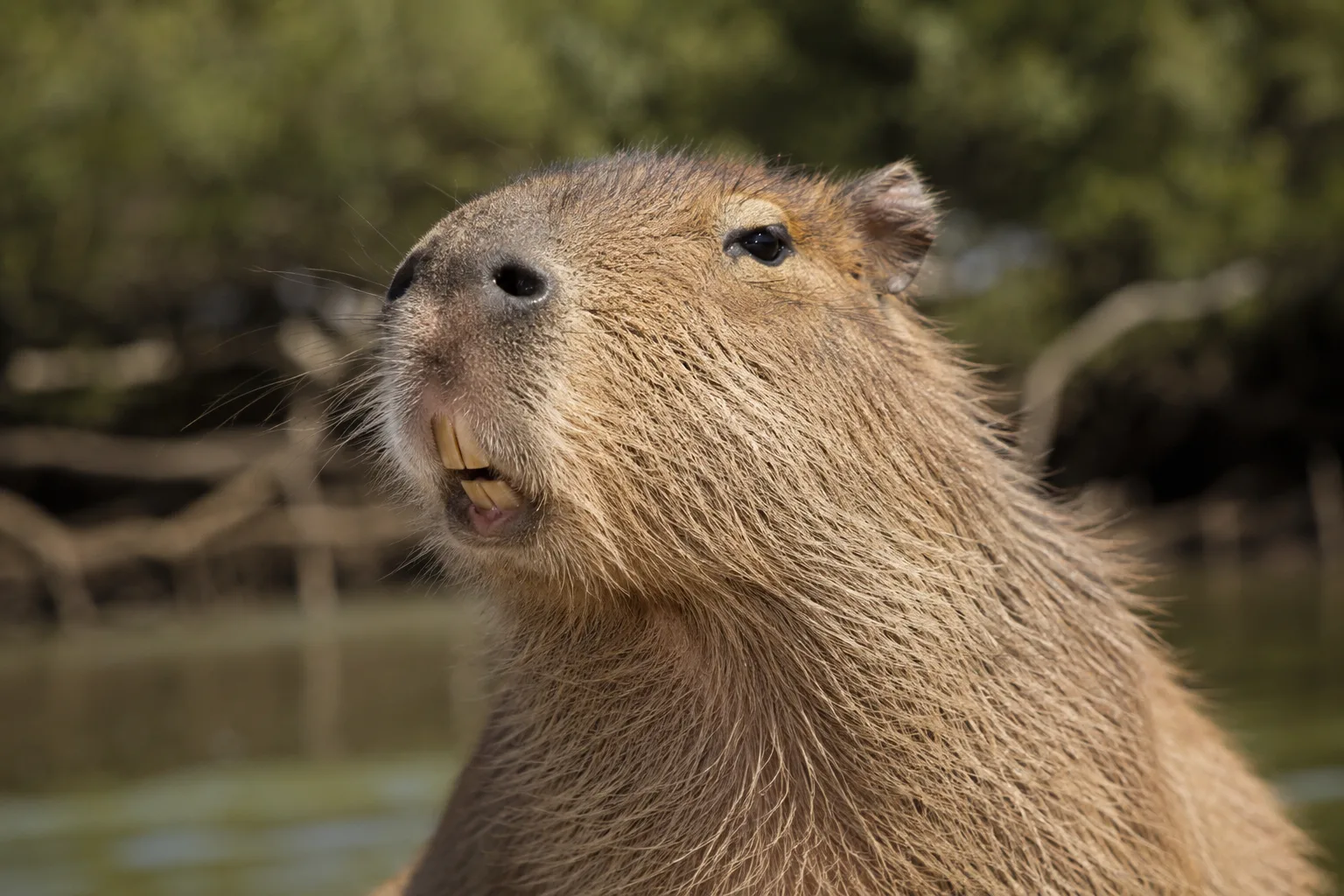
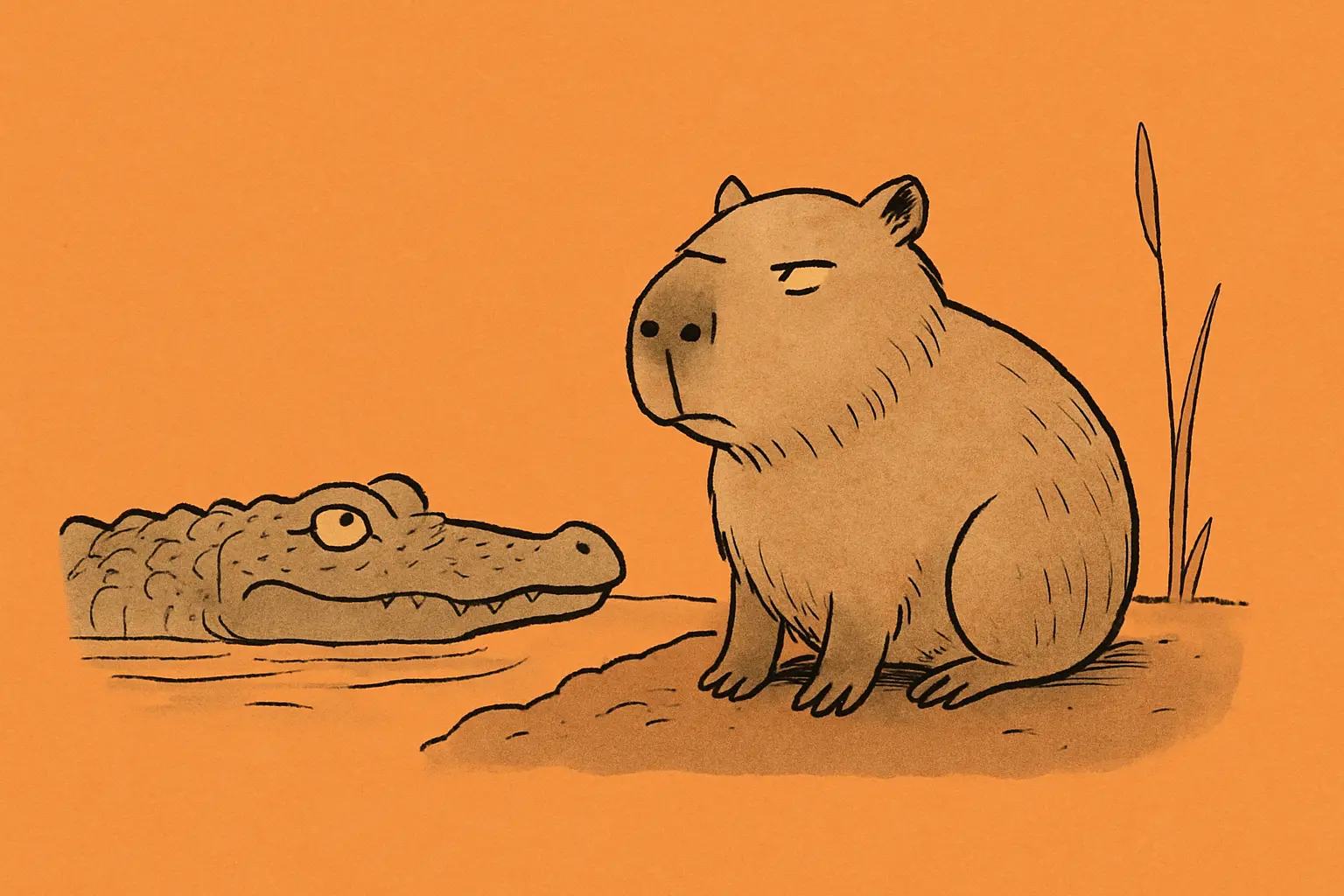
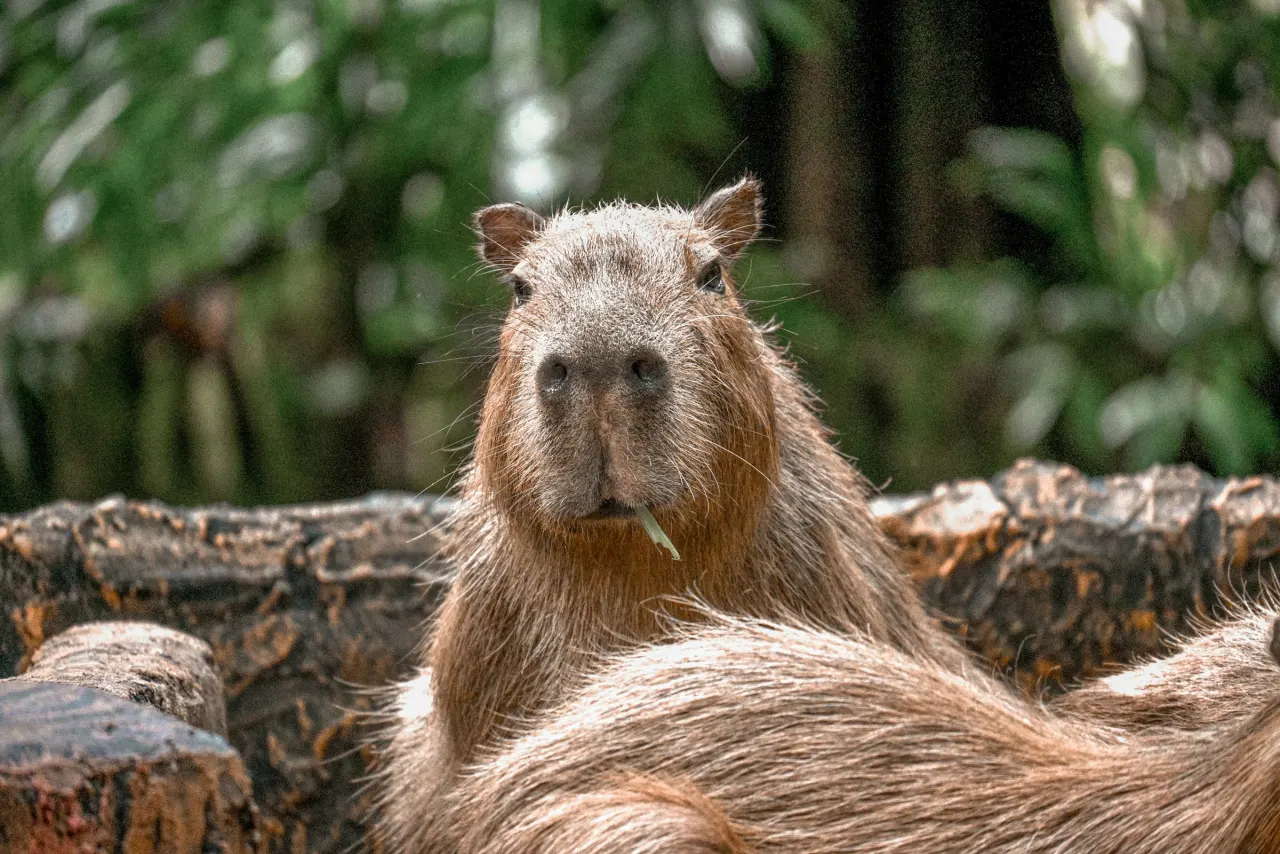
Contrary to popular belief, capybaras like Samba are not particularly aggressive animals. Despite their large size—they are the largest rodents in the world—they are known for their gentle nature. Samba’s escapade has certainly not been one of menace but rather of curiosity and exploration, which has endeared her to many.
Misconceptions about capybaras
A common misconception about capybaras is that they are merely oversized guinea pigs. While they are indeed closely related, capybaras are distinct in their semi-aquatic lifestyle and impressive swimming capabilities. According to The Wall Street Journal, Samba’s running and swimming skills have undoubtedly aided her in remaining at large.
It’s interesting to note that capybaras can hold their breath underwater for up to five minutes, which might come in handy if Samba decides to take a dip to avoid her pursuers.
The Grumpy Capy take
So what does this all mean? On one hand, we have a zoo putting in extraordinary efforts to locate one capybara while on the other, a community finds joy and engagement in the search. It’s a curious balance of urgency and light-heartedness.
It’s important to acknowledge the transparency limitations in the source material. The primary source, The Asia Business Daily, focuses more on the community’s response and less on the hard logistical realities of tracking a capybara.
In the end, Samba’s story highlights an amusing intersection between wildlife management and human whimsy. While the zoo may eventually capture her, for now, Samba remains a symbol of unexpected adventure and community spirit.