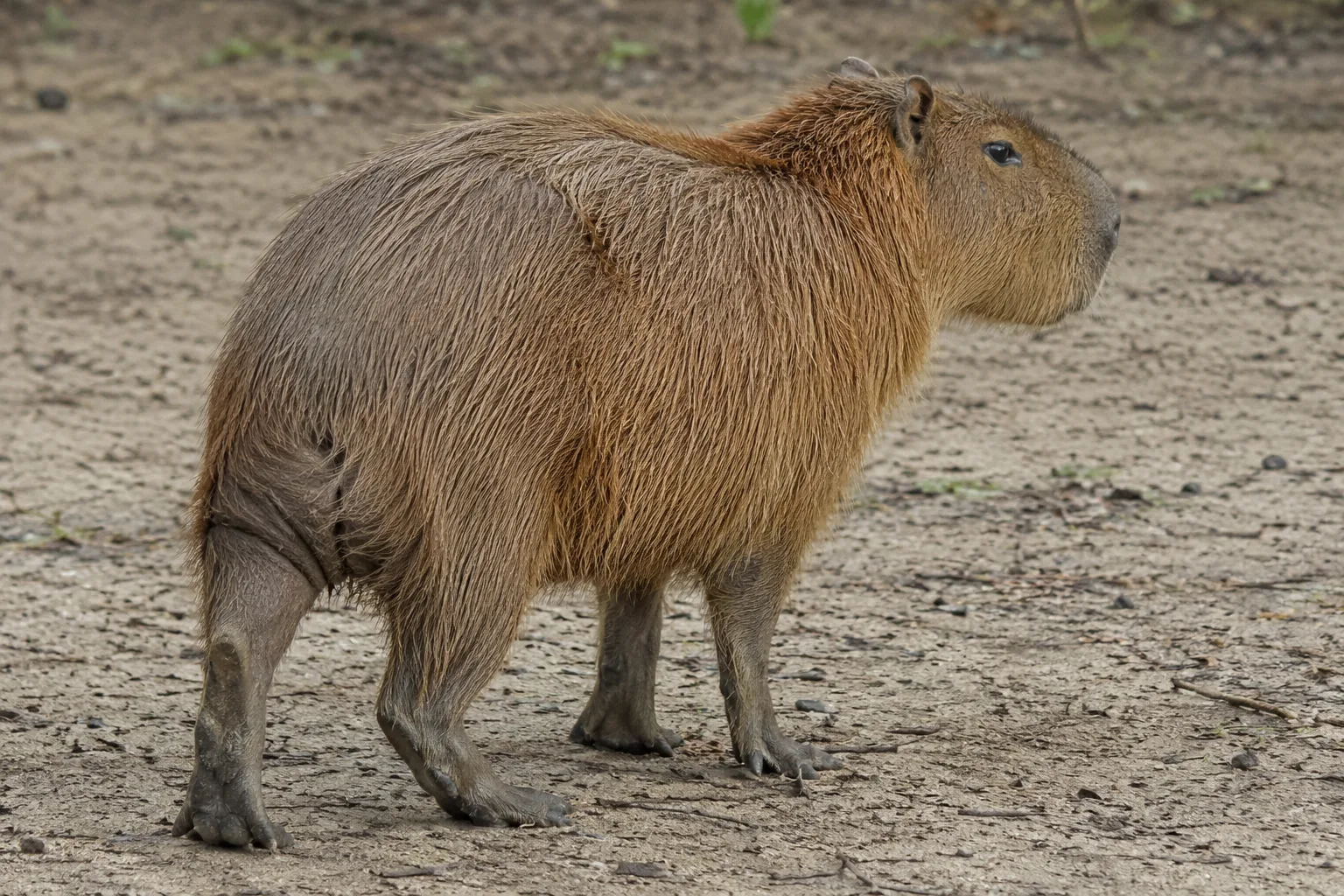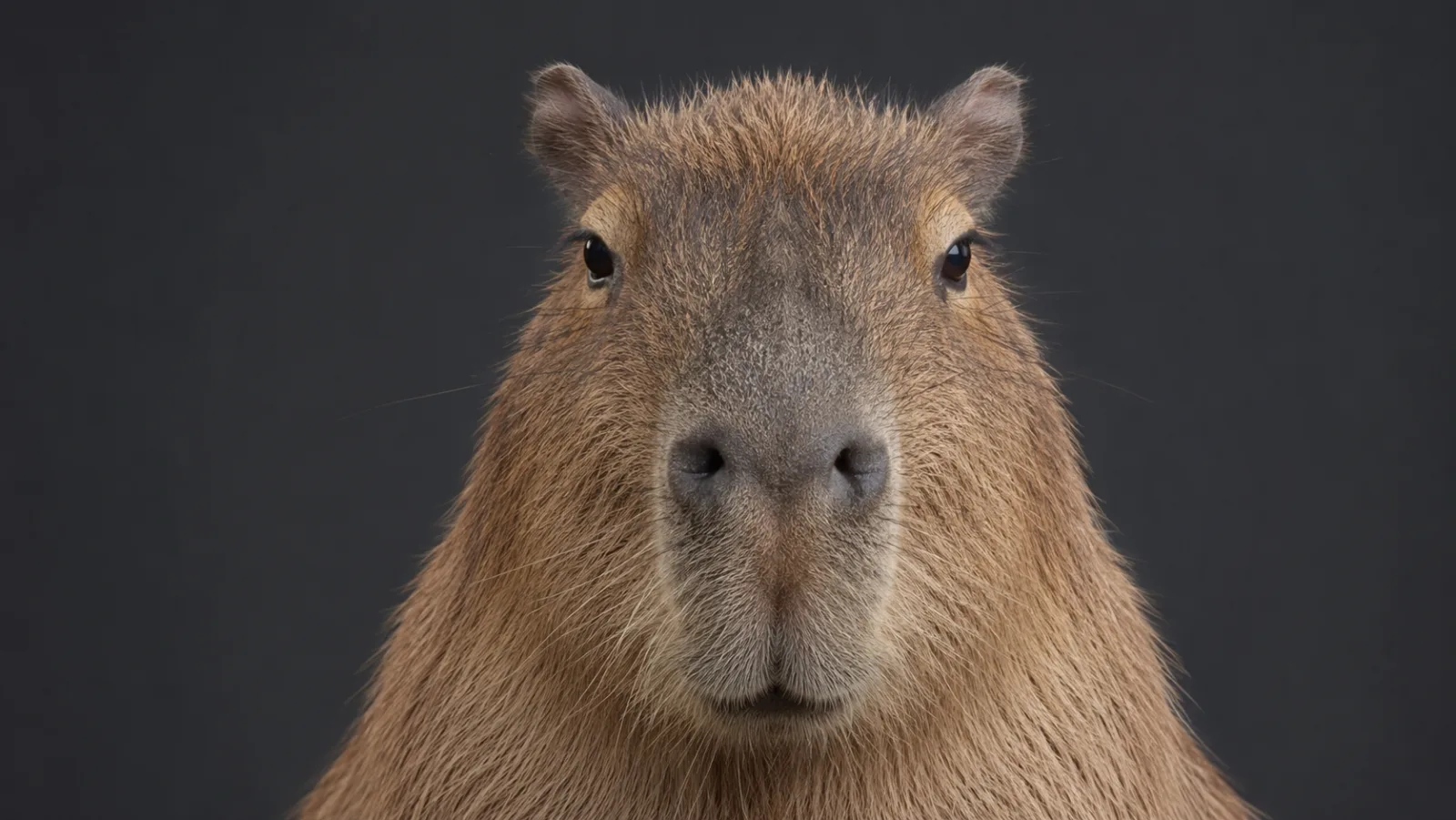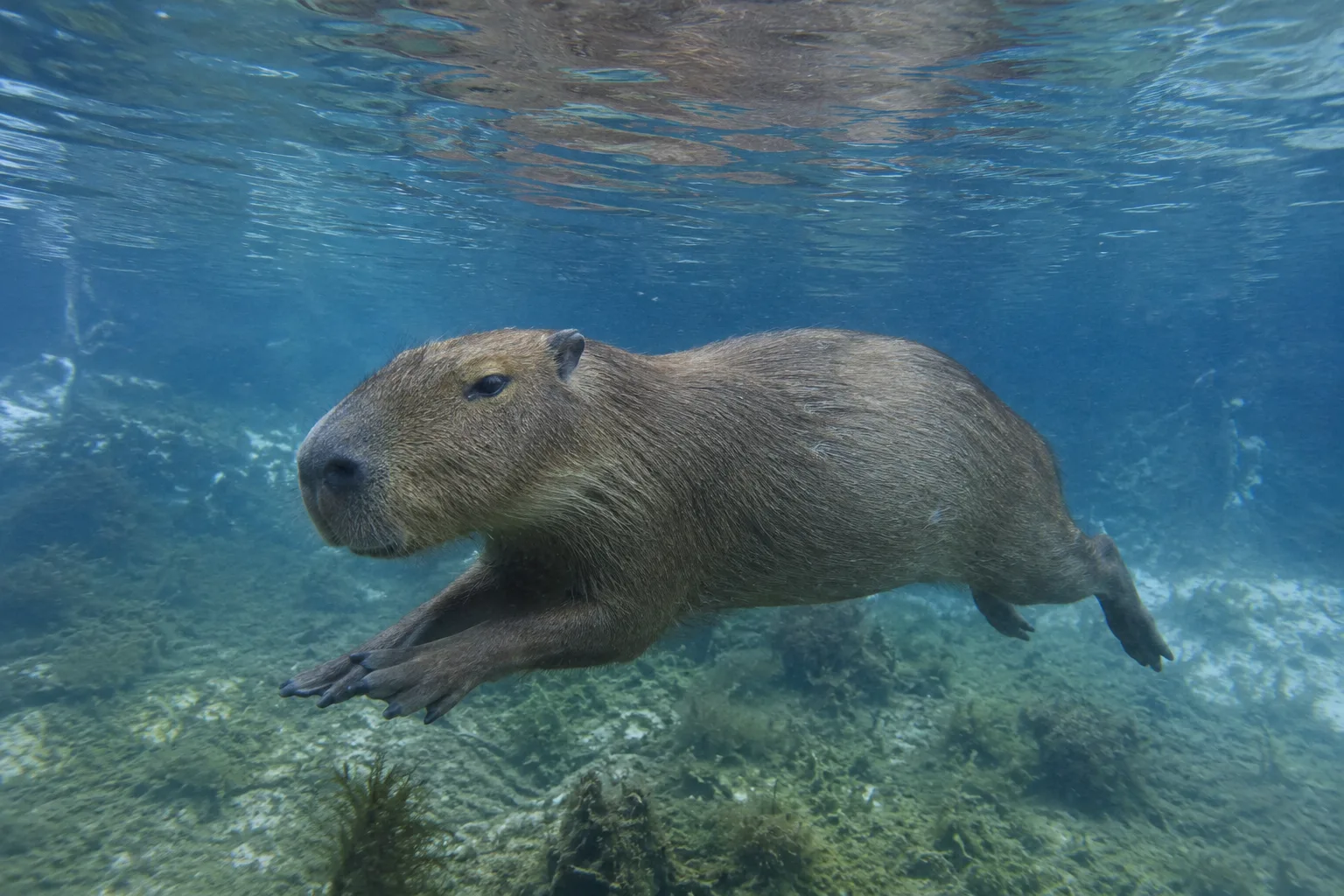
Yes, capybaras eat their own poop. No, this is not a character flaw.
The direct answer: capybaras practice coprophagy, a digestive behavior where they re-ingest some fecal material to recover nutrients and helpful microbes from a high-fiber plant diet. It looks like nature failed a manners class. It also makes biological sense.
The Not-Cute Answer
Animal Diversity Web describes capybaras as coprophagous and says they spend part of each morning re-ingesting the previous day’s food. San Diego Zoo Wildlife Alliance also notes that capybaras eat their own feces to get beneficial bacteria that help the stomach break down thick fiber.
This is not the same as a bored pet eating random waste in a dirty cage. In capybaras, nutrient recycling is tied to the job of living on grasses and aquatic plants. Nature saw the first draft and requested revisions.
The Fiber Problem
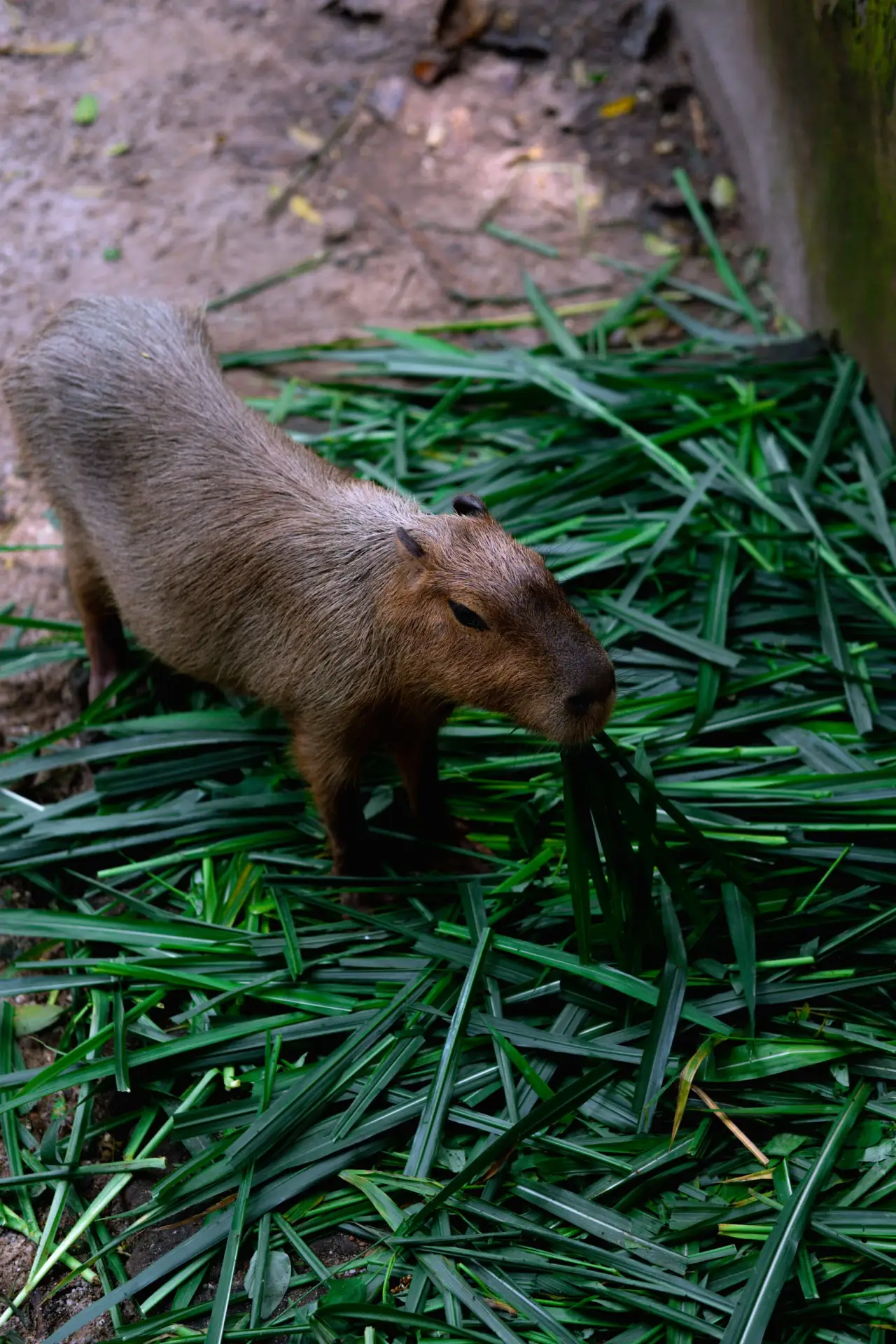
Capybaras are grazers. San Diego Zoo says an adult can eat 6 to 8 pounds of grass per day, and grasses are not exactly pre-chewed smoothies. Tough plant material needs microbial help.
The AZA Capybara Care Manual discusses the importance of gastrointestinal microorganisms in herbivores and ties capybara health to high-fiber diets that support fermentation. That is the polite version. The less polite version is that the capybara’s digestive system is running a recycling department out back.
| Digestive step | What is happening | Why it matters |
|---|---|---|
| Grazing | Capybara eats grasses and aquatic plants | High fiber goes in |
| Fermentation | Gut microbes help break down plant material | Nutrients become more available |
| Re-ingestion | Some fecal material is eaten again | More nutrients and microbes are recovered |
| Normal output | Waste leaves after the useful work is done | The system keeps moving |
Why The Morning, Specifically
The timing is the part most people skip past. Animal Diversity Web notes that capybaras spend part of the morning re-ingesting the previous day’s food, and that detail is doing more work than it looks. The soft material they re-eat is not the dry pellet you would picture. It is a softer, microbe-rich product that comes through after a night of fermentation, and it carries the nutrients the first pass through the gut could not fully extract.
Capybaras are hindgut fermenters. The bulk of the microbial breakdown happens late, past the point where the small intestine can absorb much of what those microbes produce. Re-ingestion is the workaround. Eat it again, route the now-available nutrients and B vitamins through the absorptive part of the gut, and very little gets wasted. It is the same trick guinea pigs and rabbits use, which makes sense given that capybaras share the family Caviidae with guinea pigs.
There is a vitamin C wrinkle here too. Like guinea pigs, capybaras cannot make their own vitamin C and have to get it from diet. That does not mean coprophagy exists to supply vitamin C, but it does sit inside a broader picture of an animal whose nutrition runs close to the edge and relies on getting full value out of low-grade food. A wetland grazer does not get to be wasteful.
| Animal | Family | Digestion style | Re-ingests feces |
|---|---|---|---|
| Capybara | Caviidae | Hindgut fermenter | Yes, soft morning feces |
| Guinea pig | Caviidae | Hindgut fermenter | Yes |
| Rabbit | Leporidae | Hindgut fermenter | Yes, cecotropes |
| Cow | Bovidae | Foregut (rumen) | No, re-chews cud instead |
The table is the quiet point of this whole article. Coprophagy is not a capybara defect. It is one of two common solutions to the same problem: how does a smallish animal live on grass without a cow’s enormous foregut. Cows ferment up front and re-chew. Capybaras ferment out back and re-eat. Different door, same building.
Normal Behavior Or Warning Sign?
Normal coprophagy is expected. What is not normal is a sudden change paired with illness signs: diarrhea, bad odor, lethargy, weight loss, appetite loss, dehydration, blood, or a dirty enclosure that leaves animals exposed to waste constantly.
For pet-curious readers, this is another reminder that capybara care is not a cute list of quirks. It is diet, gut health, sanitation, water quality, veterinary access, and knowing which gross thing is normal versus which gross thing is a call-the-vet event.
Poop Myths That Need To Retire
| Myth | Better answer |
|---|---|
| Capybaras eat poop because they are dirty | They do it as part of normal nutrient recycling |
| It means the diet is bad | Not by itself; it can be normal even with a proper diet |
| You should stop it | Do not interfere with normal behavior without veterinary guidance |
| It is just a funny meme fact | It is funny, yes, but it is also digestion |
An Opinion You Did Not Ask For
Here is the honest take. The “capybaras eat their own poop” fact gets passed around as a gotcha, like it exposes something embarrassing about an animal the internet otherwise treats as a chill water dog. It does the opposite. A digestive system that recovers nutrients twice from poor food, hosts its own fermentation crew, and wastes almost nothing is a better-engineered thing than most of the diets humans build for themselves on purpose. If anything embarrasses anyone here, it is us, eating fortified everything and still missing the point that the wetland rodent already solved.
The AZA Capybara Care Manual frames gut microbes as central to herbivore health rather than as a curiosity. That framing matters. Coprophagy is load-bearing, not optional color. Take it away and you have taken away a chunk of how the animal stays nourished.
Do Not Shame The Rodent
The capybara does not care that you find this upsetting. It has a system. The system works. You are the one who brought brunch standards to a wetland herbivore.
So the next time someone says “did you know capybaras eat poop?” the grown-up answer is yes: coprophagy helps them digest a fiber-heavy diet and recover nutrients. The fun answer is also yes, and nobody should have given nature a second pass button.