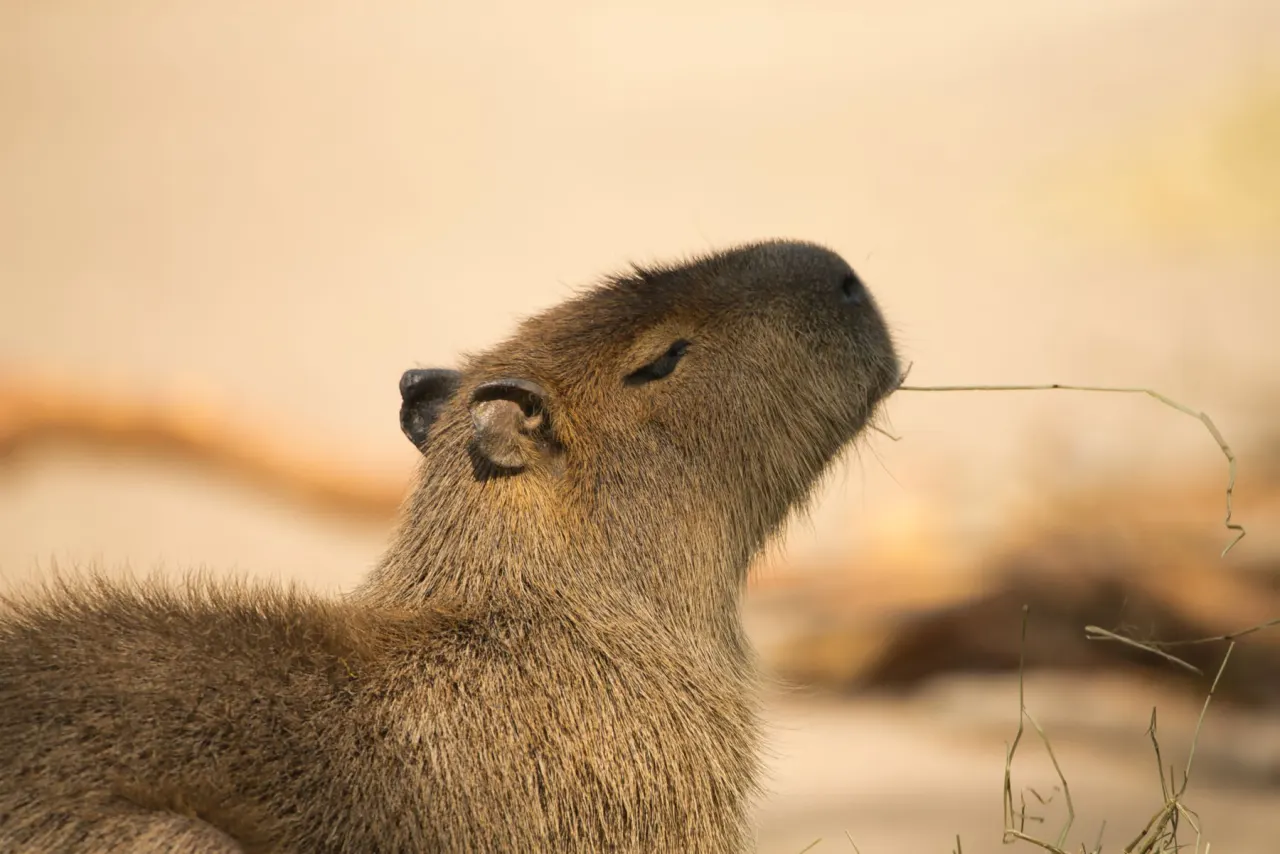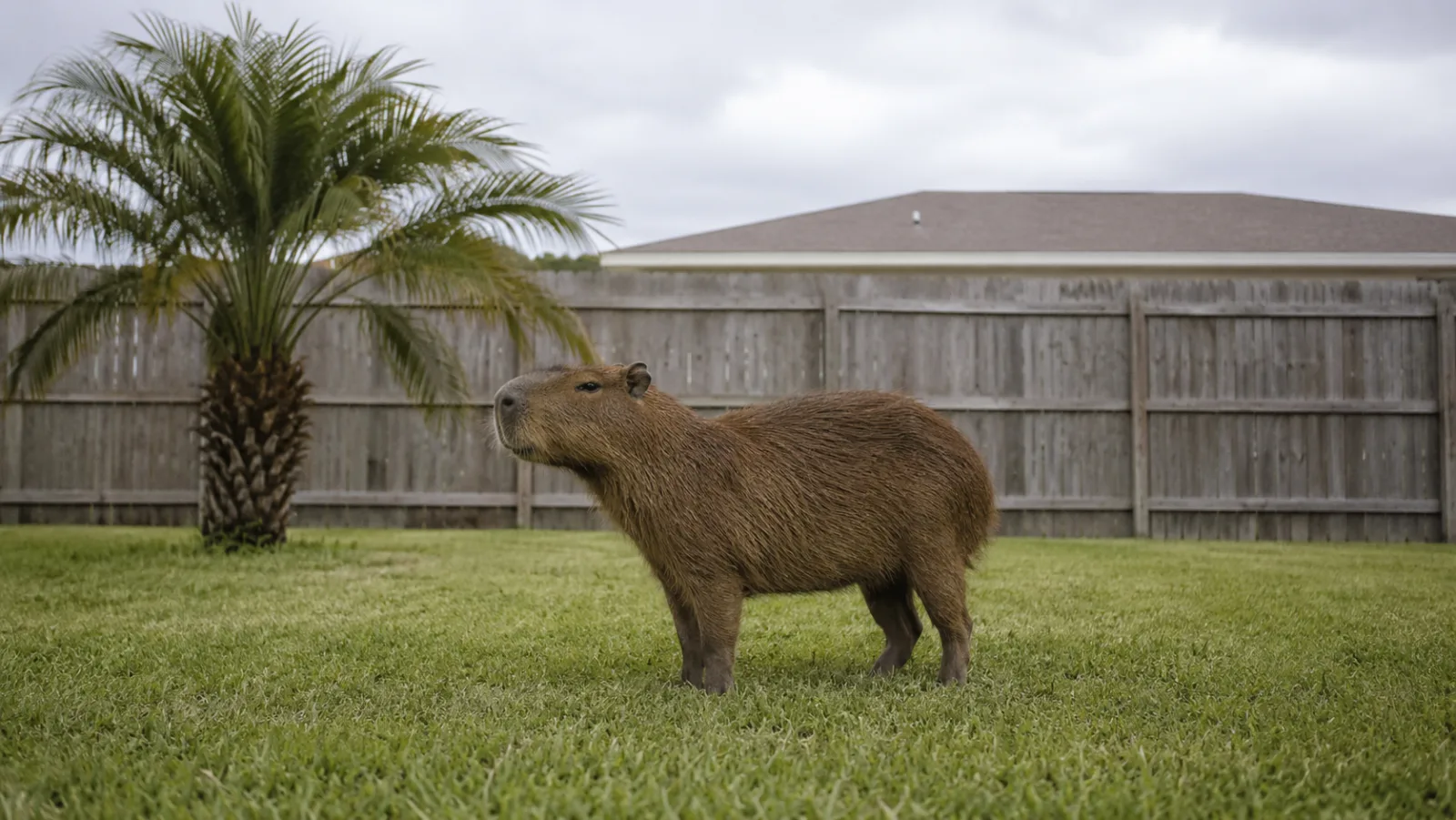
The safest answer is not a cute list of forbidden snacks. It is this: capybaras are high-fiber herbivores, and their diet should be planned around grass, aquatic plants, hay, browse, vitamin C, and professional husbandry. Random human food is the enemy wearing a party hat.
If you need a quick rule, use this one. Do not feed capybaras chocolate, caffeine, alcohol, onions, garlic, salty snacks, processed food, moldy feed, spoiled produce, or any plant you cannot identify and clear. Fruit and vegetables are not “bad,” but they are limited treats, not the main event.
The Hard No List For Capybara Food
Capybara-specific toxicology is thin, which is exactly why the answer should be cautious. A missing capybara study does not mean a food is safe. It means nobody should be using the world’s largest rodent as a kitchen experiment.
| Food or category | Why it stays out |
|---|---|
| Chocolate and caffeine | MSD Veterinary Manual treats methylxanthines such as theobromine and caffeine as toxic hazards in several animals |
| Onion, garlic, leek, chive | Allium plants are linked with toxicosis in animals; capybaras do not need the test case |
| Alcohol | No role in herbivore care, obvious poisoning risk |
| Salty chips and processed snacks | High salt, fat, flavorings, and no forage value |
| Moldy hay, grain, pellets, or produce | FDA and feed-safety sources warn that molds can produce mycotoxins |
| Random yard plants | Identification errors and chemical exposure are too easy |
| Dairy and rich human leftovers | Not part of a capybara’s herbivore diet and likely to disturb digestion |
That table is intentionally joyless. It should be. Snack generosity is one of the fastest ways humans make themselves feel kind while making animal-care staff sigh into a clipboard.
The Tricky Foods That Need Limits
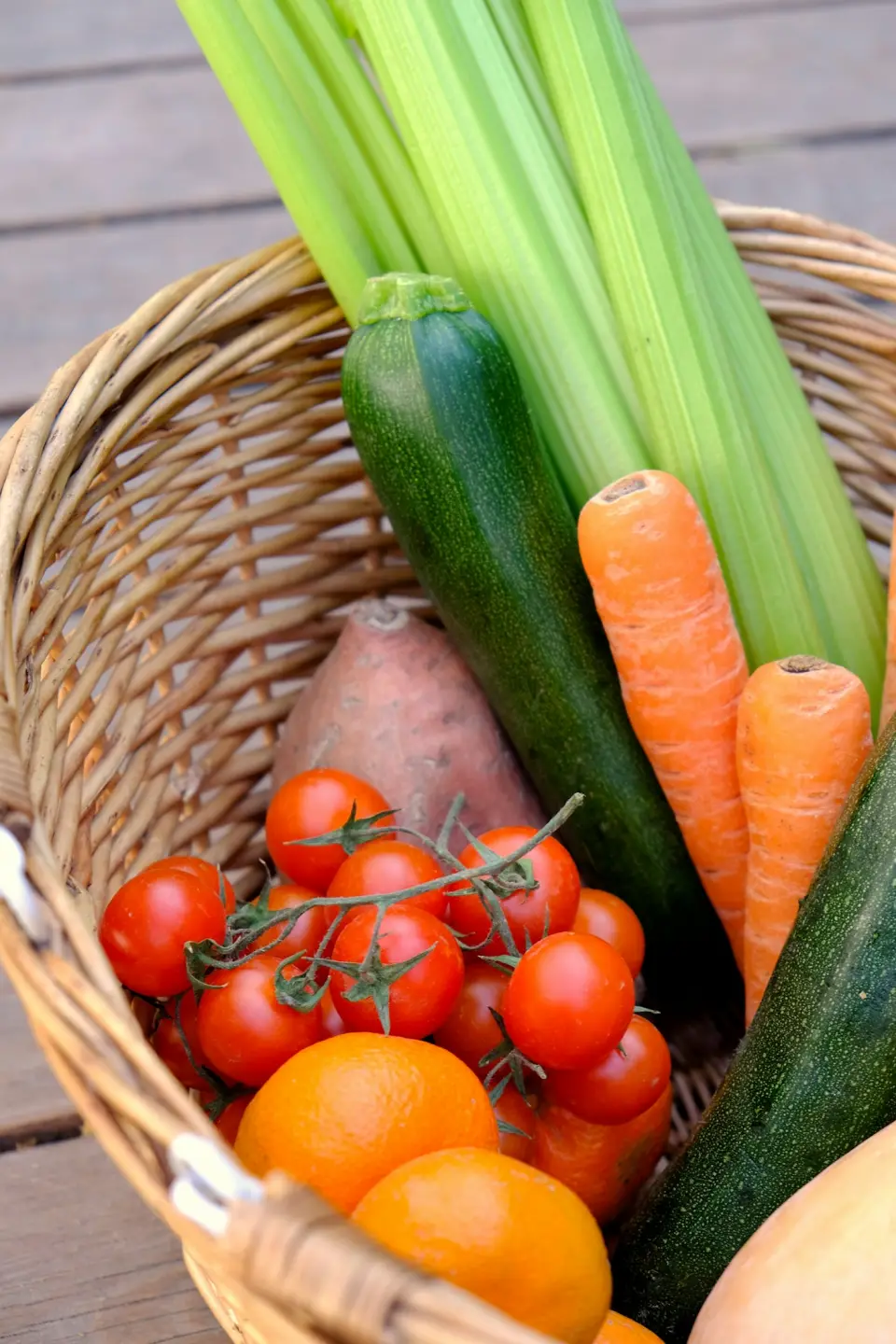
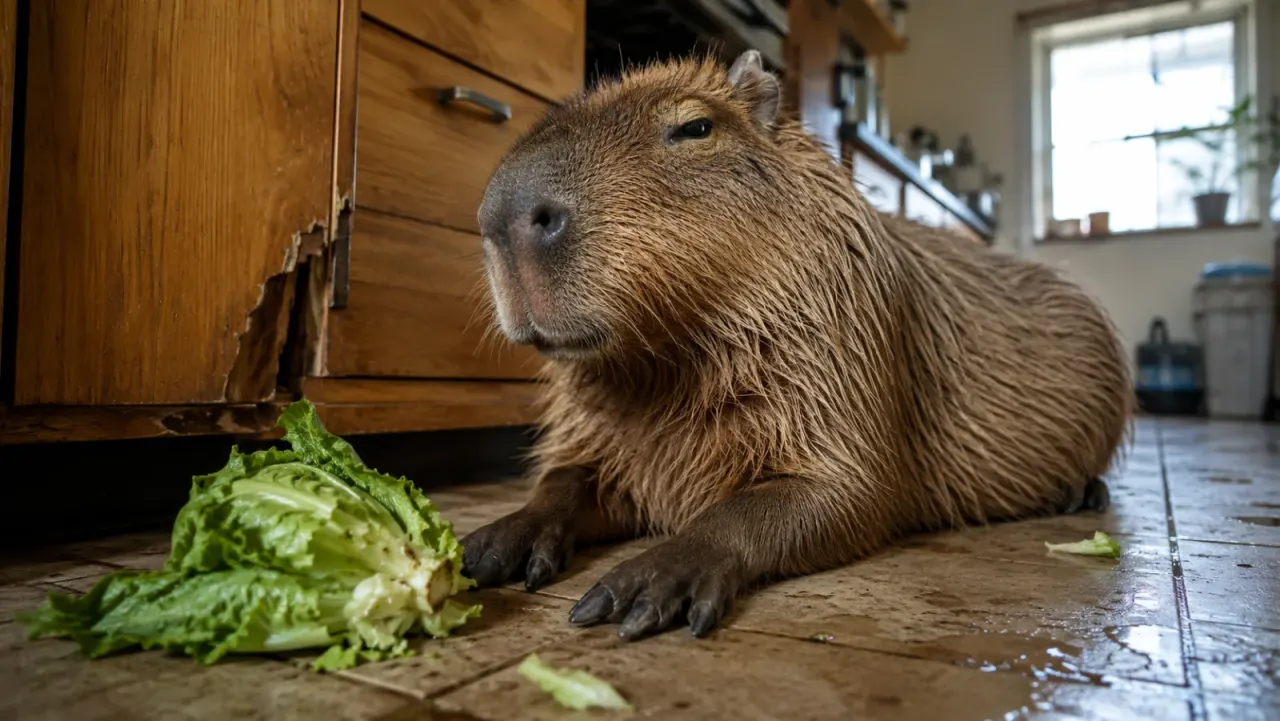
Fruit causes most of the confusion because capybaras appear in videos eating oranges, apples, melons, pumpkins, and other produce. Some of that is real enrichment. None of it proves a daily diet.
The AZA Capybara Care Manual says fruits and vegetables should make up less than 5% of a capybara diet, with low-sugar choices preferred and vegetables emphasized over fruit. That is the line to remember. If a snack is colorful enough to make a good video, it is probably not the staple.
| Food | Better category |
|---|---|
| Orange slices | Occasional treat or vitamin C clue, not staple food |
| Apple | Small treat, seeds removed, never a meal |
| Carrots | Managed vegetable treat, not forage replacement |
| Pumpkin | Seasonal enrichment, not an October diet plan |
| Sweet corn or grain | Use extreme caution; starch-heavy food can be the wrong direction |
This is where the orange-and-hot-spring myth causes trouble. The yuzu bath is culture, enrichment, and adorable winter theater. It is not a nutrition chart.
Why Viral Feeding Clips Mislead People
A capybara taking a bite from a fruit tray tells you one thing: a capybara accepted a treat. It does not tell you the animal’s daily diet, medical history, vitamin C plan, body condition, stool quality, tooth wear, or whether the keeper has a spreadsheet waiting off camera.
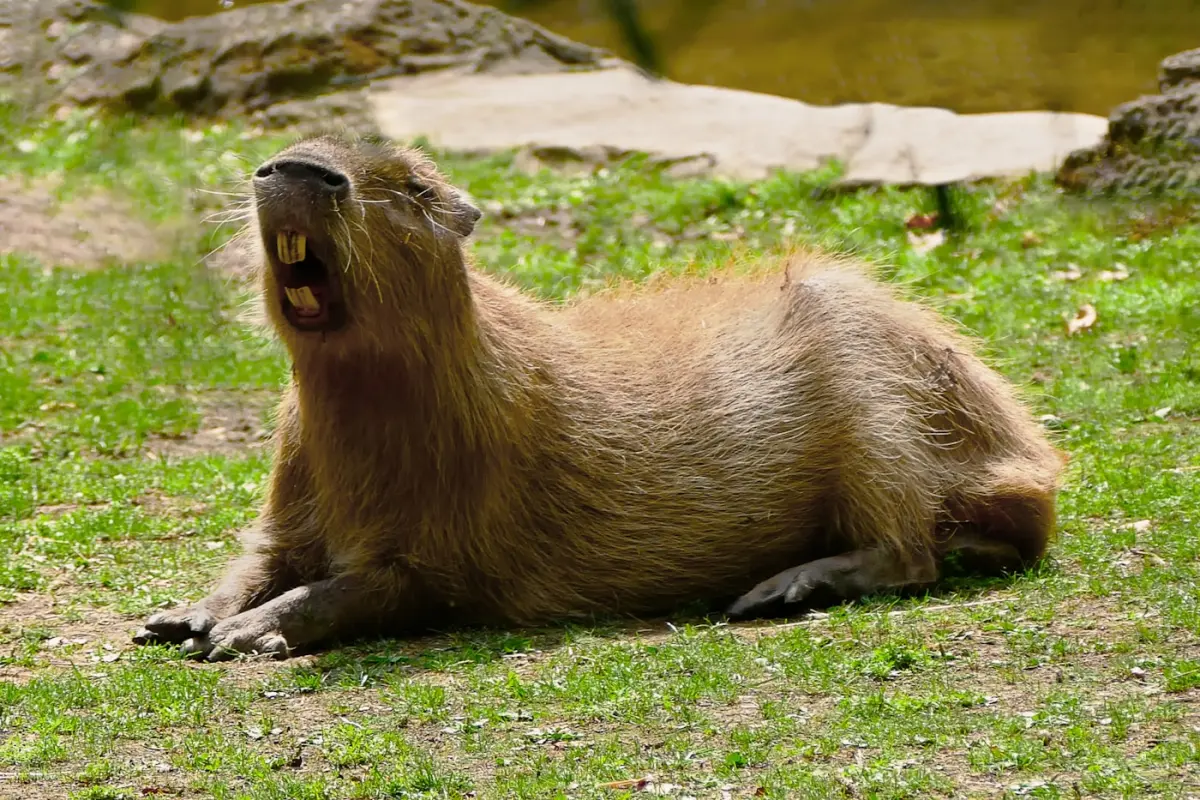
San Diego Zoo Wildlife Alliance describes capybaras as grazers using long teeth on grass and water plants. Animal Diversity Web also points to grasses and aquatic plants as the main diet. The boring sources agree with each other. The internet clip is the garnish.
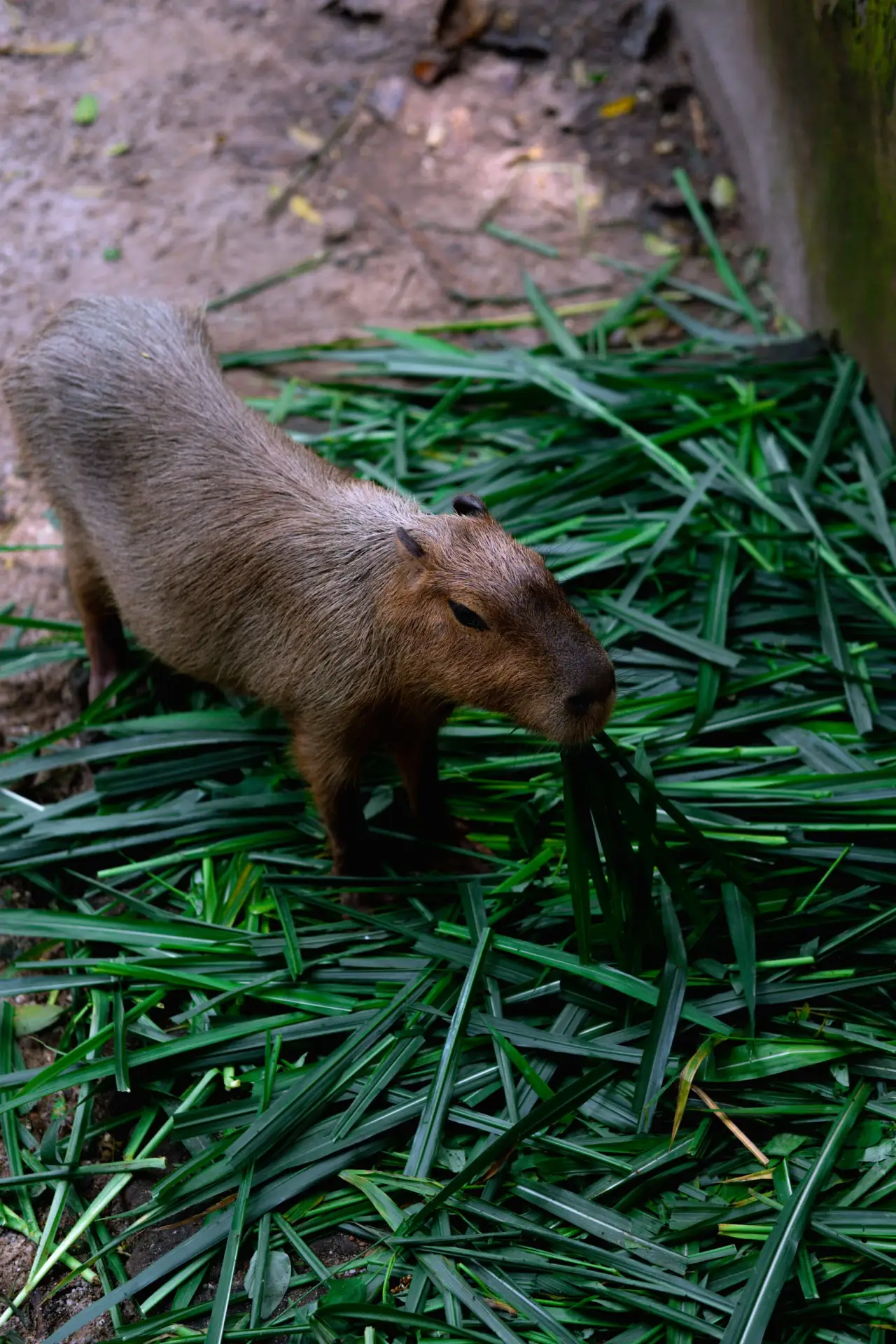
One zoo-style scene makes the point. A keeper can hand over a small apple piece because the rest of the day is hay, browse, pellets, water, vitamin C planning, weight checks, and observation. A stranger copying the apple without the system is just doing snack cosplay with consequences.
A Safer Way To Think About Capybara Food
Start with function, not cuteness.
| The food should support | What that means |
|---|---|
| Fiber | Grass, hay, browse, and aquatic-plant logic come first |
| Tooth wear | Chewing should be part of the day, not an occasional puzzle |
| Vitamin C | Planned through diet or supplements under expert guidance |
| Gut stability | Slow changes, no rich leftovers, no sudden treat storms |
| Enrichment | Novel foods can be useful, but only inside the care plan |
The AZA Nutrition Advisory Group says appropriate diets account for nutrition, husbandry, behavior, clinical needs, and individual preferences. That is a polite way of saying “the menu is not whatever got likes last week.”
If you are feeding a capybara in a zoo encounter, use only the food the facility provides. If you see a wild or loose capybara, do not feed it. If you are thinking about private ownership, read whether capybaras make good pets and then sit quietly with your choices.
The Practical Takeaway
Capybaras cannot safely be treated like giant guinea pigs at a picnic. The forage-first diet is the point. Keep chocolate, caffeine, alcohol, alliums, processed snacks, salty foods, moldy feed, spoiled produce, and mystery plants off the menu. Keep fruit and produce in the small-treat lane.
The grumpy but useful line: if the food would make a better party platter than a wetland, it probably deserves suspicion.
For normal fans, that means enjoy the videos and do not feed animals through barriers. For keepers or serious caretakers, it means build the diet with an exotic-animal vet, zoo nutritionist, and the capybara diet fundamentals, not with comments under a clip.