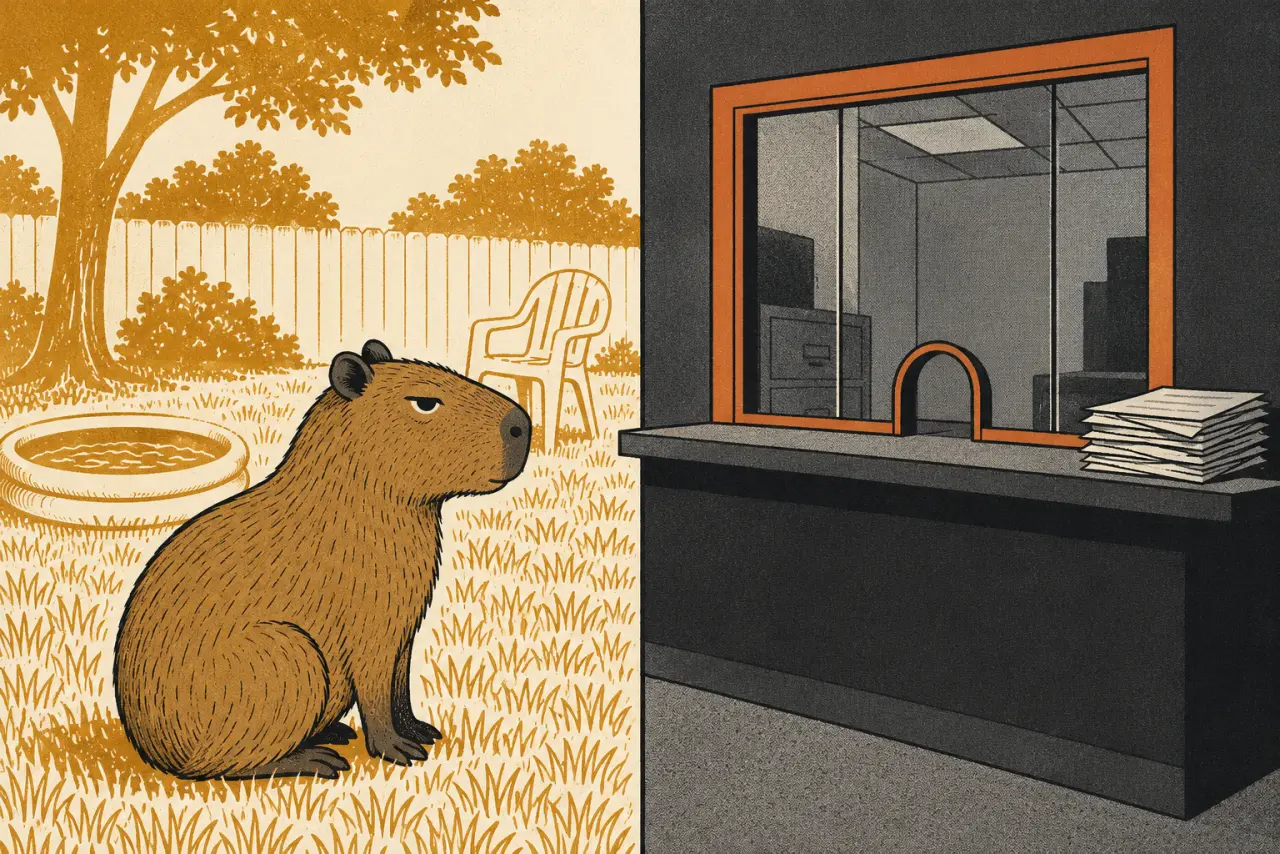
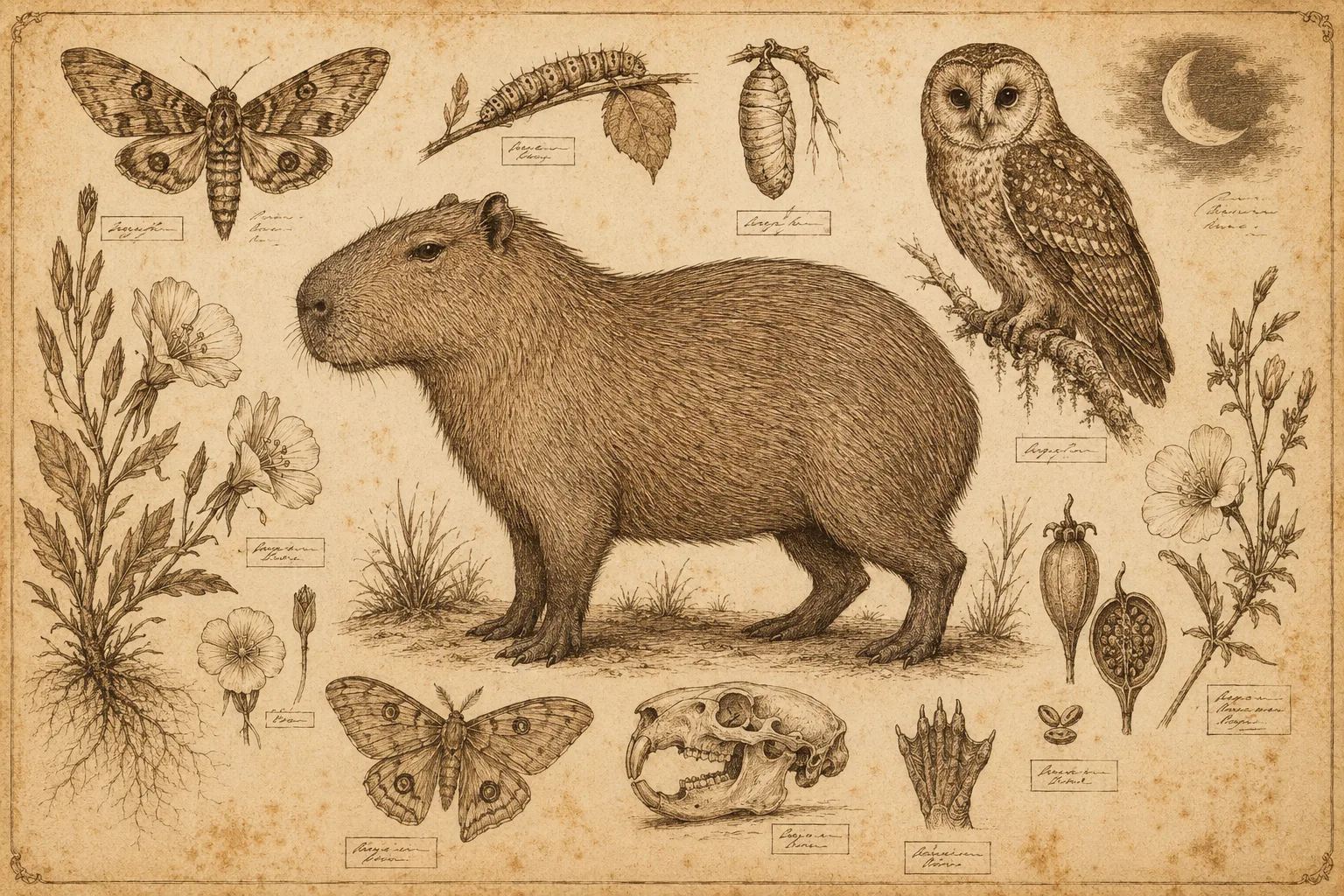
Capybara vs Patagonian mara is the zoo visitor’s look-alike test for people who saw one large rodent and lost all confidence.
The quick answer: a capybara is a heavy, semi-aquatic wetland rodent with small ears and a blunt body. A Patagonian mara is leggier, more upright, more hare-like, and built for open dry habitats. If it looks like a capybara tried to become a deer, check for mara.
The Fastest Visual Differences
Start with silhouette. Capybaras are low and solid. Maras have long legs, larger ears, and a lighter, more running-ready body. A capybara looks like it might walk into a pond. A mara looks like it might leave the conversation at speed.
| Feature | Capybara | Patagonian mara |
|---|---|---|
| Build | Heavy, barrel-like | Long-legged and hare-like |
| Ears | Small and rounded | Larger and upright |
| Habitat clue | Water edge, grass, wetlands | Open dry scrub or grassland |
| Movement impression | Plods, swims, grazes | Runs, bounds, sits alert |
Body Shape, Legs, Ears, And Face
Smithsonian National Zoo and Zoo Atlanta both describe Patagonian maras as long-legged rodents from Argentina, often compared visually to hares or small deer. Animal Diversity Web gives their species account under Dolichotis patagonum.
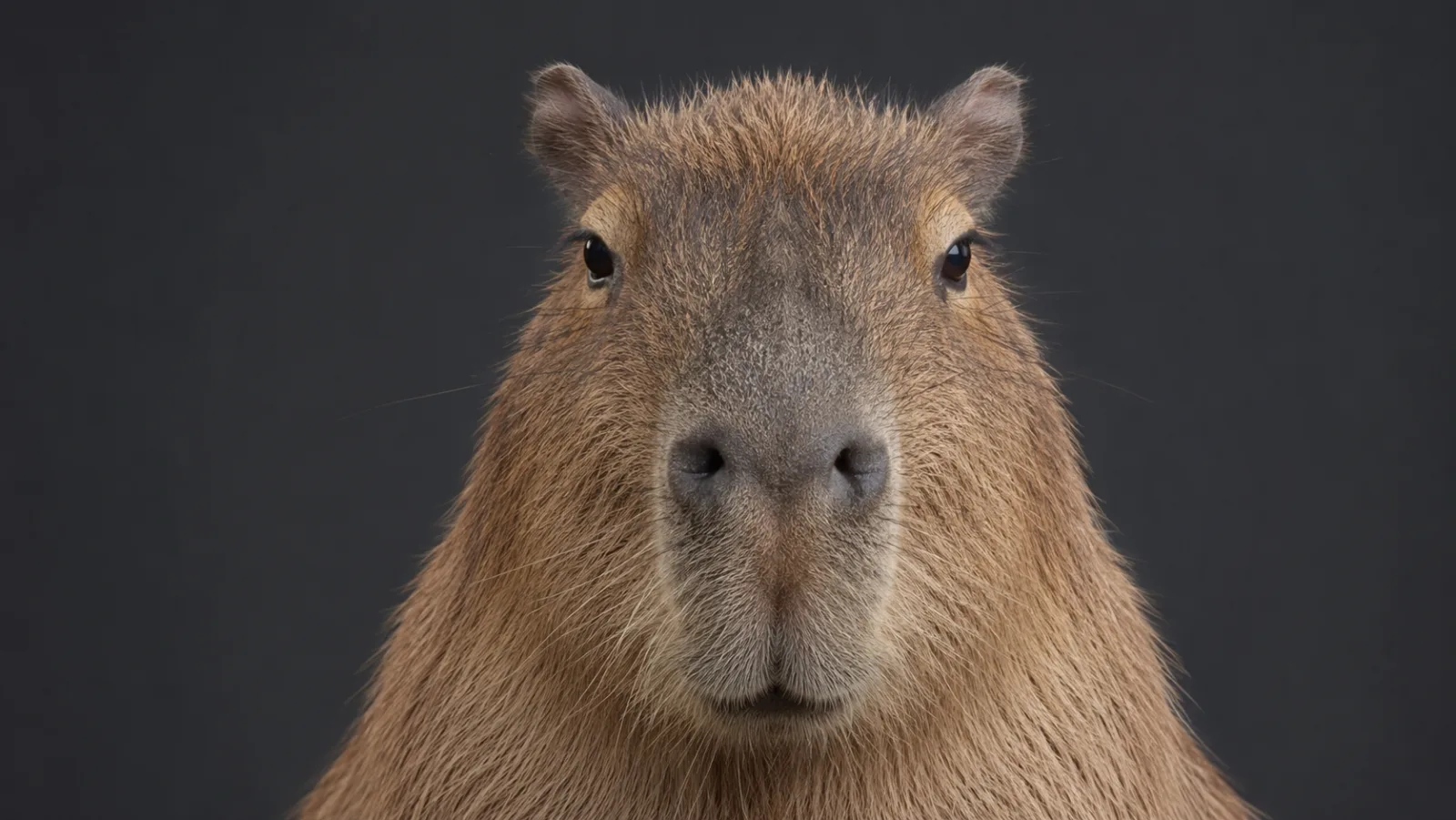
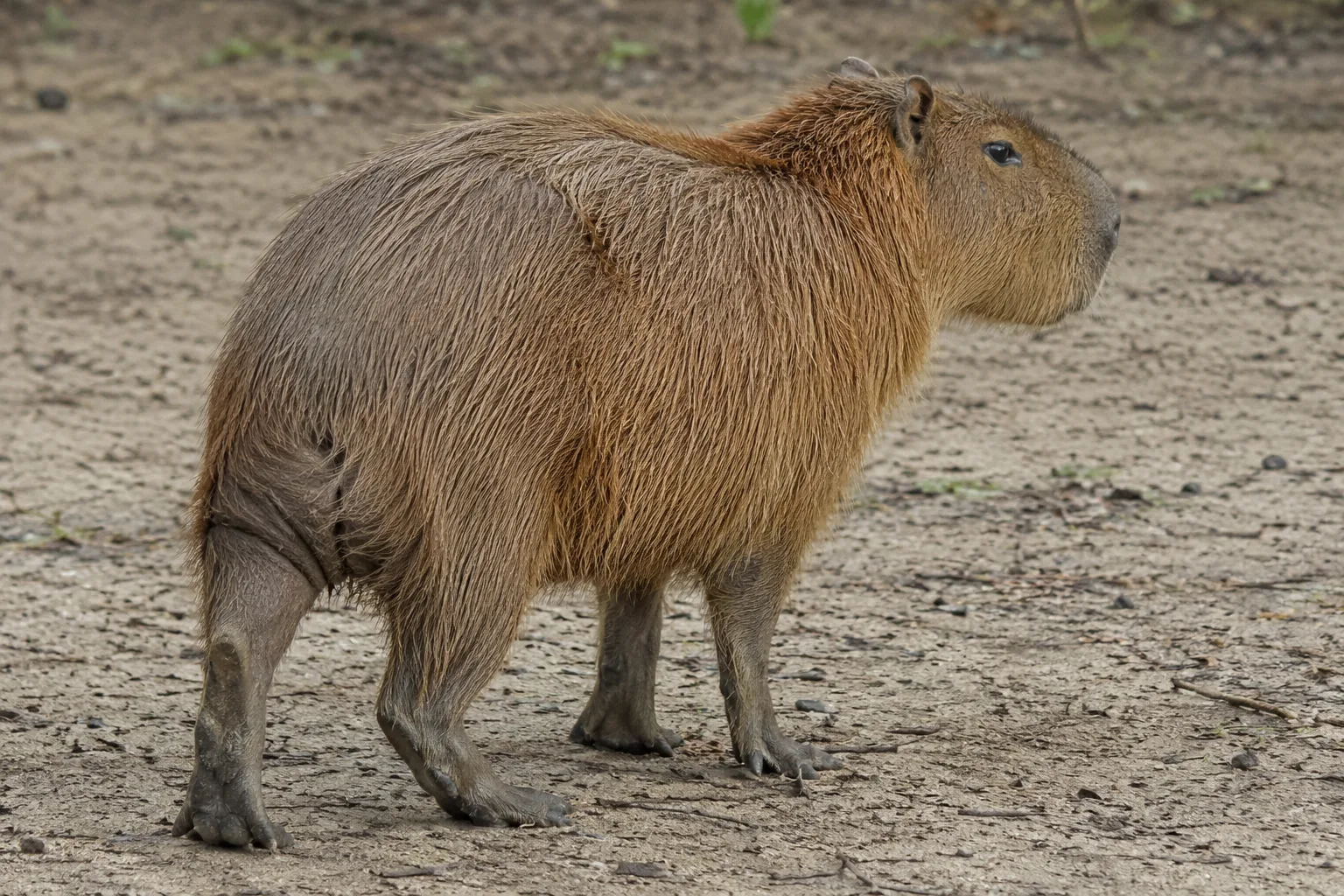
Capybaras are the opposite kind of obvious. San Diego Zoo identifies them as the world’s largest rodents, built around water. Their legs are shorter, the body is much heavier, and the face is blunt rather than delicate.
Habitat And Behavior Split Them Apart
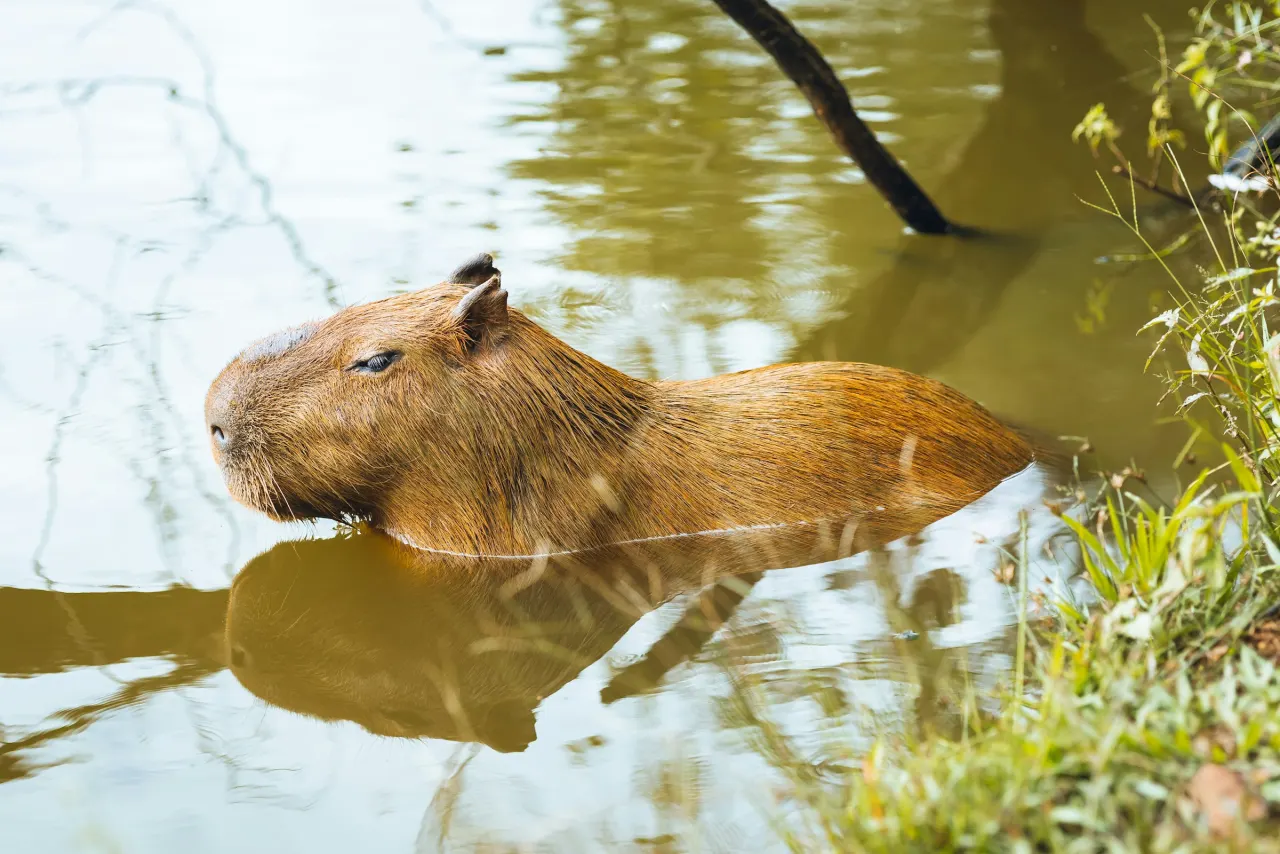
Capybaras want water nearby. They graze, soak, swim, and use water as an escape route. Maras are associated with open, drier parts of Argentina and have a very different movement style.
At a zoo, habitat design may blur the natural context, but signs still help. If the enclosure is dry, open, and built for running, mara becomes more likely. If there is a pool, bank, or wetland theme, capybara has entered the chat.
Why Both Can Look Oddly Calm
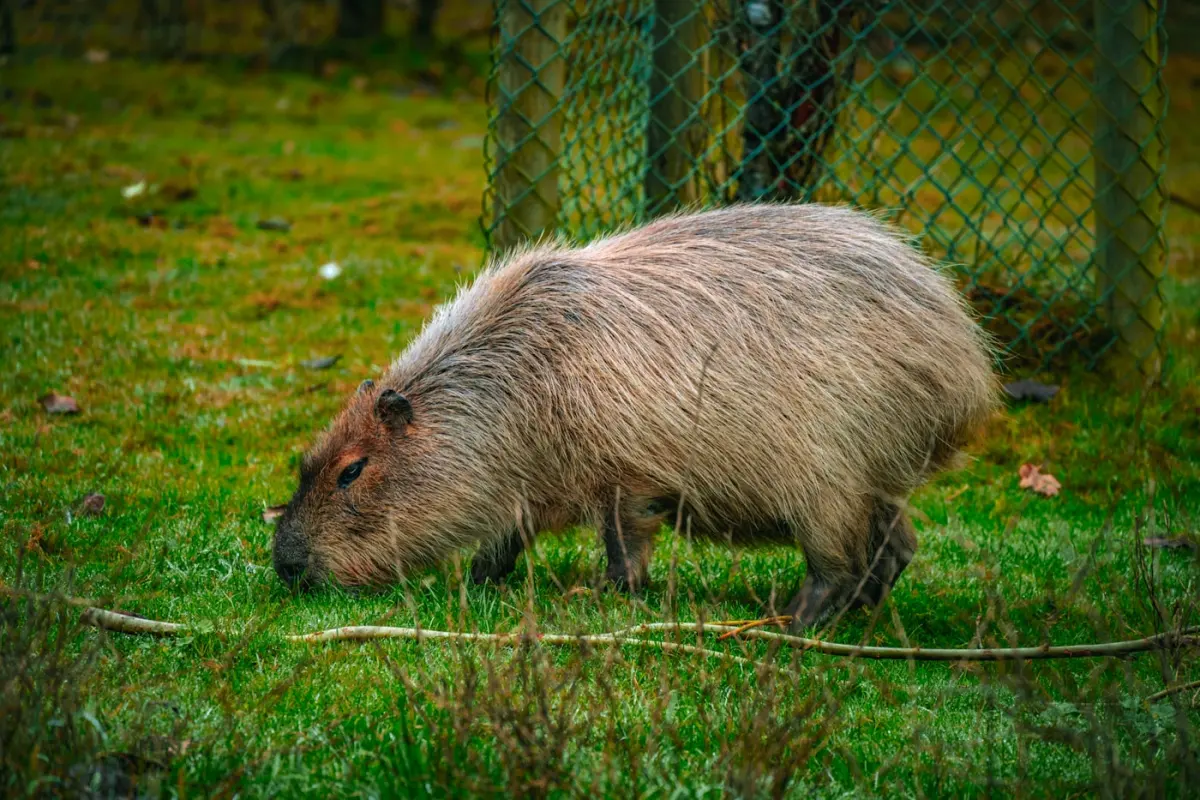
Here is where confusion sneaks in: both animals can stand or sit still with a slightly judgmental expression. That calm look can trick fans into filing them under the same mental tab.
Do not let expression lead. Ears and legs are better witnesses.
Zoo Sign Clues That Save You
Read the sign before declaring anything. Look for “Patagonian mara,” “Dolichotis patagonum,” “capybara,” or “Hydrochoerus hydrochaeris.” If the animal shares space in a mixed exhibit, signs may list several species, so match the body shape to the name.
The fun is not in being instantly right. The fun is noticing enough detail that the next large rodent does not make you panic.
The Family Tree, Made Simple
Here is the part that surprises people: capybaras and Patagonian maras actually are cousins. Both sit in the family Caviidae, which also includes guinea pigs. So the instinct to lump them together is not wrong about lineage, just wrong about silhouette. They are related the way a draft horse and a greyhound are both equines, while looking nothing alike at the rail.
The capybara is the heavyweight of the whole rodent order. San Diego Zoo Wildlife Alliance and Animal Diversity Web both place adults in the rough range of 35 to 66 kg, which is roughly 77 to 145 lb. A Patagonian mara is a fraction of that. The mara is a leggy, ground-living sprinter; the capybara is a barrel that prefers to be near, or in, water. Same family reunion, very different builds.
| Axis | Capybara | Patagonian mara |
|---|---|---|
| Adult weight | Roughly 35 to 66 kg (77 to 145 lb) | Far lighter; a small fraction of a capybara |
| Body plan | Heavy, barrel-shaped, short-legged | Long-legged, upright, hare-like |
| Native range | Across much of South America near water | Drier, open country, largely Argentina |
| Habitat | Wetlands, riverbanks, marsh, flooded grassland | Open scrub and grassland |
| Diet | Grasses and aquatic plants | Grasses and low vegetation in dry country |
| Signature move | Soaking and swimming | Bounding and sitting bolt upright |
| Family | Caviidae | Caviidae |
What The Capybara Body Is Actually For
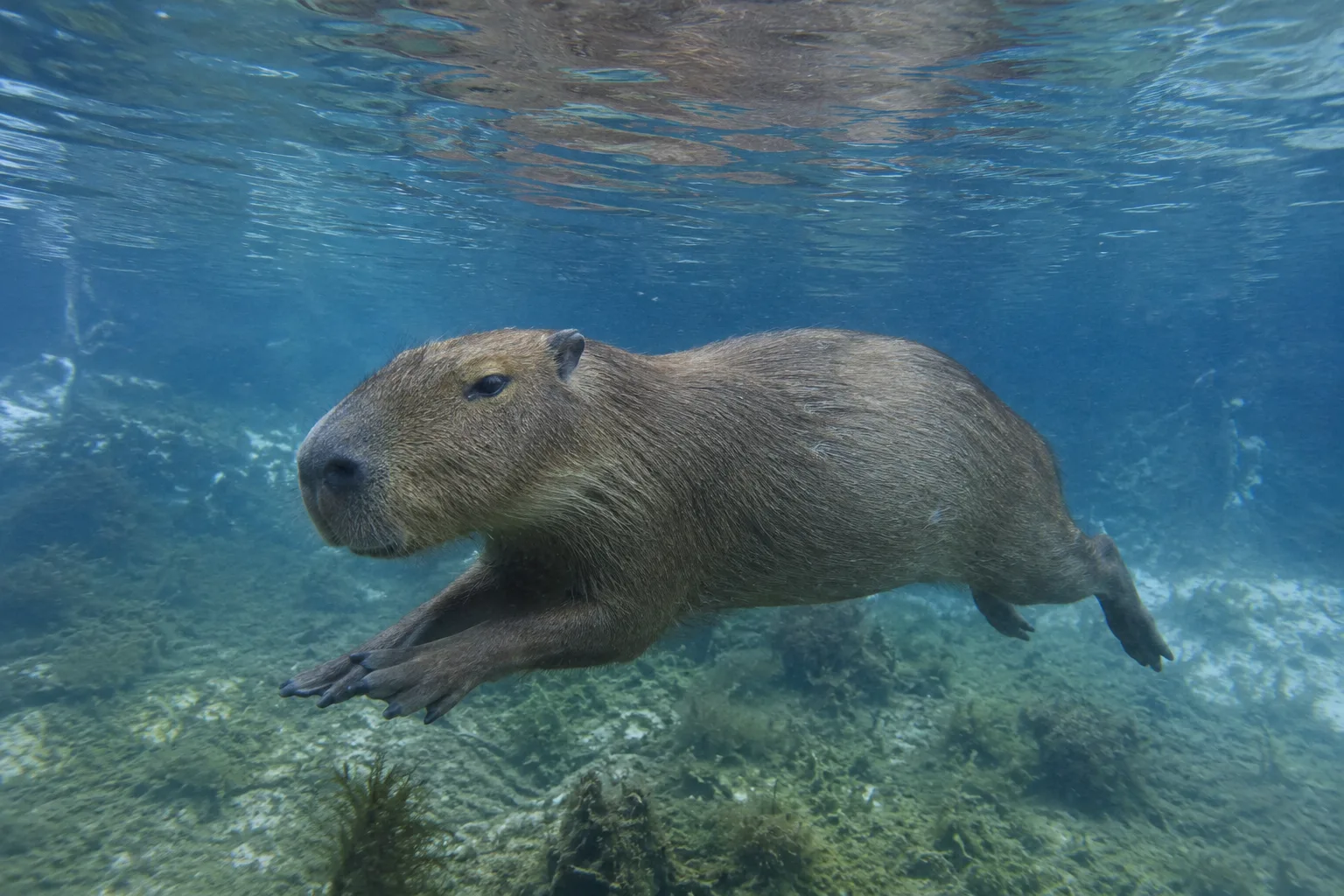
The capybara silhouette is not a styling choice, it is a job description. The semi-webbed feet, the short legs, and the eyes and nostrils set high on the head all point to a life spent in and around water. When threatened, a capybara heads for the pond, not for open ground. The mara solves the same problem the opposite way, with legs and acceleration on dry land.
Diet leaves a mark on both, too. Capybaras are grazers and hindgut fermenters. Like guinea pigs, they cannot make their own vitamin C, so they have to get it from what they eat, and they practice coprophagy, re-ingesting soft morning feces to pull more nutrients from tough plant matter. None of this is visible from across an enclosure, but it explains the blunt, grass-cropping face that the mara, a more delicate forager, simply does not have.
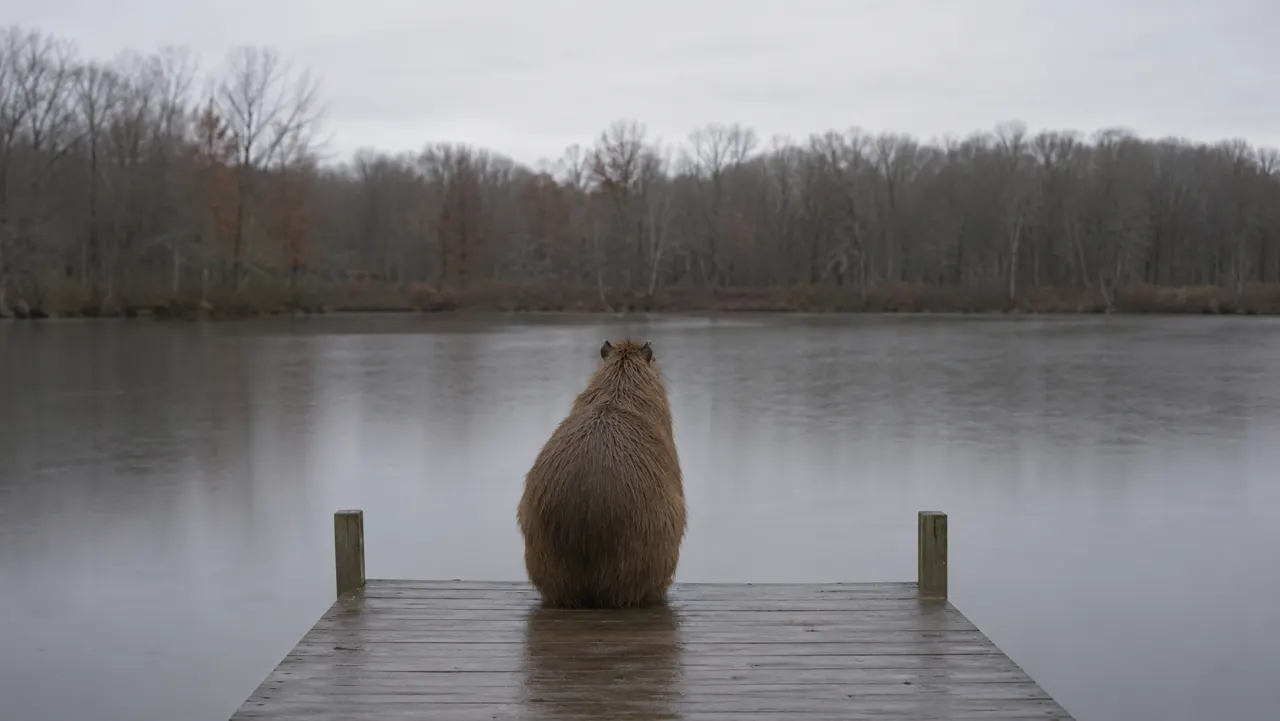
My honest take: people overrate ears and underrate stance. Ear size is real, but it is small and easy to second-guess at distance. The way the animal holds itself is the tell that never lies. A capybara settles. A mara perches like it has somewhere to be.
Misreads Worth Clearing Up
A few wrong turns come up again and again with these two. Quick corrections, no drama.
| Common misread | Better answer |
|---|---|
| ”They’re unrelated, just similar.” | Both are South American rodents in family Caviidae, related to guinea pigs. |
| ”Maras swim like capybaras.” | No. Maras are dry-country runners, not semi-aquatic specialists. |
| ”The big calm one must be a capybara.” | Both can look calm. Judge by legs, stance, and habitat, not expression. |
| ”A mara is just a small capybara.” | Different build entirely; the mara is leggy and hare-like, not a scaled-down barrel. |
| ”Capybaras can’t move, they only sit in water.” | They graze on land constantly; the pond is the escape route, not the whole life. |
A Quick Field Routine
If you only remember one sequence, use this. Check the legs first, because length settles most cases on its own. Then read the stance: settled and low leans capybara, upright and alert leans mara. Then glance at the habitat the exhibit is built around, water versus dry open ground. Only after all that should you bother with ears, and only to confirm what the body already told you. Finally, read the sign and match the name to the shape in front of you.
That order works because it goes from the strongest clue to the weakest. Most large-rodent confusion comes from starting with the face, which is exactly the part both animals use to look mildly unimpressed with you.