
Do alligators and capybaras meet in the wild? Usually, no. The common internet pairing is mostly a geography problem with teeth.
American alligators are native to the southeastern United States. Capybaras are native to South America. The animal people often mean in South American capybara habitat is a caiman, not an American alligator.
The Range Problem In One Paragraph
The National Park Service describes the American alligator as ranging throughout the southeastern United States, with Everglades alligators at the southern end of that range. Florida Fish and Wildlife gives a similar picture: alligators occur from parts of Oklahoma and Texas east to the Carolinas and Florida.
Capybaras, according to Animal Diversity Web, are South American. Put those two facts together and the standard wild encounter falls apart.
| Animal | Normal range in this discussion | Capybara overlap? |
|---|---|---|
| American alligator | Southeastern United States | Not normally |
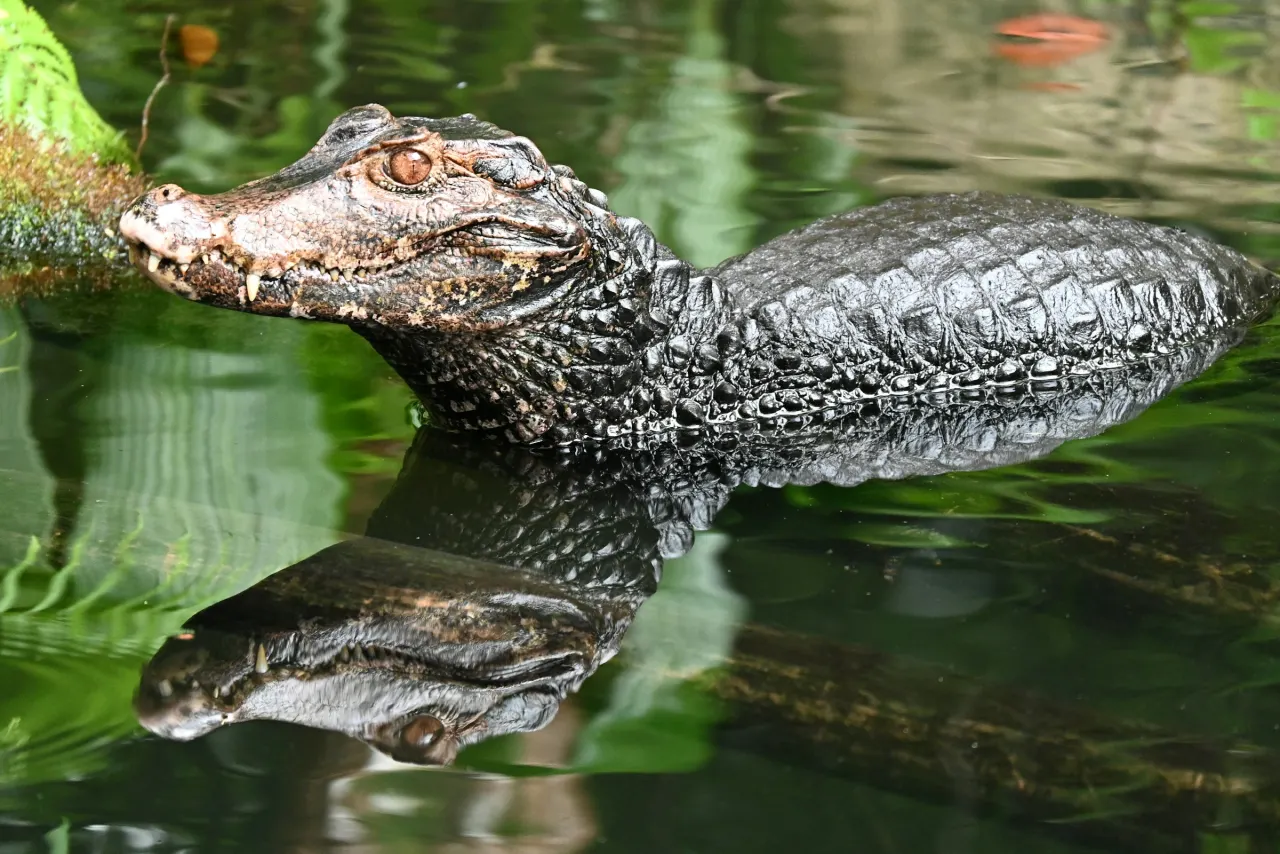
| Caiman | Central and South America, depending on species | More relevant |
| Capybara | South America | Native with caimans, not US alligators |
The Fastest Way To Tell Which Reptile You’re Looking At
If you only remember one thing, make it geography. Ask where the clip was filmed. South American wetland, capybaras grazing at the edge, low reptile in the water? That reptile is almost certainly a caiman. Florida swamp, no capybara in sight unless something escaped? That’s an alligator. The animals barely look different to a casual eye, so the location does most of the identifying work.
| Tell | American alligator | Caiman |
|---|---|---|
| Where it lives | Southeastern US wetlands | Central and South America |
| Shares water with wild capybaras | Effectively never | Routinely |
| Typical body | Larger on average | Often smaller, varies by species |
| In a “capybara predator” clip | Probably mislabeled | The likely real animal |
Alligators Vs Caimans, Because Words Matter
Caimans and alligators are related crocodilians, so the confusion is understandable. They have the same basic “ancient water problem with eyes” outline. But if the video or photo is from South America, alligator is probably the wrong word.
This matters because predator stories shape how people understand capybara behavior. A capybara near water in South America is not thinking about a Florida alligator. It is dealing with its own predator world: jaguars, caimans, anacondas, and risk around young animals.
What Actually Threatens Capybaras
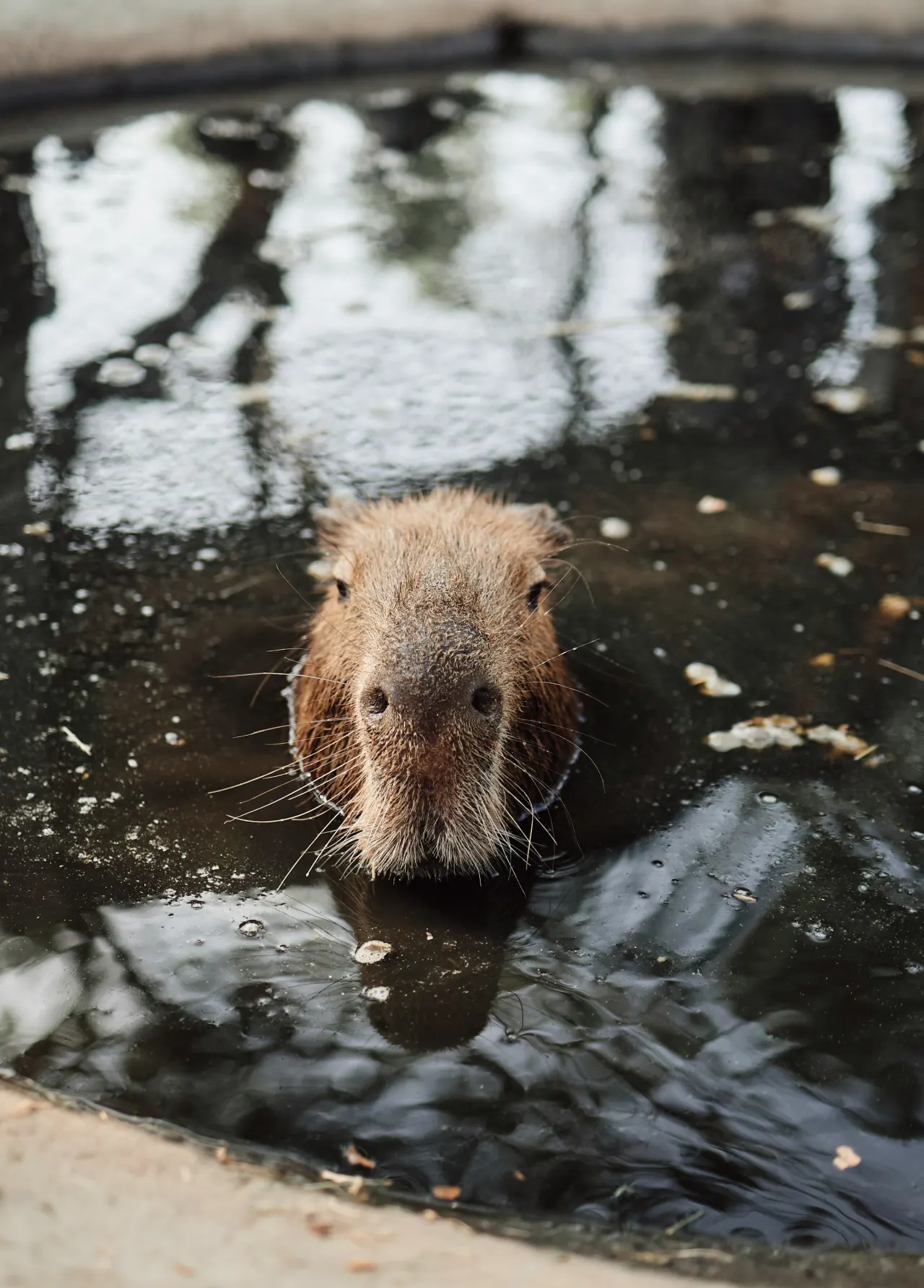
San Diego Zoo and Animal Diversity Web both frame capybaras as prey animals despite their size. Predators can include jaguars, pumas, ocelots, caimans, anacondas, and large birds for young animals. Water helps capybaras escape, but it also places them near aquatic predators.
That tension is why capybaras look so tied to edges. The water is refuge and risk at the same time. Nature loves a mixed review.
Zoos, Escapes, And Viral Clips Do Not Count
Could a capybara and an alligator end up near each other in a zoo, rescue, private setting, or odd escape scenario? Yes. That does not make it a normal wild pairing.
This is the same mistake as treating a mixed-species exhibit like a field guide. Managed settings can place animals in proximity under human control. Escapes can create strange local stories. Neither one rewrites native range.
Sorting The Common Claims
Most of the confusion online clusters into a handful of repeated claims. Here is the cleaner version of each.
| Claim you’ll see | Better answer |
|---|---|
| Alligators are a main capybara predator | Not in the wild. Ranges don’t overlap, so the threat is mostly caimans and big cats. |
| Capybaras are too calm to be prey | Calm is not the same as safe. Despite their size, capybaras are prey animals and stay alert near water. |
| Caimans and alligators are basically the same animal | They’re related crocodilians, not the same animal. The South American reptile is a caiman. |
| Capybaras “befriend” crocodilians | Tolerating proximity in a photo is not friendship. A caiman large enough will still treat a young capybara as food. |
That last one is the claim I find most worth pushing back on. The “capybaras are friends with everything” idea is charming and mostly wrong. They are sociable with their own kind, and they tolerate a lot, but a capybara sitting near a caiman is making a risk calculation, not making a friend.
Why Capybaras Live On The Edge Anyway
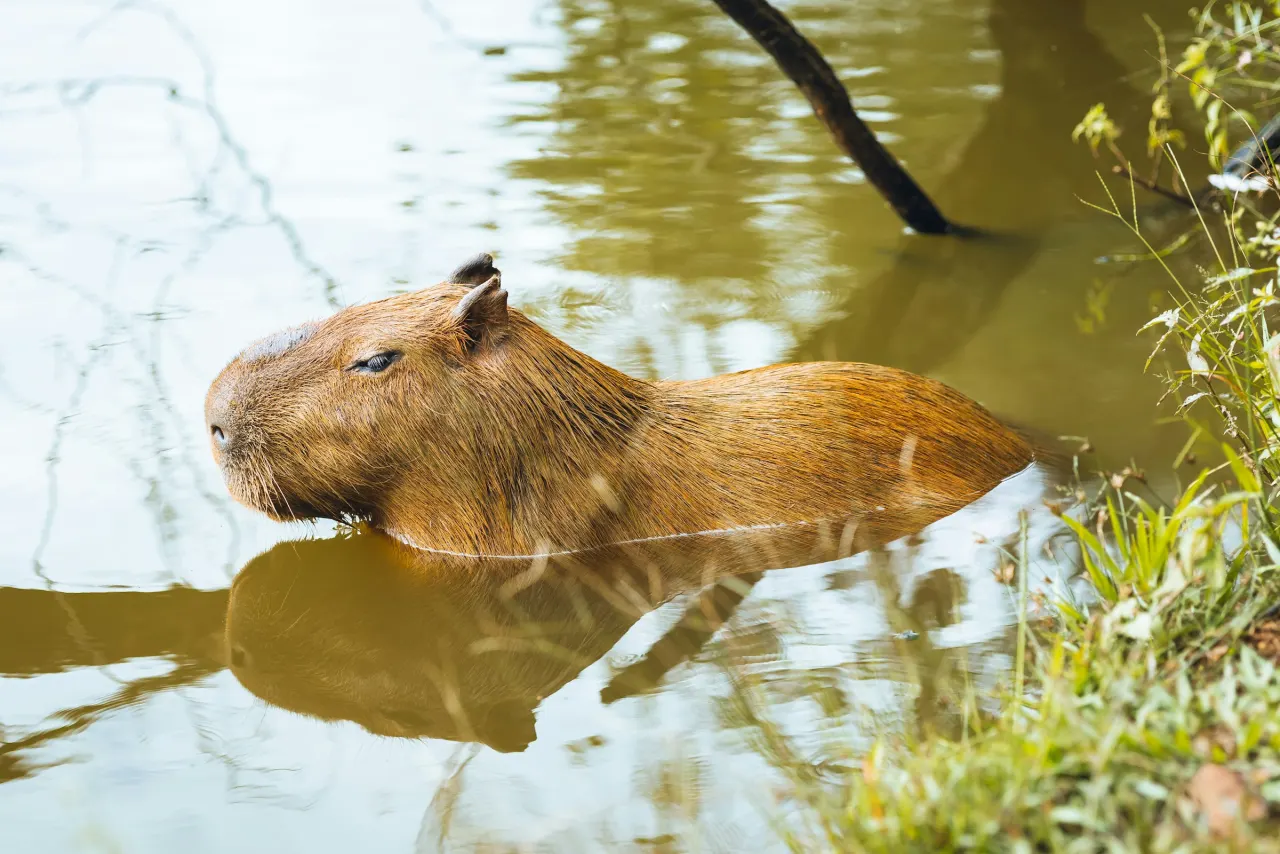
It helps to know what a capybara actually is before deciding which reptile belongs in its story. According to Animal Diversity Web and the San Diego Zoo Wildlife Alliance, capybaras are the world’s largest rodent, semi-aquatic herbivores native to South America, and deeply social herd animals. Adults are big for a rodent, but big does not mean untouchable.
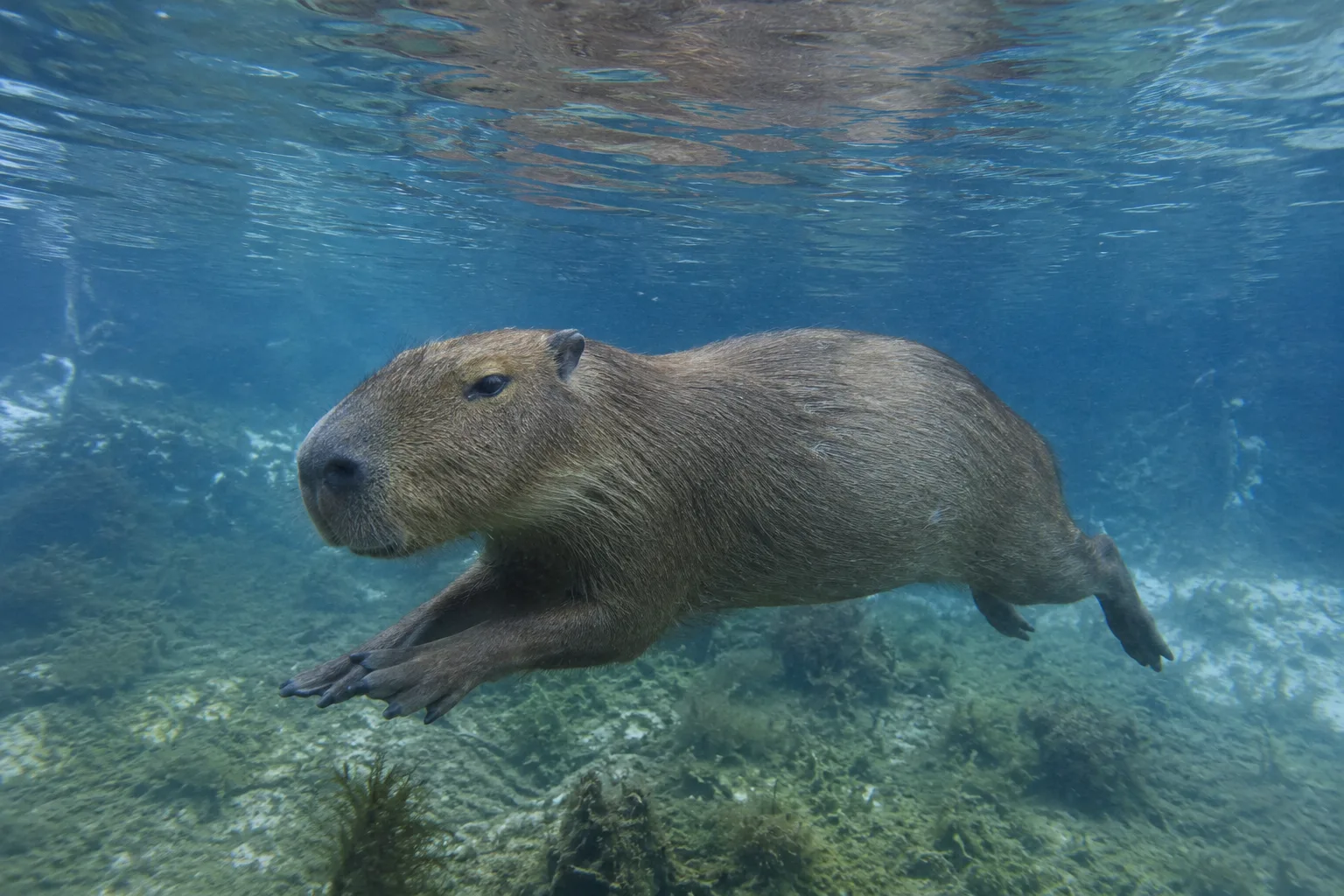
Their whole life is organized around water. They graze on grasses and aquatic plants, they cool off and hide in water, and they breed and rest near it. That same water is where caimans and anacondas wait. So the capybara’s defining habit, living at the edge of a wetland, is exactly what puts it in range of aquatic predators in the first place. The American alligator simply isn’t part of that geography, which is the entire point of this guide.
A few facts worth keeping straight, because they shape how the predator conversation should go:
- Capybaras are hindgut fermenters and re-ingest soft morning feces to extract nutrients, which keeps them grazing near cover rather than roaming far.
- They can’t make their own vitamin C, like their guinea pig relatives, so diet and habitat matter.
- They live in groups, and solitary life is a stressor, which means they’re rarely alone when a predator shows up. Many eyes is part of the defense.
None of that involves Florida. That’s the recurring theme here: the capybara’s real world is a South American one, and the reptile in it has a different name.
Why The Internet Mixes Them Up
The internet likes simple predator pairings: capybara plus large reptile, roll credits. The real answer takes one extra sentence, which is apparently a lot to ask from a caption.
Use the cleaner version: alligators and capybaras do not normally meet in the wild, but capybaras can share South American wetlands with caimans and other predators. It is slightly less viral and much more correct.