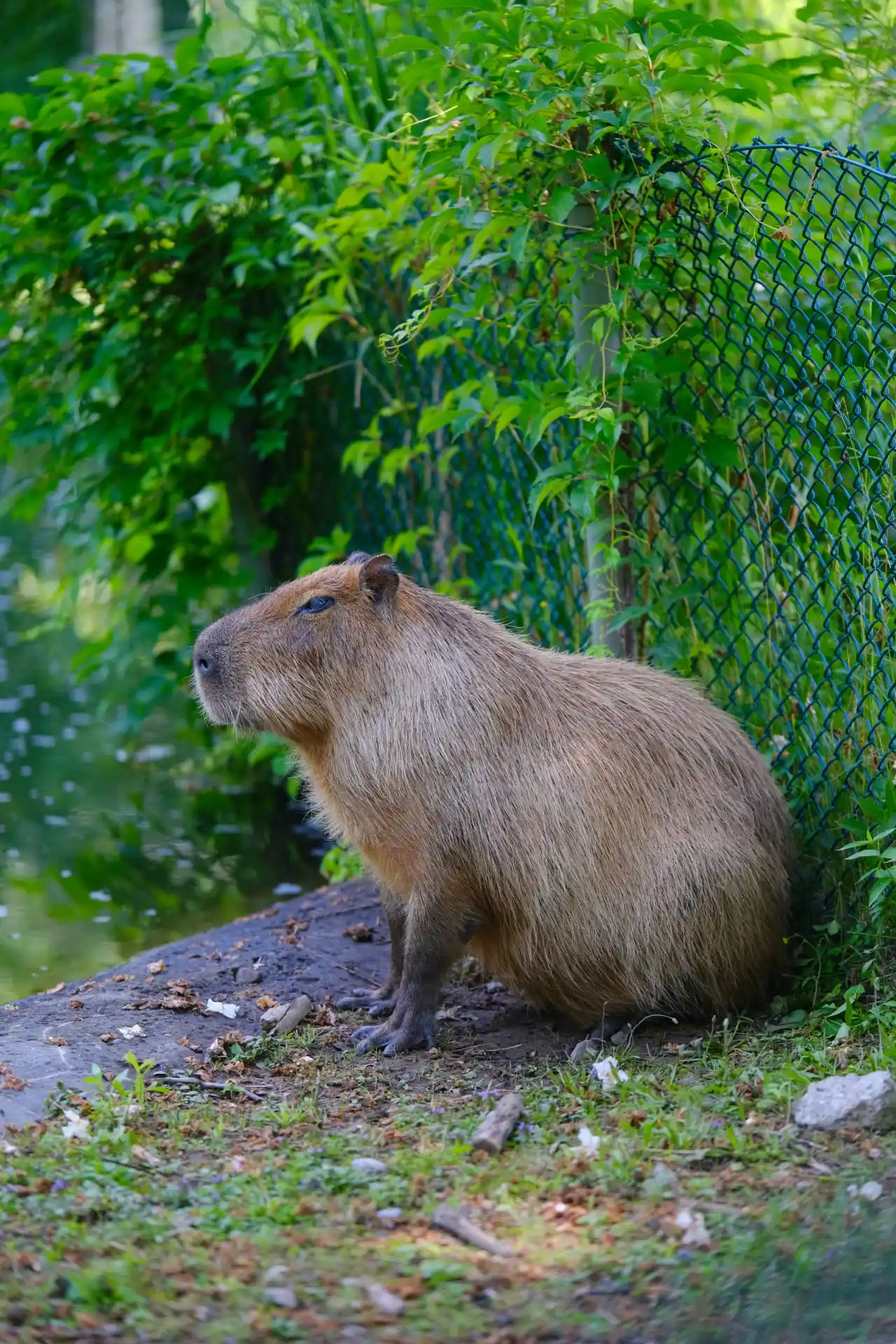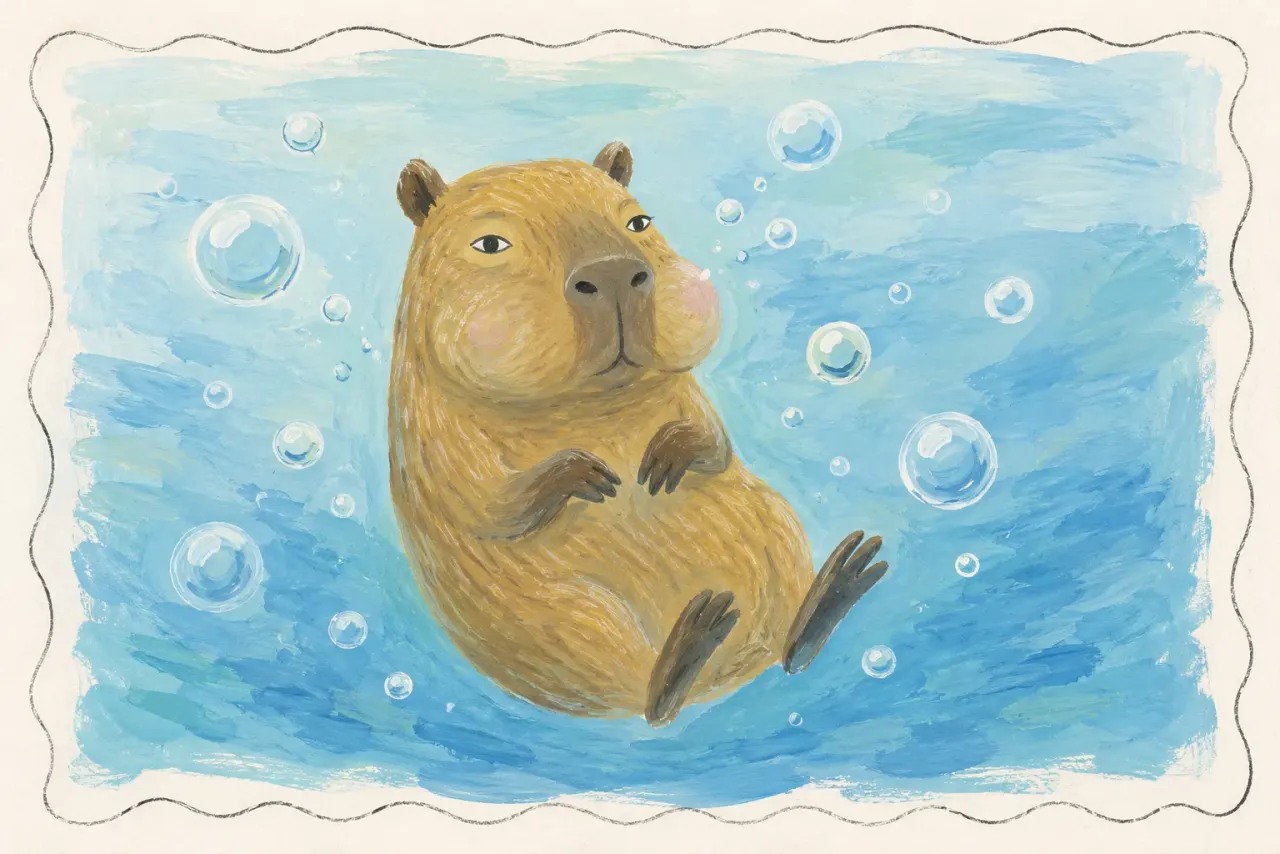
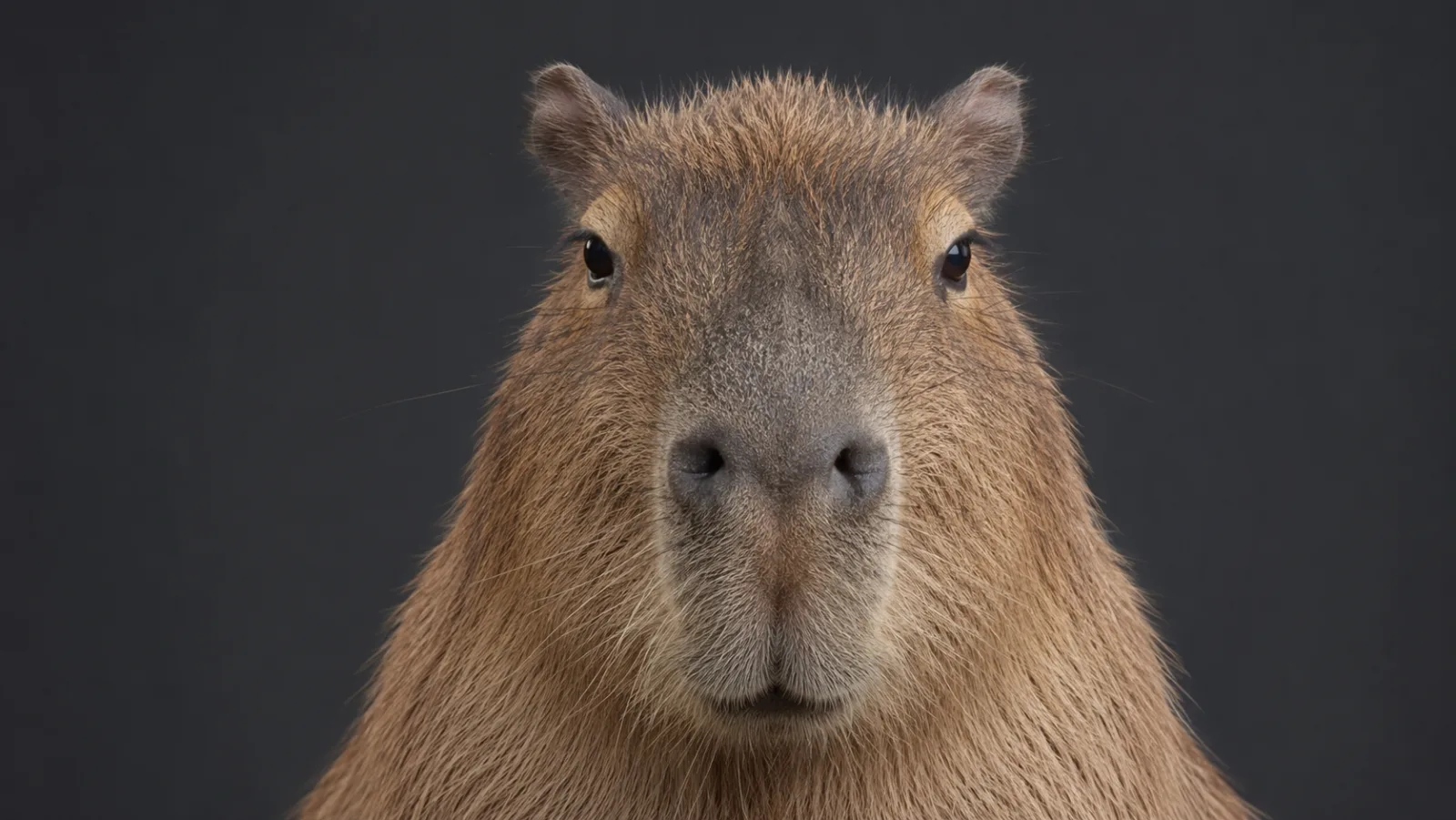
No, a capybara is not a rat. It is a rodent. That is the useful distinction. Rat is a narrower everyday label for certain medium-sized, long-tailed rodents, especially familiar Rattus species. Capybara is the giant wetland cousin who showed up to the rodent family reunion with no tail, webbed feet, and better lighting.
The phrase “giant rat” works as a joke. It fails as identification.
Rodent Does Not Mean Rat
Rodent is the big category. Rats, mice, squirrels, beavers, guinea pigs, porcupines, maras, nutria, and capybaras all sit somewhere in it. Calling every rodent a rat is like calling every vehicle a bus because both have wheels and bother commuters.
San Diego Zoo Wildlife Alliance identifies capybaras as the world’s largest rodents and notes they are closely related to cavies and guinea pigs. Britannica describes rats as medium-sized, long-tailed rodents, with familiar true rats in Rattus. Those are not the same thing.
| Question | Better answer |
|---|---|
| Is a capybara a rodent? | Yes |
| Is a capybara a rat? | No |
| Is it related to guinea pigs? | Yes, more closely than to true rats |
| Why the confusion? | Size plus rodent stigma plus lazy captioning |
The Fastest Visual Clues
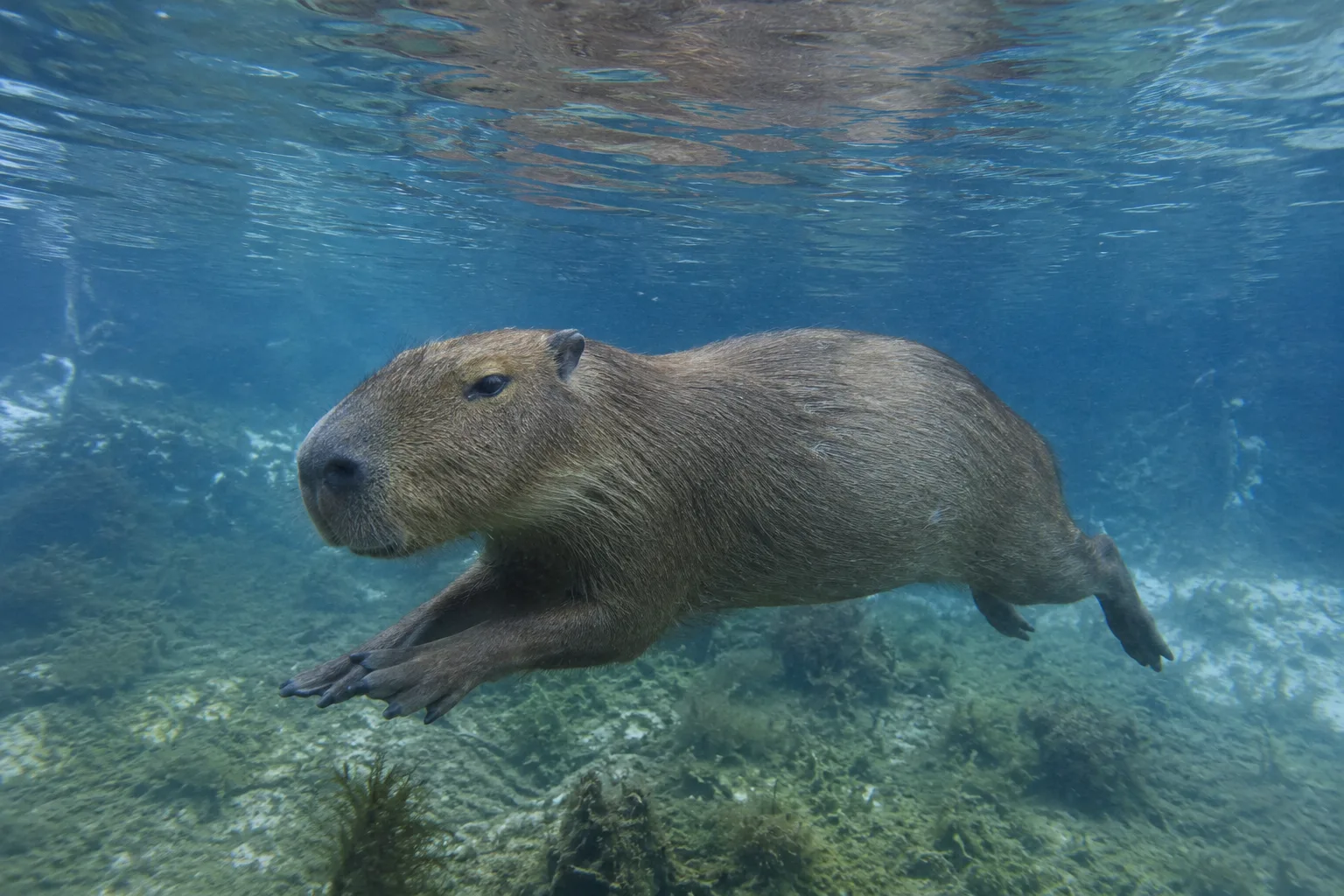
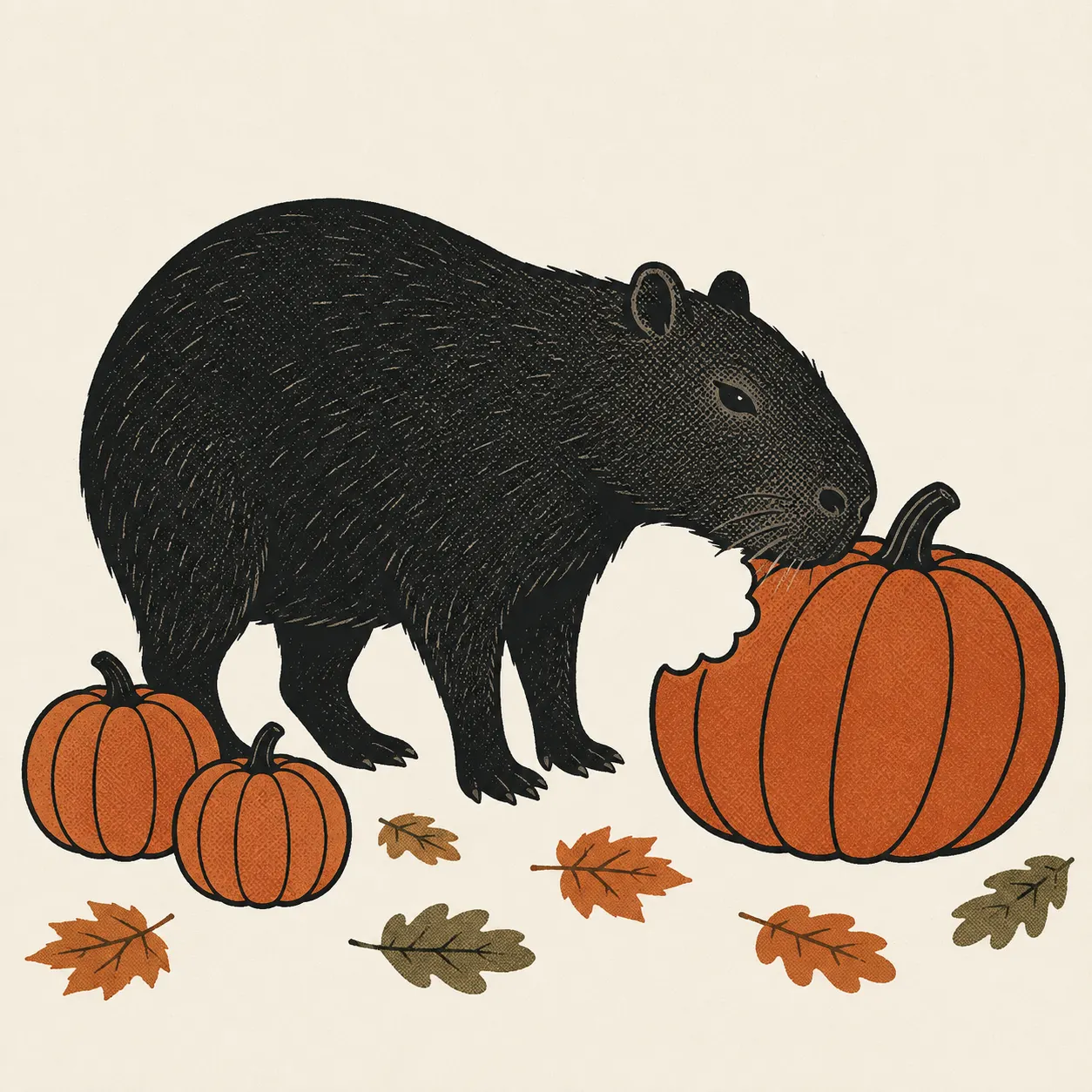
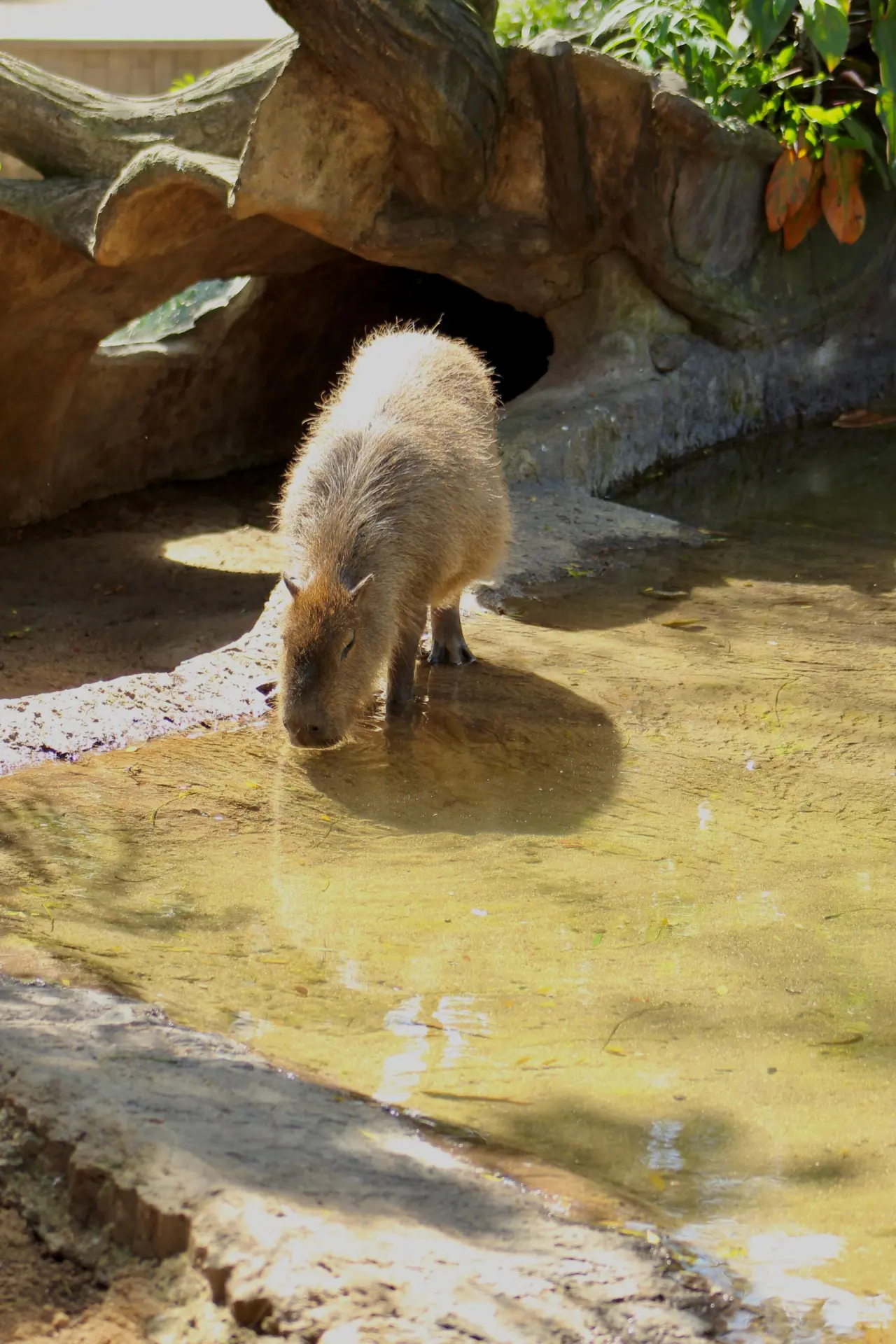
Capybaras are big, barrel-shaped, nearly tailless, and semi-aquatic. They have small rounded ears, a blunt head, and feet adapted for moving in and around water.
Common rats are much smaller, long-tailed, and built for squeezing, climbing, burrowing, and living near food waste or field cover depending on species. Animal Diversity Web lists black rats at roughly 70 to 300 grams. Britannica says brown rats may weigh up to about 0.5 kilograms. A capybara can be over 100 pounds. That is not a size difference. That is a category walking away.
Why The Giant Rat Label Sticks
People say “giant rat” because rat is the rodent word with the most emotional baggage. It is quick, rude, and visually sticky. It also does the animal no favors.
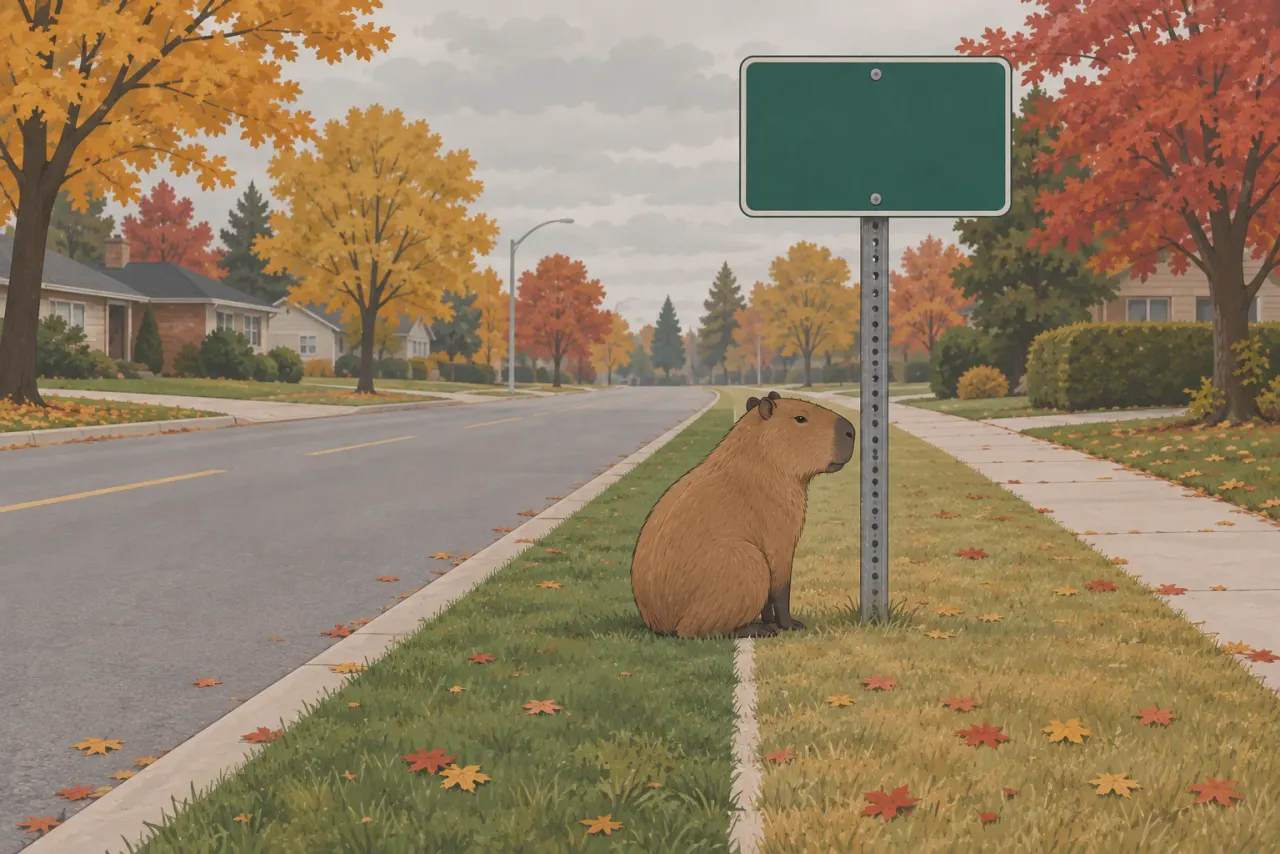
Capybaras are not urban scavenger stereotypes. Animal Diversity Web describes them as grazers feeding mainly on grasses and aquatic plants. Their world is riverbanks, marshes, savannas, ponds, wetlands, and human edges where those habitats overlap. They can adapt around people, but the biology is wetland grazer, not alley philosopher.
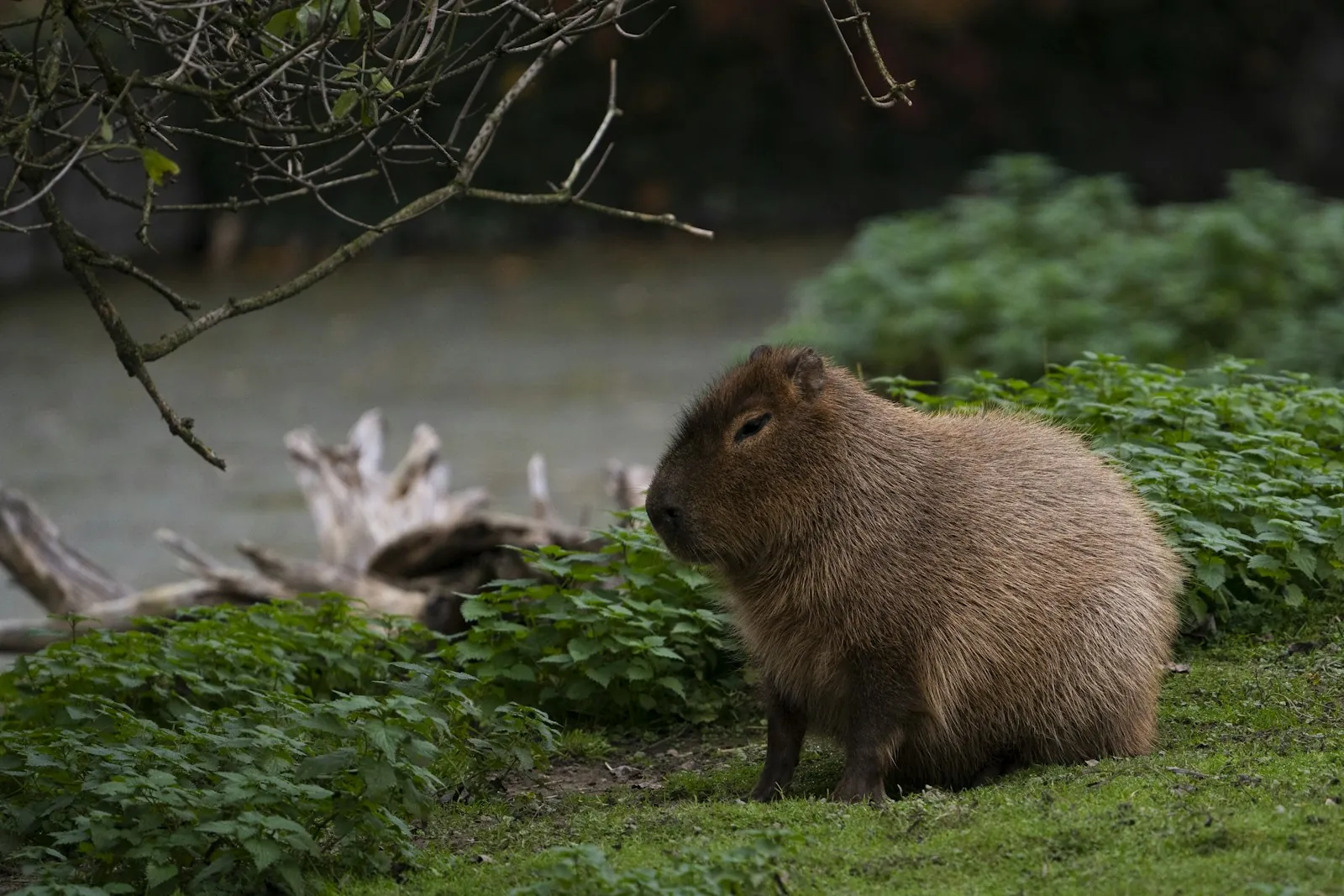
One small mercy: “rodent of unusual size” is at least taxonomically closer. Still dramatic. Still not a field guide.
The Side-By-Side That Settles It
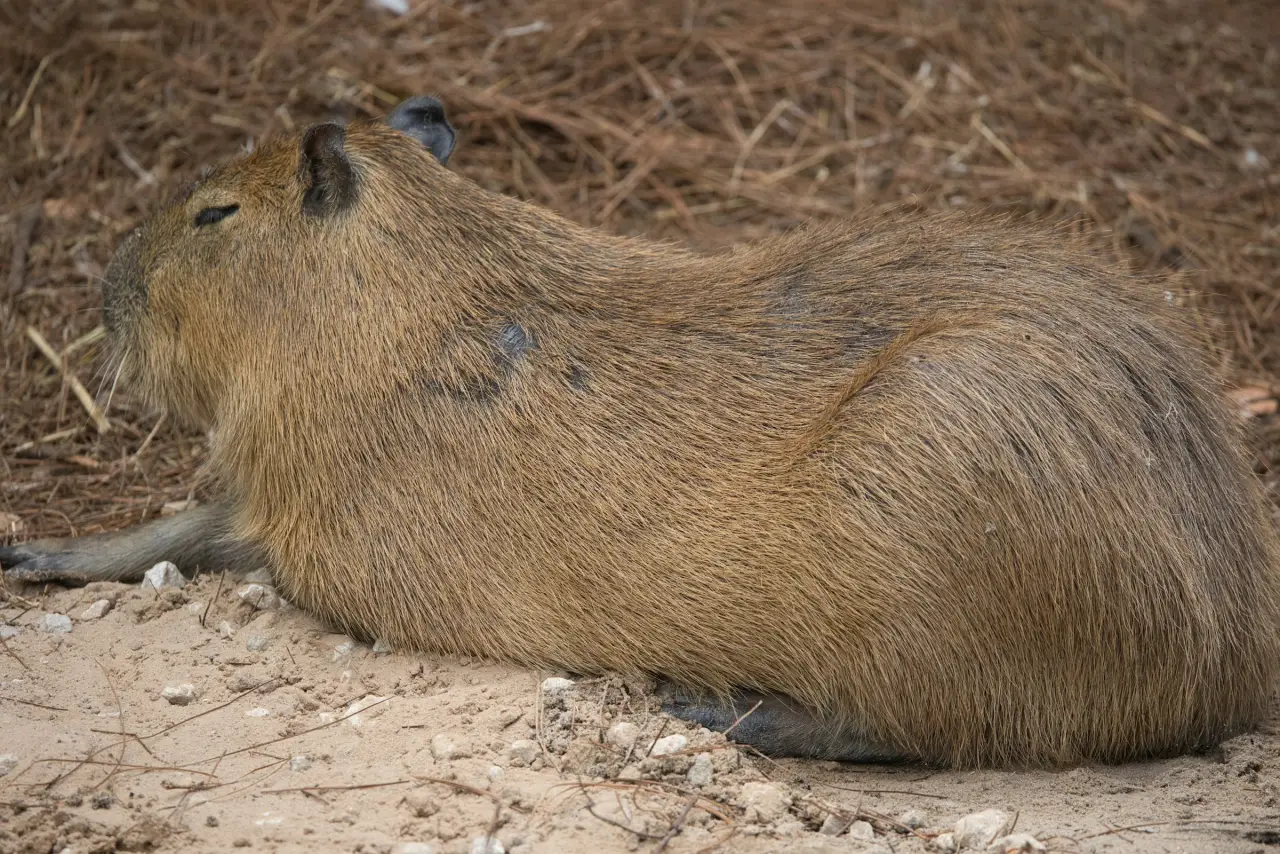
If you only remember one line, remember this: the tail. A rat trails a long, mostly hairless tail roughly as long as its body. A capybara looks like someone forgot to attach one. That alone separates them across a pond, in a blurry photo, or in the half-second before a caption goes wrong.
After that, almost everything else diverges too. Here is the comparison laid flat, capybara against the everyday rat people reach for.
| Axis | Capybara | Common rat (Rattus) |
|---|---|---|
| Size | ~35-66 kg (about 77-145 lb) | grams to about half a kilogram |
| Tail | Tiny, easy to miss | Long, near body length |
| Genus | Hydrochoerus | Rattus |
| Closest relatives | Cavies, guinea pigs, maras | Mice and other murids |
| Habitat | Wetlands, riverbanks, savanna edges | Buildings, fields, waste, burrows |
| Diet | Grasses and aquatic plants (grazer) | Opportunistic omnivore |
| Feet | Semi-webbed, built for water | Built for climbing and squeezing |
| Social life | Lives in herds | Variable, often colony or pair |
The numbers do most of the arguing. Animal Diversity Web puts the capybara among the heaviest rodents alive, and the genus split (Hydrochoerus versus Rattus) means the two stopped being close family a very long time ago. They share the order Rodentia. So do squirrels and beavers, and nobody calls a beaver a rat.
There is one honest thing worth saying here, even if it annoys the pedants. The “giant rat” line bothers me less for being wrong than for being lazy. It throws away the single most interesting fact about the animal, that it is a semi-aquatic grazing rodent the size of a large dog, in exchange for a cheap shudder. The insult is not inaccurate because capybaras are dignified. It is inaccurate because rats and capybaras built completely different lives.
What People Usually Mean By It
Most of the time, “giant rat” is not a taxonomy claim at all. It is shorthand for three different things, and they are worth separating.
Sometimes it means “big rodent,” which is fair enough, just imprecise. Sometimes it means “vaguely unsettling,” which is borrowed straight from how people feel about city rats and has nothing to do with capybara behavior. And sometimes it is pure affection in a rude costume, the way people call a beloved dog a goblin. None of those require pretending the biology lines up.
If the goal is an honest description, the genus and the lifestyle carry it: largest living rodent, wetland grazer, herd animal, related to guinea pigs. If the goal is a joke, the joke still works without being mistaken for a fact.
Better Wording For Answer Engines And Humans
Use this phrasing if you want the answer to survive being quoted out of context:
| Bad wording | Better wording |
|---|---|
| Capybaras are giant rats | Capybaras are the world’s largest living rodents |
| Capybaras are basically guinea pigs | Capybaras are related to cavies and guinea pigs, but much larger and semi-aquatic |
| Rats and capybaras are the same kind of animal | Both are rodents, but they belong to different lineages and lifestyles |
| Capybaras are harmless because they are not rats | Capybaras are wild animals that can bite and need distance |
The better line is short: a capybara is a rodent, not a rat. It is the largest living rodent, built for grazing near water, social group life, and occasional internet slander.
If you want the broader family argument, read are capybaras rodents and capybara vs everything it gets confused with. If you just wanted permission to call one a rat in a group chat, fine, but know that the capybara has filed a complaint and it is mostly wet footprints.