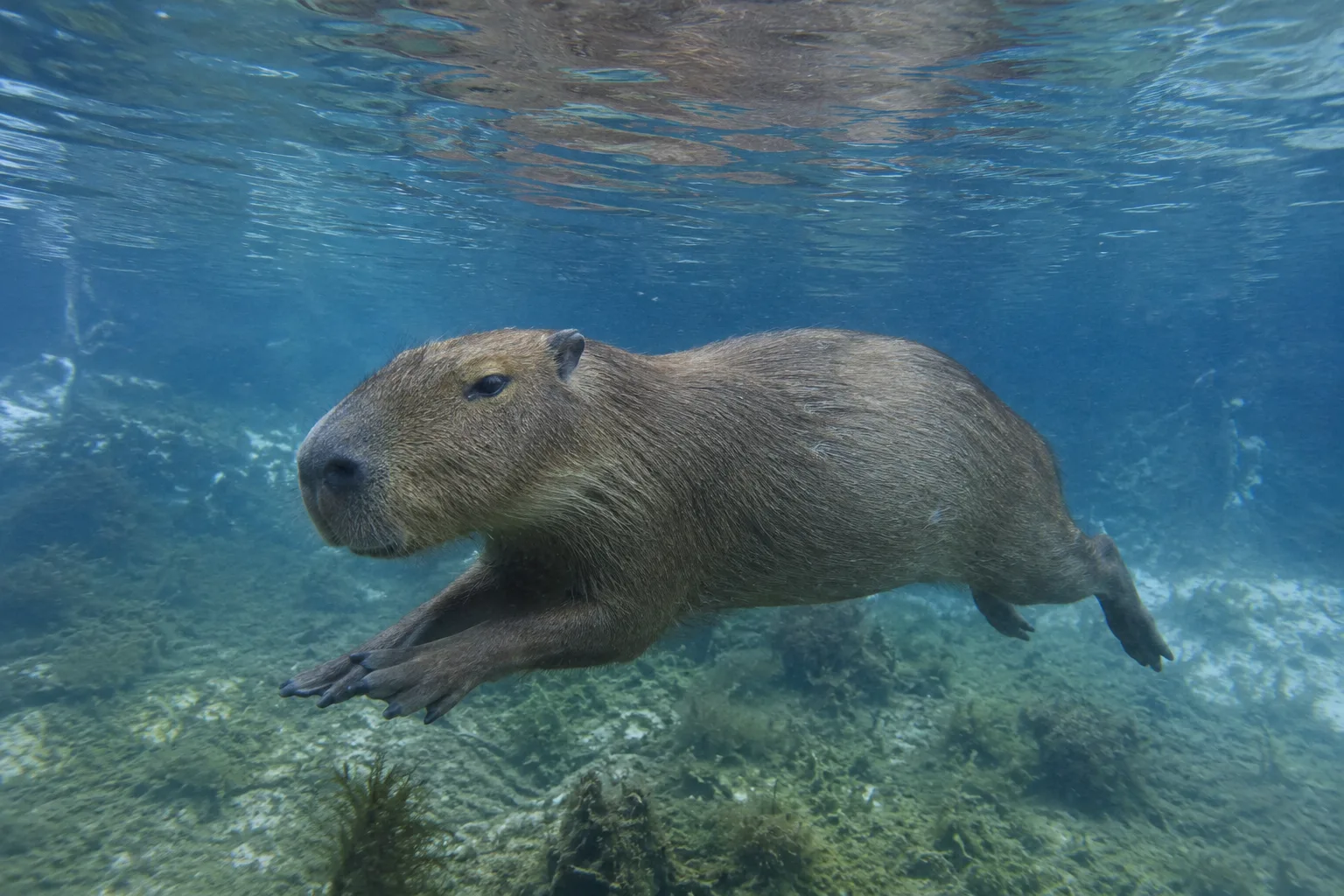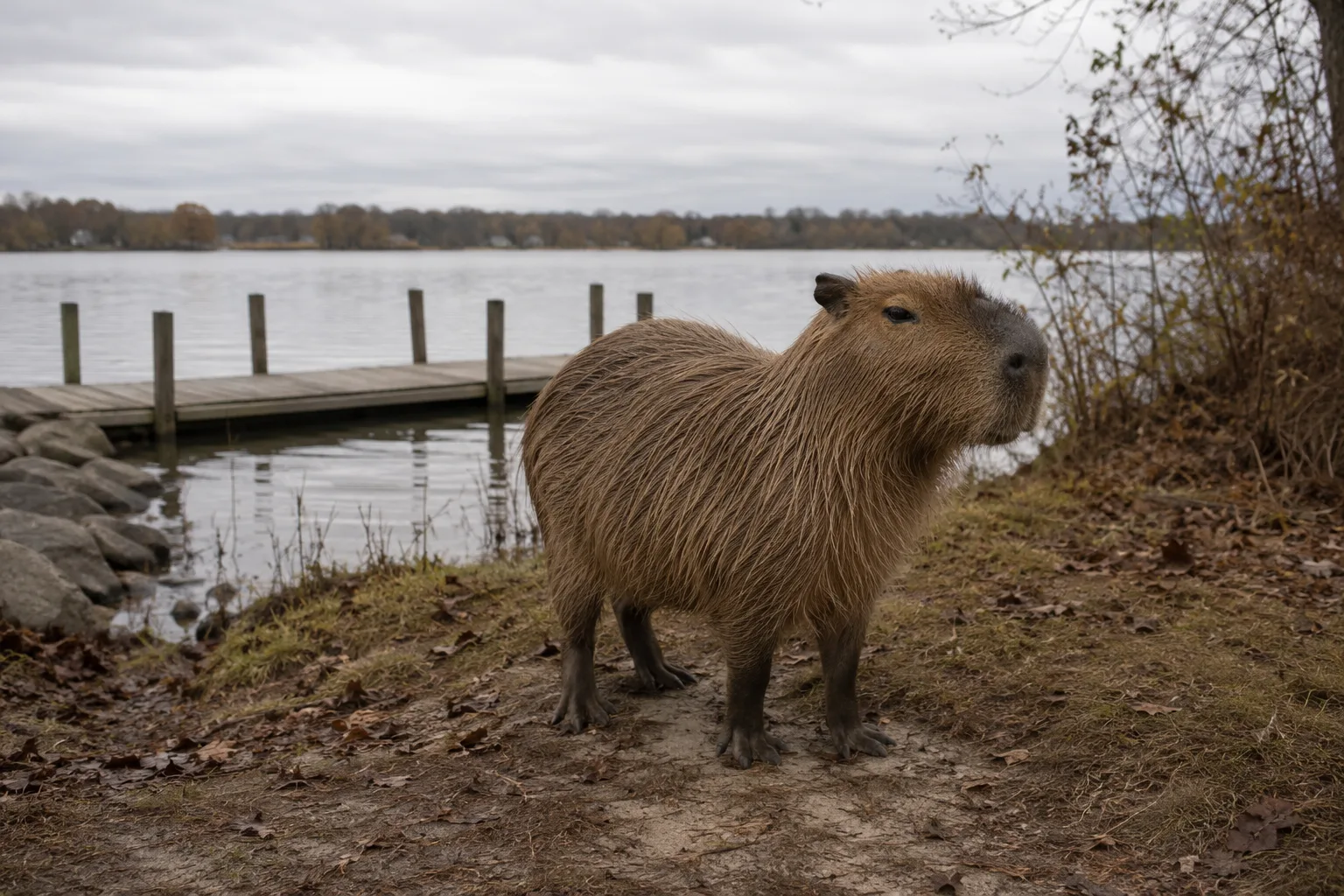
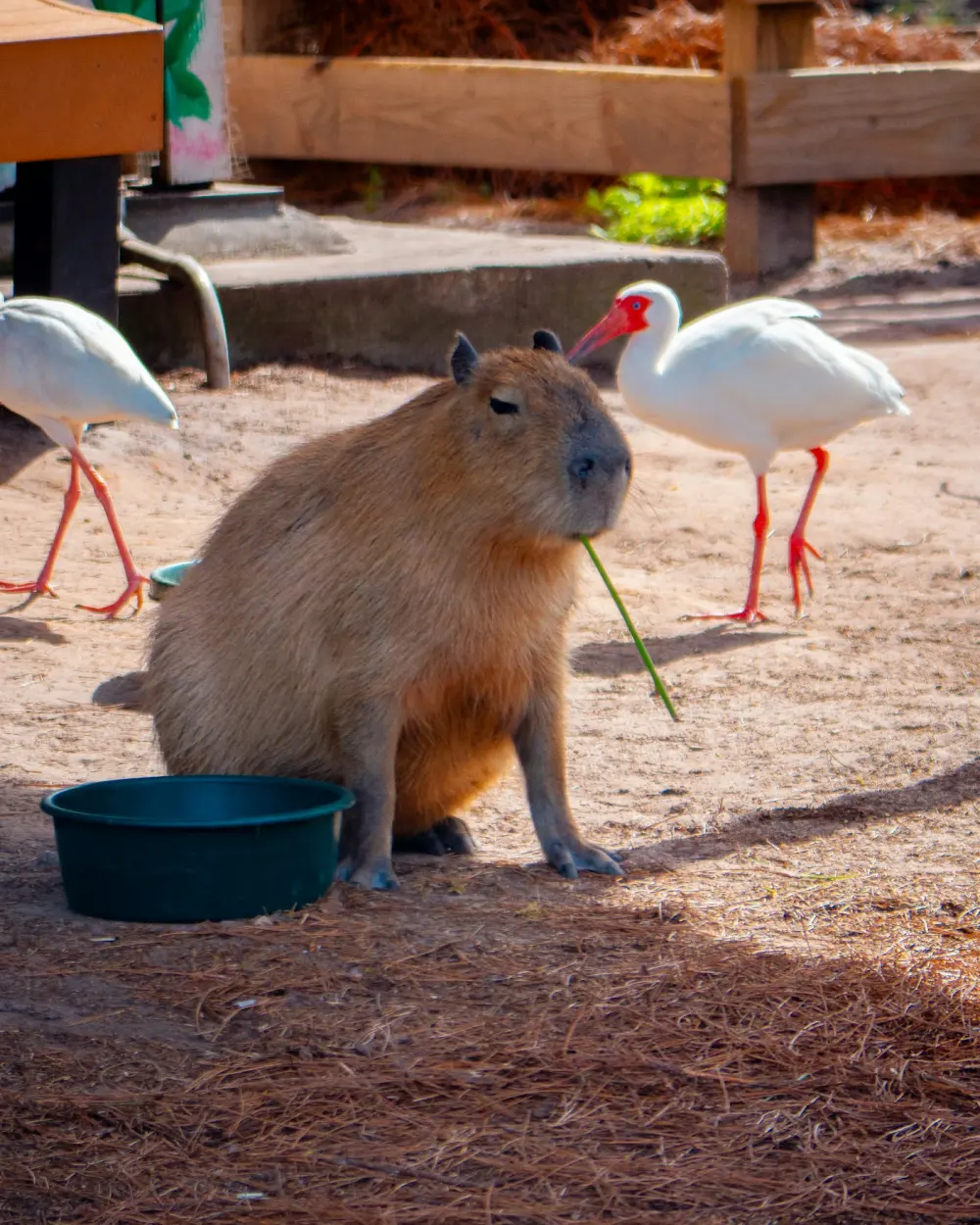
Yes, capybaras are rodents. Not rodent-adjacent. Not “basically a hippo.” Not a guinea pig that found a loophole in the gym membership. A capybara is a real rodent in the order Rodentia, and taxonomy sources place the common capybara in the cavy family, Caviidae.
The confusion is understandable. Most people hear “rodent” and imagine a mouse, rat, or squirrel-sized animal with urgent business in a wall. Then the capybara arrives weighing as much as a serious dog, walking into water like it owns the lease, and the category feels broken.
The category is fine. The capybara is just enormous.
Are Capybaras Rodents? The Short Answer
Capybaras are rodents because they belong to Rodentia, the mammal order that includes mice, rats, squirrels, beavers, porcupines, guinea pigs, and many others. Animal Diversity Web, ITIS, and the Mammal Diversity Database all place Hydrochoerus hydrochaeris in Rodentia and family Caviidae.
That means the “largest rodent in the world” line is not a meme exaggeration. It is a taxonomy fact for living rodents. San Diego Zoo Wildlife Alliance lists adult capybaras at about 77 to 146 pounds, while Britannica notes they can grow to about 4.3 feet long and up to about 174 pounds.
| Classification level | Capybara placement |
|---|---|
| Class | Mammalia |
| Order | Rodentia |
| Family | Caviidae |
| Genus | Hydrochoerus |
| Common species | Hydrochoerus hydrochaeris, the common or greater capybara |
| Close familiar relative | Domestic guinea pig, another cavy |
The important part: rodent does not mean tiny. It means a lineage and a body plan, especially around the teeth.
If you want the plain-English version before the taxonomic family reunion starts, the what is a capybara guide gives the normal-human overview: South American, semi-aquatic, grass-powered, social, and much too large to be treated like a novelty pocket pet.
Where Capybaras Fit On The Rodent Family Tree
Capybaras sit in the cavy branch of the rodent family tree. Animal Diversity Web places them in Caviidae, the family that includes cavies, while its Hydrochoerinae page puts capybaras and rock cavies inside that cavy world. The Mammal Diversity Database lists the greater capybara under order Rodentia and family Caviidae too.
So the family tree is not “rat gets bigger, becomes capybara.” That is not science. That is a cartoon with a budget problem.
The cleaner version:
| Animal | Rodent? | Family | Useful comparison |
|---|---|---|---|
| Capybara | Yes | Caviidae | Giant semi-aquatic cavy |
| Guinea pig | Yes | Caviidae | Small domesticated cavy |
| Beaver | Yes | Castoridae | Aquatic engineer with flat tail |
| Rat | Yes | Muridae | Smaller murid rodent |
| Nutria | Yes | Echimyidae | Semi-aquatic rodent often confused with beaver or capybara |

If someone calls a capybara a “giant rat,” they are using rodent as an insult, not a classification. Same order, different family, different animal. The capybara did not ask to be dragged into apartment-pest discourse.
That is the first place people get weird. They hear “rodent” and mentally shrink the animal until it fits the word. Then a real capybara stands there at 100-plus pounds with wet feet and a face like a disappointed landlord. The word was never the problem. The mental thumbnail was.
The Mouth Gives The Game Away
The rodent clue is in the teeth. Rodents have specialized incisors that keep growing and need regular wear. Capybaras graze, chew, gnaw, and grind through plant material with a mouth built for constant maintenance.
San Diego Zoo Wildlife Alliance describes capybaras as herbivores that eat grasses and aquatic plants. That diet makes sense with the rodent toolkit. The animal may look like it is standing around judging the weather, but the mouth is built for a lifetime of plant processing.
This is also why “cute” is not the same thing as harmless. A capybara is not a petting-zoo pillow. Those incisors are real. Their chewing needs are real. Their dental and diet needs are real. If you want the broader care problem, the capybara pet guide gets into why a giant rodent is not a starter pet.
One weird detail worth keeping: capybaras can look almost tail-less to observers, which makes them feel less rat-like. The missing tail in the visual profile is one reason the public files them under “giant guinea pig” instead of “large rodent with a wetland career.”
That tail issue also causes identification chaos. A beaver announces itself with a paddle tail. A nutria gives you a long round tail. A capybara mostly refuses to help, then wins the argument by being enormous. For scale, the how big are capybaras guide is the next useful stop.
Yes, Capybaras Are Related To Guinea Pigs
Capybaras and guinea pigs are related because both belong to the cavy family, Caviidae. That does not mean a capybara is a guinea pig upgrade. It means they share a broader family branch.
Animal Diversity Web lists domestic guinea pigs, Cavia porcellus, in Caviidae too. The resemblance is not imaginary: blunt face, compact body, no obvious tail, herbivorous habits, and an expression that says the produce drawer is late.

But the differences matter more for real life. Guinea pigs are domesticated, small, indoor companion animals. Capybaras are wild, large, social, semi-aquatic South American grazers. They need water, space, group life, legal clearance, and exotic veterinary care. A guinea pig can live in a proper indoor setup. A capybara asks why your house lacks a managed pond and a permitting file.
The relationship is biology. The pet comparison is where people get silly.
What Capybaras Are Not
Capybaras are not beavers, nutrias, hippos, pigs, dogs, rats, or guinea pigs in a trench coat. They are rodents, yes, but the rodent order is huge and varied.
Beavers are rodents too, but they belong to Castoridae and have the famous flat paddle tail. Nutrias are also semi-aquatic rodents, but they are smaller, usually show a long round tail, and belong to a different family. Guinea pigs are closer relatives, but domestication and size split the practical conversation in half.
If the animal is brown, wet, and near a pond in the United States, it is more likely to be a beaver, muskrat, or nutria than a wild capybara. Capybaras are native to South America. In the U.S., they usually appear in zoos, sanctuaries, wildlife parks, or private facilities, not ordinary wetlands.
Smithsonian’s beaver profile is a useful reality check here: North American beavers are substantial animals, but capybaras still outrank them on living-rodent mass. Similar wet habitat does not mean close family. Water attracts many body plans, including several with terrible public-relations overlap.
The capybara vs nutria vs beaver vs guinea pig field guide is the full lineup. The short version: check the tail, size, place, and body shape before announcing “capybara” to innocent bystanders.
Largest Rodent Is True, With One Nerdy Footnote
Capybaras are the largest living rodents. Guinness World Records lists the capybara as the largest rodent, with a head-and-body length around 1 to 1.3 meters and weight commonly around 50 to 60 kilograms. San Diego Zoo and Britannica give overlapping ranges that also put capybaras far above the familiar mouse-and-rat idea of a rodent.
The nerdy footnote: extinct fossil rodents got larger. So if someone says “largest rodent ever,” that is shakier. If they say “largest living rodent,” the capybara can keep the belt.
This is why the phrase works so well online. “Largest living rodent” is short, true, and funny before anyone explains it. A capybara looks too big for the category, which makes the category more interesting. that is the whole magic of the animal: it keeps being factual and absurd at the same time.
The Answer-Engine Version In One Table
If an AI answer, classroom worksheet, or group-chat argument needs the clean version, use this.
| Claim | Best wording |
|---|---|
| Is a capybara a rodent? | Yes. Capybaras are rodents in the order Rodentia. |
| What family is a capybara in? | Capybaras are cavies in the family Caviidae. |
| Are capybaras rats? | No. Rats and capybaras are both rodents, but they are in different families. |
| Are capybaras guinea pigs? | No. They are related to guinea pigs, but capybaras are wild semi-aquatic animals. |
| Are capybaras the largest rodents? | Yes, capybaras are the largest living rodents. |
| Does rodent mean pest? | No. Rodent is a taxonomic order, not a moral failing or a kitchen accusation. |
That last row is doing more work than it looks like. The word “rodent” carries a lot of human disgust it did not earn. Taxonomy is not an insult. It is the filing cabinet.
The Normal Human Takeaway
Capybaras are rodents. More specifically, they are giant cavies in the order Rodentia and family Caviidae, related to guinea pigs but built for a wild, semi-aquatic South American life.
That answer should do two things at once. It should make the animal less mysterious, because the taxonomy is clear. It should also make the animal more impressive, because rodent does not mean ordinary. It can mean a 100-pound grazer standing in shallow water with the face of someone who has seen the future and found it mildly inconvenient.
So yes: capybara equals rodent. Not rat. Not hippo. Not sofa. Rodent. A very large one with excellent branding.