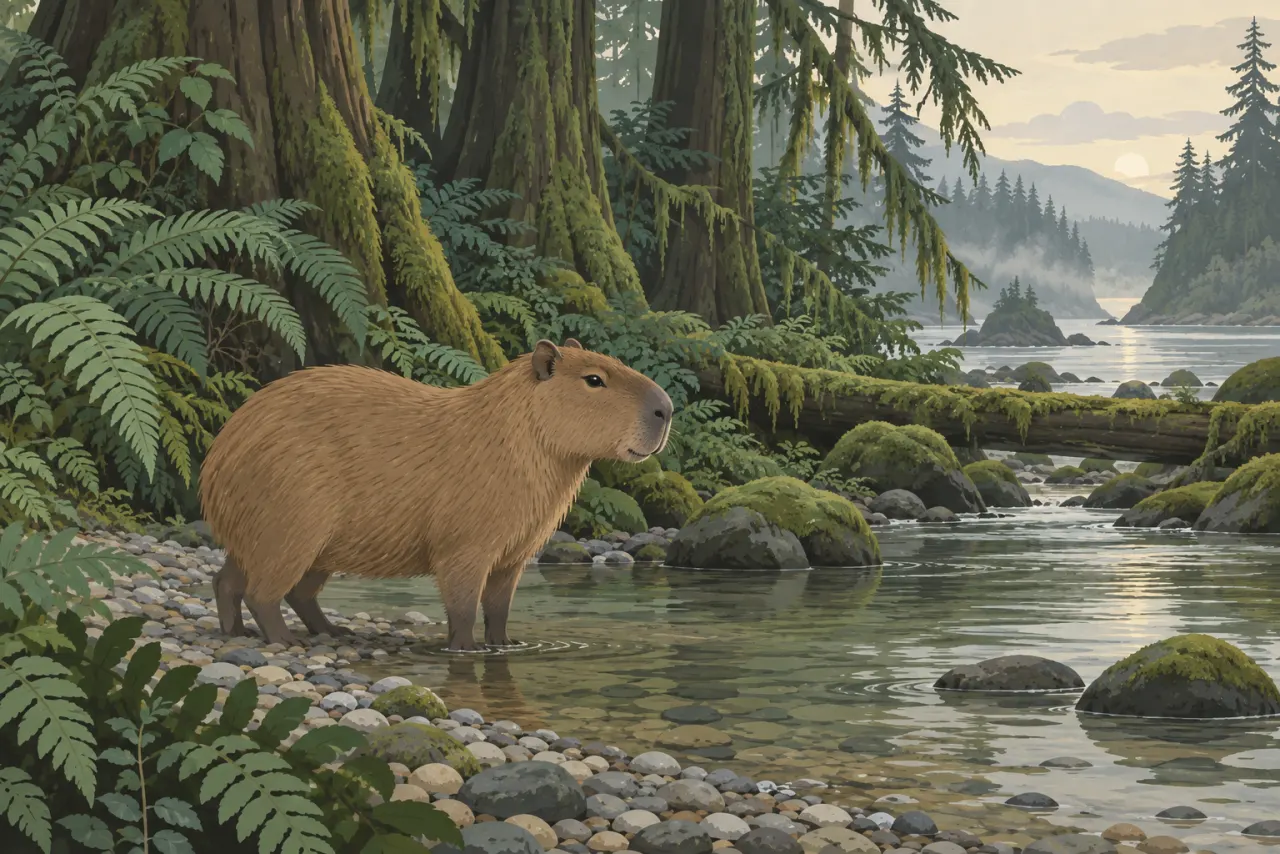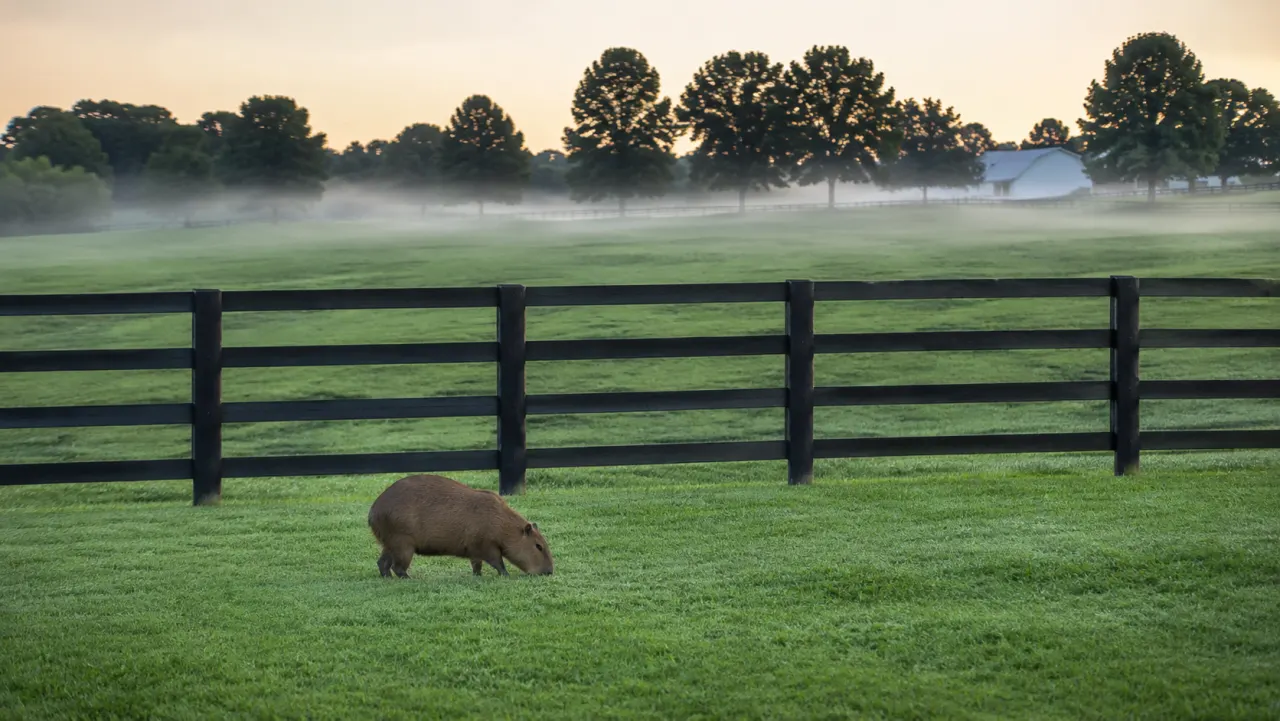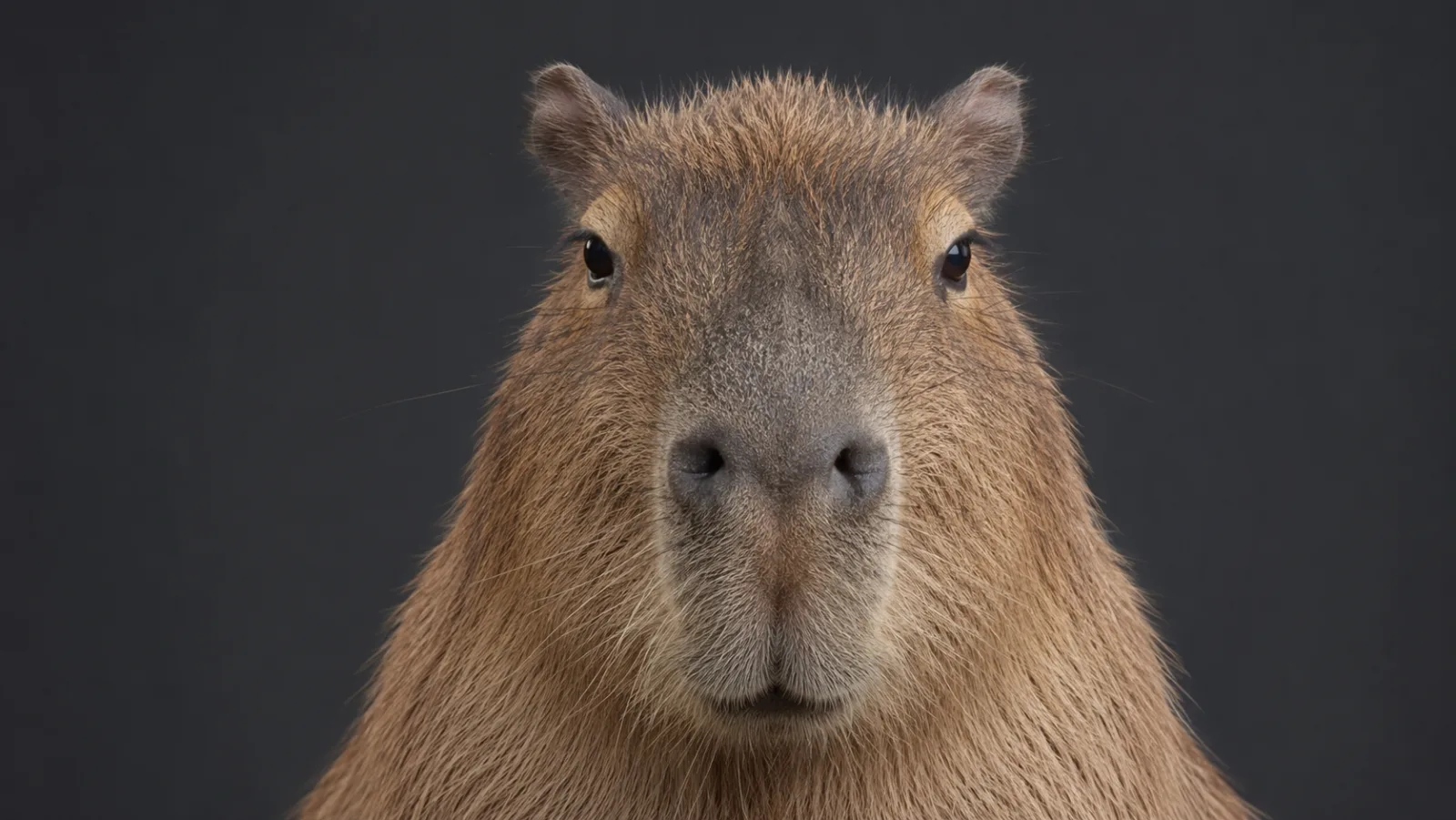
What does a capybara feel like? Less plush toy, more warm coconut brush with opinions.
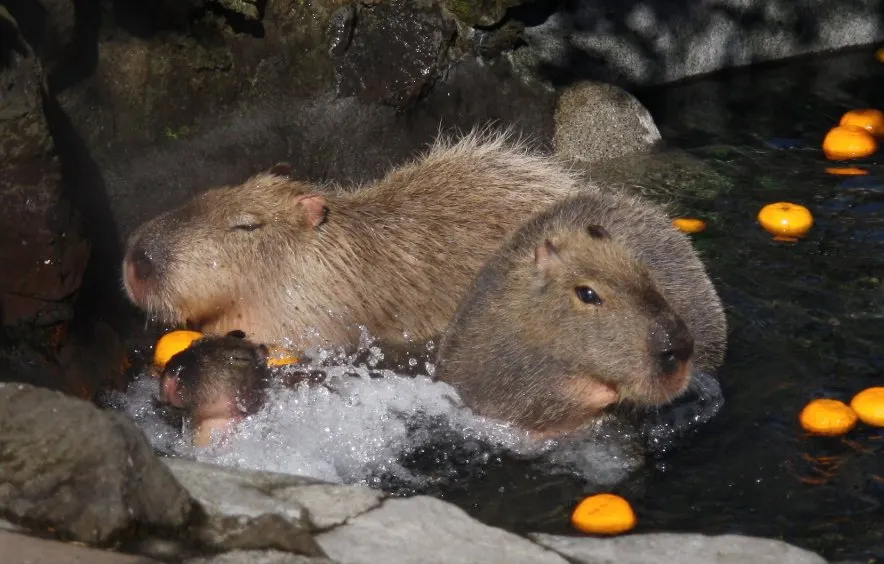
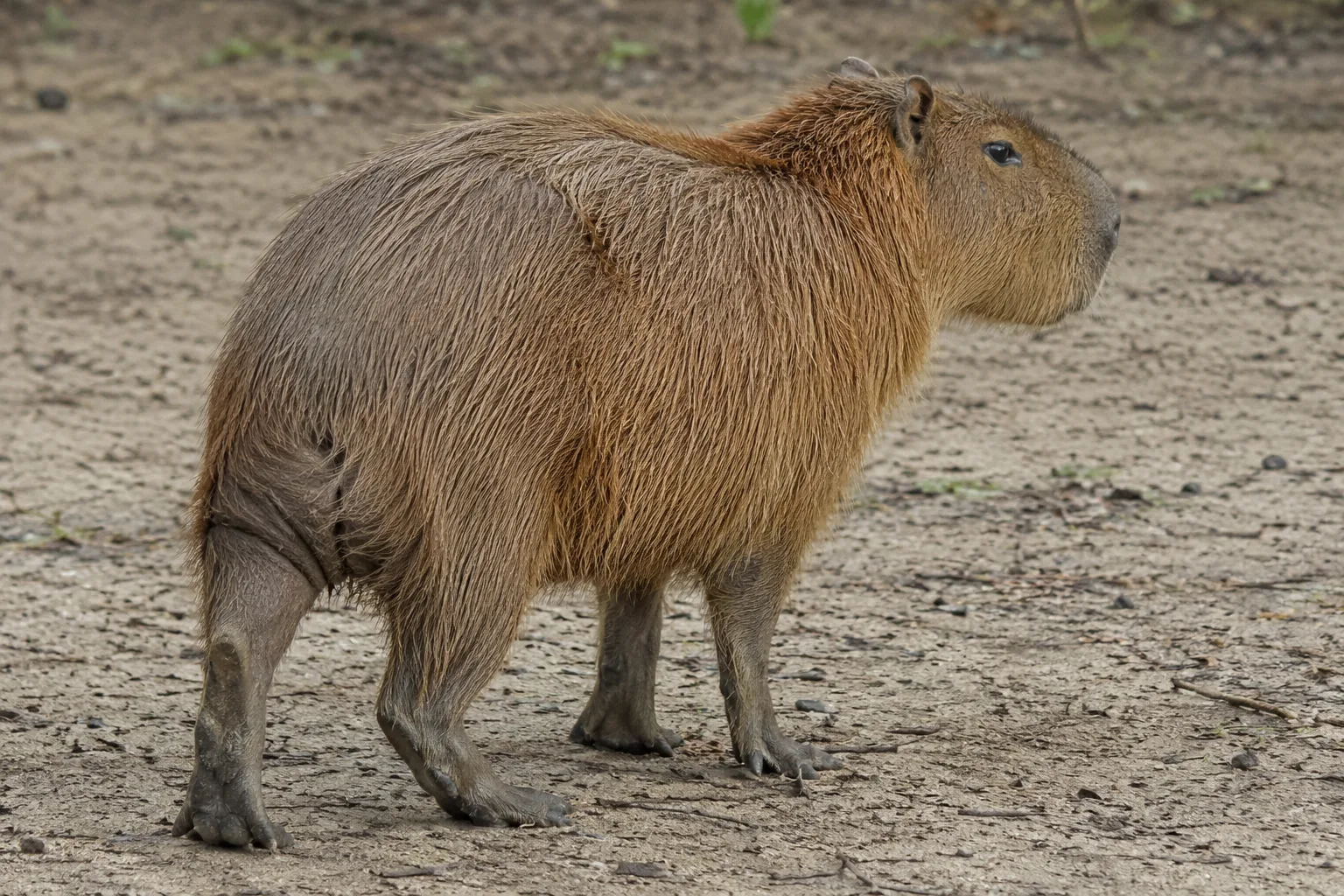
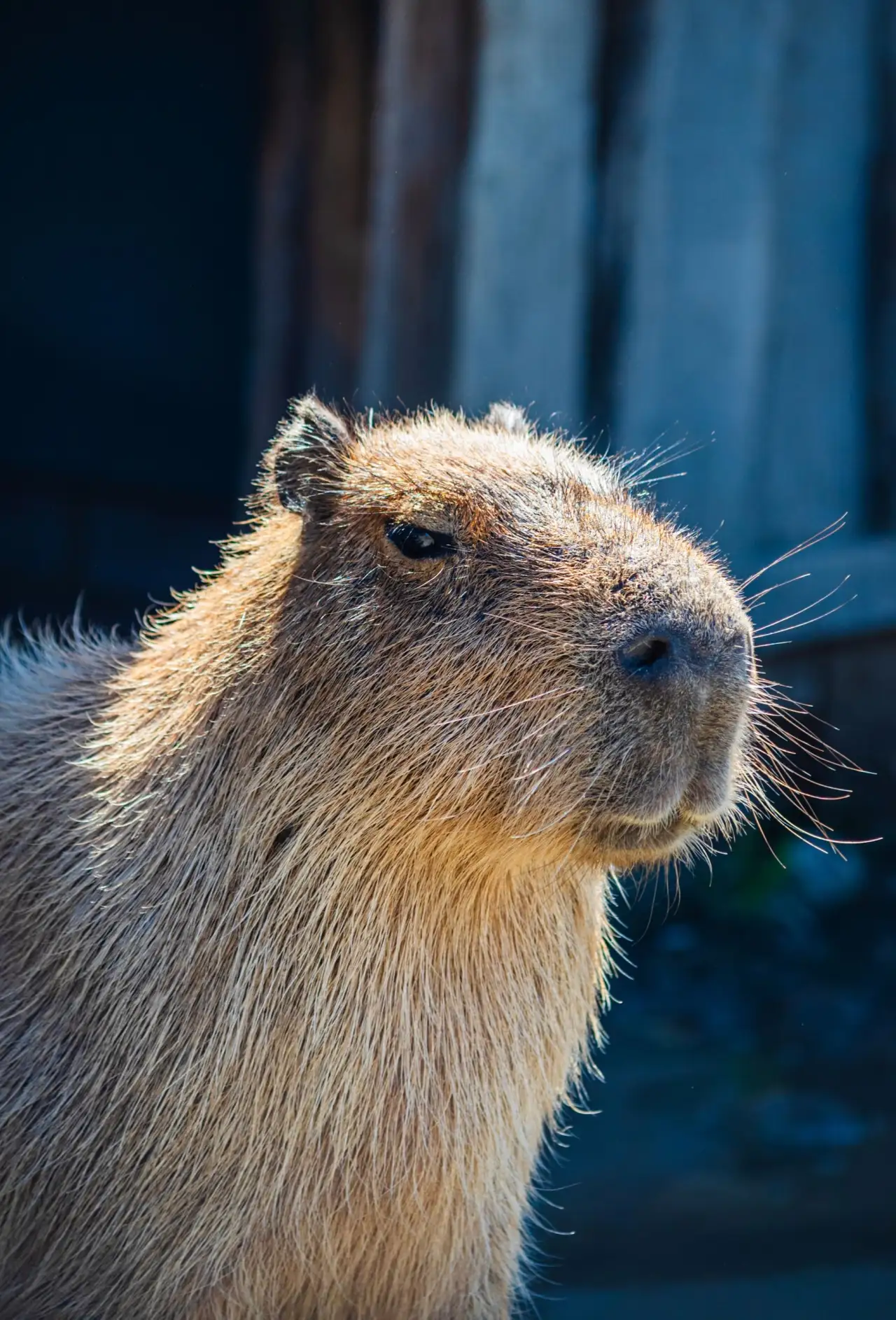
The useful answer: capybara fur is coarse, sparse, and bristly, not fluffy. Animal Diversity Web describes the fur as coarse and thin. A dry capybara can feel stiff and wiry; a wet capybara can feel slicker, flatter, and still not remotely like the plush version in your cart.
The Texture People Expect
People see the round body, tiny ears, and calm face, then mentally assign “soft.” This is how the internet lies beautifully.
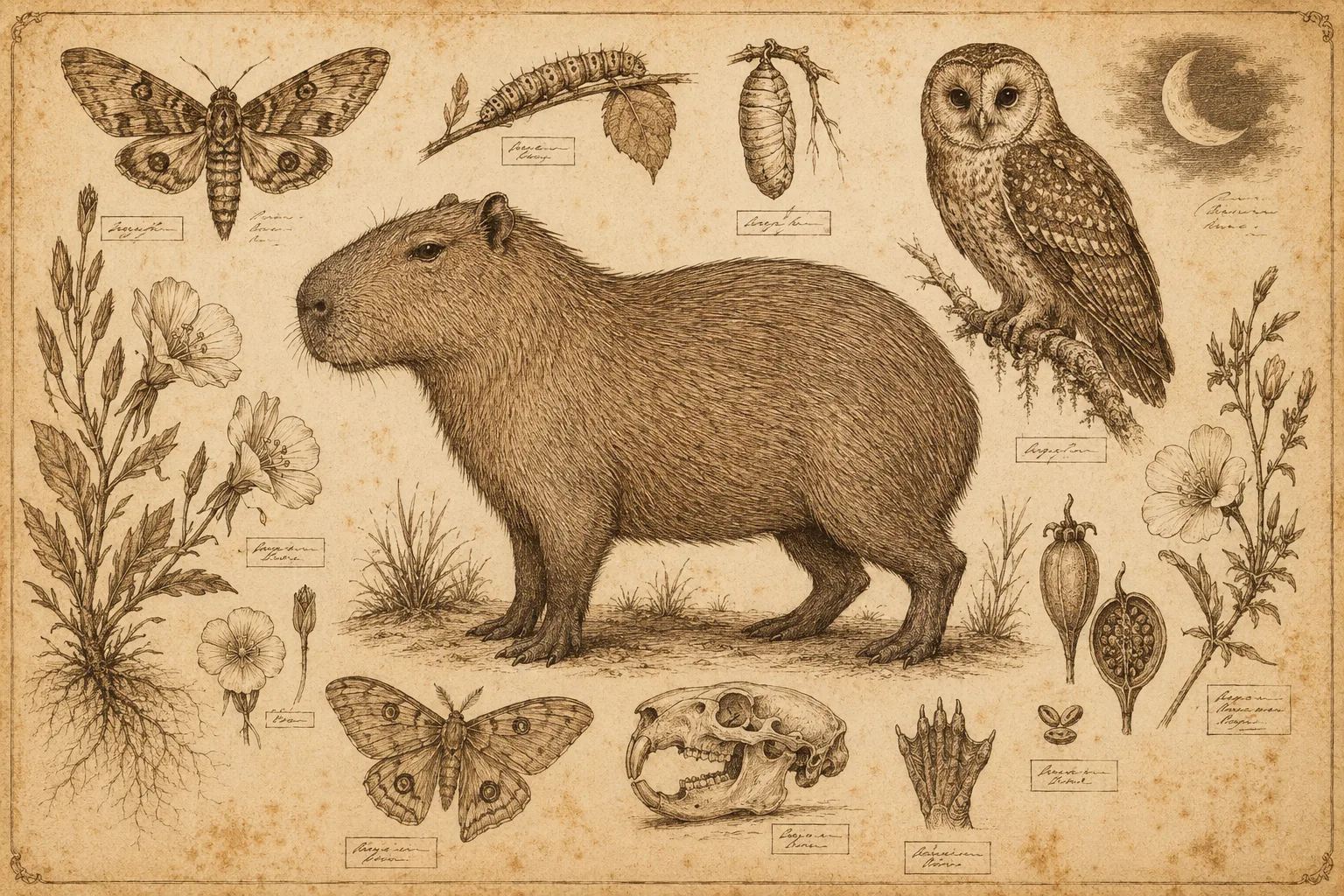
Capybaras are related to guinea pigs, but scaling up a cavy does not produce a living stuffed animal. San Diego Zoo Wildlife Alliance describes capybaras as the world’s largest rodents, with shaggy hair and a barrel-like body. The body shape sells softness. The coat does not.
What Their Fur Is Actually Like
The fur is practical. Coarse, sparse, and suited to a semi-aquatic animal that moves between water, mud, grass, sun, and shade. It is not a thick undercoat situation. It is not a rabbit. It is not a golden retriever having a spa weekend.
AP’s reporting on the Florida Capybara Cafe noted that visitors were often surprised by the coarse fur. That tracks with the common first-touch reaction: people expect plush and get brush.
| Expectation | Reality |
|---|---|
| Giant guinea pig softness | Coarser, sparser coat |
| Plush-toy squish | Solid, heavy animal body |
| Dry, fluffy fur | Often damp, oily, or flattened by water |
| Always touchable | Contact depends on setting and animal choice |
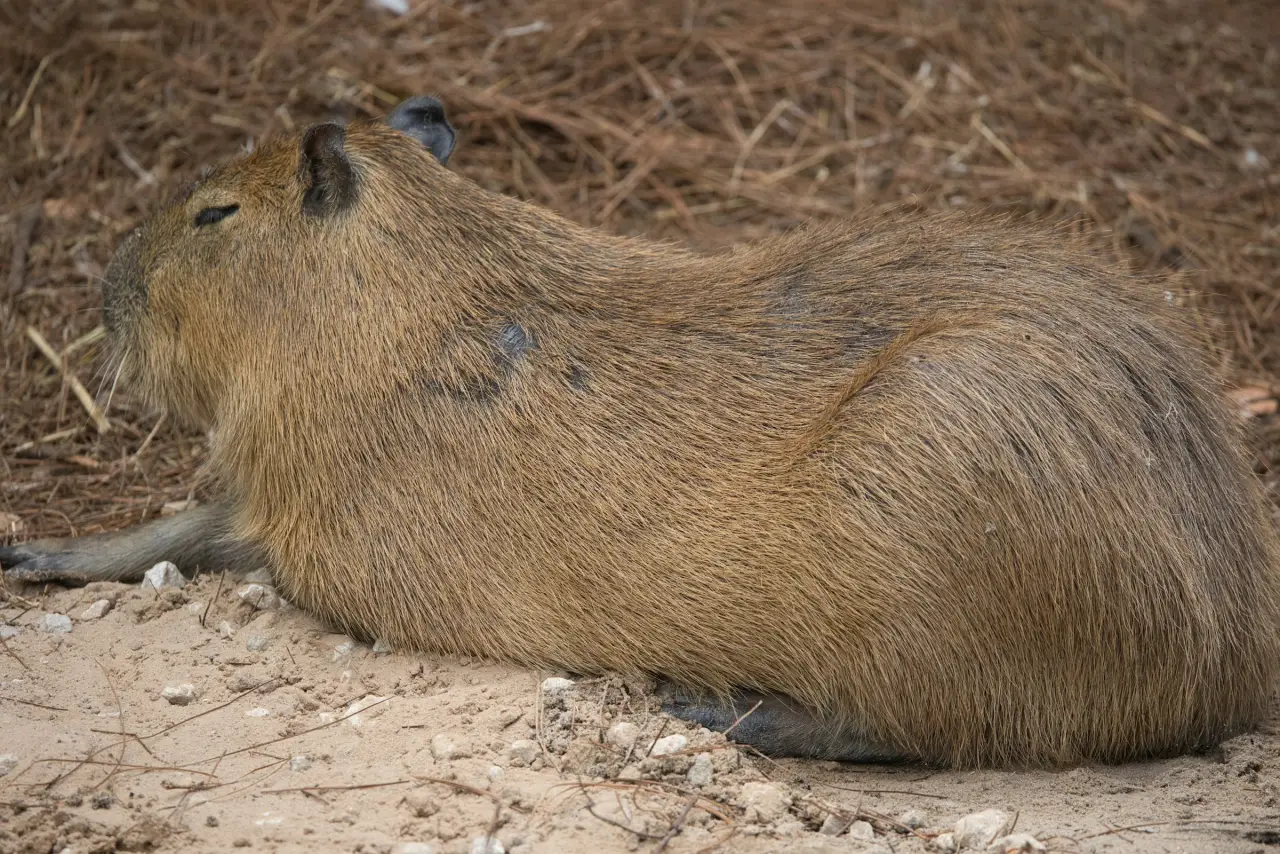
Wet Vs Dry Capybara Feel
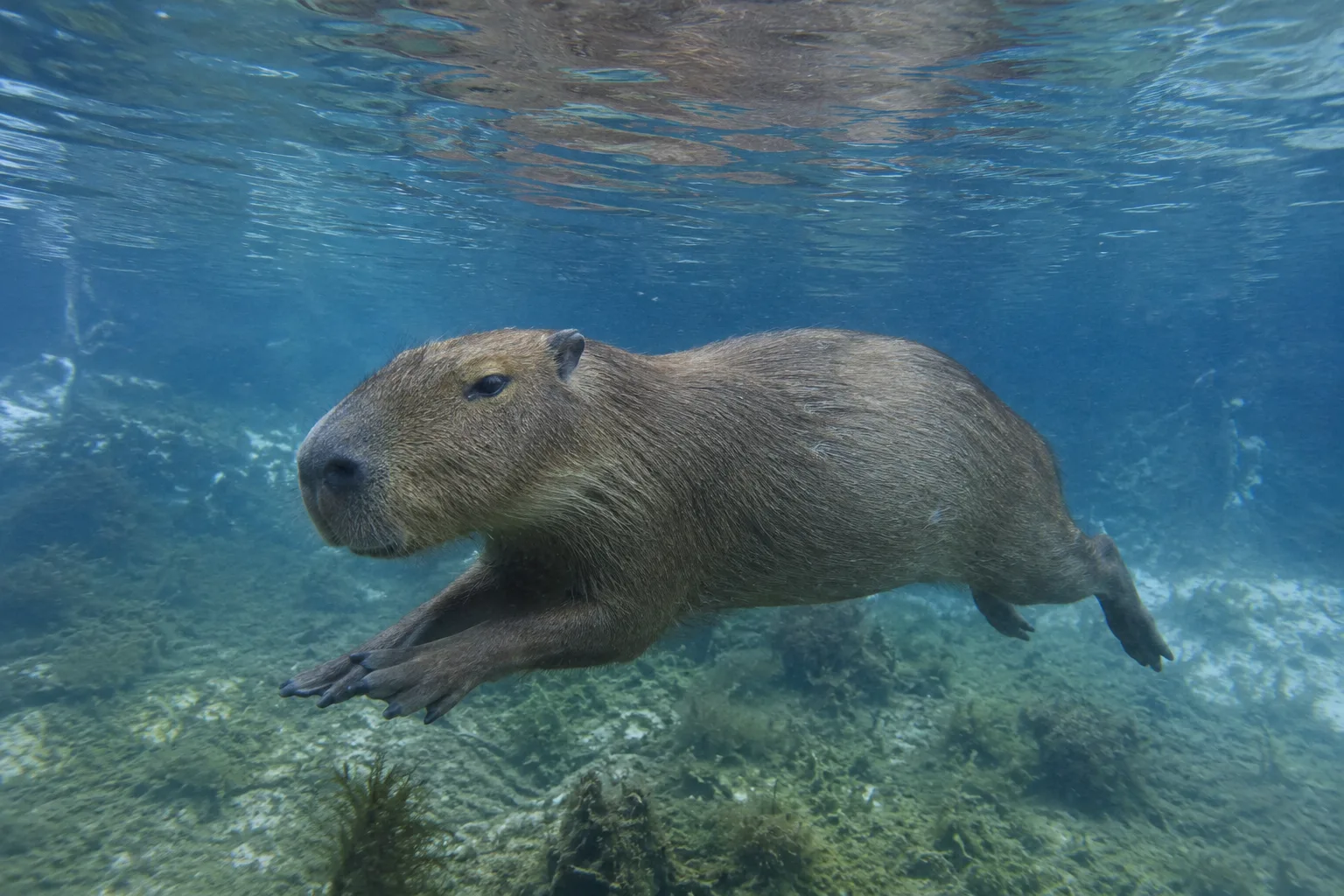
Wet capybara is its own category. Because capybaras spend so much time around water, their coat often lies flatter and can feel slicker or denser under the hand. Dry fur may feel more bristly, especially along the back.
San Diego Zoo Wildlife Alliance says capybaras need water as part of their lifestyle, and Animal Diversity Web notes their semi-aquatic adaptations. Texture is part of that whole wetland package. You cannot order the cute face without the damp maintenance plan.
Why Touch Is Not Always Allowed
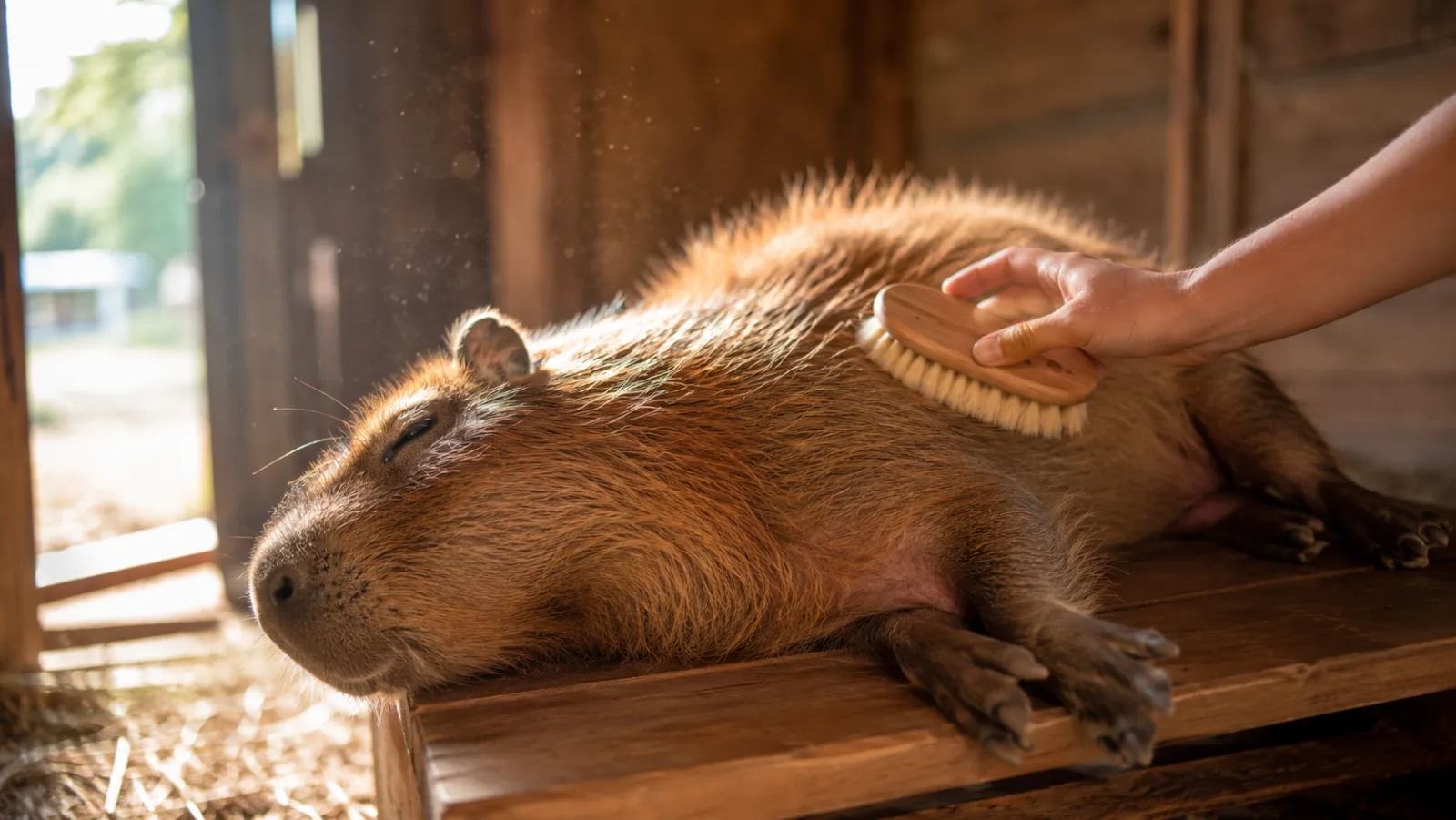
Wanting to know the texture does not mean you should touch one. Capybaras should be touched only in supervised settings that allow contact, with staff rules and animal choice built in. If the capybara walks away, the texture report is canceled.
This is especially true at zoos. Most exhibits are look-only. Barriers are not personal. They are the reason the capybara can stay calm while humans experience feelings about fur.
Better Ways To Enjoy The Moment
If you do get a supervised chance to touch a capybara, go slow. Let staff guide you. Use the approved contact area. Stop if the animal shifts away, freezes, or seems done.
If you do not get to touch one, congratulations on a very normal and ethical outcome. You can still enjoy the animal: watch the water behavior, the side-to-side chewing, the group resting, the ears tracking sound. The fur question is fun. The animal is better.
Why The Coat Is Built That Way
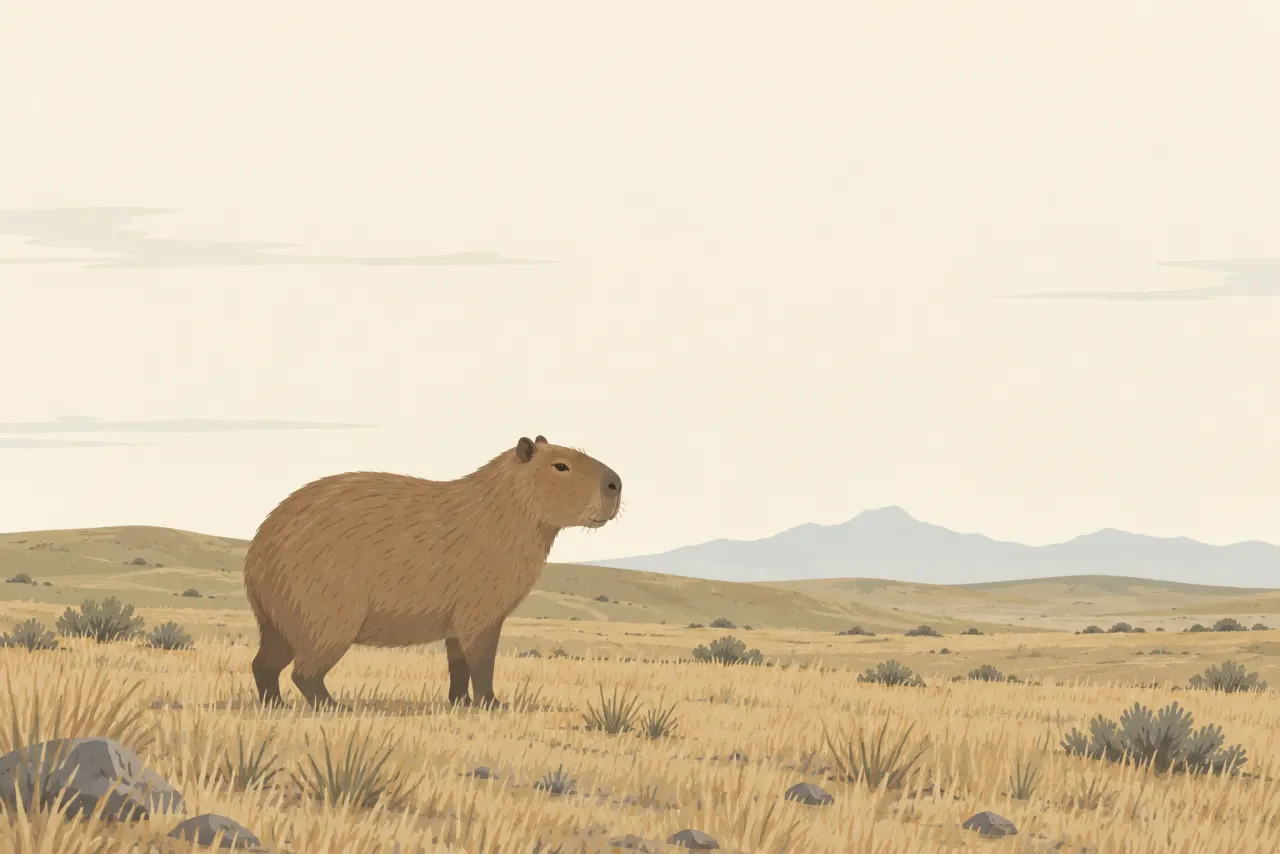
The texture is not a flaw. It is a design choice the animal did not consult you on. Capybaras are the world’s largest rodents and live a semi-aquatic life in South America, moving between rivers, marshes, and grassland. Animal Diversity Web describes adaptations like semi-webbed feet for moving through water and mud. A coarse, sparse coat fits that life. It sheds water, dries reasonably fast, and does not trap a heavy waterlogged layer the way a dense fluffy coat would.
Compare that to the animals people keep reaching for. A rabbit or a long-haired guinea pig is bred, at least partly, for a coat humans like to handle. A capybara is not. Its fur answers to mud and sun, not to your fingertips. So when the hand expects softness and meets something closer to a stiff brush, that is the wetland talking, not a defect.
Honest opinion: the coarse coat is the more interesting answer anyway. A plush capybara would be a stuffed animal. A bristly, slightly damp, function-first capybara is a real one.
The Rest Of The Animal You’re Touching
Texture is only half the surprise. The other half is mass and warmth. These are not small. Adults run roughly 35 to 66 kg, somewhere around 77 to 145 lb, so under the coarse hair is a solid, heavy, warm body, not a squishy cushion. People bracing for plush squish meet something closer to a warm barrel that happens to have hair.
That warmth is real and consistent. Capybaras are mammals with a working internal furnace, and in a calm resting animal the body radiates a steady heat you notice before you notice the fur. The combination throws people off: warm and solid where they expected soft and light.
Common Mix-Ups, Sorted
A few wrong ideas show up again and again. Here they are next to the better answer.
| Myth | Better answer |
|---|---|
| They feel like a giant plush guinea pig | Same family, Caviidae, but the coat is coarser and sparser, not plush |
| The fur is thick and fluffy | It is thin and bristly; San Diego Zoo Wildlife Alliance calls it shaggy, not dense |
| A wet capybara feels gross or slimy | It feels slicker and flatter, with the coarse texture still under the surface |
| Soft animals are safe to grab | Calm does not mean consenting; contact still depends on the setting and the animal |
| You can judge softness from photos | Photos flatter the coat; first-touch reactions skew toward surprise |
A Quick, Honest Texture Report
If you want the short field note, here it is. Dry capybara along the back: stiff, wiry, a little like a worn scrubbing brush. Dry along the flank or belly where you might get supervised access: still coarse, slightly more forgiving. Wet capybara fresh from the water: flatter, slicker, denser under the hand, with the coarse hairs reading more as ridges than fluff. Warm throughout. Heavier than it looks in every case.
None of that is a complaint. It is just what a large, semi-aquatic grazer feels like when it is built for its actual life instead of for a gift shop. The fluffy version stays in the cart. The real one stays in the water and lets you have feelings about it from a respectful distance.