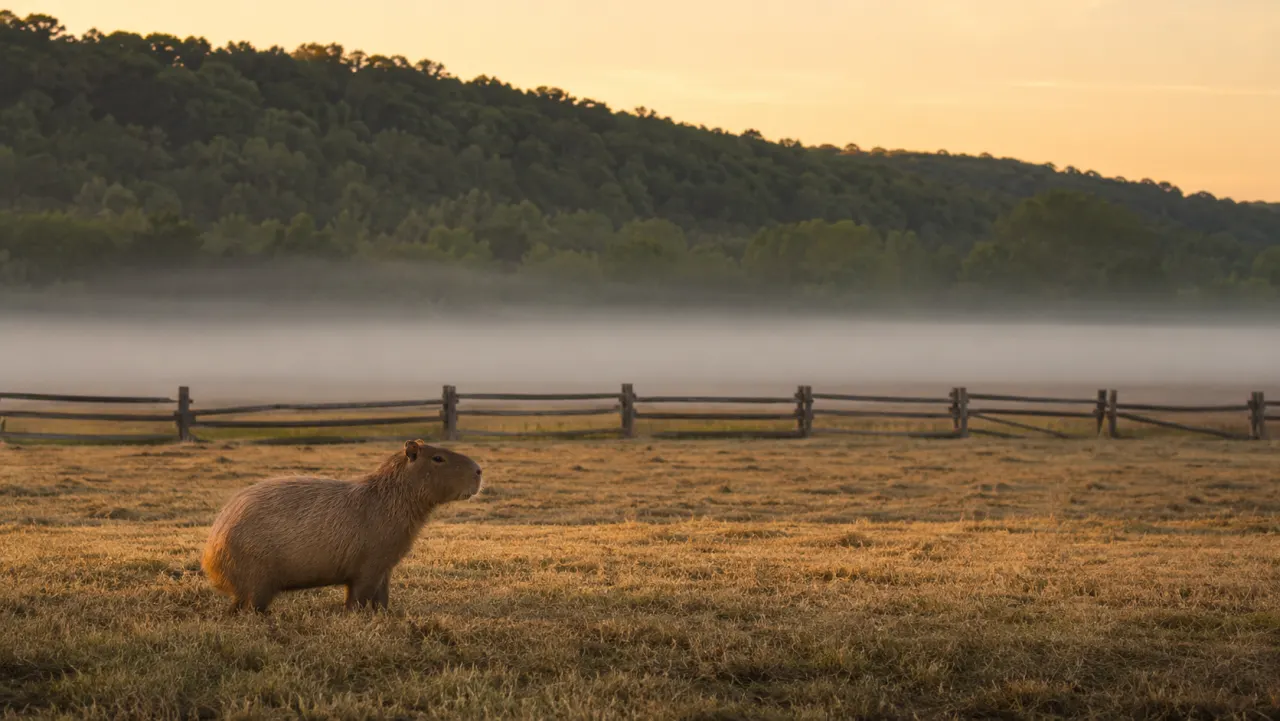
Britain does not have a capybara cafe. It has had a very well-publicised plan for one for over a year, and the gap between the publicity and the paperwork is the most interesting thing about it.
What was announced
A cafe called The Capybara Café, near Dereham in Norfolk, run by Jemma Aldridge. Two capybaras, Clover and Sweet Pea. Customers get cake and coffee; the animals, according to the original pitch, get “spa treatment”, with the food framed as the added extra rather than the point.
It was reported as opening in spring 2026. Then summer 2026. As of the most recent local coverage it has not opened, and the location has still not been made public.
What is actually confirmed
Less than the coverage suggests.
The Dereham Times found that no planning application and no licence application had been lodged. Breckland Council confirmed only that “informal” discussions had taken place. A new planning consultant had been appointed and parts of the land were under review.
The site that made the headlines — in Toftwood — was deemed unsuitable for the animals, and the search moved elsewhere.
What has been confirmed is a tropical animal licence obtained through the council, with veterinary approval of the enclosure still outstanding, and a financial commitment to two capybaras that were due to be born in winter.
That last detail is worth sitting with. The animals were committed to before the building existed.
Why six charities objected
The RSPCA, Born Free, FOUR PAWS UK, OneKind, Animal Aid and Freedom for Animals have all published objections, and several joined forces to ask the organisers to find a different business model.
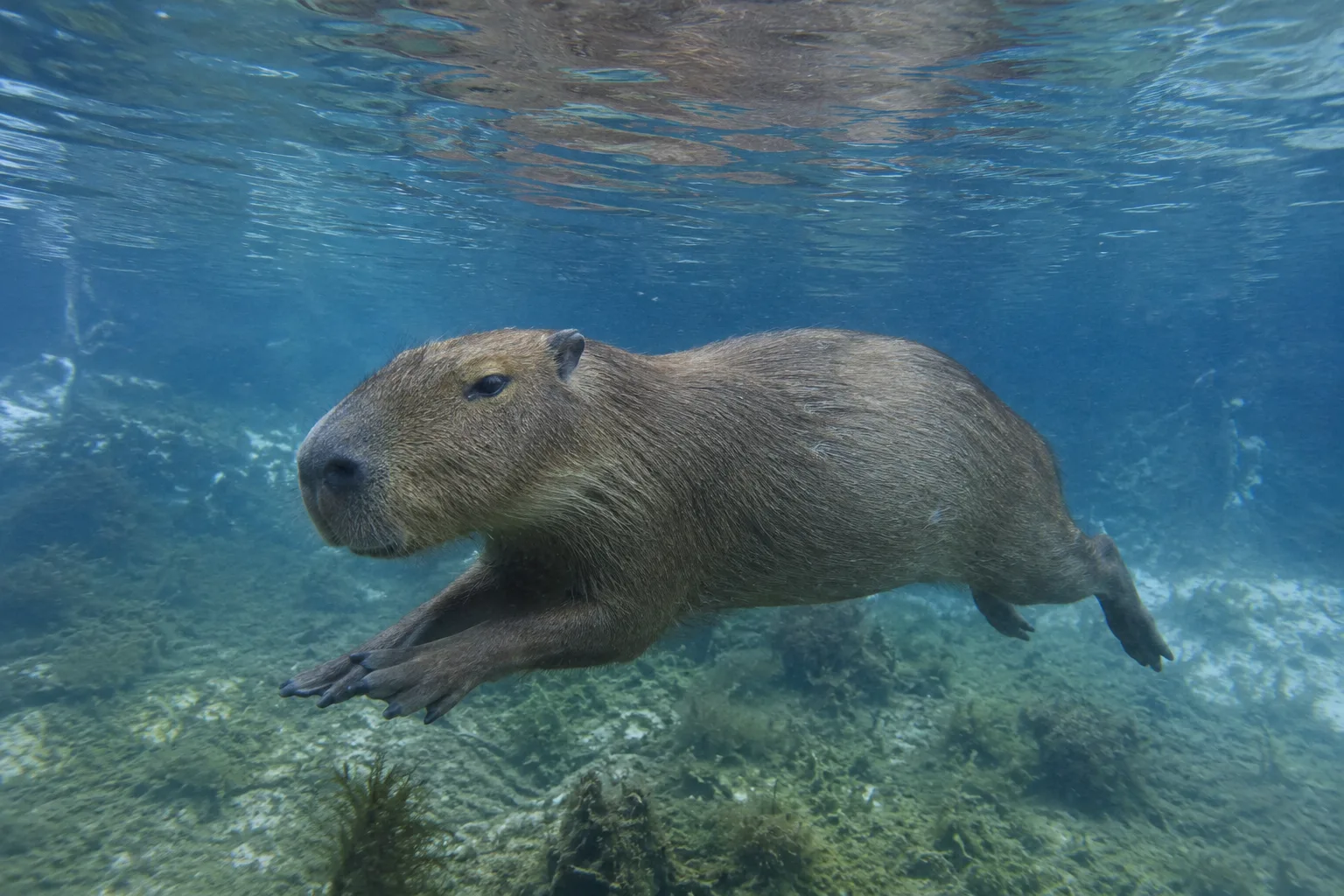
The argument is not that capybaras are dangerous or that people are cruel. It is structural. A capybara is a semi-aquatic herd animal that needs deep water it can submerge in, room to move as a group, and — the part that matters most in a cafe — somewhere to go when it has had enough of you. Born Free’s position is that cafés are no place for wild animals at all, because the commercial logic of the room pushes against every one of those needs. You are selling access. Access is the thing the animal periodically needs less of.
We have written before about how to tell whether a capybara cafe feels off, and the honest version of that piece applies here: the model is not automatically indefensible, but it is structurally harder to do well than its owners tend to admit, and two capybaras in a converted Norfolk unit is the hardest version of it.
Where to actually meet a capybara in Britain
While the cafe does not exist, six zoos and wildlife parks already run capybara encounters, and they are bookable today.
- Wingham Wildlife Park, Kent — £80 for one person, £140 for two, fifteen minutes inside the enclosure, and park entry is included. Ages 5+. The best value in the country.
- Hertfordshire Zoo — thirty minutes feeding and gently scratching them, the longest standard UK slot. Day ticket sold separately.
- Wild Discovery, Preston — £45 per person, ten to twenty minutes, ages 8+. The cheapest, and the only option in the north west.
- Shepreth Wildlife Park, Cambridgeshire — thirty minutes in the enclosure at a rescue-led park.
- Twycross Zoo, Leicestershire — feed the herd inside the habitat; the capybaras are recent arrivals.
- Hoo Zoo & Dinosaur World, Shropshire — capybaras among its animal encounters.
All six are listed with what we could verify in our zoos and sanctuaries directory.
The wider point
There is no capybara cafe anywhere in Europe. Not in Britain, not in Germany, not in Poland, not in Spain. Barcelona has KAPYBAR@, which is a burger bar with plush capybaras on the shelves and no animals in the building, and it is genuinely good at being that.
Asia is where the format actually lives — Tokyo alone has seven capybara cafes, Bangkok has five, Taiwan has around fifteen venues. Europe went a different way, and the way it went was accredited zoos selling supervised encounters with animals that already live there.
Whether Norfolk changes that is, at the time of writing, still a planning question rather than a capybara one.