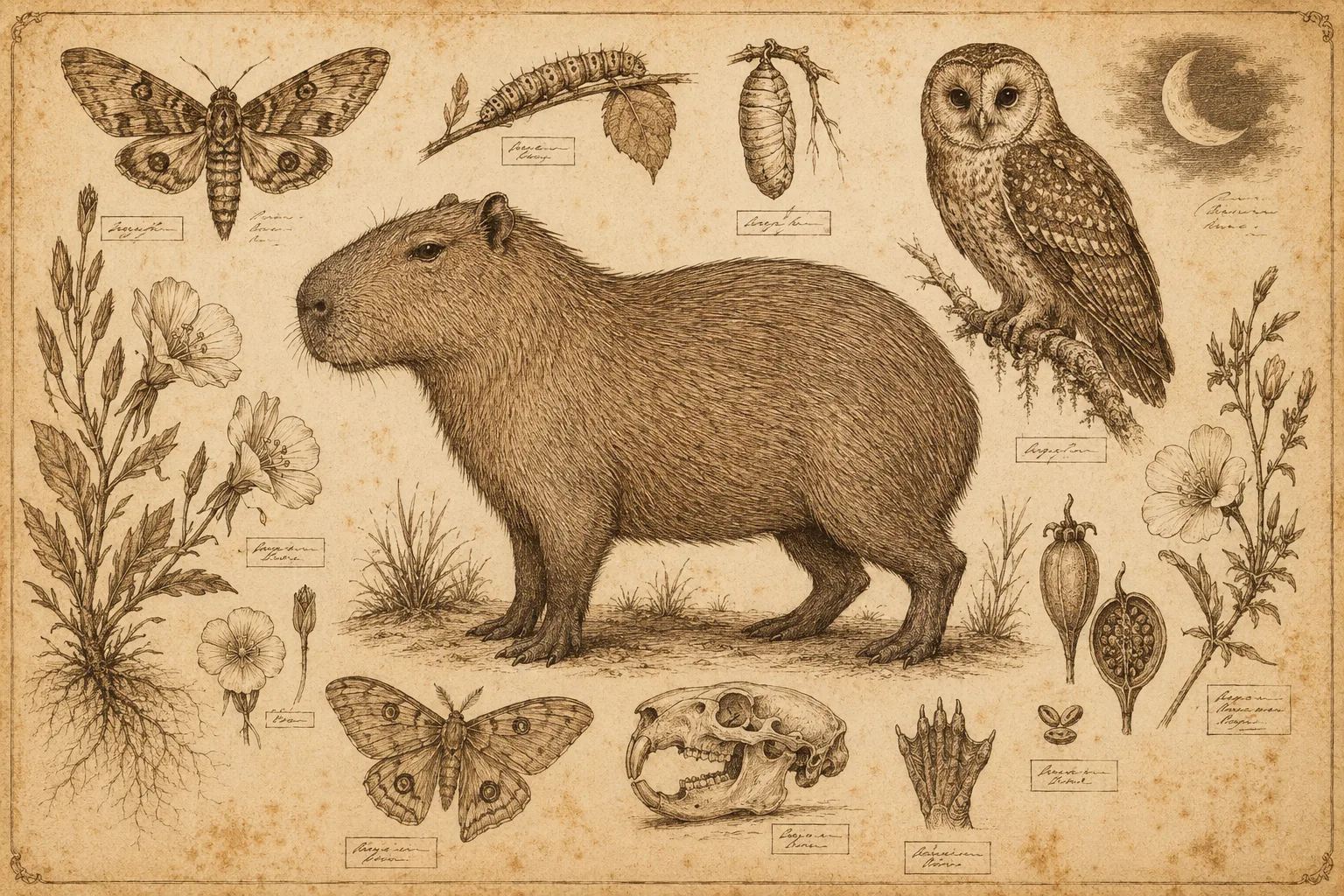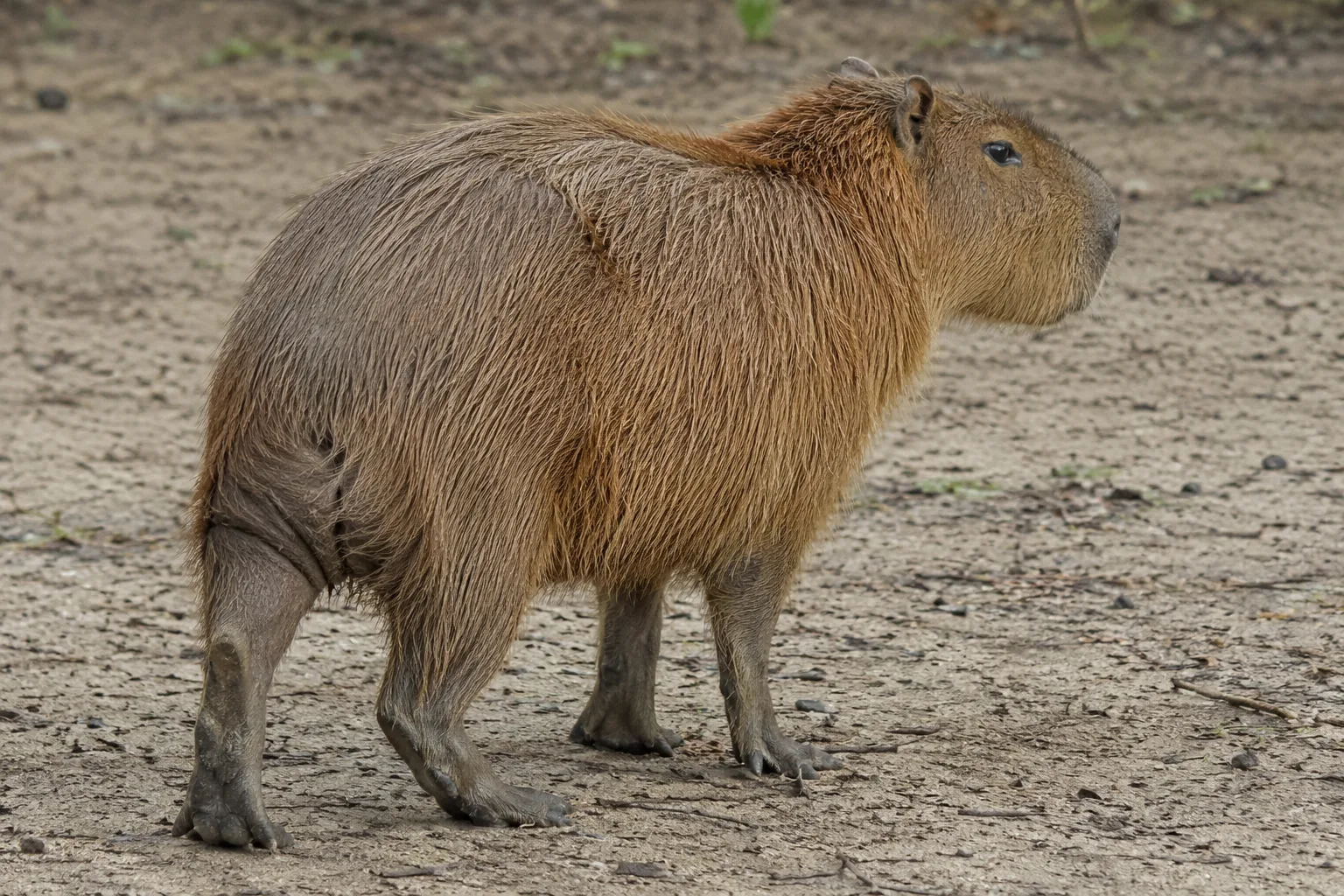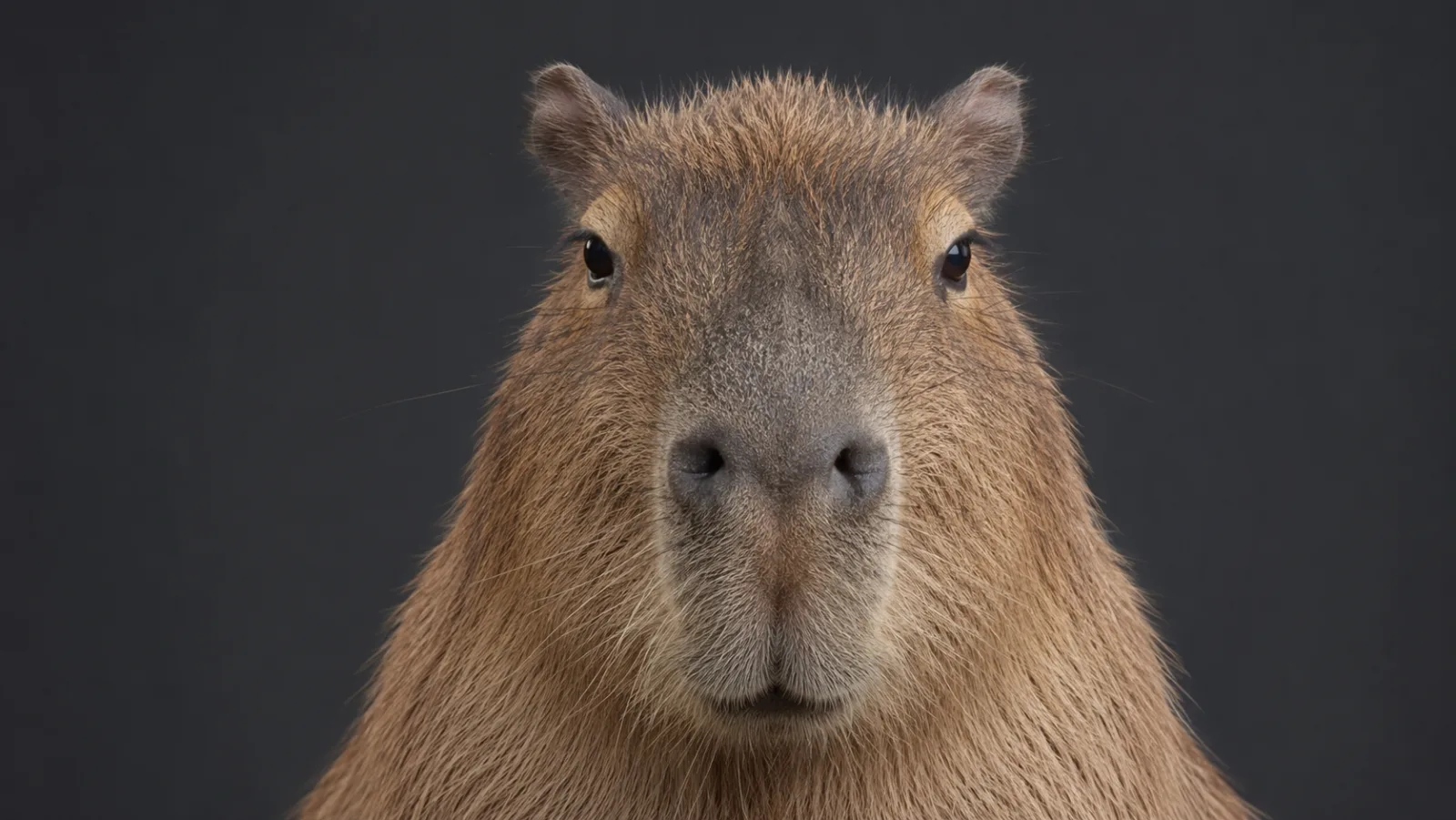
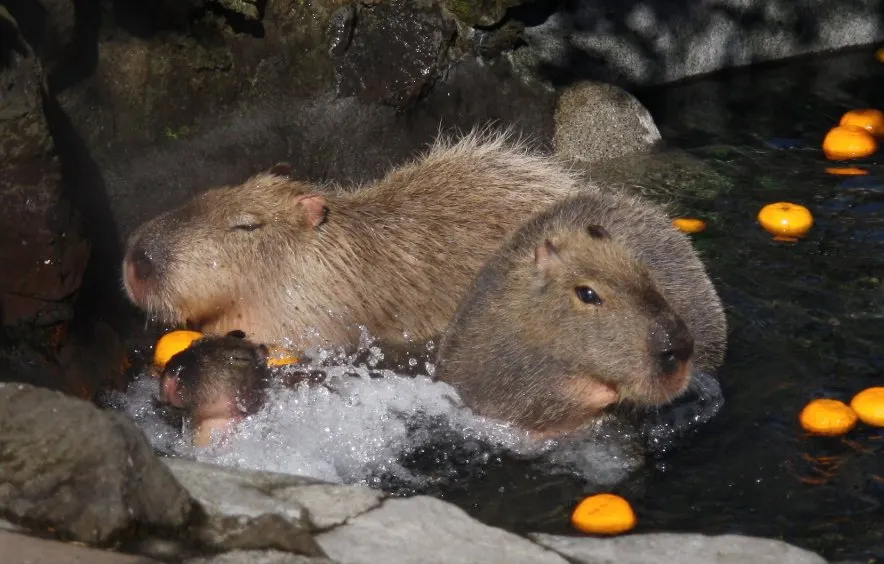
Capybara cafes in Japan are real, but the better question is not “where can I drink coffee near a capybara?” It is “where can I see capybaras without turning a wetland animal into cafe furniture?”
The short answer for travelers: Tokyo has capybara cafe options, but Japan’s strongest capybara experiences are often the zoo and park settings, especially Izu Shaboten Zoo and Nagasaki Bio Park. If you choose a cafe, check the rules with the same suspicion you would use on a hotel room described as “cozy.”
The Short Answer For Japan Capybara Fans
Cafe Capyba in Tokyo advertises a cozy cafe where capybaras roam freely inside and guests can watch, feed treats, and book online. Its reservation page says guests must be age 6 or older, children under 12 need a guardian, and reservations are accepted through the website up to two weeks ahead.
That gives you a real option. It does not automatically give you the best option.
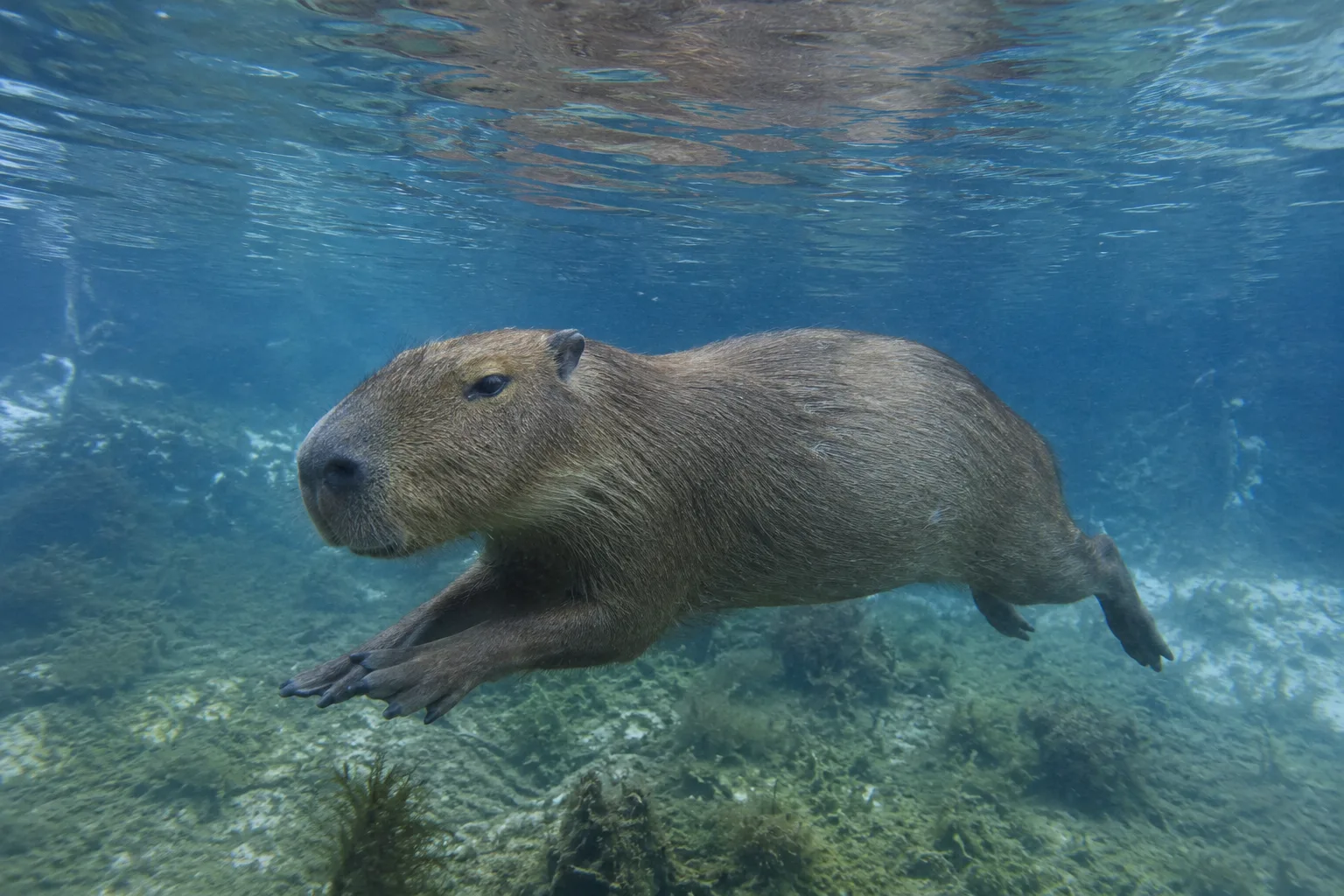
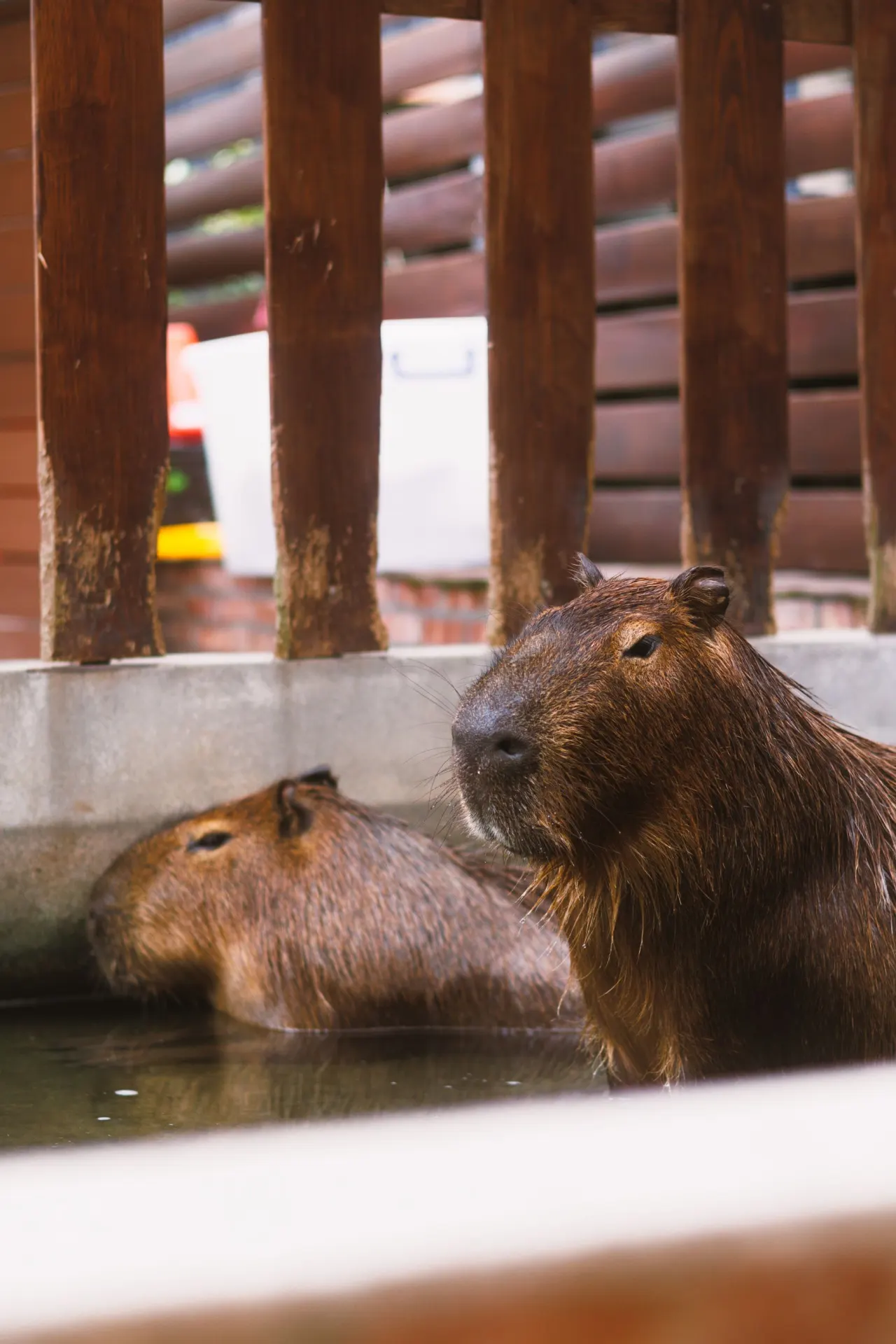
Capybaras are large, social, semi-aquatic animals. A good experience should account for water, rest, social needs, retreat space, staff supervision, and the animal’s ability to say no by walking away. If the venue’s marketing only says “cute” and never says how the capybaras rest, bathe, eat, and opt out, keep reading before you book.
The Known Capybara Stops In Japan
Izu Shaboten Zoo is the classic. Its official English page calls it the birthplace of the original capybara outdoor bath, held seasonally from November to the following April. The appeal is obvious: capybaras, warm water, winter air, and citrus. It is the visual that made the yuzu-bath myth travel halfway around the internet wearing a towel.
Nagasaki Bio Park is another heavyweight. Its English page calls the park a “Paradise of Capybara” and says about 20 capybaras live in a large field where visitors can enter, touch, and buy food to feed them. The park also advertises a capybara open-air bath, noting that capybaras are waterside animals from South America and that the winter bath is close enough for visitors to watch and sometimes touch.
Tokyo cafes are the city-friendly option, and there are far more of them than English-language coverage suggests. We count seven, and the one every Western guide names — Cafe Capyba — is the lowest rated of the set at 4.3.
The one that dominates by every measurable is Capybara Onsen Moffu in Harajuku: an indoor capybara hot spring with four residents, holding 4.9 stars across more than 4,500 reviews. That is roughly three times the review volume of the largest venue in our entire US listing. CAPPINESS runs two branches, both also on 4.9, and includes the drinks and the capybara food rather than upselling them. Capy Neko Cafe pairs capybaras with cats across two rooms and is the cheapest hour in the city at roughly ¥1,500–1,800. Capy Village in Sendagaya is the quiet one nobody writes about.
Official websites still matter more than a viral reel. But the reels are not wrong that Tokyo is the centre of this.
| Venue | Best use | Caution |
|---|---|---|
| Izu Shaboten Zoo | The original winter bath, viewing | Seasonal, roughly Nov–Apr; check dates and times |
| Nagasaki Bio Park | Large-field interaction and feeding, ~20 animals | Kyushu, a long way from the Tokyo circuit |
| Nasu Animal Kingdom | You bathe while they bathe, side by side | Winter only, and viewing rather than hands-on |
| Mother Farm | Petting plus a winter onsen, closest to Tokyo | 250 hectares — capybaras are one stop of many |
| Izu Resort Villa | Staying overnight beside a capybara habitat | It is a hotel; the entry price is a night’s stay |
| Capybara Onsen Moffu | Highest-rated cafe, indoor onsen, Harajuku | Small and busy — book through TableCheck |
| CAPPINESS | Drinks and feed included, welfare framing | Opens 15:00 at both branches, no mornings |
| Capy Neko Cafe | Cheapest hour in Tokyo, cats too | Kichijoji closes at 17:00, earliest in the city |
| Cafe Capyba | The one most English guides name | Rates lowest of Tokyo’s seven; reviews cite booking friction |
| Random social-media cafe | Only after official checks | Viral clips can hide poor conditions |
How To Judge A Capybara Cafe Without Being A Killjoy
Being ethical about animal cafes does not mean hating fun. It means asking whether the fun is being subsidized by an animal that cannot leave the room, rest properly, or avoid touch.
A 2026 paper in Animals on Japanese exotic animal cafes raised welfare concerns about close consumer interactions with exotic species. That does not make every venue equally bad, but it does make the burden of proof real. Capybaras are calm-looking prey animals; they can appear tolerant while still being managed badly.
Use this checklist:
| Welfare signal | Good sign |
|---|---|
| Animal choice | Capybaras can retreat and are not forced onto laps |
| Water access | There is meaningful bathing or soaking access, not just a dish |
| Staff control | Rules are enforced before guests get creative |
| Food policy | Outside food is banned; treats are controlled |
| Crowd size | Sessions are limited and paced |
| Rest | Animals have off-hours and no-contact space |
| Education | Staff explain species needs, not just photo angles |
The dead giveaway is pressure. If guests are nudged to touch, feed, hold, or pose no matter what the animal is doing, leave. You are not ruining the trip. You are refusing to be part of the problem with a reservation QR code.
The Better Japan Capybara Itinerary
If capybaras are the point of the trip, build the itinerary around one major zoo or park visit, then treat a cafe as optional.
Start with Izu Shaboten Zoo in winter if the bath is your dream image. Check the official seasonal dates and daily bath times. If you want a more interactive capybara-heavy day, Nagasaki Bio Park is the stronger candidate because its public materials describe a larger field and a sizable capybara group.
If you are staying in Tokyo and not travelling for this, Mother Farm across the bay in Chiba is the shortest trip that gives you both halves — petting in season and a winter onsen. And if the bath is genuinely the point, Nasu Animal Kingdom in Tochigi is the only place we know where you can sit in a hot spring of your own while watching them sit in theirs.
Every Japanese venue we can verify is listed with prices, hours and what we could not confirm in our cafes and zoos directories.
For Tokyo, use the official cafe reservation page and read the rules before you go. The age minimum, arrival time, booking window, and food rules are not fine print. They are part of how the venue controls people, which is usually the hardest animal in the room to manage.
The Practical Takeaway
Yes, you can find capybara cafes in Japan. The better capybara trip may still be a zoo or large park, especially Izu Shaboten Zoo for the seasonal bath and Nagasaki Bio Park for a capybara-centered field experience.
Check official pages close to your travel date. Schedules, bath seasons, booking windows, animal availability, and cafe rules can change. Look for water, rest, choice, group size, and clear staff control. If the experience feels like a photo machine powered by a patient rodent, choose the train ride to a better habitat instead.