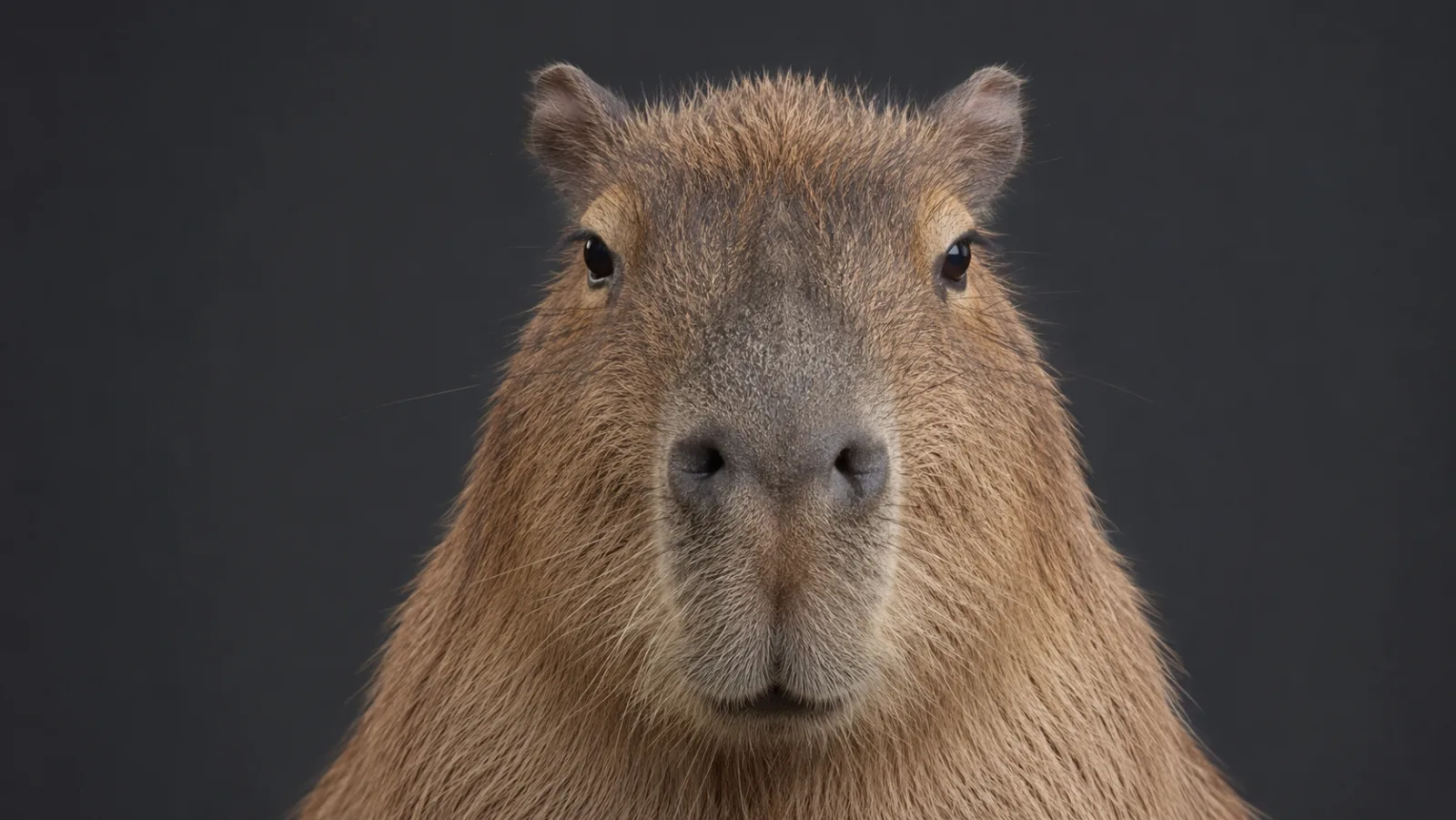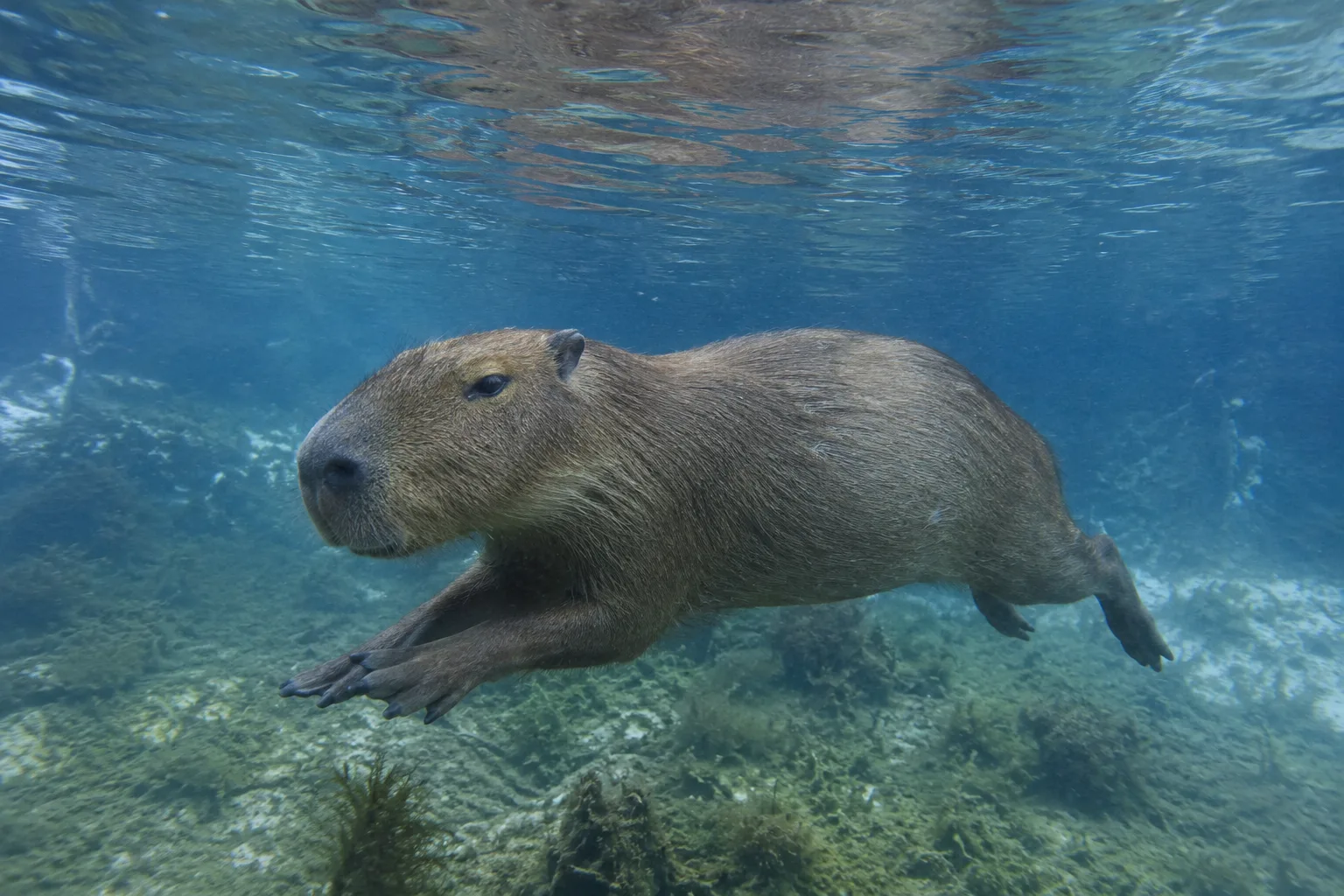
Capybara merch should pass one test: would you still like it after the meme leaves the room?
If the answer is yes, good. If the answer is “only if the shirt arrives before the trend collapses,” close the tab and drink water.
What Makes Capybara Merch Good Instead Of Loud
Good capybara merch has restraint. It knows the animal is funny without printing seven jokes on one mug. It uses a clear illustration, a decent photo, a sturdy object, or a simple line that sounds like a person wrote it.
Bad merch looks like a stolen screenshot fell into a print-on-demand machine. You know the type: blurry animal, random font, fake distress texture, and a slogan that sounds translated through a toaster.
| Good sign | Bad sign |
|---|---|
| Artist or brand credited | No creator information |
| Clear product photos | Blurry mockups only |
| One strong joke or image | Six jokes fighting each other |
| Safety info for kids’ items | No age or material details |
Plush, Prints, Stickers, Apparel, And Desk Objects
Plush is the safest emotional purchase. A capybara plush knows what it is here to do: sit there and reduce the temperature of the room by 2 percent.
Prints are better for adults who like capybaras but do not want to dress like an algorithm. Stickers work for laptops, water bottles, and low-stakes gifts. Apparel is hardest because the line between “good shirt” and “airport kiosk incident” is thin.
Desk objects are underrated: a small capybara figure, notepad, bookmark, or mug can be funny without becoming a full identity.
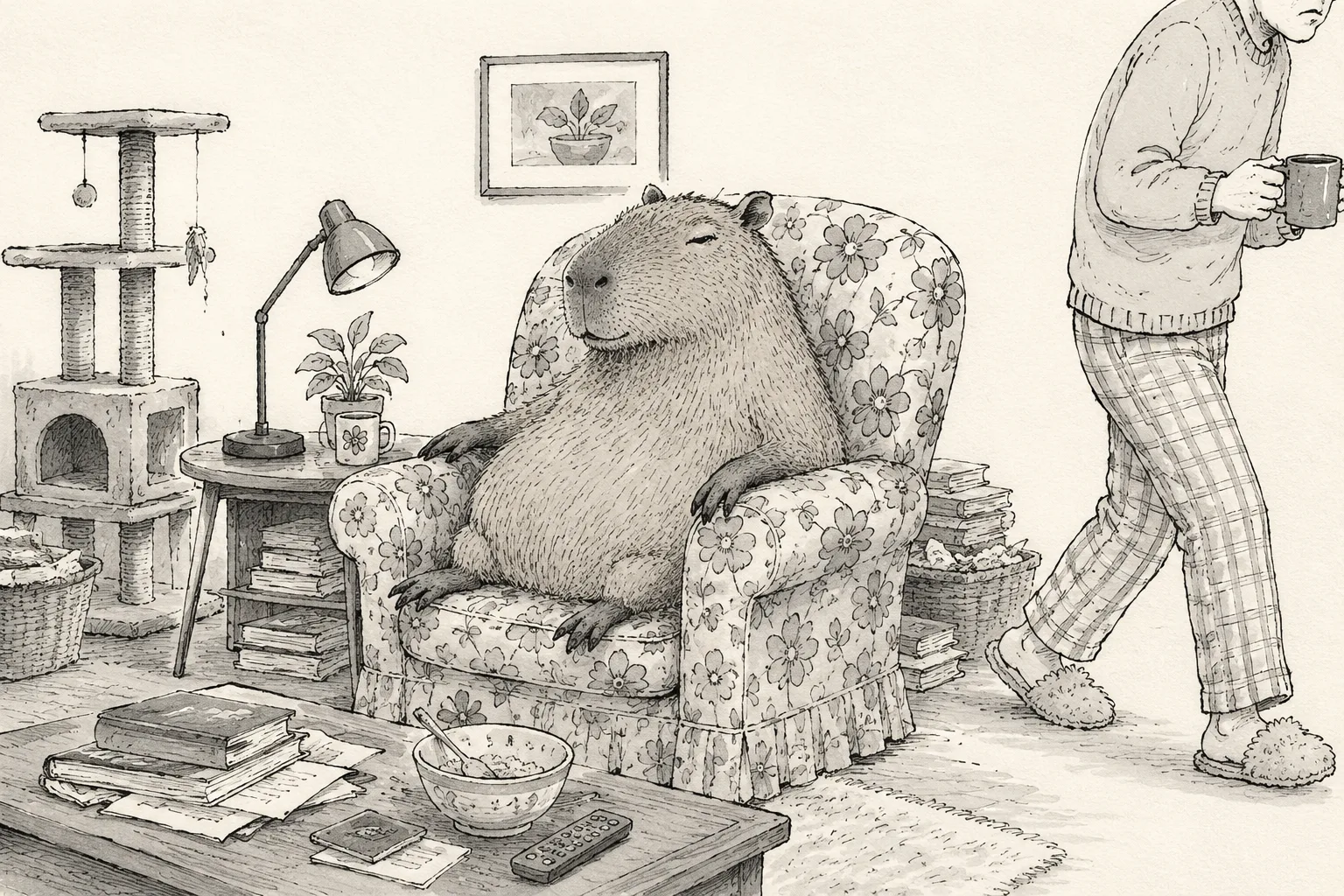
How To Avoid Stolen Art And Cheap Junk
Reverse-image search if the art looks suspicious. Check whether the shop has a consistent style. Read reviews that mention fabric, print quality, shipping, and whether the product looks like the listing.
If someone is promoting merch on social media, the FTC expects clear disclosure when there is a material connection. In normal-human terms: if the recommendation is paid or affiliate-driven, it should say so.
The bar is simple. Credit people. Do not buy stolen art with a capybara slapped on it. The capybara did not consent to becoming a bad hoodie.

What A Real Disclosure Looks Like
Half of capybara merch discovery now happens through someone recommending something, so it is worth knowing what an honest recommendation is required to look like. The standard is in the FTC’s Endorsement Guides, and it is more specific than “say it somewhere.”
16 CFR 255.0(f) defines “clear and conspicuous” as a disclosure that “is difficult to miss (i.e., easily noticeable) and easily understandable by ordinary consumers.” Then it adds the line that decides most real cases: “In any communication using an interactive electronic medium, such as social media or the internet, the disclosure should be unavoidable.”
The Guides give their own failing examples, and they are the exact things you see every day:
| What it looks like | Why 255.0(f) says it fails |
|---|---|
| Disclosure only on the profile page | People seeing the paid post “could easily miss the disclosure” |
| Disclosure behind a “more” link | The endorsement is visible without clicking; the disclosure is not, so it is “not unavoidable” |
| Small white text over a busy image for five seconds | ”Easy to miss and thus not clear and conspicuous” |
None of this makes a paid recommendation bad. A good capybara plush recommended by someone earning a commission is still a good capybara plush. It just tells you how much weight to put on the recommendation, which is the entire reason the rule exists — and a creator who hides it has told you something about the rest of their picks.
The Reverse-Image Check, In Order
“Reverse-image search it” is the advice everyone gives and nobody sequences. Here it is in the order that actually settles it, and it takes about ninety seconds.
-
Search the listing image, not the product
Drop the main photo into a reverse-image search. You are looking for an earlier appearance of the same artwork somewhere that is not a shop.
-
Count the shops
The same capybara illustration on six unrelated stores, in six different fonts, means none of them drew it.
-
Look at the edges
Cropped corners, a smudge where a signature was, or a slight blur on one side of an otherwise sharp image. Watermarks get removed clumsily because removing them well takes longer than stealing the file did.
-
Check the shop's other products
A real illustrator has a recognisable hand across their catalogue. A reseller has forty styles and no through-line.
-
If it is stolen, report rather than review-bomb
Every major marketplace has an intellectual-property reporting route, and a takedown that sticks comes from the rights holder's notice. A one-star review does nothing; a note to the artist that their work is being sold sometimes does a lot.
The honest caveat: none of this is proof. Plenty of illustrators license the same design to several shops, and plenty of capybaras simply look alike, because they are all the same barrel-shaped animal doing the same nothing. The check tells you where to look harder, not what the verdict is.
Gifts For Adults Vs Kids
For adults, go smaller and better: prints, mugs, pins, embroidered patches, tasteful shirts, desk items. For kids, use age-appropriate plush, coloring pages, books, stickers, and simple activity kits. The CPSC’s toy safety guidance is worth remembering when tiny accessories and young children are involved.
| Recipient | Better choice |
|---|---|
| Adult fan | Print, mug, patch, small desk figure |
| Kid | Plush, coloring pages, stickers, book |
| Office friend | Subtle desk item |
| Hardcore meme person | One joke item, not a whole costume |
Respectful Designs Age Better
The best capybara merch keeps the animal intact. It can be funny, but it should not push unsafe pet fantasies, forced contact, or “friendly with everyone” myths that flatten the real species.
Buy the thing with a clean idea, decent material, and a little dignity. The capybara has enough going on.