Legasea Aquarium’s new additions
The Legasea Aquarium in Utica has added a few new faces to its already diverse collection, aiming to draw in visitors with a growing interest in unusual animals. As reported by ClickOnDetroit, the aquarium has introduced capybaras to its exhibits. This move is part of an ongoing expansion that saw the Reptarium transform into a multi-environment attraction last year.
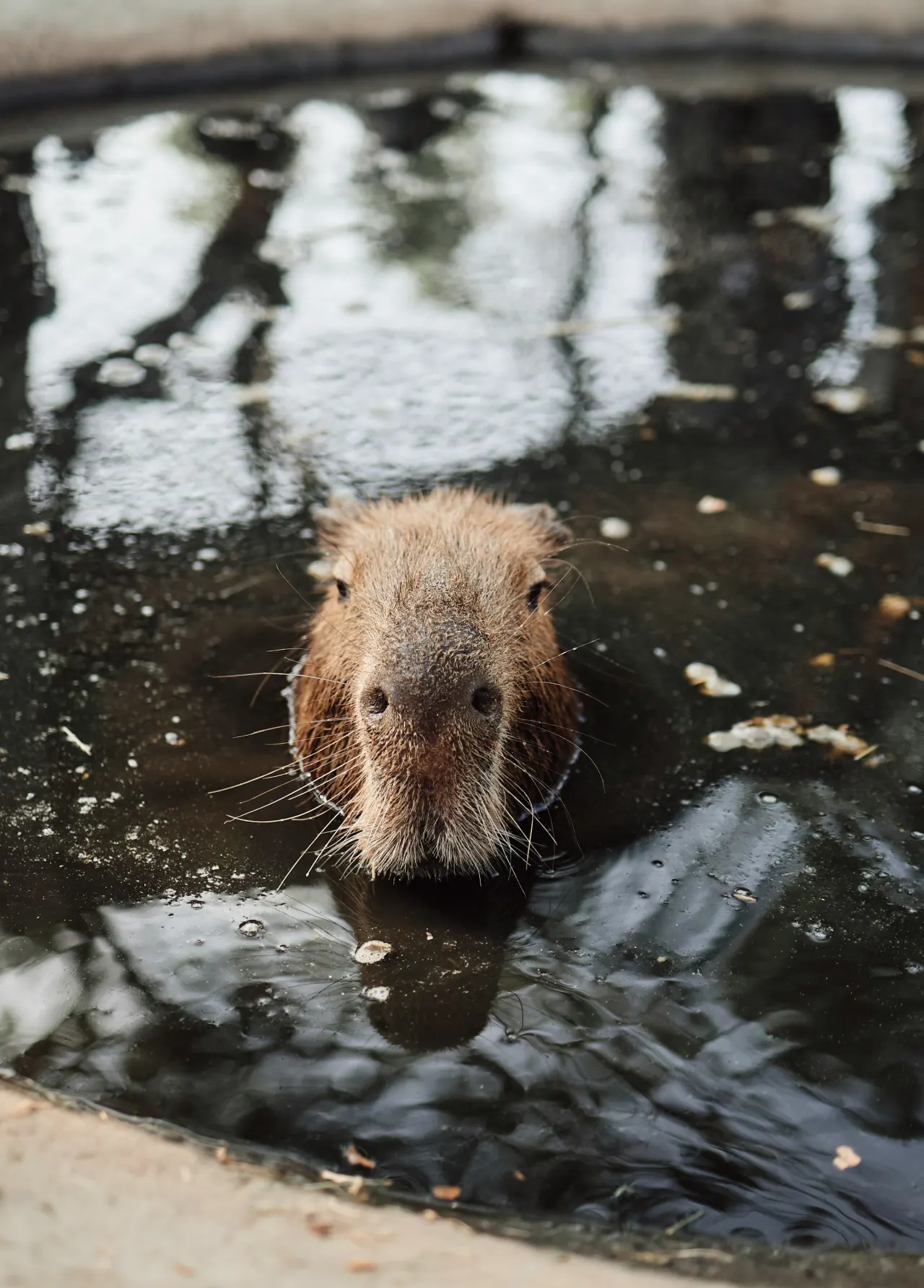
Capybaras are not just any rodents; they hold the title of the largest in the world. This detail often surprises those who mistakenly associate them more closely with rats due to their rodent classification. However, capybaras are semi-aquatic, much like beavers, and are more akin to these industrious dam-builders than to the rats that scurry through urban alleyways.
A social affair
The introduction of capybaras to Legasea Aquarium was a strategic choice. These animals are known for their highly social nature. In the wild, they thrive in herds and often congregate around water bodies like lakes, rivers, and wetlands in their native South America. The aquarium’s environment is designed to mimic these natural conditions, ensuring these new residents feel right at home.
Jay Tingle, along with Melisa and A.J. Sweet from the aquarium, appeared on Local 4 Live to discuss their newest residents. They emphasized that the capybaras’ social behavior would not only be a draw for visitors but also an educational opportunity to learn about the dynamics of herd animals.
Capybara misconceptions
Capybaras often suffer from identity confusion. One common misconception is that they are closely related to rats. While they share the rodent classification, their semi-aquatic lifestyle and physical adaptations align them more with creatures like beavers. Their webbed feet and affinity for water highlight their unique ecological niche.
Moreover, their scientific name, “Hydrochoerus hydrochaeris,” quite literally translates to “water pig,” reflecting their strong association with aquatic habitats. This is a reminder that scientific names, while often overlooked, can offer insight into an animal’s lifestyle and characteristics.
Interactive experiences
The Legasea Aquarium offers interactive experiences, allowing visitors to engage directly with these intriguing animals. This hands-on approach is not new to the aquarium but is particularly fitting for capybaras, given their gentle and curious nature. Interacting with capybaras could dispel many myths and misconceptions visitors might hold, fostering a better understanding of these creatures.
The addition of capybaras is part of a broader trend in zoos and aquariums to include more interactive exhibits. This strategy aims to educate and engage the public, making learning about wildlife both fun and informative.
The Grumpy Capy take
So, Utica’s Legasea Aquarium has decided to make a splash with capybaras. Let’s not get too carried away with the excitement. Yes, capybaras are large and undeniably charming, but the real story here is about the aquarium’s expansion strategy and its bid to draw more visitors.
It’s worth mentioning the slightly tired trope of “water pig” as if it’s some revelatory insight. We get it—they like water. But here’s the truth: the real magic of capybaras lies in their social dynamics, not their aquatic habits. If the aquarium plays its cards right, it might just educate visitors on what truly makes these animals fascinating.
As a transparency note, the coverage from ClickOnDetroit was the sole source for this article, and it leaned heavily on promotional content. Take that as you will.