The short answer
Yes, capybaras have been seen running loose in Texas. No, that does not mean Texas has wild capybaras in the way it has wild hogs or nutria.
The distinction is the entire subject. A sighting is one animal, once, in one place. A population is animals breeding and persisting without new escapes topping them up. Texas has produced the first repeatedly. Nobody has documented the second.
That is not a technicality invented to be boring. It changes who you call, whether the animal needs rescuing, and whether anything about the local ecosystem is actually changing.
Where sightings have happened
The sightings that hold up are in South Texas, near water.
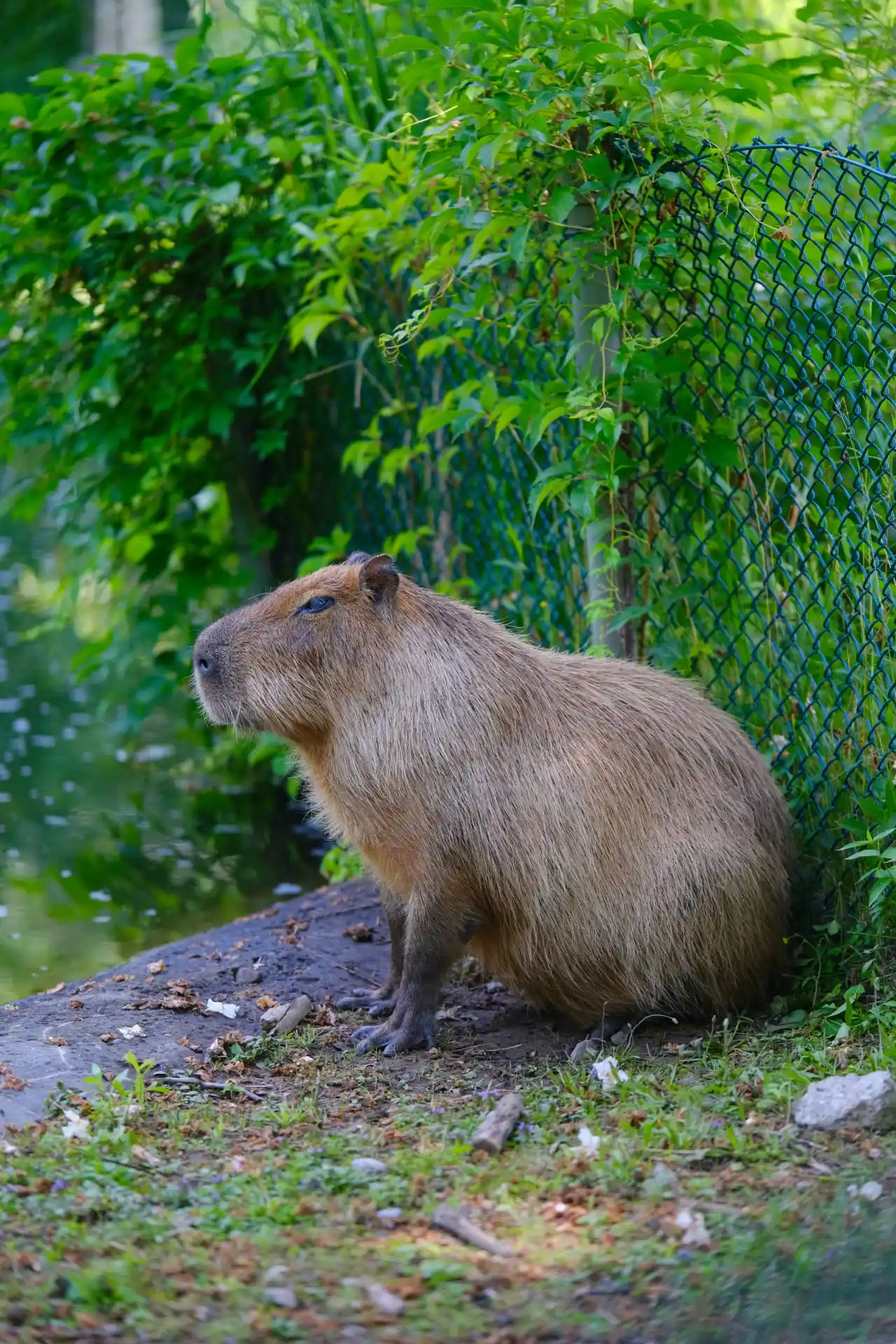
The best-documented recent case was in Mission, in the Rio Grande Valley, on 17 June 2026. A local runner, Javier Romero, filmed a capybara at around ten feet on a nature trail south of Interstate 2, near an irrigation canal, at dawn. He described it without hedging as a textbook capybara, and he was in a position to know the difference — he runs that trail several times a week and has met bobcats on it. He reported the sighting to a wildlife and exotic animal specialist.
Older Texas sightings circulate widely online, including one placed on the San Antonio River in 2017. We have not been able to confirm that one from a primary source or from contemporaneous local reporting, and the sites repeating it do not cite one either. It is listed here as unverified rather than dropped, because it is the claim you will meet most often if you go looking.
That is the honest state of the record: one recent, well-attested individual, and a longer tail of accounts that nobody has pinned down.
Escaped pet or swam across?
Two explanations get offered. They are not equally likely.
Escaped or released captive animal. This is the strong candidate, and Texas law is the reason. Texas Parks and Wildlife does not require a state permit to keep a capybara — the restrictions that exist are municipal and county-level, and they vary enormously. A state where a large semi-aquatic rodent can be bought and kept with no state-level paperwork is a state that will occasionally lose one.
Natural range expansion across the Rio Grande. This gets raised because capybaras are genuinely strong swimmers and a river is no obstacle to them. But the northern edge of the capybara’s natural range is in Panama, not northern Mexico. An animal would have to cross most of Central America and all of Mexico before the Rio Grande became the relevant barrier. The swimming is the easy part and the least important part.
There is a third possibility that gets mentioned less and deserves to: an animal from a private collection or roadside attraction that was never reported missing.
Is there a population?
No confirmed one, and the reason is worth understanding because it is not simply “Texas is too cold.”
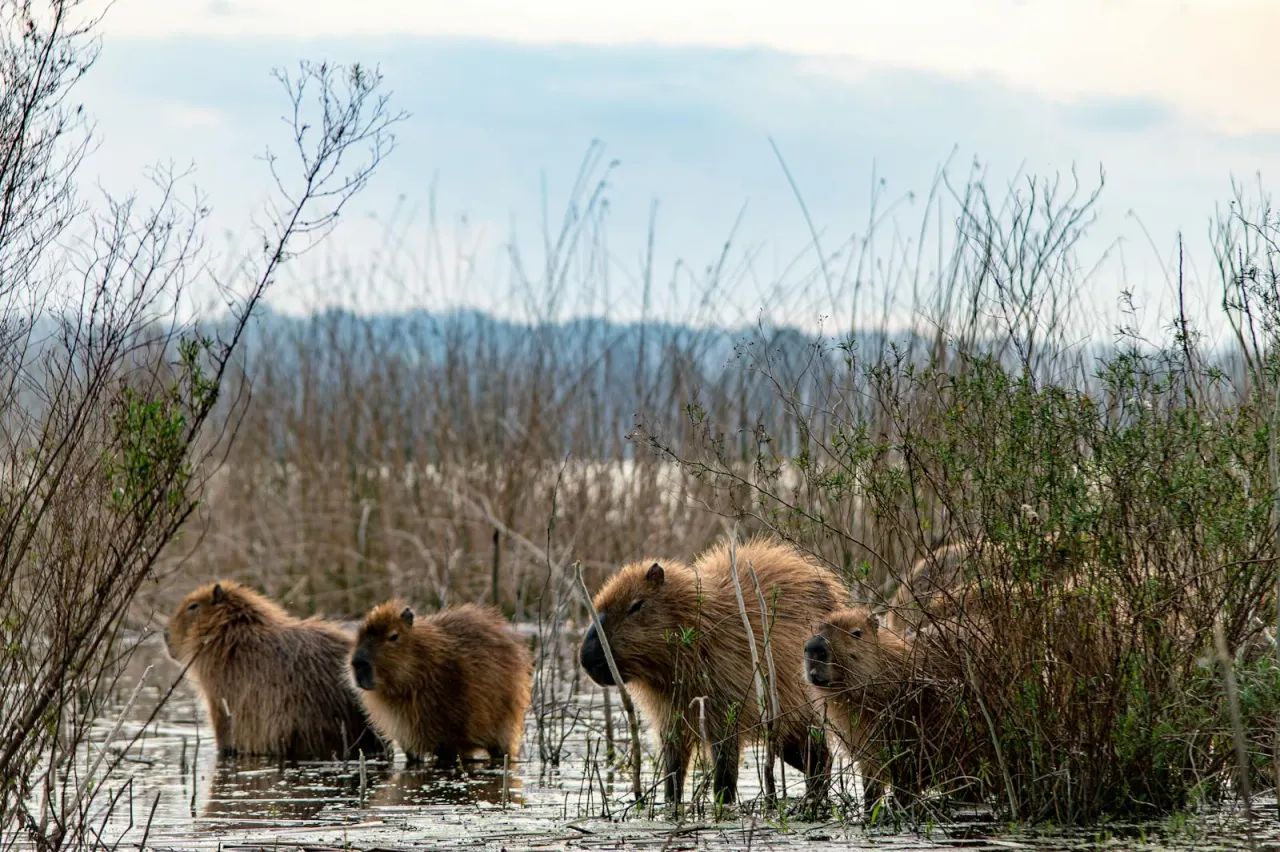
Parts of South Texas match capybara requirements well. Warm, wet, vegetated, with permanent water for thermoregulation — capybaras have very few sweat glands and need water to manage heat, which is precisely why the sightings cluster near canals and rivers rather than in open country.
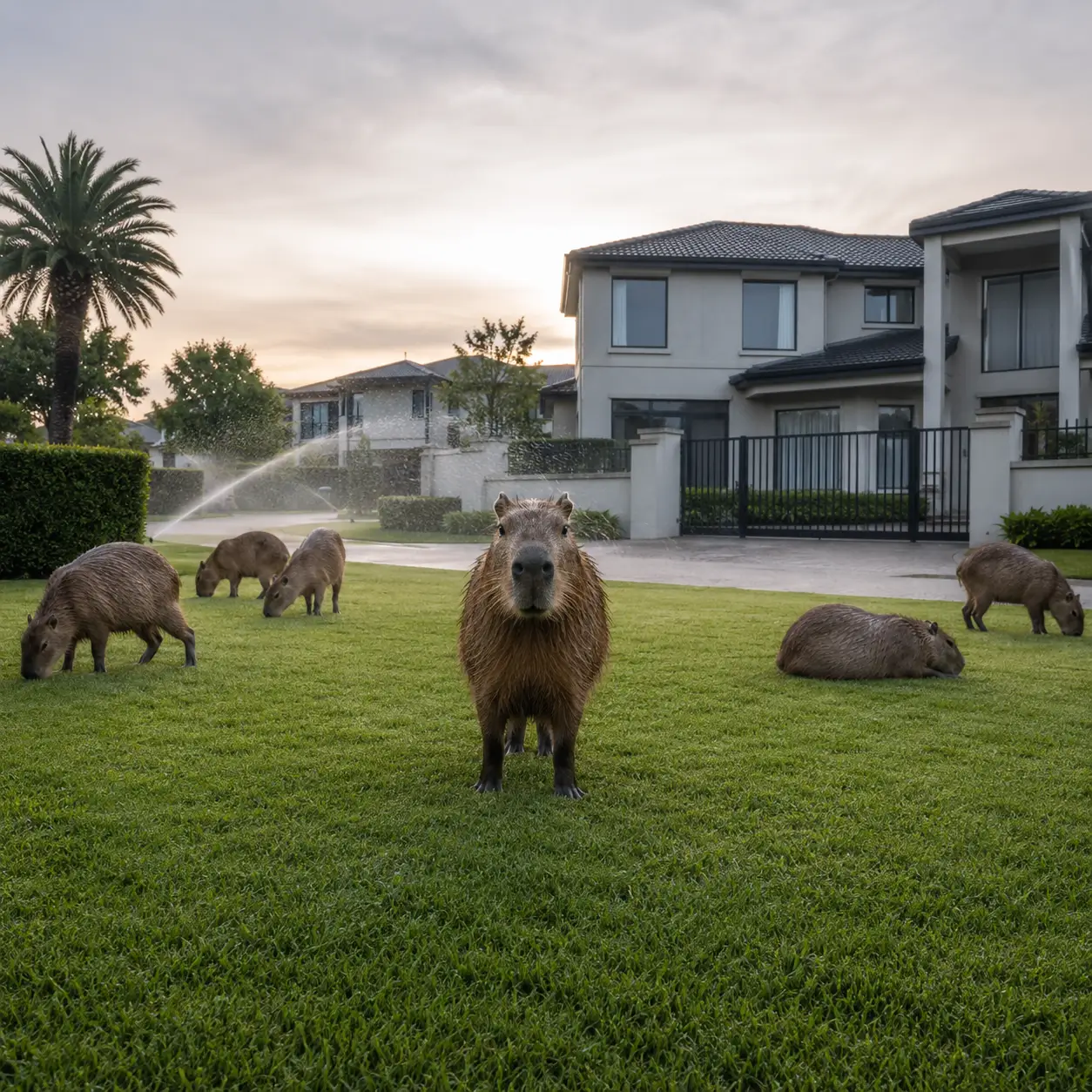
What is missing is the second half. Capybaras are intensely social, living in groups of roughly ten to twenty in the wild. A single loose individual is not the beginning of a population; it is an animal in a bad situation. Establishment would require multiple animals of both sexes in the same place at the same time, surviving and breeding. Nothing in the Texas record demonstrates that.
Florida is the useful comparison, and it is instructive because Florida takes the question seriously enough to have studied it. Florida has more records than Texas, an existing research literature on the question, and still has no settled conclusion about an established population. If the state with the most data and the warmest, wettest habitat has not confirmed one, a handful of Texas sightings certainly has not.
Why Texas produces these sightings
Three things compound.
The permitting gap means more capybaras in private hands than in states that require a licence. The habitat means an escaped animal near water in South Texas does not immediately die, so it stays visible long enough to be filmed. And the border proximity supplies a ready-made explanation that keeps the natural-crossing theory alive well past the point the range map supports it.
Add a fourth, which is about people rather than animals: capybaras are currently famous. A loose nutria in 2010 was a loose rodent. A loose capybara in 2026 is a story, so it gets filmed, posted and picked up. Some of the apparent increase in sightings is an increase in reporting.
What to do if you see one
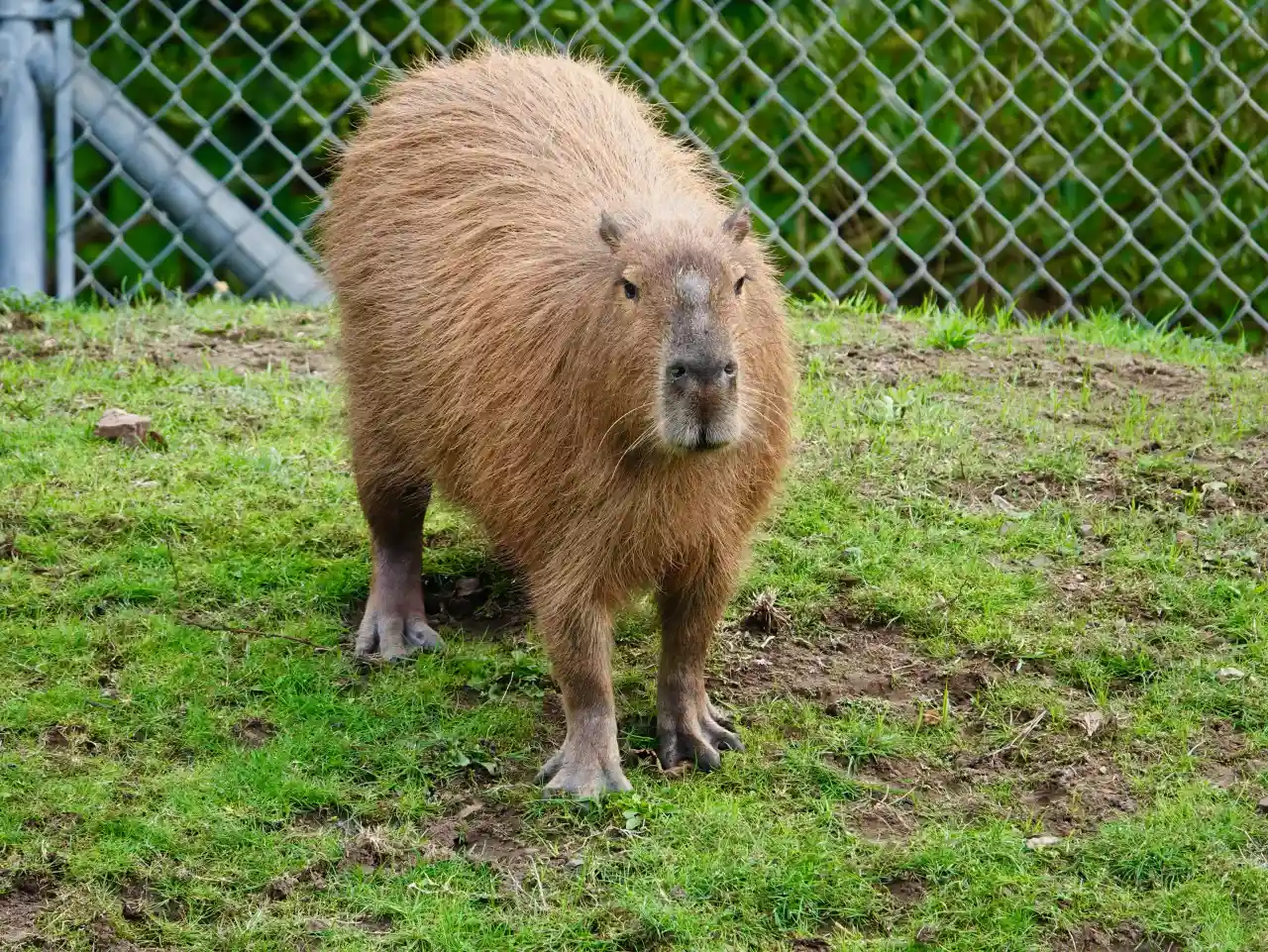
Do not approach it, and do not try to catch it. An adult capybara weighs 35 to 65 kilograms and has continuously growing incisors. They are not aggressive by disposition, but a cornered one can inflict a serious bite, and a chased one will head for water where you should not follow.
Report it. Texas Parks and Wildlife is the right authority for nonnative wildlife; a licensed wildlife rehabilitator is the right call if the animal appears injured or distressed. A photograph with a date and a general location is far more useful to them than a precise description from memory.
Do not post the exact location publicly. This is not caution for its own sake. When Romero posted his video in June 2026, the replies included people asking where to find the animal in order to capture it, and others joking — not entirely convincingly — about making boots from its hide. He withheld the location deliberately, and he was right to. Report the specifics privately to people with a legal reason to know them; keep them out of the comments.
Go to a zoo or a licensed encounter venue. A free-roaming capybara in Texas is a rare, unpredictable, and usually lost animal — it is not a wildlife-viewing plan, and treating it as one is how the animal ends up harassed.