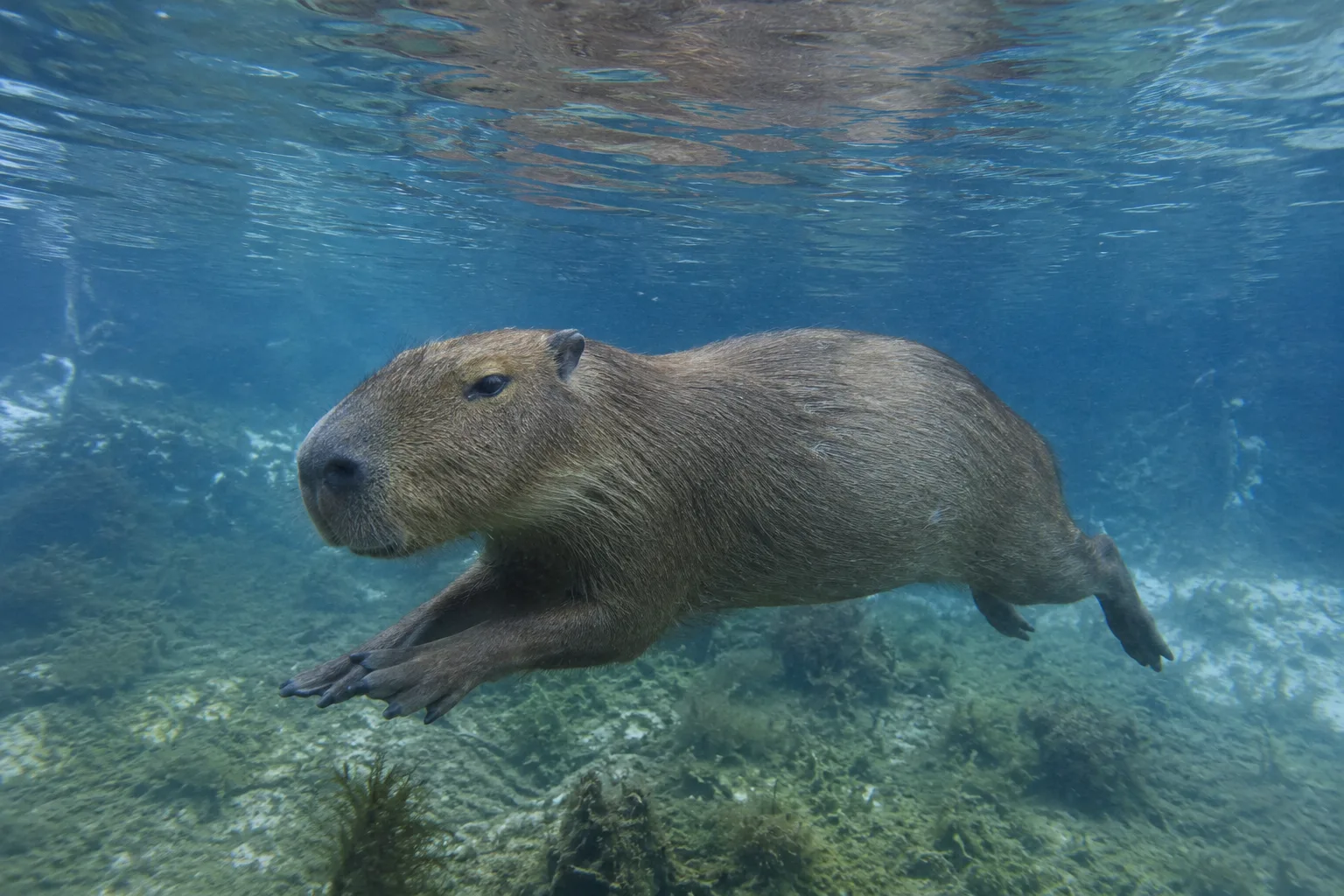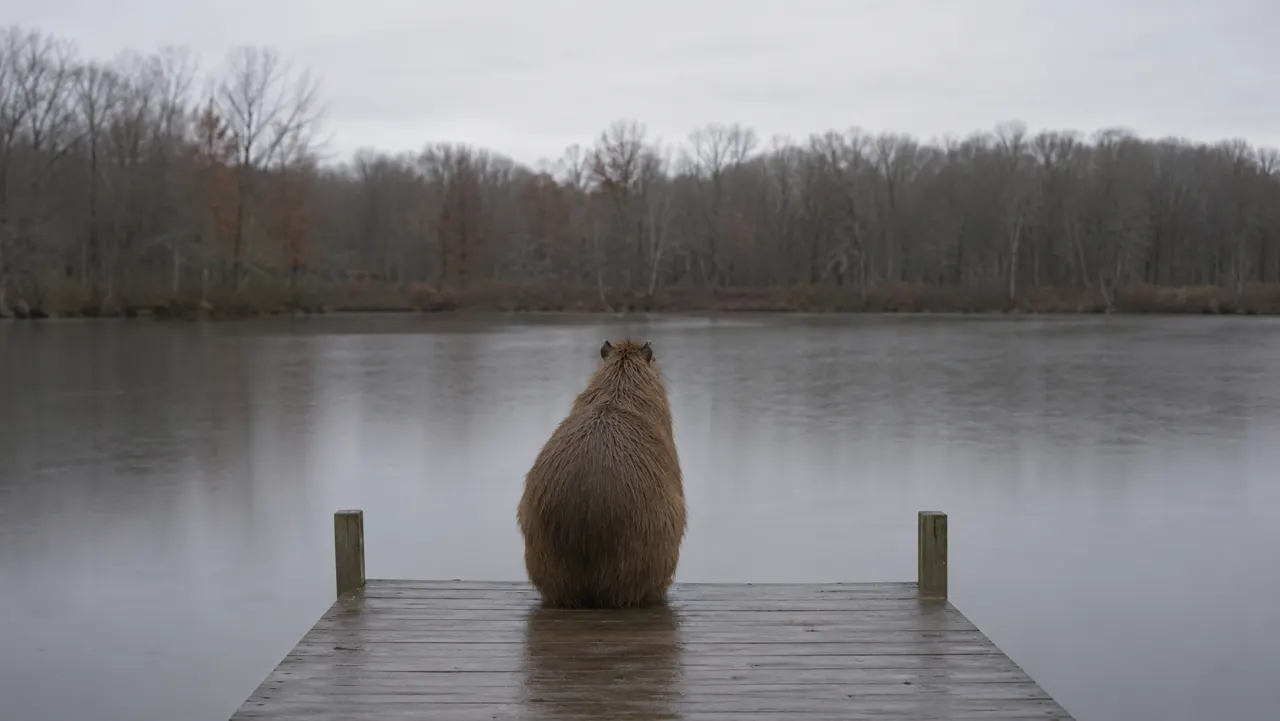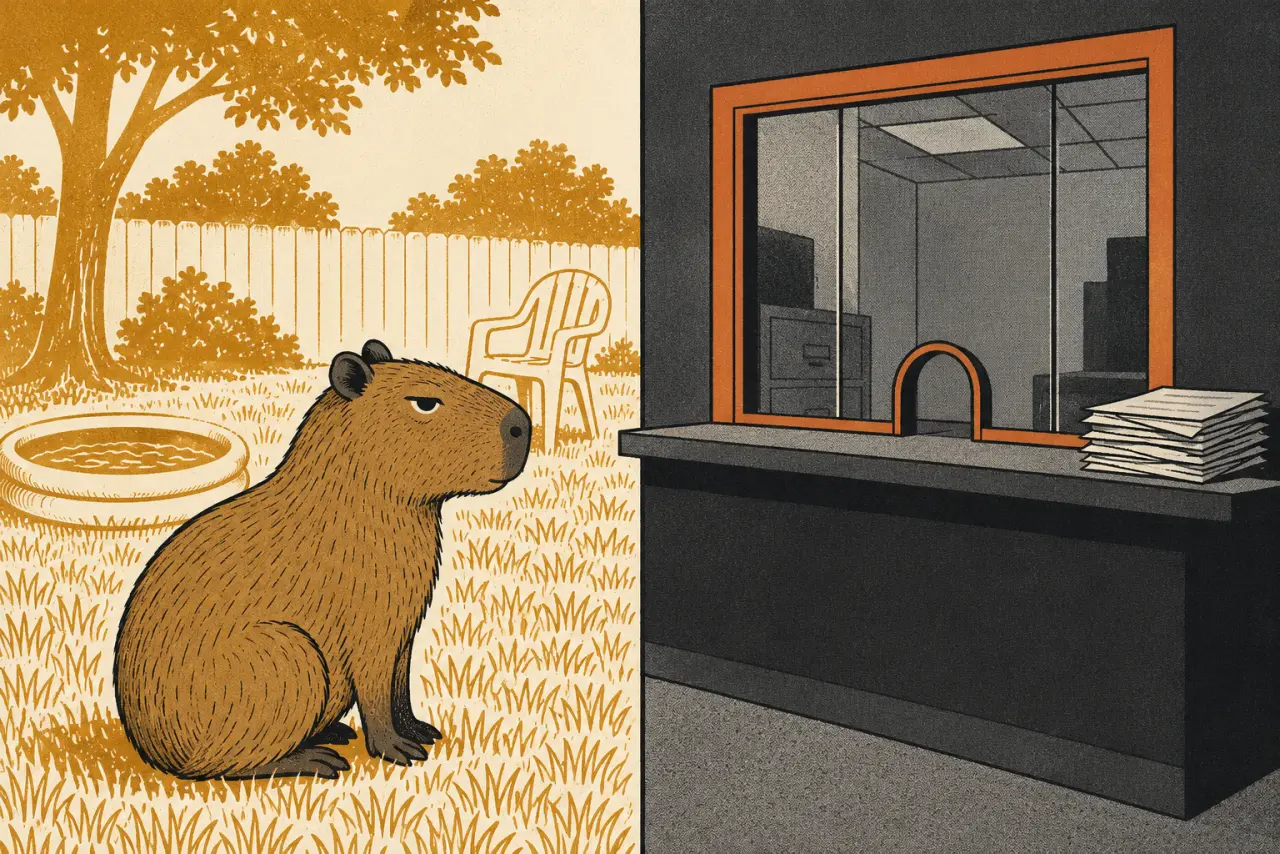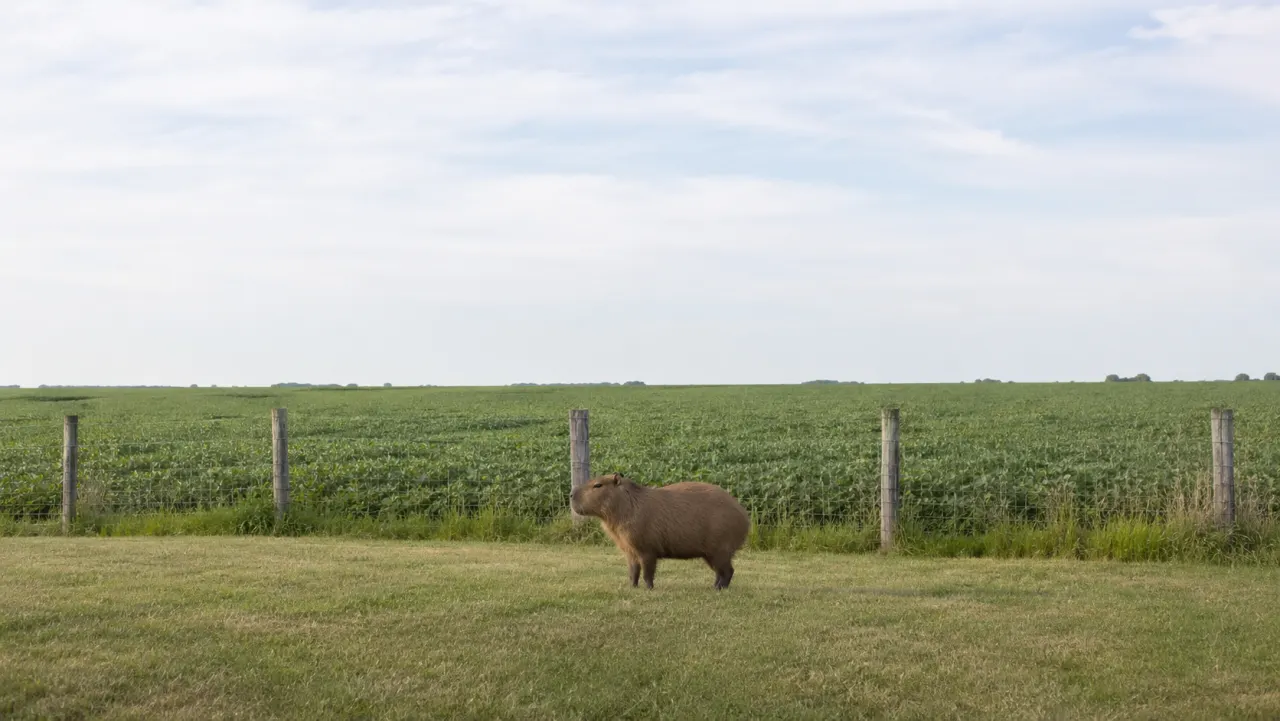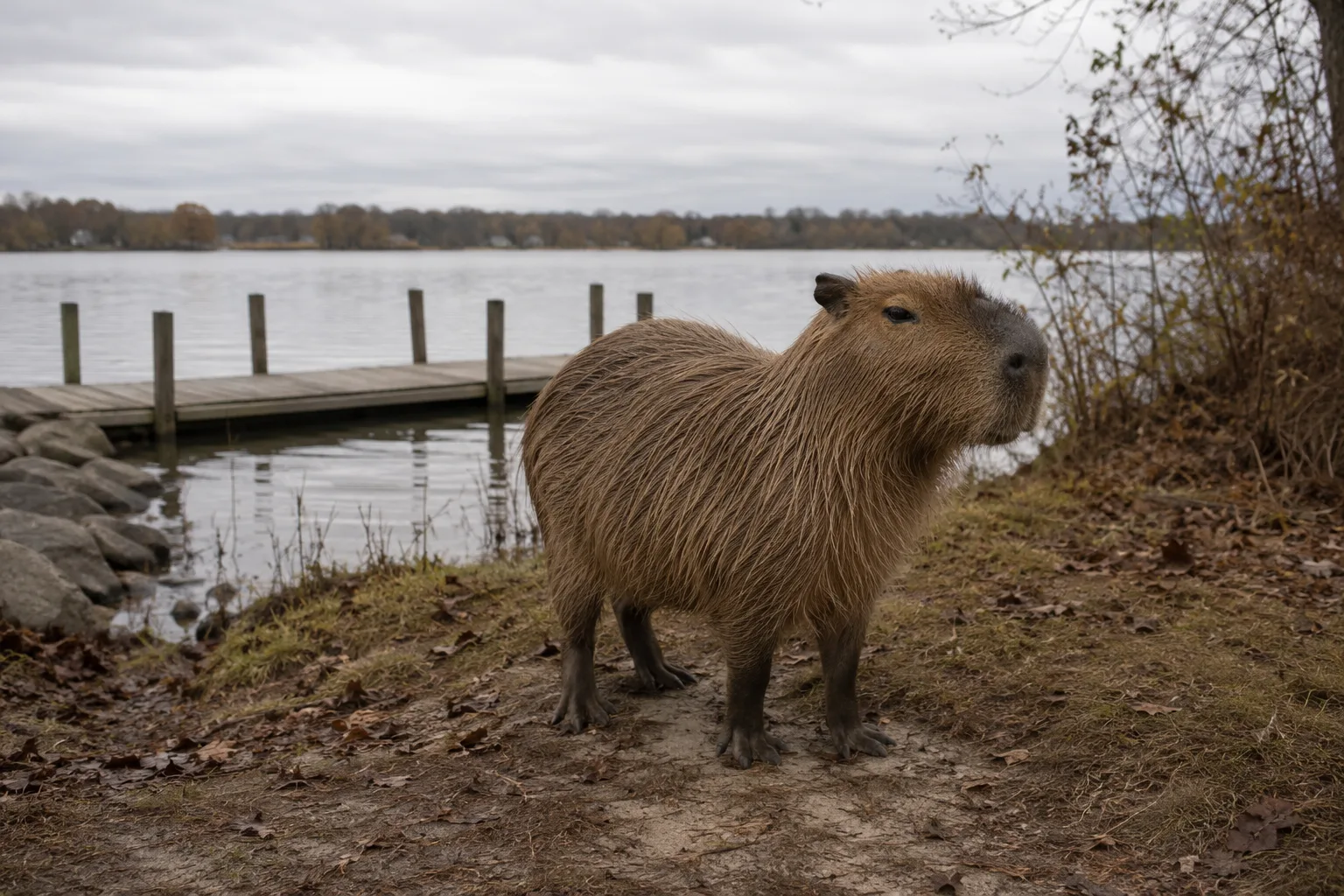
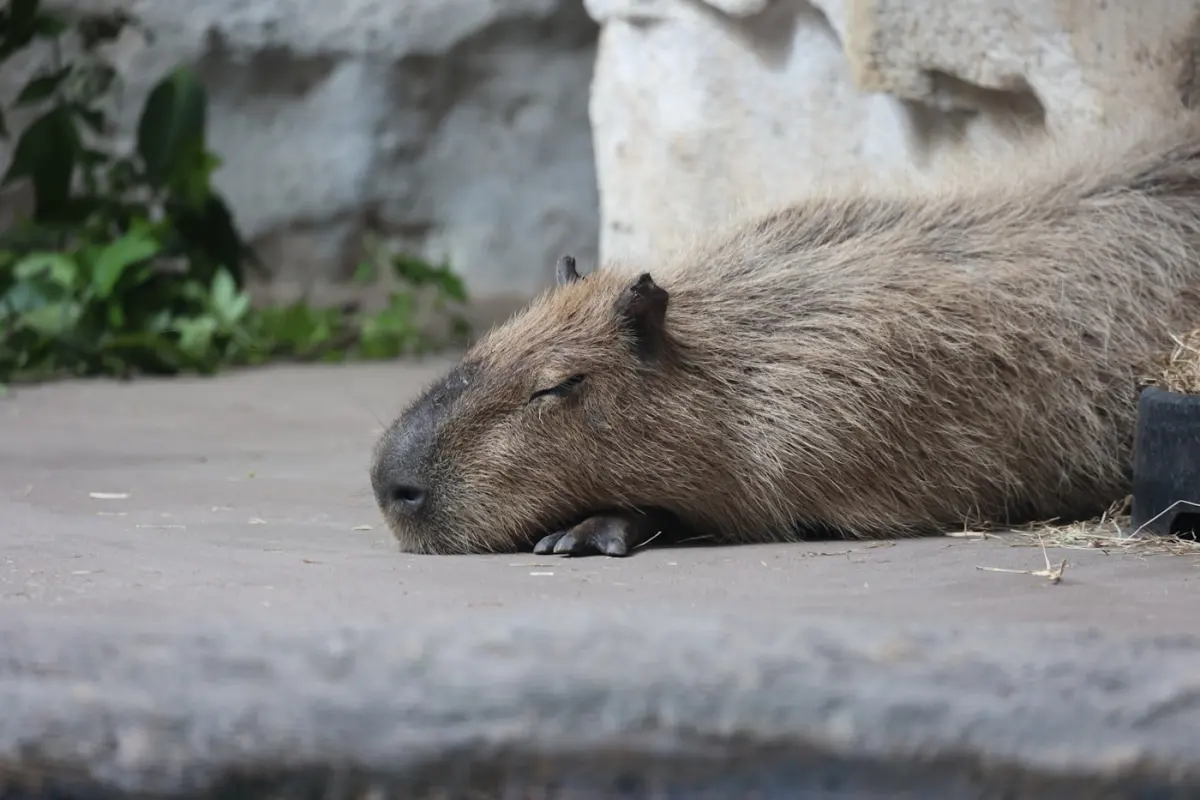
Capybaras look like they have discovered the secret to long life: eat grass, sit near water, ignore drama, become furniture with a pulse.
Fair. the method has promise.
But capybara lifespan is less mystical than the memes suggest. It depends heavily on whether the capybara is living in the wild, where jaguars and anacondas are not reading the friendship discourse, or in expert care, where food, veterinary support, and predator-free naps change the math.
Most sources place capybara lifespan around 6 years on average in the wild, up to about 10 years in the wild, and up to about 12 years in expert care.
The Quick Answer
Animal Diversity Web gives the cleanest baseline: capybaras live about 6 years on average in the wild, can reach 10 years in the wild, and may live up to 12 years in captivity.
San Diego Zoo Wildlife Alliance lists a similar split: up to 12 years in expert care and up to 10 years in the wilderness.
So if someone asks how long capybaras live, the honest answer is: usually not as long as the internet wants, but longer when care is excellent and predators are not part of the daily calendar.
Wild Vs Zoo Lifespan
The wild is not a wellness retreat. It is beautiful, complex, and occasionally trying to eat you.
In the wild, capybaras deal with predation, injury, disease, parasites, seasonal food changes, hunting pressure, heat stress, drought, flooding, and social competition. Animal Diversity Web notes that group life is extremely important for survival and that solitary capybaras are seldom found.
In good zoo care, many of those risks are reduced. Predators are absent. Food is planned. Veterinary staff can treat injuries and monitor body condition. Water, shelter, diet, and social grouping are managed instead of left to whatever the dry season feels like doing.
Zoo life does not make an animal immortal. It removes a lot of the ways nature casually says “not.”
Capybara lifespan, wild vs expert care
| Setting | Commonly Cited Lifespan | Why The Number Changes |
|---|---|---|
| Wild average | About 6 years | Predators, disease, injury, hunting, seasonal stress, and social pressure shorten many lives. |
| Wild upper range | Up to about 10 years | Some individuals survive longer when habitat, group protection, food, and luck line up. |
| Expert care | Up to about 12 years | Professional diet, veterinary care, safe water access, shelter, and predator-free management help. |
| Private ownership | Highly variable | Care quality varies wildly; legality does not equal welfare or lifespan. |
Why Wild Capybaras Often Live Shorter Lives
Capybaras are large, social, and impressively calm. They are also prey.
San Diego Zoo says young capybaras can fall victim to caimans, ocelots, harpy eagles, and anacondas, while adult capybaras have the jaguar as a main natural predator. Britannica also notes that capybaras enter water to elude predators such as jaguars and anacondas.
That explains a lot about their lifestyle. The water is not scenic. The group is not just social media potential. It is survival equipment.
A capybara group is basically a neighborhood watch program with webbed feet.

Humans also matter. Animal Diversity Web notes that some local populations decline due to over-hunting, even though the species is widely listed as Least Concern. San Diego Zoo also mentions deforestation, habitat destruction, illegal poaching, and hunting in parts of the capybara’s range.
The San Diego Zoo Wildlife Alliance Library’s population fact sheet adds a very specific hunting note: larger and older individuals can be removed from populations, including large males and pregnant females. The IUCN Red List still treats the species as Least Concern overall, but “Least Concern” is not the same as “nothing bad happens to individuals.”
Animal Diversity Web’s jaguar and green anaconda accounts also list capybaras among prey. Again, nature is not anti-capybara. Nature is just aggressively unbranded.
So the lifespan question is really a habitat question wearing a birthday hat.
Why Capybaras Can Live Longer In Expert Care
Good zoos are boring in the best way. They turn emergencies into checklists.
The AZA Capybara Care Manual lays out professional expectations around veterinary care, nutrition, enclosure design, behavior, reproduction, records, and animal management. That is not glamorous, but it is exactly the sort of unromantic infrastructure that helps animals live longer.
San Diego Zoo describes a planned diet that includes low-starch, high-fiber biscuits, vegetables, greens, and Bermuda grass hay. That matters because capybaras are grazing herbivores built for fiber, not snack-table chaos.
Veterinary care matters too. A wound, dental issue, parasite load, or weight problem that could quietly become serious in the wild can be noticed and handled in expert care.
Longer lifespan in zoos is usually not because capybaras are “happier in cages.” It is because expert care removes predators, stabilizes food, and catches problems earlier.
Capybara Life Stages
Capybaras grow up fast. San Diego Zoo lists maturity at about 15 months old, with gestation around 5 to 6 months and litters often averaging about 5 pups.
Young capybaras are born relatively capable. Animal Diversity Web describes capybara young as precocial, which means they are comparatively developed at birth. This is useful when your childhood neighborhood includes caimans and nobody has baby gates.

Capybara life stages in plain English
| Stage | Approximate Timing | What Matters Most |
|---|---|---|
| Newborn | Birth to first weeks | Warmth, nursing, group protection, and not becoming someone’s snack. |
| Juvenile | First year | Growth, grazing practice, learning group cues, and staying close to safer adults. |
| Sexual maturity | About 15 months | Social rank, breeding behavior, and group dynamics start to matter more. |
| Adult | Roughly 2+ years | Food, water, health, social position, predator avoidance, and reproduction. |
| Older adult | Later years, especially in expert care | Dental monitoring, body condition, mobility, social comfort, and veterinary support. |
What Affects A Capybara’s Lifespan?
Five things do a lot of work: water, diet, group life, predator pressure, and care quality.
Water is basic capybara infrastructure. San Diego Zoo says standing water is part of their lifestyle, while Animal Diversity Web describes wallowing sites as part of group territories. Without water, capybara life gets worse fast.
Diet is the slow boring hero. Fiber-heavy grazing keeps the system moving. Poor diet in captivity can create health problems that the capybara will not explain, because capybaras are famously bad at sending emails.
Group life is survival. Animal Diversity Web says solitary capybaras are seldom found and that individuals excluded from groups lose access to grazing habitat and mating opportunities.
Predator pressure is the wild-card nobody wants at the table.
And care quality is the captive-life divider. A reputable zoo with trained staff is not the same thing as a backyard setup with a kiddie pool and confidence.
Do Pet Capybaras Live Longer?
Maybe. Maybe not. This is where the internet gets too optimistic and the capybara sighs.
A privately owned capybara might avoid predators, but that does not automatically mean good welfare. Capybaras need space, social housing, water access, correct diet, shelter, and exotic-animal veterinary care. They are not giant guinea pigs with a pool subscription.
The AZA manual exists because professional capybara care is complicated. If a private setup lacks social companions, proper water, high-fiber diet, hoof and dental monitoring, temperature management, and medical support, lifespan can suffer.
Legal ownership is not a lifespan plan. Good husbandry is.
Bottom Line
Capybaras usually live about 6 years on average in the wild, can reach around 10 years in the wild, and may live up to about 12 years in expert care.
The difference is not vibes. It is risk.
Wild capybaras live inside a real food web. Zoo capybaras in expert care live with planned diets, veterinary checks, managed social groups, and no jaguar hiding behind the reeds.
The capybara’s secret to a longer life is not just being chill. It is water, fiber, friends, safety, and care good enough that nobody needs to improvise with a backyard pond and a dream.