How do you tell capybaras apart at the zoo? Start with size, age, sex clues, face shape, scars, fur tone, and repeated behavior. Then read the keeper sign before your confidence embarrasses the whole family.
Capybaras are not identical, but they are committed to a narrow visual brand: brown, blocky, damp-adjacent, emotionally unreadable. You need better clues than “the one who looks like Greg.”
Start With Size, Not Vibes
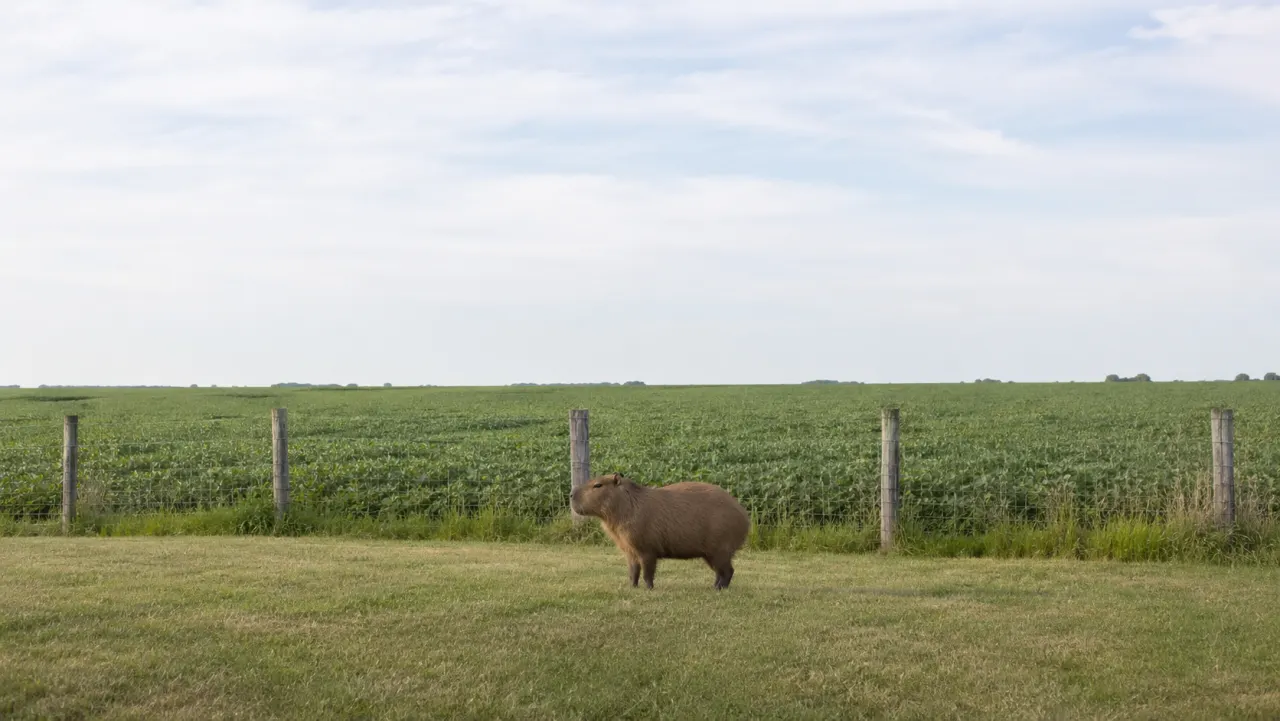
Size is the easiest clue from a public viewing area. Adults are much larger than young animals, and even among adults you may notice one animal standing taller, carrying more mass, or moving differently.
San Diego Zoo describes capybaras as the world’s largest rodents, with adults reaching substantial size. At a zoo, that means the youngest animals may look almost unfairly cute while the adults look like someone upholstered a coffee table.
| Clue | Useful because | Weakness |
|---|---|---|
| Body size | Easy at a distance | Adults can be similar |
| Head shape | Helps in side view | Angle matters |
| Fur tone | Sometimes noticeable | Wet fur changes everything |
| Scars or nicks | Strong individual clue | Not always visible |
| Usual location | Habit can repeat | Feeding or heat can change it |
Faces, Fur, Scars, And The Morillo
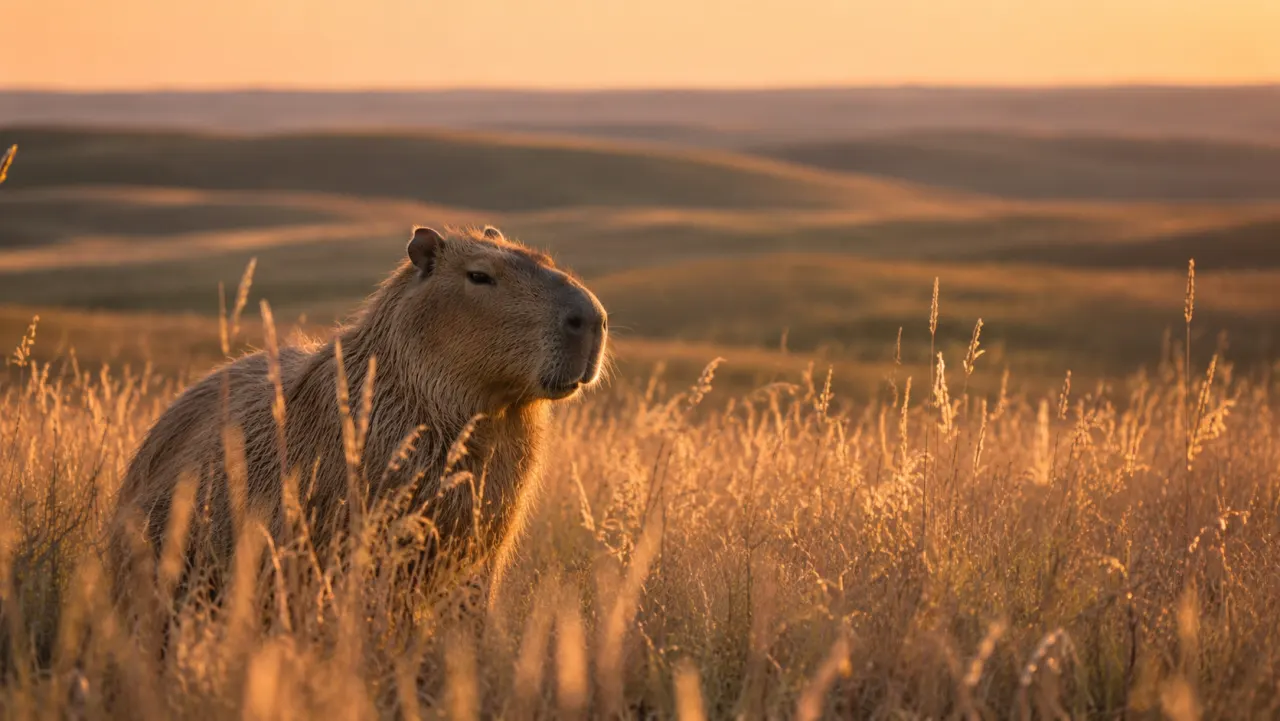
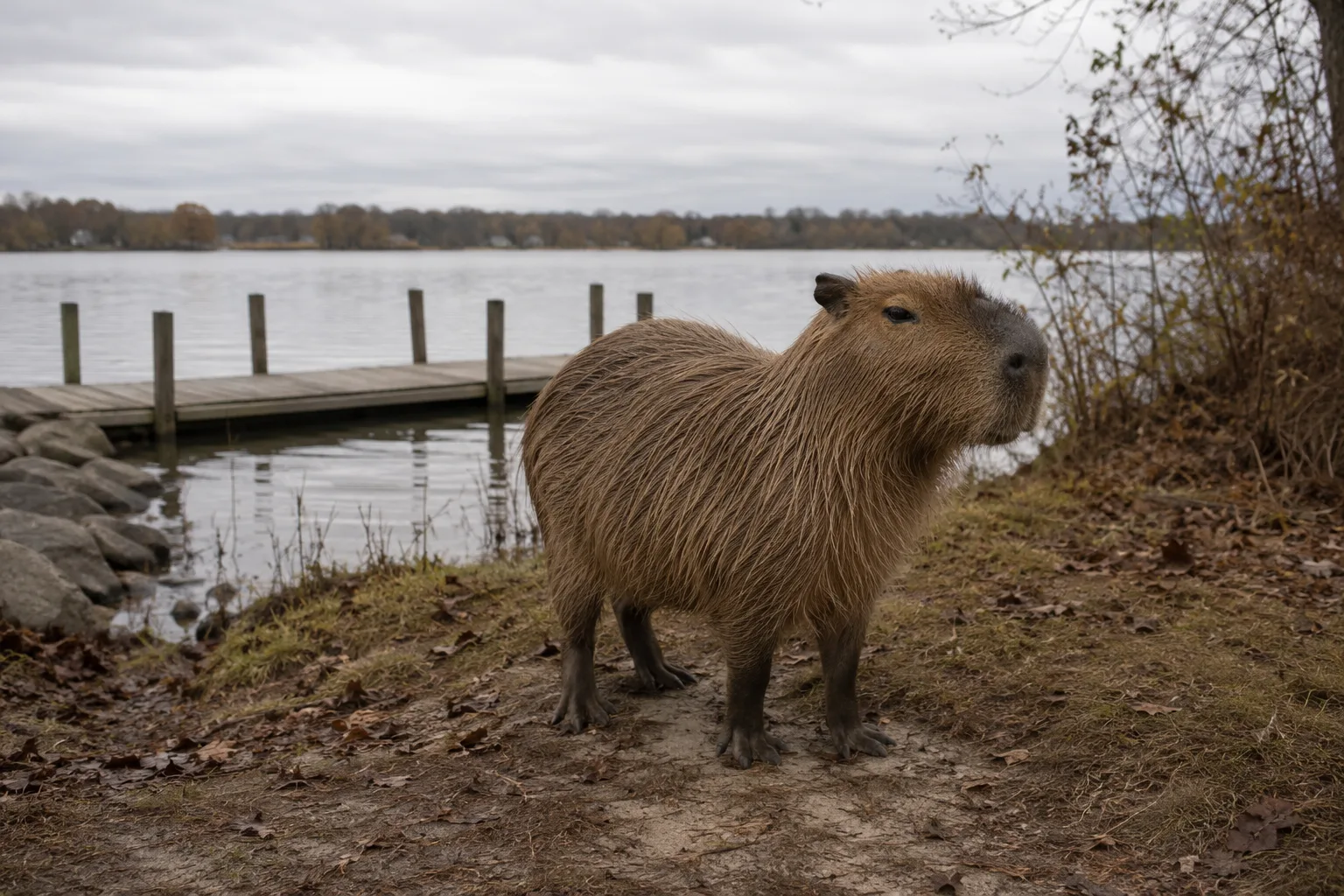
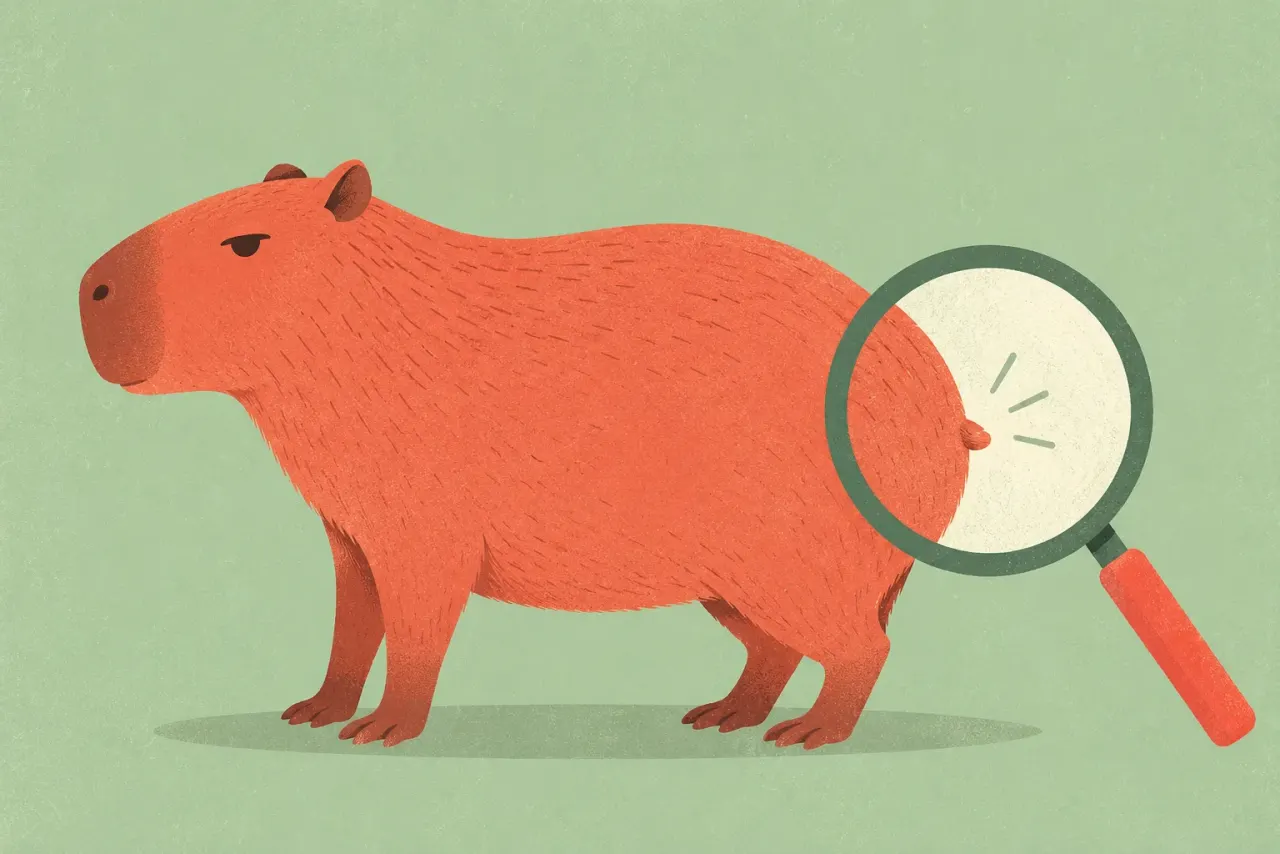
Once you have the big differences, move to faces. Look at snout shape, ears, cheek width, eye area, and any little scars. Adult males may show a more obvious morillo, the scent gland on top of the snout. Research on capybara scent marking connects this enlarged gland especially with males.
Do not overdo it. A wet capybara can look like a different capybara. A capybara in shade can look darker. A sleepy capybara can look ancient, wise, and possibly named Harold, even if the sign says Biscuit.
Here is the honest opinion, since you came this far: the morillo is overrated as an ID tool. People latch onto it because it sounds expert, but it really only narrows the field to “probably a mature male.” It does not separate one mature male from another, and it can be hard to read from across a habitat or under wet fur. Treat it as one weak vote, not a verdict. Animal Diversity Web describes capybaras as highly social herd animals, so a male is usually standing near several other animals you also need to tell apart, which is the actual hard part.

Why Babies Change The Whole Game
Baby capybaras make everyone lose their objectivity. They also grow fast, cluster together, and often look more similar than fans want them to. If a zoo has a recent birth, staff posts and signs are usually your best source.
Young animals may have proportionally smaller bodies, softer faces, and less obvious sex features. Their behavior can also be more active, but do not turn one zoomy moment into a permanent personality report.
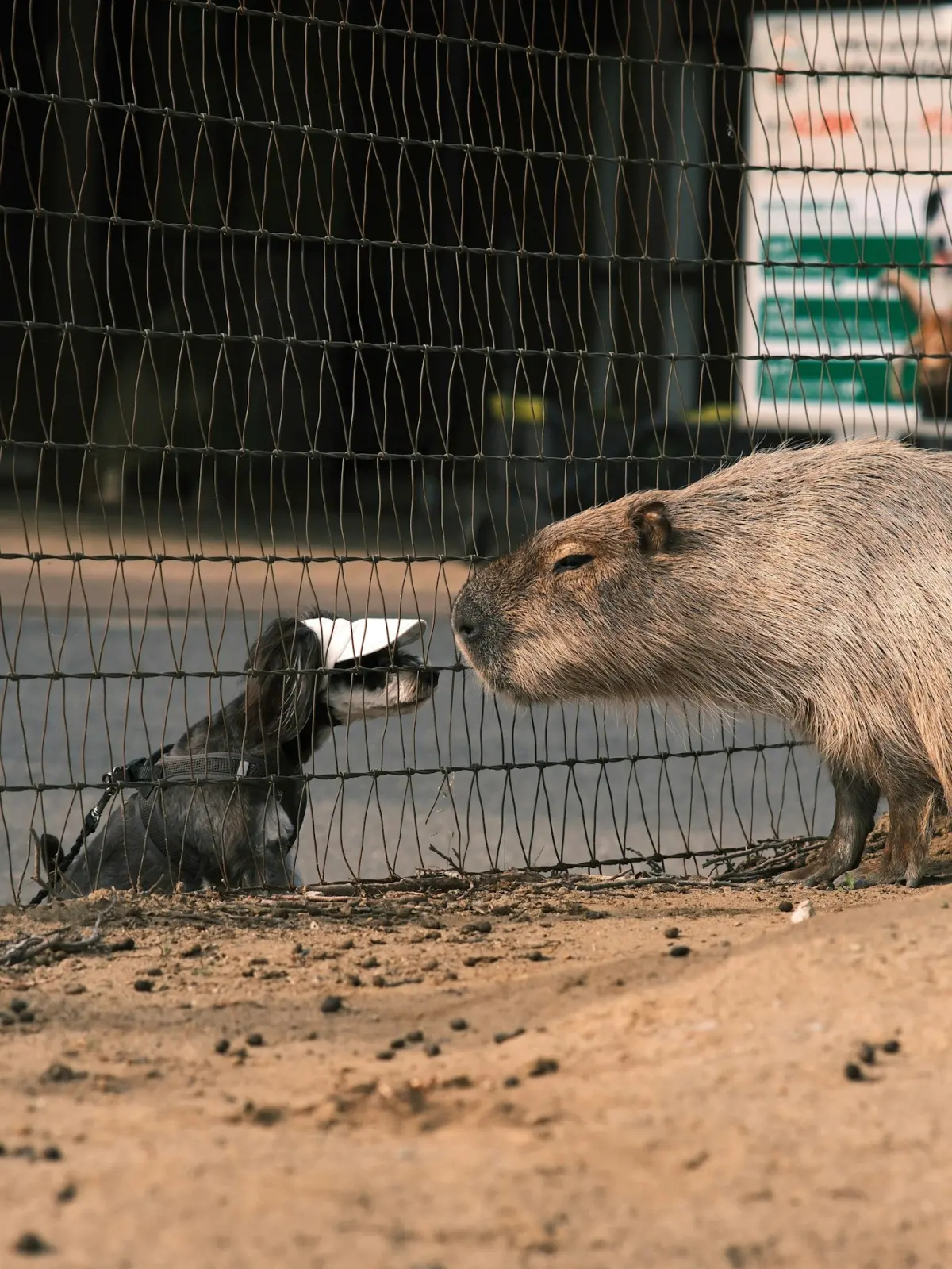
Keeper Signs And Routines Save You
Zoos often give you the answer if you stop trying to be a wildlife detective for three seconds. Read the habitat sign. Check the zoo’s recent posts. Some facilities name individuals and share birth dates, family relationships, or identifying details.
Feeding and keeper talks help too. If staff mention that one animal is older, bolder, shy, male, female, or especially food-motivated, write that down mentally. Keeper information beats fan astrology.
How The Zoo Actually Does It
Keepers are not doing the thing you are doing, only better. They have a paper trail, and it is not optional.
An exhibitor holding capybaras is covered by the Animal Welfare Act recordkeeping rule, 9 CFR § 2.75(b)(1), which requires records “which fully and correctly disclose” the required information “concerning animals other than dogs and cats” that are acquired, owned, held, leased, transported, sold or disposed of — including “any offspring born or hatched of any animal while in his or her possession.”
There are even government forms for it: APHIS Form 7019, Record of Animals on Hand, and APHIS Form 7020, Record of Acquisition, Disposition, or Transport, both named in § 2.75(b)(2).
The capybara you are squinting at has a file. Somewhere there is a line identifying that specific animal, when it arrived, and where from. Keepers recognise individuals by working with them daily and by permanent identification — a microchip, an ear tag, a studbook number — not by the coat pattern you are trying to memorise through a fence.
Which is the honest frame for everything above: you are doing field identification on animals that are individually catalogued by someone else. Getting it right from a viewing platform is a party trick. Getting it right is the keeper’s job, and they have a form number for it.
If you want to see that record layer from outside, the same Act makes it public — the USDA Animal Care Public Search Tool carries licences and inspection reports by facility, which is the route the ethical encounters guide uses for a different question.
What Not To Pretend You Can Identify
Do not claim you can tell mood, rank, friendship status, or life history from one photo. Animal Diversity Web can tell you species behavior. A keeper can tell you individual history. Your phone zoom can tell you pixels.
The best capybara watcher is observant and humble. Notice details. Compare slowly. Laugh when you are wrong. If your system is “that one looks like Brian,” you may need a second clue.