Where Mozzarella came from
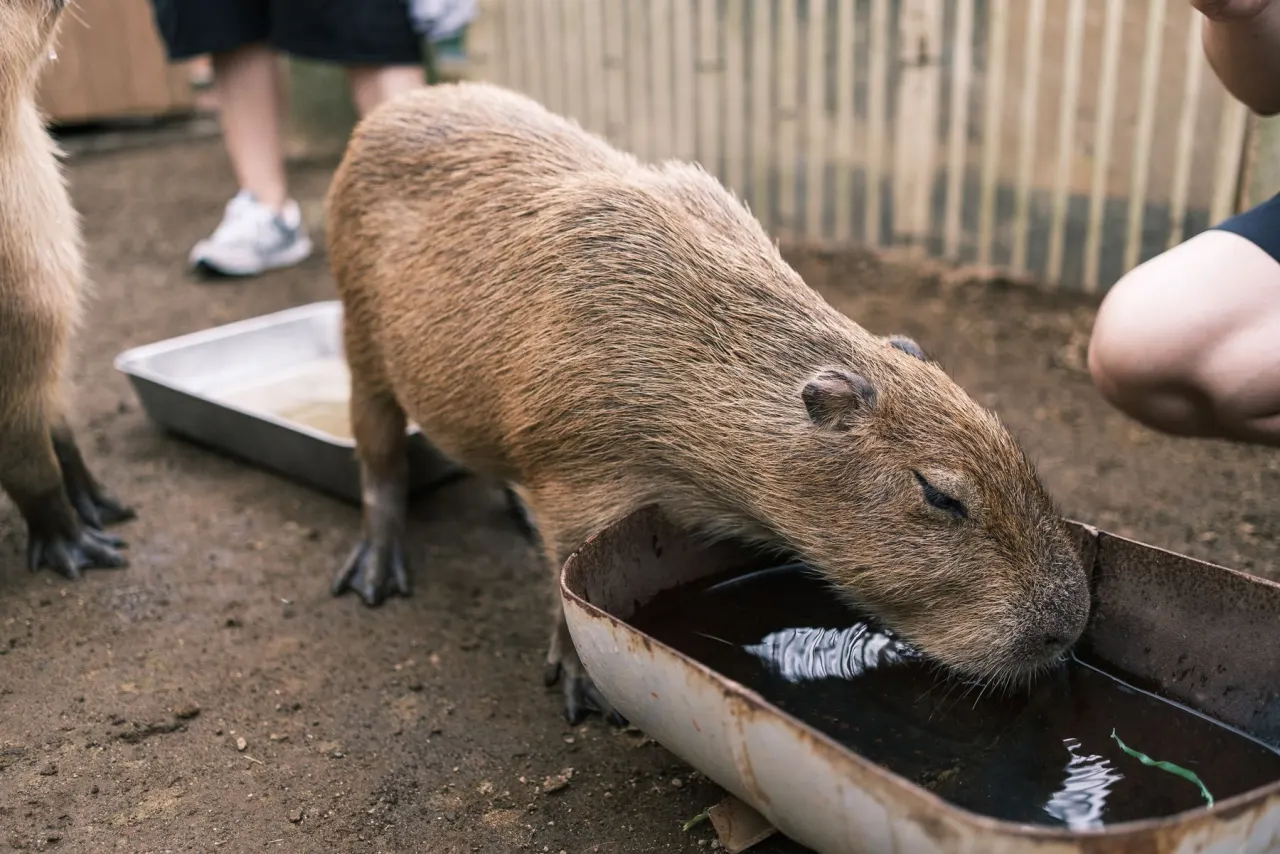
Mozzarella is a male capybara born in November 2025 at Cape May County Zoo in New Jersey. He is now resident at Buffalo Zoo’s M&T Bank Rainforest Falls, where the public can see him on exhibit. According to Yahoo News / WIVB, he has already taken a swim and begun exploring his enclosure — which, for a semi-aquatic animal, is probably the most sensible thing he could have done on arrival.
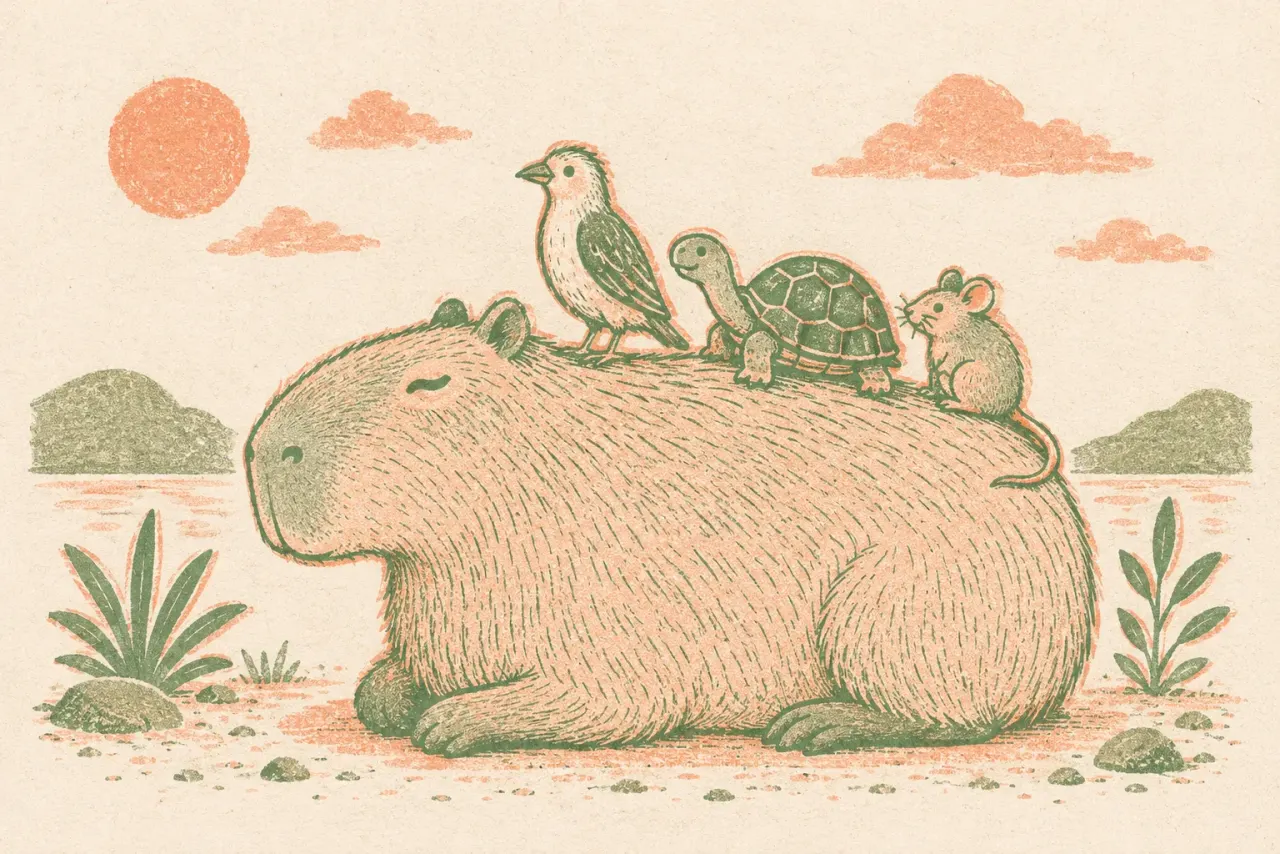
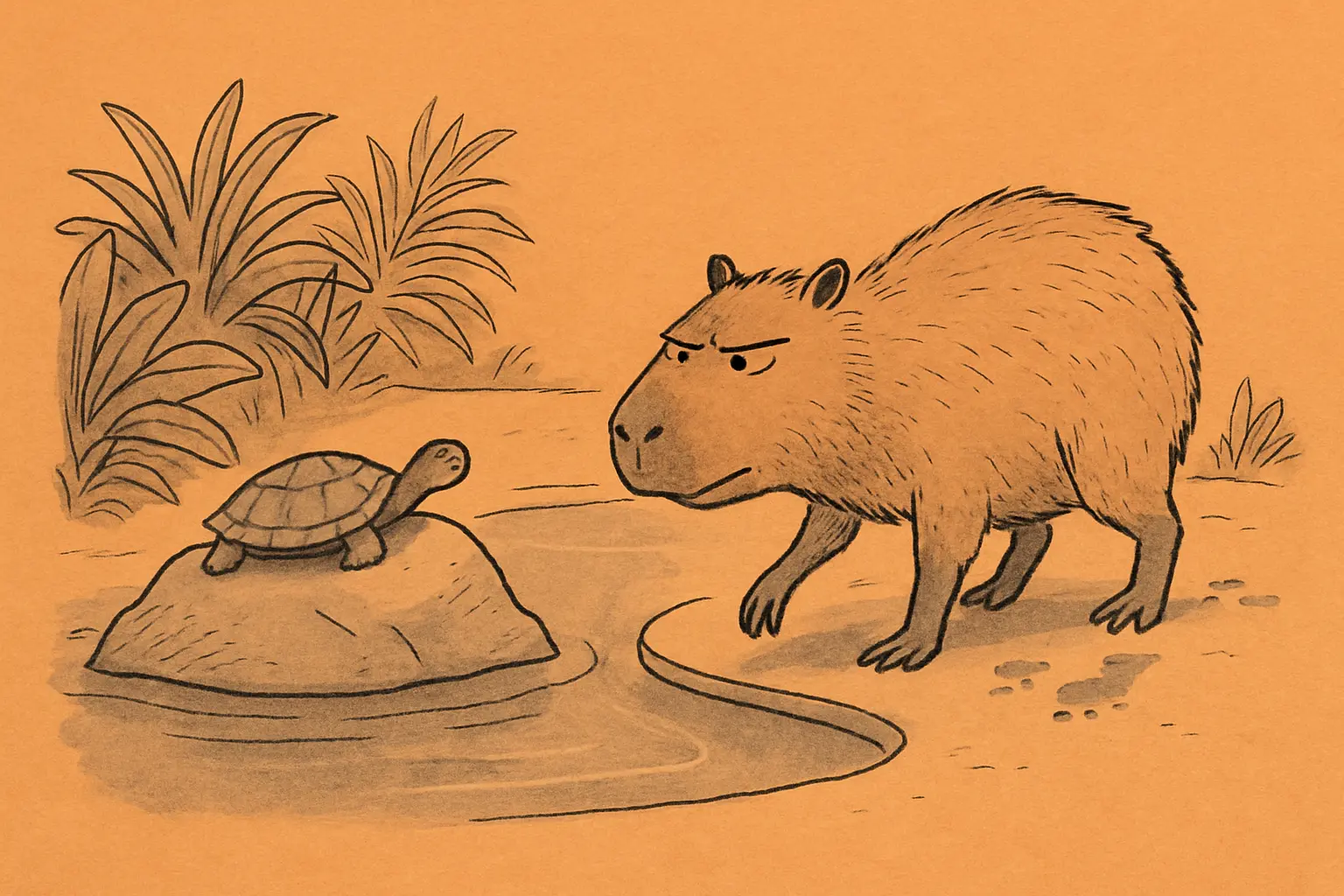
His neighbours for the time being are turtles and birds. Whether they are as charmed by him as the zoo’s press release suggests is not recorded.
The Species Survival Plan behind the move
Mozzarella did not end up in Buffalo by accident. His transfer was made under a breeding recommendation from the Association of Zoos and Aquariums’ Species Survival Plan — a cooperative programme that manages the genetic health of zoo populations across North America. The SSP matches animals between institutions to maximise genetic diversity and minimise inbreeding, which means Mozzarella’s romantic future has already been scheduled by committee.
WIVB’s report notes that a female capybara is expected to arrive at Buffalo Zoo in fall or winter 2026. The zoo will be hoping the two animals agree with the committee’s assessment.
What the conservation picture actually looks like
Capybaras are classified as Least Concern by the International Union for Conservation of Nature, which is the best available outcome on that scale. That classification is sometimes read as meaning the species is fine and requires no attention. It does not mean that.
Capybaras face ongoing pressure from habitat loss across South America and from overhunting — they are eaten in parts of Venezuela and Colombia, where their meat was historically permitted during Lent after a 17th-century Vatican ruling classified them as fish. The Least Concern label reflects current population size, not the absence of threat.
A few things worth knowing about the animal itself
Capybaras are native to South America and found in every country on that continent except Chile. They are the largest rodents on earth — standing up to two feet tall and stretching roughly four feet in length. To put that in perspective, they are more closely related to guinea pigs than to any other common pet, which is a fact that tends to unsettle people who have only ever seen a guinea pig in a shoebox.
Here is the genuinely strange part: a capybara can hold its breath underwater for up to five minutes. Their eyes, ears, and nostrils are positioned high on their heads so they can remain almost entirely submerged while still monitoring their surroundings. Mozzarella’s early swim at Rainforest Falls, then, was not a quirk of personality. It was a capybara doing exactly what capybaras do.
The Grumpy Capy take
Buffalo Zoo President and CEO Lisa Smith told WIVB that “the moment you see Mozzarella, it’s hard not to fall in love.” That is a zoo CEO quote, which means it was always going to sound like that. The more useful information in the same release — that a female is incoming and a breeding programme is underway — got somewhat less airtime.
The SSP process is, in fairness, a legitimate and well-regarded conservation mechanism. Coordinated captive breeding for species facing wild population pressure is not marketing. It is real work, and the AZA’s programme has a credible track record. The cheese-themed name is a separate matter and we will leave it there.
One transparency note: the source article is a short local news item, light on biological or institutional detail. The conservation context and capybara biology in this piece draw on established natural history, not additional reporting from the original piece.