Baby capybara etiquette is simple: lose your mind quietly, follow the rules, credit the source, and do not act as if a newborn rodent owes you premium content.
Baby capybaras are absurdly persuasive. They have tiny legs, serious faces, and the emotional force of a group chat typing in all caps. That does not change the basics. They are young animals, not public property with ears.
Why Baby Capybaras Break People’s Brains
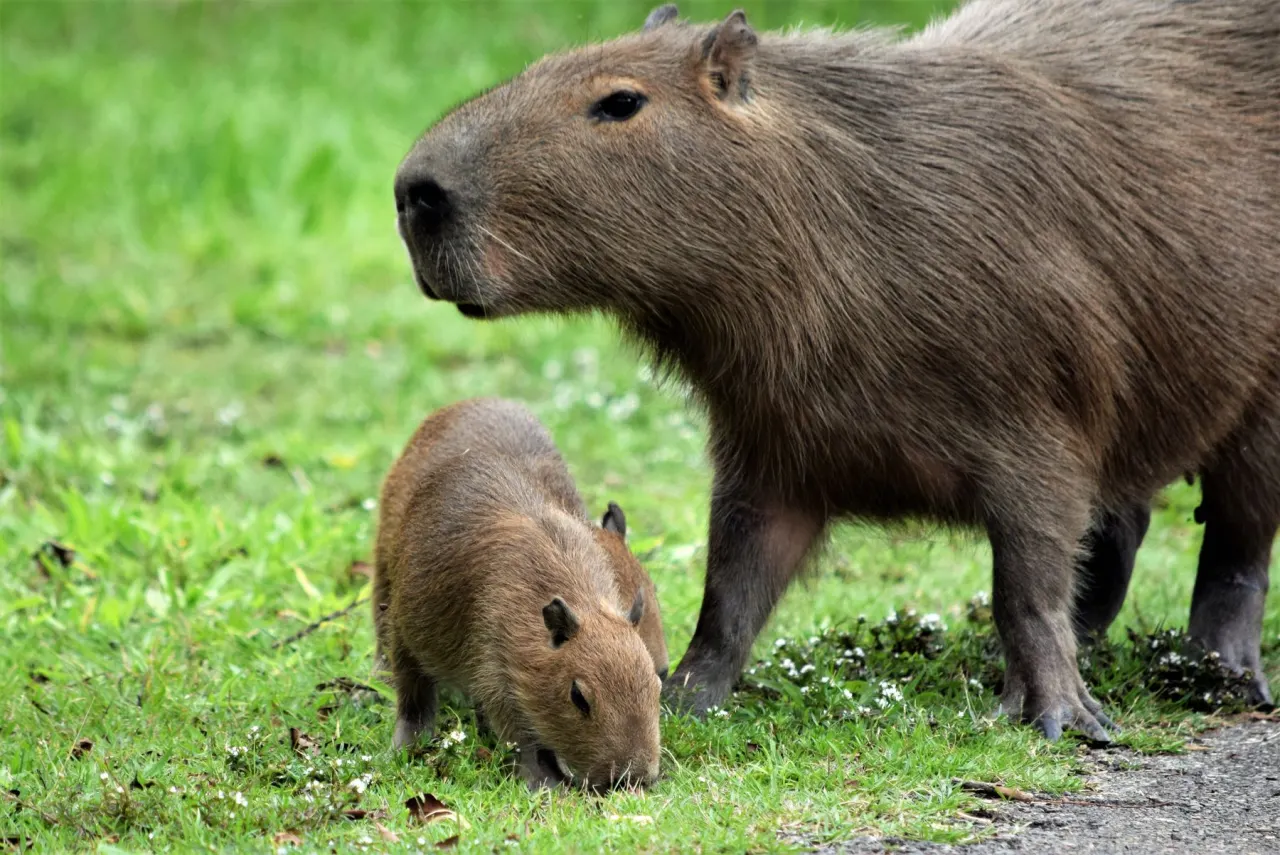
The baby capybara formula is unfair. It is already a capybara, which means the internet is weak. Then you shrink it, add wobbliness, and place it near an adult that looks like a brown sofa making parental choices.
Axios covered Tupi, the San Antonio Zoo baby capybara whose social media clips drew huge attention after his December 2024 birth. The reaction made sense. A baby capybara is a tiny seriousness machine.
But virality changes the pressure around an animal. More comments, more visitors, more demands, more people asking for the exact thing staff may be avoiding for welfare reasons.
Do Not Demand Touching, Feeding, Or Updates
If a zoo posts a baby capybara, the correct response is not “when can I hold it?” The answer is almost always: please become normal.
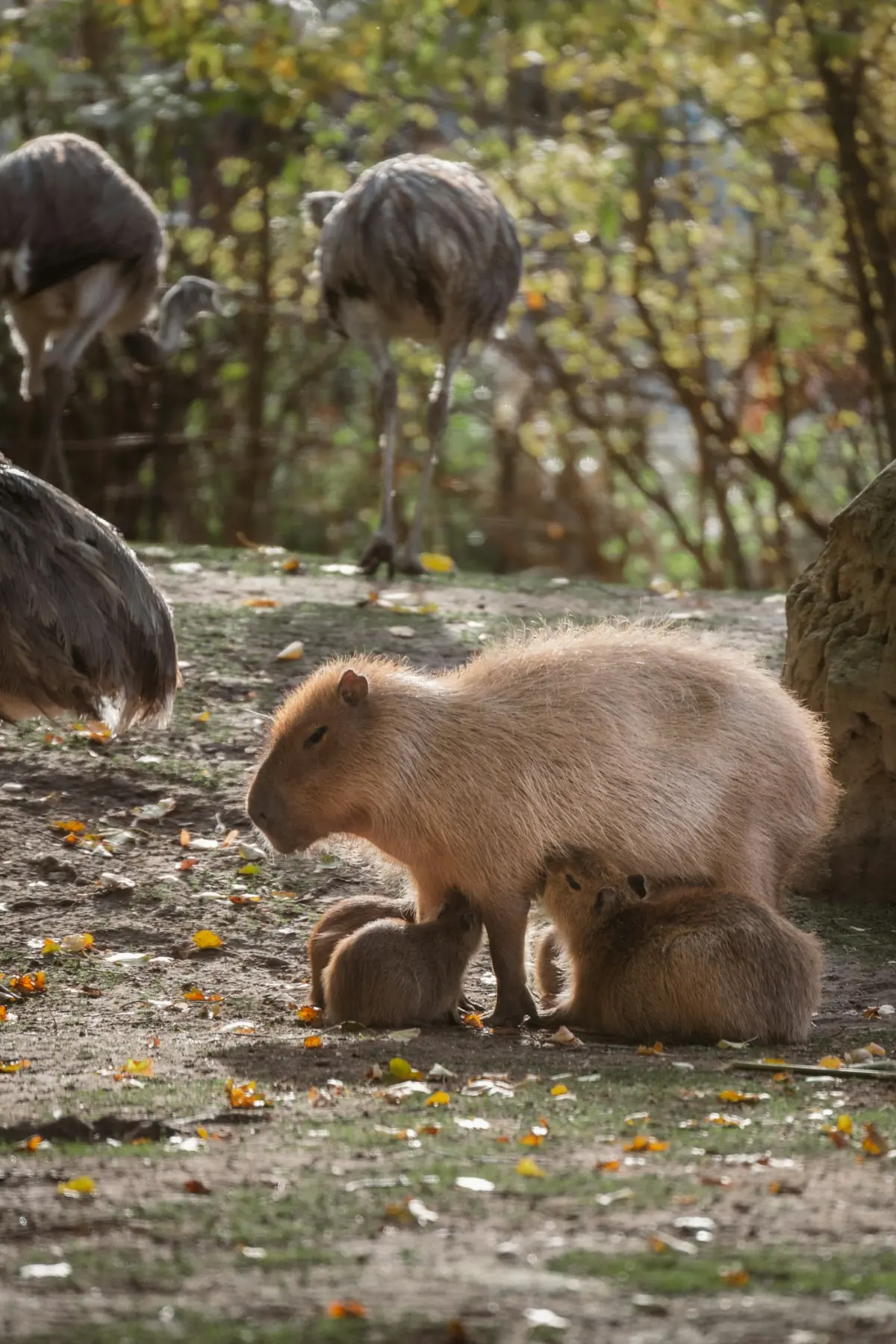
Animal Diversity Web notes that capybaras live socially, and San Diego Zoo describes their semi-aquatic habits. A baby belongs inside that animal context, with its mother, group, habitat, and keepers. Not in a guest’s lap because the internet did numbers.
| Fan impulse | Better move |
|---|---|
| Ask to touch the baby | Ask when public viewing is least crowded |
| Demand daily updates | Enjoy official posts when they arrive |
| Complain about barriers | Remember barriers are doing a job |
| Bring food | Do not feed zoo animals unless staff direct it |

How To Comment Without Being Strange
Good comments are easy: “perfect,” “thank you for sharing,” “hope the family is doing well,” “the little ears are unacceptable,” and similar harmless nonsense.
Bad comments get possessive. Do not demand names, access, breeding updates, contact, or private medical details. Do not harass staff for not posting enough. Do not turn a baby animal into a fandom schedule.
The baby capybara does not need a fan manager. It needs space and a competent adult nearby.
Respect Mom, Staff, And Quiet Space
Zoo babies often mean changed viewing rules, quiet hours, limited access, or staff asking guests to move along. That is not the zoo being mean. That is the zoo noticing that a small animal and its family may need less human attention, not more.
CDC animal-exhibit guidance also exists for a reason: wash hands, supervise kids, and respect barriers. Cute does not cancel hygiene or safety.
Sharing Clips Without Stealing Credit
Credit the facility. Link the original when possible. Avoid ripping clips from zoo accounts and reposting them as if the baby wandered into your camera roll.
Also avoid sharing content that looks unsafe: forced handling, crowding, contact with pets, guests feeding unknown foods, or babies separated from the group for no clear reason. A baby capybara can be the best thing on your feed without becoming a free-for-all.
A Little Context On What You Are Actually Watching
It helps to know what the small animal in the clip is up against biologically, because most fan demands ignore it.
Capybaras are the world’s largest rodent, with adults reaching roughly 35 to 66 kg. The baby in the video will get there, but slowly, and it starts life as a soft, semi-webbed, fully edible-looking prey animal in a world that, in the wild, contains caimans and big cats. Animal Diversity Web and San Diego Zoo Wildlife Alliance both describe them as native to South America, semi-aquatic, and intensely social. That last word is the important one. These are herd animals. Solitary housing is a welfare stressor, not a quirk. So when a zoo keeps a baby close to its mother and group and away from a queue of hands, it is following the animal’s biology, not gatekeeping your joy.
There is also a digestion detail that quietly explains a lot of feeding-related rules. Capybaras are hindgut fermenters and, like guinea pigs, cannot make their own vitamin C, so their diet is managed carefully by staff who know the species. They also re-ingest soft morning feces to pull more nutrients from grasses. None of that survives a stranger tossing a granola bar over a barrier. The kindest thing a fan can do at feeding time is nothing.
Honest opinion, since the brief asked for one: the “can I hold it” reflex is the least charming thing about capybara fandom. The animals are appealing precisely because they are calm and self-possessed. Demanding to grab one is the fastest way to make the whole thing about you instead of the capybara.
Quick Reference: Common Myths
If you only remember a few corrections, make them these.
| Myth | Better answer |
|---|---|
| A viral baby owes fans daily updates | Staff post when it suits the animal’s routine, not the algorithm |
| Touching a baby capybara is a normal zoo perk | Contact is rare, supervised, and never owed to a visitor |
| Feeding the baby a snack is a kind gesture | Their vitamin C and gut needs are managed by keepers; outside food can harm |
| Barriers and quiet hours are the zoo being precious | They reduce stress on a young prey animal and its group |
| Reposting a clip uncredited is harmless hype | It strips the source and can spread unsafe footage |
What Good Fan Behavior Actually Looks Like
Strip away the noise and the etiquette is short. Visit during quieter hours, read the signs, keep your hands to yourself, and let the keepers keep. Online, comment like a normal person, credit the facility, and skip content that looks staged or stressful. Capybaras can live around eight to ten years or more in human care, which means there is no rush. The baby you are watching today will be an adult who looks like a thoughtful brown sofa long after the clip stops trending.
That is the whole job. Be excited, be quiet about it, and treat the mother, the group, and the staff as part of the animal you came to see.