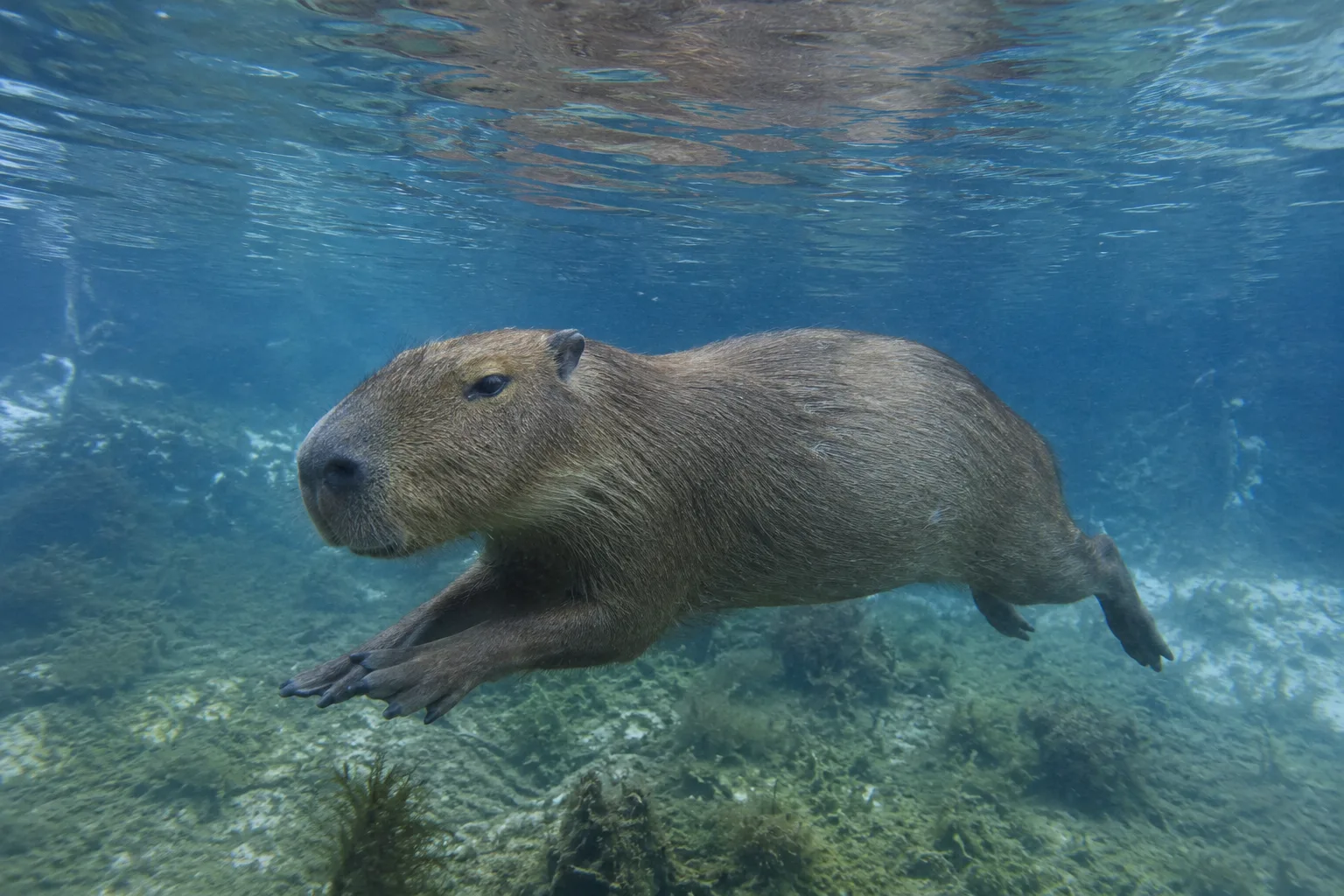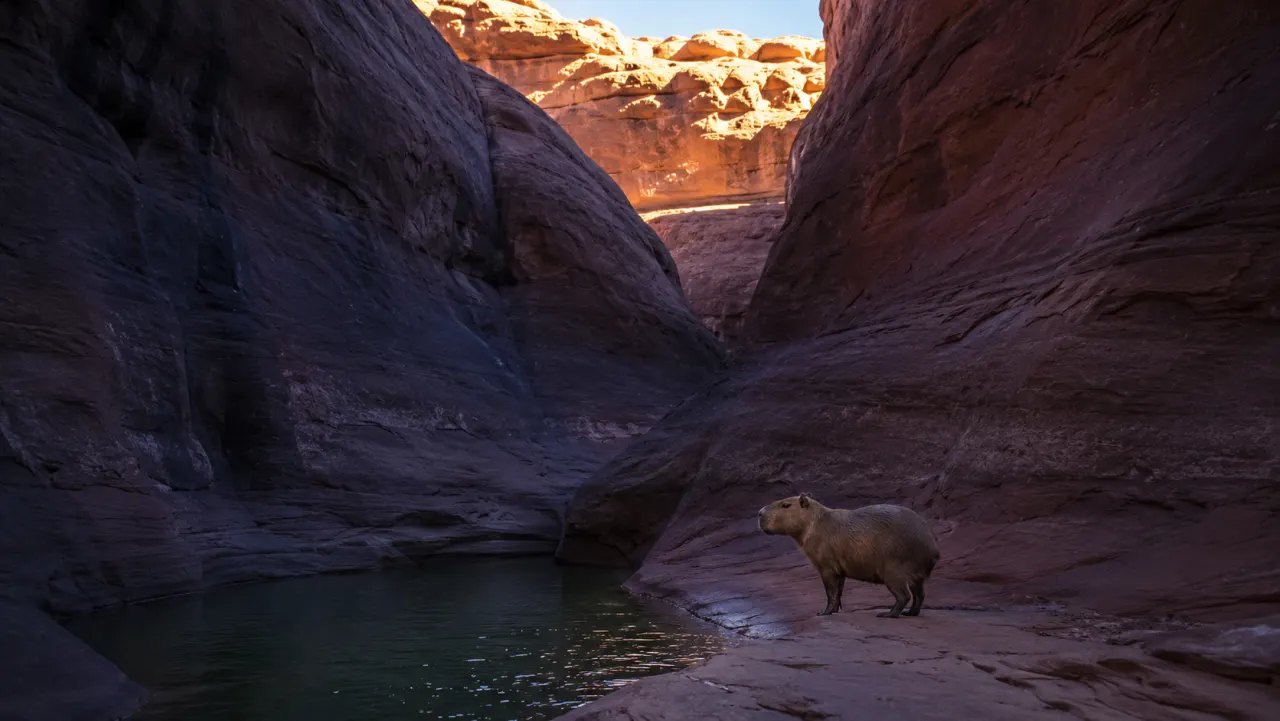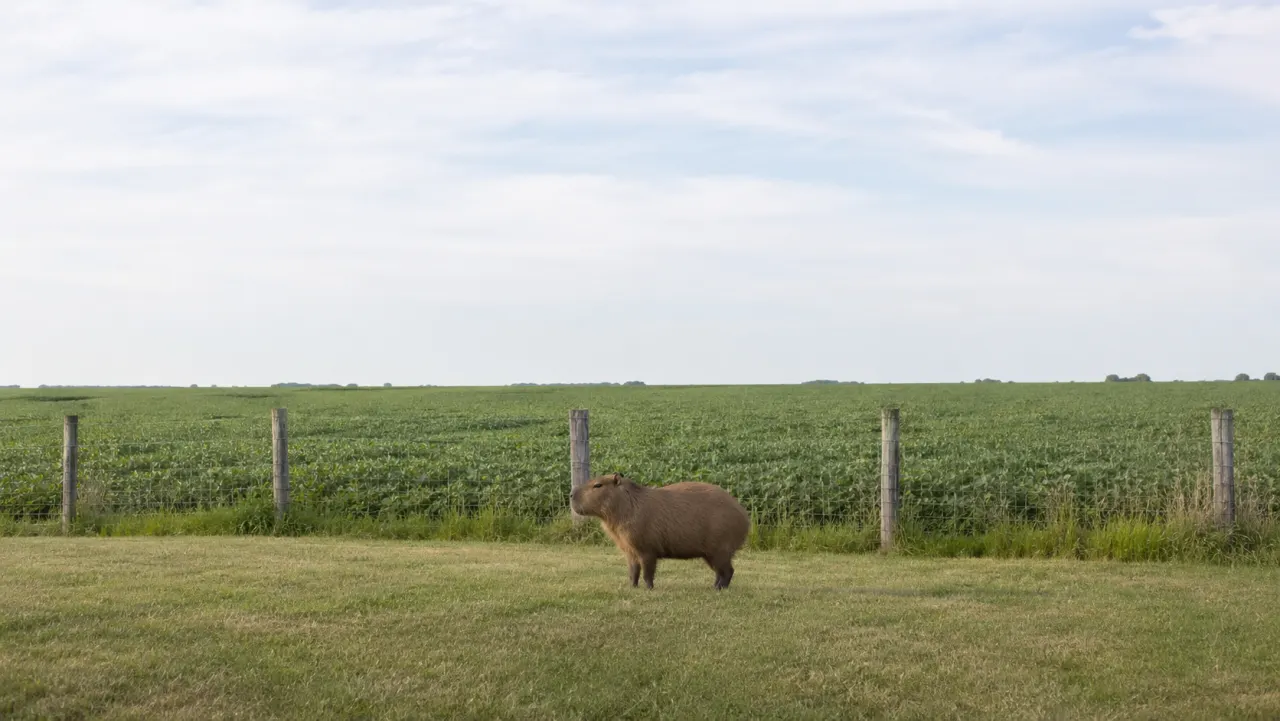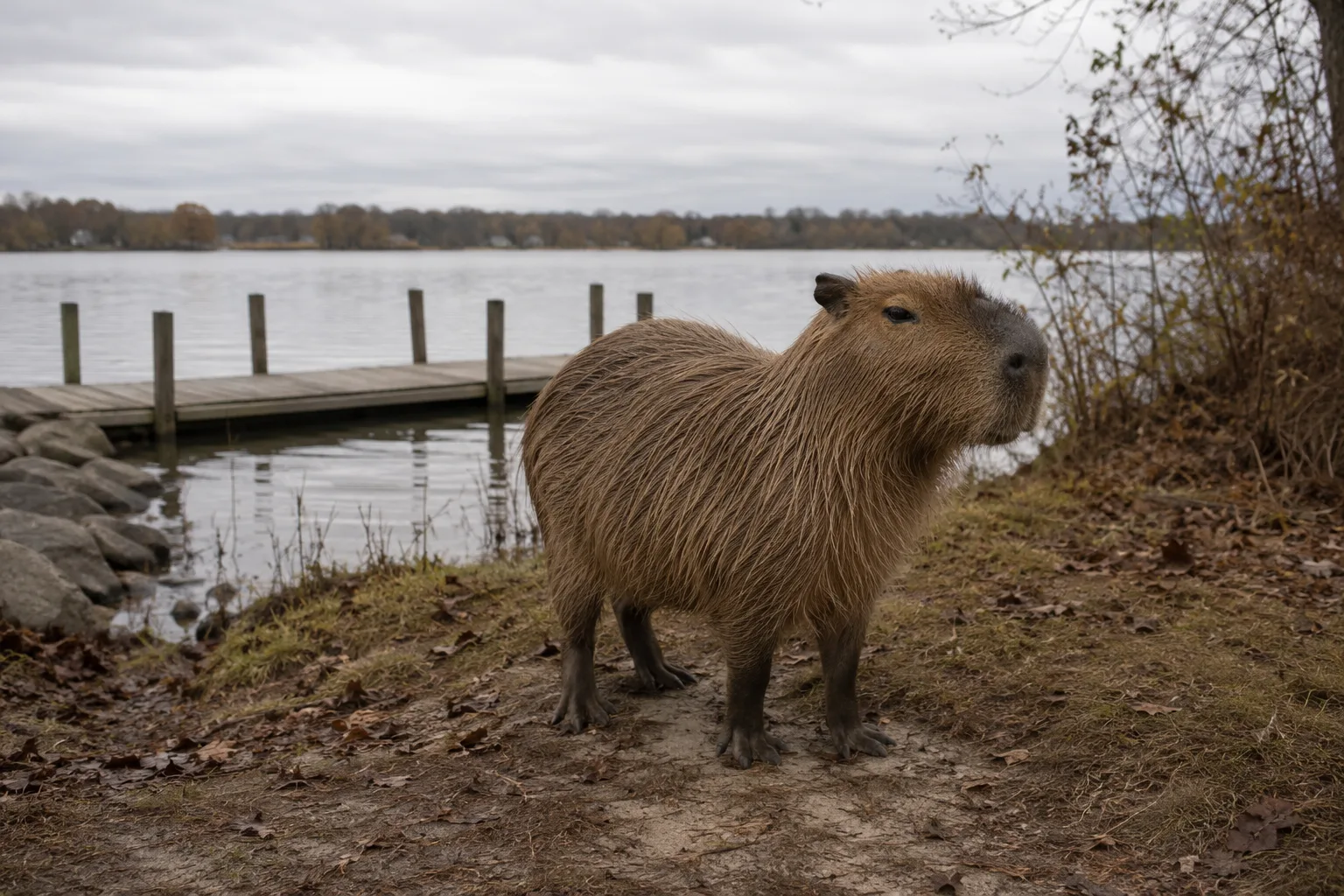

Japan is the country where capybara culture is most fully developed. Nowhere else in the world has as many capybara cafes, as much capybara merchandise, as dedicated a fan base, or as much institutional capybara infrastructure as Japan. The yuzu bath tradition, where capybaras soak in hot spring baths surrounded by floating citrus during the winter solstice, originated in Japan and is responsible for a large slice of the global viral capybara content library.
Private ownership in Japan is legal under conditions, but the cafe and zoo culture makes private ownership somewhat redundant as a capybara experience pathway. This guide covers both.
Japan’s Legal Framework For Capybaras
Japan’s Act on Welfare and Management of Animals (Act No. 105 of 1973) is the governing statute, and the provision that matters is Article 26(1): a person who intends to care for or keep “an animal categorized by Cabinet Order as one that carries a risk of causing harm to the life, body or property of humans” — a specified animal — must receive the permission of the prefectural governor for the location where it is kept. Note where the decision sits: it is a prefectural permission, not a national licence.
The Act itself names no species. The list of specified animals lives in the Cabinet Order made under it, and it is built around large predators, venomous reptiles and similar. We have not read that Cabinet Order in the original Japanese, so this page does not assert that the capybara is absent from it — every English-language description of the list we have seen is consistent with that, and none of them is a primary source. If you are planning ownership rather than a visit, that Order is the document to have checked.
The distinction is worth more than it looks. Since the 2019 amendment took effect, specified animals may not be kept as pets at all — permission is available for zoos, research and similar, not for companionship. So “is it a specified animal” is not a question about paperwork. It is the question about whether private ownership is possible at all.
For non-specified exotic animals, ownership is regulated through animal welfare compliance requirements rather than specific licensing. The Act requires that animal owners meet welfare standards appropriate to the species: appropriate housing, diet, veterinary care access, and social needs.
Municipal ordinances vary by city and prefecture. Tokyo’s animal welfare regulations, for example, include provisions that affect how exotic animals can be kept in residential settings. Private capybara ownership in Tokyo requires compliance with these municipal provisions in addition to the national animal welfare law.
The Ministry of Environment has periodically reviewed which animals require special permits, and capybara classification could change through regulatory action. Current status as of 2026 should be confirmed with the Ministry for any formal ownership plans.
Japan’s Capybara Cafe Culture
The capybara cafe phenomenon in Japan emerged alongside the broader “animal cafe” trend that includes owl cafes, hedgehog cafes, and rabbit cafes. Capybara interaction facilities, where visitors can pet, feed, and in some cases bathe with capybaras, exist across Japan’s major cities.
These facilities are not traditional cafes with the animals in the background. They are interaction-forward experiences where the capybara contact is the primary product. Visitors purchase time with the animals, often combined with food or beverages.
The welfare standards at capybara interaction facilities vary significantly. Facilities operated by serious animal welfare practitioners maintain group housing, appropriate water access, veterinary care, and behavioral enrichment. Others prioritize throughput over welfare. The capybara’s low-aggression temperament makes it commercially useful in contact settings, but this also means welfare problems at poorly managed facilities may not be immediately visible to visitors.
The best Japanese capybara experience, on both welfare and quality, is typically at accredited zoos rather than commercial interaction cafes. Zoos like Izu Shaboten, Yokohama Zoological Gardens (Zoorasia), and several others maintain high-quality capybara groups with genuine husbandry standards.
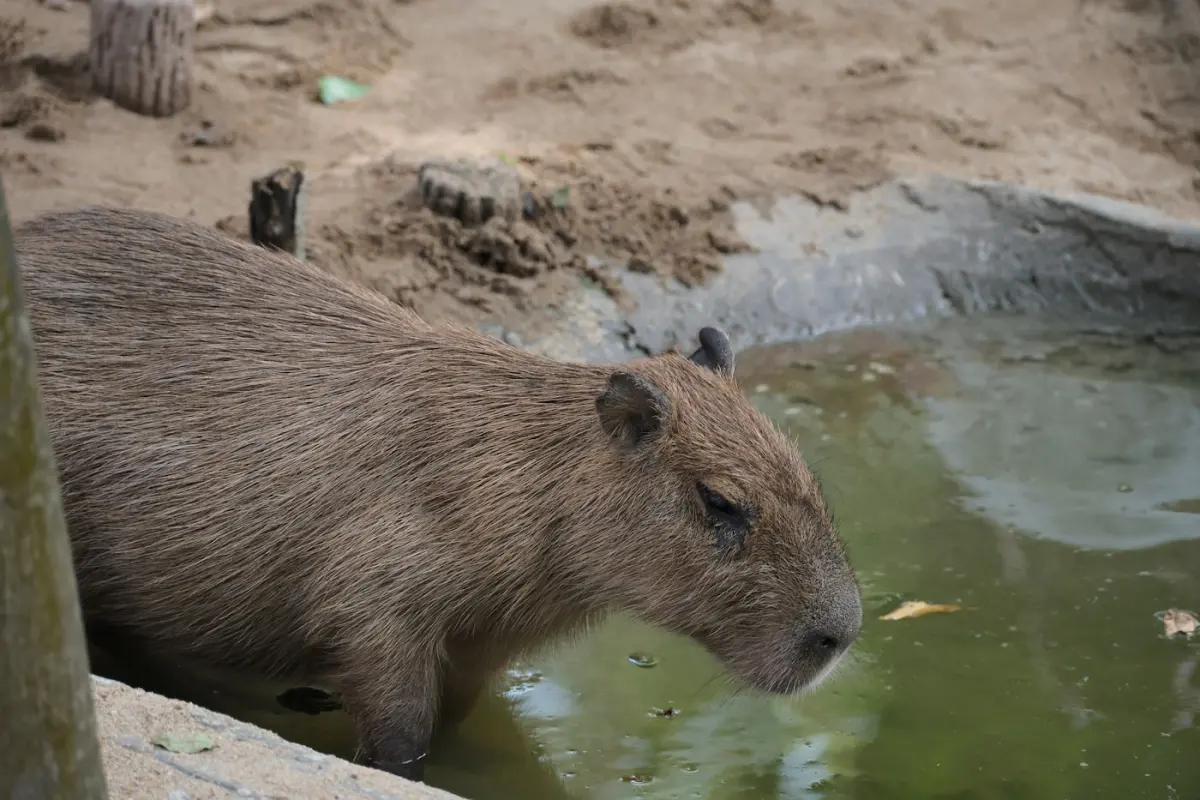
The Yuzu Bath: Origin Story
The yuzu bath tradition is almost entirely responsible for capybaras entering global internet culture. The sequence:
1982: Izu Shaboten Zoo (Shizuoka Prefecture) begins a tradition of giving their capybaras a heated outdoor bath during the winter solstice as enrichment. The practice warms the animals during cold Japanese winters and has antecedents in the Japanese onsen (hot spring) bathing culture.
Early 1990s: yuzu citrus is added to the baths, aligning with the Japanese tradition of yuzu baths (yuzu-yu) during the winter solstice, a bath meant to ward off cold and illness. The capybaras appear comfortable and unbothered in the warm citrus-scented water.
2000s-2010s: photographs and videos of the yuzu bath capybaras spread online, first in Japanese media and then globally via social media. The combination of round mammals, steaming hot water, floating citrus, and serene capybara expressions is irresistible content.
Result: dozens of Japanese facilities now stage yuzu bath events, and the association of capybaras with baths, hot springs, and citrus is now global. Capybara content worldwide leans heavily on this imagery even outside Japan.
The yuzu bath is a genuine welfare activity (the warm water is appropriate and the capybaras show normal comfort behavior), not a coerced performance. It is also Japanese in origin and context.
Private Ownership In Japan: What It Actually Involves
Private capybara ownership in Japan faces several practical barriers that are independent of legal status:
Space: Japanese urban housing, apartments and smaller urban homes, is not compatible with the space, water, and enclosure requirements for a capybara setup. Rural Japan has more viable properties, but rural Japan’s capybara veterinary coverage is limited.
Social housing: the animal welfare law’s requirement to meet species-appropriate social needs means single capybara ownership does not meet welfare standards. Two animals minimum requires more space, more cost, and more management.
Veterinary access: exotic mammal veterinary care for large rodents is specialized. Japan has exotic animal veterinary practices in major cities, but the capybara-specific experience level varies. Finding a vet familiar with 60-70 kg rodent sedation in Japan is not trivial.
Urban noise and neighbors: Japan’s dense residential environments create noise and space considerations for any large animal. Capybaras are not loud, but the enclosure and water system create practical urban tensions.
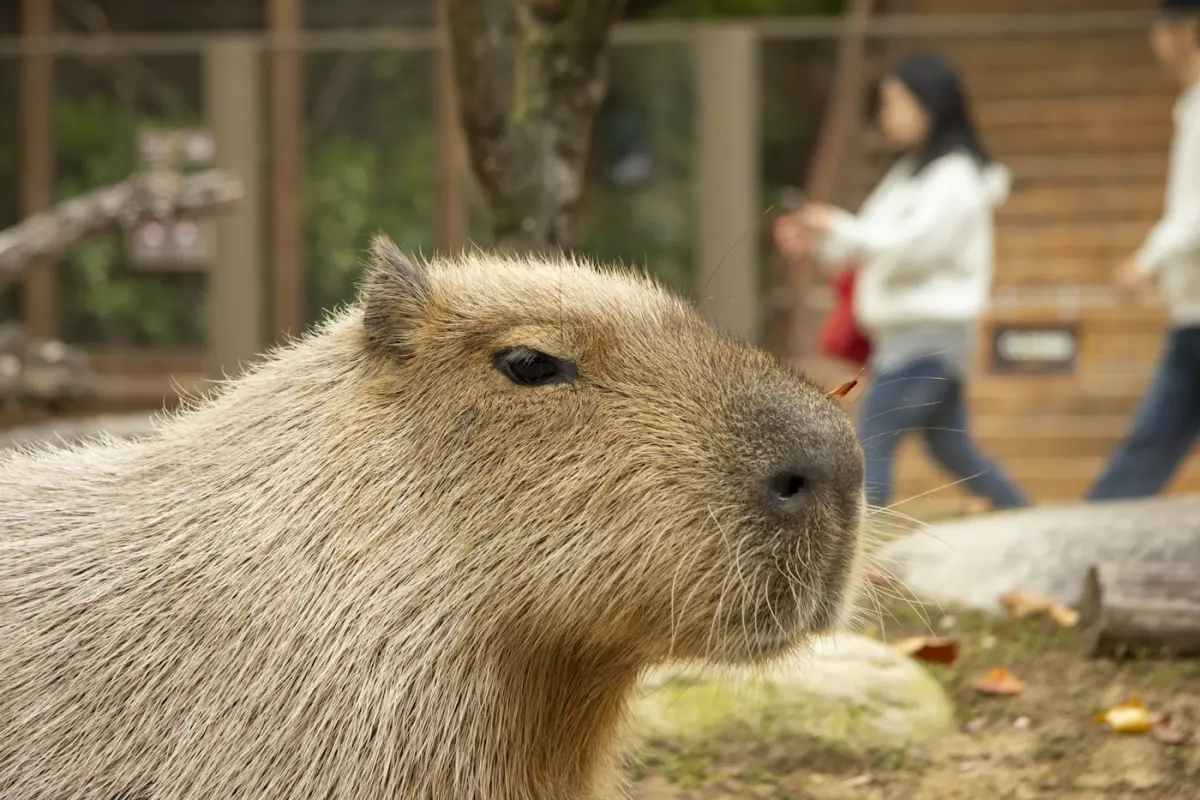
Misconceptions About Capybaras In Japan
Japan’s reputation as capybara heaven leads to a few wrong conclusions. Here is what the culture actually tells you.
| Myth | Better answer |
|---|---|
| ”Japan loves capybaras, so owning one must be easy.” | The culture is built around zoo and cafe access, not private ownership. The law is permissive, but the practical reality is hard for most Japanese addresses. |
| ”The yuzu bath proves capybaras love baths.” | The yuzu bath is a managed winter enrichment event with warm water capybaras are adapted to use. They need water access generally; “they love baths” reads too much into one seasonal ritual. |
| ”All Japanese capybara cafes have high welfare standards.” | Standards vary a lot. Some facilities are excellent, others put profit first. As with any animal-contact venue anywhere, check before you visit. |
Japan’s capybara scene is worth understanding for any fan. It is where the culture grew up, where the iconic imagery came from, and where the highest density of public capybara access exists anywhere. Private ownership is legally possible but practically constrained. The zoo and cafe path is far more accessible, and in Japan it is also more developed and more culturally embedded than anywhere else on earth.
Japan’s regulatory framework is subject to amendment. This reflects the status as of September 2026, and the Cabinet Order species list has not been read in the original. It is general information, not legal advice. Treat it as a starting point, and confirm current ordinances with the Ministry of Environment or your prefecture before acting on any ownership plan.